10 Drought-Tolerant Plants For Gravel Gardens That Look Great Through Summer Heat
Why do some plants flourish in July heat while your hose struggles? In many climates, you can plant sedum and yarrow now and cut watering sharply.
Cool October soil gives your plants time to anchor roots before winter arrives. Gravel mulch bounces light upward, so you see silver foliage glow against pale stone.
Bees will find your blooms fast, and you will hear them humming by noon. Pick a sunny spot, loosen your soil, and mix in coarse sand for drainage.
Water deeply after planting, then let your roots chase moisture downward. Mature plants will need you only during extended dry spells.
Expect neighbors to ask which designer you hired. Tough plants deliver soft textures, and you get both without constant effort.
Start planning now, and you will enjoy a bold, colorful border by midsummer. Next July rewards you handsomely.
1. Lavender With Sweet Scent And Silver Leaves
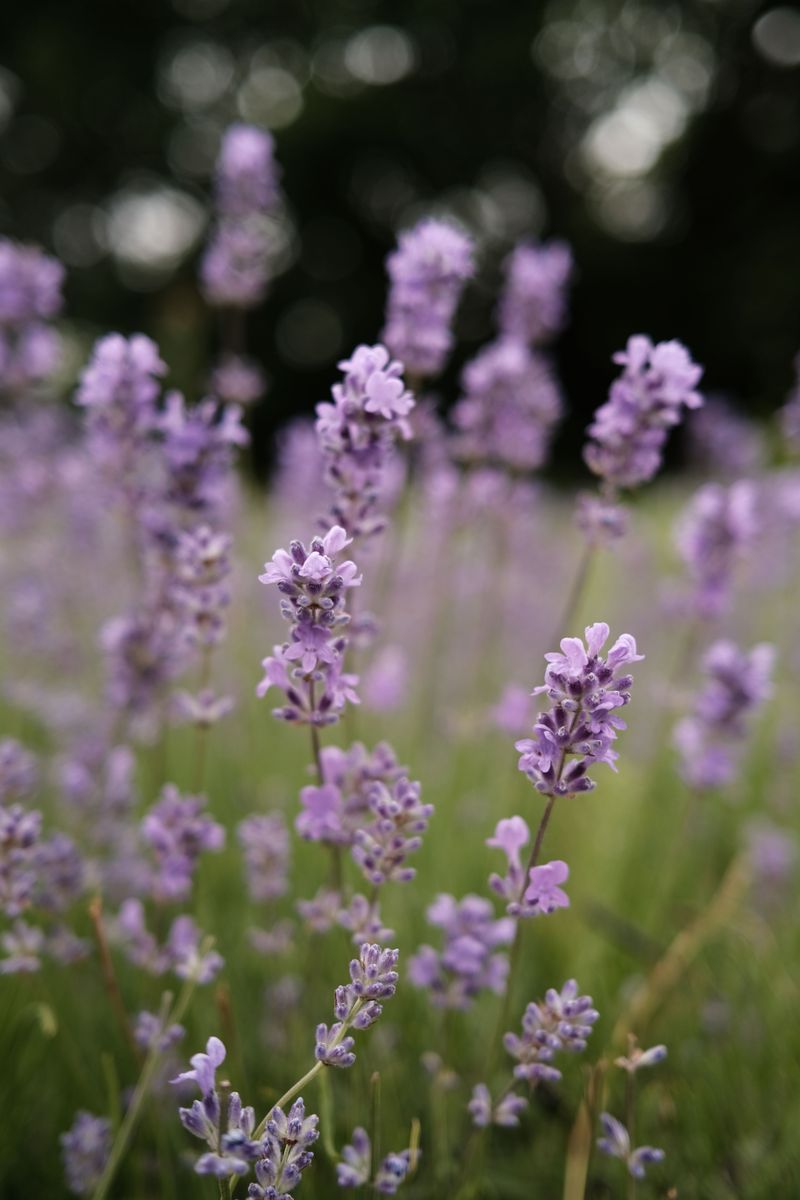
Brush past a lavender plant on a hot day, and the whole path smells like a fancy soap shop. That scent comes from aromatic oils in the leaves and flowers.
Lavender grew wild on rocky Mediterranean hillsides, so gravel feels like home to it. Lean, sandy soil and full sun keep the stems strong and the flowers packed tight.
Rich soil and too much water work against it. Roots sitting in cold, wet soil can decay, so good drainage matters more than any fertilizer you could buy.
English types like Hidcote and Munstead handle colder winters better than French or Spanish kinds. Plant them about two feet apart so air can move freely between the mounds.
After the first big bloom fades, trim the flower stalks back by about a third. A light haircut often brings a second round of purple in late summer.
Bees adore the blooms, so expect a steady, happy buzz all through July. Cut a few stems for drying, and your closets will smell sweet well into winter.
In October, mulch around the base with gravel instead of bark. Stones reflect warmth and keep the crown dry during chilly, rainy months.
2. Russian Sage As A Hazy Purple Cloud
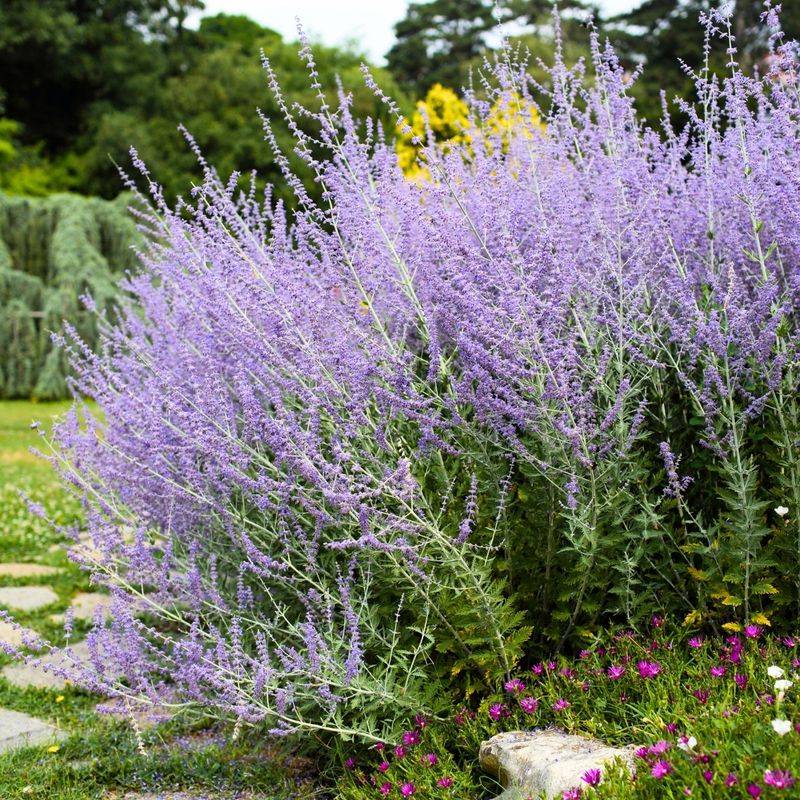
From a distance, Russian sage looks like a purple haze drifting over the stones. Up close, tiny lavender-blue flowers line silvery stems that sway in the slightest breeze.
Despite the name, the plant comes from Central Asia, not Russia. Botanists moved it into the Salvia family, so it now counts as a true sage, which confused plenty of gardeners.
In Colorado, heat that makes other perennials flop just makes Russian sage stand taller. Once established, it needs water only during long stretches with no rain.
Give it plenty of room, since mature plants can reach four feet tall and wide. Place it toward the back of a gravel bed so shorter plants still shine.
Leaves smell a bit like a mix of sage and mint when you crush them. Deer and rabbits dislike that scent, so they usually leave it alone.
Bloom time runs from midsummer into early fall, giving you months of soft color. Pair it with yellow yarrow or orange coneflowers for a bold, cheerful contrast.
Wait until spring to prune, cutting stems down to about a foot tall. Leaving them up through winter adds silvery shape to a bare garden.
3. Stonecrop Brings Plump Leaves And Late Blooms
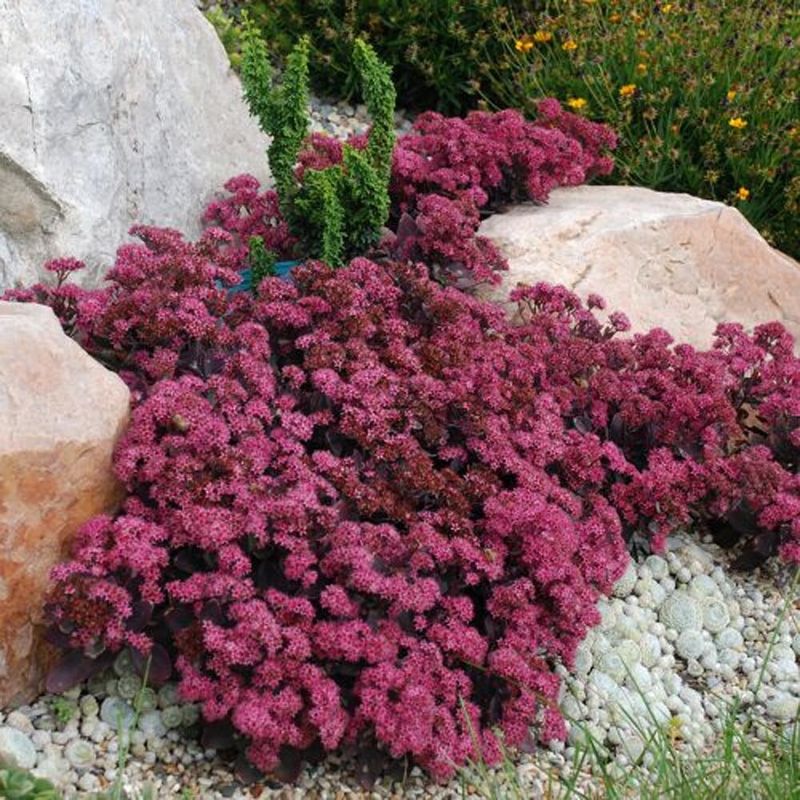
Squeeze a stonecrop leaf gently, and you will feel how it stores water like a tiny balloon. That clever trick helps it handle weeks of hot weather.
Gardeners also call it sedum, and there are hundreds of kinds to choose from. Low creeping types spill over rocks, while upright ones like Autumn Joy form neat clumps.
Upright varieties change color as the season moves along, which keeps things interesting. Flower heads start pale green, turn pink in summer, then deepen to rusty red by fall.
In October, many sedums still look handsome while other plants fade. Leave the dried heads standing, and they will catch frost and snow beautifully.
Plant stonecrop in full sun and the leanest soil you have. Too much fertilizer makes stems weak, and they may flop open in the middle.
Butterflies love landing on the broad, flat flower clusters during late summer afternoons. Kids enjoy counting the visitors, which turns weeding time into a little nature lesson.
Want more plants for free? Snap off a stem, push it into gravelly soil, and it will root in a few weeks.
Divide crowded clumps every few years in spring to keep them tidy. Share the extras with friends who struggle with hot, dry yards.
4. Yarrow In Bright Colors With Flat Flowers
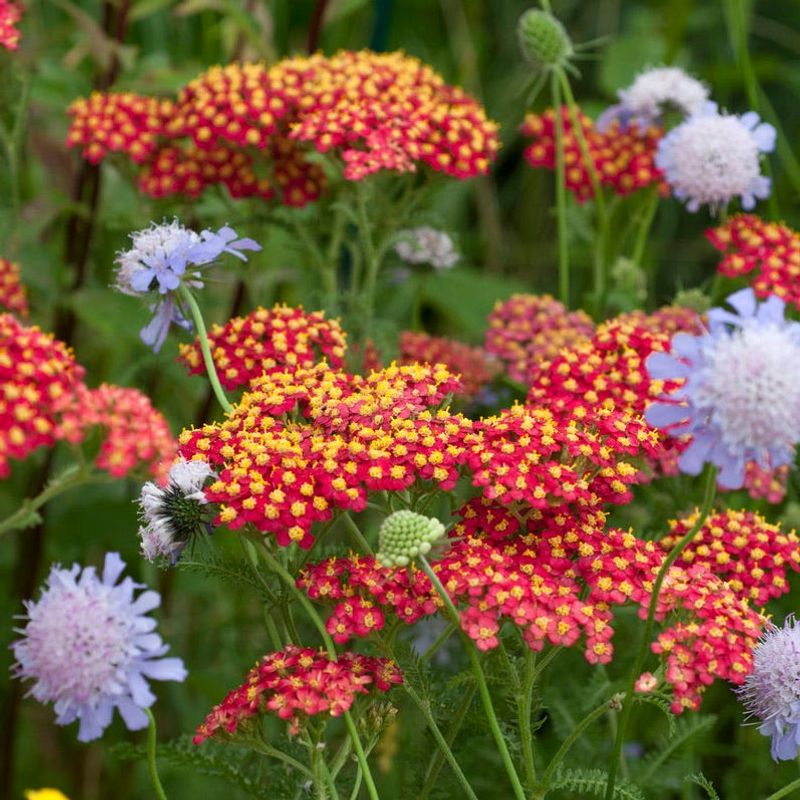
Legend says the Greek hero Achilles used yarrow to treat soldiers’ wounds, which explains its scientific name, Achillea. Today it heals hot, bare garden spots instead.
Feathery, fern-like leaves give it a soft look that hides a seriously tough nature. Tough roots handle dry soil well, so dry spells in Colorado hardly bother it.
Flower clusters look like flat plates, perfect landing pads for butterflies and small helpful insects. Colors range from creamy white and sunny yellow to pink, red, and terracotta.
Newer types like Moonshine and Paprika stay shorter and tidier than wild yarrow. Some wild forms spread fast, so pick a well-behaved variety for small spaces.
Poor, gravelly soil keeps stems sturdy and upright. Rich soil and extra water make yarrow grow floppy and lean over.
Snip off faded flower heads, and new buds will keep popping up through August. Fresh blooms also dry well for wreaths and simple bouquets indoors.
Fall is a great time to plant yarrow from small pots. Water it weekly until the ground freezes, then let nature take over.
By next June, those little starts will be blooming like they have lived there for years. Not bad for a plant that asks for so little.
5. Blue Fescue Adds Cool Color To Sunny Spots
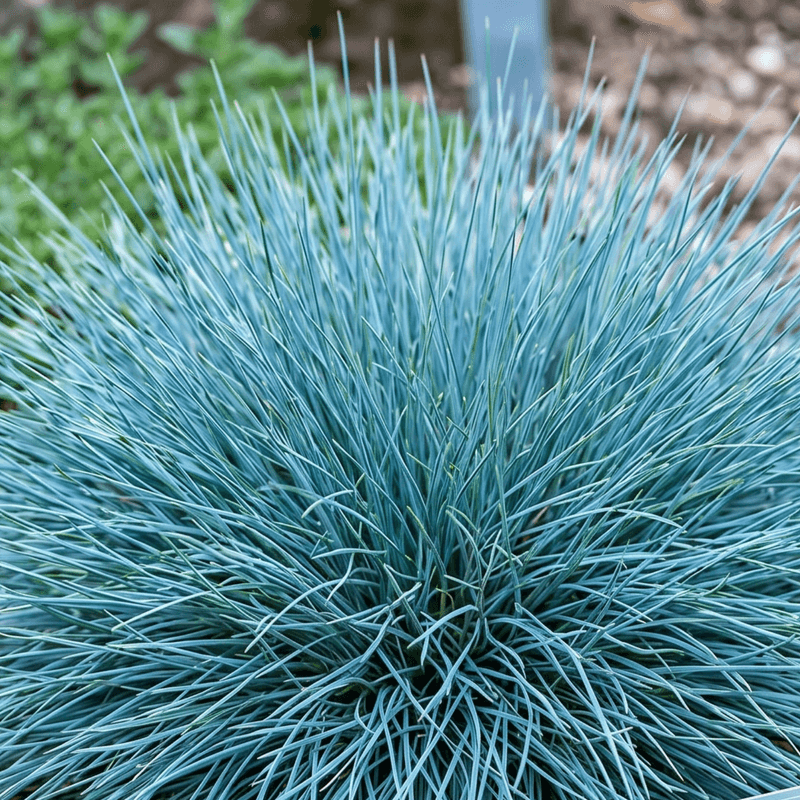
Imagine a pincushion made of icy blue needles, and you have pictured blue fescue. Its color looks so cool that it seems to lower the temperature on sunny days.
Each clump grows into a tidy round mound about ten inches tall. Planted in rows or groups, they create a neat, modern look against pale gravel.
Elijah Blue is a popular variety, known for its bright powdery color. Beyond Blue and Boulder Blue hold their shade even better in strong summer heat.
Like many grasses, blue fescue grows best during cooler parts of the year. In midsummer it may slow down a bit, but it still looks sharp.
Soggy soil can harm it, so sharp drainage is a must. Gravel mulch keeps the base dry and helps prevent rot at the crown.
In early summer, thin flower spikes rise above the leaves and turn tan. Some gardeners love them, while others snip them off for a cleaner look.
Clumps can get brown in the center after a few years. Dig them up, divide them, and replant the healthy outer pieces in fall or spring.
Comb out old blades with your fingers in early spring. It feels a bit like brushing a friendly, spiky pet.
6. Lamb’s Ear Offers Soft Leaves That Invite Touch
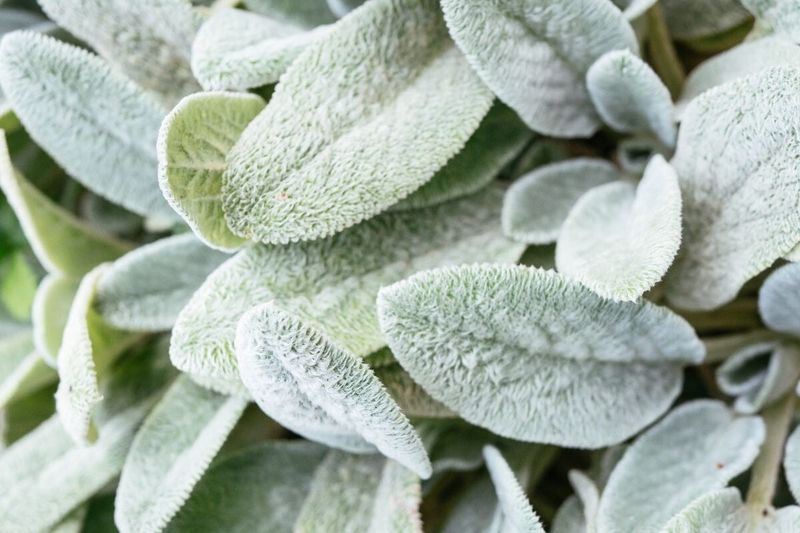
Few people can resist petting lamb’s ear. The silvery leaves feel just like velvet or a puppy’s floppy ear.
That fuzzy coating does more than feel nice. Tiny hairs shade the leaf surface and reduce water loss, helping the plant handle strong sun.
Most varieties form low, spreading mats about six to eight inches tall. Silver foliage brightens a gravel path and ties together plants with bold colors.
In early summer, woolly spikes shoot up with small purple-pink flowers. Bees love them, but many gardeners prefer the tidier look of a variety called Big Ears.
Big Ears has extra-large leaves and makes few flowers, so it stays neat. Helene von Stein is another name for the same handsome plant.
Humid weather and heavy soil are its biggest troubles. Leaves can turn mushy if water sits on them, so plant it where air flows freely.
Pull off any brown or soggy leaves as you notice them. Clean plants look better and resist rot through the muggy days of August.
A children’s garden corner is a perfect spot for lamb’s ear. Little hands get a soft surprise, and the plant shrugs off a bit of rough handling.
Big Ears spreads slowly and flowers sparingly, while the species can self-seed, so give it room. Divide large patches in spring and share them with neighbors.
7. Purple Coneflower Delivers Bold Blooms And Birds
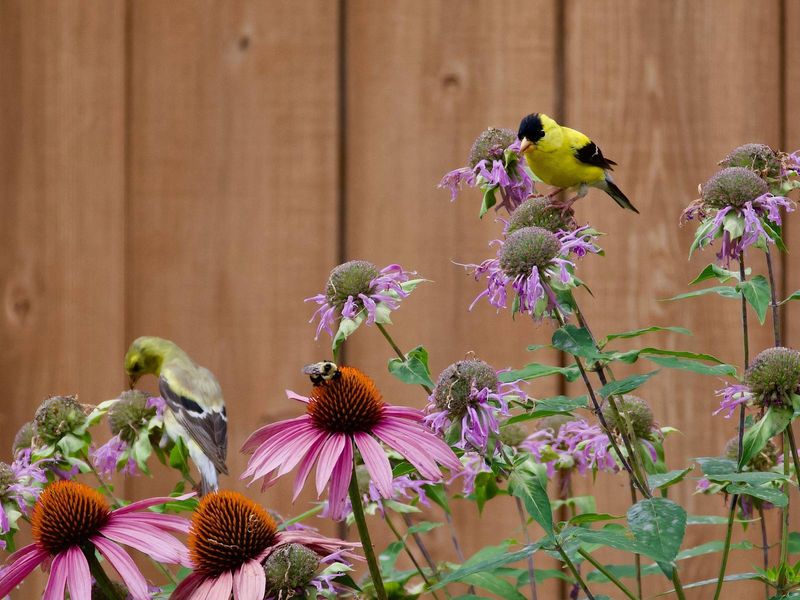
Purple coneflower is native to the prairies and open woodlands of the central and eastern United States, where it handles heat and dry spells. That same grit makes it a star in gravel.
A sturdy root system helps it find water where shallow plants cannot reach. Once settled, coneflowers shrug through weeks of heat without much fuss.
Pink-purple petals droop gently around a spiky orange center that looks like a tiny hedgehog. Newer types come in white, yellow, orange, and even lime green.
Butterflies stop by all summer to sip nectar from the bright blooms. In fall, goldfinches perch on the seed heads and pick out snacks.
That is why smart gardeners leave some flower heads standing into winter. In autumn, resist the urge to tidy up too much.
Native Americans used coneflower roots as medicine for coughs and sore throats. Its scientific name, Echinacea, comes from the Greek word for hedgehog.
Plant in full sun and average to poor soil for the best results. Fancy hybrids can be short-lived, so classic purple types often last longer.
Let a few seeds drop, and baby plants will pop up nearby next spring. Free flowers are hard to beat.
8. Tall Verbena Floats Purple Dots Above The Gravel
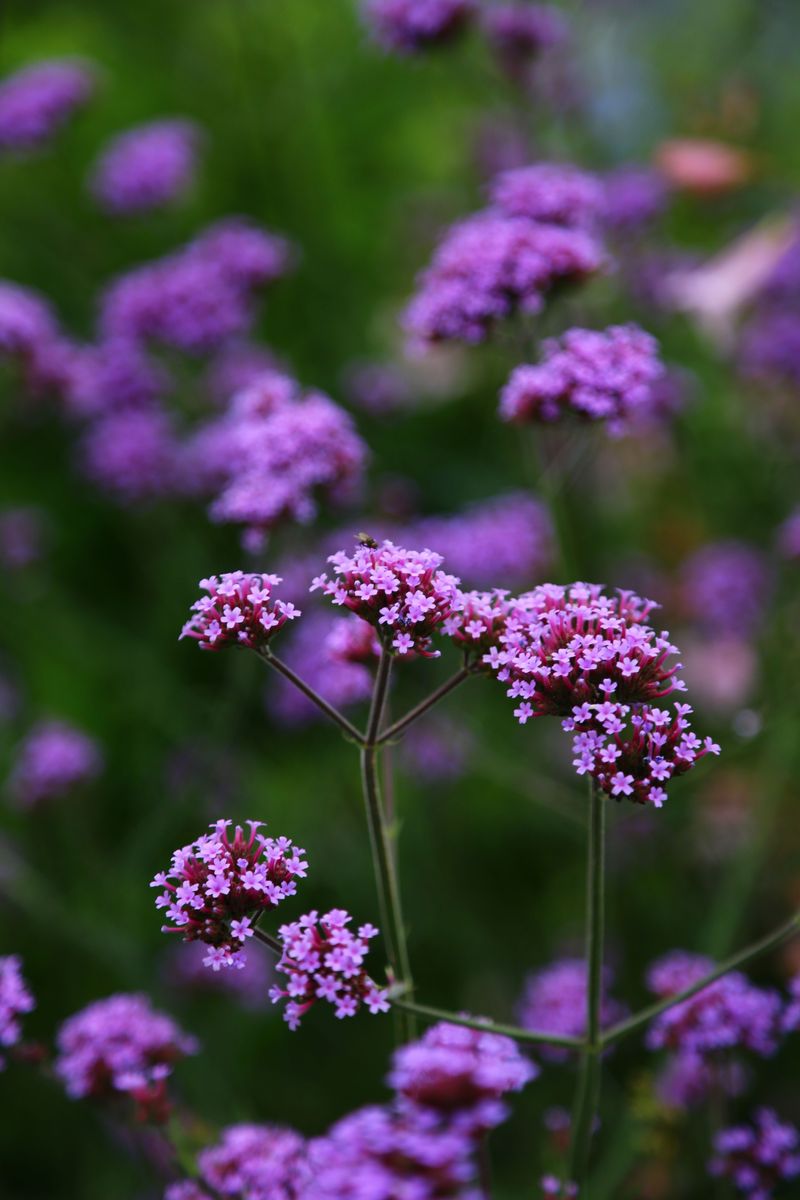
Ever seen flowers that seem to hover in midair? Tall verbena holds tiny purple clusters on stems so thin they seem to disappear.
Gardeners call it a see-through plant because you can look right past it. It adds height without blocking the shorter plants growing behind it.
Stems can climb four to six feet, yet each plant takes up little ground space. Tuck several between low mounds for a playful, dancing effect.
Native to South America, it loves heat and handles dry, stony soil with ease. The botanical name, bonariensis, means from Buenos Aires.
Monarchs and swallowtails flock to the flowers from July until frost. Sit nearby with a cold drink, and you may count a dozen at once.
In colder areas, it acts like an annual and may not return after winter. Seeds drop easily, so new plants usually sprout the next spring. Check local guidance first, since tall verbena is considered invasive in some regions.
Those volunteers pop up in surprising spots, which keeps a gravel garden feeling wild and loose. Pull extras when small, since young plants come out easily.
Stems feel rough and square, a quirky detail kids enjoy noticing. Staking is usually unnecessary, as the stiff stalks stand firm in windy weather.
9. Sea Holly Shows Off Spiky Steel-Blue Drama
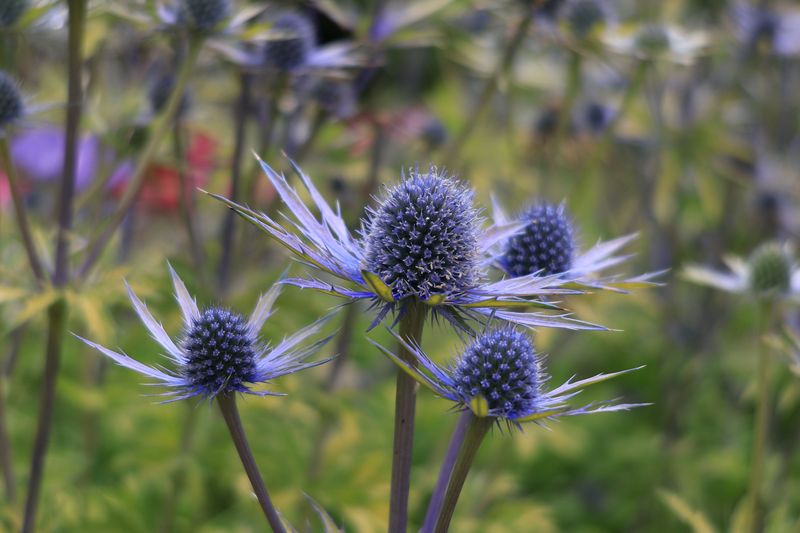
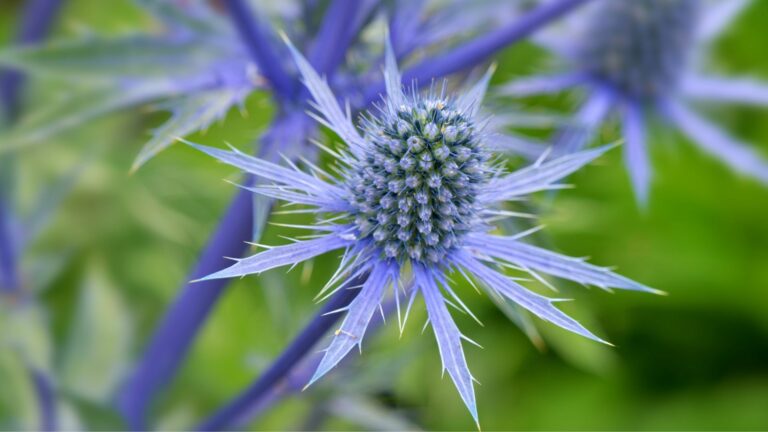
Spiky blue bracts give sea holly an otherworldly look. Cone-shaped flowers shimmer in a steel blue.
Many kinds grow wild on sandy beaches and rocky coasts across Europe. Salty wind, hot sand, and poor soil feel like a spa day to them.
Long taproots reach deep for water, which makes established plants very drought tolerant. The same roots dislike being moved, so choose a spot and leave it there.
Big Blue and Blue Glitter offer vivid color. Their stems often turn blue too, making the whole plant glow in sunlight.
Bees go wild for the blooms, often crawling slowly over each prickly head. Wear gloves when cutting stems, because those bracts are sharp.
Sea holly makes a wonderful dried flower that keeps its color for months. Hang bunches upside down in a dark closet for about two weeks.
Skip the fertilizer and the rich compost. Lean, gritty ground produces the strongest stems and the most intense blue tones.
Pair it with soft grasses or silver lamb’s ear for a striking mix of textures. Visitors will want to touch it, then quickly change their minds.
10. Catmint Offers Months Of Soft Blue Flowers
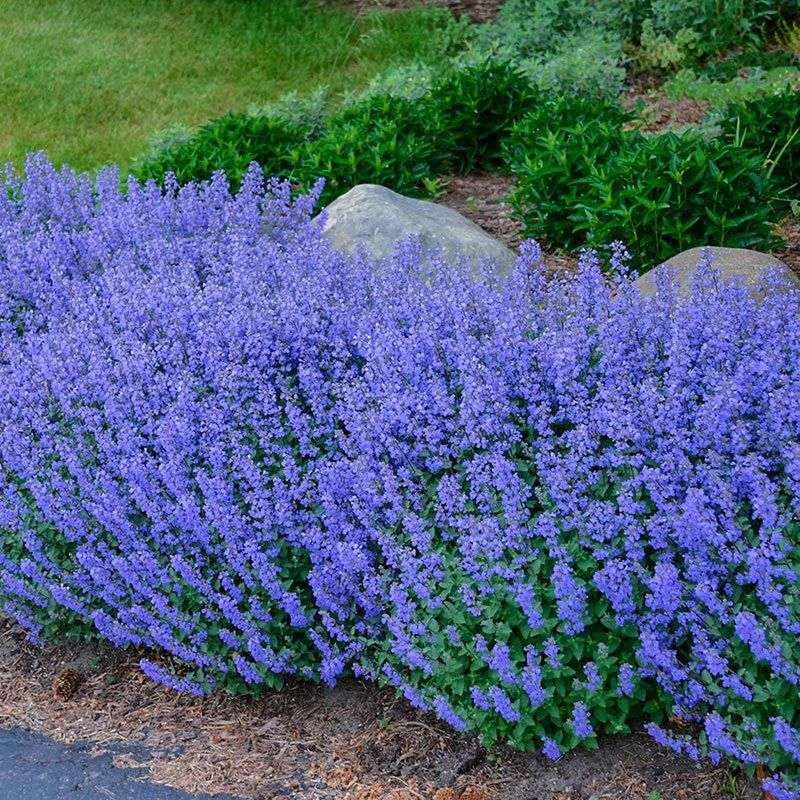
Your cat may roll around in it, but you will love catmint for other reasons. Clouds of lavender-blue flowers bloom from late spring right through summer.
Gray-green leaves smell minty when brushed, and that scent tends to discourage deer and rabbits. The plant forms loose, billowy mounds that soften hard stone edges.
Walker’s Low is a favorite variety, and it won a big award in 2007. Despite the name, it grows about two to three feet tall.
Catmint handles Colorado heat, poor soil, and dry spells like a champion. Too much shade or water makes it sprawl and flop, though. Want a way to extend the color? Shear the plant back by half after the first flush fades.
Within a few weeks, fresh leaves and a new wave of blooms appear. Some gardeners get three rounds of flowers before fall arrives.
Bees visit constantly, so the plant hums with life on warm afternoons. Hummingbirds and butterflies drop by too, adding even more motion.
Most catmint varieties are sterile, so they will not seed all over your yard. Many cats ignore it, but a few may nap right in the middle.
Plant some along a gravel path this fall. Next summer, each brush of the foliage will release a cool, refreshing scent.