8 Tips To Keep A Venus Flytrap Healthy Through Winter
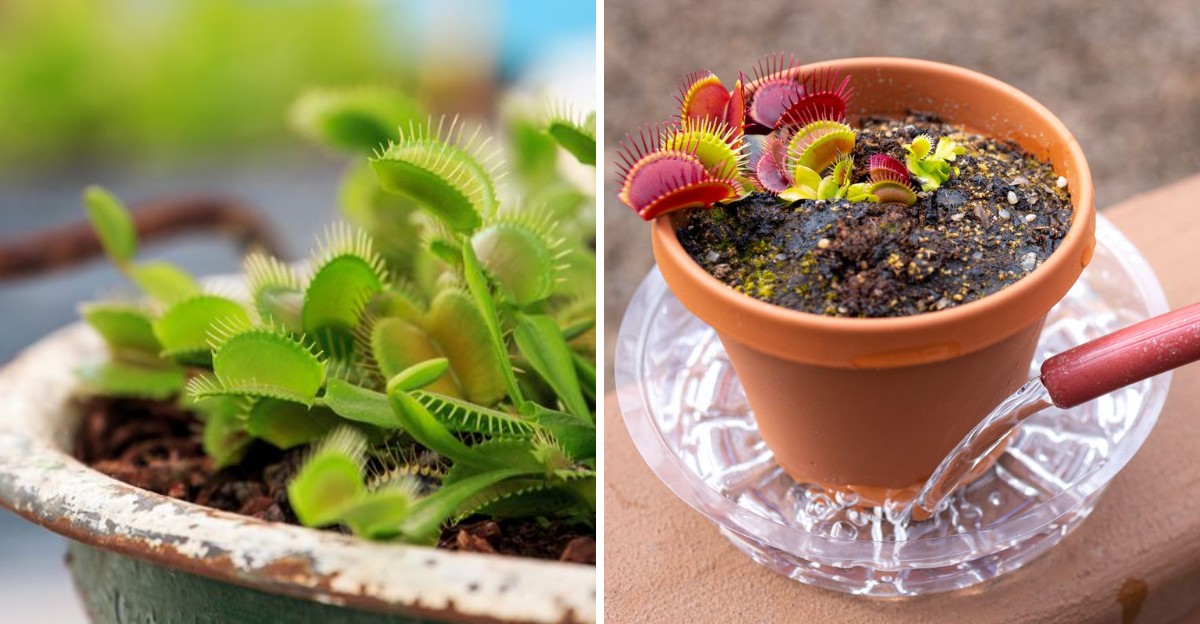
Your Venus flytrap just flipped a switch, and the timing is deliberate. Leaves droop, traps darken, and you wonder what happened.
Relax, because you are watching a built-in rest program. Native to a tiny North Carolina coastal stretch, your plant expects cold.
Frost visits the wetlands there, and your plant slows its growth to save energy. Without that rest, you drain your plant’s vigor within a few seasons.
Give it chilly weather and you unlock stronger traps, taller stalks, and showy blooms. Shorter days and cool nights trigger the shift, and you notice it by late October.
Expect smaller leaves, slower traps, and a plant that looks sleepy. Trim only the darkened growth, and you protect the healthy crown below.
Skip the fertilizer and live insects, since your plant needs rest, not meals. Soon you greet a lively spring feeder.
1. Give It A Cool Winter Nap
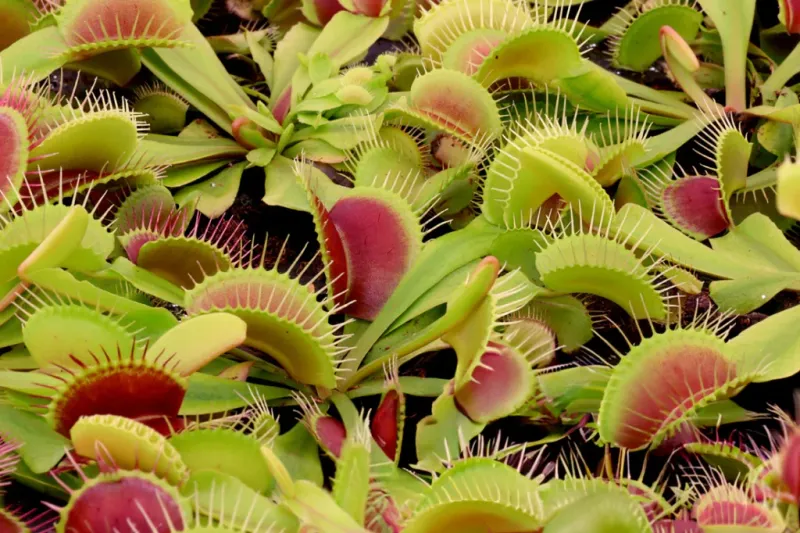
In fall, a Venus flytrap gets the urge to slow down and rest. Scientists call this dormancy, and the plant needs it to stay strong for years.
Without a cold break, your flytrap keeps pushing new growth until it uses its reserves. Plants that skip dormancy often end up weak and floppy within just a few seasons.
Aim for temperatures between 35 and 50 degrees Fahrenheit for about three to four months. That range feels like a chilly fridge, not a frozen freezer.
An unheated garage, a cool porch, or a chilly windowsill can work nicely. Many North Carolina growers simply leave their pots outside on a sheltered patio.
Start watching for signs in October when days grow shorter and nights get cooler. Your plant may form smaller, flatter leaves that hug the soil like a rosette.
Some folks without cool spaces use the refrigerator trick for winter rest. They remove the plant, wrap the bare roots in damp moss, and bag it.
Check the fridge bag every few weeks for gray fuzz or an odd smell. Keep it away from fruit, since ripening apples release gas that can harm plants.
Around late February, slowly bring your flytrap back into warmth and stronger light. Fresh green traps will soon pop up, hungry and ready for action.
Think of the cold months as a long, peaceful sleepover for your plant. A well-rested flytrap wakes up with renewed energy and fresh growth for spring.
2. Keep The Soil Damp But Not Soggy
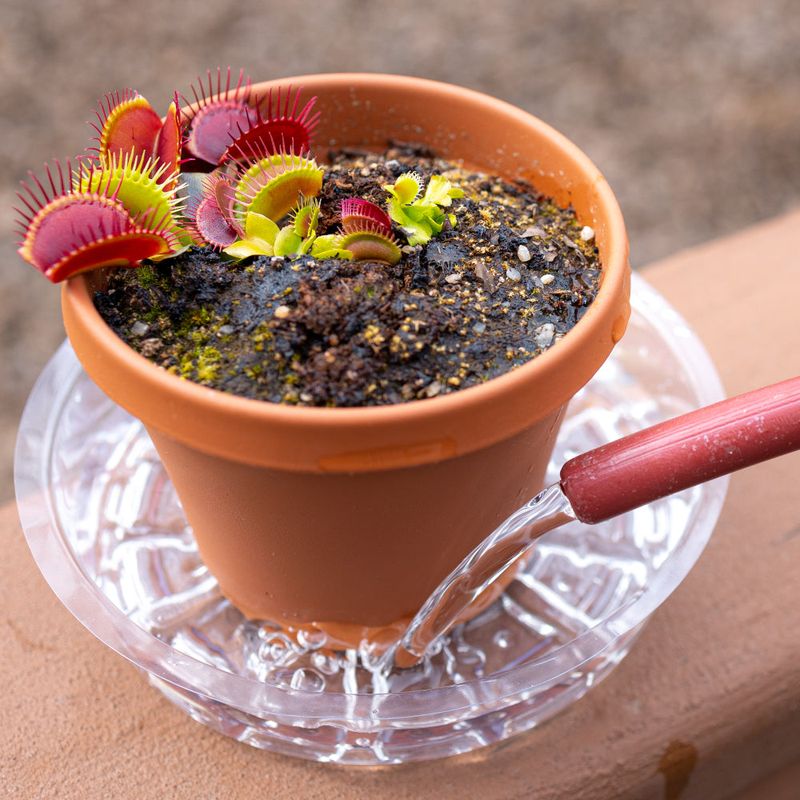
Picture a squishy sponge that has been sitting in a sink for a while. That gently moist feel is the moisture level flytrap soil needs during winter.
Sleeping plants drink far less water than they do in summer. If you keep watering like it is July, the roots can start to weaken.
Many growers switch from the tray method to a lighter routine in the cold months. Instead of a deep tray of water, let the soil stay lightly damp to the touch.
Poke a finger about an inch into the soil once a week. Add a splash of water only if it feels close to dry.
Water type matters just as much in winter as it does in spring. Use distilled water, rainwater, or reverse osmosis water instead of tap water.
Tap water often carries minerals that build up slowly and damage delicate roots. Flytraps evolved in poor, sandy bogs, so salts and chemicals harm them.
If your pot sits outside, winter rain may handle most of the work for you. Just make sure the pot drains well so water does not pool around the crown.
A soggy, smelly pot is a warning sign worth taking seriously. Tip out extra water and give the mix some air before it turns sour.
Getting the moisture right takes a little practice, so do not stress about small mistakes. With a weekly check, you will learn your plant’s needs in no time.
3. Skip The Bug Snacks Until Spring
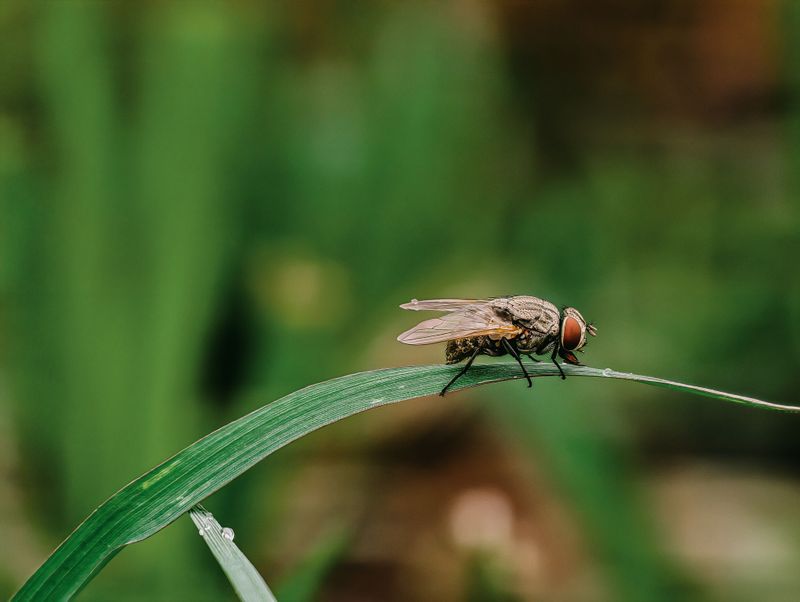
Imagine someone handing you a cheeseburger while you are fast asleep in bed. A dormant flytrap feels about the same when you drop a fly into its trap.
During winter, the plant’s digestion slows way down along with everything else inside it. A bug that would break down in a week in summer may simply sit there undigested.
That rotting meal can spread mold to the trap and even the whole plant. Losing one trap is fine, but a spreading infection is a bigger problem.
Flytraps can go months without catching anything at all. They make most of their food from sunlight, just like other leafy green plants.
Bugs simply give them extra nutrients like nitrogen that their poor bog soil lacks. Think of insects as occasional boosts rather than full dinner plates.
So resist the urge to play with the traps or test them with your finger. Each trap can only close a small handful of times before it stops working.
Snapping shut also burns energy the plant needs to save for spring growth. A curious poke here and there adds up faster than you might think.
If a stray bug gets caught on its own, there is no cause for concern. Just keep an eye on that trap and trim it if it turns black and mushy.
Once warm weather returns and new traps form, feeding time can begin again. Your plant will thank you with quick snaps and strong, healthy new traps.
4. Trim The Blackened Leaves With Care
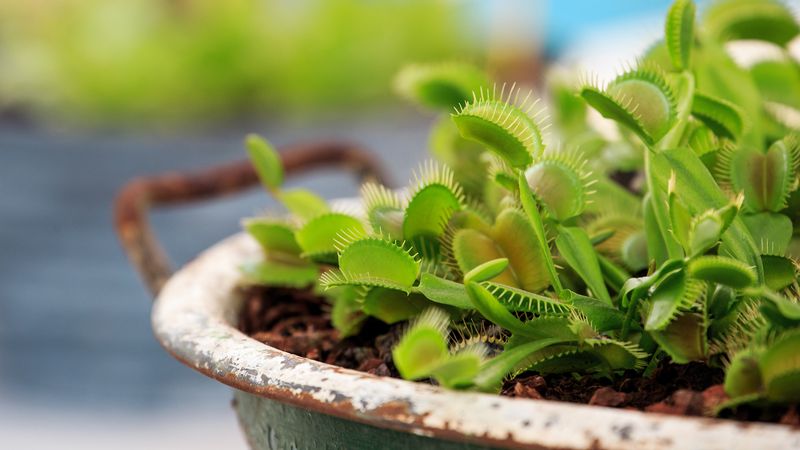
Your flytrap might look quite different this time of year, and that is typical as autumn deepens. Black, crispy leaves are a normal part of the winter slowdown.
Older traps naturally wear out as the plant pulls energy back into its roots. A few dark leaves are normal, but a black, mushy crown signals trouble.
Old growth left sitting in place can quietly invite mold and fungus. Fuzzy gray patches love cool, damp air and a soft pile of decaying plant tissue.
Grab a pair of small, clean scissors or craft snips before you start. Wipe the blades with rubbing alcohol so you do not spread germs.
Cut each black leaf close to the base, but avoid nicking healthy green parts. Go slowly, because the center of the plant holds next year’s growth.
Some leaves are only half black, with their green stems still bravely holding on. You can snip off just the dark part and let the green section keep working.
Tweezers come in handy for pulling loose bits out of tight, crowded spaces. A clean crown lets air flow freely and keeps decay from settling in.
Plan a quick tidy-up every two or three weeks through winter. It takes only a few minutes and feels oddly relaxing, like pruning a tiny garden.
By spring, your plant will look neat, healthy, and ready to grow fresh traps. A little grooming now saves you from much bigger headaches later on.
5. Guard The Roots From Hard Freezes
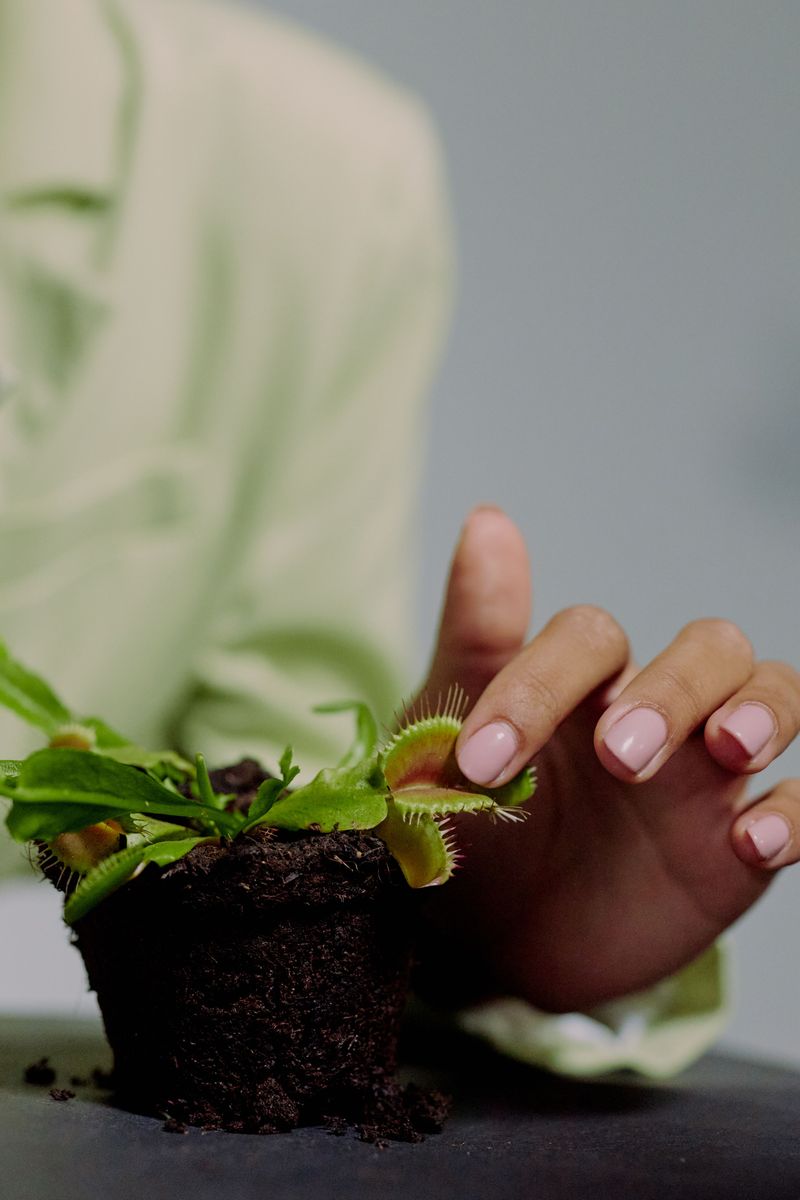
Light frost is no big deal for a flytrap, believe it or not. In their native North and South Carolina bogs, they handle chilly nights just fine.
Long, hard freezes are a different story, especially for plants in small pots. Soil in a container freezes much faster than soil in the ground.
When temperatures drop below about 20 degrees Fahrenheit, it is time to step in. Frozen roots can weaken and turn mushy once they thaw out.
One easy fix is to move the pot into an unheated garage or shed on freezing nights. Bring it back outside once the cold snap passes.
Another option is to bury the pot in the ground up to its rim. The earth around it acts like a warm blanket for the roots.
A loose layer of pine needles or straw on top adds extra protection. Pull the mulch back a little on mild days so the crown can breathe.
Frost cloth from a garden center works well too during surprise cold spells. Drape it over the plant at night and remove it in the morning.
Keep a weather app handy and check the forecast from November through February. A quick move before a freeze beats trying to rescue a frozen pot.
Indoor growers mostly dodge freezes, but most homes run too warm for dormancy. Just keep pots away from drafty doors where icy air sneaks in.
Think of yourself as a bodyguard for those tiny, hidden roots. A few smart moves keep them snug until the spring sunshine returns.
6. Keep Fertilizer Out Of The Pot
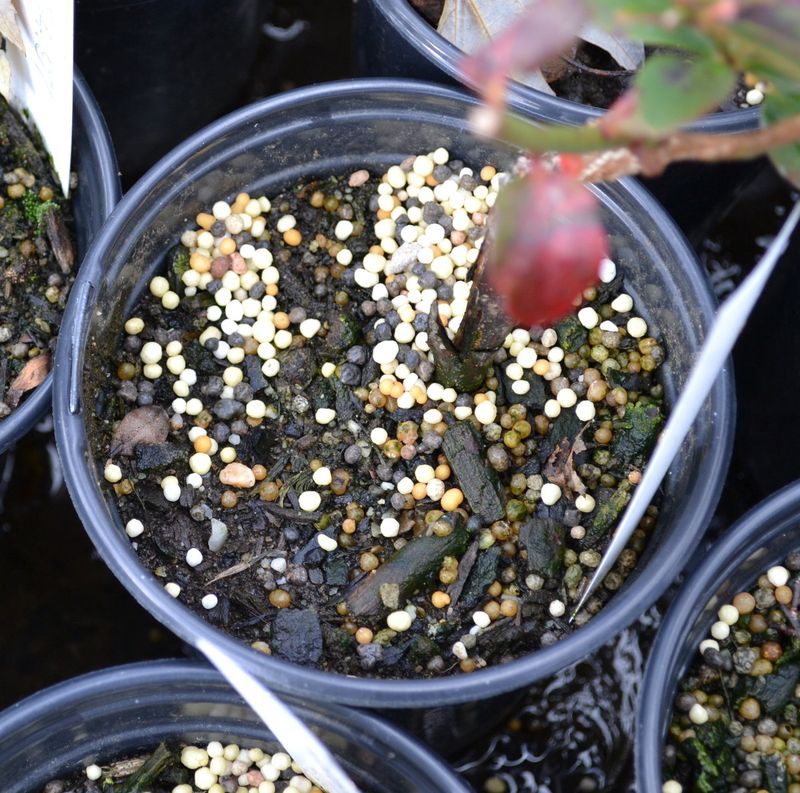
Plant food sounds helpful, but for flytraps it usually does more harm than good. Most fertilizers are far too strong for these bog-loving plants.
Flytraps grow wild in North Carolina soil that has very few nutrients. Over millions of years, they learned to catch bugs instead of pulling food from dirt.
Their roots are short and sensitive, almost like thin threads. Adding fertilizer to the soil can damage them and turn the leaves brown.
Winter makes the problem even worse because the plant is resting. A sleeping flytrap cannot use extra food, so minerals pile up in the pot.
The same goes for regular potting soil, garden dirt, or compost. Such mixes hold too many nutrients and can slowly stress the roots.
Stick with a blend of unfertilized peat moss and perlite or silica sand. Avoid any bag that says it has added fertilizer or moisture beads.
If you have been feeding your plant by mistake, do not worry too much. Flush the pot with plenty of distilled water to rinse away extra salts.
Repotting can wait until early spring, when the plant wakes up and handles stress better. Repotting during dormancy adds stress to a resting flytrap.
Some growers do spray a weak foliar mix in summer, but winter is not the time. Save any experiments for warm months when the plant is busy growing.
Patience helps your plant more than extra feeding right now. Leave the pot plain and simple, and nature will handle the rest.
7. Offer Bright Light Through The Short Days
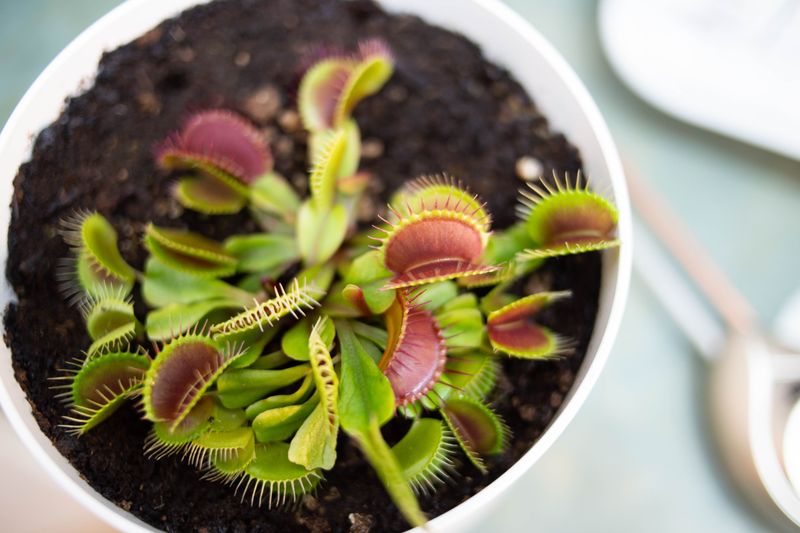
Even while napping through winter, a flytrap still loves soaking up gentle sunshine. Its leaves keep making a little food, which helps the plant stay sturdy.
Short October and November days mean less light than your plant got all summer. Outdoor plants usually do fine with whatever the sky gives them.
Indoor flytraps kept in a cool room need a bit more help, though. A south-facing window offers the brightest natural light in most homes.
Watch out for windows that get warm from heaters or direct afternoon sun through glass. The goal is bright light with cool air, which can be tricky indoors.
A small LED grow light can fill in the gaps on gloomy days. Set it on a timer for about eight to ten hours to mimic winter daylight.
Keep the light at the height the manufacturer recommends so it covers the whole plant evenly. LEDs run cool, which makes them a smart pick for dormant plants.
Pale, stretched leaves are a hint that your flytrap wants more light. Rich green color usually means it is happy, and red traps depend on light and variety.
Plants stored in a dark garage for months may come out weak and yellow. If your garage has a window, place the pot right beside it.
Fridge-dormant plants are the one exception, since they rest in darkness for the whole dormancy. Once they come out, ease them back into light over a week or two.
8. Check For Mold And Pests Each Week
Cool, damp, and still air sounds cozy, but mold thinks it sounds like a party. Winter is prime time for fuzzy gray botrytis to sneak onto flytraps.
Botrytis looks like soft gray fuzz on leaves or around the base. It spreads quickly, so catching it early makes a clear difference.
Set a reminder to inspect your plant once a week, maybe every Sunday. Look closely at the crown, the leaf stems, and the soil surface.
If you spot mold, snip away the infected parts with clean scissors right away. Then give the pot more airflow and check that spot again soon.
Good airflow helps stop mold before it starts. A small fan on low in the room can keep the air moving gently.
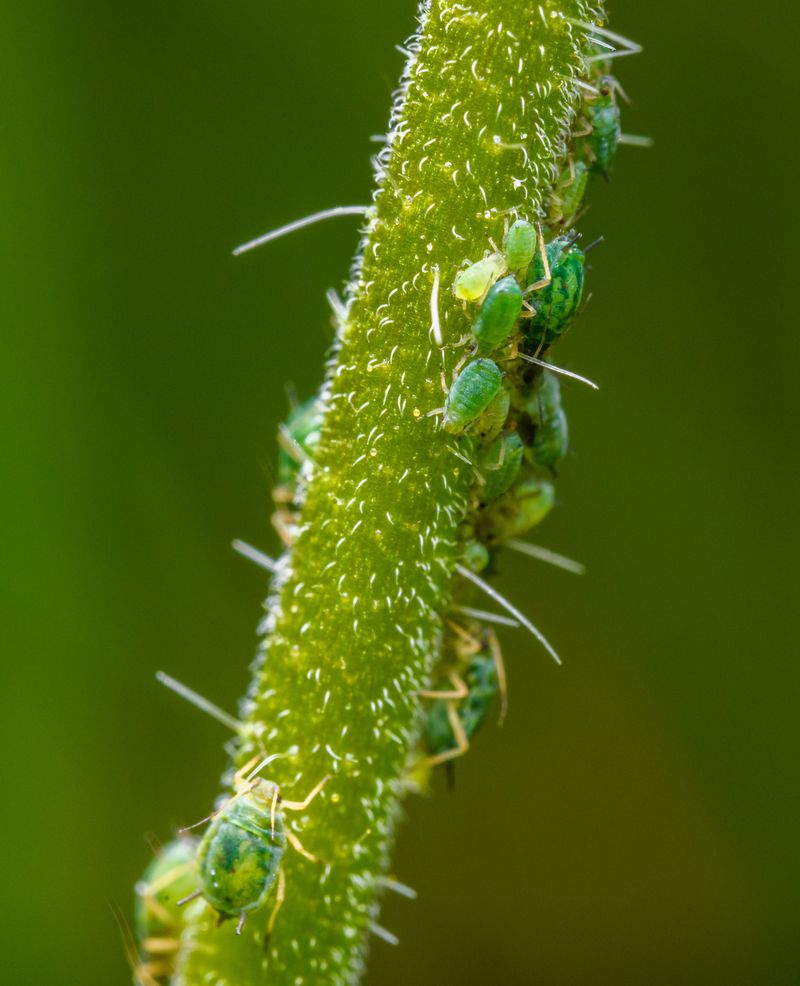
Pests can show up too, even when the weather feels chilly. Aphids and spider mites sometimes hide on plants kept indoors near warm spots.
Aphids look like tiny green or black dots clustered on new growth. Spider mites leave fine webbing and tiny speckles on the leaves.
A gentle rinse with distilled water can knock off many of these bugs. For stubborn cases, use only sprays that carnivorous plant societies specifically recommend.
Keep new plants away from your flytrap for a couple of weeks first. That simple step stops hitchhiking pests from moving into your collection.
A quick weekly check takes less time than brushing your teeth. Your flytrap gets a safe, healthy winter, and you get peace of mind.