8 Drought-Tolerant Plants That Thrive In Texas Sun
Texas sun can be unforgiving, but the right plants can thrive even in the harshest heat. If you’re looking for a way to keep your garden colorful and vibrant without constantly battling the blazing sun, drought-tolerant plants are your best friend.
These plants are built to withstand long stretches of dry weather, so they need less water and maintenance while still offering beauty and structure to your landscape.
From succulents to native wildflowers, there’s a wide variety of drought-tolerant options that can handle the Texas heat. These plants not only survive in the sun, they actually thrive in it.
Their deep roots and tough foliage help them weather the heat while conserving water, making them perfect for Texas gardens that want to stay green even in dry conditions.
With the right drought-tolerant plants, you can create a low-maintenance, water-wise garden that remains stunning all year long, no matter how hot it gets.
1. Texas Sage
Ask any Texas gardener what their go-to shrub is, and Texas Sage will likely top the list. Also called cenizo, this tough native plant has been gracing Texas landscapes for generations.
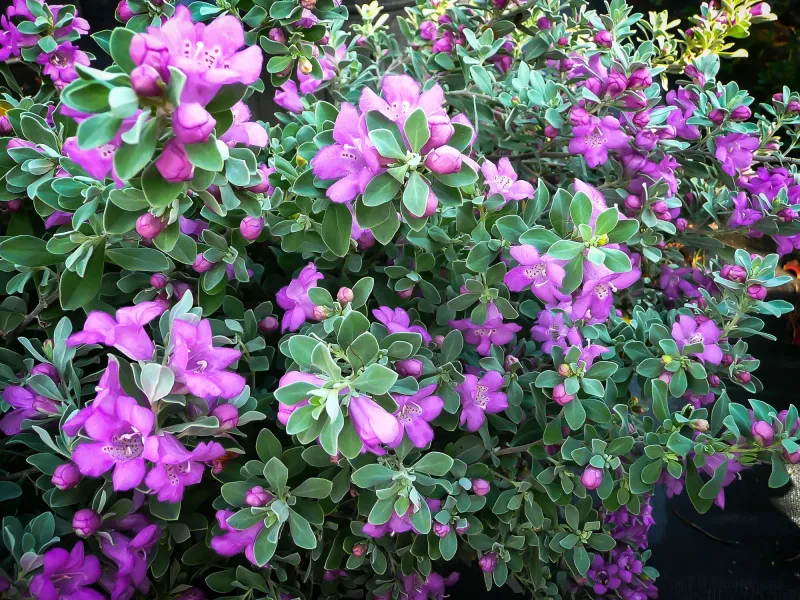
Its silvery-gray leaves shimmer in the sun, and after a good rain, it bursts into stunning purple blooms that stop people in their tracks.
Texas Sage loves full sun and well-drained soil, making it a perfect fit for the rocky, dry terrain found across much of the state. Once it gets established, it needs almost no extra water.
Nature does most of the work for you. That is a big win for busy homeowners who want a low-maintenance yard.
This shrub can grow up to eight feet tall and wide, so it works great as a privacy hedge or a bold focal point in your garden. It handles the intense Texas heat without skipping a beat. You will never need to fuss over it during a summer drought.
Planting Texas Sage is straightforward. Choose a sunny spot, make sure the soil drains well, and water it regularly for the first few months.
After that, step back and enjoy the show. Its silver and purple color combination looks stunning against a clear blue Texas sky all season long.
2. Blackfoot Daisy
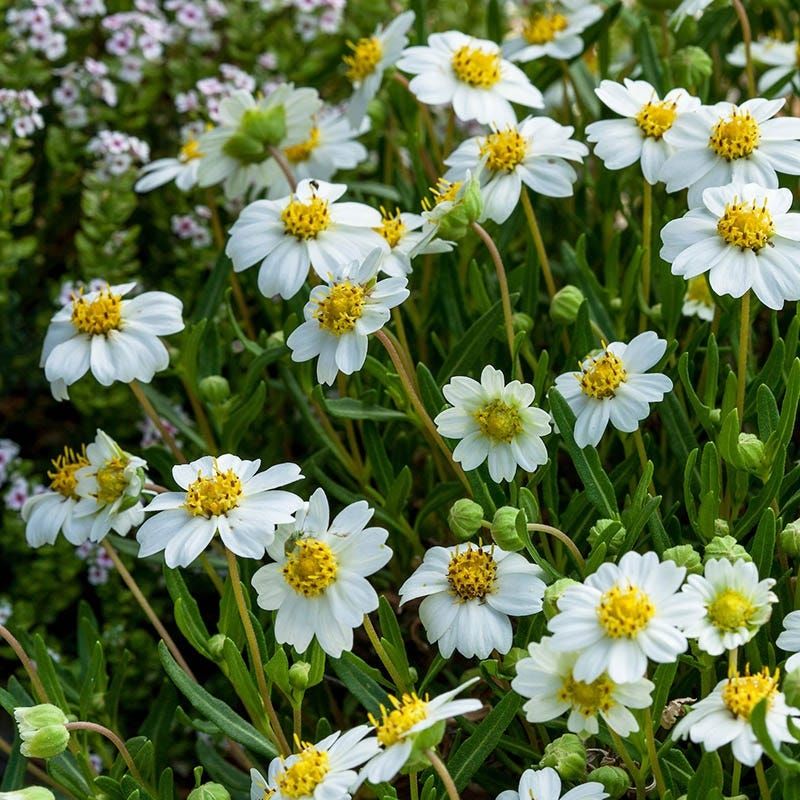
Small but mighty, the Blackfoot Daisy is one of those plants that punches way above its weight. This little wildflower grows naturally across Texas and the Southwest, and it has learned to thrive where other plants struggle.
Its bright white petals and sunny yellow centers bring a cheerful pop of color to any dry garden spot.
Blackfoot Daisy blooms from early spring all the way through late fall, which means you get months and months of color without much effort. It loves full sun and thrives in poor, well-drained soil.
In fact, if you give it too much water or rich soil, it can actually get leggy and floppy. Less is more with this one.
In Texas, where summer heat is relentless, Blackfoot Daisy is a real champion. It handles dry spells with ease and bounces back after hot stretches that would stress out most other flowering plants.
Once established, it needs very little water to keep blooming beautifully. Plant it along a sunny border, in a rock garden, or in a container on a patio. It pairs well with other drought-tolerant Texas natives like Texas Sage and Red Yucca.
You will love how carefree and cheerful this little daisy looks even in the middle of a hot Texas summer. It is truly a hidden gem.
3. Lantana
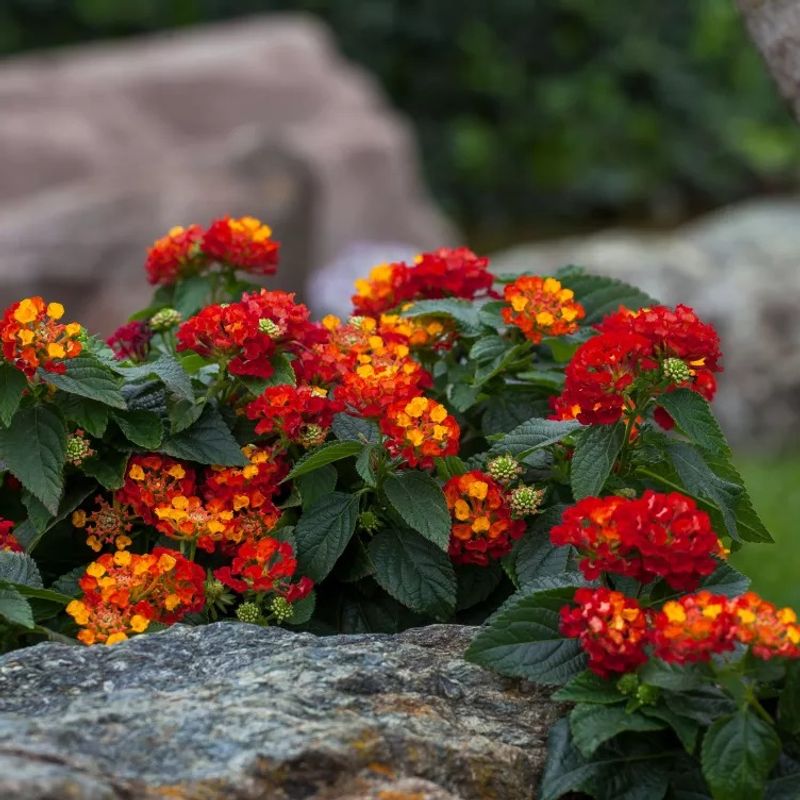
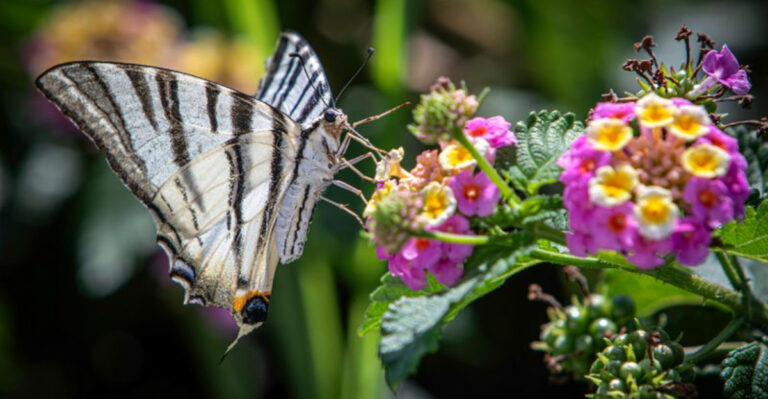
If you want nonstop color and zero fuss, Lantana is your answer. This bold, tropical-looking plant produces clusters of tiny flowers in fiery shades of red, orange, yellow, and pink, often all on the same plant at the same time.
It looks like a party in your garden, and it runs all summer long without slowing down. Lantana is tough as nails in the Texas heat. It thrives in full sun and well-drained soil, and once it gets going, it barely needs any water at all.
Gardeners across Texas rely on it to fill large spaces with color when other plants are struggling in the blazing summer sun.
One of the best things about Lantana is how much pollinators love it. Butterflies flock to the blooms all season long.
Planting Lantana in your yard is basically like setting up a butterfly buffet right outside your window. Bees love it too, making it a great choice for anyone who wants to support local wildlife.
Lantana spreads quickly, so give it plenty of room to grow. It works beautifully as a ground cover, in raised beds, or spilling over the edge of a retaining wall.
In warmer parts of Texas, it may even come back year after year. Trim it back in late winter to keep it looking full and fresh when spring arrives again.
4. Red Yucca
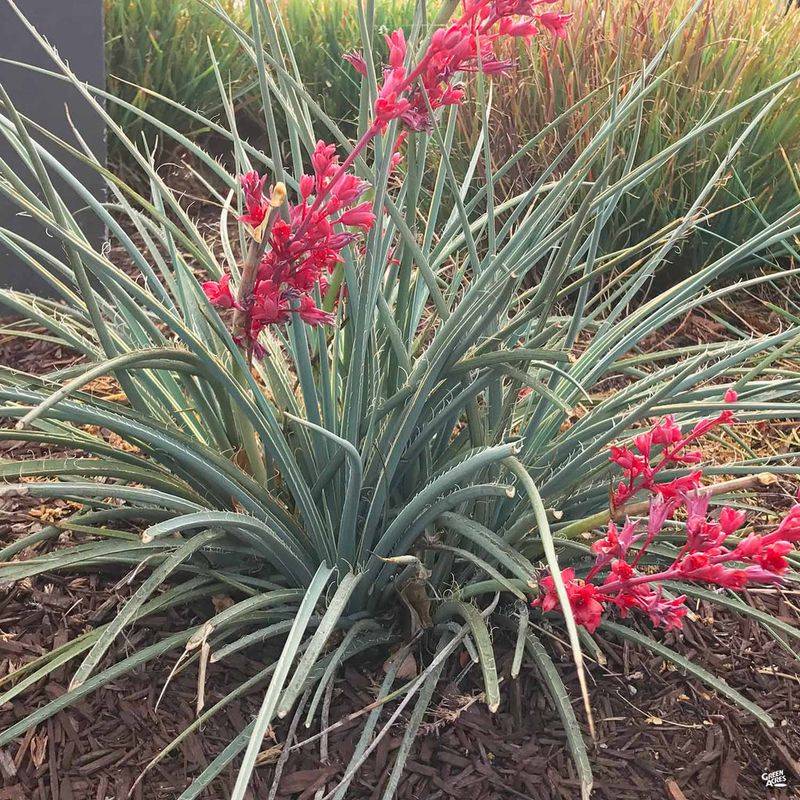
There is something almost sculptural about Red Yucca. Its long, arching leaves form a graceful rosette at the base, while tall flower stalks shoot up and show off clusters of tubular red and coral blooms.
Hummingbirds go absolutely wild for those flowers, which makes Red Yucca a double win for any Texas garden.
Despite the name, Red Yucca is not actually a true yucca. It belongs to a different plant family, but it shares the same tough, drought-tolerant spirit.
It is native to central and west Texas, so it is perfectly built for the hot, dry conditions the state is famous for. Full sun and well-drained soil are all it needs to thrive year after year.
Red Yucca is a top pick for xeriscaping, which is a style of landscaping designed to reduce or eliminate the need for irrigation.
Homeowners across Texas have been using it to create beautiful, water-smart yards that look great even during long dry spells. It handles poor, rocky soil without any complaints.
Once established, Red Yucca is one of the most self-sufficient plants you can grow in Texas. Water it occasionally during the first growing season, and after that, rainfall usually takes care of the rest.
Its evergreen foliage adds year-round structure and texture to your landscape, making it a reliable and gorgeous choice for any sunny spot.
5. Autumn Sage
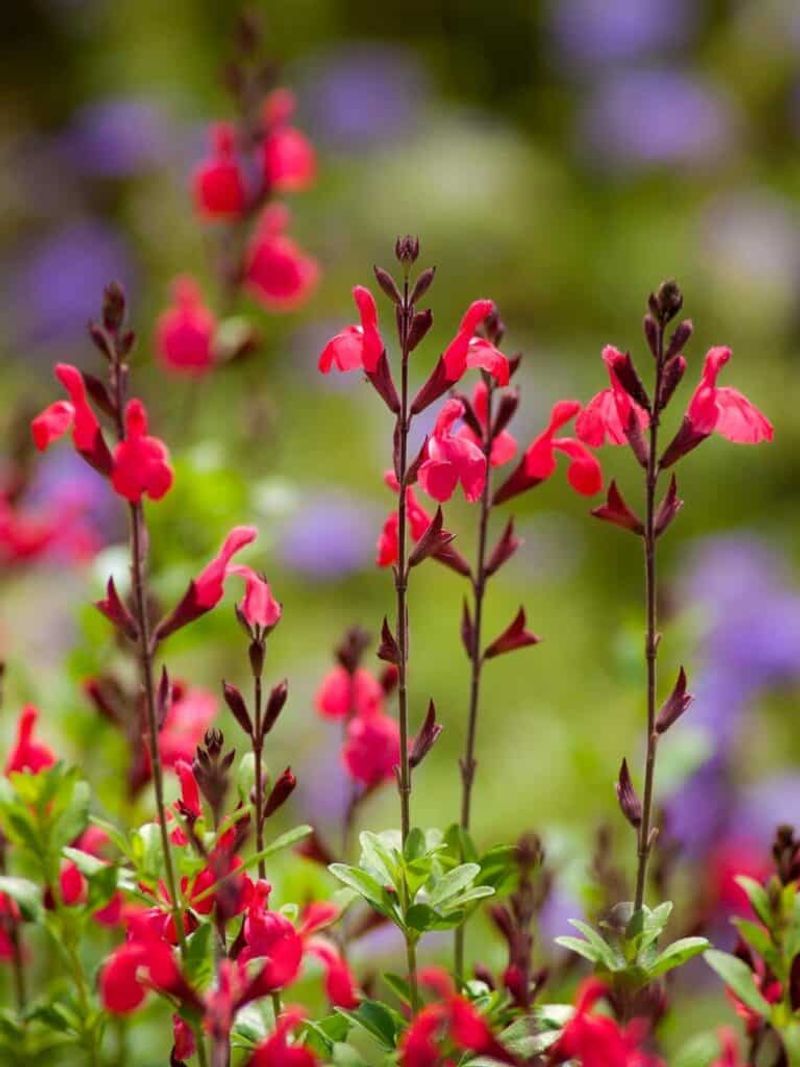
Autumn Sage has a secret weapon: it blooms in the hottest, driest part of the year when most plants are taking a break.
From late spring through fall, this compact shrub pumps out waves of tubular flowers in shades of red, pink, coral, and even white. Hummingbirds cannot resist them, and neither can butterflies.
Native to the rocky hillsides of west Texas and northern Mexico, Autumn Sage was practically born for tough conditions. It thrives in full sun and well-drained soil, asking for very little water once it settles in.
Texas gardeners love it because it keeps performing even during the longest, driest stretches of summer heat.
Growing Autumn Sage is easy. Plant it in a sunny spot with good drainage, water it regularly for the first season, and then let it do its thing.
Trim it back lightly after each big bloom cycle to encourage fresh new growth and even more flowers. It responds well to a little attention but never demands it.
Autumn Sage looks great in mixed borders alongside ornamental grasses or other Texas natives. It adds reliable splashes of color to spots that get full sun all day long.
Whether you are landscaping a front yard in Houston or a backyard patio in El Paso, Autumn Sage brings reliable beauty and serious drought toughness to any Texas outdoor space.
6. Mexican Feather Grass
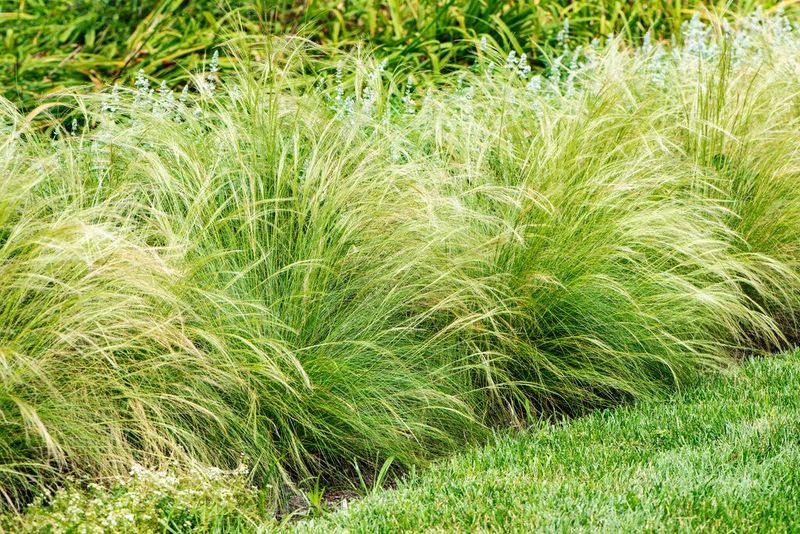
Few plants bring as much movement and softness to a garden as Mexican Feather Grass. Its ultra-fine, silky blades catch every little breeze and sway in gentle waves, adding a dreamy, flowing quality to any landscape.
When sunlight hits it in the late afternoon, the whole clump glows golden. It is genuinely beautiful to watch.
Mexican Feather Grass is a natural fit for Texas. It thrives in full sun and handles both intense heat and long dry stretches without missing a beat.
It prefers well-drained soil and does not like sitting in wet conditions for too long. Sandy or rocky Texas soils suit it just fine, which is one reason it is so widely used across the state.
This ornamental grass works well in a wide range of garden styles. Use it to soften the edges of a rock garden, fill in spaces between boulders, or create a flowing border along a walkway.
It pairs beautifully with bold, upright plants like Red Yucca or Lantana, creating a nice contrast in texture and form.
Keep in mind that Mexican Feather Grass can self-seed freely, so it may spread beyond where you first planted it. A little light management keeps it in check without much effort.
Overall, it is one of the most low-maintenance and visually rewarding grasses you can grow in a Texas garden, season after season.
7. Purple Coneflower
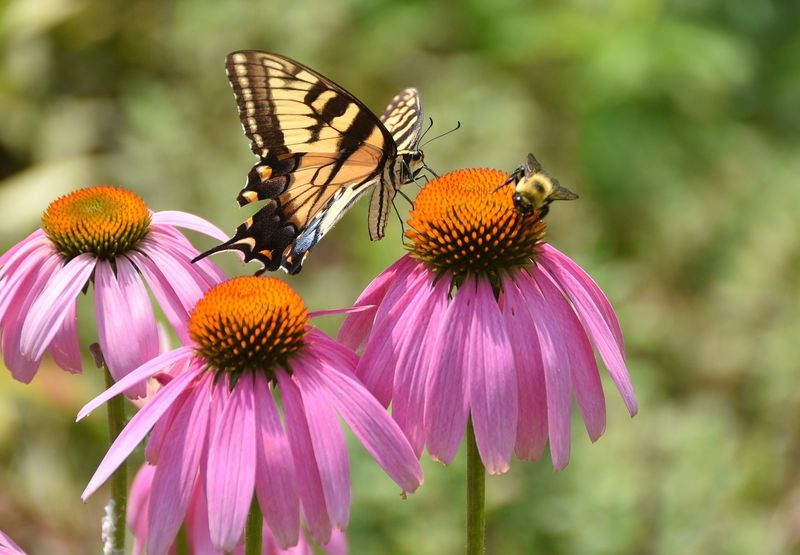
Purple Coneflower is one of those classic garden plants that never goes out of style, and for good reason. Its bold purple petals surround a spiky, cone-shaped center that gives the flower its name.
Standing tall and proud in the summer heat, it adds a rich, naturalistic look to any Texas garden that feels both wild and intentional at the same time.
Echinacea, as it is also known, is a tough perennial that handles dry soil and full sun without flinching. While it is not a Texas native in the strictest sense, it has adapted very well to the state’s warm climate and grows reliably across much of the region.
It blooms from early summer through fall, giving you months of color right when the garden needs it most.
Pollinators go crazy for Purple Coneflower. Bees, butterflies, and even goldfinches visit the plants regularly.
Leaving the seed heads standing through winter provides food for birds during the cooler months, which adds extra life and movement to your yard even after the growing season winds down.
Plant Purple Coneflower in a spot that gets at least six hours of direct sun each day. It does best in well-drained soil and needs moderate watering while getting established.
After the first season, it becomes much more self-sufficient. Divide the clumps every few years to keep the plants vigorous and blooming at their very best.
8. Blanket Flower
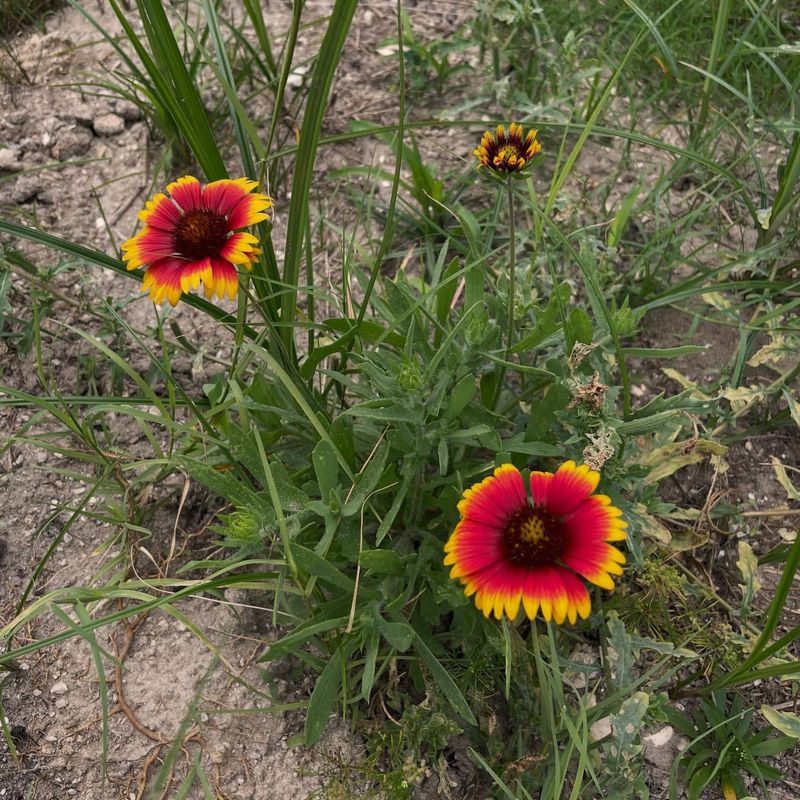
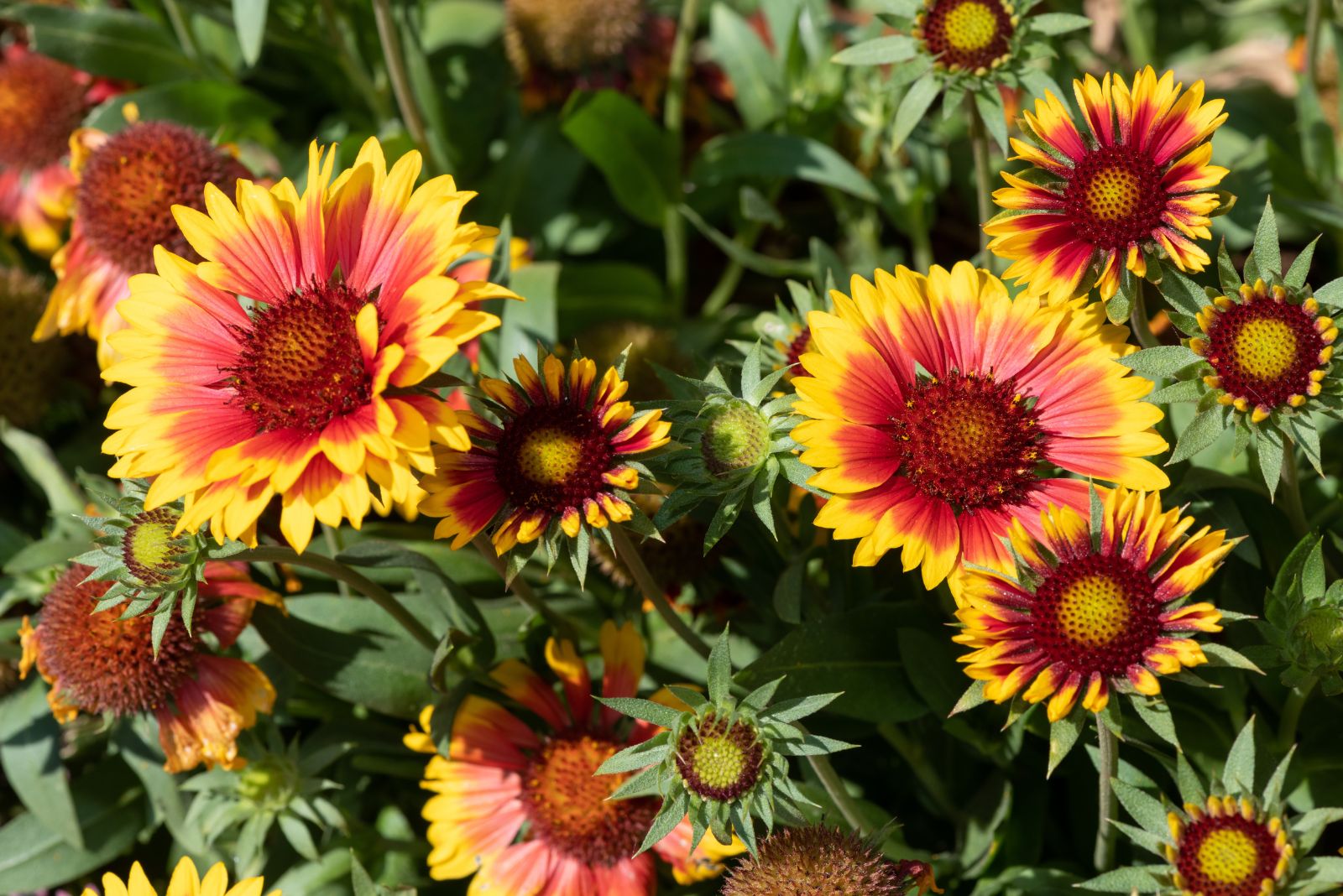
Walk past a patch of Blanket Flower in full bloom and it is almost impossible not to stop and stare. The bold, two-toned petals in fiery red and golden yellow look like something out of a painting.
This cheerful native wildflower is named after the colorful woven blankets made by Native American tribes, and the resemblance is spot on.
Blanket Flower is a natural-born survivor in the Texas heat. It loves full sun and thrives in dry, well-drained soil.
Poor soil does not bother it at all. In fact, overly rich or constantly moist soil can actually cause problems.
Give it lean, gritty conditions and it will reward you with an explosion of color from late spring all the way through the first frost.
One of the best things about Blanket Flower is how long the blooms last. Unlike some flowers that fade quickly in the summer heat, Gaillardia just keeps going.
It is a reliable performer in Texas gardens, where temperatures regularly soar into the triple digits during the peak summer months.
Deadhead the spent flowers regularly to encourage even more blooms throughout the season. Blanket Flower also reseeds itself readily, so you may find new plants popping up in nearby spots each spring.
It mixes beautifully with other Texas natives like Blackfoot Daisy and Autumn Sage, creating a vibrant, pollinator-friendly garden that practically takes care of itself all season long.