7 Early Spring Fertilizer Mistakes Burning Roots In Florida Gardens
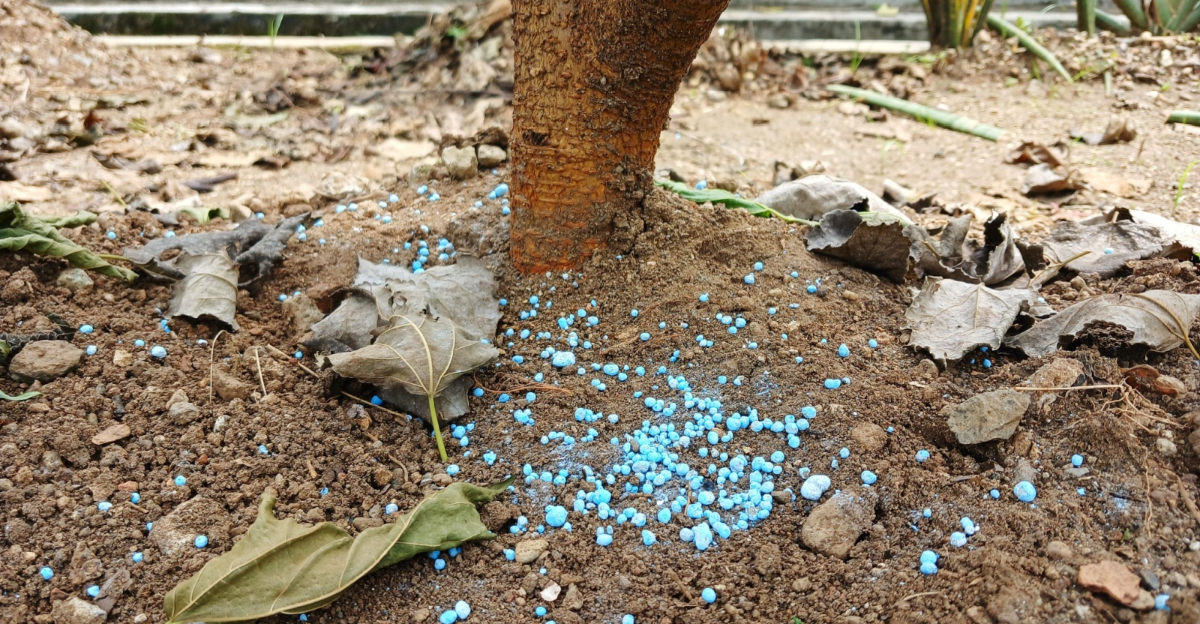
Spring shows up early in Florida, and garden season kicks off fast. One small fertilizer mistake can quietly set plants back before real growth even begins.
Everything may look fine at first, then something feels off. Leaves lose their glow, growth slows, and frustration builds.
Many gardeners blame heat, rain, or pests, yet the real cause often starts much earlier. Feeding plants should feel simple, but timing, balance, and approach matter more than most people expect.
A few common habits can lead to trouble long before symptoms appear. The good news lies in how easy it is to avoid those setbacks once you know where to look.
Before the season gets into full swing, take a closer look at the early spring fertilizer mistakes that catch many Florida gardeners by surprise and change the course of an entire growing season.
1. Fertilizing Too Early Before Florida Soil Warms Up
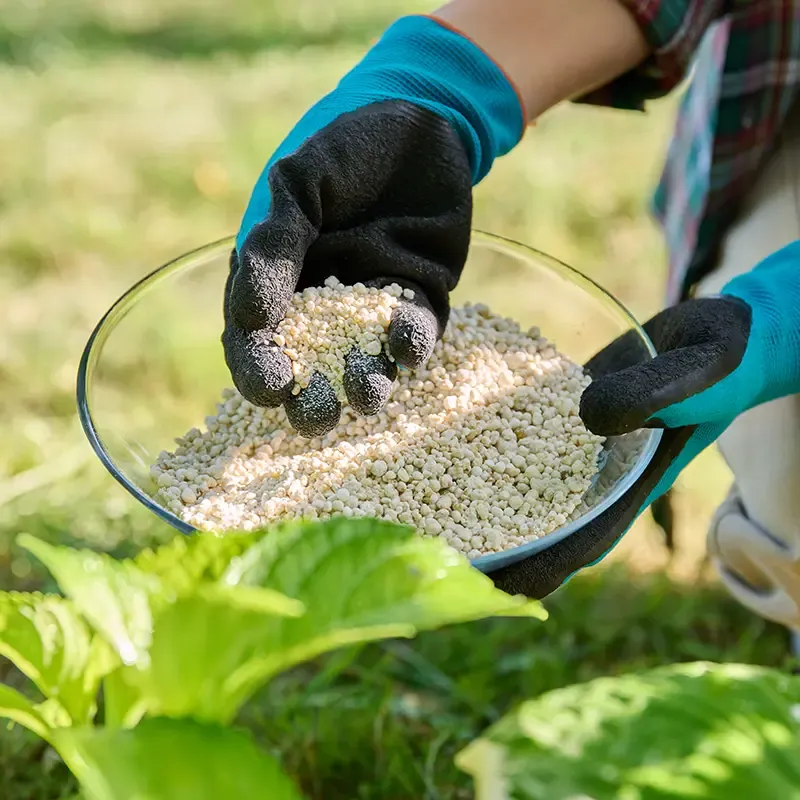
Many Florida gardeners check the calendar rather than the soil thermometer when deciding to fertilize. Air temperatures might feel warm enough, but the ground takes longer to heat up, especially after a cool winter night.
Roots remain relatively inactive in cool soil, unable to absorb nutrients efficiently.
When fertilizer sits in contact with dormant or slow-growing roots, it creates concentrated salt pockets in the soil. These salts draw moisture away from root tissues through osmosis, causing dehydration and tissue damage.
Sandy Florida soils make this problem worse because they don’t buffer salts the way clay-rich soils do elsewhere.
The ideal soil temperature for most Florida landscape plants to actively absorb nutrients ranges from 65 to 75 degrees Fahrenheit. You can check this with an inexpensive soil thermometer pushed several inches deep.
Wait until soil temperatures stabilize in this range for at least a week before applying fertilizer.
Early morning is the best time to check soil temperature since it reflects the coolest point. If readings consistently fall below 60 degrees, roots simply aren’t ready to process nutrients safely.
Patience during this transition period prevents salt accumulation that can damage feeder roots throughout the growing season ahead.
2. Using Fast Release Nitrogen That Scorches Roots
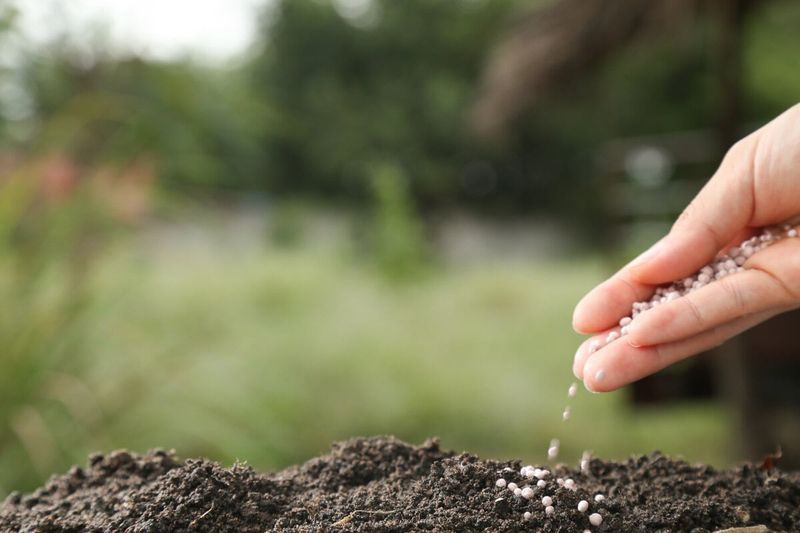
Fast-release nitrogen fertilizers deliver nutrients in a sudden surge that overwhelms plant roots. These products dissolve quickly when watered, flooding the root zone with concentrated salts within hours.
Root cells can’t regulate this rapid influx, leading to osmotic stress and tissue breakdown at the cellular level.
The nitrogen in these fertilizers exists as simple salts that immediately increase soil solution concentration. When salt levels spike, water actually flows out of root cells instead of into them.
This reverse osmosis effect essentially dehydrates roots from the inside out, creating brown, damaged tissue that can’t recover.
Florida’s sandy soils amplify this problem because they hold very little moisture or organic matter to buffer the salt surge. A heavy rain or irrigation right after applying fast-release fertilizer can make things even worse by dissolving all the granules at once.
The result is a toxic soup surrounding tender feeder roots.
Slow-release or controlled-release fertilizers protect roots by releasing nutrients gradually over weeks or months. These products use coatings or chemical forms that break down slowly, matching nutrient availability to actual plant uptake rates.
For Florida gardens, choosing products with at least 50 percent slow-release nitrogen significantly reduces root burn risk while providing steady nutrition.
3. Overloading Sandy Florida Soil With Too Much Fertilizer
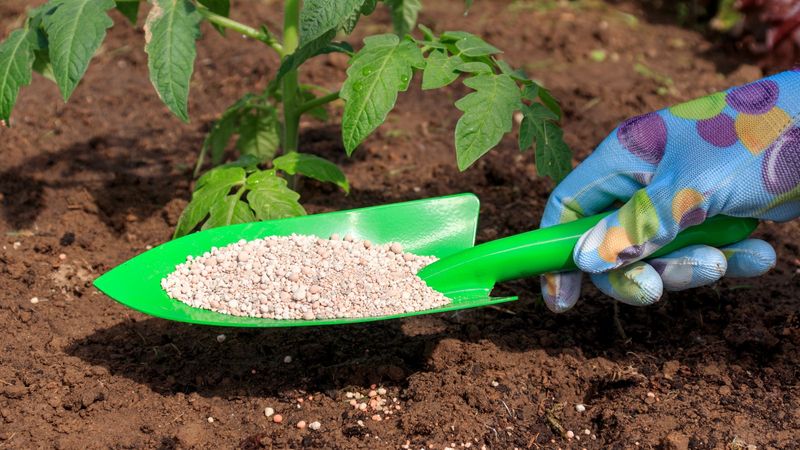
Sandy soils dominate most Florida landscapes, and they behave completely differently than the rich loam found in other parts of the country. These soils have large particles with big spaces between them, meaning they hold very little water or nutrients.
When gardeners apply fertilizer rates designed for heavier soils, the concentration becomes dangerously high.
More fertilizer never equals better results in sand. Instead, excess nutrients create salt buildups that damage roots while the surplus simply washes through the soil profile during the next rain.
Florida’s frequent thunderstorms make this leaching happen quickly, leaving behind salt residues without providing lasting nutrition.
The proper approach involves using lower rates applied more frequently rather than heavy applications spread far apart. Think of it like watering a hanging basket versus a raised bed.
Sandy soil needs smaller, more frequent nutrient doses because it can’t store reserves the way clay or loam can.
Most Florida landscape plants thrive with fertilizer rates about 30 to 50 percent lower than package recommendations written for national audiences. Split annual requirements into three or four applications rather than one or two heavy feedings.
This approach matches our soil’s limited holding capacity while preventing the salt spikes that stress roots and waste your money through leaching losses.
4. Feeding Plants While They Are Drought Stressed
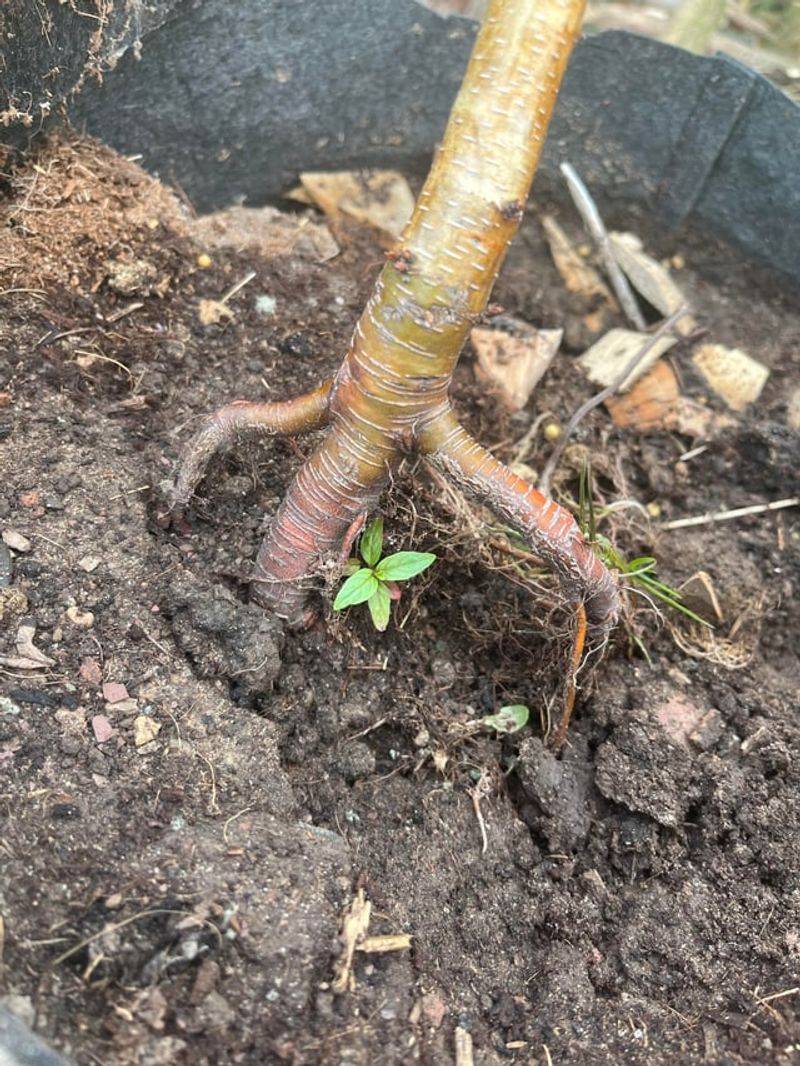
Dry soil and fertilizer create a dangerous combination that severely damages plant roots. When soil moisture levels drop, root cells are already under stress trying to maintain their water balance.
Adding fertilizer salts to this situation makes the osmotic pressure even worse, forcing more water out of already-stressed tissues.
Roots need adequate soil moisture to safely process any fertilizer application. The water dissolves nutrients and carries them to root surfaces where they can be absorbed.
Without sufficient moisture, fertilizer granules just sit there concentrating salts in small zones around each particle.
Florida’s spring weather can be deceptively dry despite occasional showers. Sandy soils drain so quickly that the surface may look moist while root zones remain dangerously dry just a few inches down.
Always check soil moisture by pushing your finger several inches into the ground before fertilizing.
The safest practice involves watering thoroughly a day or two before fertilizing, then watering again lightly after application to move nutrients into the root zone. This sandwich approach ensures roots are hydrated and ready to absorb nutrients safely.
During dry spells, skip fertilizing entirely until regular rainfall or irrigation restores adequate soil moisture. Your plants will thank you with healthier root systems that can actually use the nutrients you provide.
5. Dumping Fertilizer Against Tree And Shrub Trunks
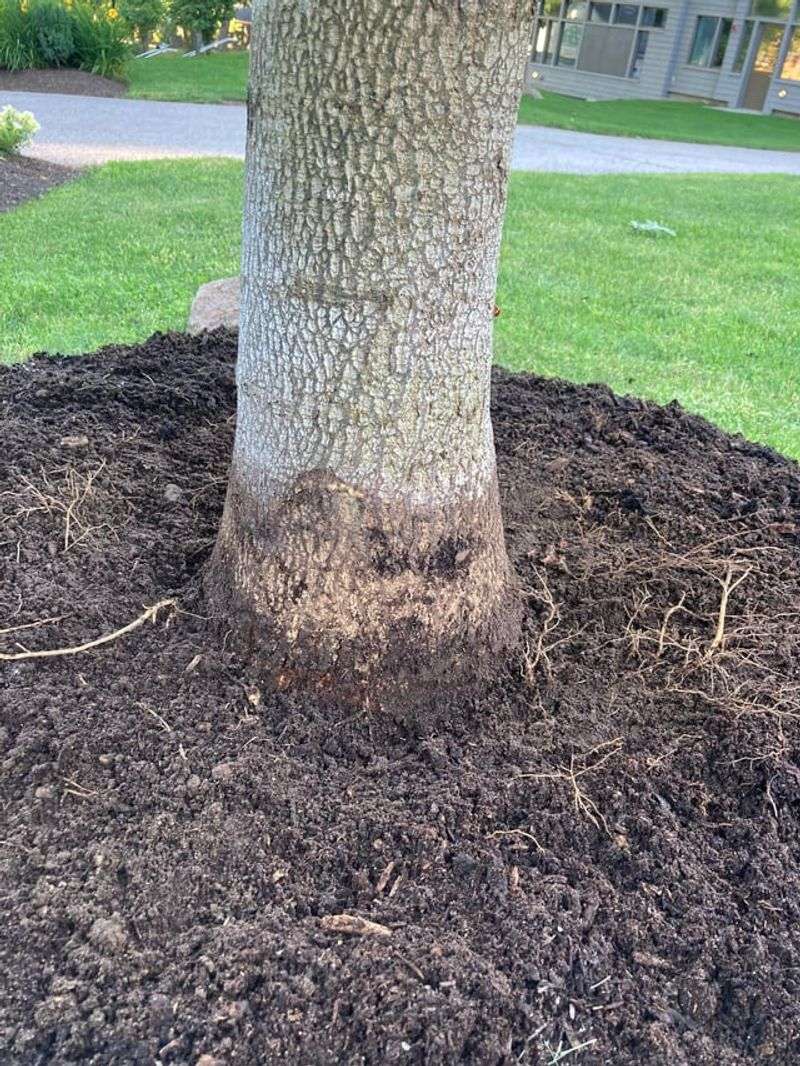
Piling fertilizer around tree trunks seems logical since that’s where the plant emerges from the ground. However, the trunk itself has no ability to absorb nutrients and the bark can actually be damaged by concentrated fertilizer contact.
The feeding roots you’re trying to nourish are located much farther out.
Active feeder roots extend well beyond the drip line for most trees and shrubs. These fine roots do the actual work of absorbing water and nutrients, while structural roots near the trunk mainly provide support and transport.
Concentrating fertilizer near the trunk wastes product while potentially burning sensitive bark tissue.
In Florida landscapes, proper fertilizer placement means spreading it throughout the entire root zone, which extends at least to the drip line and often well beyond. For established trees, this might mean fertilizing an area twice the diameter of the canopy spread.
The roots are out there searching for resources, not clustered around the trunk.
Use a broadcast spreader to distribute fertilizer evenly across the root zone rather than dumping it in concentrated piles. Start applications at least 12 inches away from trunks for small shrubs and several feet away for larger trees.
This approach delivers nutrients where active roots can actually use them while protecting sensitive trunk tissues from salt damage that can compromise bark integrity.
6. Fertilizing Right After A Florida Cold Snap
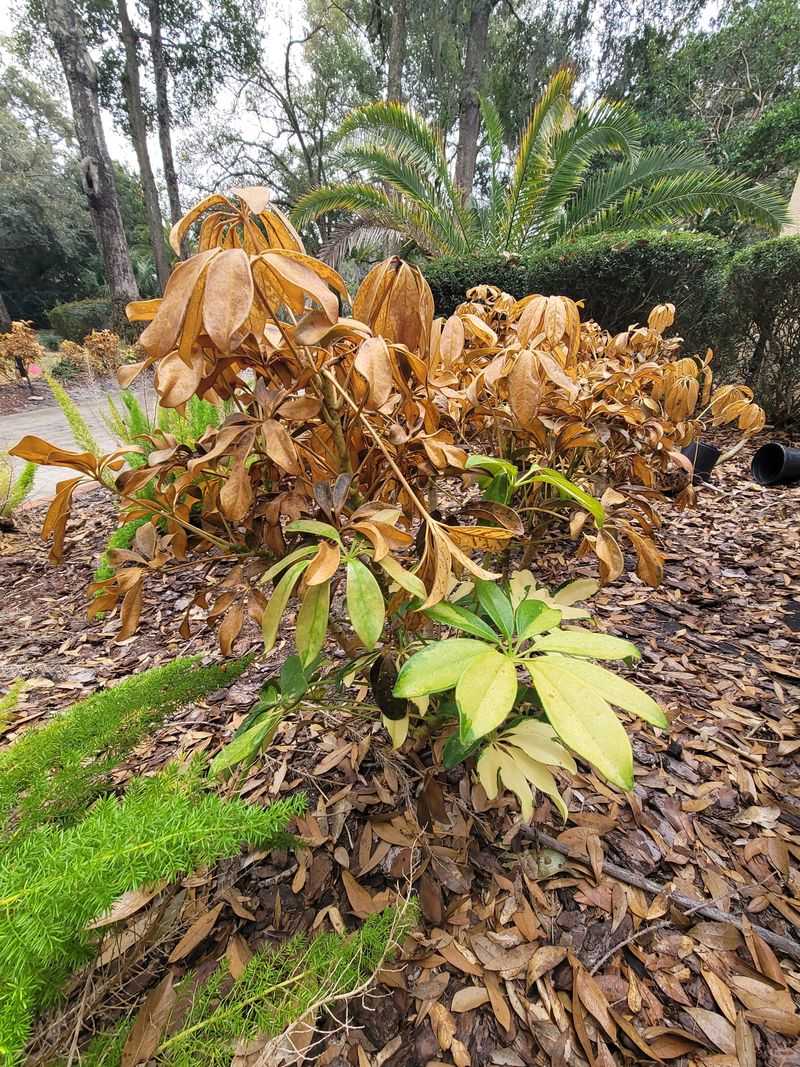
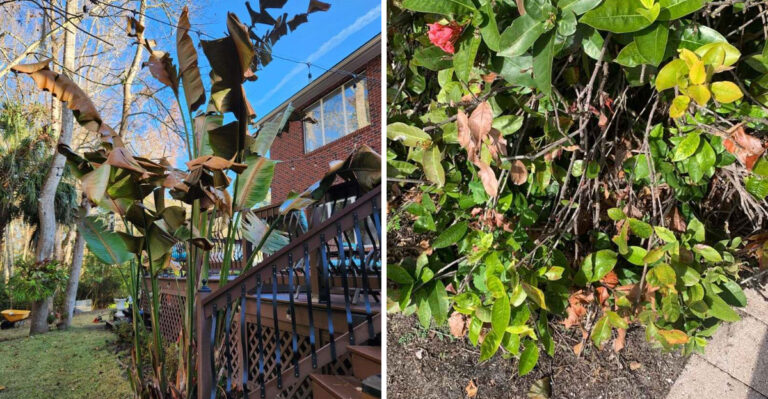
Florida’s occasional cold snaps stress plants in ways that northern gardeners rarely consider for their fully dormant landscapes. Our subtropical and tropical plants don’t go fully dormant, so cold events cause actual tissue damage rather than triggering natural dormancy.
Roots suffer along with above-ground parts, entering a weakened state that needs recovery time.
Applying fertilizer immediately after cold stress forces plants to divert energy into new growth when they should be repairing damage. This premature growth emerges tender and vulnerable, often more sensitive to the next cold event than the original tissue.
Roots in recovery mode can’t safely process fertilizer salts, leading to additional stress on top of cold damage.
The proper timing involves waiting until plants show clear signs of recovery and active new growth. For most Florida landscapes, this means holding off on fertilization for at least two to three weeks after the last freeze or near-freeze event.
Watch for fresh leaf emergence and stem elongation as signals that root activity has resumed.
Patience during this recovery window protects your investment in both plants and fertilizer. Roots need time to repair damaged tissues and restore normal function before they can effectively absorb and use nutrients.
Rushing the process with early fertilization often sets plants back further rather than helping them recover from winter’s occasional harsh reminders.
7. Using The Wrong Fertilizer Formula For Florida Palms
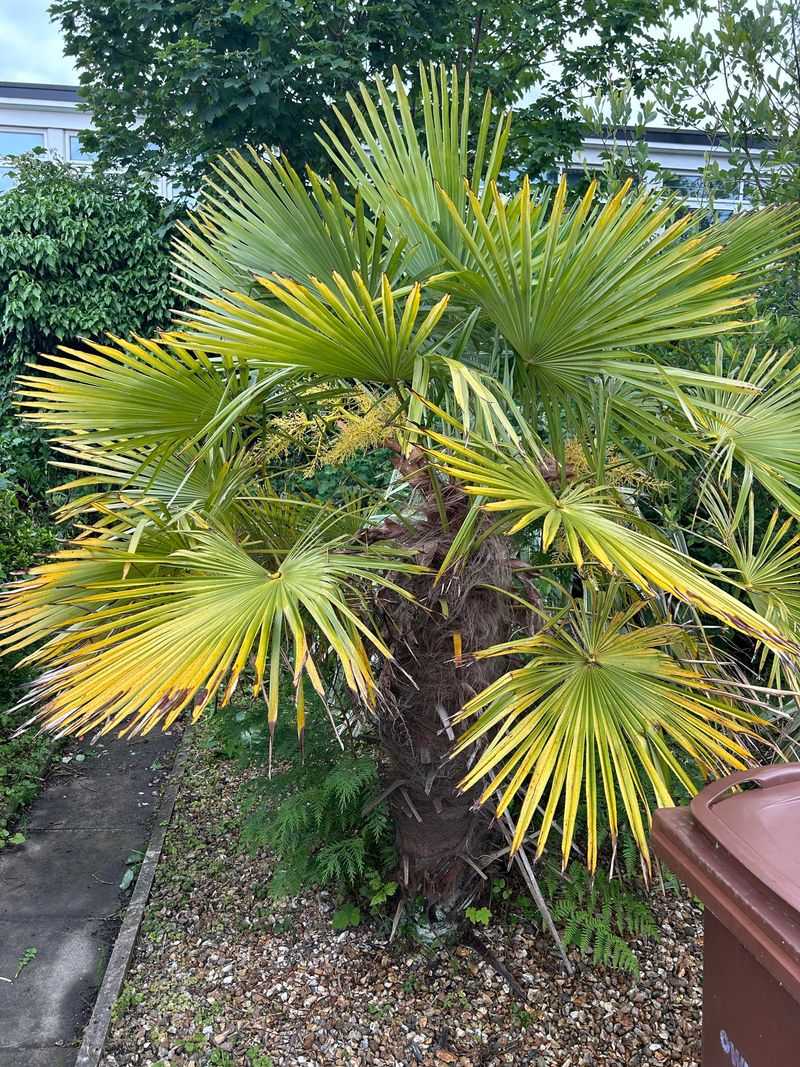
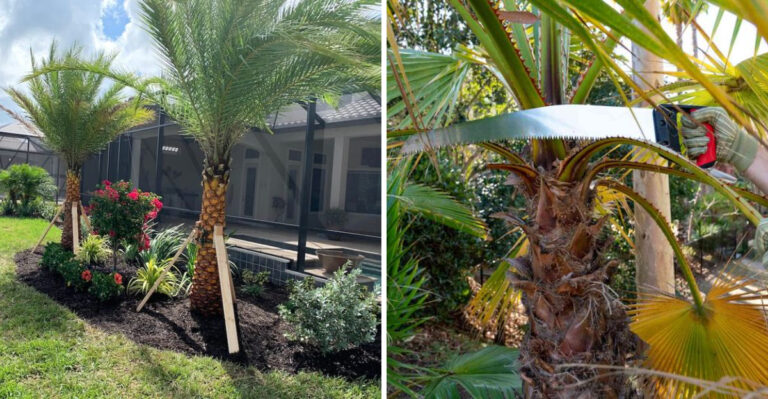
Palms have completely different nutritional needs compared to typical landscape plants, yet many Florida gardeners treat them the same. Standard lawn and garden fertilizers lack the specific micronutrient balance palms require, particularly manganese, magnesium, and potassium in proper ratios.
Using wrong formulas leads to severe deficiency symptoms and stressed root systems trying to extract unavailable nutrients.
Palm roots are especially sensitive to nutrient imbalances because they evolved in tropical soils very different from Florida sand. They need continuous access to specific micronutrients that standard fertilizers don’t provide.
When these elements are missing, roots can’t function properly even if nitrogen and phosphorus are abundant.
The classic signs of improper palm fertilization include yellowing fronds, frizzled new growth, and eventually declining vigor. These symptoms reflect root stress as much as nutrient deficiency.
Roots damaged by salt burn from inappropriate fertilizers can’t absorb even the correct nutrients when they’re finally provided.
Always use fertilizers specifically formulated for palms, with an 8-2-12 or similar ratio plus essential micronutrients. These products cost more than standard fertilizers but prevent the expensive problem of declining palms that need years to recover.
Apply palm fertilizer in a wide circle around the trunk, extending several feet out where feeder roots actively grow. Proper nutrition keeps palm roots healthy and able to support the dramatic growth these plants achieve in Florida’s favorable climate.