Early Spring Perennials Texas Gardeners Should Plant In February
Is February really too early to start planting in Texas? Even though the weather can still feel cool, this month is actually one of the best times to prepare your garden for spring.
Getting perennials in the ground early gives them time to build strong roots before warmer weather arrives. This head start helps plants grow faster, bloom earlier, and handle summer heat better.
Many Texas gardeners wait too long and miss this important window, which can lead to weaker growth later in the season. By planting now, you set your garden up for a healthier and more colorful spring display.
Whether you’re filling flower beds, borders, or garden edges, the right perennials can make a big difference. If you want long-lasting plants that come back year after year, February is the perfect time to take action.
1. Black-Eyed Susan
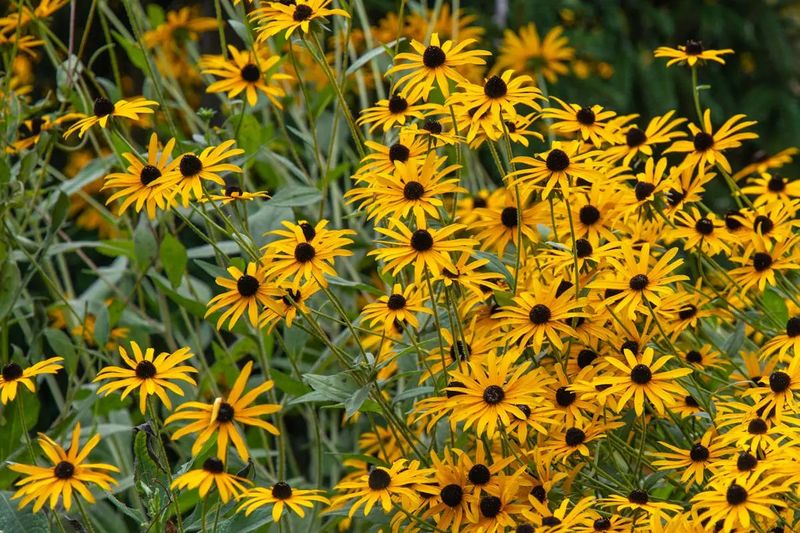
Gardens across Texas come alive when Black-Eyed Susans start blooming. These cheerful flowers bring sunshine to any landscape with their golden-yellow petals and distinctive dark centers.
February planting gives them plenty of time to settle in before their summer show begins.
Black-Eyed Susans handle Texas heat like champions. Once established, they need minimal watering and thrive even during drought conditions.
Their tough nature makes them perfect for busy gardeners who want beautiful results without constant maintenance.
These perennials grow between two and three feet tall, creating eye-catching vertical interest in flower beds. They spread naturally over time, filling in bare spots and creating fuller displays each year.
Butterflies and bees love visiting these blooms, bringing beneficial pollinators to your Texas garden.
Plant them in full sun for best results. They tolerate partial shade but produce fewer flowers in shadier spots.
The soil doesn’t need to be perfect, as these adaptable plants grow well in average garden conditions throughout Texas.
Black-Eyed Susans bloom from early summer through fall, providing months of continuous color. Their long flowering period makes them incredibly valuable for Texas landscapes.
Deadheading spent blooms encourages more flowers, though they’ll keep blooming even without this extra attention.
These perennials work beautifully in mixed borders, cottage gardens, or naturalized areas. They pair well with purple coneflowers, ornamental grasses, and other native Texas plants.
February is the ideal time to get them started in your garden.
2. Mexican Bush Sage
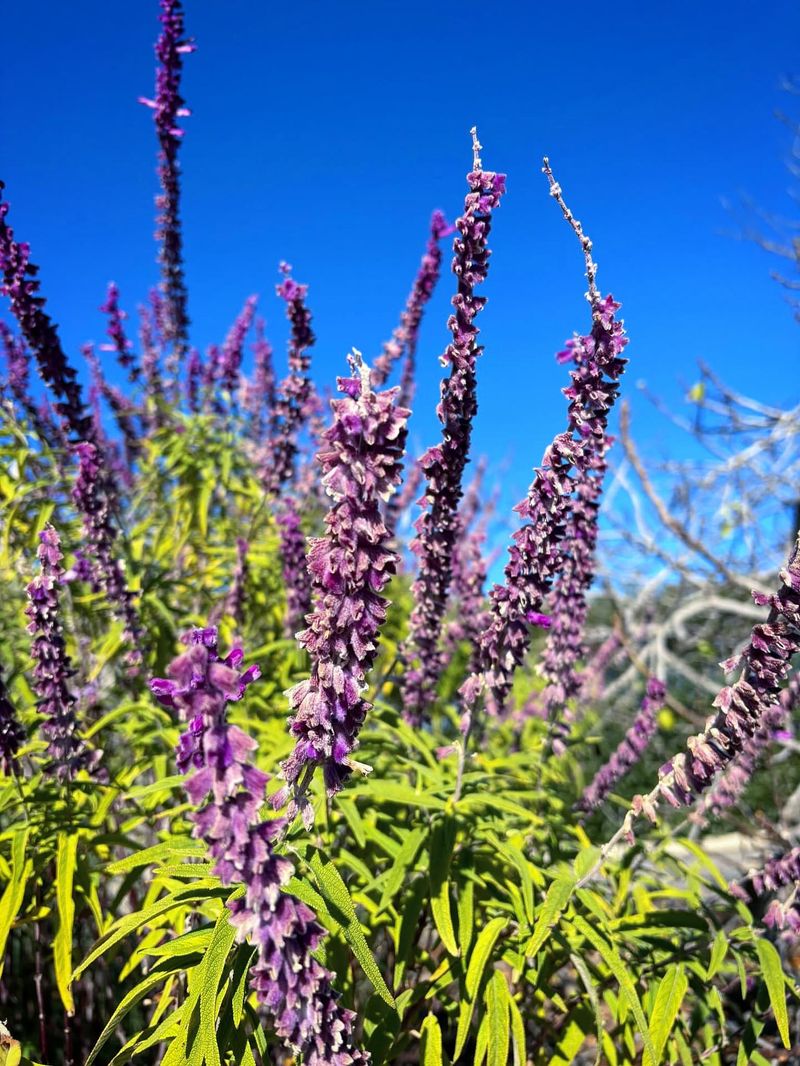
Soft purple spikes rising above silvery foliage make Mexican Bush Sage a standout choice for Texas gardens. This drought-tolerant perennial brings a touch of elegance while handling the toughest conditions our state can throw at it.
Planting in February allows roots to develop before the growing season kicks into high gear.
Mexican Bush Sage grows quickly once established, reaching three to four feet in height and width. The velvety purple flower spikes appear in late summer and continue blooming well into fall.
Hummingbirds can’t resist these tubular flowers, making your Texas garden a wildlife haven.
Water needs drop dramatically after the first growing season. These plants actually prefer drier conditions once mature, making them perfect for water-wise Texas landscapes. They handle our alkaline soils without complaint and rarely face pest problems.
Full sun brings out the best in Mexican Bush Sage. Plant them where they’ll receive at least six hours of direct sunlight daily.
Space plants three feet apart to allow for their mature spread. They look stunning planted in groups of three or more.
Pruning back to about six inches in late winter keeps plants compact and encourages bushier growth. This timing works perfectly with February planting, as new plants won’t need pruning their first year.
The silvery-green foliage provides year-round interest in Texas gardens, even when plants aren’t blooming.
These perennials shine in xeriscapes, pollinator gardens, and mixed borders throughout Texas. They combine beautifully with yellow lantana, red yucca, and other heat-loving plants that thrive in our climate.
3. Autumn Sage
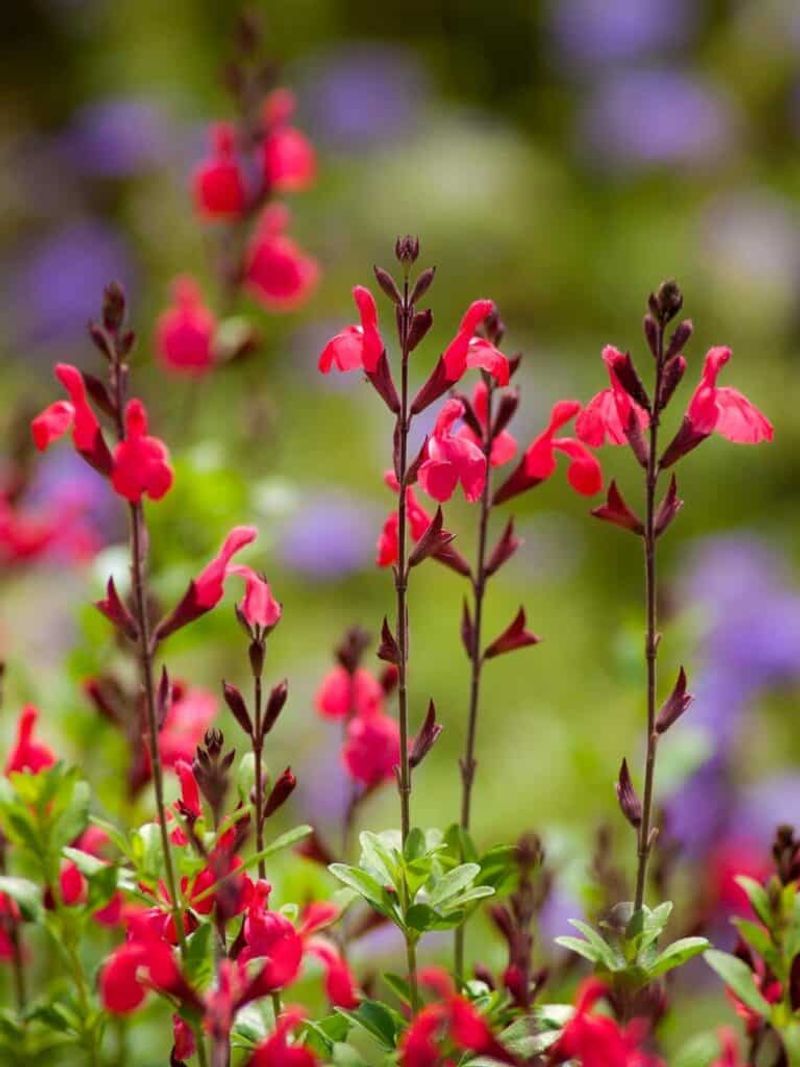
Hummingbirds will thank you for planting Autumn Sage in your Texas garden this February. These compact perennials produce tubular flowers in shades of red, pink, white, or coral that attract pollinators from spring through fall.
Getting them in the ground now ensures they’re ready to bloom by late spring.
Autumn Sage stays relatively small, typically reaching two to three feet tall and wide. This manageable size makes them perfect for smaller Texas gardens or front-of-border plantings.
They maintain a neat, rounded shape without requiring constant trimming or maintenance.
Texas gardeners love Autumn Sage because it keeps blooming even during our hottest months. While many perennials take a break during peak summer heat, this tough plant continues producing flowers.
It handles drought conditions once established and actually prefers less water than many other garden plants.
Choose a location with full sun to partial shade. More sun typically means more flowers, but plants appreciate some afternoon shade in the hottest parts of Texas. They adapt to various soil types as long as drainage is good.
Different color varieties allow you to create custom color schemes in your Texas landscape. Red varieties attract the most hummingbirds, while pink and white selections offer softer color palettes. Mixing colors creates a vibrant, cottage-garden feel.
Autumn Sage pairs wonderfully with ornamental grasses, Black-Eyed Susans, and other native Texas plants.
They work equally well in containers, rock gardens, or traditional flower beds. February planting gives them time to establish strong roots before summer arrives.
4. Purple Coneflower
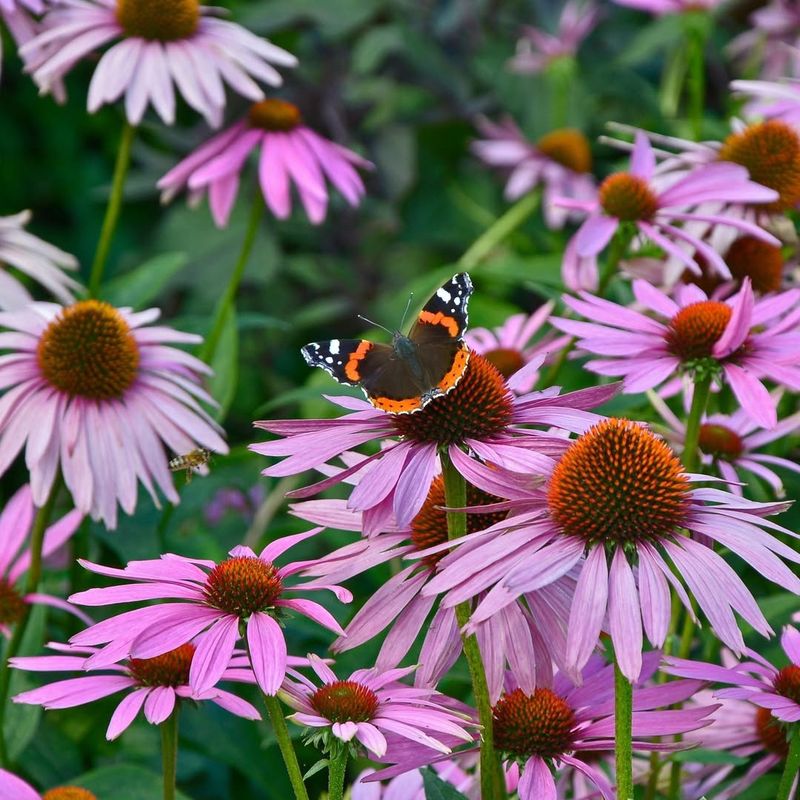
Few perennials match the reliability of Purple Coneflower in Texas gardens. These native beauties have been gracing landscapes for generations with their distinctive daisy-like blooms and prominent orange-brown centers.
February offers the perfect planting window to establish these long-lived perennials.
Purple Coneflowers grow two to four feet tall depending on the variety. Their upright growth habit and sturdy stems mean they rarely need staking, even during Texas thunderstorms.
The blooms appear from late spring through summer, with peak flowering occurring during early summer months.
Butterflies, bees, and goldfinches flock to these flowers. The seed heads provide food for birds well into winter if you leave them standing instead of cutting them back.
This makes Purple Coneflowers valuable for wildlife-friendly Texas gardens throughout the year.
These perennials adapt to various soil conditions across Texas, from sandy to clay. They prefer full sun but tolerate partial shade, though flowering may be reduced in shadier spots.
Once established, they handle drought remarkably well, needing supplemental water only during extended dry periods.
Purple Coneflowers spread slowly over time, forming larger clumps that can be divided every few years. This gives you free plants to expand your garden or share with fellow Texas gardeners.
They rarely face serious pest or disease problems, making them truly low-maintenance choices.
Plant them in mixed borders, cutting gardens, or naturalized areas. They look beautiful combined with ornamental grasses, Mexican Bush Sage, and other drought-tolerant perennials.
Starting them in February ensures they’re well-rooted before Texas summer heat arrives.
5. Lantana
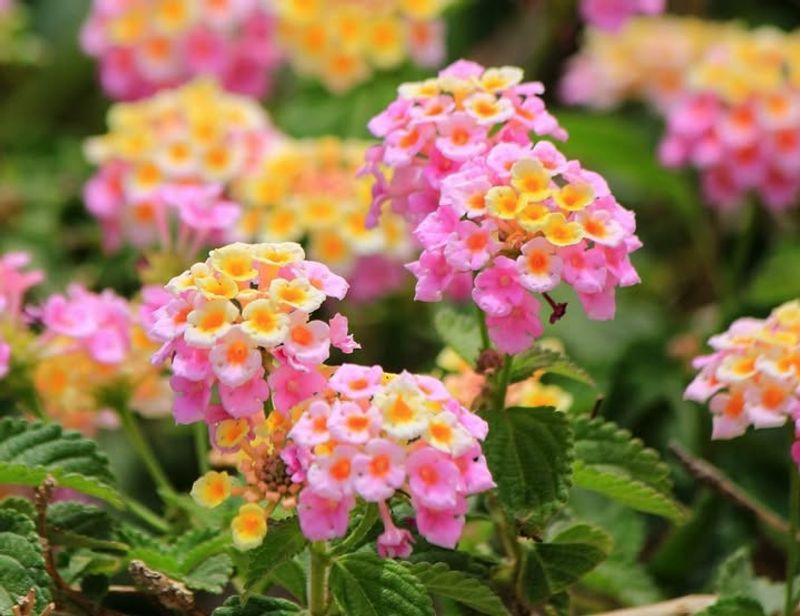
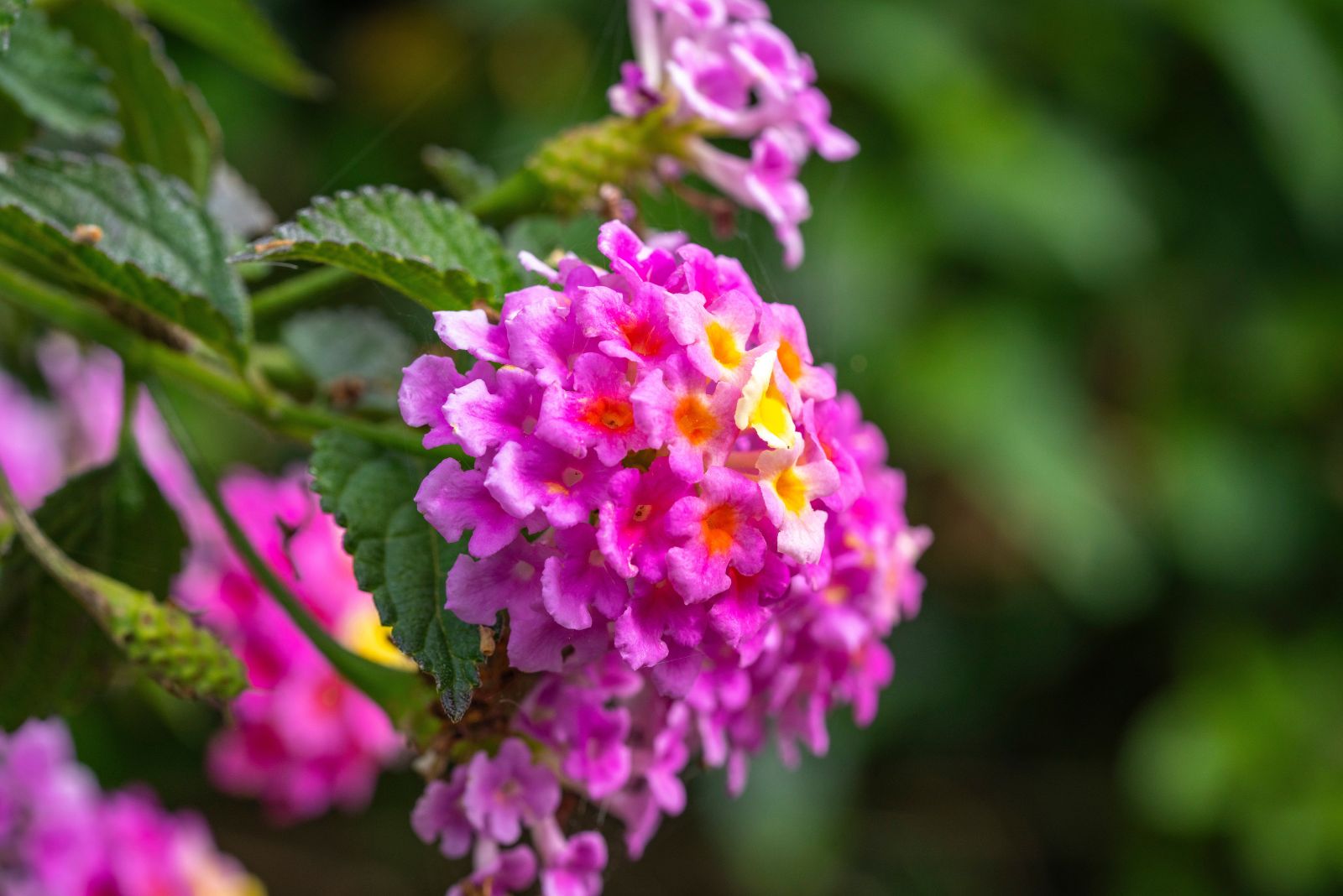
Butterflies absolutely adore Lantana, making it a must-have for Texas pollinator gardens. These tough perennials produce clusters of tiny flowers in vibrant color combinations that change as blooms mature.
Planting in February gives roots time to establish before the explosive growth that comes with warmer weather.
Lantana handles Texas heat and drought better than almost any other flowering perennial. Once established, plants need very little supplemental water and actually bloom more profusely in drier conditions.
They thrive in our intense summer sun, continuing to flower when other plants struggle.
These perennials come in both upright and trailing varieties. Upright types grow two to four feet tall and work well in garden beds, while trailing varieties excel in containers and hanging baskets.
Color options range from solid yellows, oranges, pinks, and purples to multicolored combinations that shift through shades as flowers age.
Full sun is essential for maximum flowering. Plant Lantana where it receives at least six hours of direct sunlight daily.
They tolerate poor soil and don’t need fertilizing, making them perfect for low-maintenance Texas landscapes.
Butterflies, including Monarchs and Swallowtails, visit Lantana constantly throughout the growing season. Hummingbirds also stop by for nectar. This makes Lantana invaluable for creating wildlife habitat in Texas gardens.
Lantana works beautifully in xeriscapes, borders, containers, and mass plantings. They pair well with ornamental grasses, salvias, and other heat-loving perennials.
February planting ensures they’re ready to bloom continuously from late spring through the first frost across Texas.
6. Texas Betony
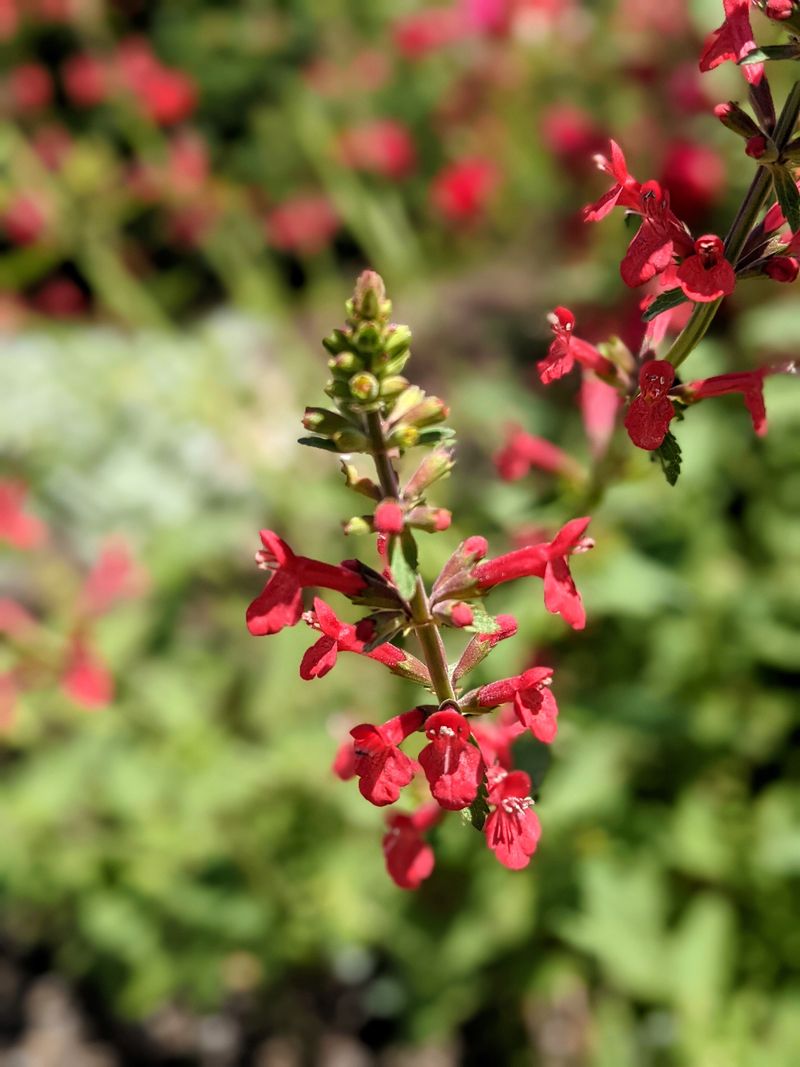
Native to Central Texas, Texas Betony deserves a spot in every Texas perennial garden. This lesser-known gem produces spikes of tubular pink flowers that hummingbirds find irresistible.
Getting it established in February means you’ll enjoy blooms from spring straight through fall.
Texas Betony grows about two feet tall and spreads slowly to form attractive clumps. The dark green foliage remains attractive even when plants aren’t blooming.
Flower spikes rise above the foliage, creating vertical interest and drawing the eye upward in garden compositions.
Being native to Texas gives this perennial a huge advantage in our gardens. It naturally tolerates our soil conditions, temperature extremes, and variable rainfall patterns.
Once established, Texas Betony requires minimal care and thrives on benign neglect that would stress non-native plants.
Plant Texas Betony in full sun to partial shade. It adapts to both conditions, though flowering may be heaviest in sunnier locations.
The plant handles our alkaline soils without issues and doesn’t need soil amendments or special preparation.
Hummingbirds visit the tubular flowers constantly during blooming periods. Butterflies also stop by for nectar.
This makes Texas Betony an excellent choice for Texas wildlife gardens and pollinator-friendly landscapes.
Texas Betony combines beautifully with other native perennials like Autumn Sage, Purple Coneflower, and ornamental grasses. It works well in cottage gardens, mixed borders, or naturalized settings.
The plant self-seeds moderately, allowing it to naturalize over time without becoming invasive.
February planting gives Texas Betony time to develop strong roots before summer. This early start results in healthier plants that establish quickly in Texas gardens.
7. Gregg’s Mistflower
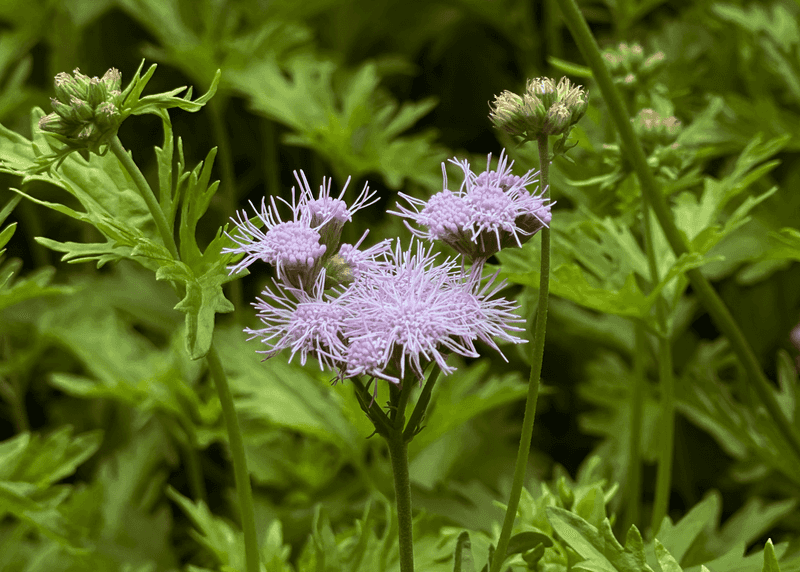
Soft clouds of blue-purple flowers make Gregg’s Mistflower a magical addition to Texas gardens. This native perennial blooms from late summer through fall, providing crucial nectar for butterflies preparing for migration.
Planting in February allows plenty of time for root establishment before the growing season begins.
Gregg’s Mistflower grows two to three feet tall and spreads to form attractive groundcover-like masses.
The fluffy flower clusters create a soft, cottage-garden effect that contrasts beautifully with more structured perennials. Foliage remains attractive throughout the growing season, even before flowers appear.
This perennial thrives in partial shade to full sun across Texas. It actually appreciates some afternoon shade in the hottest parts of the state.
Gregg’s Mistflower tolerates more moisture than many other drought-tolerant perennials, making it versatile for various garden situations.
Butterflies cover the flowers during peak bloom periods. Monarch butterflies especially love this plant during their fall migration through Texas.
Providing nectar sources like Gregg’s Mistflower helps these important pollinators complete their incredible journey.
Plants spread by underground runners, gradually forming larger colonies. This spreading habit makes Gregg’s Mistflower excellent for filling in areas under trees or along shaded borders. It’s not aggressive but does naturalize over time in favorable conditions.
Gregg’s Mistflower combines beautifully with ferns, hostas, and other shade-loving plants in Texas gardens.
It also works well with sun-loving perennials like Autumn Sage and Mexican Bush Sage in mixed borders. The blue-purple flowers complement yellow, pink, and white blooms perfectly.
February is ideal for establishing Gregg’s Mistflower in Texas landscapes. Early planting ensures plants are strong and ready to support butterfly populations when they need it most.