How To Use Shade Cloth In May To Protect Arizona Plants From Heat
Arizona sun can turn harsh quickly in May, even for plants that handled spring without trouble. Leaves start to fade, edges burn, and growth slows as heat builds day after day.
That shift often catches gardens off guard, especially in spots that receive full afternoon exposure.
Shade cloth offers a simple way to reduce that stress without moving every plant. By filtering sunlight instead of blocking it completely, it helps lower temperatures around foliage and soil while still allowing steady growth.
The right setup can make a noticeable difference during the toughest part of the day. Positioning and coverage matter more than most expect.
A well placed layer over vulnerable areas can protect plants during peak heat and help them stay stronger as conditions continue to intensify.
1. Choose The Right Shade Percentage Based On Plant Needs
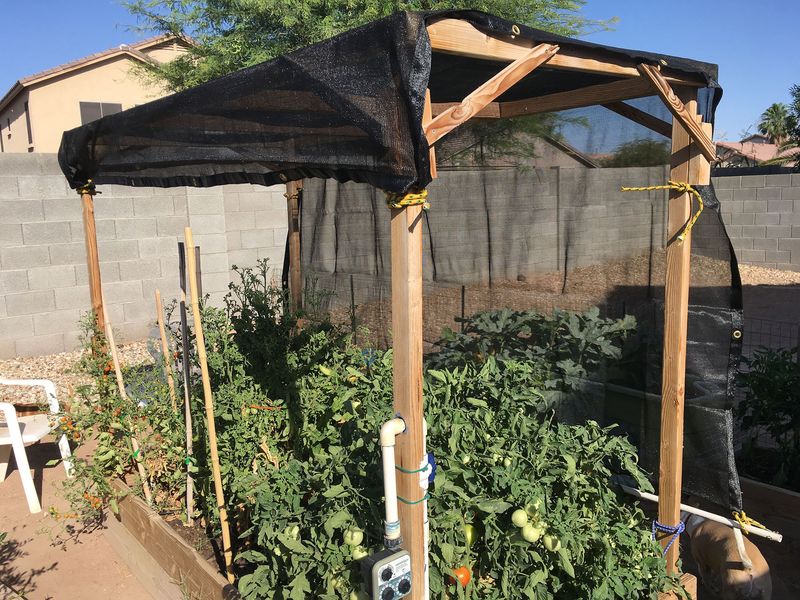
Not all shade cloth is created equal, and picking the wrong percentage can actually hurt your plants more than help them. Shade cloth comes in different densities, typically ranging from 30% to 90%, and each level blocks a different amount of sunlight.
Matching the right percentage to the right plant makes a huge difference in Arizona gardens.
Vegetables like tomatoes, peppers, and squash usually do well under 30% to 50% shade cloth. That range takes the edge off the harsh afternoon sun without blocking too much light for photosynthesis.
Leafy greens like lettuce and spinach are far more sensitive and can handle 50% to 70% shade during Arizona’s scorching May afternoons.
Herbs like basil and cilantro tend to bolt quickly in extreme heat, so 40% to 50% shade cloth gives them a cooler microclimate without shutting out light entirely. Native desert plants like agave or prickly pear rarely need shade cloth at all since they evolved in full Arizona sun.
Putting heavy shade on drought-adapted plants can actually cause more harm than good.
2. Install Shade Cloth Before Extreme Heat Arrives
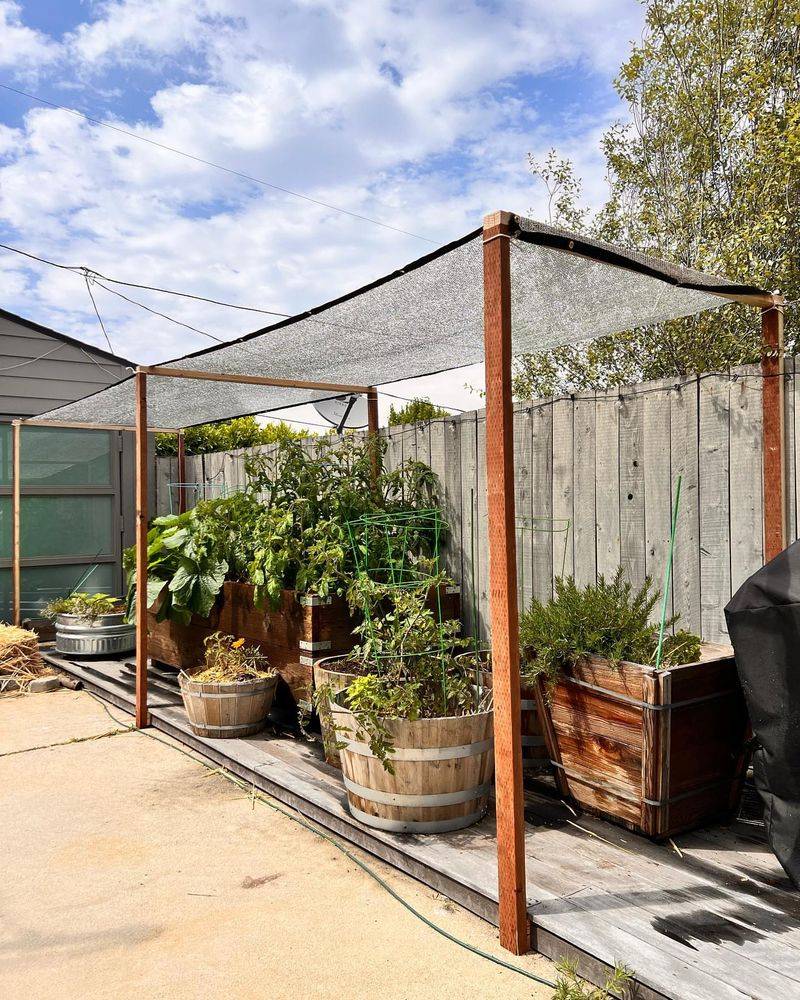
Waiting until your plants are already wilting to put up shade cloth is like putting on sunscreen after a sunburn. By the time visible stress shows up in Arizona, some damage has already happened at the cellular level.
Getting your shade cloth up early in May, before the first real heat wave hits, is the smarter move.
Arizona’s May temperatures can spike suddenly, especially in the low desert regions around Phoenix, Tucson, and Yuma. A stretch of 105-degree days can arrive with very little warning.
Having your shade structure already in place means your plants never have to experience that brutal transition from moderate to extreme heat.
Setting up shade cloth before peak heat also gives your plants time to adjust to the slightly different light levels without the added stress of heat shock at the same time. Gradual adjustment is always easier on plant tissue than sudden changes in both light and temperature happening together.
Arizona gardeners who prep in late April or very early May tend to see better results through the whole summer.
When installing early, check your frame structure for stability. A shade cloth that collapses under wind or weight during a dust storm does more damage than no shade at all.
Your Arizona Garden Changes Every Week. Your Plan Should Too.
Gardening in Arizona changes quickly throughout the season. Every Friday you’ll receive a simple weekly plan showing exactly what to plant, prune, fertilize, harvest, and protect so you never miss the right timing.
3. Position Cloth To Block Harsh Afternoon Sun
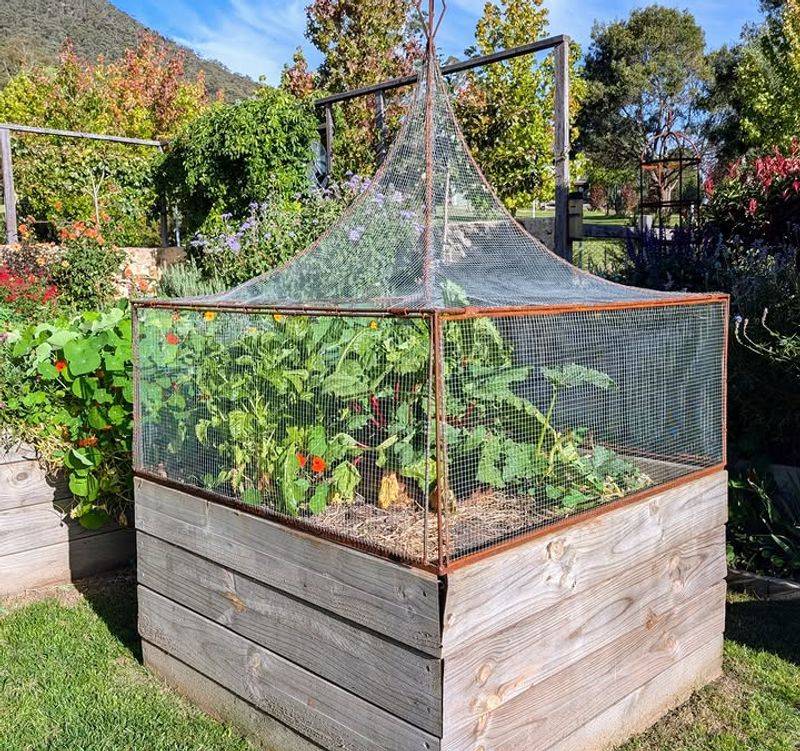
Afternoon sun in Arizona is a completely different beast compared to morning light. From roughly 1 PM to 6 PM, the sun angle and intensity in Arizona can push soil surface temperatures well above 140 degrees Fahrenheit.
Positioning your shade cloth to target that afternoon window is one of the most effective strategies you can use.
Morning sun, especially from the east, is actually beneficial for most plants. It warms the soil gently, helps dry dew off leaves, and supports steady photosynthesis without scorching.
Blocking morning sun with shade cloth when it is not needed wastes some of your plant’s productive hours and can slow growth unnecessarily.
West-facing exposure is where Arizona gardeners need to focus most of their attention. Running shade cloth along the western side of your garden beds as a vertical or angled barrier can dramatically reduce heat load during the worst part of the day.
Even a 40% shade cloth positioned on the west side can drop the temperature around your plants by 10 to 15 degrees during peak afternoon hours.
Overhead shade cloth works well too, but angling it slightly toward the west gives better coverage during the hottest window without blocking all-day light.
4. Keep Airflow Open To Prevent Heat Buildup
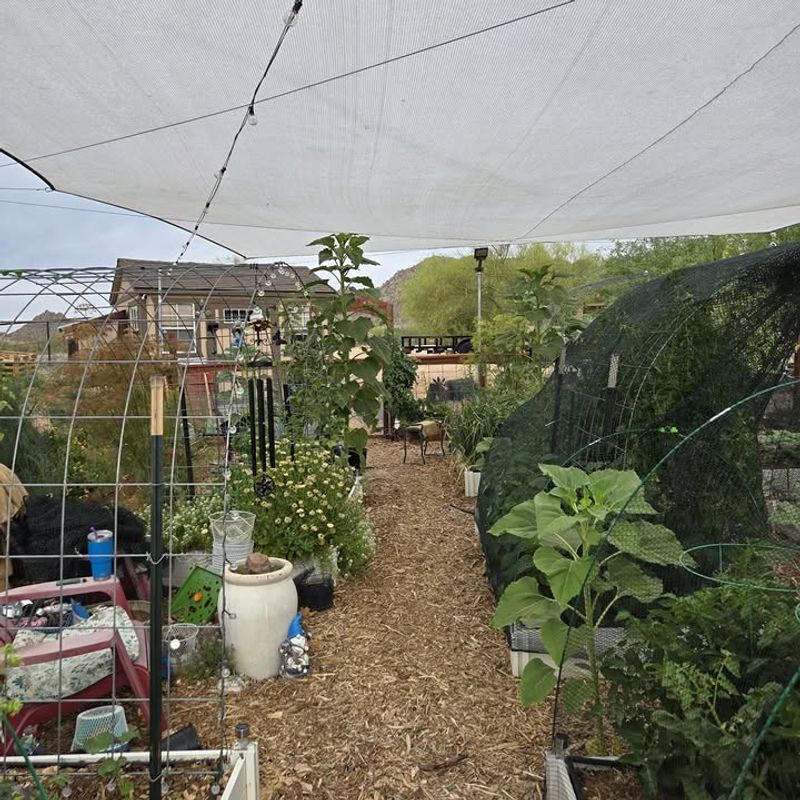
Shade cloth that traps hot air is almost as bad as no shade cloth at all. Arizona heat is intense, but it is also often dry, and moving air plays a critical role in keeping plants from overheating even when they are shaded.
Sealing your shade cloth too tightly on all sides can create a mini oven effect that stresses plants severely.
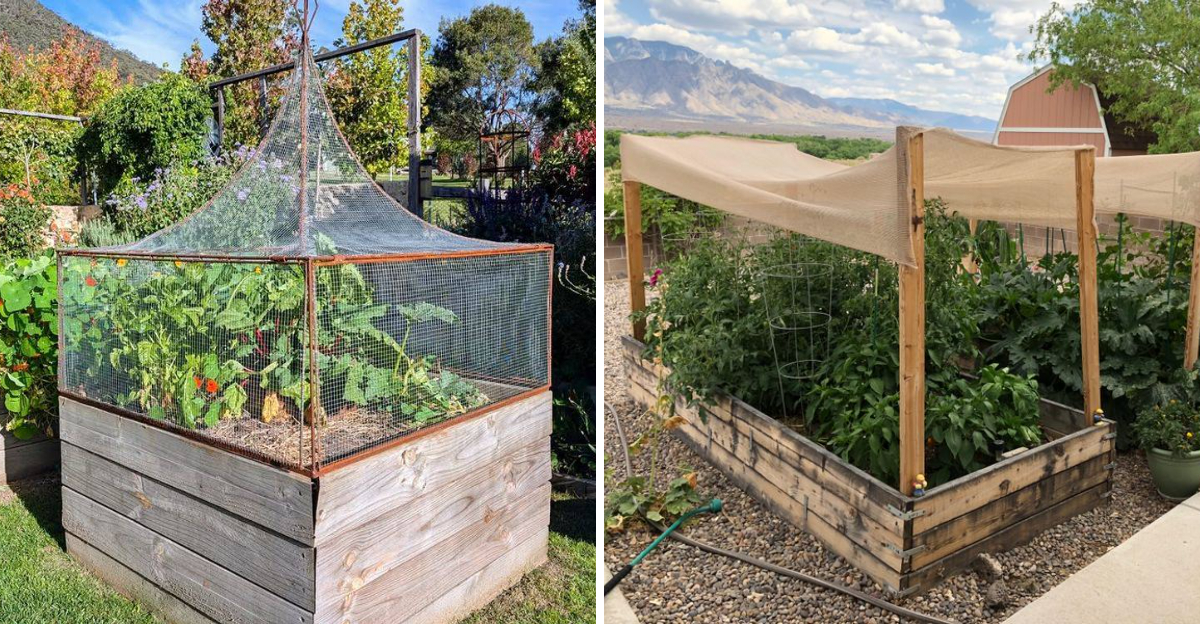
Leave the sides of your shade structure open whenever possible. Raised beds with shade cloth draped overhead but open on the north and south ends allow cross-ventilation even on calm days.
That airflow carries away heat that builds up near the soil surface, which is where root systems are most vulnerable during Arizona’s May heat spikes.
Solid barriers like walls, fences, or dense hedges near your garden can block airflow and make the microclimate under your shade cloth significantly hotter. If your garden is tucked against a south- or west-facing wall, consider raising the shade cloth higher off the ground to allow more air movement underneath.
Even a few extra inches of clearance can make a measurable difference in temperature.
Woven shade cloth naturally allows some air and light to pass through, which is part of why it works better than solid tarps or plastic sheeting for plant protection.
5. Secure Shade Cloth Properly To Handle Wind
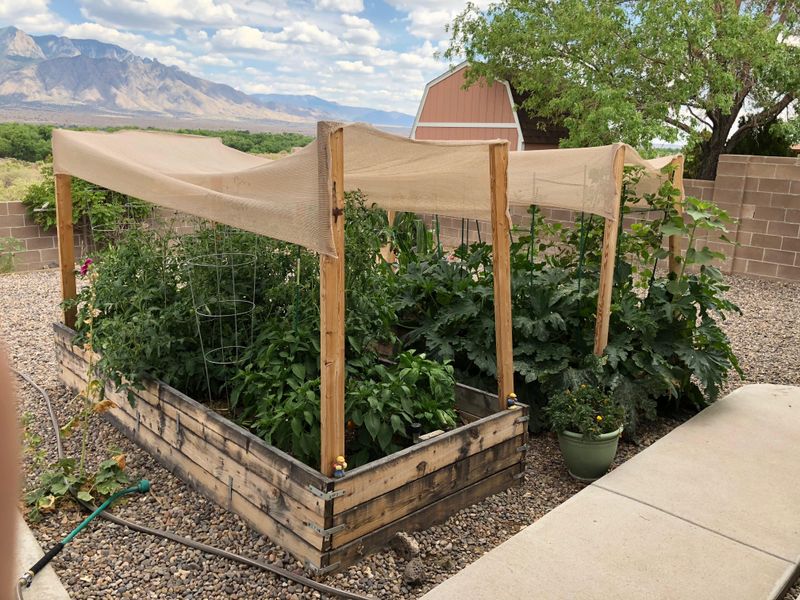
Arizona wind can shred an unsecured shade cloth setup in under an hour. Dust storms, known locally as haboobs, roll through the Phoenix area and other parts of Arizona with little warning and can carry winds exceeding 60 miles per hour.
A shade cloth that gets torn loose or collapses can damage plants physically and leave them suddenly exposed to full sun after being shaded.
Using bungee cords, zip ties, or purpose-made shade cloth clips to attach your fabric to its frame is far more reliable than just draping it loosely. Grommeted shade cloth makes securing much easier since you have fixed attachment points to work with.
If your cloth does not have grommets, adding them with a basic hardware kit costs very little and saves significant hassle when wind picks up.
Frame choice matters a lot for wind resistance in Arizona. Lightweight PVC pipe frames can flex and pop apart in strong gusts if they are not anchored well.
Driving stakes deep into the ground and using cross-bracing between frame sections adds real stability. Metal conduit or rebar stakes driven at least 12 inches into the soil hold up better than plastic alternatives during monsoon-season wind events that begin creeping into late May.
6. Adjust Coverage As Sun Intensity Increases
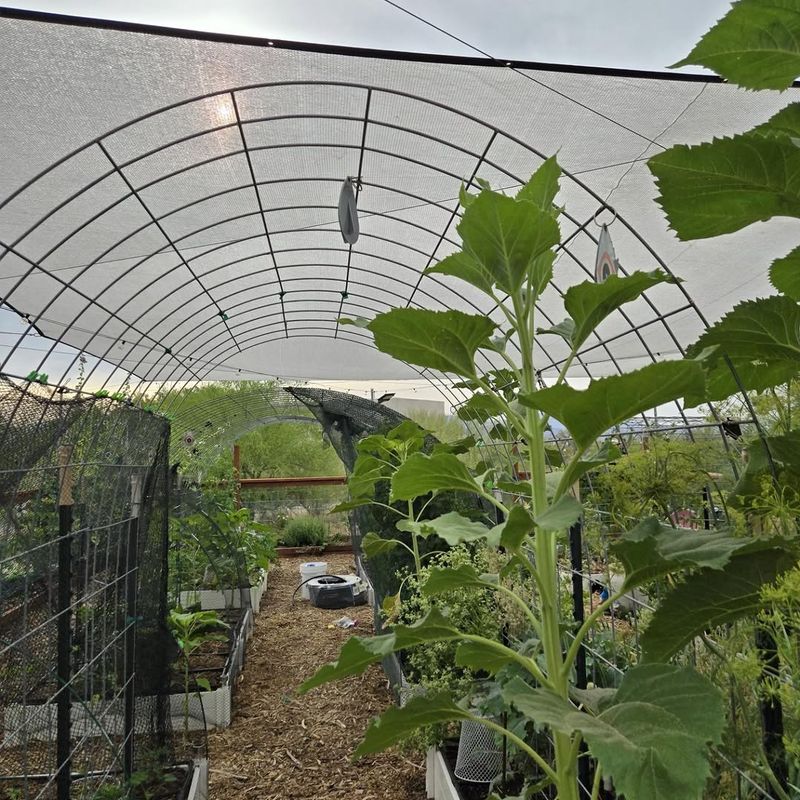
Sun intensity in Arizona does not stay constant through May. Early in the month, temperatures and UV levels are already high, but by late May, conditions can shift dramatically as the state edges closer to the summer solstice.
Treating your shade cloth setup as a fixed installation from day one means you will likely be under-protecting plants by the end of the month.
Keeping track of your local forecast and adjusting coverage when extended heat waves are predicted is a practical habit that pays off. If a five-day stretch of 108-degree heat is coming, adding a second layer of shade cloth or extending coverage to the east side of your beds gives plants extra buffer.
One layer of 40% cloth plus a second layer can effectively increase shading to around 65% without purchasing a completely different cloth.
Some plants will show you directly when they need more coverage. Curling leaves, especially on young transplants, often signal that current shade levels are insufficient during peak afternoon hours in Arizona.
Pale, washed-out leaf color can also indicate sun stress even when plants are technically shaded. Watching your plants closely and responding to those cues is more reliable than following a rigid schedule.
Adjusting coverage does not always mean adding more shade.
7. Remove Or Reduce Shade Once Plants Acclimate
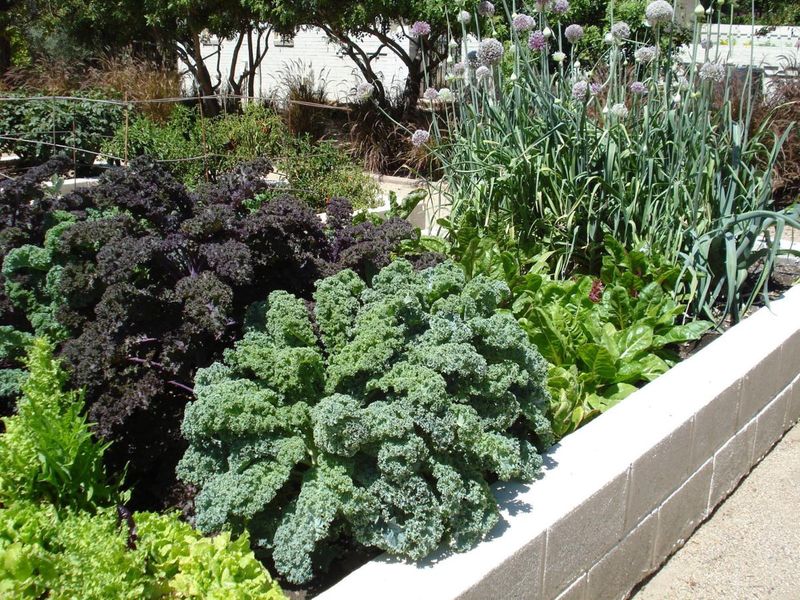
Shade cloth is a tool, not a permanent fixture, and knowing when to scale back is just as important as knowing when to put it up. Plants that are kept under heavy shade for too long in Arizona can become weak, leggy, and less productive than those exposed to appropriate light levels.
Acclimation is a real process, and most plants will toughen up over time if conditions allow.
After two to three weeks under shade cloth, many vegetables and herbs in Arizona gardens show visible signs of adjustment. Root systems deepen, leaf cuticles thicken slightly, and overall heat tolerance improves.
Once that adaptation happens, reducing shade percentage or limiting coverage to afternoon hours only can encourage stronger, more productive growth.
Removing shade cloth gradually works better than pulling it off all at once. Start by rolling it back during morning hours and leaving it in place only for the intense afternoon window.
Over the course of a week or two, plants will adjust to increased morning and midday exposure without experiencing shock. Full removal is sometimes possible by late May for heat-adapted varieties like okra, sweet potatoes, or Armenian cucumbers that genuinely thrive in Arizona’s summer conditions.