Prettiest Pastel Flower Pairings For Spring Containers In Oregon
Many people pass by their front porch every day and never realize it could stop strangers in their tracks. There’s a unique mix of flowers that many gardeners in Oregon have been quietly using for years.
It’s all about how they combine colors and textures to transform a basic terracotta pot into something that looks like it belongs in a magazine. This kind of porch arrangement makes neighbors pause, squint a bit, and wonder what you’ve planted.
Luckily, it doesn’t require expensive plants or advanced gardening techniques. Oregon’s cool, silver-lit springs actually give you a hidden advantage.
That gentle, diffused light enhances certain flower combinations that would appear dull anywhere else. The drizzle and the gradually warming soil all work to your benefit once you know which flowers to choose.
These combinations are easy, budget-friendly, and truly beautiful. Your porch will never look the same.
1. Pair Blush Tulips With Creamy Daffodils
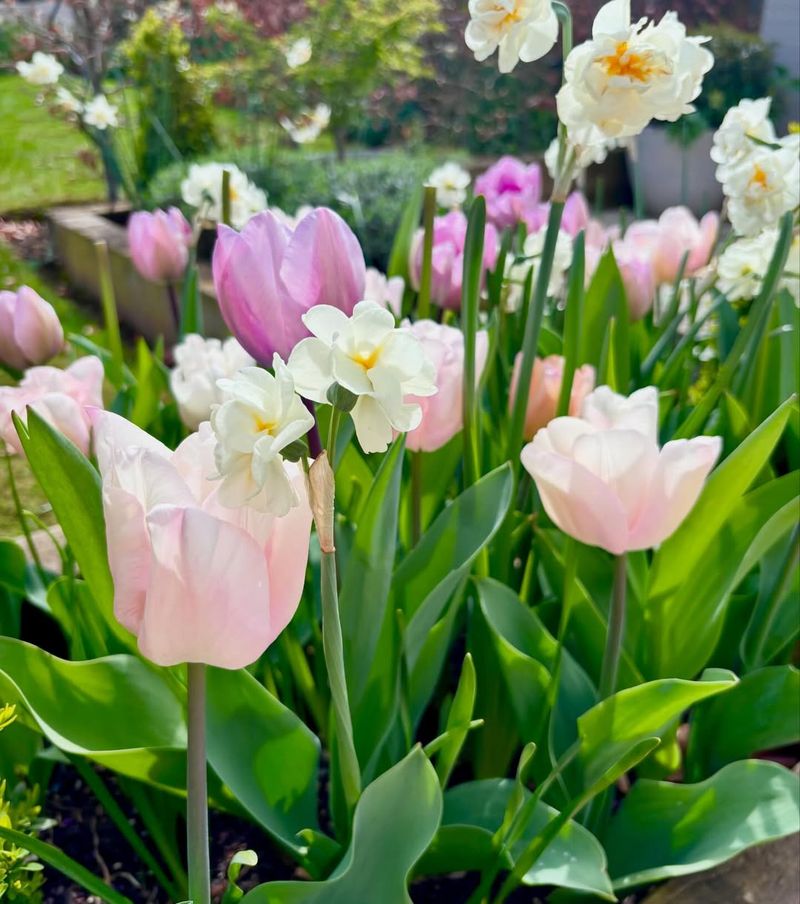
Nobody really reinvents a classic for a reason. This combination has existed for ages, and it continues to work because it simply can’t go wrong. Blush tulips and cream daffodils are a perfect match made in flower heaven.
The tulip offers a smooth, cup-like bloom, while the daffodil provides a ruffled, trumpet-shaped face. These two totally different shapes in one pot somehow enhance each other’s beauty. Oregon’s gray spring days are where this duo truly shines. Literally.
Both pastel colors capture soft, diffused light and glow even on the cloudiest afternoons. While other bright colors may look dull in the rain, blush and cream just become more beautiful.
For tulips, go for ‘Angelique’ or ‘Pink Impression.’ For daffodils, seek out soft ivory or pale butter yellow narcissus types. Together, they are subtle, warm, and impossible to ignore.
Now, let’s talk about planting. Good drainage is crucial. One solid drainage hole and a quality potting mix will get you most of the way there.
Plant daffodil bulbs six to eight inches deep. Place tulip bulbs right above them at four to five inches. Gardeners refer to this as the lasagna method, and yes, it’s as layered and satisfying as it sounds.
Plant in the fall. Then, let Oregon’s natural chill take care of the rest. Spring will handle everything from there.
2. Layer Lavender Crocus Beneath Pale Pink Tulips
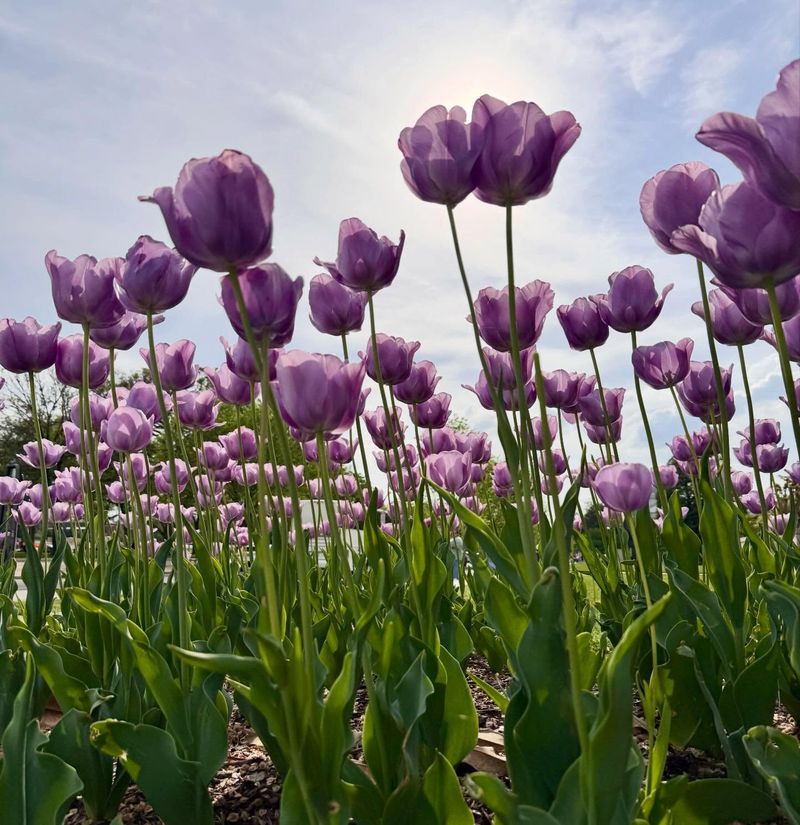
Some pots just sit there, but this one really stands out. The magic unfolds in two parts. First, the lavender crocus emerge from the soil, completely unfazed by the cold.
They create a soft purple carpet before most spring flowers even think about making an appearance.
Then, a few weeks later, pale pink tulips gradually rise above them. The result is layered and lush, looking much more intentional than it really is.
Luckily, the planting method is straightforward. Larger bulbs go deep, while smaller ones stay shallow. Plant tulip bulbs five to six inches deep.
Add a light layer of potting mix. Place crocus corms just two to three inches below the surface. That’s the entire trick. One pot, two blooming periods, and no complicated calculations.
Your Oregon Garden Changes Every Week. Your Plan Should Too.
Gardening in Oregon changes quickly throughout the season. Every Friday you’ll receive a simple weekly plan showing exactly what to plant, prune, fertilize, harvest, and protect so you never miss the right timing.
For the softest pastel appearance, choose crocus varieties like ‘Remembrance’ or ‘Flower Record’ in lilac and lavender. Combine them with ‘Christmas Dream’ or ‘Salmon Impression’ tulips.
The purples and pinks belong to the same color family, so they blend beautifully without turning into one forgettable mass.
Oregon’s cool soil is like a paradise for crocus. They flourish in it. Just give them morning sunlight and a pot with proper holes at the bottom. Plant everything in the fall. Then, just walk away.
When spring arrives, your pot will create a display that truly makes people stop in their tracks.
3. Soften Porch Pots With Peach Hyacinths
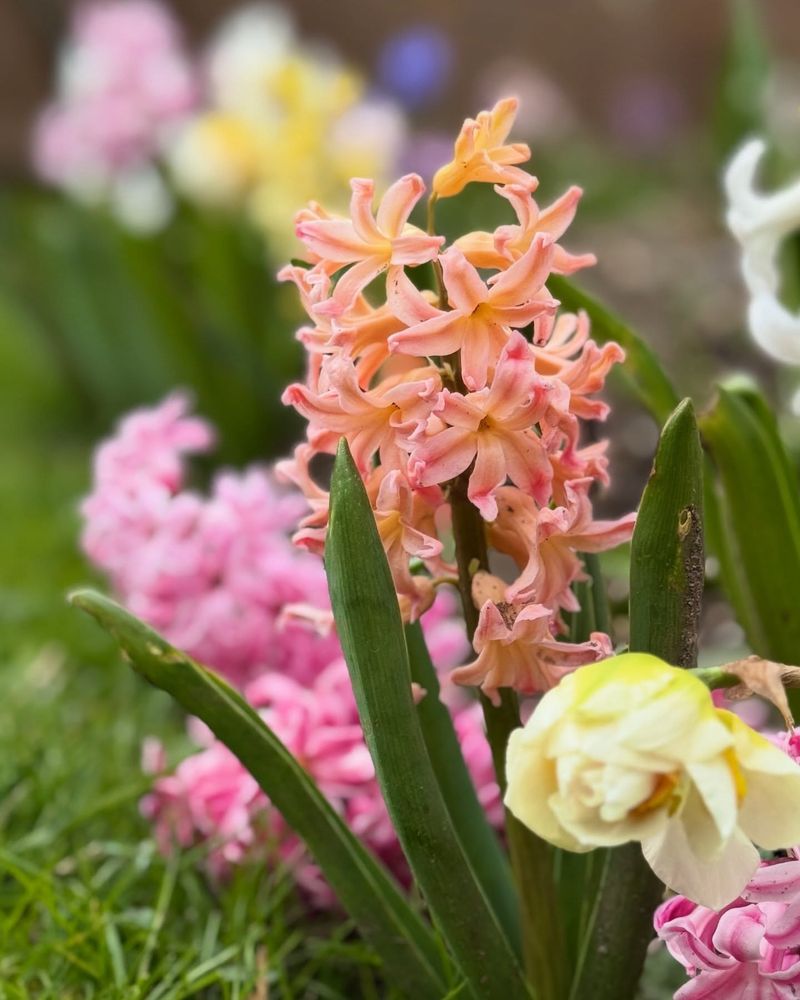
You will catch a whiff of this pot before you even lay eyes on it. Peach hyacinths do something that no other spring bulb can quite achieve. They add warmth to a chilly morning.
That apricot hue slices right through Oregon’s dull gray skies, making the entire porch feel like the sun arrived early. The fragrance just completes the experience.
However, structure is where hyacinths truly prove their worth. Those sturdy, upright spikes stand tall in the pot, giving the whole setup a solid foundation. But all that architectural strength needs a gentle counterpart.
Surround the base with trailing violas or a border of sweet alyssum. The difference between the tight spikes and the loose filler creates a look that feels both planned and effortless. Now, a heads-up. Hyacinths and soggy soil do not get along.
Oregon springs can be quite wet, and a bulb sitting in standing water is a bulb that’s on its way out. Make sure to use a pot with drainage holes and elevate the container so that water can drain away easily.
Plant bulbs four to six inches deep in the fall. Oregon winters provide the necessary cold period naturally, so you won’t need to do anything extra there.
For that warm peach color scheme, seek out ‘Gipsy Queen’ or ‘Apricot Passion.’ Plant three to five bulbs in each pot. When spring arrives, your porch will smell like a flower market and look just as beautiful.
4. Mix Dwarf Iris With White Narcissus
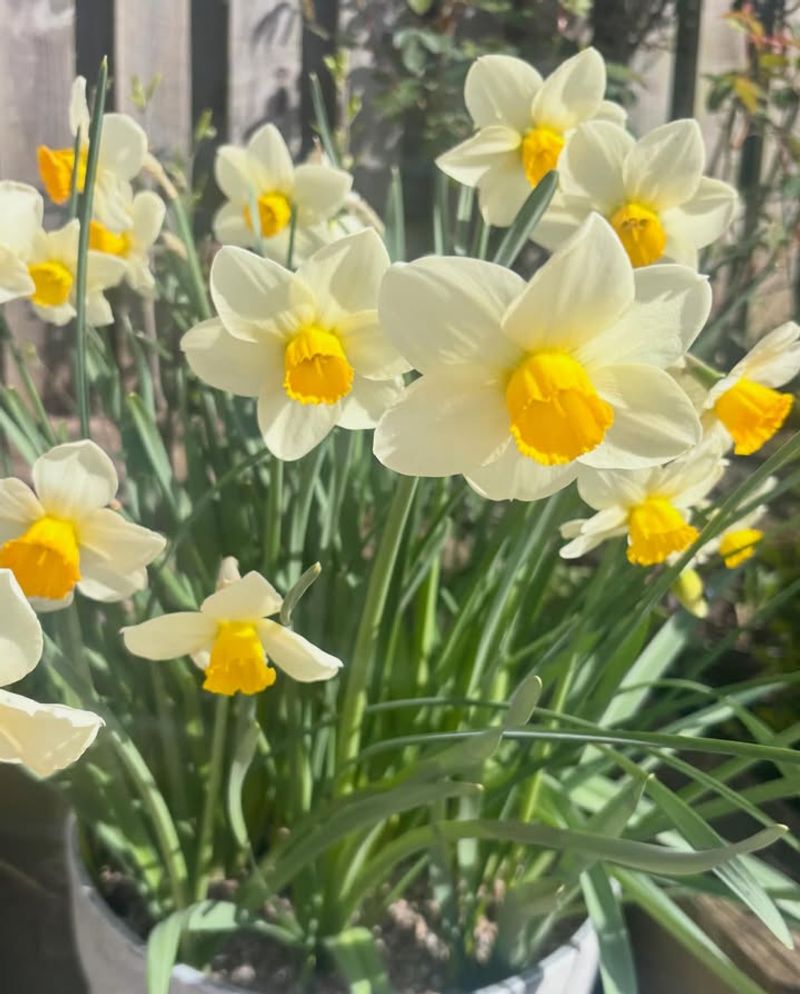
Some pots are really nice. This one resembles a piece of art. Dwarf irises have a quality that’s truly tough to explain until you see them up close. Soft lavender, pale blue, and violet, each flower appears as if it was crafted by hand.
But, when you place them next to bright white narcissus… Well, the entire arrangement turns into something that feels more like a cottage garden than just a pot on the porch.
The timing works beautifully in your favor. Reticulata irises are among the first to bloom. They emerge at just four to six inches tall before almost anything else dares to show its colors. Then the white narcissus comes in a bit later. No extra work needed.
For narcissus, choose ‘Thalia,’ ‘Ice Follies,’ or ‘Stainless.’ All three provide that bright white that makes the soft iris colors stand out without clashing. Planting is easy. Narcissus bulbs should be planted six inches deep.
Iris bulbs go in shallower, at three to four inches. Mix in perlite with your potting soil to ensure good drainage. Oregon springs are wet enough without giving bulbs extra chances to rot.
Look for a south or west-facing area that gets four to six hours of sunlight each day. That soft purple and bright white combination looks fresh and crisp without being overwhelming. Your neighbors will definitely want to know what you planted. Count on it.
5. Add Airy Texture With Sweet Alyssum
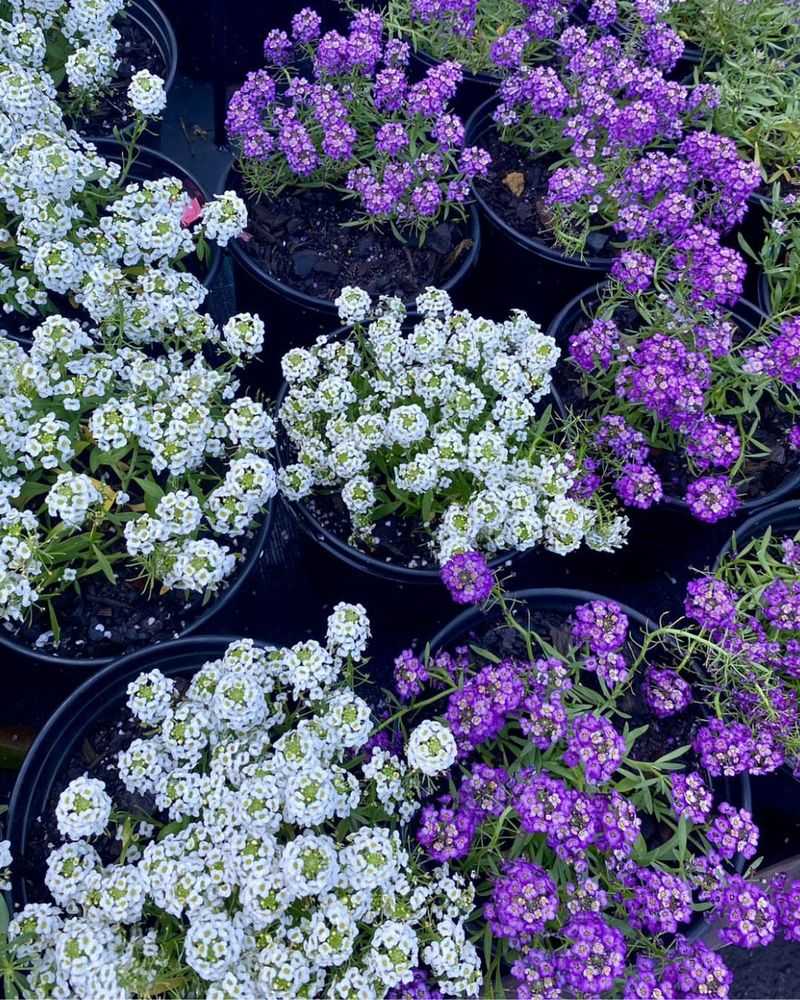
Every fantastic arrangement has a hidden gem. Say hello to sweet alyssum. This plant might not be the most eye-catching in your pot, but that’s the whole idea. Those small, honey-scented flowers create a delicate, fluffy cloud around whatever you pair them with.
Place it around the outer edge of the container and let it cascade. That gentle trailing nature softens the rigid edge of the pot, giving the entire arrangement a laid-back vibe that upright bulbs just can’t achieve.
Tulips, daffodils, hyacinths? Alyssum makes all of them look like they belong in a magazine. Oregon springs are perfect for it. Alyssum thrives in cooler temperatures and continues to bloom through those unpredictable March and April mornings.
Stick to white or soft lavender varieties for a pastel-themed container. Deep purple competes for attention. Soft shades work together harmoniously.
Get transplants from a local nursery in early spring for the quickest results. Direct sowing is also an option once the soil is ready.
Either way, alyssum fills in fast and covers gaps between emerging bulbs as if it was always meant to be there.
Trim it lightly to prolong the blooming period. And every time you step outside, that subtle honey scent will remind you exactly why you chose to plant it.
6. Create Gentle Contrast With Lavender And Peach Tulip
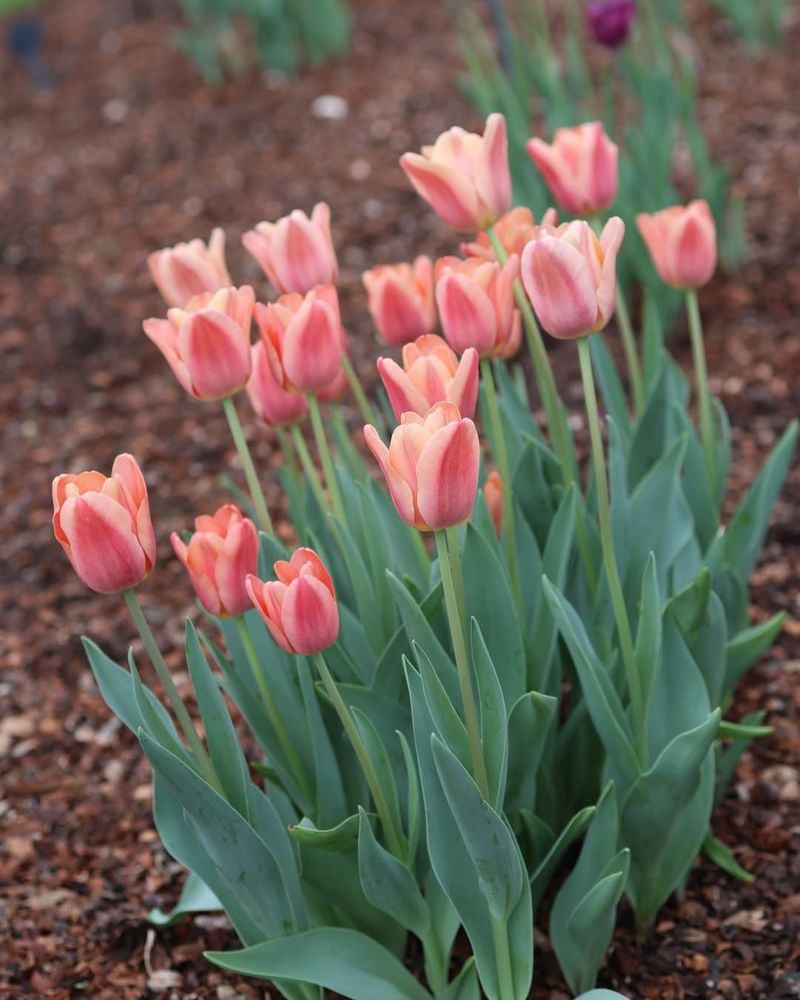
You don’t have to grasp color theory. Just trust what your eyes already perceive. Place a lavender pansy beside a peach tulip. Something clicks.
Those two colors are close enough on the color wheel to feel balanced, yet distinct enough to keep the eye engaged. The outcome is a container that appears thoughtfully arranged without being overly complex.
Oregon spring offers many cold-hardy choices to create this color scheme. Lavender violas and pansies are reliable options. They bloom from late winter all the way through late spring and can withstand a light frost.
Combine them with snapdragons or hyacinths, and the entire pot transforms into a gradually revealing color narrative. Each plant contributes its part. Snapdragons grow tall and provide structure.
Hyacinths rise in the center and add a fragrance that nobody expected, but everyone enjoys. Luckily, assembling it is easy. The tallest plant goes in the center or back.
Medium plants surround it. Low and trailing plants complete the edges. This simple arrangement is all the design knowledge you really need.
Use a container mix, ensure there are drainage holes, and lightly fertilize with a slow-release product. This combination rewards a little planning with a truly impressive result.
7. Build Height With Snapdragons And Soft Spillers
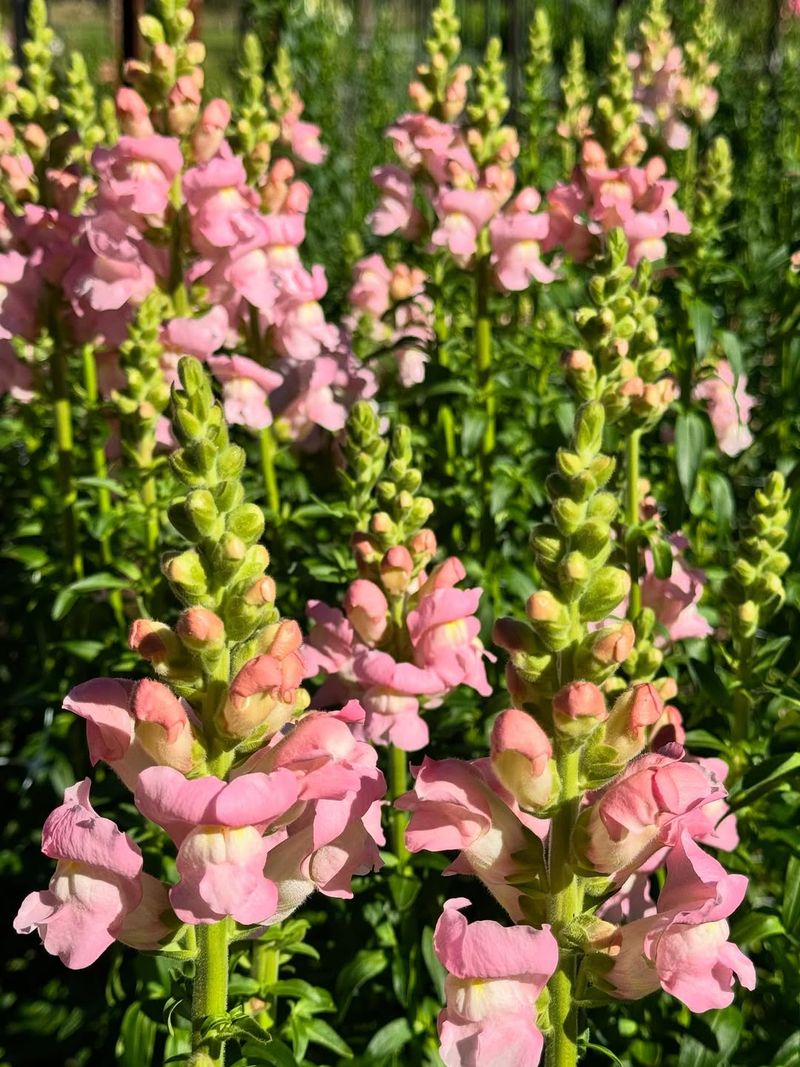
A flat pot is easily overlooked. However, snapdragons ensure that it stands out. These tall, upright spikes rise above everything else in the container.
In soft shades of pink, peach, cream, or pale lavender, they appear light and airy instead of overwhelming. This is precisely the vibe an Oregon spring container needs.
Every successful container follows a straightforward formula: a thriller, a filler, and a spiller. Without a doubt, snapdragons are your thriller.
For fillers, violas, pansies, or compact alyssum bloom reliably in cooler weather and fit beautifully around the base. For spillers, trailing alyssum, bacopa, or soft-toned calibrachoa cascade over the edge of the pot.
Here’s the surprising part: Snapdragons actually thrive in Oregon’s cool spring temperatures. They do best when it’s below 75 degrees and can handle light frost without any issues.
While they may sulk in the summer heat, a crisp Oregon April allows them to flourish. Opt for transplants instead of seeds for quicker results. Look for a location that receives five to six hours of sunlight each day.
Plant in a container that is at least twelve to fourteen inches deep, giving the roots plenty of space to establish themselves.
Water regularly, but avoid letting the pot sit in standing water. After the initial bloom, lightly pinch back the central spike. This encourages branching and prompts a new wave of flowers to emerge.
Provide snapdragons with suitable companions and a solid foundation. They will simply transform your porch.
8. Try Soft Pink Bleeding Heart With White Violas
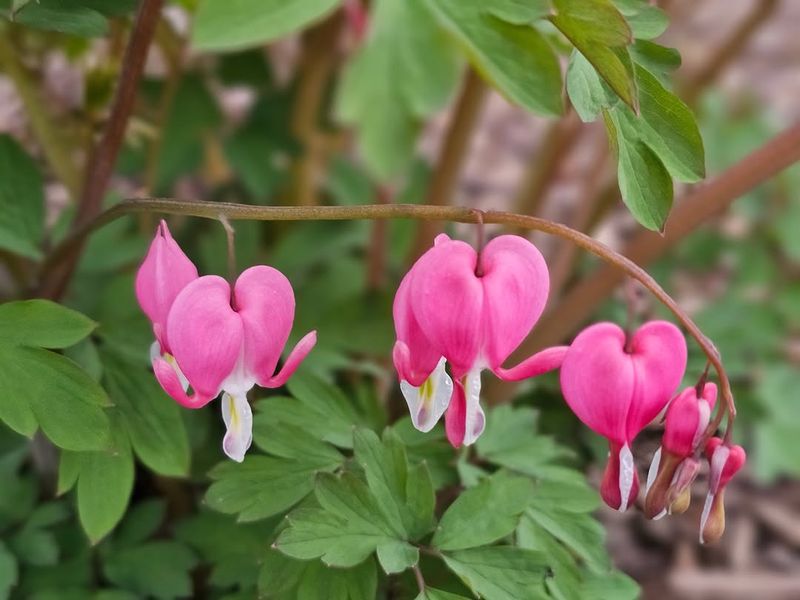
Some combinations look delicate. This one actually is, and that is exactly the point. Bleeding heart is one of those plants that stops people mid-step.
Those arching stems loaded with heart-shaped pink blooms have a fairy-tale quality that almost nothing else can match. Pair them with crisp white violas spilling over the edge and the whole pot looks like something from an English cottage garden.
Oregon’s cool, moist springs are genuinely ideal for bleeding heart. It is not just tolerant of those conditions. It actually prefers them.
Warm, dry weather causes bleeding heart to go dormant early. Oregon’s lingering cool temperatures extend the bloom period well into late spring, giving it a longer window than gardeners in warmer states ever get.
Choose Lamprocapnos spectabilis ‘Gold Heart’ for pink blooms with golden foliage. Or maybe stick with the classic all-pink variety for a more traditional look.
Plant bleeding heart in rich, well-draining potting mix. It prefers partial shade, making it one of the best options for north or east-facing porches.
Keep the soil consistently moist but never waterlogged. A pot with good drainage holes is non-negotiable here. The result is a container that looks genuinely romantic without any effort to make it that way.