7 Easy Flower Preserving Tricks Texas Homeowners Use For The Holidays
Fresh flowers hold special meaning during the holidays, and Texas homeowners know how to make that beauty last well past the season.
Warm weather allows blooms to thrive longer than in many states, which makes preservation a popular tradition rather than a novelty.
From family gatherings to festive décor, preserved flowers carry memories that store-bought decorations cannot replace.
Holiday flowers often come from gardens, farmers markets, or meaningful gifts, which adds emotional value.
Texans favor practical, low-effort methods that work well in dry indoor conditions and busy schedules. Simple techniques protect color, shape, and scent without expensive tools or professional help.
With the right approach, flowers keep their charm instead of wilting away unnoticed.
Preserved blooms offer warmth, personality, and a personal touch that fits right into Texas holiday traditions year after year.
1. Silica Gel Drying Method
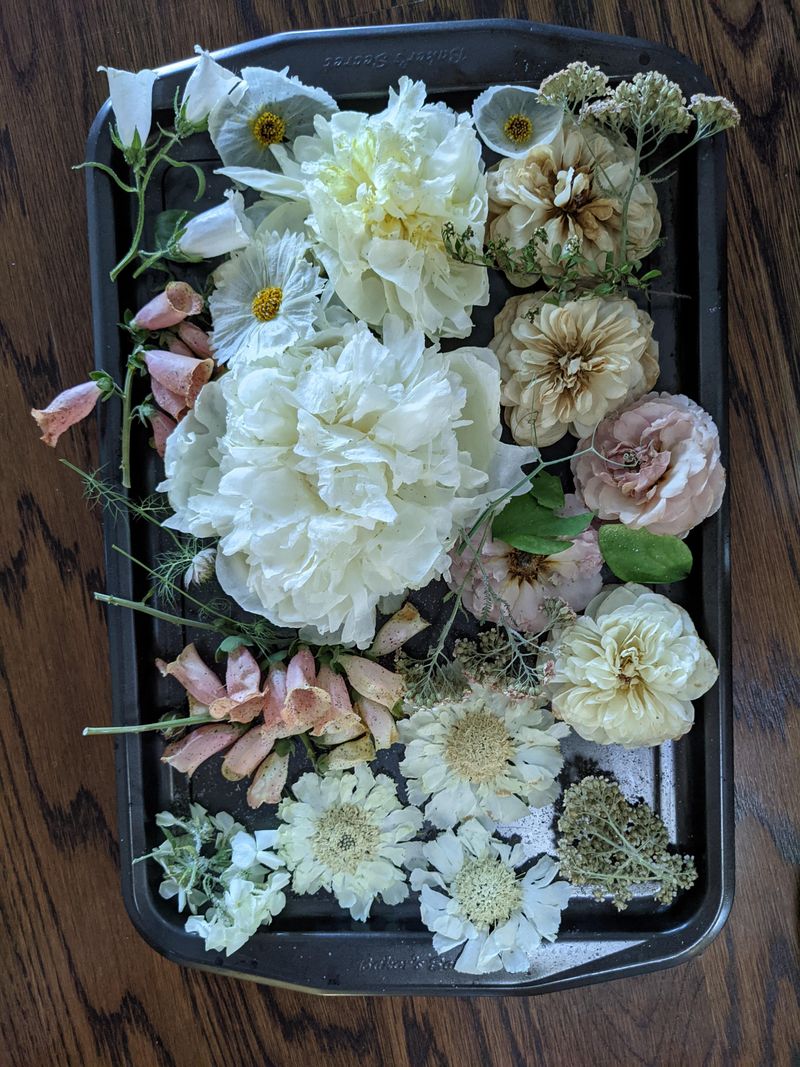
Craft stores across Texas stock silica gel specifically designed for flower preservation, and this method produces stunning results that maintain original colors better than almost any other technique.
The tiny crystals absorb moisture from petals while supporting delicate flower structures during the drying process.
Pour a layer of silica gel into an airtight container, then gently place your holiday blooms on top before carefully covering them with more crystals.
Most flowers finish drying within three to seven days, depending on their thickness and moisture content.
Roses, carnations, and zinnias work exceptionally well with this approach.
Check progress by gently brushing away crystals from one bloom after three days.
Once completely dry, carefully remove flowers and brush off remaining gel with a soft paintbrush.
Store preserved blooms in a box with tissue paper until you need them for wreaths, centerpieces, or other holiday displays.
The silica gel can be reused multiple times by heating it in the oven to remove absorbed moisture, making this an economical choice for Texas families who preserve flowers season after season.
2. Hairspray Coating Technique
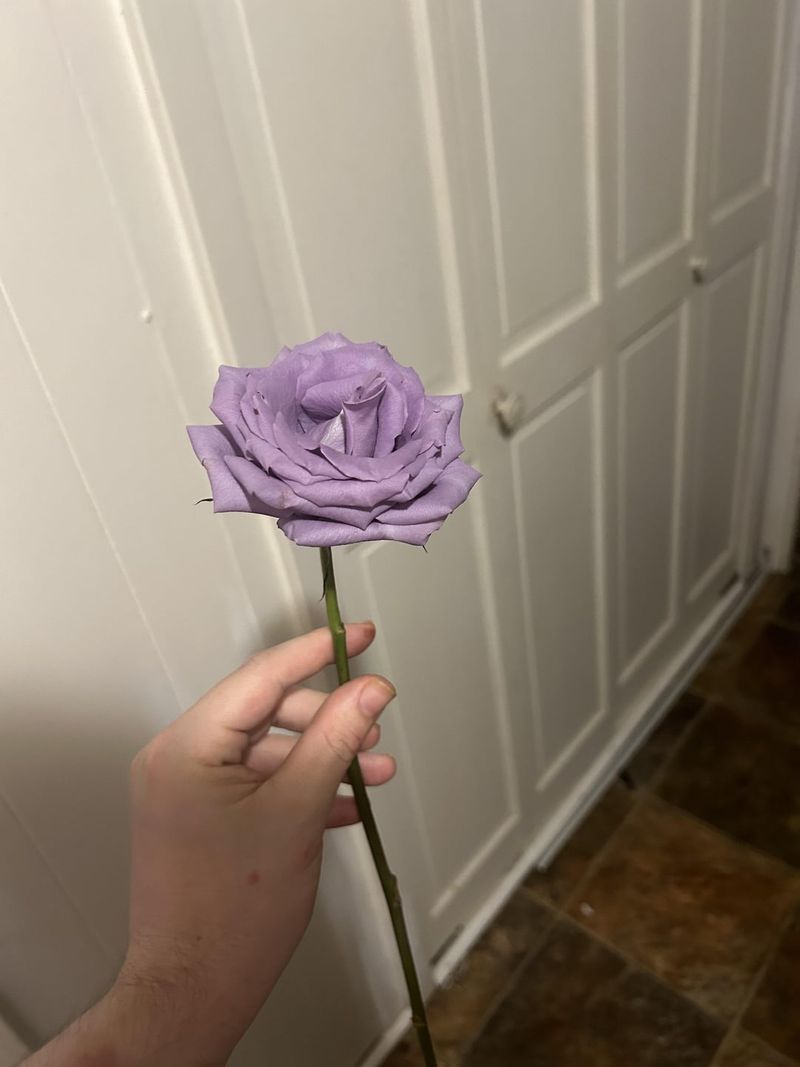
Your bathroom cabinet holds a surprisingly effective flower preservation tool that costs just a few dollars.
Regular aerosol hairspray creates a protective seal over petals that slows moisture loss and helps blooms maintain their shape longer.
This trick works best on flowers you plan to display fresh for an extended period rather than completely drying them.
Hold the hairspray can about ten inches away from your arrangement and apply a light, even coating to all visible surfaces.
Focus on the undersides of petals where moisture escapes most quickly.
Allow the first coat to dry for fifteen minutes before applying a second layer for maximum protection.
Texas homeowners swear by this method for holiday bouquets featuring roses, lilies, and chrysanthemums that need to look fresh through multiple gatherings.
The hairspray technique extends vase life by several days beyond normal expectations.
Reapply every few days to maintain the protective barrier.
Choose unscented hairspray to avoid competing with natural flower fragrances, and always spray in a well-ventilated area or outdoors to prevent sticky residue on furniture and floors.
3. Microwave Press Method
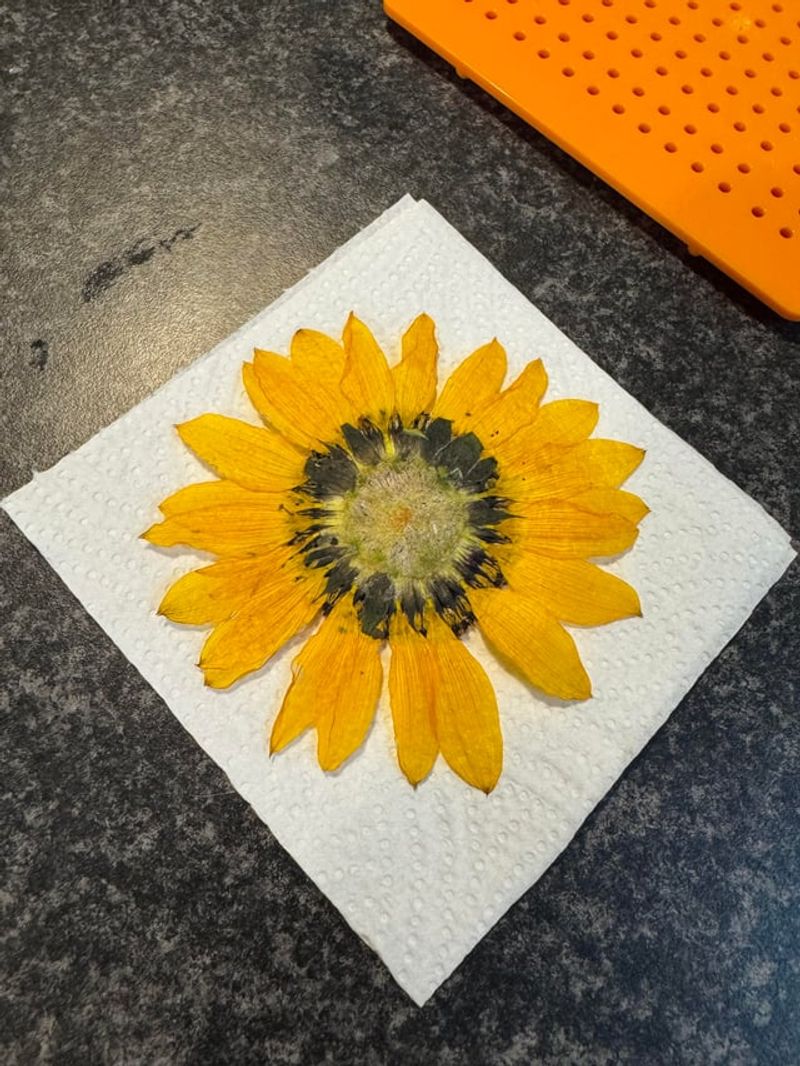
Patience is optional when you use your microwave to press flowers in minutes instead of weeks.
Traditional flower pressing requires heavy books and several weeks of waiting, but this modern shortcut delivers flat, preserved blooms ready for craft projects in under five minutes.
Place flowers between two sheets of plain paper towel, then sandwich this between two ceramic tiles.
Microwave on medium power for thirty-second intervals, checking after each burst to prevent scorching.
Most thin flowers like pansies, violets, and small daisies need only two to three intervals.
Thicker blooms might require up to five rounds with cooling periods between each session.
This approach works beautifully for creating pressed flower ornaments, holiday cards, and framed botanical art that makes thoughtful gifts.
Texas homeowners appreciate how quickly they can preserve flowers from special holiday events or bouquets received from loved ones.
The microwave method preserves colors more vibrantly than traditional pressing because rapid moisture removal prevents browning.
Store finished pressed flowers in wax paper inside books until ready to use them in your creative holiday projects.
4. Glycerin Replacement Solution
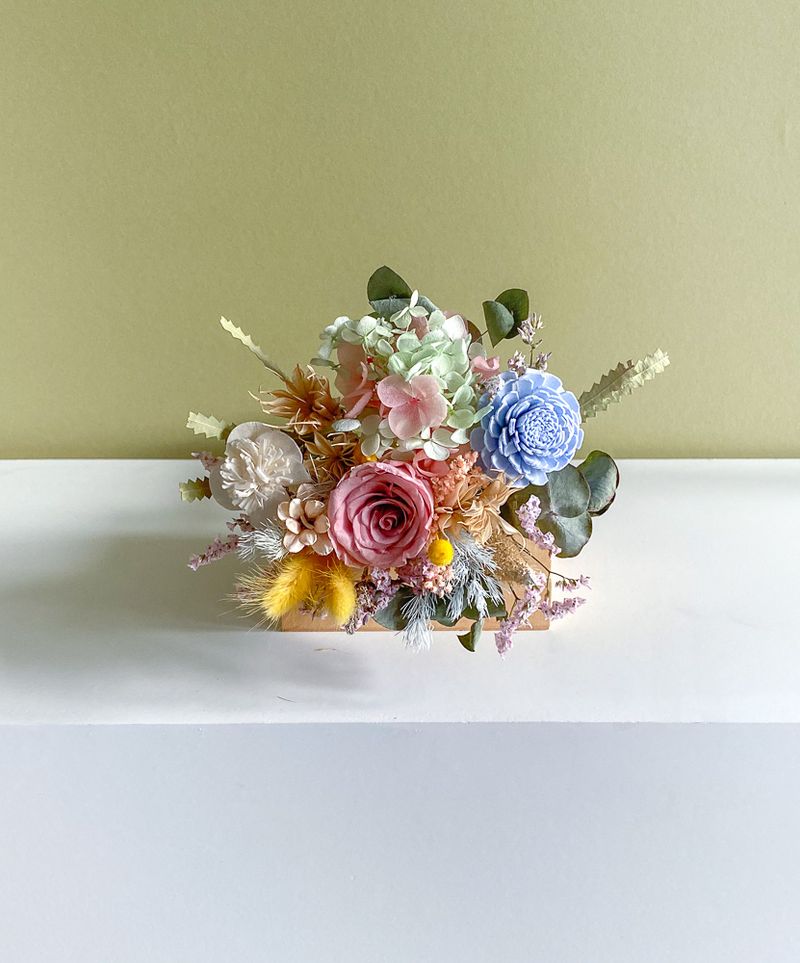
Chemistry transforms fresh flowers into soft, pliable preserved specimens that feel almost alive when you use vegetable glycerin mixed with water.
This method replaces the natural moisture inside stems and petals with glycerin, which prevents brittleness common in air-dried flowers.
Mix one part glycerin with two parts warm water in a vase, then place freshly cut stems into the solution.
The process takes between two and six weeks as flowers gradually absorb the glycerin mixture and change to deeper, richer tones.
Eucalyptus, magnolia branches, and baby’s breath respond especially well to glycerin preservation.
Monitor the solution level and add more mixture if it drops below stem ends during the absorption period.
Finished flowers maintain flexibility for years, making them perfect for wreaths and garlands that get handled during decoration and storage.
Many Texas families treasure glycerin-preserved magnolia leaves that remind them of holiday seasons past.
The subtle color changes add an antique quality that complements rustic and traditional holiday decor schemes beautifully.
Store glycerin-preserved materials in boxes away from direct sunlight to prevent fading over time.
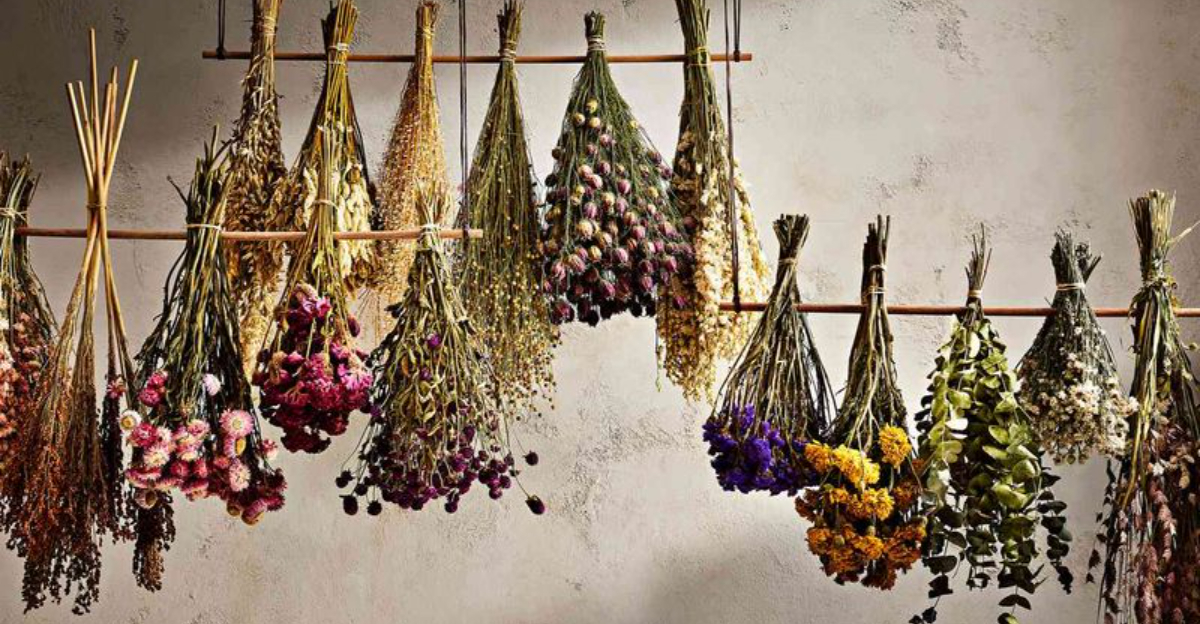
5. Air Drying Upside Down
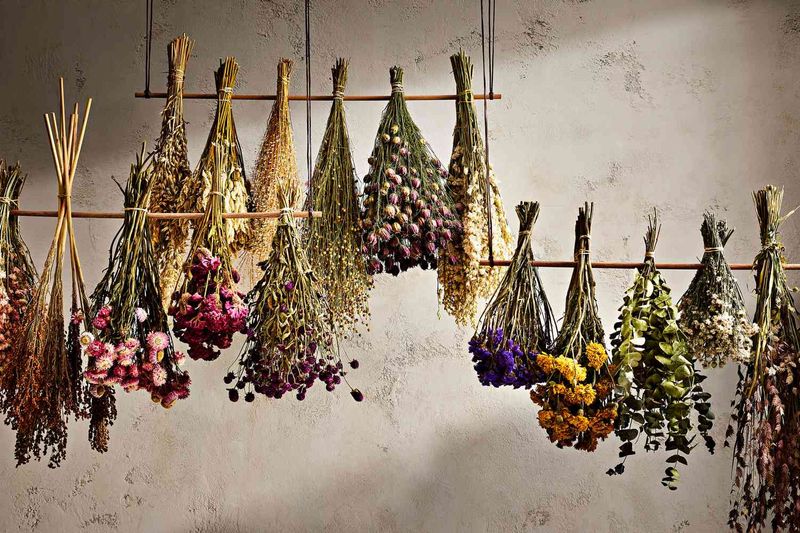
Grandmothers across Texas have used this time-tested preservation method for generations because it requires absolutely nothing except string and a dry space.
Gather flower stems into small bunches of three to five stems, then secure them tightly with rubber bands that will contract as stems shrink during drying.
Hang bunches upside down from hooks, hangers, or strings stretched across a room.
Choose a location with good air circulation, low humidity, and no direct sunlight that would fade colors.
Garages, covered porches, and spare bedrooms work perfectly for Texas homes.
Most flowers dry completely within two to three weeks, though timing varies based on thickness and moisture content.
Strawflowers, lavender, statice, and baby’s breath produce excellent results with air drying.
Roses also work well but may lose some color intensity compared to silica gel methods.
The rustic, slightly faded appearance of air-dried flowers suits farmhouse and cottage-style holiday decorating trends.
Once fully dry, handle stems gently because they become brittle and can snap easily.
Spray finished arrangements lightly with hairspray for added protection against crumbling.
6. Wax Paper Pressing
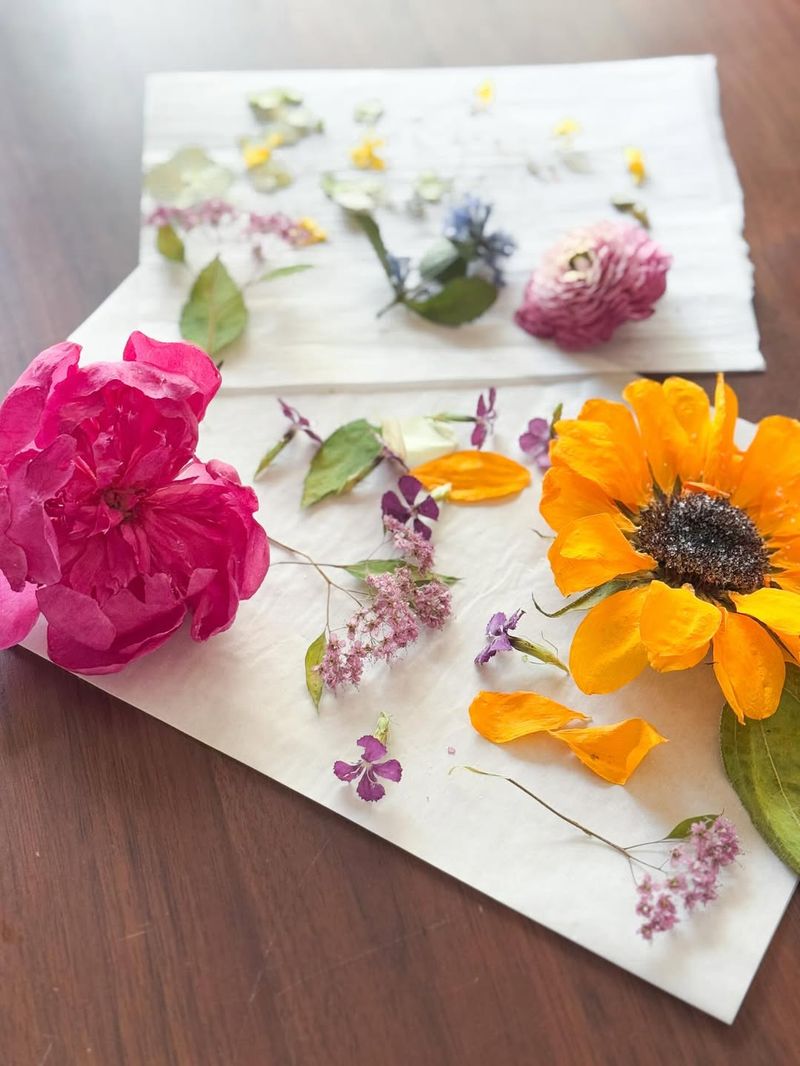
An iron and wax paper team up to seal flowers in a protective coating that preserves both shape and color for craft projects.
Arrange flowers face-down on a sheet of wax paper, making sure petals lie flat without overlapping.
Cover with a second sheet of wax paper, creating a flower sandwich ready for heat sealing.
Set your iron to medium heat with no steam, then gently press over the top wax paper sheet using circular motions for about ten seconds.
The wax melts and encases flowers between the two sheets, creating a laminated effect.
Allow the wax paper to cool completely before peeling it away from your ironing surface.
This method creates beautiful translucent flowers perfect for window decorations that catch sunlight during short Texas winter days.
Children enjoy helping with this project because it produces quick results and feels magical watching flowers become preserved under the warm iron.
Trim around flower edges with scissors to create individual pieces for ornaments, bookmarks, or gift tags.
The wax coating protects delicate petals from humidity and handling damage better than simple pressing alone.
Store wax paper pressed flowers flat in books or folders until needed for holiday crafting sessions.
7. Borax And Cornmeal Mixture
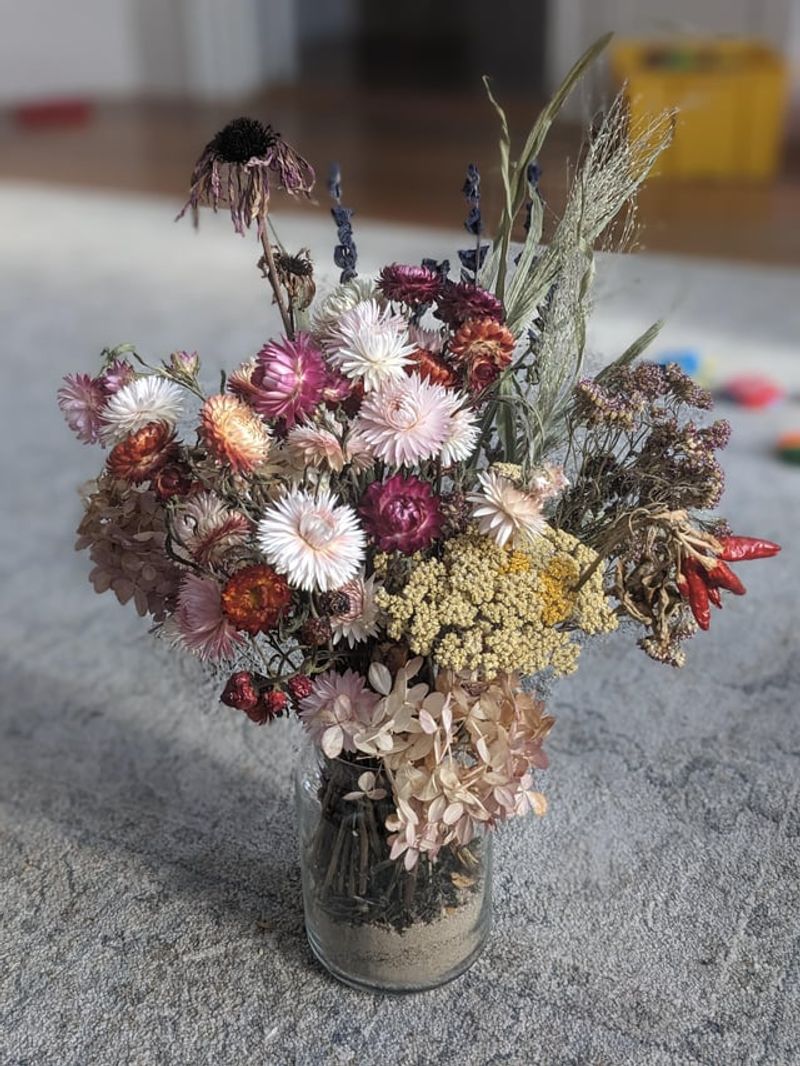
Budget-conscious Texas homeowners combine two inexpensive pantry ingredients to create a flower-drying medium that rivals commercial products.
Mix equal parts borax powder and cornmeal in a large bowl, stirring thoroughly to distribute the moisture-absorbing borax throughout the softer cornmeal.
This combination provides excellent support for delicate petals while drawing out moisture efficiently.
Pour a layer of mixture into a container, position flowers carefully, then spoon more mixture over them until completely covered.
The cornmeal cushions petals better than borax alone, preventing crushing and distortion during the drying process.
Most flowers dry within five to ten days depending on their size and density.
Roses, daisies, and marigolds produce particularly nice results with this method.
Gently brush away the mixture with a soft brush once flowers feel papery and completely dry to the touch.
The borax-cornmeal blend can be sifted and reused several times before losing effectiveness.
This old-fashioned technique has preserved countless holiday flowers for Texas families who appreciate frugal solutions that work just as well as expensive alternatives.
Store dried flowers in boxes with tissue paper layers to prevent breakage during storage between holiday seasons.