Easy Guide To Growing Sweet Potatoes In Texas This Spring
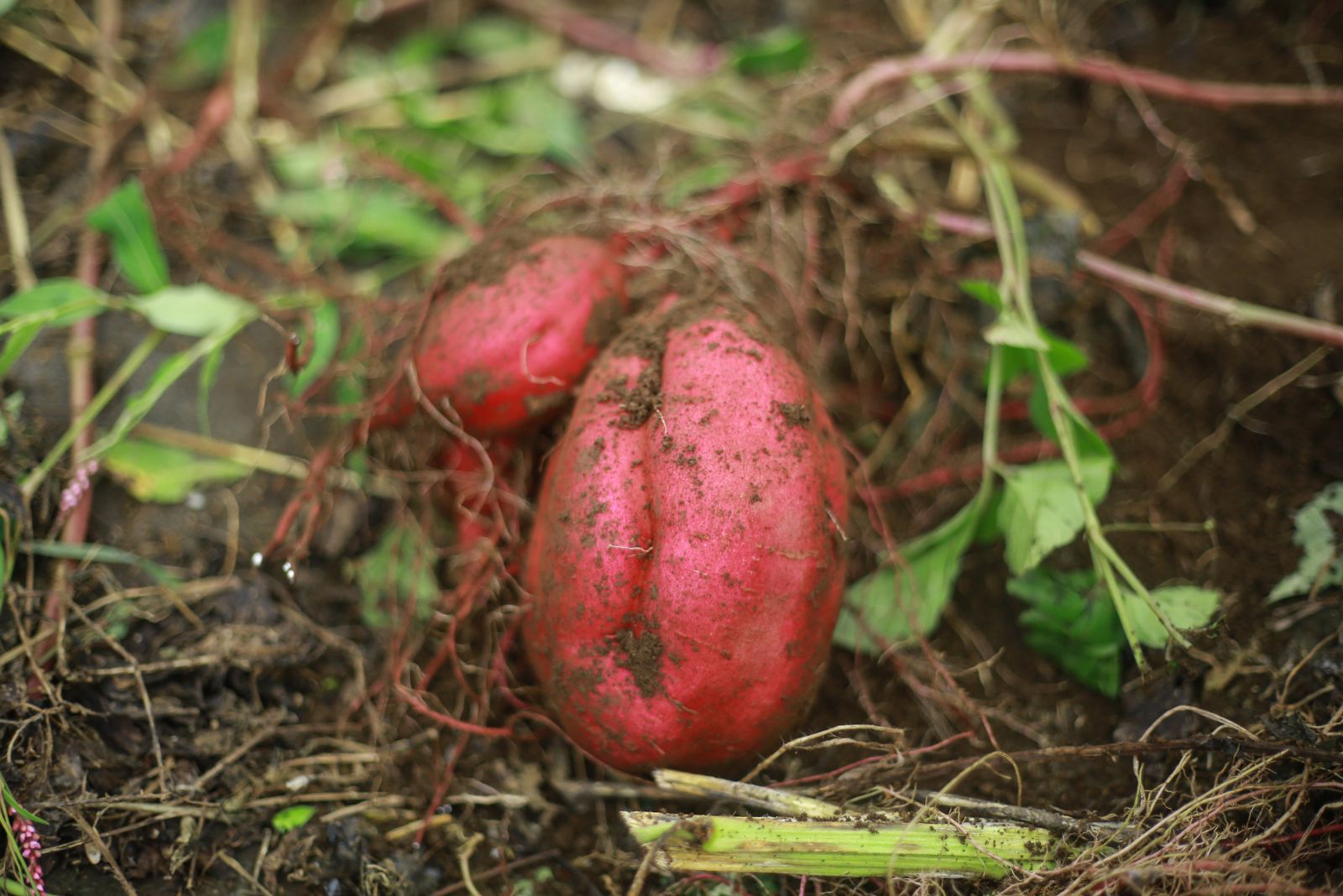
Have you ever thought about planting sweet potatoes in your Texas garden but weren’t sure where to start? Spring is the perfect time to get these tasty, nutritious tubers in the ground, and growing them can be easier than you think.
With warm soil, plenty of sunlight, and a little care, sweet potatoes can thrive and produce a satisfying harvest for your kitchen.
These versatile plants grow well in Texas’s long, sunny growing season. They don’t just provide delicious, starchy roots, they also add greenery and texture to your garden beds.
Starting with healthy slips and planting in well-drained soil helps ensure strong growth, while proper watering and occasional feeding keep the plants happy throughout the season.
By understanding the basics of soil preparation, planting, and care, Texas gardeners can enjoy a bountiful harvest of sweet potatoes. This spring, your garden can turn into a productive patch full of flavorful, homegrown roots.
1. Why Grow Sweet Potatoes In Texas?
Texas gardeners have a secret weapon, and it grows right in the ground. Sweet potatoes are one of the best crops for this state because they absolutely love heat.
While many vegetables struggle when Texas temperatures climb into the 90s, sweet potatoes just keep on growing. They are built for warm weather, and that makes them a natural fit for Texas gardens.
The long growing season here is another huge advantage. Sweet potatoes need between 90 and 120 days to reach full maturity.
In most parts of Texas, you get plenty of warm days between spring and fall to hit that window with ease. South Texas gardeners can even start as early as late March, giving the crop extra time to develop big, healthy roots.
Beyond the climate benefits, sweet potatoes are also nutritious and versatile in the kitchen. They are packed with vitamins A and C, fiber, and natural energy.
You can roast them, mash them, bake them into pies, or toss them into soups. Few vegetables offer that kind of flavor and flexibility.
Growing your own also saves money at the grocery store. One packet of slips can produce a surprisingly large harvest from a small space.
Texas soil, especially in areas with sandy loam, drains well and warms up quickly in spring, which is exactly what sweet potatoes need to get off to a strong start. If you have never tried growing them before, this spring is the perfect time to give it a go.
2. Choosing The Right Sweet Potato Variety
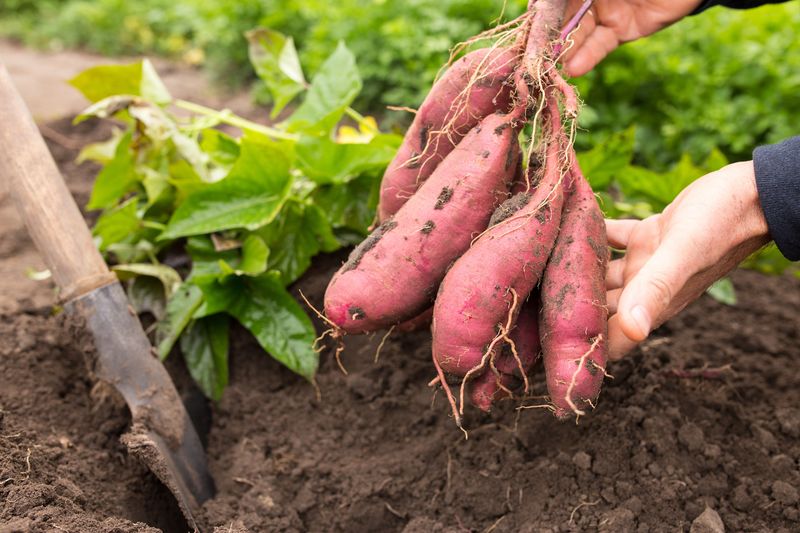
Not all sweet potatoes are created equal, and picking the right variety for Texas can make a big difference in your harvest. Luckily, several excellent options perform really well in the Texas climate.
Knowing a little about each one helps you choose based on your taste, garden size, and goals.
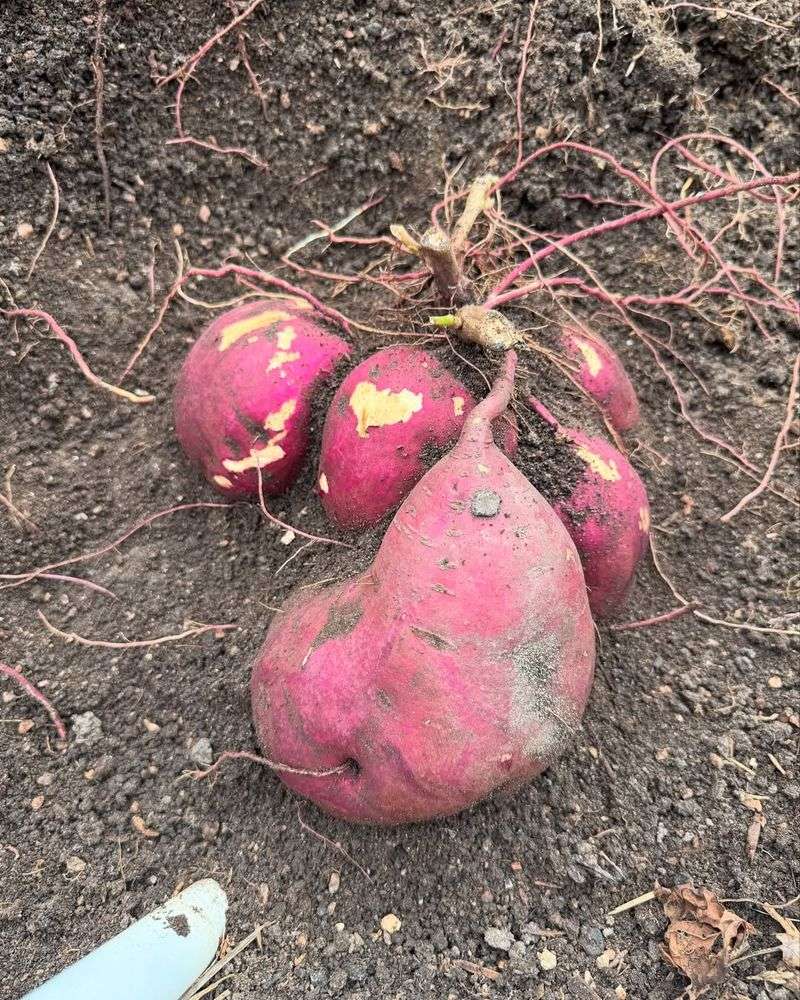
Beauregard is one of the most popular choices for Texas gardeners. It has reddish-purple skin and bright orange flesh that is sweet and moist.
Beauregard matures quickly, usually around 90 days, and it produces high yields. It also has good resistance to common diseases, which is a real bonus for Texas gardens that deal with heat stress and humid conditions in certain regions.
Georgia Jet is another excellent option, especially for gardeners in North Texas or areas with a slightly shorter warm season. It matures fast, often in around 90 days, and the deep orange flesh has a rich, sweet flavor.
Georgia Jet handles cooler spring temperatures a bit better than some other varieties, making it a smart pick for those later planting zones.
Jewel sweet potatoes are a classic variety with copper skin and orange flesh. They are known for reliable yields and a mild, sweet taste that works well in almost any recipe. Jewel is widely available and easy to find at local garden centers across Texas.
When choosing a variety, also think about skin and flesh color. Orange-fleshed types tend to be moister and sweeter, while white or yellow-fleshed varieties have a drier, starchier texture. Pick what your family enjoys most and you will be happy with your harvest.
3. Preparing Your Soil And Containers
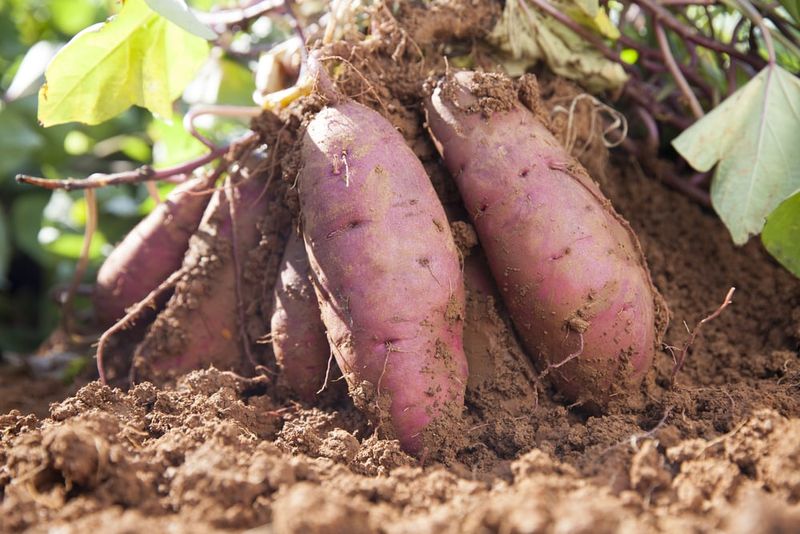
Good soil preparation is the foundation of a great sweet potato harvest. Sweet potatoes grow underground, so they need loose, well-draining soil to spread out and form large, healthy roots.
Compacted or waterlogged soil leads to small, misshapen tubers that are hard to dig up. Getting the soil right before you plant saves a lot of frustration later in the season.
Sandy loam is the ideal soil type for sweet potatoes, and many parts of Texas naturally have it. If your soil is heavy clay, do not worry.
You can fix it by adding compost, aged manure, or a mix of both. Work about 2 to 4 inches of compost into the top 8 inches of soil.
This improves drainage, adds nutrients, and helps the soil warm up faster in spring, which is exactly what sweet potato slips need when they first go in the ground.
Raised beds and mounded rows are great options for Texas gardeners dealing with clay soil or poor drainage. Build mounds about 8 to 12 inches high and 12 to 18 inches wide.
The elevation helps water drain away from the roots and allows the soil to heat up more quickly under the Texas spring sun.
Container gardening works well too, especially for those with limited outdoor space. Use large containers, at least 15 to 20 gallons, filled with a high-quality potting mix.
Make sure each container has drainage holes at the bottom. Sweet potato vines will spill over the edges and look beautiful on a patio or balcony while still producing a tasty crop come harvest time.
4. Planting Sweet Potatoes In Texas
Planting sweet potatoes starts with slips, which are small sprouts that grow from a mature sweet potato. You can buy slips from a local garden center or grow your own by placing a sweet potato in a jar of water until sprouts appear.
Once the slips are about 6 to 8 inches tall, they are ready to plant. Rooting them in moist soil or water for a few days before planting helps them establish faster once they hit the ground.
Timing is everything when planting in Texas. Sweet potatoes need soil that has warmed to at least 65 degrees Fahrenheit.
In South Texas, that usually happens by late March or early April. Central Texas gardeners should aim for early to mid-April, while North Texas gardeners may need to wait until late April or early May.
Planting too early in cold soil can stress the slips and slow down root development. Spacing matters a lot for a good yield. Plant each slip 12 to 18 inches apart in rows that are 3 to 4 feet apart.
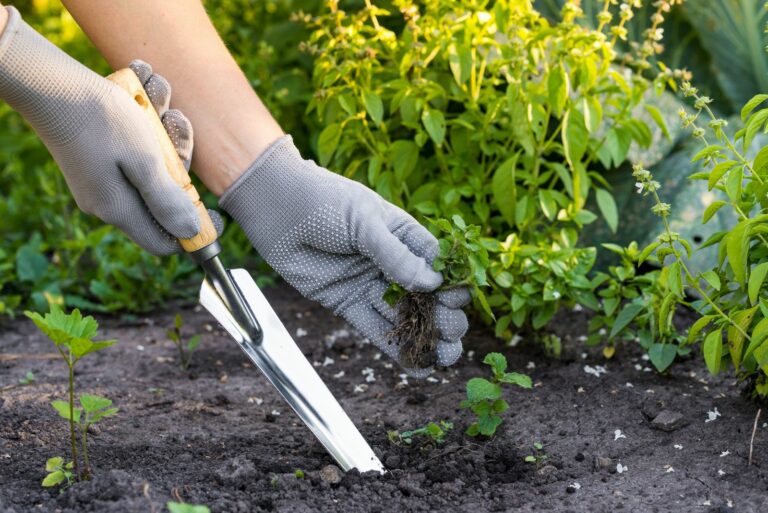
This gives the vines enough room to spread out and the roots enough space to grow big underground. Dig a small hole, bury most of the stem, and leave only the top leaves above the soil surface.
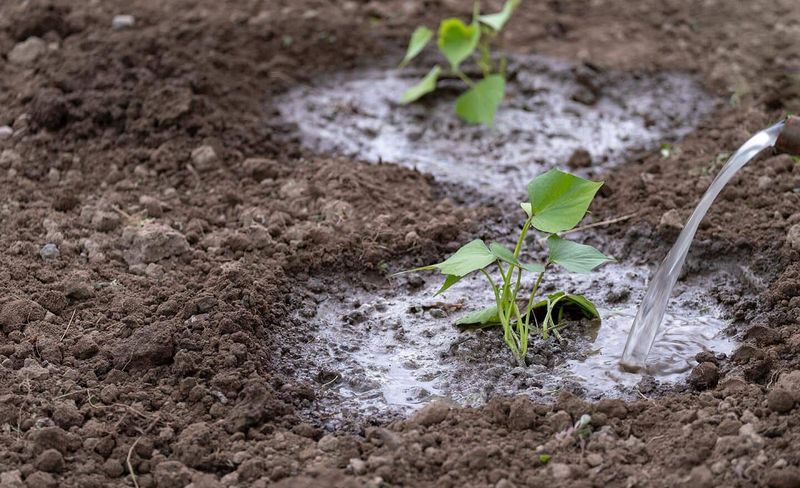
Water the slips thoroughly right after planting. That first watering helps the roots make contact with the surrounding soil and reduces transplant shock.
Keep the soil evenly moist for the first week or two while the slips settle in. Once established, sweet potatoes in Texas grow quickly and need less hands-on attention during the warm summer months ahead.
5. Care And Maintenance During The Growing Season
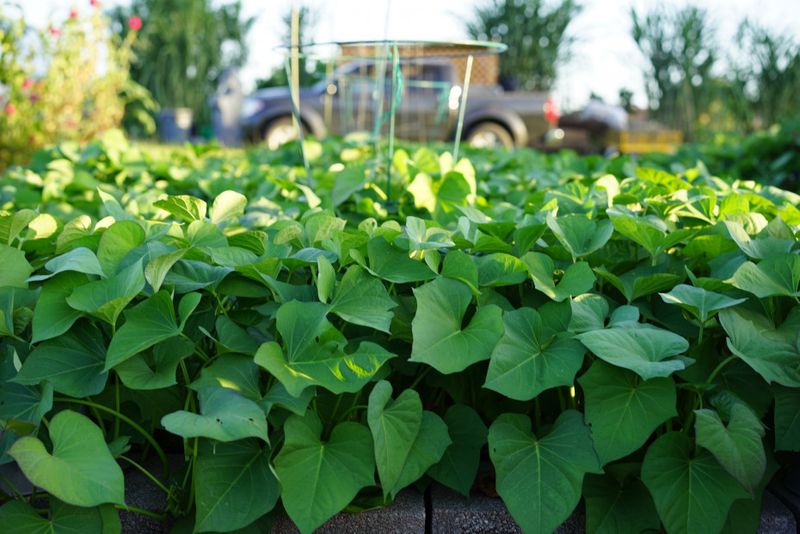
Once your sweet potato slips are in the ground and growing, the Texas summer takes over as your best helper. Warm temperatures and long sunny days push the vines into fast, vigorous growth.
Still, a little regular care goes a long way toward a bigger and healthier harvest come fall. Watering consistently is key, especially in the early weeks. Sweet potatoes need about 1 inch of water per week.
During dry Texas summers, you may need to water more often. However, avoid overwatering because soggy soil can cause the roots to rot.
About 2 to 3 weeks before harvest, cut back on watering. This helps the skins firm up and prevents the tubers from cracking when you dig them up.
Mulching around the base of your plants is a smart move for Texas gardens. A 2 to 3 inch layer of straw or wood chips holds moisture in the soil, keeps roots cool during hot spells, and reduces weeds.
Weeds compete with your sweet potato plants for nutrients and water, so keeping them under control early in the season is important. Once the vines spread out, they naturally shade the soil and slow down weed growth on their own.
Watch out for common Texas garden pests like sweet potato weevils, cutworms, and nematodes. Rotating your crops each year helps reduce pest pressure in the soil.
When it comes to fertilizing, use a balanced organic fertilizer at planting time. Too much nitrogen leads to big leafy vines but small roots, so go easy on heavy nitrogen feeds once the plants are established and growing well.
6. Harvesting And Storing Sweet Potatoes
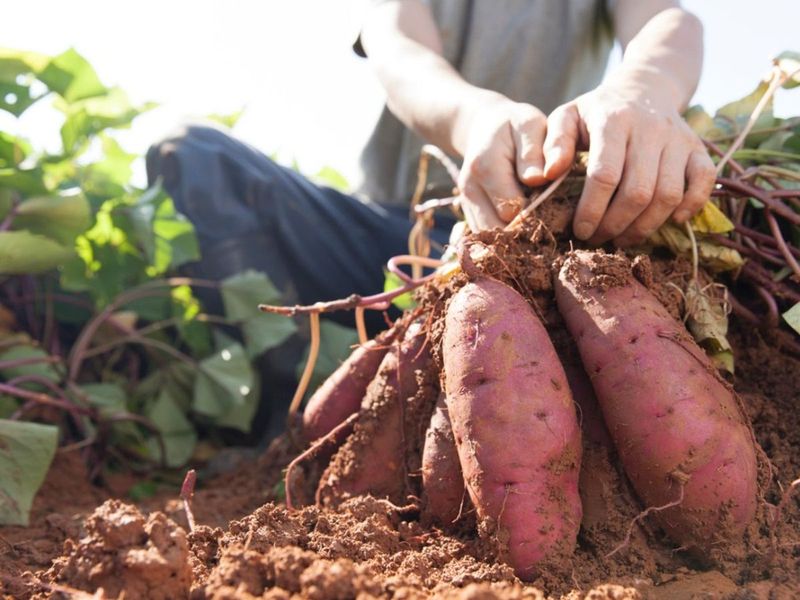
There is something truly satisfying about pulling your first sweet potato out of the Texas soil after months of patient growing. Most varieties are ready to harvest between 90 and 120 days after planting.
One easy sign that harvest time is near is when the leaves start to turn yellow and the vines begin to slow down their growth. You can also gently dig near the base of a plant to peek at the size of the tubers without disturbing the whole crop.
Harvesting carefully is important because sweet potatoes bruise and scratch easily. Use a garden fork or spade to loosen the soil about 12 to 18 inches away from the base of each plant.
Work slowly and lift the tubers gently rather than pulling on the vines. Even small nicks or cuts in the skin can lead to spoiling during storage, so handle them with care right from the start.
After harvesting, sweet potatoes need to go through a curing process before storage. Curing involves keeping them in a warm spot, around 80 to 85 degrees Fahrenheit, with high humidity for about 7 to 10 days.
This step toughens the skin, heals any minor surface damage, and converts some of the starches into sugars, which is what makes cured sweet potatoes taste so much sweeter than freshly dug ones.
Once cured, move your sweet potatoes to a cool, dark, and dry location where temperatures stay between 50 and 60 degrees Fahrenheit. Stored properly, they can last up to six months.
Avoid refrigerating them because cold temperatures actually damage the texture and flavor over time.