11 Easy Ideas For Showing Off A Spider Plant Inside Your House
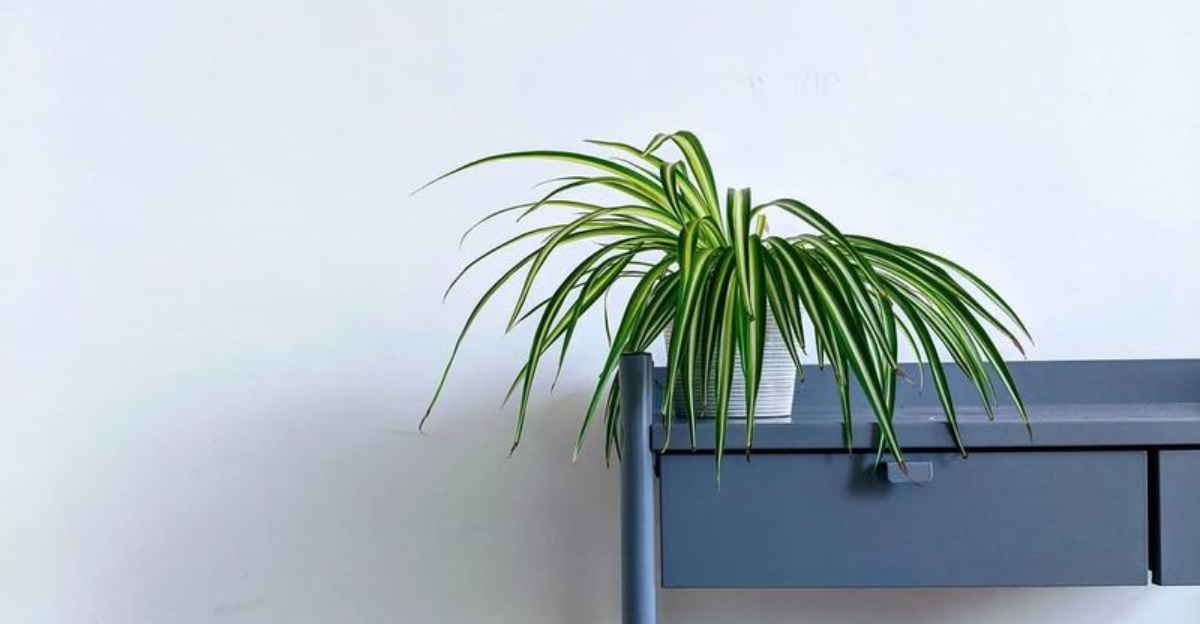
A spider plant is one of those houseplants that quietly steals the spotlight, and it’s honestly fun finding little corners in your home where it looks its best.
You’ll notice how much personality it adds the moment you start playing around with placement, especially when you give it a spot that lets those long leaves really shine.
It’s the kind of plant that makes your home feel more alive without you even trying, and showing it off becomes its own little joy.
#1 Hang It In A Macrame Plant Hanger Near A Window
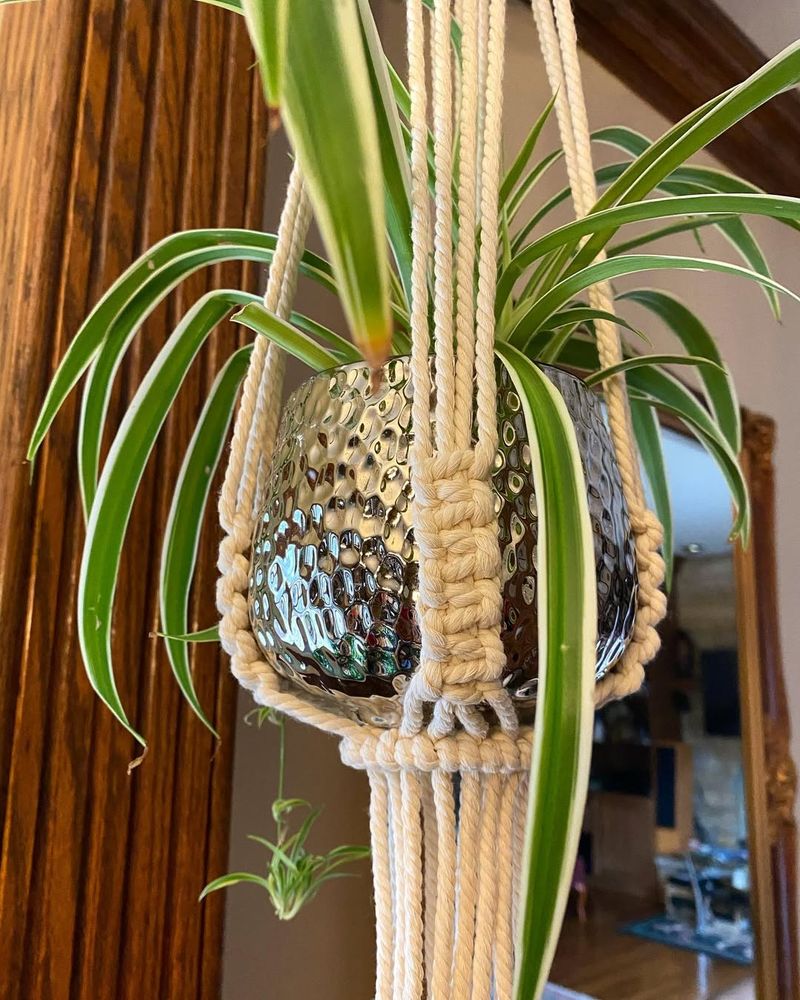
Macrame hangers bring a bohemian touch to your space while perfectly supporting the cascading nature of spider plants with their flowing leaves.
Natural light from nearby windows helps your plant grow strong and produce those adorable baby spiderettes that dangle down like ornaments.
Choose a hanger with sturdy rope construction to safely hold the weight of your plant as it grows larger over time.
The woven texture of macrame adds visual interest and complements the organic shape of spider plant foliage in a harmonious way.
Position your hanger at eye level or slightly higher so everyone can appreciate the beautiful arching leaves and baby plants below.
East or west-facing windows provide ideal lighting conditions without exposing your plant to harsh afternoon sun that might scorch the leaves.
Rotate your hanging plant occasionally to ensure even growth on all sides and prevent it from leaning toward the light source.
Watering becomes easier when you can lower the hanger or use a long-spouted watering can to reach the soil surface properly.
#2 Place It On A Tall Plant Stand In The Corner
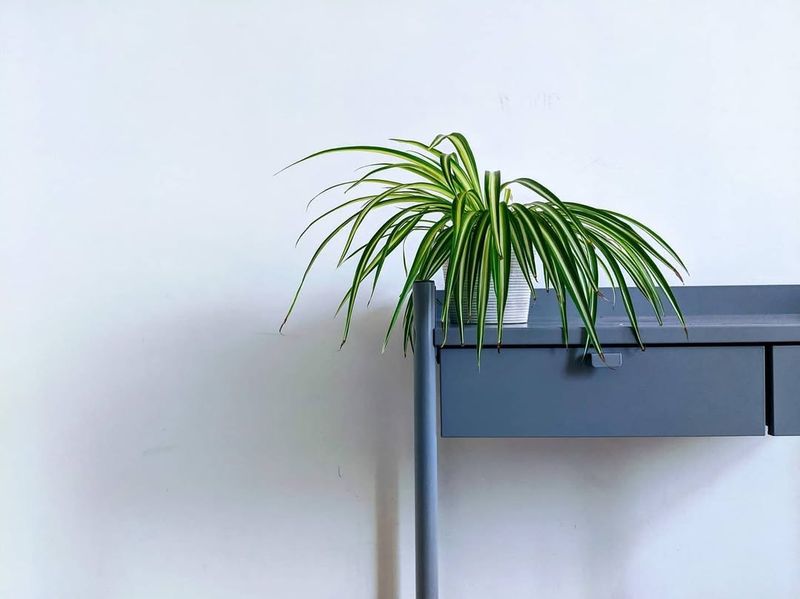
Corners often go unused in home decorating, but a tall plant stand transforms that empty space into a green focal point.
Elevating your spider plant on a stand allows its long leaves to drape gracefully without touching the floor or furniture below.
Wooden stands add warmth to modern spaces, while metal ones create an industrial vibe that suits contemporary homes beautifully and stylishly.
Height variations let you create layers in your plant collection, making the corner feel lush and intentional rather than cluttered or messy.
Spider plants thrive in indirect light, and corners near windows often provide just the right amount of brightness for healthy growth.
A stand keeps your plant away from curious pets or small children who might be tempted to pull on the leaves.
Choose a stand with a sturdy base to prevent tipping, especially if you have a larger, heavier spider plant in a ceramic pot.
The vertical display draws the eye upward, making rooms feel taller and more spacious than they actually are in reality.
#3 Set It On A Floating Shelf Above Your Desk
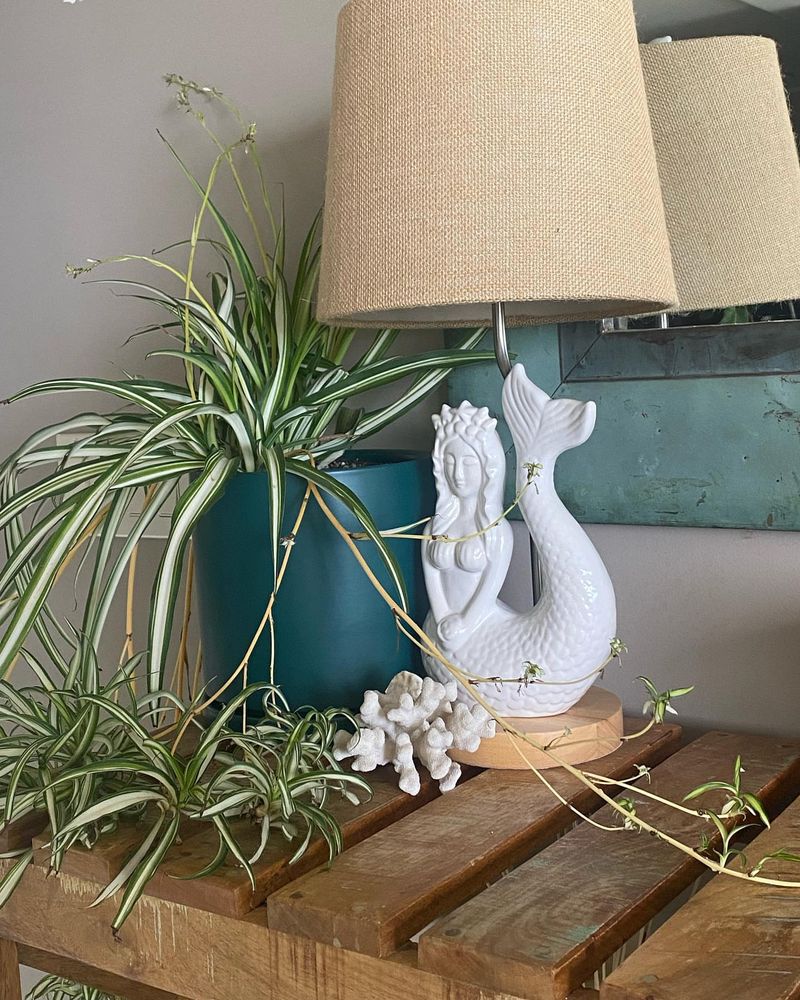
Floating shelves create clean lines and modern aesthetics while providing the perfect platform for displaying your beloved spider plant collection.
Positioning greenery above your workspace brings nature into your daily routine, which can boost mood and productivity during long work hours.
Spider plants naturally purify the air by removing toxins, making them excellent companions for home offices where you spend considerable time.
The trailing leaves and baby plantlets add movement and life to what might otherwise be a static, boring wall space.
Install shelves at a height where you can easily water and maintain your plant without needing a stepladder every single time.
Multiple shelves at staggered heights create an eye-catching gallery wall effect when combined with other small plants or decorative items.
Ensure your shelf brackets are strong enough to support the combined weight of the plant, pot, and moist soil safely.
The downward growth pattern of spider plants means they will not block your view or create visual clutter on your desk.
#4 Display It In A Decorative Pot On Your Coffee Table
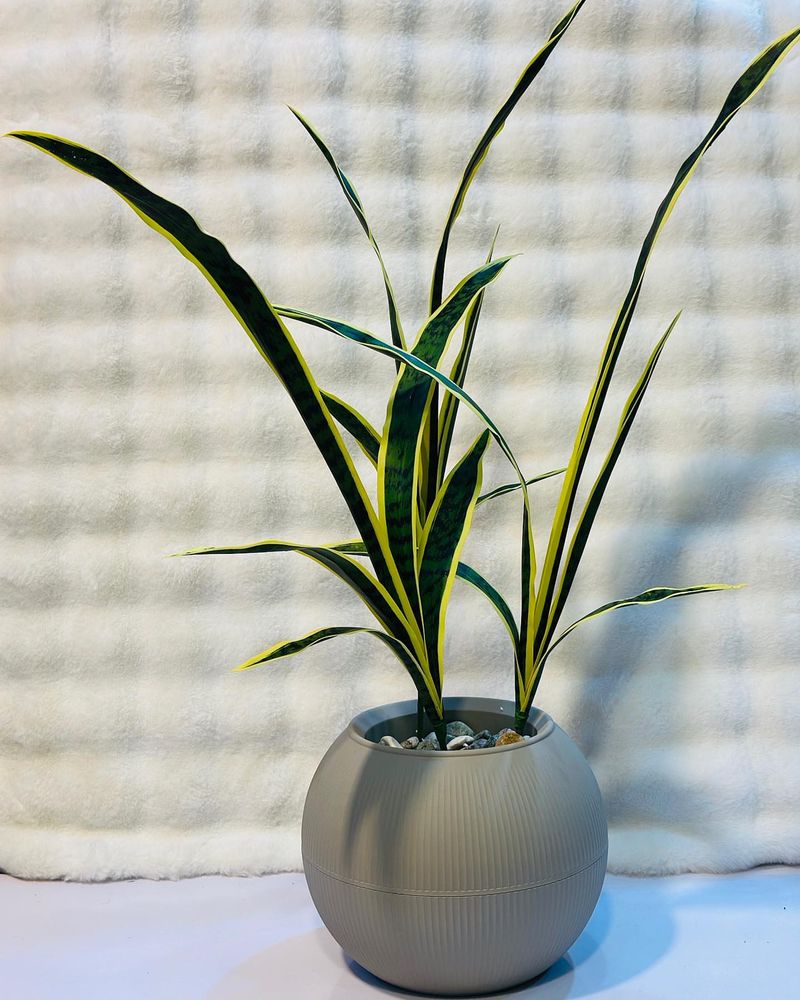
Coffee tables serve as natural gathering spots in living rooms, making them ideal locations for showcasing your favorite houseplants with style.
A decorative pot adds personality and color to your space while complementing your existing decor scheme and furniture choices perfectly.
Spider plants create conversation starters when guests notice the unique baby plantlets dangling from the mother plant in charming fashion.
Choose a pot with drainage holes and a matching saucer to prevent water damage to your table surface during watering sessions.
The compact size of young spider plants works well on coffee tables without overwhelming the space or blocking sightlines across rooms.
Ceramic pots in bold colors or interesting patterns can turn your plant into a true centerpiece that draws attention immediately.
Pairing your spider plant with a stack of books or candles creates a curated vignette that feels intentional and magazine-worthy.
Remember to rotate your plant regularly so all sides receive equal light exposure and grow evenly in all directions beautifully.
#5 Arrange It In A Hanging Basket On Your Porch
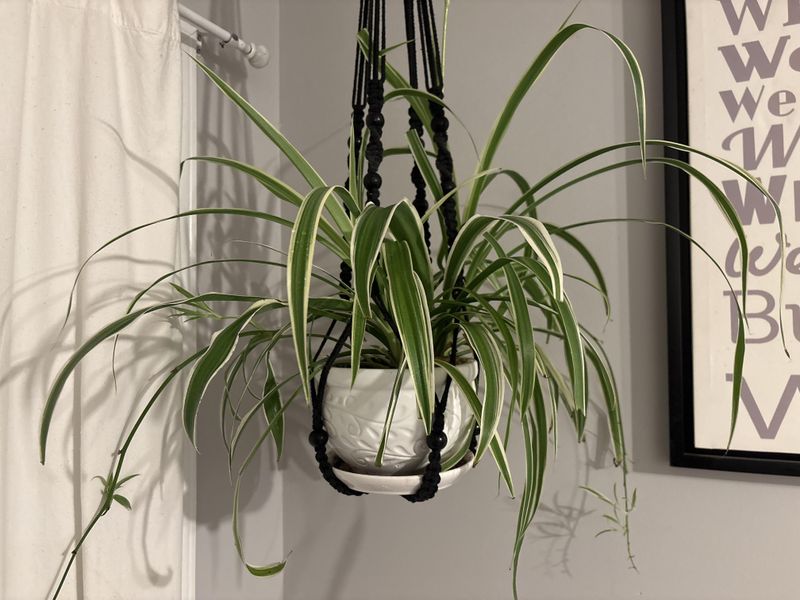
Outdoor porches benefit from the lush, tropical appearance that spider plants provide without requiring extensive gardening knowledge or constant care.
Hanging baskets allow air to circulate around your plant from all sides, promoting healthy growth and reducing the risk of pests.
Protected porch areas shield spider plants from harsh direct sunlight and heavy rain while still providing adequate light and fresh air.
The natural breeze outdoors helps strengthen plant stems and prevents the stagnant air issues that sometimes occur in indoor environments.
Choose weather-resistant baskets made from materials like resin or treated wicker that can withstand outdoor conditions throughout different seasons reliably.
Spider plants add a welcoming, homey touch to entryways, greeting visitors with greenery before they even step inside your house.
During warmer months, your plant will grow vigorously outdoors, producing numerous baby plants that you can propagate or share freely.
Bring your spider plant indoors before temperatures drop below fifty degrees to protect it from cold damage during winter months.
#6 Put It On A Window Sill With Sheer Curtains
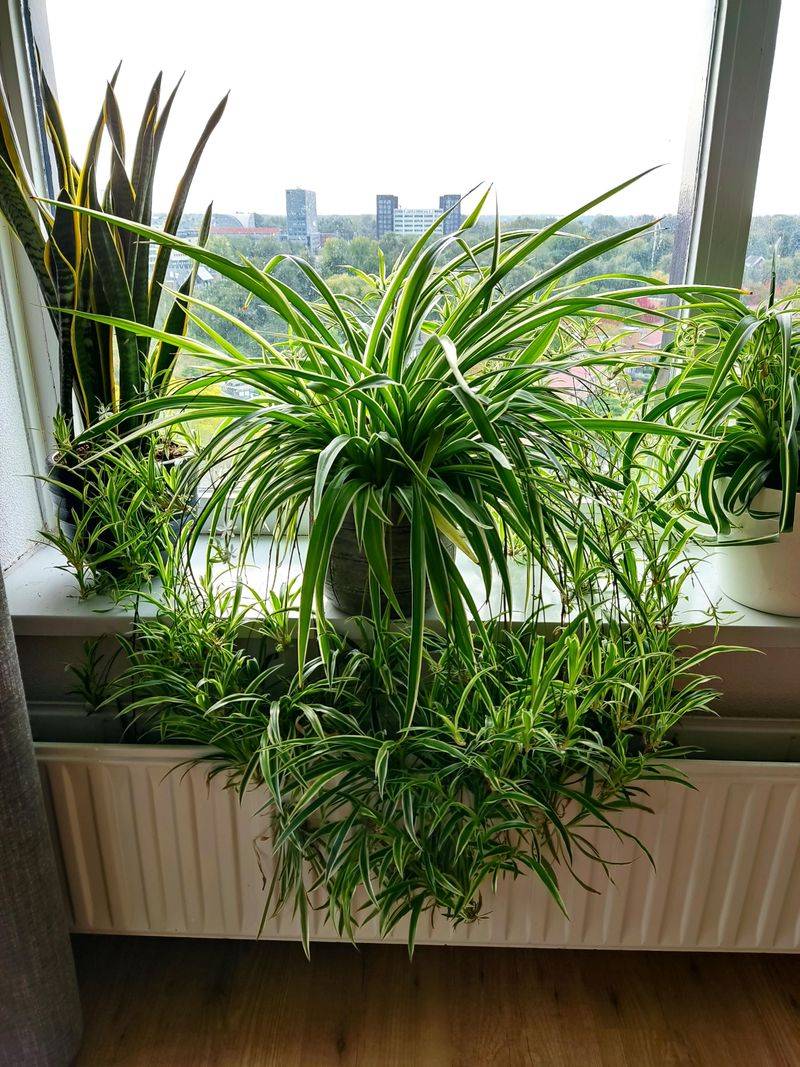
Window sills offer convenient spots for plants while maximizing natural light exposure that spider plants need for vibrant, healthy foliage growth.
Sheer curtains filter harsh sunlight into gentle, diffused rays that provide perfect lighting conditions without causing leaf burn or discoloration issues.
The elevated position on a sill keeps plants safely away from floor traffic and gives them prominence in your room design.
Spider plants on sills create a charming silhouette when viewed from outside, adding curb appeal and character to your home exterior.
Narrow window sills work well with compact spider plants in smaller pots that fit the space without risk of falling off.
Grouping multiple small plants along a long window sill creates a miniature indoor garden that feels cohesive and thoughtfully arranged together.
Check that your window does not get too hot in summer or too cold in winter, as extreme temperatures stress plants.
The proximity to natural light encourages spider plants to produce more baby plantlets, creating that signature cascading effect everyone loves.
#7 Showcase It On A Bathroom Shelf Near The Shower
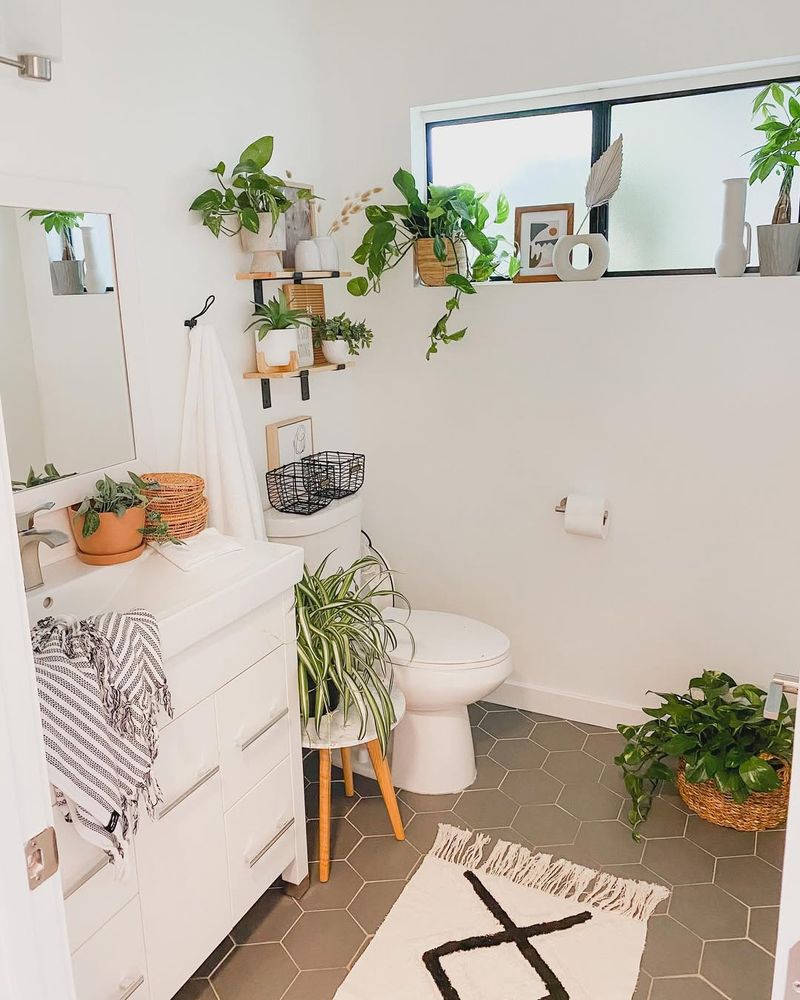
Bathrooms provide naturally humid environments that spider plants absolutely love, mimicking their native tropical habitat conditions beautifully and promoting growth.
Steam from hot showers increases moisture in the air, which helps prevent the brown leaf tips that sometimes plague spider plants.
A shelf near the shower keeps your plant within the humid zone without getting directly soaked by water spray every time.
The greenery adds a spa-like atmosphere to bathrooms, transforming them from purely functional spaces into relaxing personal retreats for self-care.
Spider plants tolerate lower light levels better than many houseplants, making them suitable for bathrooms with small or frosted windows.
Ensure adequate ventilation in your bathroom to prevent mold growth on soil or pot surfaces from excessive moisture accumulation over time.
The air-purifying qualities of spider plants help freshen bathroom air, removing odors and improving overall air quality in enclosed spaces.
Coordinate your pot color with towels or bathroom accessories to create a cohesive, designed look that feels intentional and polished.
#8 Position It In A Tiered Plant Stand With Other Greenery
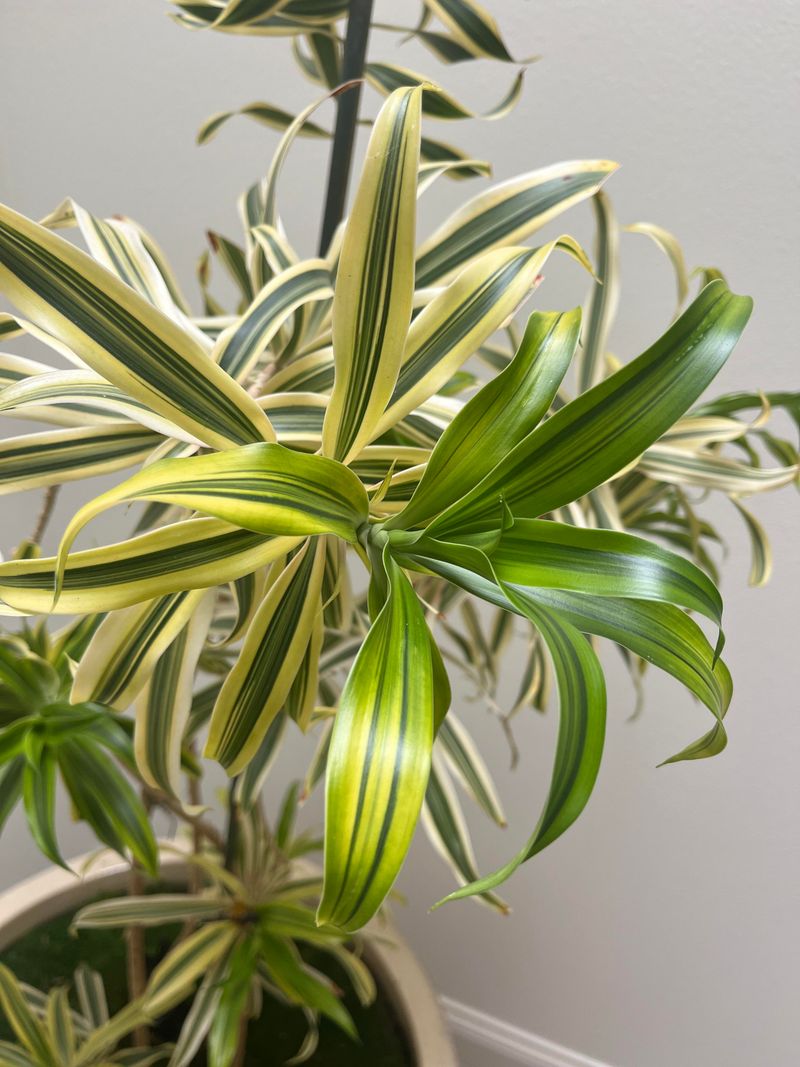
Tiered stands maximize vertical space while allowing you to display multiple plants together in a cohesive, organized arrangement that looks professional.
Combining spider plants with other varieties creates visual interest through contrasting leaf shapes, colors, and textures in one compact area.
The cascading nature of spider plants looks especially stunning when positioned on upper tiers where leaves can drape down naturally.
Grouping plants together can create a microclimate with increased humidity levels that benefits all the plants in the collection simultaneously.
Metal or wooden tiered stands come in various styles, from modern minimalist designs to vintage-inspired pieces that suit different decor preferences.
This arrangement makes plant care more efficient since you can water multiple plants in one location without moving around your home.
Consider placing taller plants on lower tiers and trailing plants like spiders on higher levels to create balanced, appealing proportions.
The layered display draws attention and becomes a stunning focal point that showcases your passion for indoor gardening and plant parenthood.
#9 Feature It In A Wall-Mounted Planter Above Your Couch
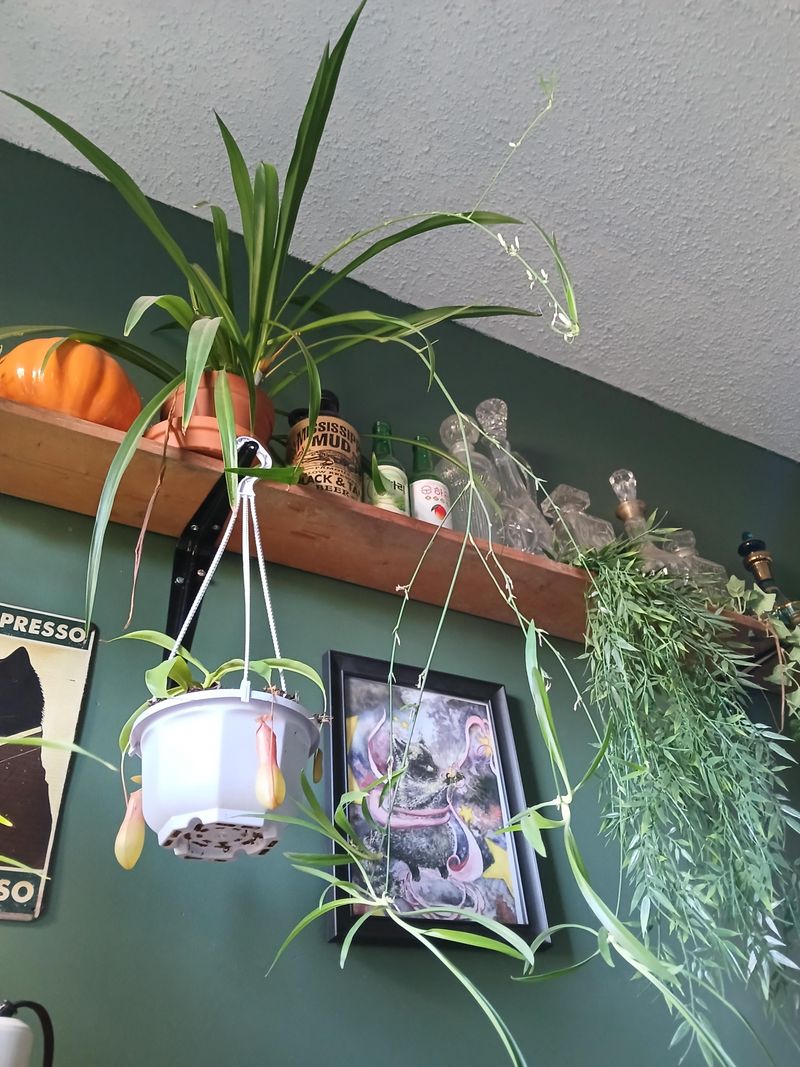
Wall-mounted planters utilize often-overlooked vertical space while keeping floor and furniture surfaces clear for other uses and daily activities efficiently.
Positioning plants above seating areas adds dimension and warmth to blank walls that might otherwise feel cold or uninviting in living spaces.
Spider plants thrive in these elevated positions where they receive indirect light from nearby windows without occupying valuable floor real estate.
The trailing leaves and baby plantlets create a living artwork that changes and grows over time, unlike static wall decorations.
Wall planters with built-in water reservoirs or drainage systems protect your walls from moisture damage and make maintenance much simpler overall.
This placement keeps plants safely out of reach of pets and toddlers who might be tempted to investigate or play roughly.
Choose planters that complement your wall color and room style, whether that means sleek metal, rustic wood, or colorful ceramic options.
The overhead greenery creates a cozy, sheltered feeling in seating areas, making them more inviting and comfortable for relaxation and conversation.
#10 Display It On A Kitchen Counter Near The Sink
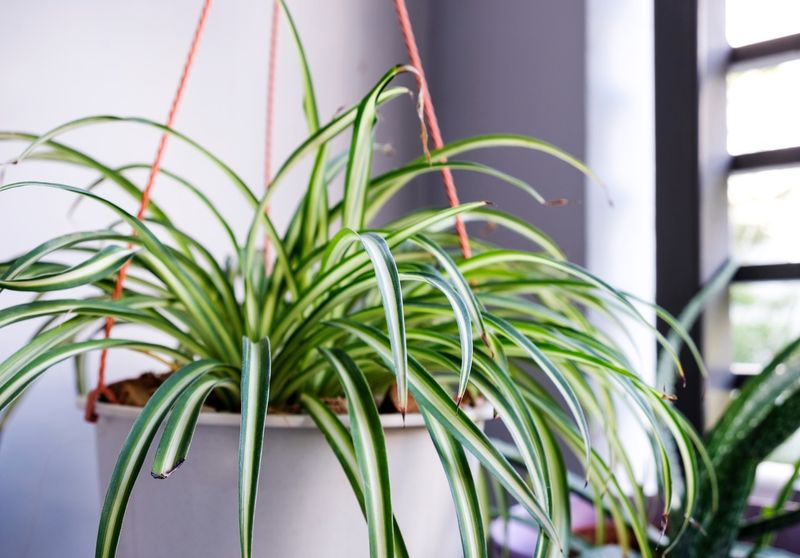
Kitchen counters near sinks provide convenient access to water, making plant care part of your regular dishwashing routine without extra effort.
The natural humidity from cooking and washing dishes creates favorable conditions for spider plants, keeping their leaves lush and vibrant green.
Greenery in kitchens adds freshness and life to spaces often dominated by appliances and hard surfaces like tile and stainless steel.
Spider plants help purify kitchen air by filtering out common household toxins and odors from cooking, cleaning products, and garbage disposal.
Position your plant where it receives bright indirect light from kitchen windows but stays away from direct heat sources like stoves.
A pretty pot on the counter can coordinate with your kitchen color scheme, adding a decorative element that serves both form and function.
The compact size of spider plants means they will not take up too much precious counter space needed for meal preparation activities.
Having plants in your kitchen creates a welcoming, homey atmosphere that makes cooking and gathering feel more enjoyable for everyone involved.
#11 Create A Terrarium Display On Your Bookshelf
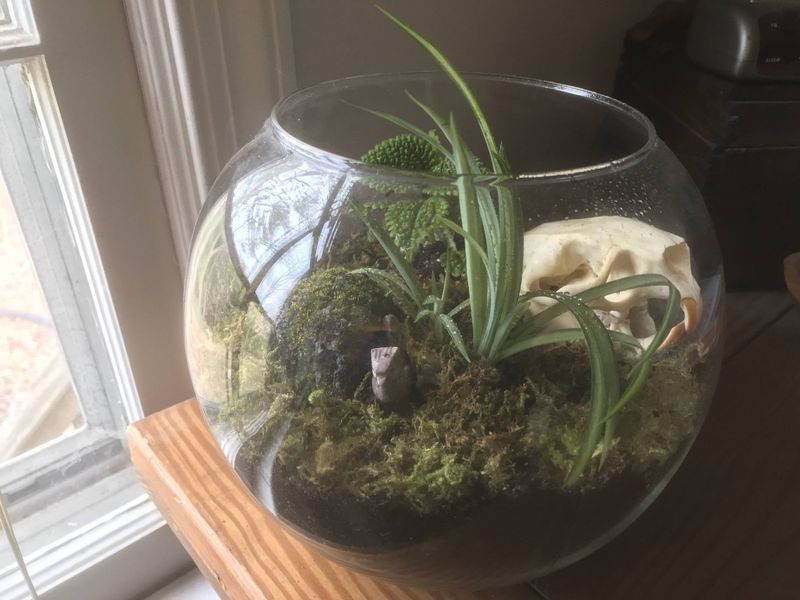
Glass terrariums add a modern, artistic touch to traditional bookshelves while protecting delicate spider plant leaves from dust and curious hands.
The transparent walls of terrariums create miniature ecosystems that maintain consistent humidity levels, reducing the frequency of watering needed for plants.
Open-top terrariums work best for spider plants since they need air circulation and can grow quite large with proper care over time.
Combining your plant with decorative elements like small stones, moss, or figurines creates a personalized miniature landscape that reflects your creativity.
Bookshelves provide stable, elevated surfaces where terrariums can be admired at eye level without risk of being knocked over by accidents.
The juxtaposition of natural greenery against rows of books creates an intellectual, curated aesthetic popular in modern home design trends.
Choose a terrarium size appropriate for your spider plant, allowing room for growth while fitting comfortably on your shelf without crowding.
Regular monitoring ensures the terrarium environment stays balanced, preventing issues like mold growth or excessive moisture that could harm your plant.