8 Easy Squirrel Deterrents That Actually Keep Your Garden Pots Intact
Something disturbed your flower pots late last night without warning. Soil now covers your patio like scattered proof of trouble. Bulbs you planted carefully disappeared without leaving much explanation.
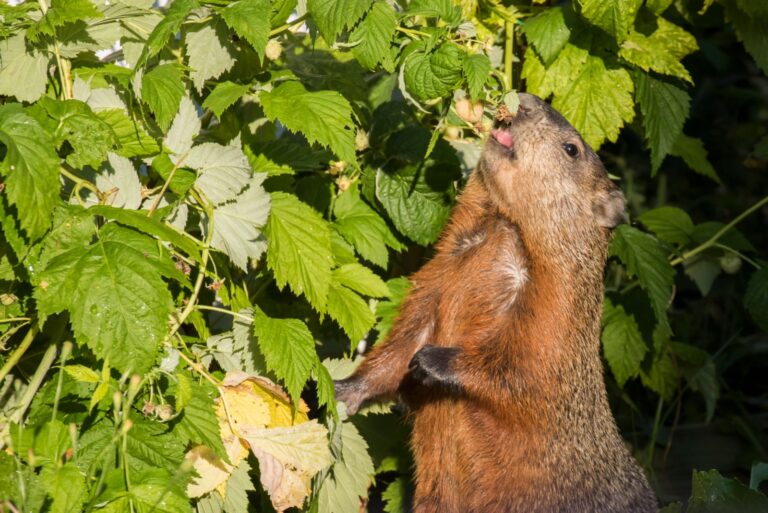
Squirrels behind this disruption are clever, quick, and surprisingly bold. Nighttime visits leave small craters where your blooms once stood. Frustration builds fast when your hard work disappears overnight.
Nobody warns you before it happens. Gardeners everywhere report this exact scene every spring season. Containers full of tulips become tempting targets for hungry paws.
Protecting your pots does not require costly traps or sprays. Simple household items you already own can stop the damage. Everyday objects sitting in your kitchen already hold the answer.
Clever defense easily outperforms expensive gadgets, plain and simple. Momentum matters because squirrels return quickly once they succeed.
Waiting invites another visit before your flowers even open. Your garden’s fate depends entirely on what you decide next.
1. Chicken Wire Or Mesh Laid Over The Soil Surface
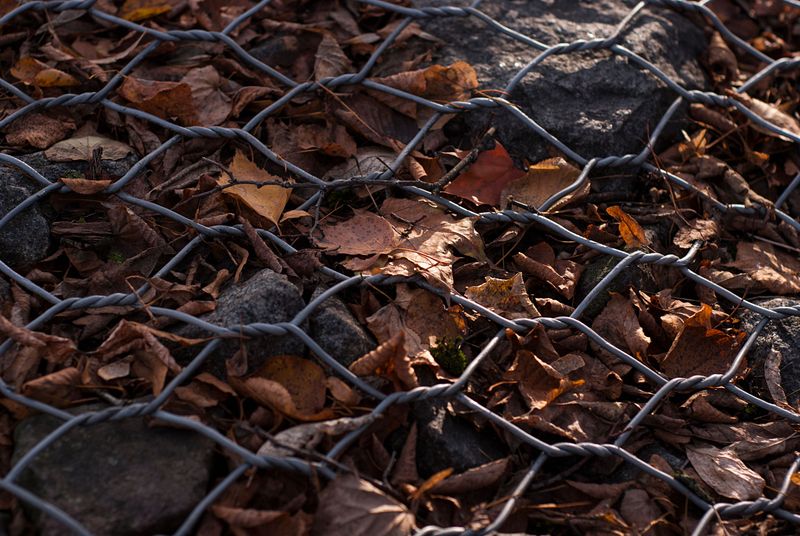
Picture a determined squirrel bouncing toward your favorite planter, ready to dig. It often loses interest after encountering the mesh. That scratchy, unyielding surface acts as a physical barrier squirrels struggle to get past.
Chicken wire or hardware mesh is one of the oldest tricks in the gardening world. You simply cut a piece to fit your pot, then lay it directly on top of the soil. Your plants poke through the holes, but squirrel paws cannot get a good grip to dig.
The mesh stays in place on its own or with a few small garden staples pressed into the soil. It is lightweight, so watering is never a problem. Rain and sunlight pass through freely, keeping your plants happy.
You can find chicken wire at any hardware store for just a few dollars per roll. One roll covers many pots, making this a budget-friendly fix that lasts for seasons. Cut it with basic wire cutters and shape it in minutes.
Some gardeners prefer half-inch hardware cloth over standard chicken wire because the smaller holes block even the most nimble squirrel fingers.
Either option works well depending on your squirrel situation. Thicker wire also holds its shape better in wind and rain.
This method is especially smart for pots holding tulip or crocus bulbs, which squirrels absolutely love. Protecting those pots early in the season saves you from heartbreak later. A little wire today means a full bloom tomorrow.
2. Pinecones Pushed Into The Soil Around Plants
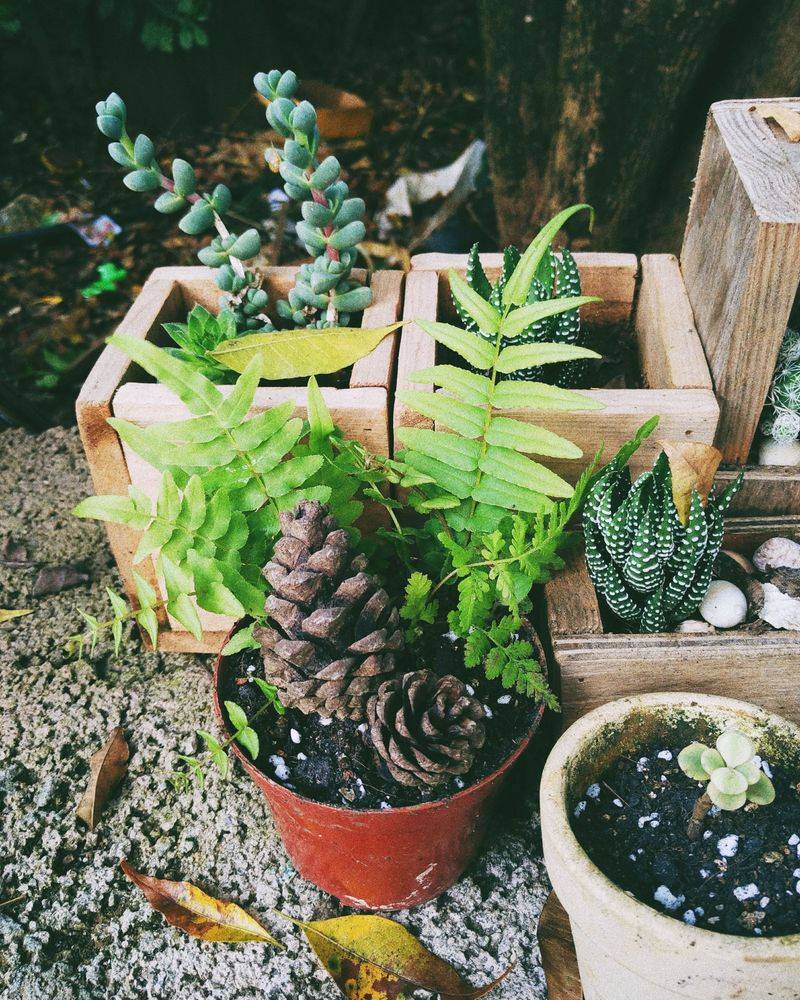
Squirrels tend to avoid stepping on anything sharp or prickly. Pinecones pushed into your potting soil are commonly used to create that kind of uncomfortable surface.
Collect pinecones from your yard or a nearby park and push them pointy-side up into the soil around your plants. Pack them in tightly so there are no easy gaps for little paws to squeeze through. The more coverage, the better the protection.
Beyond the physical barrier, pinecones also look charming in a rustic, cottage-garden kind of way. Guests often think you added them for decoration, not defense. That is a nice bonus when your pots also need to look good on a porch or patio.
As pinecones break down over time, they add a small amount of organic material back into the soil. They are completely biodegradable, leaving no lasting waste behind. When they get soggy or flat, just swap them out with fresh ones from outside.
This trick works especially well in autumn when squirrels are at their most aggressive about storing food.
Bulb season and pinecone season overlap perfectly, which makes the timing almost too convenient. The timing works out well, since both bulb planting and pinecone availability peak in fall.
Combine pinecones with another deterrent on this list for maximum effect. Layering your defenses keeps even the most stubborn diggers away. Your bulbs deserve every layer of protection they can get.
3. Cayenne Pepper Or Chili Powder Sprinkled On Top Of Soil
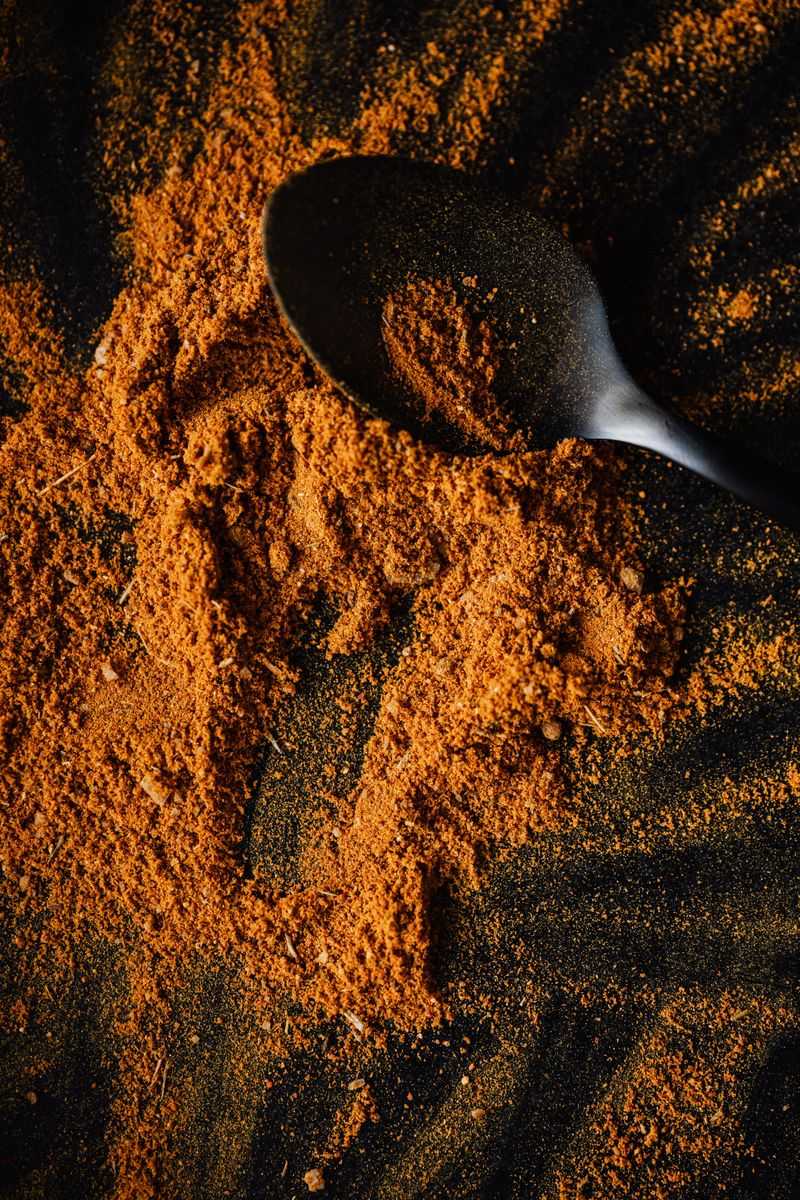
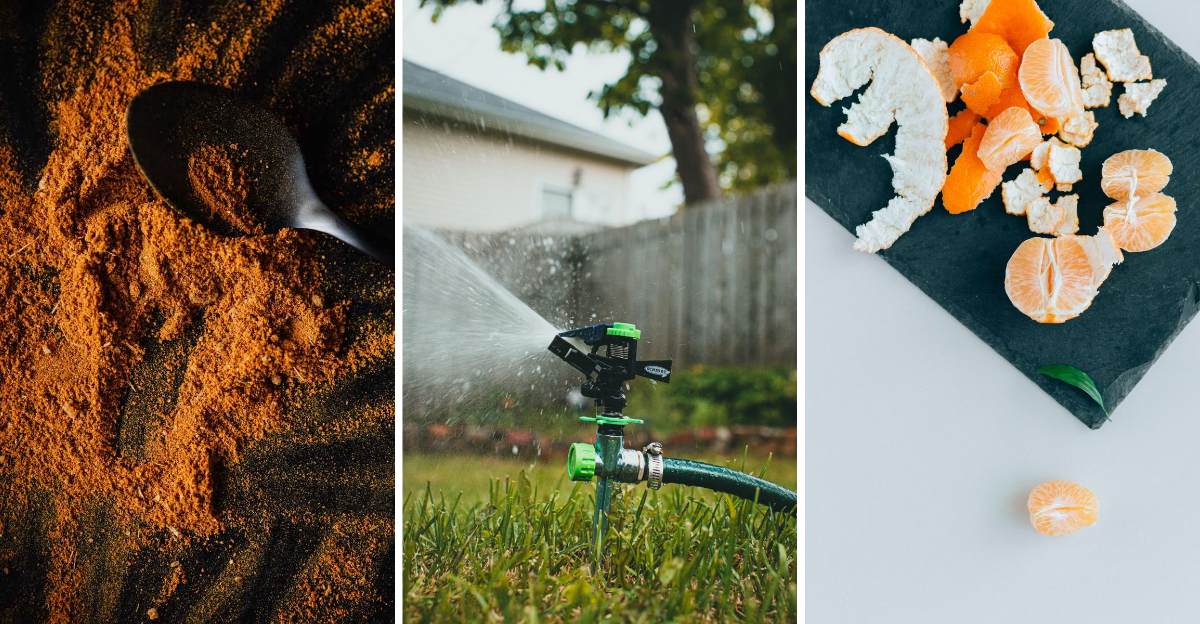
Squirrels have a powerful sense of smell, and cayenne pepper is highly irritating to it. A light dusting on top of your pot soil sends them running without causing any lasting harm. It is cheap, easy, and already sitting in most kitchen cabinets.
Sprinkle cayenne pepper or chili powder generously over the soil surface of your containers. Focus on the edges and any spots where you notice previous digging activity. Reapply after rain since water washes the spice away fairly quickly.
Birds are not bothered by capsaicin at all, which makes this trick bird-feeder friendly too. If you also put out seed for cardinals or finches, mixing cayenne into the seed keeps squirrels off the feeder as well. It is a two-for-one garden win.
The smell alone deters many squirrels before they even make physical contact with the soil. Their noses are so sensitive that the scent of hot pepper reads as a serious warning signal. Once they sniff it and back away, they often avoid that pot entirely for days.
Buy a large container of cayenne at any grocery or discount store to keep costs low. A single large jar covers an entire patio worth of planters through multiple applications. Freshness matters, so replace old powder that has lost its punch.
Apply cayenne in the morning when conditions are dry for the best staying power. Wearing gloves during application protects your hands from irritation. Your plants will not mind at all, and your squirrel problem will shrink fast.
4. Predator Urine Granules
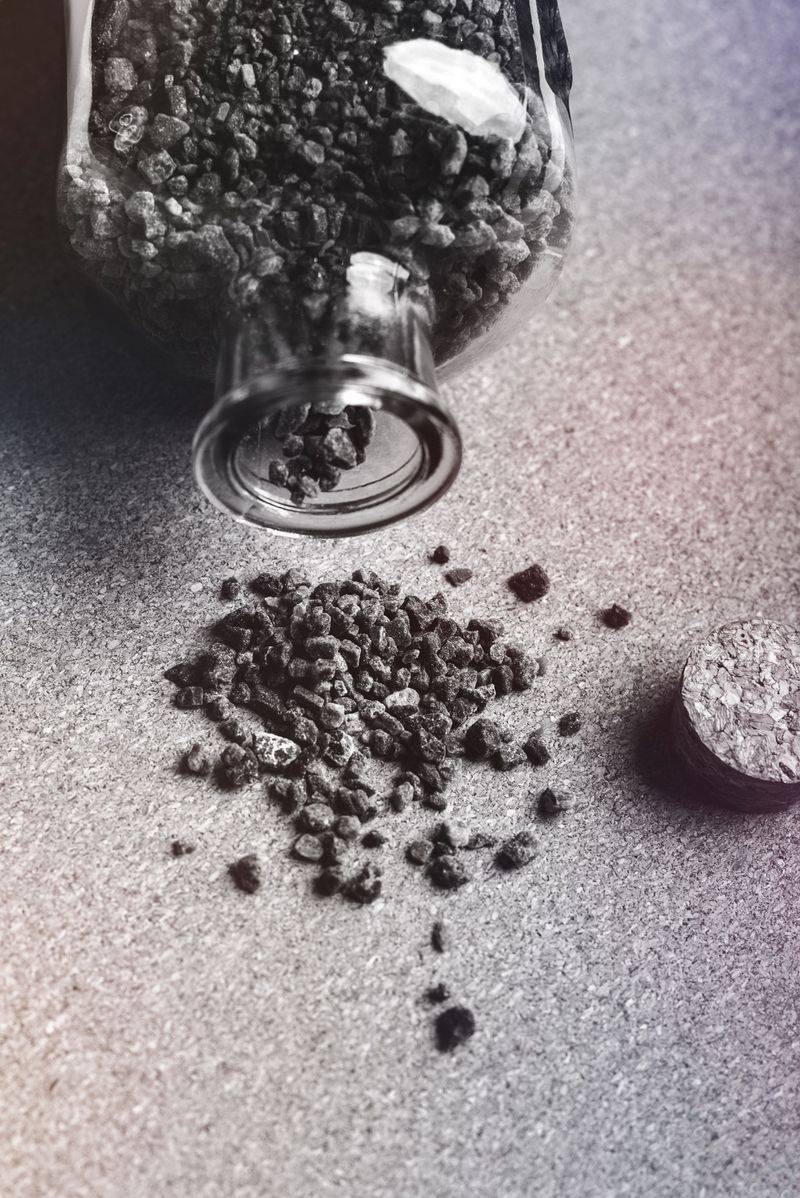
Squirrels are prey animals, and their survival instincts respond to predator scent cues. The scent of a fox or coyote nearby tells their nervous system to flee immediately. Predator urine granules are designed to trigger that instinctive avoidance response.
These granules are available at garden centers, hardware stores, and online retailers. They are made from the real or synthetic urine of predators like foxes, coyotes, and bobcats.
Sprinkle them around the base and rim of your pots for a scent barrier that squirrels take seriously. The smell fades quickly for humans, but squirrels are believed to detect it much longer.
Their sense of smell is generally more sensitive than a human’s, so what seems mild to you may be much stronger to them. That scent gap is exactly what makes this trick so effective.
Reapply granules every one to two weeks, or sooner after heavy rain. Keeping the scent fresh is what maintains the deterrent effect over time. A consistent application schedule prevents squirrels from getting brave again.
Some products come in liquid form instead of granules, which soaks into soil easily. Both formats work well, so choose whichever fits your routine better. Liquids can be applied with a small spray bottle for precise coverage around each pot.
Pair predator urine with another method from this list for a layered defense strategy. Squirrels that ignore one deterrent often respond strongly to a second one working alongside it. Keeping your garden pots safe is all about stacking the odds in your favor.
5. Crushed Garlic Or Garlic Spray
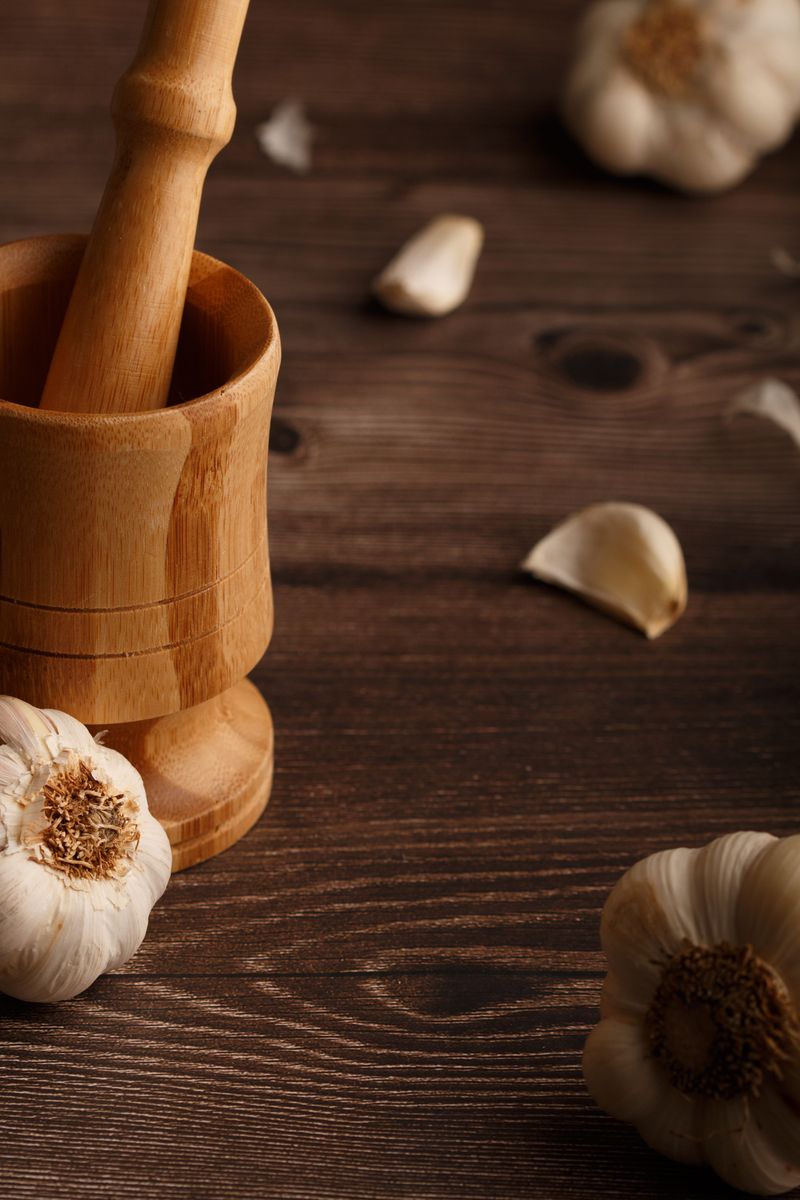
Garlic’s strong scent has long been used to repel unwanted animal guests, and squirrels are no exception. The sharp, sulfuric smell of crushed garlic is deeply unpleasant to small mammals with sensitive noses. Tucking it into your pots is a surprisingly effective move.
Crush several fresh garlic cloves and press them into the soil surface around your plants. You can also blend garlic with water and strain it into a spray bottle for easy application. Spray the soil, the rim of the pot, and even the sides of the container.
Fresh garlic works best, but garlic powder can fill in when fresh cloves are not available. The key is consistency, since the smell fades as the garlic dries out or gets washed away. Reapply every few days to keep the barrier strong.
Garlic spray is especially handy for pots on balconies or elevated surfaces where granules might blow away. A light misting covers the entire surface quickly and evenly. It dries fast and leaves no visible residue on your pots or plants.
Some gardeners mix garlic spray with a small amount of dish soap to help it stick to soil longer. The soap acts as a binding agent without harming your plants or the soil. That small addition can extend the effectiveness by a day or two between applications.
Squirrels that encounter garlic-treated pots tend to move on to easier targets in the neighborhood. Protecting your containers with this pungent trick is satisfying in the best possible way. Your garden wins, and the garlic does all the hard work.
6. Decoy Owl Or Hawk Statue Nearby
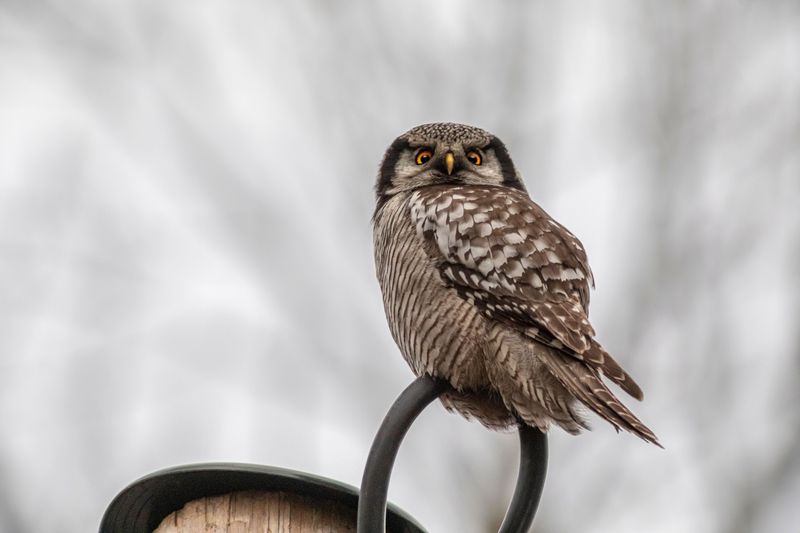
A hawk circling overhead can send squirrels in the yard scrambling for cover. A realistic owl or hawk statue taps into that same instinctive alarm response without any actual predator needed. Placement and realism are what make this trick actually work.
Choose a statue that looks convincingly lifelike, with detailed feathers, painted eyes, and a natural perching posture. Cheap, cartoonish versions tend to get ignored after a day or two. The more realistic the bird looks, the longer squirrels stay nervous around it.
Position the statue on a fence post, shepherd hook, or elevated surface near your pots. Height matters because squirrels look up to scan for aerial threats. A ground-level owl statue loses much of its intimidation factor quickly.
Move the statue every two to three days to prevent squirrels from learning it never moves. A stationary fake predator gets figured out surprisingly fast by these clever little animals. Rotation keeps the illusion fresh and the squirrels genuinely uncertain.
Some owl statues come with rotating heads powered by wind or small motors. That movement adds another layer of realism that keeps squirrels on edge longer. If you find a model with a moving head, it is worth the extra few dollars.
Pair your decoy with another deterrent on this list for the strongest results. A fake owl combined with cayenne pepper or garlic spray creates a multi-sensory warning system. Squirrels facing that combination are more likely to avoid the area.
7. Motion-Activated Sprinkler
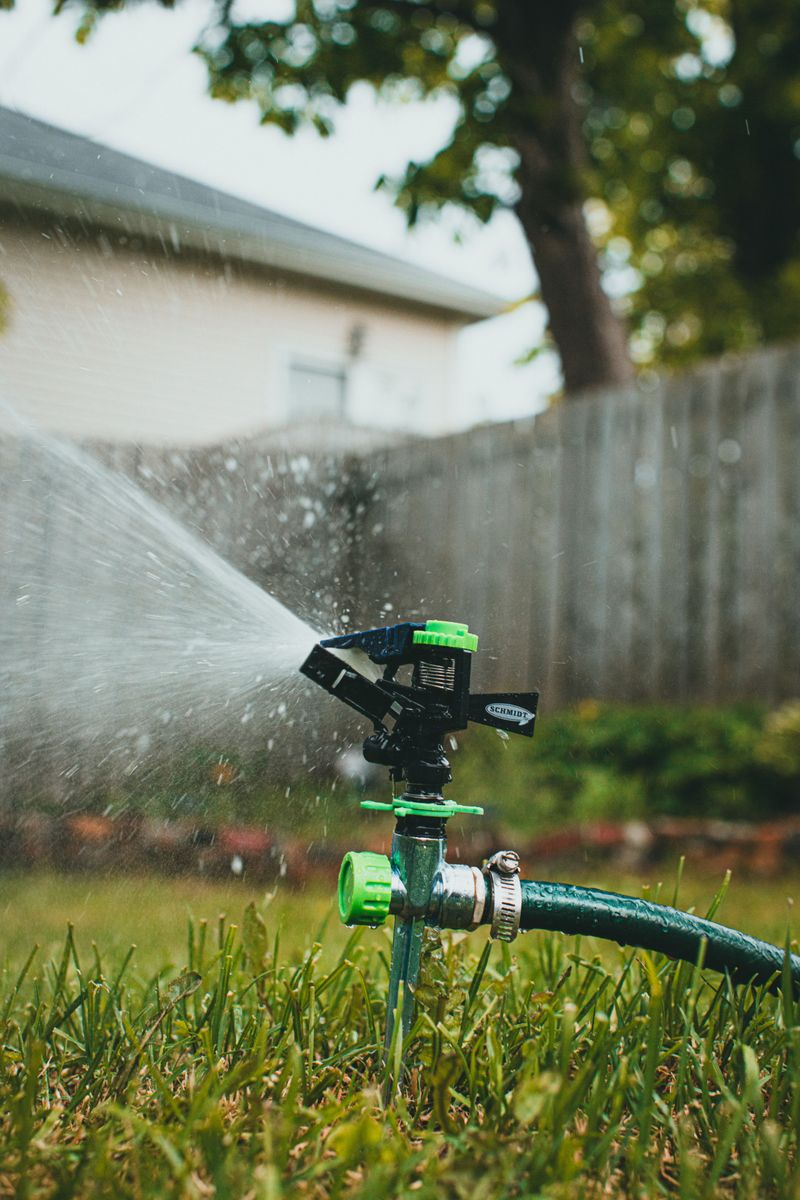
A sudden burst of cold water can quickly interrupt a squirrel raid. Motion-activated sprinklers detect movement and fire a sharp spray in that direction within seconds. It is startling, harmless, and effective against persistent diggers.
These devices connect to a standard garden hose and stake into the ground near your pots. When the sensor detects motion in its range, it releases a quick jet of water. The squirrel gets spooked, retreats, and usually avoids that zone for a long time after.
The beauty of this gadget is that it works around the clock without any effort from you. You set it up once and let it handle the rest automatically. Night-time raiders get caught just as easily as daytime visitors.
Most models have adjustable sensitivity settings so you can tune out small insects or leaves blowing past.
Setting the sensitivity correctly prevents the sprinkler from firing constantly and wasting water. A properly calibrated unit runs efficiently and lasts through an entire growing season.
Look for a model with a wide detection angle so it covers multiple pots at once. Some units rotate slightly to expand their coverage zone even further. One sprinkler protecting a cluster of containers is a smart, cost-effective setup.
Watching a sprinkler send a fluffy tail fleeing across the yard is a satisfying moment. The combination of surprise and water makes this a reliable option among these methods. Your pots stay intact, and you barely have to lift a finger.
8. Citrus Peels Scattered On The Soil Surface
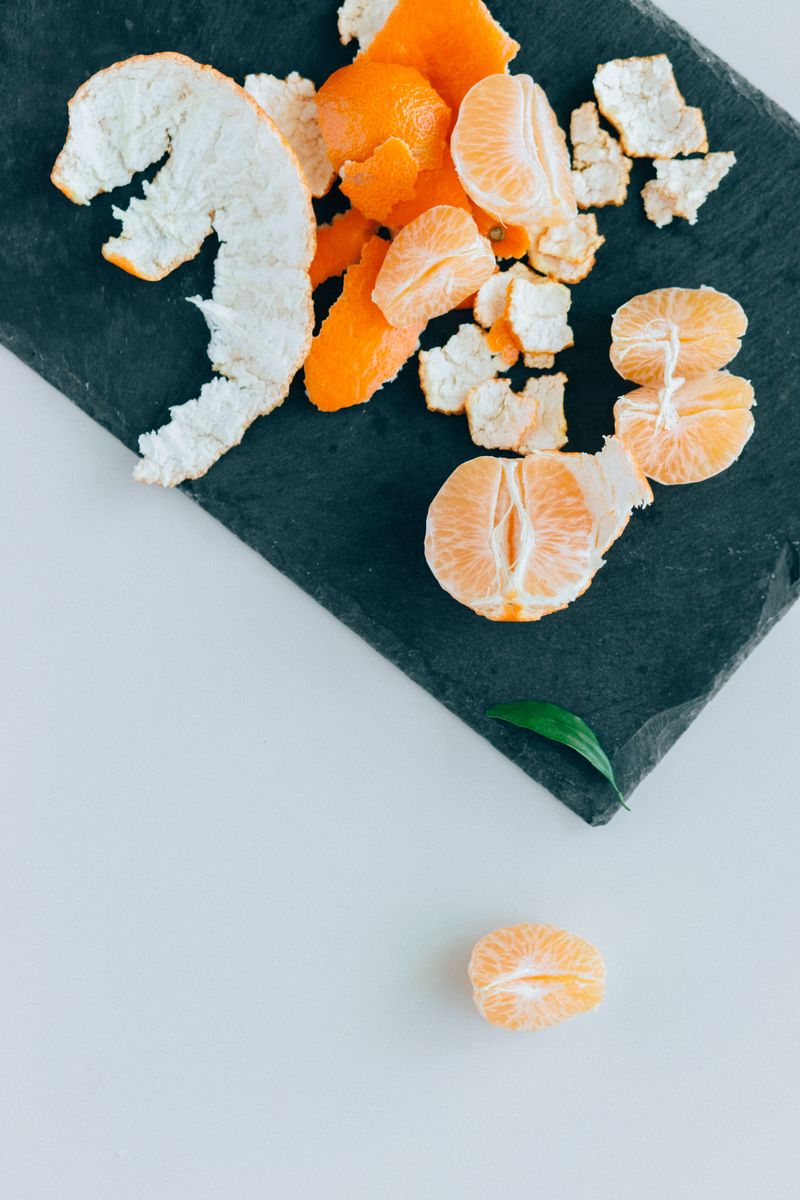
Squirrels have a strong aversion to the sharp, acidic scent of citrus, which makes your kitchen scraps a surprisingly useful garden tool.
Orange peels, lemon rinds, and grapefruit skins scattered on top of your pot soil create an invisible scent fence. Best of all, you are repurposing something you would have thrown away anyway.
After peeling an orange or squeezing a lemon, drop the peels directly onto the soil surface around your plants. Press them lightly into the top layer so wind does not blow them off. Refresh the peels every few days as the scent fades with drying and sun exposure.
Citrus peels also break down into the soil over time, adding a small boost of organic matter. They are generally safe for your plants, pets, and the environment, though large amounts may slightly affect soil acidity.
There is nothing harsh or synthetic involved in this approach at all. The scent is strongest when the peels are fresh and still moist from the fruit.
Dried peels lose potency faster, so prioritize using fresh ones whenever possible. Keeping a small bag of citrus scraps in the fridge extends their usable life by a few extra days.
Mixing different citrus varieties, like orange, lemon, and lime, creates a more complex scent profile. That layered aroma is harder for squirrels to tune out or get used to over time. Variety in your scent barrier keeps it working longer between replacements.
Squirrel deterrents made from kitchen scraps are a budget-friendly option. Your pots stay protected, your compost bin stays lighter, and your plants stay exactly where you planted them. That is a small but satisfying result.