Why Tennessee Fescue Starts Thinning In Late August
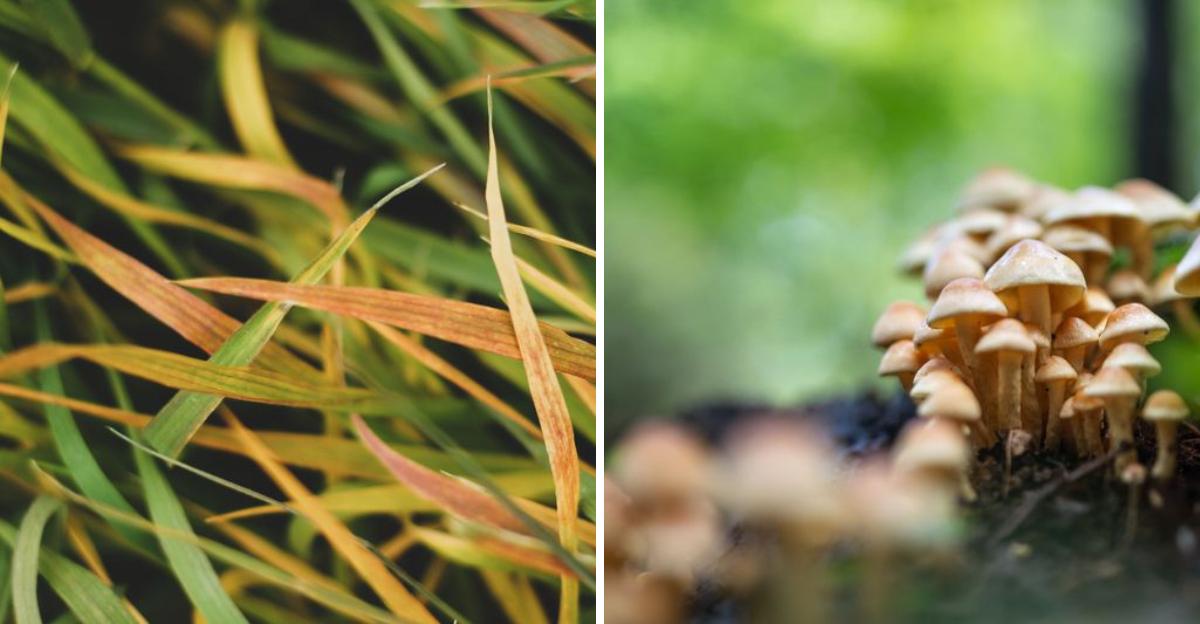
Your lawn changed the moment July heat arrived. Tall fescue rewards you all spring, then challenges you in August. Roots you cannot see are already weakening fast.
Tennessee summers turn your thick green turf against you. Heat stresses your lawn regardless of how well you’ve cared for it. Watering more will not save you from this kind of stress.
Nothing you do right now seems to slow the thinning. Soil beneath your feet is quietly overheating. Disease tends to take hold exactly when the lawn is weakest.
Fungal outbreaks spread faster during Tennessee humidity spikes. Mowing too short right now makes everything harder for you. Homeowners often overwater grass that is already under stress.
That instinct often works against you. Understanding what your lawn is facing changes everything you do next. Once you understand what’s happening beneath the surface, the fix becomes obvious.
1. Summer Heat Stress Weakens Fescue Roots
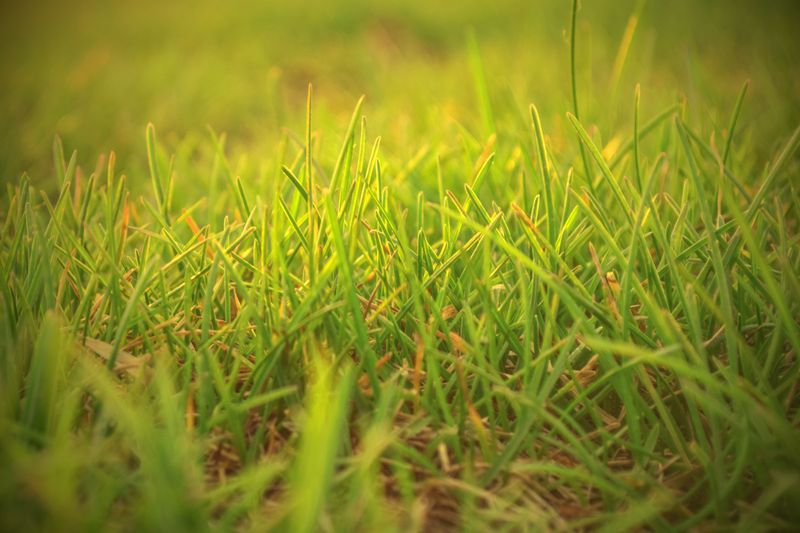
Tall fescue is a cool-season grass, and Tennessee summers are anything but cool. By late August, soil temperatures in parts of Tennessee can climb into the high 80s or 90s, which puts significant stress on fescue roots.
Heat stress forces the plant to pull energy away from root growth. The roots shrink, weaken, and lose their grip on the soil below.
When roots are weak, the blades above the surface start to thin. You might notice the grass looking dull, sparse, or almost see-through in spots.
Tennessee fescue thinning in late August is often the visible result of weeks of heat building underground. The damage starts at the root level long before you see it on the surface.
Hot nights make things worse because the grass never gets a break. Fescue needs cooler overnight temperatures to recover from daytime heat stress.
One smart move is to water deeply in the early morning hours. Deep watering encourages roots to grow downward, where soil stays slightly cooler.
Avoid watering in the evening, since wet blades overnight invite other problems. Keeping roots as cool and moist as possible is your best defense during a demanding Tennessee summer.
The good news is that fescue is resilient when treated right. Once temperatures drop in September, a well-supported lawn can bounce back faster than you might expect.
2. Drought Conditions Limit Water Uptake
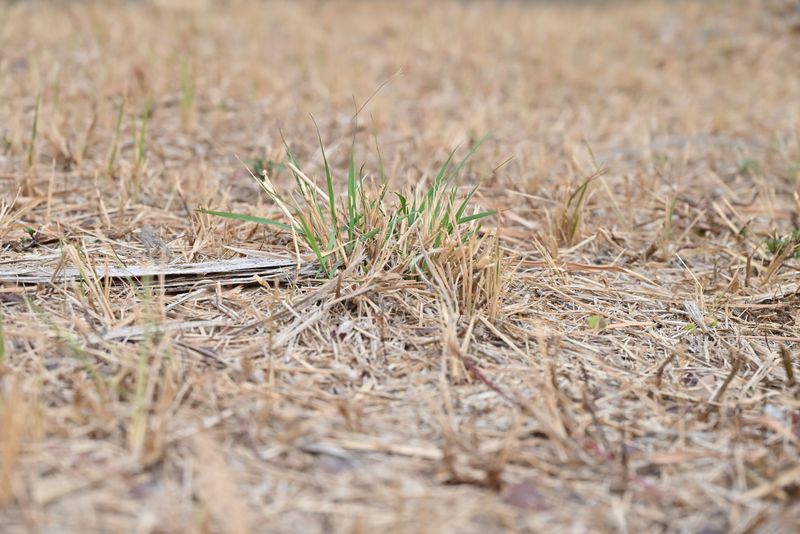
Picture this: it has not rained in two weeks, and your fescue looks like it forgot what green means. Drought is one of the fastest ways to push a Tennessee lawn toward thinning in late August.
Fescue roots need consistent moisture to absorb nutrients from the soil. Without water, nutrient uptake slows down, and the grass has less energy available to sustain healthy growth.
Shallow watering makes drought stress worse, not better. When you only wet the top inch of soil, roots stay near the surface and dry out faster during hot spells.
Deep, infrequent watering trains roots to reach deeper into the ground. Aim for about one inch of water per week, applied in one or two sessions rather than daily sprinkles.
Your Tennessee Garden Changes Every Week. Your Plan Should Too.
Gardening in Tennessee changes quickly throughout the season. Every Friday you’ll receive a simple weekly plan showing exactly what to plant, prune, fertilize, harvest, and protect so you never miss the right timing.
A simple rain gauge in your yard takes all the guesswork out of the process. You will know exactly how much water your lawn is actually getting each week.
Drought-stressed fescue also becomes more vulnerable to disease and insect pressure. A weakened plant cannot fight off threats the way a healthy, hydrated one can.
Mulching your garden beds nearby can help reduce overall yard moisture loss. Every bit of retained moisture helps the surrounding lawn grass survive a dry stretch.
Catching drought stress early is key to preventing serious thinning. Watch for a blue-gray tint on the blades, which is fescue’s first warning sign that it needs water now.
3. Brown Patch Disease Spreads In Humidity
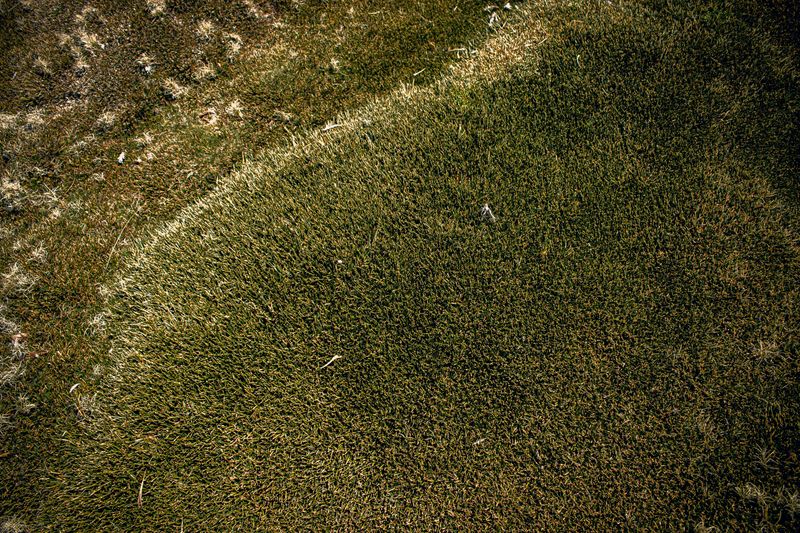
Brown patch is one of the most common summer lawn diseases. This fungal disease loves the same hot, humid conditions that late August delivers almost every single year.
The disease shows up as circular patches of tan or brown grass, often with a darker ring around the edge. Those rings are called smoke rings, and spotting one means the fungus is actively spreading.
Brown patch tends to thrive when nighttime temperatures stay warm, generally above 70 degrees. Combine that with high humidity and wet grass blades, and you have a perfect recipe for rapid spread.
The fungus affects the leaf blades first, causing them to collapse and mat down. Once the blades are gone, the area looks thin and bare even though the roots may still be alive.
Avoiding late-evening watering is one of the simplest ways to reduce brown patch risk. Wet blades sitting overnight in warm, humid air are basically an open invitation for fungal growth.
Fungicide applications can slow the spread when caught early. Look for products labeled for brown patch on tall fescue and follow the directions carefully for best results.
Proper mowing height also plays a role in reducing disease pressure. Taller grass allows better airflow at the soil level, which helps blades dry out faster after rain or irrigation.
Brown patch damage can look permanent, but many lawns recover well once cooler fall weather arrives. Overseeding thin areas in September helps fill in spots left behind by the disease.
4. Grubs Feed On Roots Underground
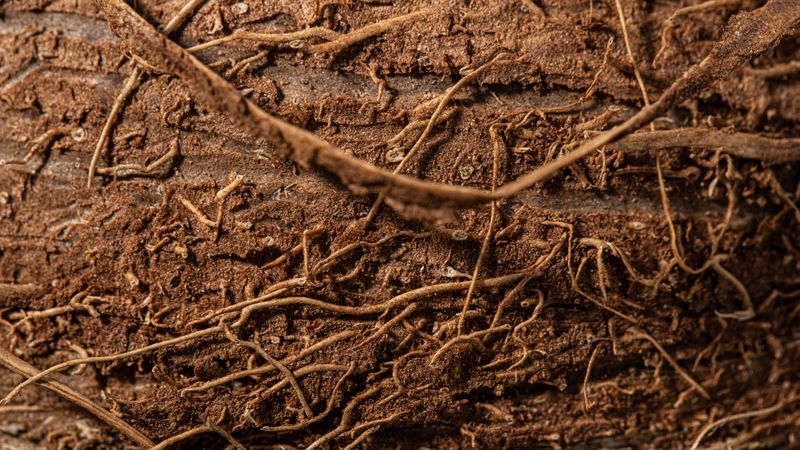
Grubs feed on fescue roots beneath the soil surface, often without any visible warning. White grubs are the larvae of beetles like Japanese beetles, and they spend late summer feasting on fescue roots just below the soil surface.
A heavy grub infestation can sever roots faster than heat or drought ever could. When roots are chewed through, the grass above has no anchor and no way to pull up water or nutrients.
One telltale sign of grub damage is turf that peels back like a loose rug. If you can roll up a section of your lawn with little resistance, grubs are likely the culprit.
Birds pecking aggressively at your lawn is another clue worth paying attention to. Robins and starlings are excellent grub hunters, and a yard full of them often signals a serious infestation below.
The best time to treat for grubs is actually in late June or early July, before the larvae grow large. Larger grubs in August are harder to control with standard treatments.
Curative grub treatments are still available for late-summer use, though they work best on young larvae. Always check the product label to confirm it targets the grub stage present in your yard.
Keeping your lawn well-watered during treatment helps the product reach the root zone. Dry soil can prevent treatments from penetrating deep enough to be effective against active grubs.
Addressing grubs now protects your fall overseeding investment. New seedlings need healthy, intact roots zones to establish before winter sets in across Tennessee.
5. Compacted Soil Restricts Healthy Growth
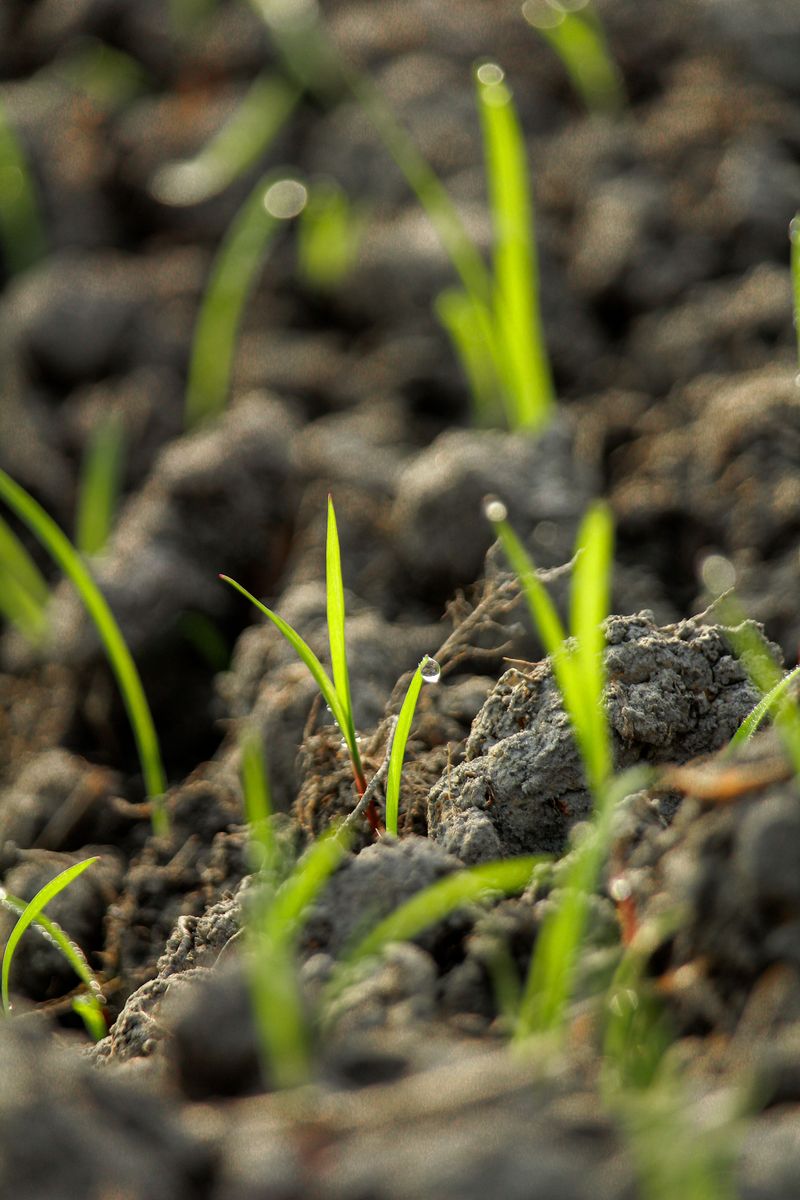
Clay soil is common throughout Tennessee and can create challenges for fescue root growth. Compacted clay soil is one of the sneakiest reasons lawns thin out by late August.
When soil particles are packed too tightly together, roots cannot push through to find water and nutrients. The grass ends up starving in place, even if you are watering and fertilizing regularly.
Foot traffic, heavy equipment, and even repeated mowing patterns all contribute to soil compaction over time. By late summer, the damage from months of use really starts to show.
A simple screwdriver test can offer a rough idea of your soil’s compaction. If you have difficulty pushing it into the ground with moderate hand pressure, your soil may be too compacted.
Core aeration is the most effective fix for compacted soil. A core aerator pulls small plugs of soil out of the ground, creating channels for air, water, and roots to move freely.
Fall is the ideal time to aerate a Tennessee fescue lawn. Aerating before overseeding gives new seed direct contact with loosened soil, which dramatically improves germination rates.
Topdressing with compost after aeration adds organic matter that improves soil structure over time. Healthier soil grows a healthier, thicker lawn season after season.
Compaction does not fix itself, so waiting only makes the problem worse. One aeration session each fall can transform a struggling lawn into something you actually want to show off.
6. Mowing Too Short Scalps The Lawn
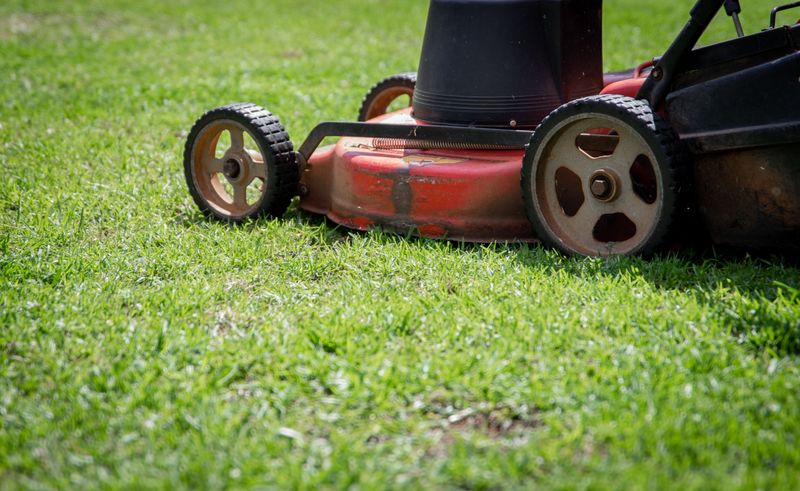
Grab a ruler and check your mower deck height before the next cut. Mowing tall fescue too short in late summer often causes noticeable thinning in an otherwise healthy lawn.
Fescue needs its leaf blades to capture sunlight and produce energy for root growth. When blades are cut too short, the plant loses its ability to feed itself during an already stressful time of year.
The recommended mowing height for tall fescue in Tennessee is between three and four inches. Many homeowners mow at two inches or lower, which is far too aggressive for a cool-season grass in August heat.
Scalping also exposes the soil surface directly to sunlight. Bare, hot soil dries out faster and creates the perfect conditions for weed seeds to germinate and take over thin spots.
The one-third rule is a simple guideline every lawn owner should follow. Never remove more than one-third of the blade length in a single mowing session, no matter how tall the grass gets.
Sharp mower blades make a big difference in how the grass responds to cutting. Dull blades tear the grass rather than slicing it cleanly, leaving ragged edges that lose moisture faster.
Raising the mower deck just one inch higher can noticeably reduce stress on your fescue. Taller blades shade the soil below, keeping roots cooler and slowing moisture loss on hot days.
Small adjustments in mowing habits create big results over time. Your fescue will reward you with a thicker, greener appearance when you treat it with a little more respect.
7. Nitrogen Deficiency Slows Recovery
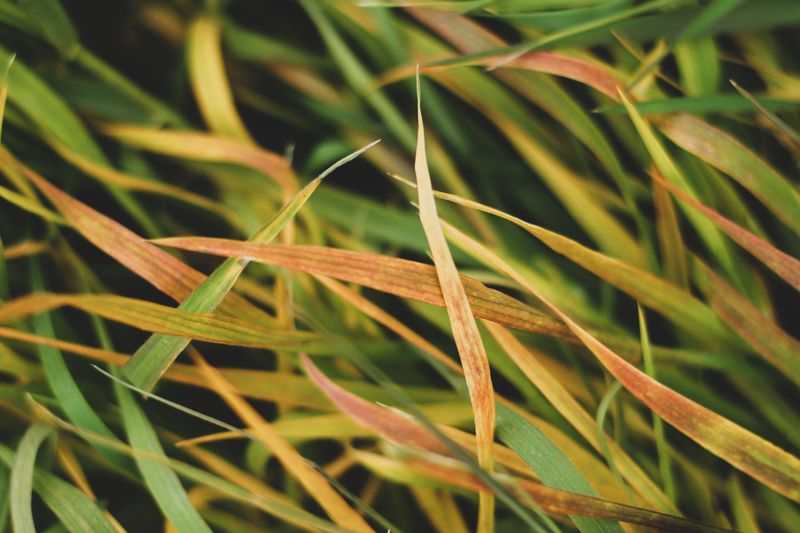
Yellowing and slow growth often indicate a nutrient issue. Nitrogen deficiency is a common but overlooked reason why Tennessee fescue struggles to hold its density through late August.
Nitrogen is the nutrient most responsible for green color and leaf blade production. Without enough of it, fescue cannot generate new growth to replace blades lost to heat, disease, or foot traffic.
Summer rains can leach nitrogen out of the soil faster than most homeowners realize. Sandy soils lose nitrogen especially quickly, but even clay-heavy Tennessee yards can become depleted by mid-summer.
Applying nitrogen in the peak of summer heat is a mistake, though. Heavy nitrogen during a heat wave pushes the plant to grow when it should be conserving energy, making stress worse.
A light application of slow-release nitrogen in late August can help prepare the lawn for fall recovery. Slow-release formulas feed gradually, reducing the risk of burning already-stressed grass blades.
Soil testing is the most accurate way to know what your lawn actually needs. A basic test from your local extension office costs very little and takes the guesswork out of fertilizing decisions.
Organic fertilizers like compost or slow-release organic blends are gentler options during transitional seasons. They feed slowly and also improve soil health over time, which benefits the lawn long-term.
Getting nitrogen levels right in late August sets the stage for a strong fall rebound. Tennessee fescue thinning caused by deficiency can reverse quickly once the right nutrients are back in place.
8. Fungal Pressure Builds During Warm Nights

Warm August nights in Tennessee feel pleasant to people, but they create ideal conditions for lawn fungi. When overnight temperatures stay consistently warm, fungal spores remain active and can spread more rapidly through fescue stands.
Fungi do not need sunlight to grow, which means they work all night long without interruption. By the time you notice discoloration in the morning, the damage from the previous night is already done.
Several fungal diseases beyond brown patch can affect fescue in late summer. Gray leaf spot and Pythium blight are two others that thrive in warm, wet, overnight conditions common to Tennessee summers.
Gray leaf spot creates small, tan lesions on individual blades that eventually cause the leaf to collapse. A lawn under heavy gray leaf spot pressure shows rapid blade collapse from the tip downward.
Pythium blight spreads quickly and can damage large sections of a lawn within a few days. It often appears as greasy-looking, dark patches that turn tan and crusty as the grass declines.
Improving air circulation across your lawn reduces fungal pressure significantly. Trimming back shrubs and tree branches that block airflow over the turf helps the surface dry out faster each morning.
Fungicide rotation is important when managing repeated fungal outbreaks. Using the same product every time allows fungi to build resistance, so alternating between different active ingredients keeps treatments effective.
Managing fungal pressure now protects your fall overseeding window. Tennessee fescue thinning from fungal damage is reversible, but only if you act before the spores spread too far to control.