Easy-To-Grow Perennials Every Lazy Pennsylvania Gardener Needs
Not every gardener wants to spend their weekends staking, deadheading, dividing, and nursing temperamental plants through whatever the Pennsylvania weather decides to deliver.
Some people just want a garden that looks genuinely good without becoming a second job. That is a completely reasonable thing to want, and the plants that make it possible are worth knowing about.
These perennials are specifically for the gardener who wants results without the fuss. They come back reliably each spring without being coaxed.
They handle Pennsylvania’s variable weather without needing constant intervention. They spread into naturally attractive clumps, bloom generously, and ask very little in return for the color and structure they deliver season after season.
Low maintenance does not mean low impact. These perennials prove it every year.
1. Black-Eyed Susan
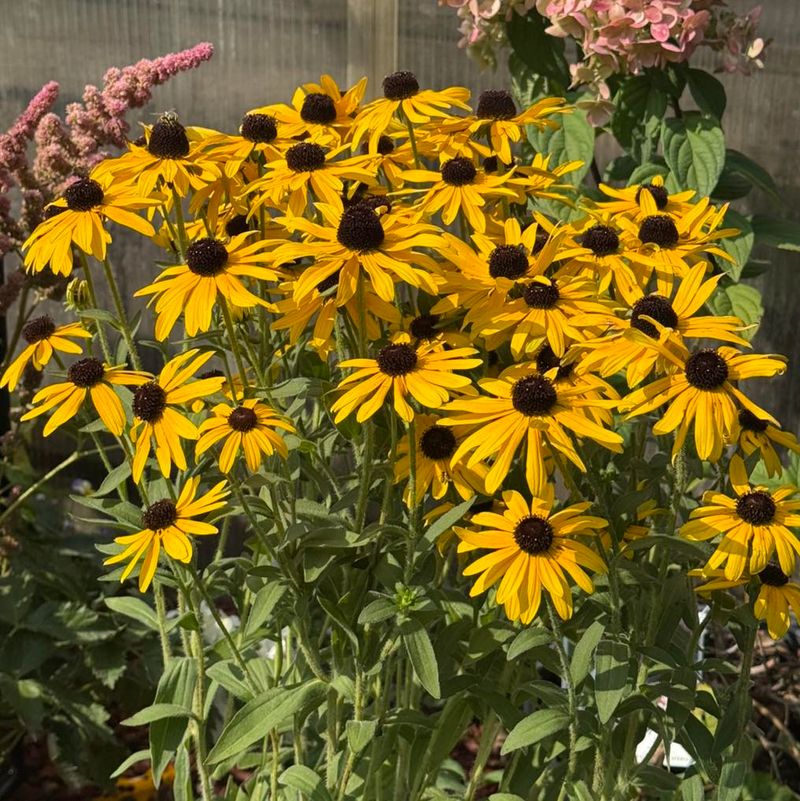
Bright and cheerful, Black-Eyed Susans light up any yard with their golden petals and dark centers. These flowers look like little sunbeams scattered across your garden.
They love full sun and don’t mind our summer heat one bit. Once they settle in, they spread happily and fill empty spaces with color. You barely have to water them after the first few weeks.
Pennsylvania gardeners adore these because they handle clay soil like champs. Poor dirt doesn’t slow them down at all. They bloom from midsummer into fall, giving you months of nonstop color.
Bees and butterflies flock to these flowers, so your garden will buzz with life. Birds also enjoy the seeds once the blooms fade in autumn.
Planting them is simple. Drop them in a sunny spot, give them room to grow, and step back. They can reach two to three feet tall and form thick clumps over time.
Here’s a fun bit: Black-Eyed Susan is the state flower of Maryland, but it grows just as well right here in Pennsylvania. It’s a native plant, which means it already knows how to survive our weather.
You can cut some blooms for a vase indoors, and they’ll last for days. They also come back stronger each year without any coaxing.
If you want a plant that shrugs off neglect, this one is a winner. Trim it back in late fall or leave the seeds for the birds.
Either way, you’ll have a low-work flower that keeps giving. It’s honestly hard to mess up.
2. Daylily
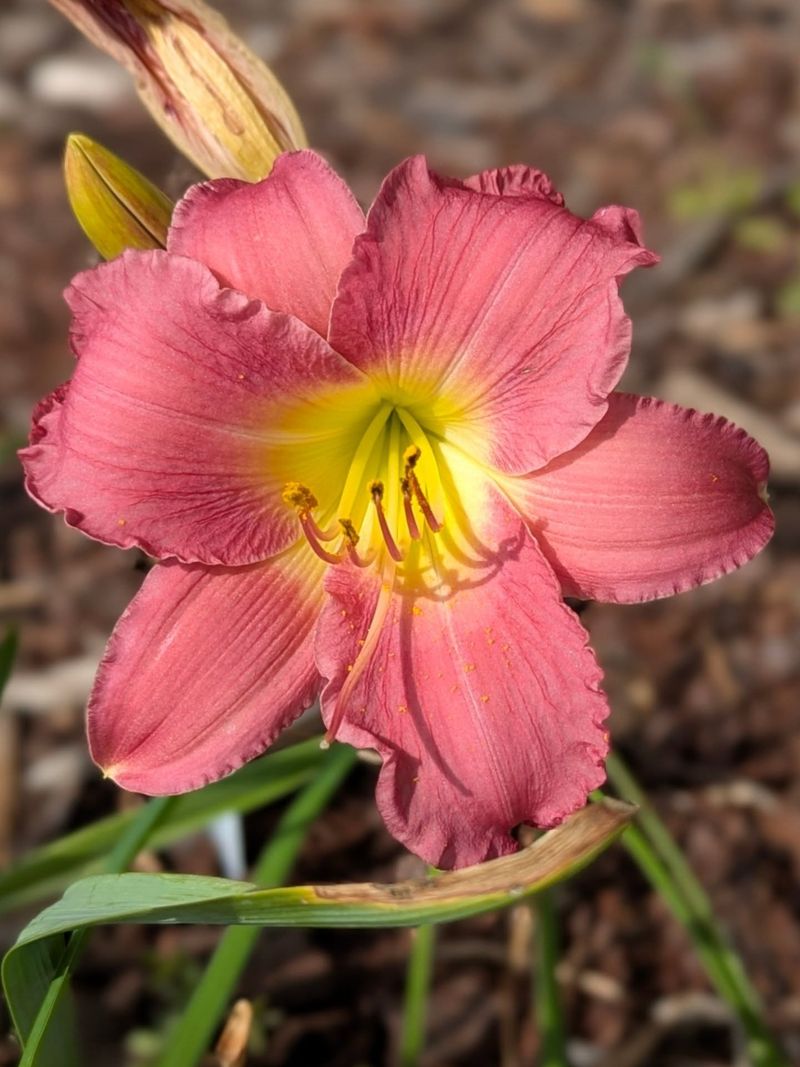
If any plant deserves a medal for toughness, it’s the daylily. These beauties survive almost anything you throw at them, from drought to bad soil.
Each flower only lasts a single day, but don’t worry. New buds open constantly, so your plant stays full of blooms for weeks. That’s how they got their clever name.
Daylilies come in tons of colors, including orange, yellow, red, and purple. You can mix them for a rainbow effect or stick with one shade for a bold look.
They grow in both sun and light shade, which makes them super flexible. Even beginner gardeners find them easy to handle. Plant them once, and they’ll return every spring like clockwork.
Your Pennsylvania Garden Changes Every Week. Your Plan Should Too.
Gardening in Pennsylvania changes quickly throughout the season. Every Friday you’ll receive a simple weekly plan showing exactly what to plant, prune, fertilize, harvest, and protect so you never miss the right timing.
Pennsylvania’s changing weather doesn’t bother these plants. Cold winters and muggy summers are no match for their hardy roots. They also fight off most pests and diseases on their own.
Over time, daylilies form thick clumps that you can dig up and split. Share the extras with friends or fill other spots in your yard for free. It’s like getting more plants without spending a dime.
A neat fact: some daylily varieties are actually edible, and people have eaten the flower buds in soups for centuries. Just be sure you know which type you have first.
These plants need almost no babysitting. Water them during long dry spells, and pull off spent blooms if you want a tidy look. Otherwise, leave them alone.
For anyone who wants big rewards with tiny effort, the daylily fits perfectly. It’s a classic choice that never lets you down.
3. Coneflower
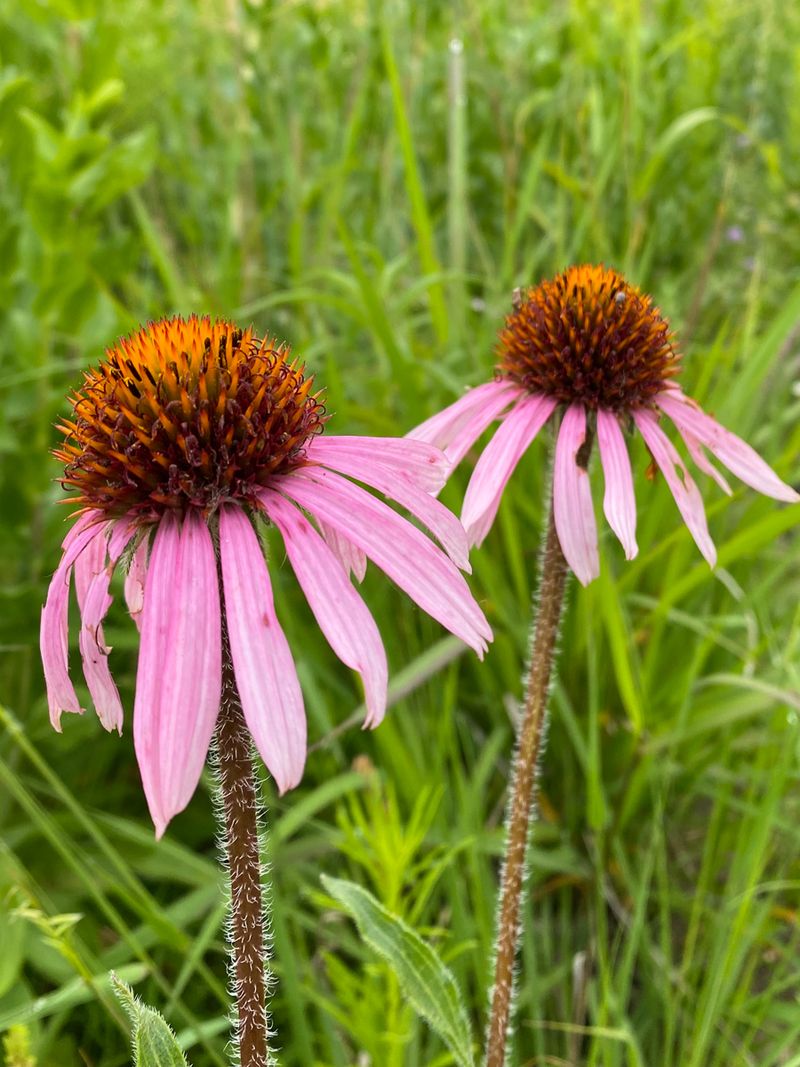
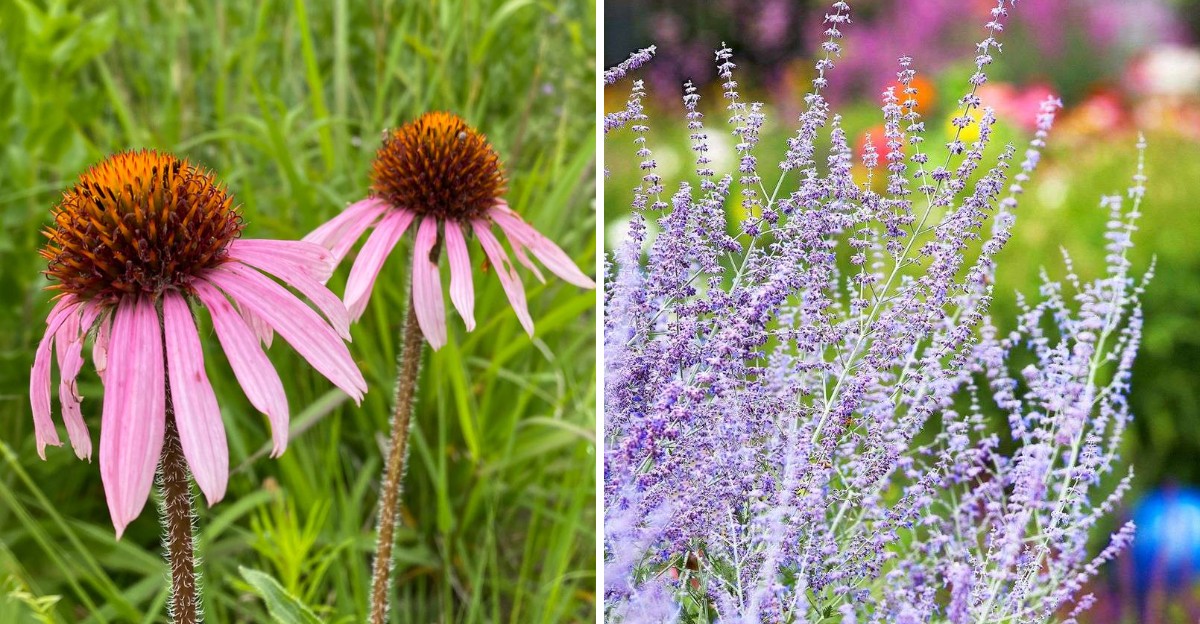
Coneflowers bring a wild, prairie feel to any garden with their pinkish-purple petals and spiky orange centers. They stand tall and proud, adding height to flower beds.
These plants are famous for handling dry weather without complaint. Once their roots grow deep, they rarely need watering. That makes them perfect for forgetful gardeners.
Native to North America, coneflowers already feel right at home in Pennsylvania. They thrive in full sun and put up with rocky or clay soil easily.
Pollinators go crazy for these flowers. Bees, butterflies, and even hummingbirds stop by all summer long. In fall, goldfinches love snacking on the seeds left behind.
You’ve probably heard of echinacea in tea or supplements. That’s right, this same plant has been used in herbal remedies for generations. Native tribes valued it long before it landed in garden centers.
Planting coneflowers takes no special skill. Give them sunshine, space them out, and let them do their thing. They bloom from early summer into fall, keeping your garden colorful.
They also come in newer shades now, like orange, white, and red. Mixing colors creates a fun, lively display that changes as the season goes on.
To keep them looking neat, you can snip off faded flowers. But leaving the seed heads helps birds and adds winter interest to your yard. It’s totally up to you.
Coneflowers spread slowly and come back year after year. Every few seasons, you can divide the clumps to grow even more plants.
For a hardy, helpful, and beautiful flower, echinacea checks every box. Your garden and the local wildlife will both thank you.
4. Hosta
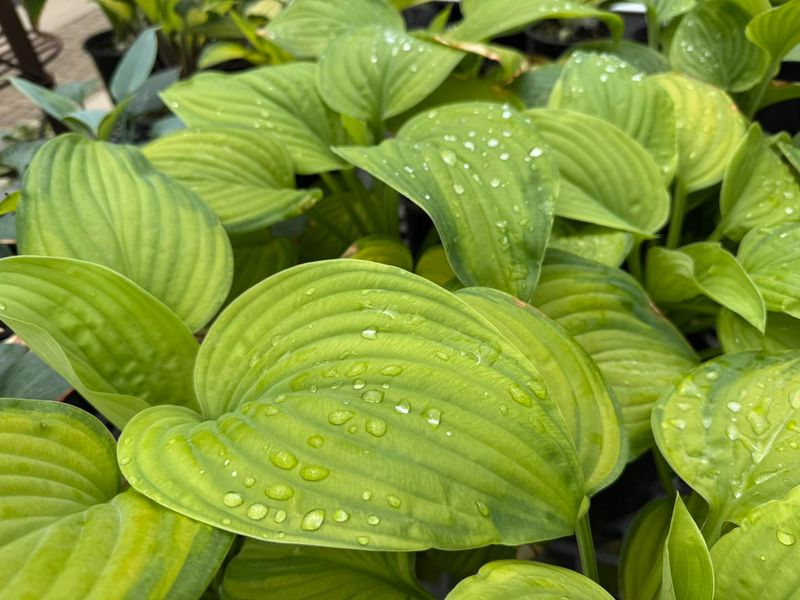
Shady spots in your yard can be tricky, but hostas turn those dark corners into lush green paradises. Their big, layered leaves fill space beautifully.
Unlike many flowers, hostas love the shade. If you have trees or a north-facing wall, these plants are exactly what you need. They actually prefer staying out of harsh sun.
Leaves come in shades of green, blue, and gold, and many have creamy stripes. The variety of patterns makes them fun to collect and mix together.
Pennsylvania winters don’t scare hostas at all. They vanish underground during the cold and pop right back up each spring, bigger than before. That reliable comeback is a gardener’s dream.
Watering is about the only thing they ask for during dry stretches. Otherwise, they’re happy to be left alone. They rarely deal with serious pests, though deer and slugs sometimes nibble the leaves.
In midsummer, tall stalks rise up with small purple or white flowers. These blooms smell sweet and attract hummingbirds to your yard.
Here’s something cool: hostas can live for decades in the same spot. Some gardeners pass them down through families like treasured heirlooms.
They grow into wide clumps over time. When they get too big, just dig them up and split them into more plants. It’s an easy way to fill your whole shade garden for free.
Caring for hostas is about as low-key as gardening gets. Water when it’s dry, clear away dry leaves in fall, and enjoy the rest.
For anyone battling shady ground, hostas are a reliable, leafy solution that keeps giving year after year.
5. Sedum (Stonecrop)
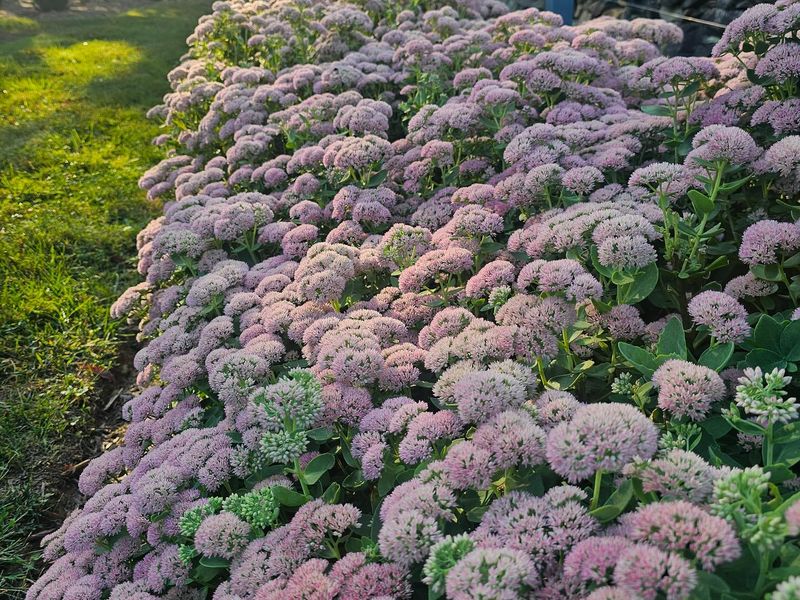
Meet the plant that practically thrives on being ignored. Sedum, also called stonecrop, stores water in its thick, juicy leaves, so it never begs for attention.
Drought is no problem for this hardy succulent. Even during the hottest, driest Pennsylvania summers, sedum stays plump and healthy. Watering is rarely needed once it takes root.
Tall types like ‘Autumn Joy’ bloom with clusters of pink and rusty-red flowers in late summer and fall. Low-growing types spread like a carpet across the ground.
These plants love rocky, poor soil, which most flowers hate. Toss them into a tough spot, and they’ll settle right in without any complaints.
Bees and butterflies swarm the blooms when many other flowers have faded. That makes sedum a lifesaver for late-season pollinators looking for food.
A fun detail: sedum belongs to the same plant family as jade plants and other succulents. That’s why its leaves feel so thick and rubbery.
Planting is a breeze. Stick a piece in the ground, and it often roots on its own. You can break off stems and start brand-new plants almost anywhere.
Winter doesn’t harm them either. The dried flower heads stand tall through the snow, adding cool texture to your quiet garden.
Cut the old stems back in early spring, and fresh growth appears fast. That’s about all the work you’ll ever do.
Sedum handles neglect, drought, and bad soil like a true survivor. If you want a plant that asks for nothing yet delivers plenty of color, this tough little succulent belongs in your yard.
6. Peony
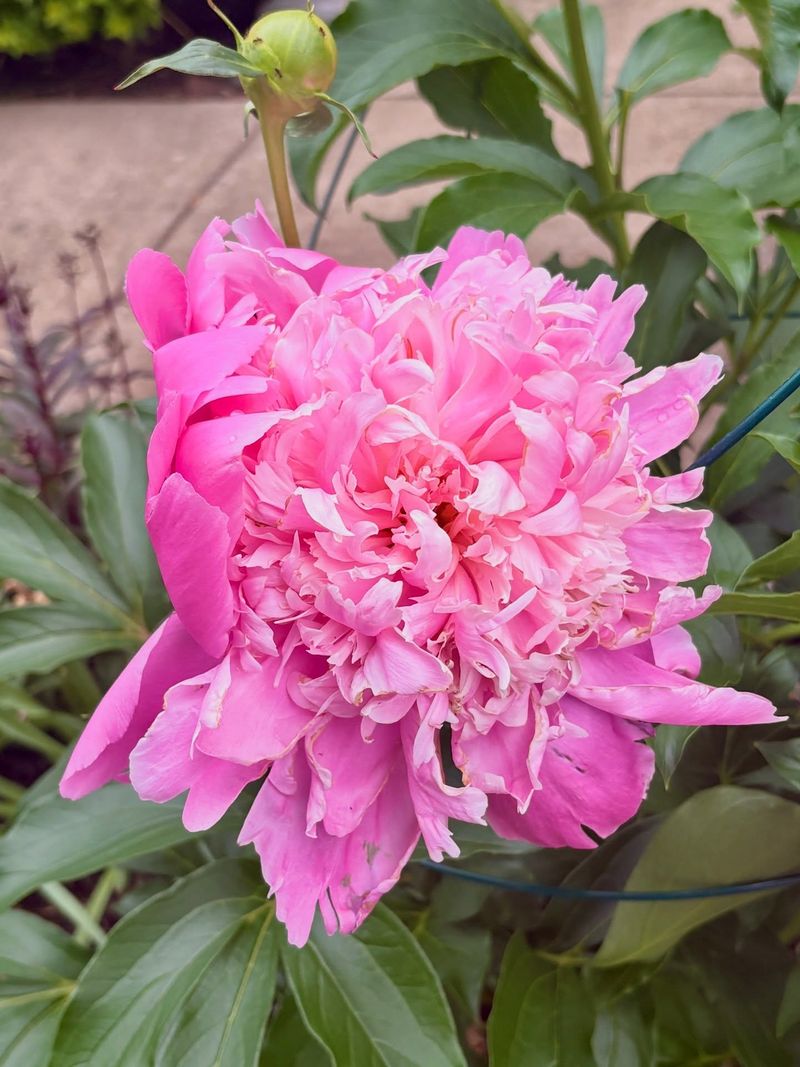
Few flowers wow people quite like the peony. Their huge, fluffy blooms look almost too fancy for such a low-maintenance plant.
Once you plant a peony, it can live for fifty years or more in the same spot. Some peonies outlive the gardeners who first planted them.
These flowers burst open in late spring, filling the air with a sweet, dreamy scent. Colors range from soft pink to bold red and creamy white.
Pennsylvania’s cold winters actually help peonies bloom. They need a chilly rest period to store up energy for their big spring show. Our weather suits them perfectly.
Plant them in full sun and give them room to spread. After that, they mostly take care of themselves. Just avoid moving them, since they hate being disturbed.
You might spot ants crawling on the buds, but don’t panic. The ants simply enjoy the sweet coating and cause no harm to the flowers.
The heavy blooms sometimes flop over after rain. A simple support ring keeps them standing tall and tidy through the season.
Once the flowers fade, the bushy green leaves stay attractive all summer long. That means your garden still looks full even after blooming ends.
Cut a few flowers for a vase, and your whole house will smell amazing. They make classic, old-fashioned bouquets.
In fall, trim the stems down to the ground and wait. Come spring, your peony returns without any effort from you.
For jaw-dropping beauty that lasts a lifetime, peonies are hard to beat. Plant one now, and future you will be grateful.
7. Russian Sage
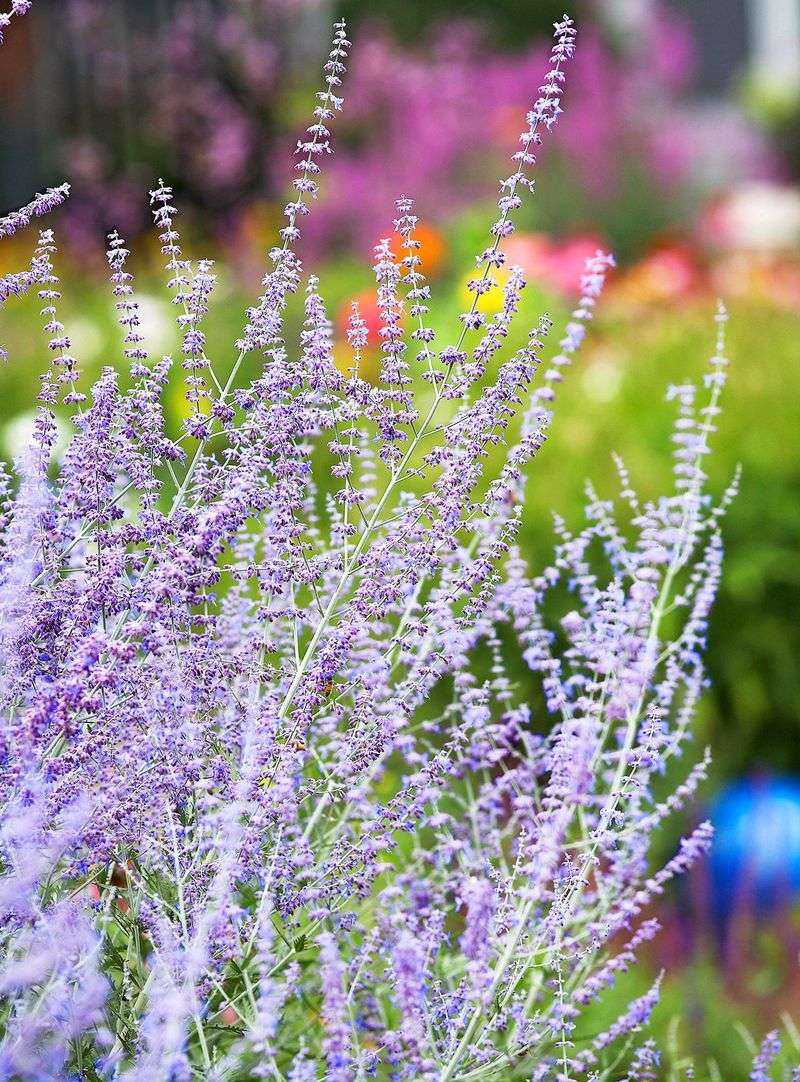
Airy and elegant, Russian sage adds a soft cloud of purple-blue color to any garden. Its silvery stems sway gently in the breeze.
Heat and drought mean nothing to this tough plant. It practically thrives on being ignored, which makes it a lazy gardener’s dream come true.
The whole plant gives off a light, herby smell when you brush against it. That scent keeps deer and rabbits from munching on it.
Full sun is all Russian sage really wants. Plant it in a bright spot with well-drained soil, and it will reward you all summer.
Despite the name, this plant isn’t actually from Russia, and it isn’t a true sage either. It hails from Central Asia and just picked up a fancy-sounding label.
Bees and butterflies love the tiny flowers that cover the stems from midsummer into fall. Your yard will hum with happy pollinators.
It grows tall and wide, often reaching three to four feet. Use it at the back of a flower bed for a dreamy, wispy backdrop.
Watering is barely necessary once it’s settled in. Too much water actually harms it, so you can relax and leave it alone.
In late fall or early spring, cut the woody stems back low. Fresh growth shoots up quickly and fills out fast.
The pale winter stems still add texture to a snowy garden, so it looks nice even in the cold months.
For a breezy, fragrant, and nearly indestructible plant, Russian sage is a fantastic pick. It handles our summers with ease and keeps your garden glowing.