The Pennsylvania Perennials You Should Never Cut Back In October
Every October, Pennsylvania gardeners feel the urge to tidy up. The blooms are fading, the stems are turning brown, and cutting everything down to the ground seems like the natural next step.
A neat, clean garden bed going into winter just feels right. But for certain perennials, that fall cleanup can do more harm than good.
Some plants rely on their old stems and leaves to protect their roots from freezing temperatures.
Others produce seed heads that feed hungry birds all winter long. Hollow stems can even shelter native bees and other helpful insects until spring.
Cut them back too early, and you could leave your plants exposed and your backyard wildlife without food or shelter.
Sometimes the smartest thing a gardener can do is wait. These are the perennials that are better off standing tall until spring.
1. Purple Coneflower Keeps The Birds Coming Back
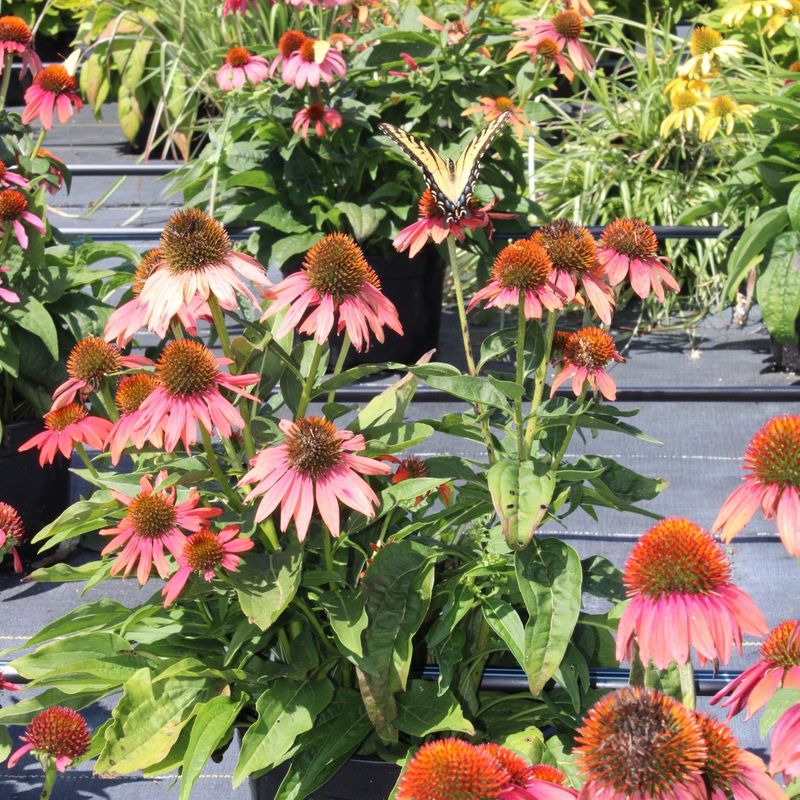
Goldfinches love coneflowers so much that they will hang upside down to grab the seeds. Watching them in winter is like having free entertainment outside your kitchen window. That alone is a great reason to leave your purple coneflowers standing.
Purple coneflower, or Echinacea purpurea, is native to the eastern United States. It grows well across Pennsylvania, from Erie to Philadelphia.
Once the pink petals fall away, the spiky brown centers are packed with seeds that birds adore.
If you cut these plants back in October, you remove a major winter food source. Birds like finches, chickadees, and sparrows need extra energy to stay warm. Coneflower seeds are high in fat and help them get through chilly nights.
The stems also do a quiet job for the plant itself. They catch falling leaves and snow, which forms a blanket over the crown. That blanket helps shield the roots from harsh temperature swings.
Another bonus is free baby plants. Some seeds will drop to the soil and sprout next spring. If you want more coneflowers, just let nature handle the planting.
So when should you trim them? Wait until late March or early April in most parts of the state. Look for fresh green leaves at the base, then cut the old stems down to about two inches.
Here is a handy tip for the neat gardeners out there. If a few stems flop over in winter storms, you can snip only those. Leave the rest standing so the birds still have a buffet.
Fun fact: Native Americans used coneflower roots as medicine for centuries. Today, it remains one of the most popular garden plants in America.
2. Black-Eyed Susan Brings Winter Charm
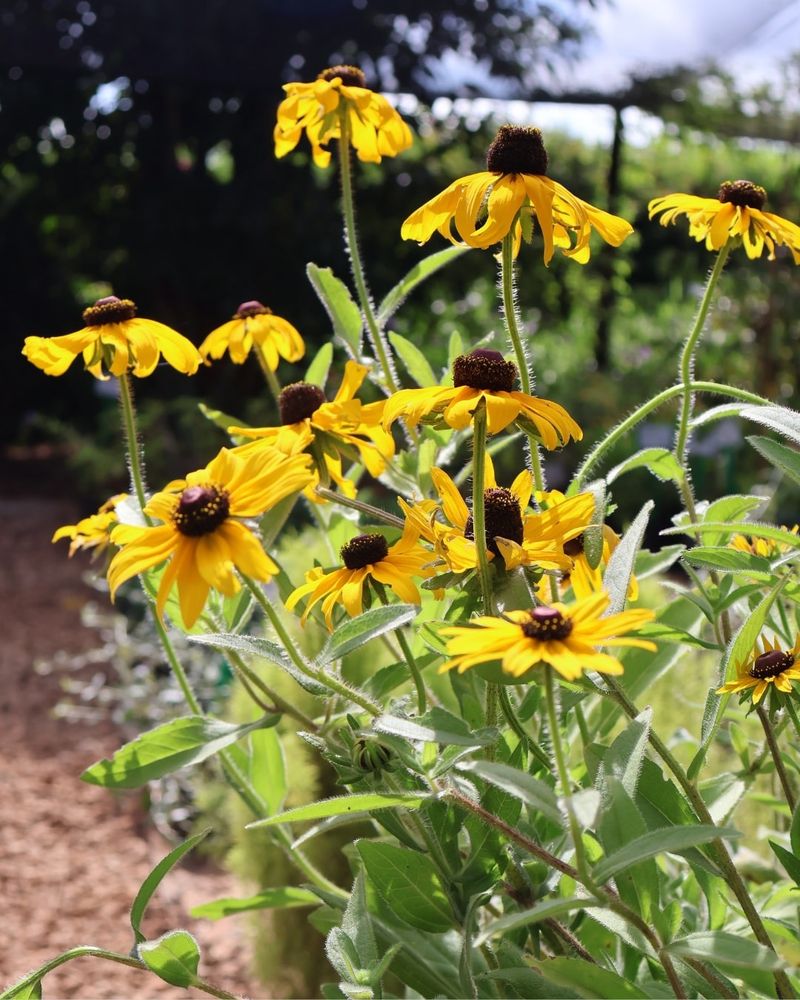
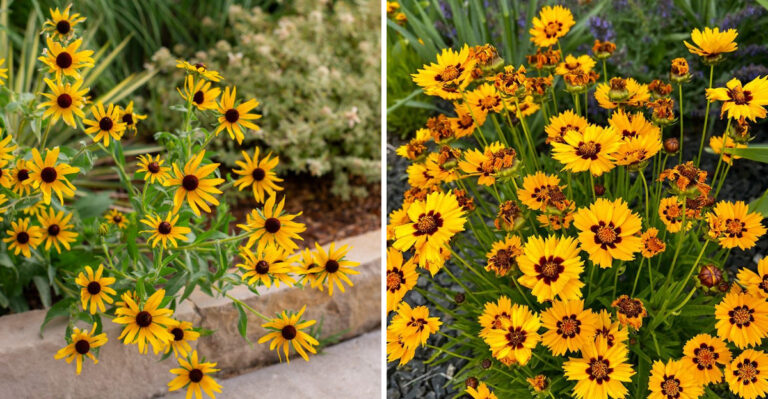
Nothing says late summer in Pennsylvania quite like a sunny patch of black-eyed Susans. Those golden petals and dark centers pop up along roadsides, meadows, and front yards. Yet the fun does not stop when the petals drop.
After blooming, each flower leaves behind a dark, button-shaped cone. In winter, those little cones look adorable topped with a cap of snow. They add shape and texture to a garden that might otherwise look bare and flat.
Your Pennsylvania Garden Changes Every Week. Your Plan Should Too.
Gardening in Pennsylvania changes quickly throughout the season. Every Friday you’ll receive a simple weekly plan showing exactly what to plant, prune, fertilize, harvest, and protect so you never miss the right timing.
Birds are big fans, too. Goldfinches, juncos, and song sparrows pick through the cones for tiny seeds. Keeping the plants up gives your feathered neighbors a reliable snack all season.
Rudbeckia plants also come with a helpful survival trick. Their stems trap leaves around the base, which acts like mulch. That natural layer keeps soil moisture steady and protects the roots.
Pennsylvania winters can be tricky, with warm spells followed by sudden freezes. Bare soil can heave, pushing plant roots up where they get damaged. Standing stems and leaf litter help calm those swings.
When spring arrives, cleanup is simple. Grab the old stems and cut them near the ground once new growth appears. The dry stalks snap easily, so the job only takes a few minutes.
Want more plants without spending a dime? Shake a few seed heads over bare spots in early spring. Black-eyed Susans reseed happily and will fill in gaps on their own.
A little history for you: the black-eyed Susan is the state flower of Maryland, our neighbor to the south. Pennsylvania gardeners have been growing it for generations because it is tough, cheerful, and easy to love.
3. Sedum Autumn Joy Stands Proud In Snow
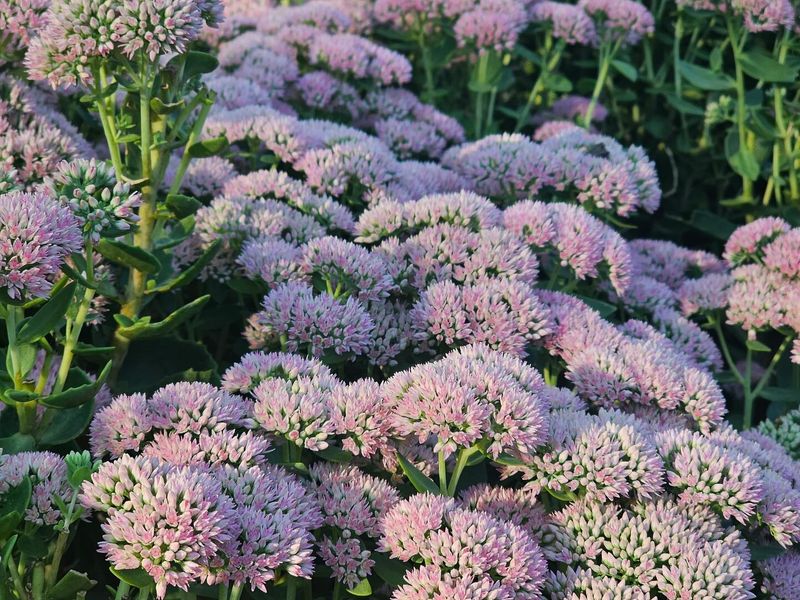
Ask any experienced gardener about sedum, and you will likely hear the word sturdy. Sedum Autumn Joy has thick, juicy stems that hold up even under heavy snow. That strength makes it a star of the winter garden.
In late summer, the flat flower clusters start out pale green. They slowly turn pink, then deep rusty red by October. When winter arrives, they dry into a rich brown that looks lovely against white snow.
Some people cut sedum down right after the color fades. Honestly, that is a missed opportunity. The flower heads catch frost and snow in a way that looks like a little sculpture.
Beneficial insects also use the dried flower heads for shelter. Tiny ladybugs and other helpful bugs can tuck themselves inside. Those same bugs will help control aphids in your garden next year.
Leaving sedum standing protects the new buds, too. If you look closely at the base in fall, you may spot small rosettes already forming. The old stems help guard those buds from cold winds.
Here is how to handle cleanup. In early spring, once the little green rosettes are clearly visible, cut the old stems just above them. Be gentle so you do not snap off the new growth.
Sedum is also super easy to share. Break off a healthy piece in spring and stick it in the soil. It roots quickly, so you can spread it around your yard or give some to a friend.
Quick fact: sedum belongs to the stonecrop family. The name comes from its habit of growing happily on rocky, dry ground where other plants struggle.
4. Little Bluestem Adds Color To Cold Days
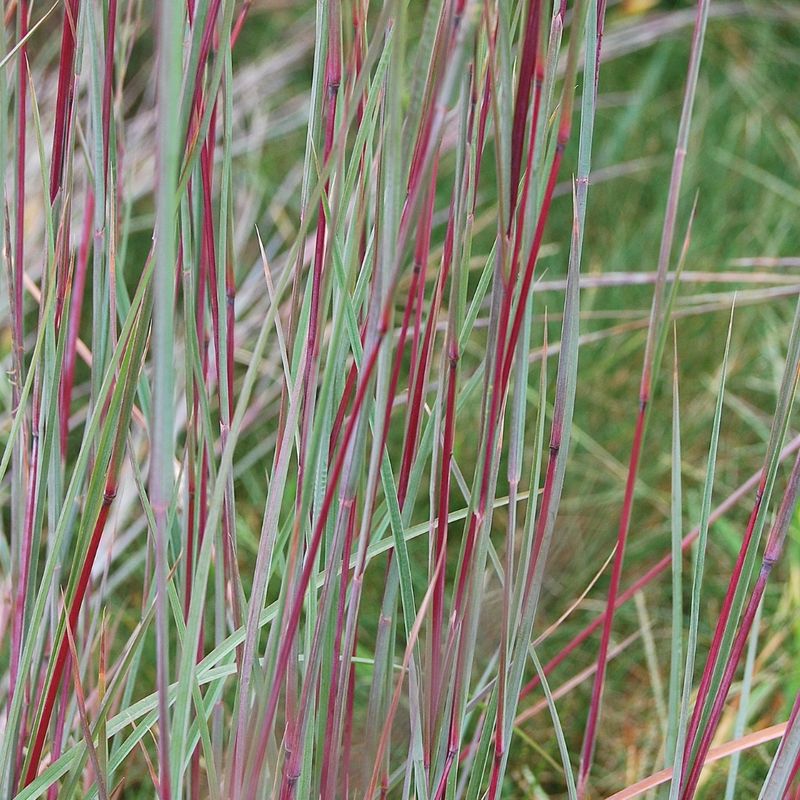
Here is a native grass that saves its best show for the coldest months. Little bluestem starts the year blue-green, then turns fiery orange and copper in fall. By winter, it glows like embers in the low sunlight.
Schizachyrium scoparium once covered huge stretches of land across North America. In Pennsylvania, you can still find it in old fields and sunny hillsides. It thrives in poor, dry soil and rarely needs much care.
Cutting this grass in October means losing all that gorgeous winter color. Its fluffy, silvery seed tufts sparkle when the sun hits them. On a gray January day, it is a real mood lifter.
The clumps also serve as important wildlife housing. Small birds, like sparrows, hide inside the grass from hawks and wind. Some butterflies and moths spend the winter as eggs or larvae on the blades.
Grasses protect themselves when left standing. The old blades shelter the crown, which is where new shoots come from. Chopping it down early can expose that crown to rot from wet, freezing weather.
For spring cleanup, aim for March, before new green blades appear. Tie the clump together with twine, then cut it down to about three inches. The tied bundle makes it easy to carry off to your compost pile.
A smart tip for small yards: little bluestem stays compact, usually two to three feet tall. It fits nicely along walkways and in borders without taking over.
Did you know? Little bluestem was a main grass of the American tallgrass prairie. It helped feed bison herds for thousands of years before farms and towns replaced much of that land.
5. Joe-Pye Weed Shelters Hidden Helpers
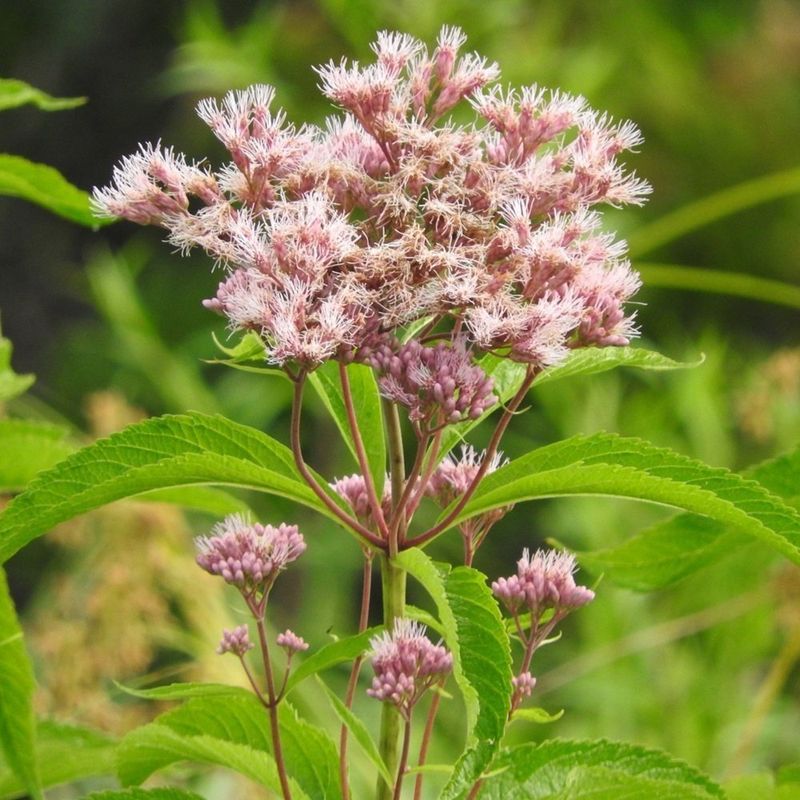
Tall, bold, and a little wild, Joe-Pye weed is a true Pennsylvania native. It can grow over six feet tall in damp meadows and along creek banks. In summer, its dusty pink flowers draw swarms of butterflies.
Once fall rolls in, the flowers turn into fluffy tan seed heads. Many gardeners think they look messy and reach for the loppers. Hold on, though, because those stalks are doing important work.
Joe-Pye weed has hollow or pithy stems. Native bees, including small carpenter bees and mason bees, love to nest inside stems like these. They lay eggs there, and the young bees stay tucked in all winter.
If you cut and toss the stems in October, you may be throwing away next year’s pollinators. That would mean fewer bees to help your vegetables and flowers grow. Leaving them up is an easy way to support the insects your garden needs.
Birds also visit the seed heads during winter. Chickadees and titmice may poke around for seeds and hiding insects. It becomes a busy little wildlife stop right in your backyard.
So what is the best plan? In spring, cut the stems down, but leave about 12 to 18 inches standing. Bees will use those stubs for nesting, and new growth will quickly hide them.
You can also bundle any extra stem pieces and lay them in a quiet corner. Any bees still inside can finish growing and fly out when they are ready.
A fun story connects to the name. Legend says a healer named Joe Pye used the plant to treat fevers in colonial New England. Whether true or not, the name has stuck for centuries.
6. Garden Mums Need Their Old Stems
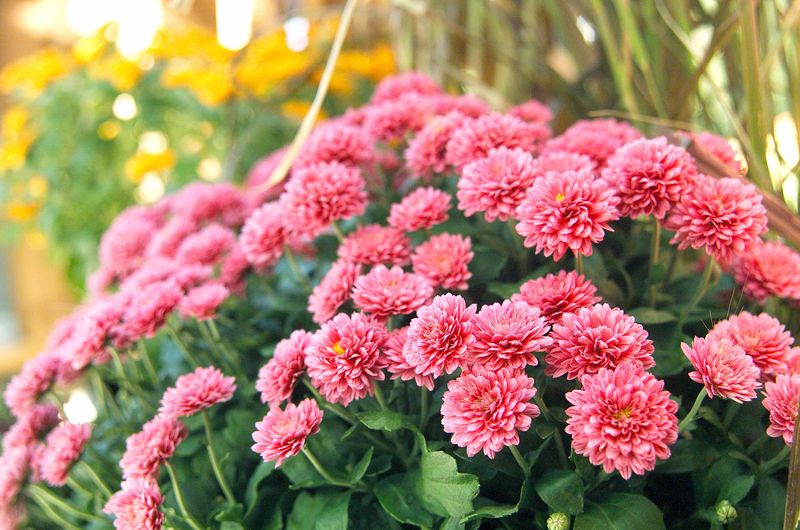
Every fall, Pennsylvania porches fill up with pots of bright mums. They are cheerful, cheap, and easy to find at any farm stand. Getting them to come back next year, however, can be tricky.
The secret often comes down to one simple step. Do not cut your hardy mums back in October. Their old stems play a big role in helping them survive the cold.
Chrysanthemums are only borderline tough in some Pennsylvania winters. Their roots are shallow, so they struggle when soil freezes and thaws over and over. The dead stems and leaves act like a snow fence, catching insulation around the crown.
Research from university extension programs has shown that mums left unpruned tend to survive winter better. Pruned plants lose that protective layer and are more likely to fail. It is a small choice with a big payoff.
Want to give them an extra boost? After the ground cools, pile a few inches of shredded leaves or straw around the base. Keep it loose so the plant can still breathe.
Location matters, too. Mums planted in the ground by early September have more time to grow strong roots. Late-planted mums from October sales have a tougher road ahead.
Come spring, wait for new green shoots to appear at the base. Then cut the old woody stems down to the ground. Pinch the new growth a few times before July for a fuller, bushier plant.
Fun fact: mums have been grown in China for over 2,000 years. In Japan, the chrysanthemum is so honored that it appears on the imperial seal.
7. Bee Balm Offers A Quiet Winter Refuge
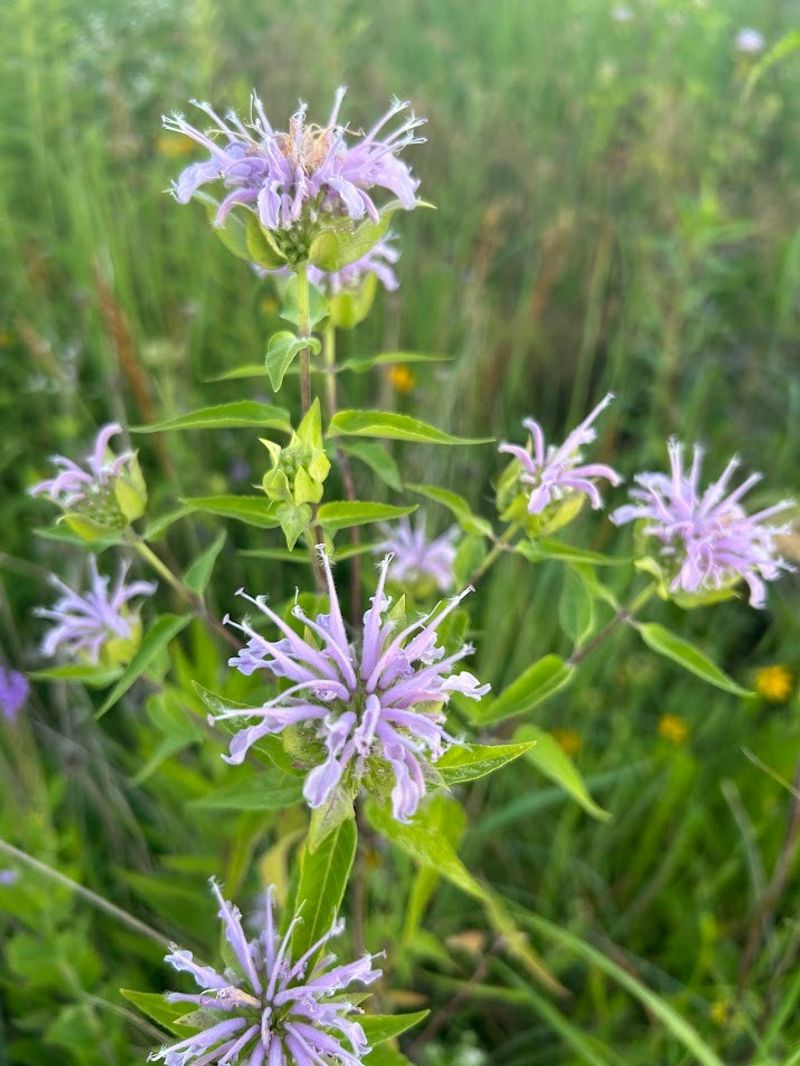
Bees, butterflies, and hummingbirds all fight over bee balm in the summer. Its shaggy red, pink, or purple blooms look like tiny fireworks. After the party ends, the plant still has plenty to give.
Monarda is native to much of Pennsylvania and the eastern states. Once blooming wraps up, it leaves behind round, brown seed heads that look like little pom-poms. They add a playful touch to winter beds.
Seed-eating birds like chickadees and juncos will stop by for a snack. The upright stems also provide nesting spots for small native bees. Some beneficial insects spend the cold months tucked between the dry leaves.
There is also a practical reason to wait. Bee balm spreads by underground runners, and the stems help mark where the plant lives. That keeps you from accidentally digging into it during early spring projects.
Many people worry about powdery mildew, a white coating that shows up on the leaves in late summer.
It looks bad, but it rarely harms the plant long term. If mildew bothers you, remove only the worst leaves and leave the stems standing.
Spring cleanup is quick and a bit fragrant. Cut the old stems to a few inches once green leaves start to show. You will notice a minty smell, since bee balm is related to mint.
Every few years, divide crowded clumps in spring. That keeps plants healthy and gives you extras to share.
Here is a neat bit of history. After the Boston Tea Party, colonists brewed bee balm leaves as a tea substitute. That is why some people still call it Oswego tea.