Easy Ways To Spot The Signs Of An Armadillo Living In Your Texas Garden
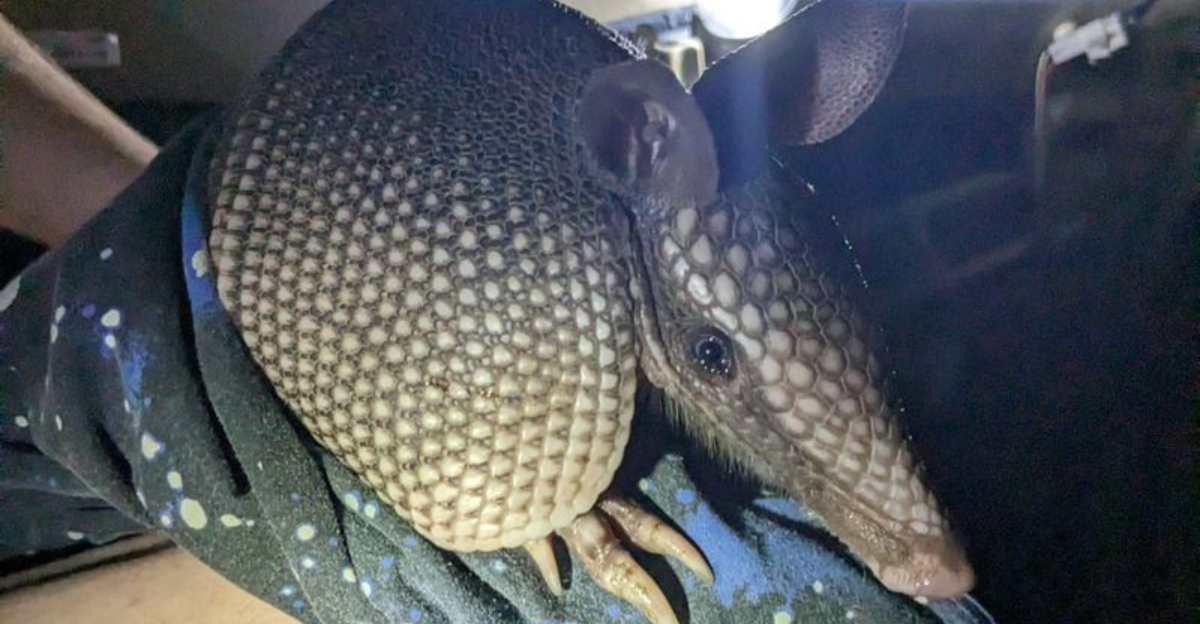
Armadillos may be quiet and shy, but their presence in a Texas garden is rarely subtle.
These digging animals leave behind cone-shaped holes, overturned mulch, and disturbed soil as they search for insects and grubs.
While they don’t mean harm, their constant rooting can damage roots, flowers, and newly planted beds.
Homeowners often discover the signs before they ever see the armadillo itself.
Learning what to look for helps Texans identify the culprit quickly and choose the right steps to protect their landscape.
Because armadillos are most active at night, spotting their patterns can help homeowners guide them away without conflict.
Small Cone-Shaped Holes Scattered Across Your Lawn
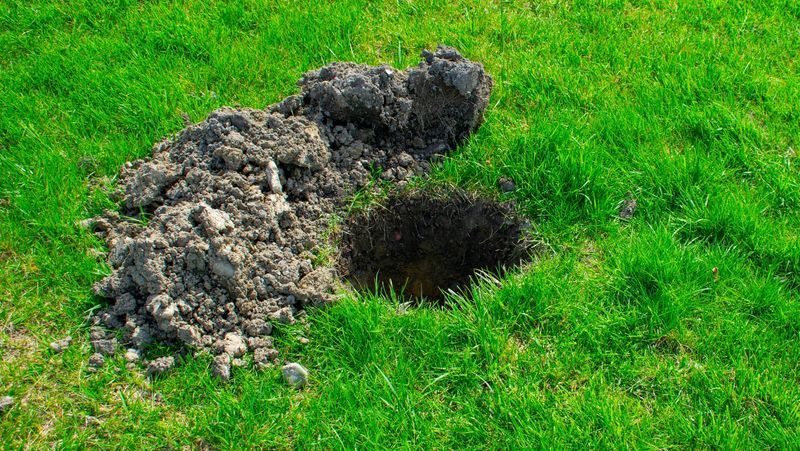
Your lawn might start looking like someone took an ice cream scoop to it overnight.
Armadillos create distinctive cone-shaped holes about three to five inches wide and several inches deep as they hunt for insects and grubs.
These little craters appear randomly across your grass, often in clusters where the soil is softer or where bugs are plentiful.
The holes typically have loose dirt piled around the edges, and you’ll notice they’re deeper than what squirrels or birds would make.
Armadillos use their powerful claws and long snouts to dig these holes while searching for their favorite snacks like beetles, ants, and earthworms.
Fresh holes will have moist soil around them, especially if you spot them early in the morning.
Pay attention to areas near flower beds, under trees, or around your vegetable garden where the ground stays damp.
These spots attract more insects, which means armadillos will visit them more frequently.
If you’re finding multiple cone-shaped holes appearing regularly, you’ve got a determined visitor making nightly rounds through your property.
The pattern of holes often follows a trail as the armadillo moves from one promising spot to another, sniffing out its next meal beneath the surface.
Disturbed Mulch And Flower Beds With Scattered Material
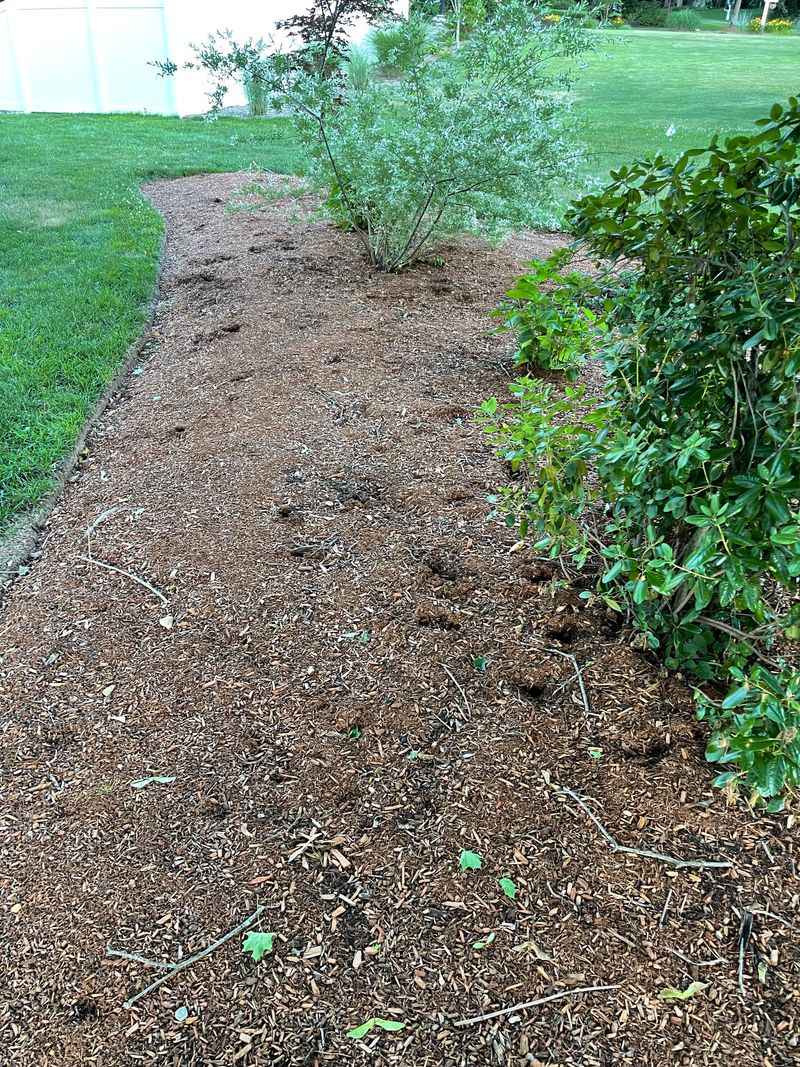
Walk out to your flower beds and find mulch tossed everywhere like a tiny tornado hit overnight?
That’s classic armadillo behavior right there.
These curious creatures love rooting through mulched areas because the soft material makes digging easier and insects thrive underneath.
Armadillos will push their snouts deep into mulch piles, flipping wood chips, pine straw, or bark pieces several feet away from where they originally sat.
You’ll notice the mulch looks messy and uneven, with bare spots where they dug down to the soil.
Sometimes they’ll even uproot small plants or push aside decorative stones in their search for food.
The disturbance usually happens along the edges of beds first, then moves inward if they find a good food source.
Fresh digging will show damp soil exposed beneath the scattered mulch.
Unlike other garden visitors, armadillos don’t eat your plants—they’re after the bugs living in the rich soil below.
Check your beds in the morning for these telltale signs of nighttime activity.
If you’re constantly raking mulch back into place, an armadillo has likely claimed your garden as part of its regular feeding route through the neighborhood.
Shallow Trenches Along Fence Lines And Building Foundations
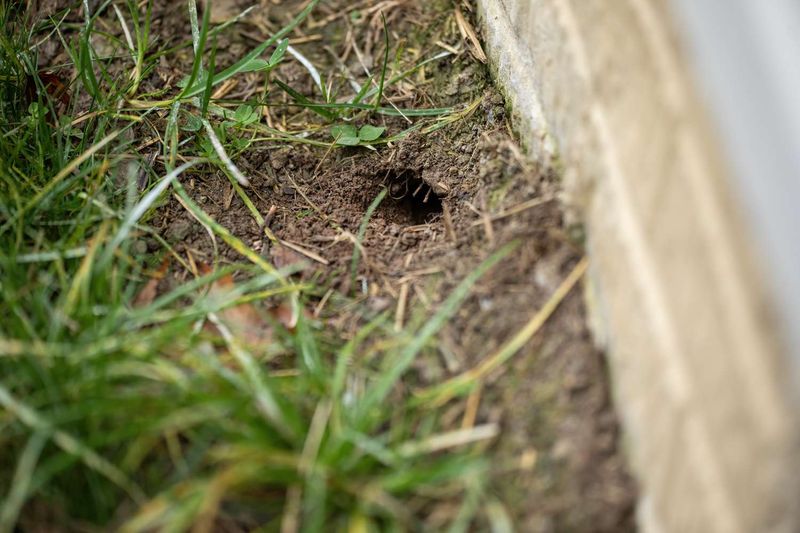
Armadillos are creatures of habit and prefer traveling along edges where they feel safer from predators.
You’ll often discover shallow trenches running parallel to your fence lines, garage walls, or house foundations.
These paths look like someone dragged a small shovel along the ground, creating a depression about two to four inches deep and six to eight inches wide.
The trenches form as armadillos repeatedly follow the same route night after night, wearing down the soil and grass.
They use these pathways to navigate your property while staying close to protective structures.
The edges of these trenches often show claw marks from their digging, and you might spot tracks in the loose dirt.
Buildings and fences provide cover from owls and coyotes, so armadillos naturally gravitate toward these areas.
Foundation plantings near your home become prime feeding spots because bugs congregate in the moist soil there.
Over time, these shallow trenches can damage grass roots and create uneven ground that’s annoying to mow over.
Follow these trenches around your property and you’ll likely trace the armadillo’s nightly route from entry point to favorite feeding areas.
The paths connect different parts of your garden like an underground highway system designed specifically for armored insect hunters.
Uprooted Plants And Displaced Landscaping Stones
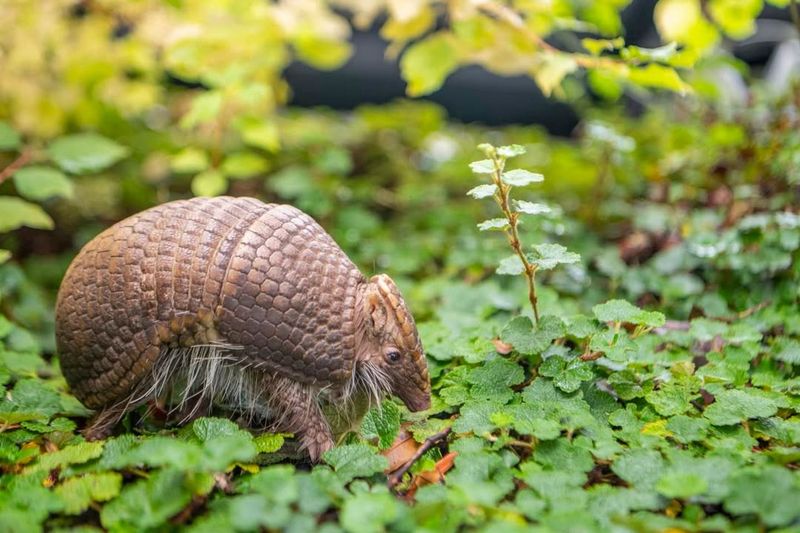
Nothing frustrates gardeners more than finding their carefully placed plants pushed over or decorative stones moved around.
Armadillos aren’t trying to ruin your landscaping on purpose—they’re just incredibly strong for their size and single-minded about finding food.
When they detect insects beneath a plant or rock, they’ll dig right through whatever’s in the way.
Small perennials, ground covers, and newly planted flowers are especially vulnerable to being uprooted during armadillo excavations.
You’ll find plants lying on their sides with roots exposed and soil scattered around them.
Border stones, pavers, and small decorative rocks get pushed aside or flipped over as armadillos burrow underneath looking for beetles and larvae.
The damage usually happens in areas where you’ve recently watered or where soil stays naturally moist.
Bugs love these conditions, which makes them armadillo magnets.
Unlike gophers or moles that eat plant roots, armadillos cause collateral damage while hunting for insects.
Check your garden beds each morning during active armadillo season, typically spring through fall in Texas.
Replanting the same flowers repeatedly gets old fast, and it’s a clear signal that an armadillo considers your garden part of its territory.
The good news is the plants usually survive if you replant them quickly.
Burrow Entrances Near Bushes Or Under Structures
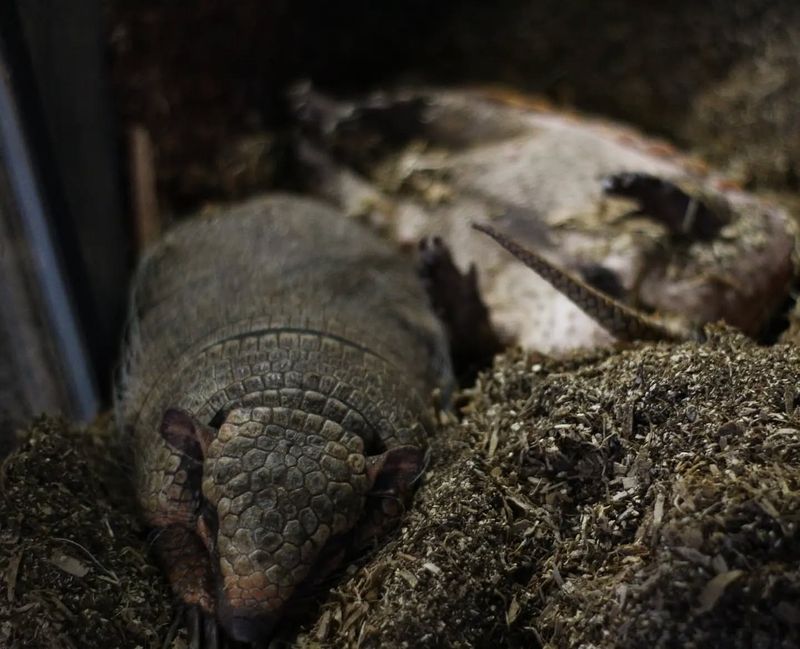
Finding an actual burrow entrance means an armadillo isn’t just visiting—it’s living on your property.
These openings are unmistakable once you know what to look for.
Armadillo burrows have a distinctive rounded entrance about seven to eight inches in diameter, just wide enough for their armored body to fit through comfortably.
Look for these entrances under dense shrubs, beside shed foundations, beneath decks, or along slope edges where digging is easier.
The hole will have a clean, well-used appearance with packed dirt around the entrance from repeated traffic.
Fresh digging near the opening indicates active use, and you might spot tracks or claw marks in the soft soil nearby.
Armadillos often create multiple burrow entrances connected by underground tunnels, giving them escape routes if threatened.
Some burrows extend fifteen to twenty feet underground, creating elaborate tunnel systems beneath your yard.
You might notice your lawn feels slightly hollow or soft in areas above these tunnels.
Peek carefully near the entrance during daylight hours and you’ll likely see it empty, as armadillos sleep in their burrows during the day.
The surrounding area often has worn paths leading to and from the entrance where the armadillo travels each night.
Discovering a burrow is the most definitive sign that you’ve got a long-term armadillo resident sharing your garden space.
Distinctive Three-Toed Tracks In Soft Soil Or Mud
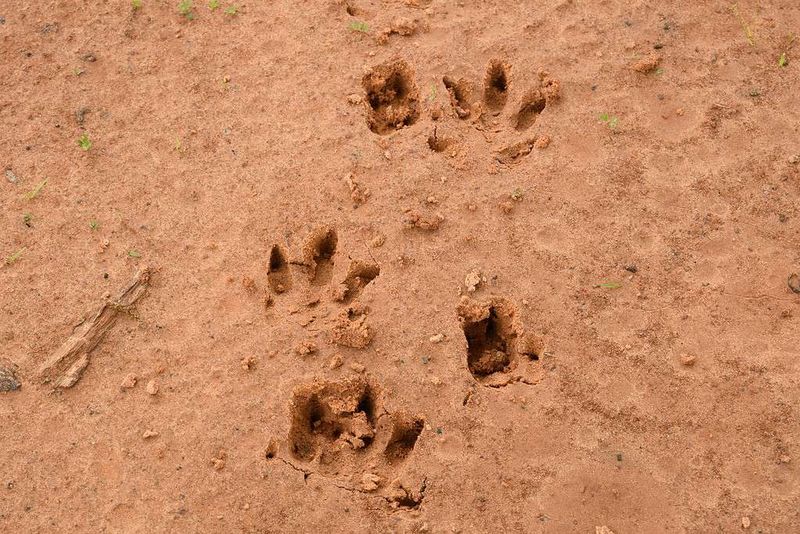
Armadillo tracks are surprisingly easy to identify once you’ve seen them.
Their footprints show three prominent toe marks with visible claw impressions, looking almost like tiny dinosaur tracks pressed into the soil.
The hind feet are larger than the front feet, and tracks often appear in a somewhat staggered pattern as they waddle along.
The best places to spot these tracks are in soft garden soil, around sprinkler areas, near mud puddles, or in sandy patches after rain.
Each track measures about one to two inches long, and the claw marks extend noticeably beyond the toe pads.
Fresh tracks will have sharp, defined edges, while older ones look weathered and less distinct.
Follow the track pattern and you’ll often discover it leads from one digging site to another, mapping out the armadillo’s nightly journey.
The tracks might circle around trees, weave through flower beds, and head straight toward areas with the most insect activity.
Sometimes you’ll see a tail drag mark between the footprints, though this doesn’t always show up clearly.
Morning is the perfect time for track spotting, especially after the armadillo’s nighttime activities.
Bring your kids out to examine these unique prints—they’ll be amazed at how different they look from dog or cat tracks.
Finding regular tracks confirms you’ve got a repeat visitor who knows your garden well.
Damaged Irrigation Lines And Sprinkler Heads
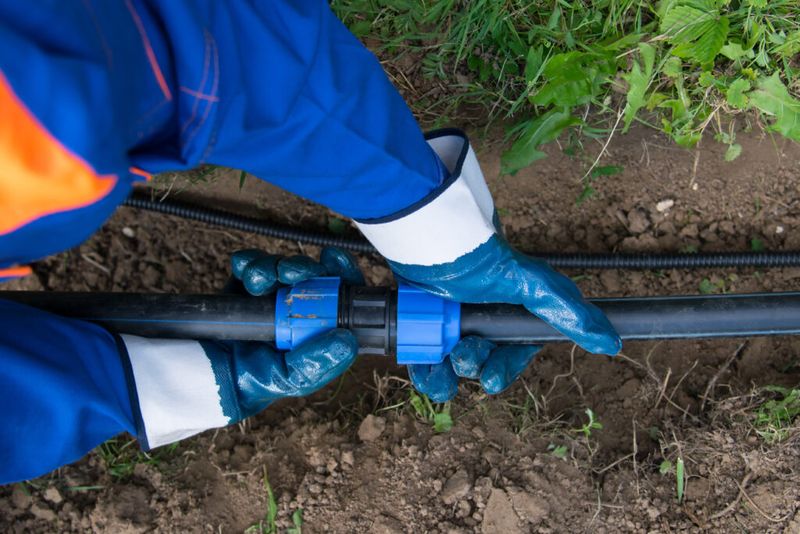
Your water bill seems higher than usual and you discover broken sprinkler heads or leaking irrigation lines?
Armadillos might be the unexpected culprits.
While digging for insects, these persistent animals sometimes damage underground irrigation systems without realizing it.
Sprinkler heads get knocked loose or broken off when armadillos dig around them, attracted by the moist soil that collects insects.
Shallow irrigation lines can be punctured by their strong claws or crushed when they burrow nearby.
You’ll notice wet spots in your lawn where water leaks from damaged pipes, or sprinklers that suddenly spray in wrong directions.
The areas around irrigation components stay damp, making them prime feeding grounds for beetles, grubs, and earthworms.
Armadillos zero in on these spots, especially during dry periods when other parts of your lawn offer fewer bugs.
The damage often appears near zones where sprinklers run most frequently or where drip lines service flower beds.
Repairing irrigation damage gets expensive quickly, especially if you don’t catch it early.
Check your system regularly if you suspect armadillo activity, looking for unexplained wet patches or pressure drops.
Installing protective barriers around sprinkler heads and burying lines deeper can help prevent future damage.
This type of destruction is frustrating because it’s completely unintentional—armadillos have no interest in your irrigation system, just the bugs living near it.
Scratching Sounds At Night Near Your Home
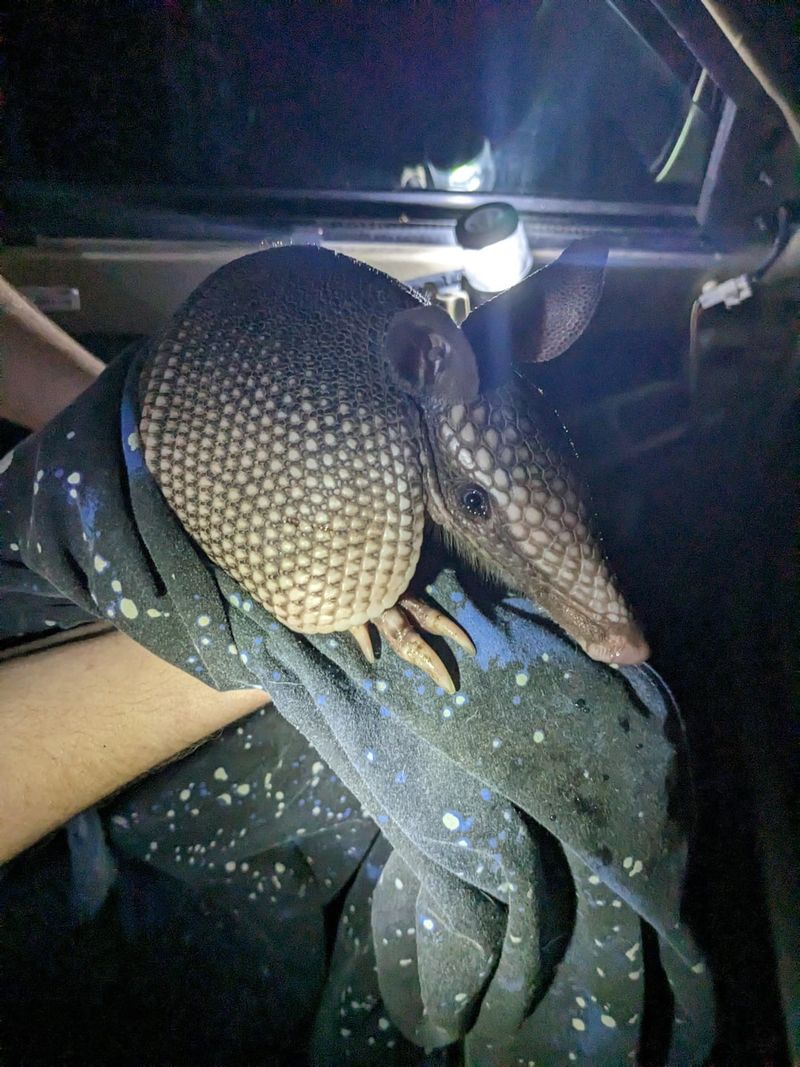
Sometimes the first clue that armadillos are visiting comes from your ears rather than your eyes.
These animals make surprisingly loud scratching, digging, and rustling sounds as they forage through your garden at night.
If your bedroom window faces the yard, you might hear persistent scratching against your foundation or the rhythmic sound of digging in mulch beds.
Armadillos aren’t particularly quiet or cautious when they’re focused on finding food.
They’ll scratch at concrete, scrape against siding, and rustle through leaves without much concern for noise.
The sounds are most noticeable during quiet nighttime hours, typically between dusk and dawn when armadillos are most active.
You might hear them bumping into outdoor furniture, knocking over plant pots, or shuffling through dry leaves near your patio.
Some people describe the noise as similar to a small dog digging, but with a more persistent, methodical quality.
The scratching often moves around your property as the armadillo travels from spot to spot.
Grab a flashlight and peek outside when you hear these sounds—you might catch your nocturnal visitor in action.
Armadillos have poor eyesight, so they often won’t notice you watching from a distance.
Hearing these distinctive nighttime sounds regularly means an armadillo has added your property to its nightly feeding circuit and considers it a reliable food source worth returning to repeatedly.
Strong Musky Odor In Certain Garden Areas
Armadillos leave behind more than just physical evidence—they also mark their territory with a distinctive musky smell.
This odor is particularly noticeable in areas where armadillos spend the most time or near burrow entrances.
The scent is earthy and somewhat pungent, stronger than typical garden smells but not overwhelming like skunk spray.
You’ll most likely notice this smell in enclosed areas like under decks, near foundation plantings, or in corners of your yard where air circulation is limited.
The odor becomes more apparent during humid weather or after rain when scents linger in the air.
Armadillos also leave droppings in shallow pits they dig specifically for this purpose, which contributes to the musky smell in their favorite areas.
The scent serves as a territorial marker, telling other armadillos that this garden is already claimed.
If you’re getting close to an active burrow or frequently used pathway, your nose will often alert you before your eyes spot the entrance.
The smell isn’t harmful or dangerous, just distinctive enough to be noticeable when you’re working in that part of your garden.
Pay attention to areas where this odor concentrates, as it indicates high armadillo activity.
Combining this smell with other signs like holes, tracks, and disturbed mulch gives you a complete picture of where your armadillo visitor spends most of its time foraging and resting throughout the night.