10 Easy Winter Bedding Plants That Flower When Everything Else Fades In Texas
Texas winters may be mild compared to much of the country, but they still leave many gardens looking dull and exhausted.
Frost nips at tender growth, summer annuals collapse, and landscapes slip into a sleepy, colorless stretch.
Some plants, however, thrive right through the chill.
The right winter bedding plants can transform a fading yard into a season-long display of color, texture, and life.
Many of these cool-season bloomers tolerate shifting temperatures, gusty winds, and the unexpected warm spells that define a Texas winter.
A garden filled with these dependable performers stays bright long after other plants retreat.
1. Pansies Bring Cheerful Faces To Winter Gardens

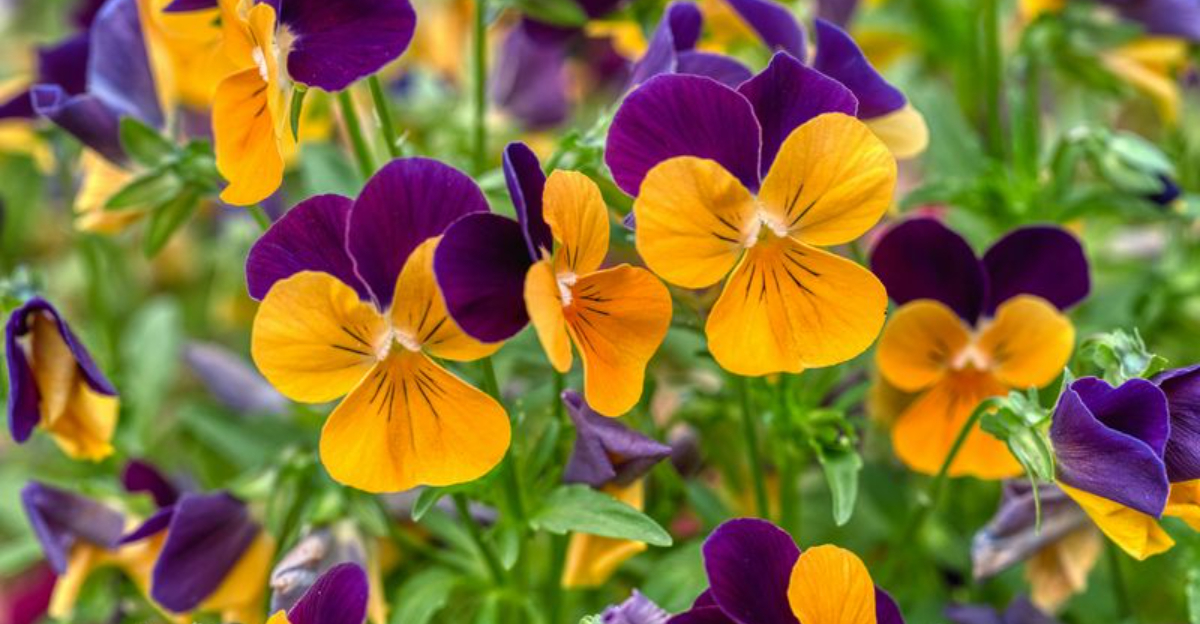
Pansies are probably the most popular winter annual across Texas, and for good reason.
Their cheerful, face-like blooms come in nearly every color you can imagine, from deep purples and bright yellows to soft pastels and even near-black shades.
These tough little plants can handle temperatures down into the low 20s without much complaint, making them perfect for unpredictable Texas winters.
Plant them in full sun to partial shade, and they’ll reward you with continuous blooms from fall through early spring.
Pansies prefer well-draining soil and benefit from regular deadheading to encourage more flowers.
In Texas, they perform best when planted in October or November, giving them time to establish roots before the coldest weather arrives.
Water them regularly but don’t let them sit in soggy soil, especially during those occasional warm spells.
Feed them monthly with a balanced fertilizer to keep the blooms coming strong.
Many Texas gardeners use pansies in containers, hanging baskets, or as colorful borders along walkways.
They mix beautifully with other winter bloomers and create stunning displays that last for months.
When spring temperatures start climbing into the 80s, pansies will begin to fade, signaling it’s time to replace them with warm-season plants.
Until then, enjoy their reliable beauty throughout the cooler months.
2. Snapdragons Add Vertical Interest And Bold Color
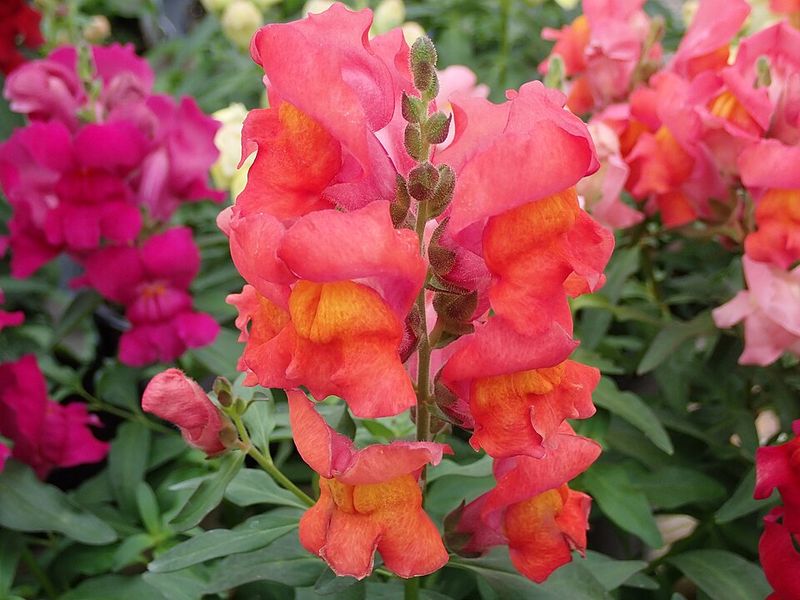
With their tall spikes covered in tubular flowers, snapdragons create dramatic vertical accents that really stand out in winter beds.
Children love squeezing the individual blooms to make the dragon mouths open and close, adding a playful element to your garden.
These plants come in dwarf, medium, and tall varieties, giving Texas gardeners plenty of options for different landscape needs.
The tall types can reach up to three feet high, making excellent backdrop plants or cut flowers for indoor arrangements.
Snapdragons tolerate light frosts easily and actually prefer the cooler temperatures that Texas winters provide.
Plant them in sunny spots with good drainage, spacing them about eight to twelve inches apart depending on the variety.
They appreciate consistent moisture but won’t tolerate waterlogged roots, so be careful not to overwater during rainy periods.
Pinching back young plants encourages bushier growth and more flower spikes.
Remove spent flower stalks regularly to promote continuous blooming throughout the season.
In Texas, snapdragons perform beautifully from late fall through early spring, often lasting until temperatures consistently stay above 85 degrees.
Their color range includes reds, pinks, oranges, yellows, whites, and even bicolors.
Combine them with lower-growing pansies or violas for a layered, professional-looking display that adds dimension to your winter landscape.
3. Sweet Alyssum Creates Fragrant Carpets Of Tiny Blooms
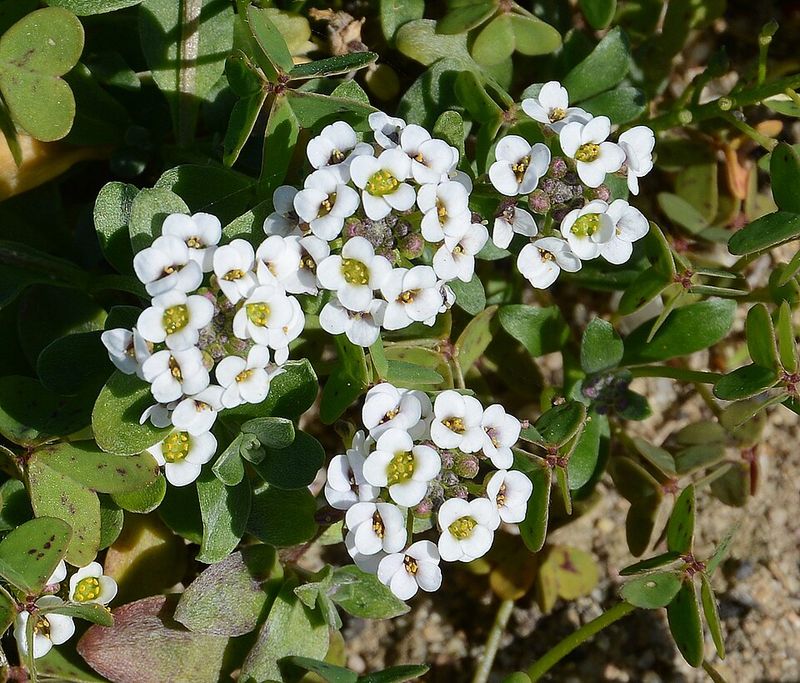
Sweet alyssum produces masses of honey-scented miniature flowers that form thick, spreading mats perfect for edging beds or filling gaps between larger plants.
This low-growing charmer typically stays under six inches tall but spreads nicely to create a soft, cascading effect.
The delicate fragrance attracts beneficial insects and pollinators even during winter months in Texas.
Most varieties bloom in white, but you can also find lovely shades of pink and purple.
Alyssum handles cold weather remarkably well and can even survive light freezes that occasionally hit Texas gardens.
Plant it in full sun to light shade, and it will quickly fill in to create a beautiful ground cover effect.
This plant practically takes care of itself once established, requiring minimal maintenance beyond occasional watering during dry spells.
It self-seeds readily, so you might find volunteer plants popping up in unexpected places the following year.
Use sweet alyssum along pathway edges, in rock gardens, or spilling over container edges for a romantic, cottage-garden look.
It pairs wonderfully with taller winter bloomers like snapdragons or stock, softening their upright forms.
In Texas, plant alyssum in fall for best results, allowing it to establish before winter sets in.
The plants will bloom continuously until hot weather arrives in late spring, providing months of fragrant beauty with very little effort required.
4. Dianthus Offers Spicy Fragrance And Frilly Petals
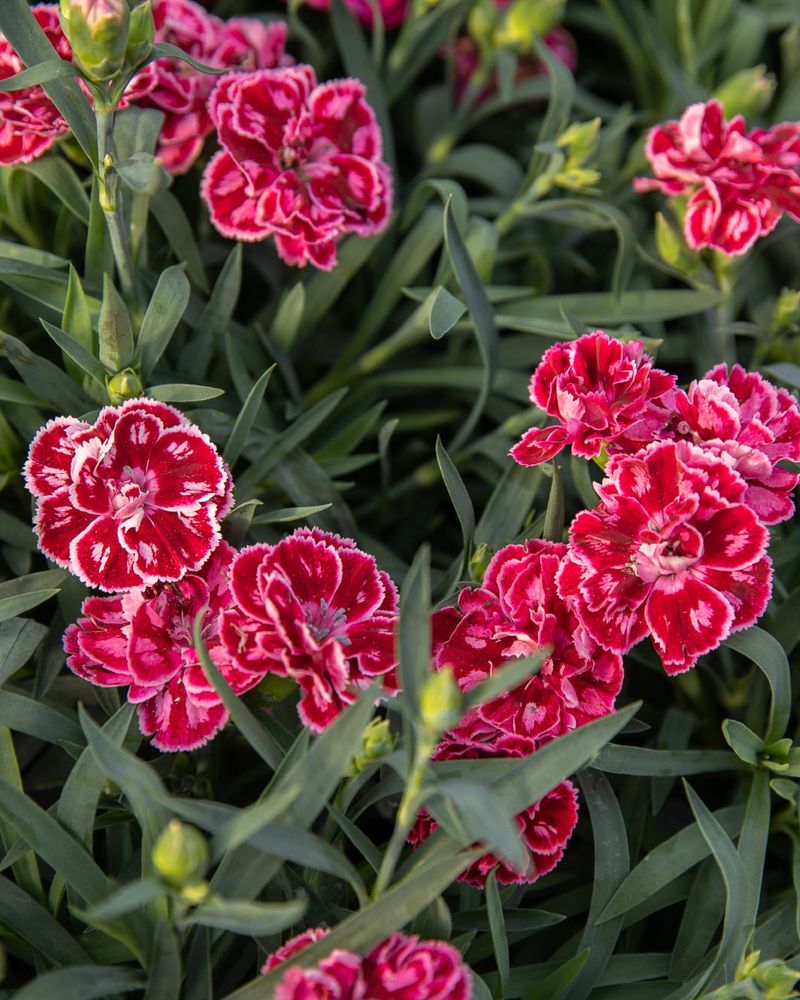
Commonly called pinks, dianthus produces charming flowers with distinctively fringed petals that look like they’ve been cut with pinking shears.
The spicy, clove-like scent of these blooms adds another sensory dimension to your Texas winter garden.
Colors range from pure white through various shades of pink to deep red, with many varieties featuring contrasting eyes or patterns.
The blue-green, grass-like foliage remains attractive even when plants aren’t blooming, providing textural interest throughout the season.
Dianthus performs exceptionally well in Texas winters, tolerating cold temperatures while continuing to produce flowers.
These plants prefer full sun and well-drained soil, making them excellent choices for raised beds or areas with sandy soil.
They’re somewhat drought-tolerant once established, though regular watering encourages better blooming.
Deadhead spent flowers to keep plants looking tidy and to promote additional blooms.
In Texas gardens, dianthus works beautifully in formal borders, cottage-style plantings, or mixed containers.
The compact growth habit makes them ideal for front-of-border positions where you can enjoy their fragrance up close.
Plant dianthus in fall, spacing them about eight to ten inches apart to allow for their spreading habit.
They’ll bloom reliably through winter and into spring, eventually declining when summer heat becomes intense across the Texas landscape.
5. Ornamental Kale and Cabbage Provide Unique Textural Beauty
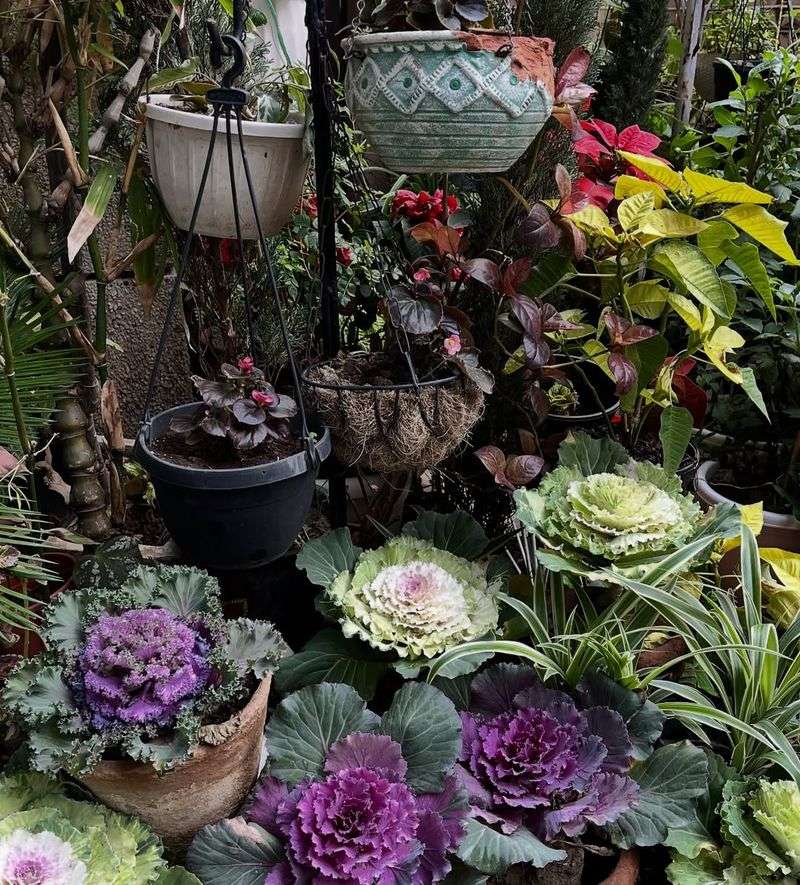
These stunning relatives of edible cabbage produce rosettes of colorful, ruffled leaves that intensify in color as temperatures drop.
While technically foliage plants rather than flowering ones, ornamental kale and cabbage provide such dramatic color that they function like blooms in winter landscapes.
The centers display vibrant shades of pink, purple, red, or white, surrounded by blue-green outer leaves.
Cold weather actually enhances their coloration, making them perfect for Texas winters when temperatures fluctuate.
These plants can tolerate temperatures well below freezing, often looking their absolute best after a light frost.
They grow best in full sun with rich, well-amended soil that retains some moisture.
Space them about twelve to fifteen inches apart to showcase their distinctive rosette forms.
Ornamental kale and cabbage require minimal care beyond regular watering and occasional fertilizing.
They make spectacular focal points in containers, especially when combined with trailing ivy or sweet alyssum.
In Texas garden beds, use them as eye-catching accents among flowering winter annuals.
Plant them in October or November for best results, allowing time for the plants to size up before the coldest weather.
They’ll maintain their beauty throughout winter and into early spring, eventually bolting and flowering when warm temperatures return to the Texas region.
6. Cyclamen Delivers Elegant Blooms And Patterned Foliage
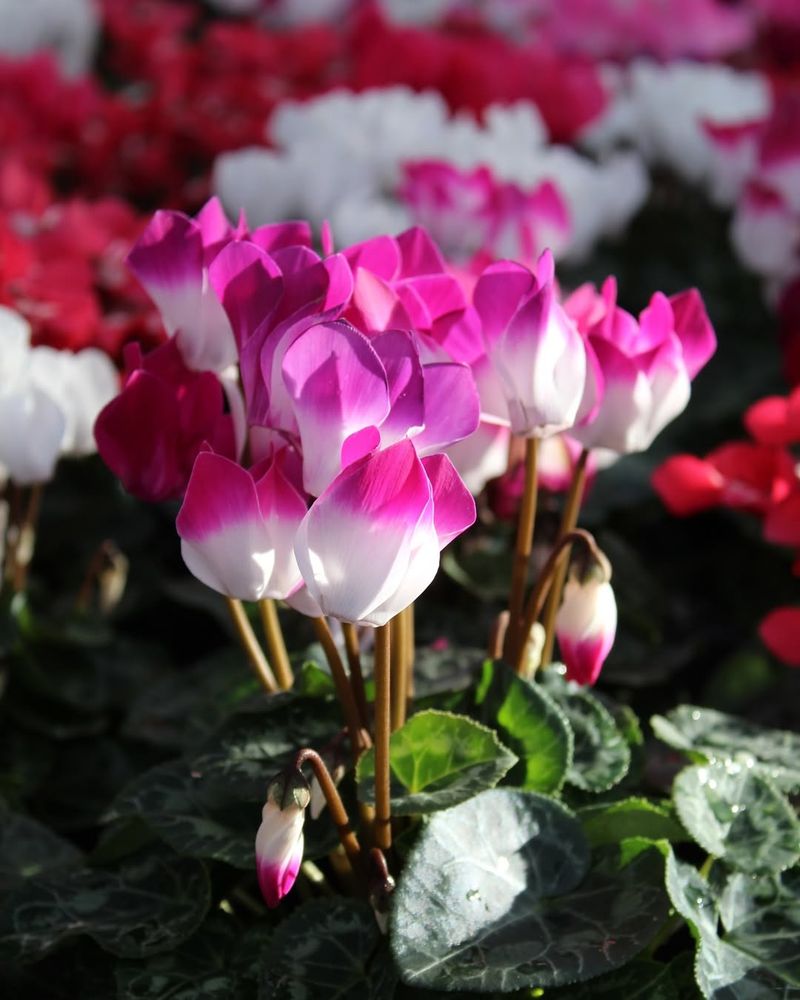
Cyclamen produces distinctive upswept flowers that seem to dance above beautifully marbled, heart-shaped leaves.
The elegant blooms come in shades of pink, red, white, and purple, often with darker centers that create striking contrasts.
Even when not flowering, the decorative foliage with silver patterns provides visual interest throughout the season.
These shade-loving plants fill an important niche in Texas winter gardens, brightening up areas under trees or on north-facing exposures.
Cyclamen prefer cooler temperatures and actually struggle in hot weather, making them ideal for the Texas winter growing season.
They need well-draining soil rich in organic matter and consistent moisture without becoming waterlogged.
Plant them in containers or shaded garden beds where they won’t receive harsh afternoon sun.
Water carefully, avoiding getting moisture on the crown of the plant, which can lead to rot.
Remove faded flowers by gently twisting and pulling the entire stem rather than cutting it.
In Texas, cyclamen perform best as cool-season annuals, planted in fall and enjoyed through winter.
They make wonderful gifts during the holiday season and add sophistication to porch containers or shaded entryways.
As spring temperatures warm up across Texas, cyclamen will naturally decline, having provided months of graceful beauty during the cooler months when few other plants bloom in shade.
7. Violas Deliver Non-Stop Blooms In Compact Packages
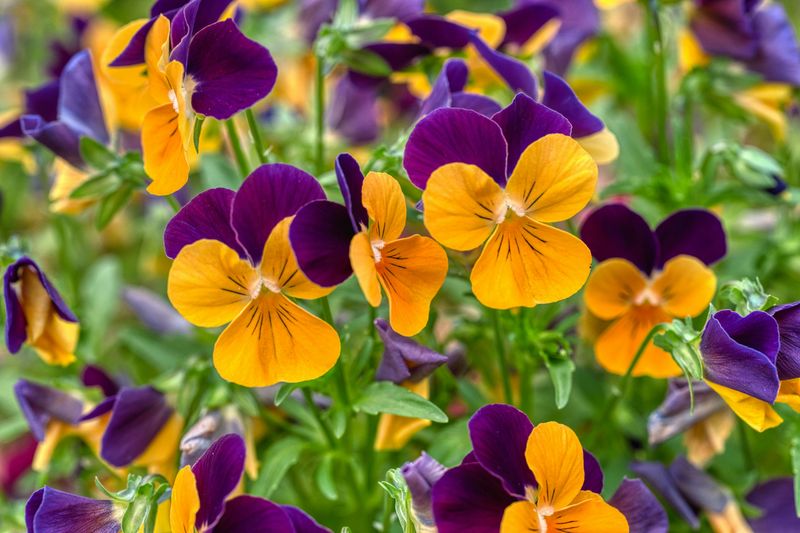
Often called Johnny-jump-ups, violas are like petite versions of pansies but with an even tougher constitution.
These little powerhouses produce abundant small flowers continuously throughout the Texas winter season.
The blooms typically feature the characteristic face pattern but in more delicate proportions than their pansy cousins.
Colors include yellow, purple, white, blue, and various combinations, often with distinctive whisker markings.
Violas handle cold temperatures exceptionally well, bouncing back quickly even after hard freezes that occasionally hit Texas.
They prefer full sun to partial shade and adapt to a wide range of soil conditions as long as drainage is adequate.
Plant them closer together than pansies, spacing them about four to six inches apart for a full, lush appearance.
Their compact size makes violas perfect for edging, container gardens, or tucking into small spaces between other plants.
Deadheading isn’t as critical with violas as with some other flowers, but removing spent blooms does encourage even more flowering.
In Texas gardens, violas often self-seed, creating charming surprises in unexpected spots the following season.
They mix beautifully with spring-flowering bulbs, providing color while waiting for daffodils and tulips to emerge.
Plant violas in fall across Texas for months of reliable color that persists until late spring warmth finally causes them to decline gradually.
8. Stock Brings Old-Fashioned Charm And Heavenly Scent
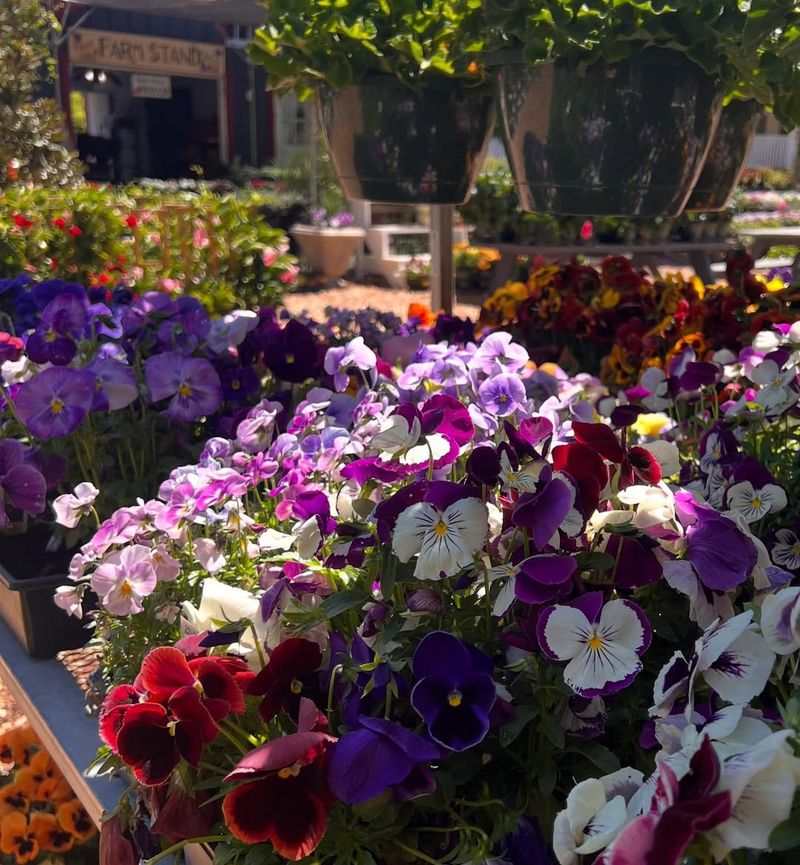
Stock plants produce tall spikes densely packed with fragrant flowers that perfume the entire garden on mild winter days.
The intense, sweet fragrance reminds many people of cloves or vanilla, making these flowers highly prized for both gardens and cut flower arrangements.
Colors include white, pink, purple, red, and yellow, with both single and double-flowered varieties available.
The double forms are particularly showy, resembling miniature roses clustered along sturdy stems.
Stock thrives in the cool temperatures that Texas experiences during winter months, often performing poorly in heat.
Plant them in full sun with rich, well-draining soil amended with compost for best results.
Space plants about ten to twelve inches apart to allow good air circulation, which helps prevent disease issues.
They appreciate regular watering and benefit from monthly feeding with a balanced fertilizer.
Taller varieties may need staking in windy locations common across Texas.
Stock makes excellent cut flowers, lasting well in vases and filling your home with their wonderful fragrance.
In the garden, position them where you’ll frequently pass by to enjoy their scent.
Plant stock in fall throughout Texas for winter and early spring blooming, knowing they’ll fade once temperatures consistently climb above the mid-80s in your specific region.
9. Calendula Offers Cheerful Blooms And Practical Benefits
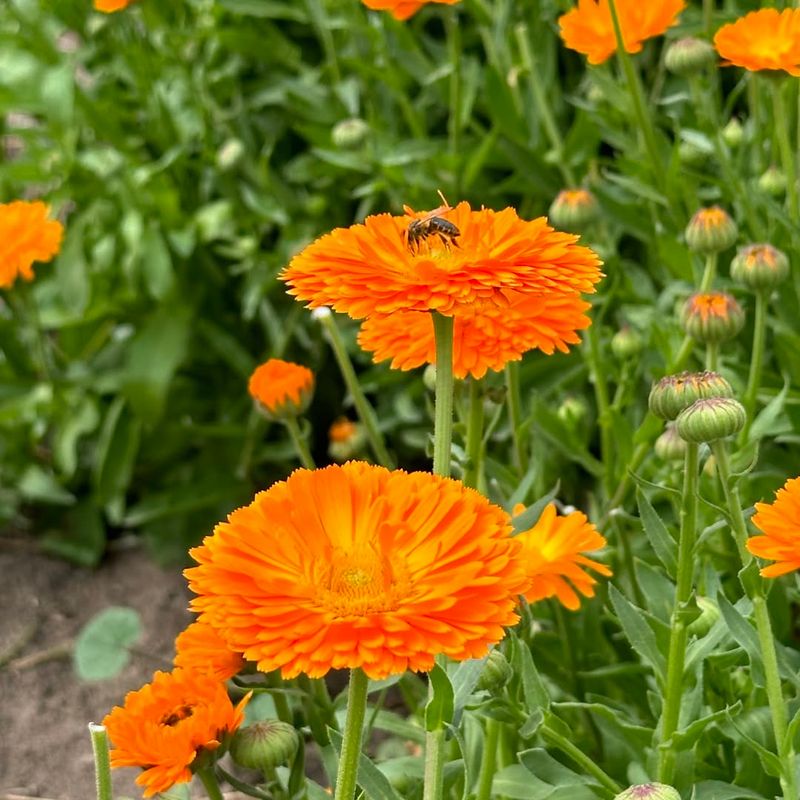
Calendula, also known as pot marigold, produces sunny orange and yellow daisy-like flowers that brighten even the grayest winter days.
Beyond their cheerful appearance, these flowers have edible petals that add color to salads and have been used medicinally for centuries.
The plants grow quickly and bloom prolifically throughout the cool season in Texas gardens.
They’re incredibly easy to grow from seed, making them budget-friendly options for filling large areas with color.
Calendula tolerates light frosts easily and actually prefers the cooler temperatures of Texas winters.
Plant them in full sun with average, well-draining soil, spacing them about ten to twelve inches apart.
They don’t require rich soil or heavy fertilization, making them low-maintenance additions to your landscape.
Water regularly during dry periods, but don’t overdo it as they’re fairly drought-tolerant once established.
Deadhead spent flowers frequently to encourage continuous blooming and to prevent excessive self-seeding.
The flowers attract beneficial insects and pollinators, supporting a healthy garden ecosystem even during winter months.
In Texas, calendula works well in vegetable gardens, cottage-style borders, or wildflower meadows.
Plant them in fall for best performance, enjoying their reliable blooms until late spring heat causes them to decline across the Texas landscape.
10. Dusty Miller Provides Silvery Contrast And Textural Interest
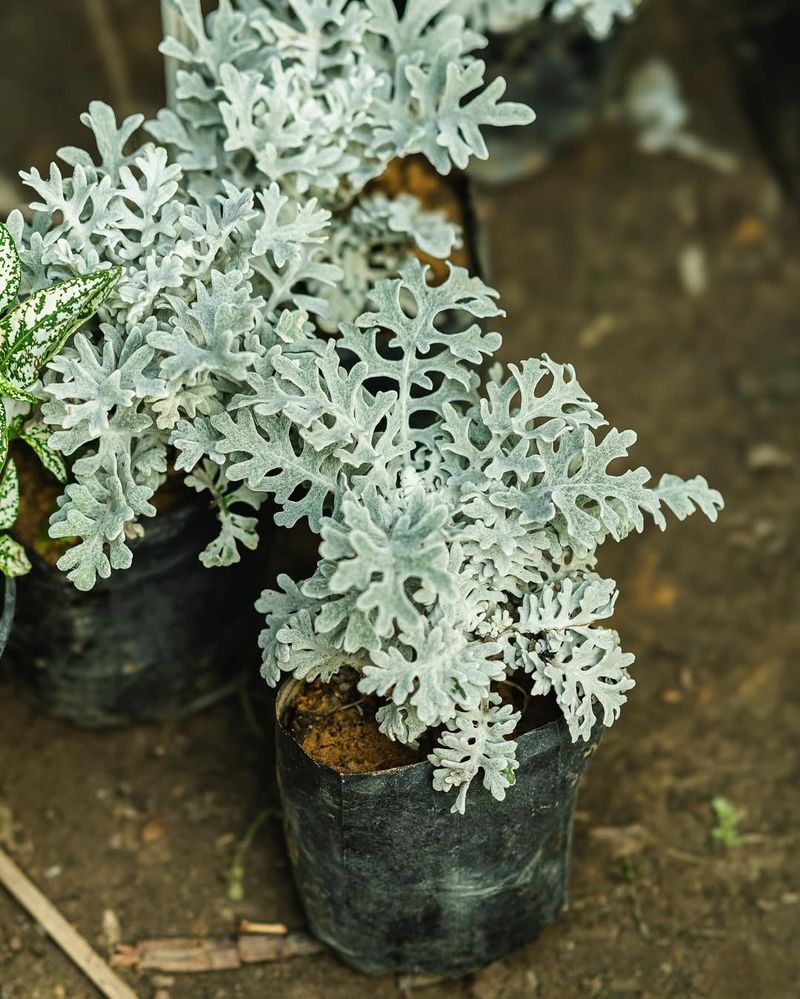
While dusty miller is grown primarily for its stunning silvery-gray foliage rather than flowers, it deserves a spot in every Texas winter garden.
The soft, fuzzy leaves come in various shapes from lacy and finely cut to broader and more rounded, depending on the variety.
This silvery foliage provides essential contrast that makes colorful flowering companions really pop in your landscape design.
Dusty miller handles cold weather beautifully, maintaining its appearance even through Texas freezes that damage less hardy plants.
The plants typically grow eight to twelve inches tall with a similar spread, creating neat mounds of texture.
They prefer full sun and well-draining soil, tolerating drought conditions better than most winter annuals.
Space them about ten inches apart in garden beds or use them as thriller plants in container combinations.
Dusty miller requires minimal care beyond occasional watering during extended dry periods common in Texas winters.
If flowers appear, many gardeners pinch them off to keep the focus on the attractive foliage.
The silvery leaves provide a cooling effect that balances bright, warm-colored flowers in mixed plantings.
In Texas landscapes, dusty miller works beautifully with pansies, snapdragons, or dianthus, creating sophisticated color schemes.
Plant it in fall across Texas for foliage interest that lasts throughout winter and into spring, often persisting longer than many flowering companions in your beds.