Easy Winter Garden Tasks For Texas Homes That Love To Garden
Winter in Texas does not mean the garden has to sit on the sidelines.
While colder days slow things down, they also open the door for simple tasks that keep gardens in good shape.
Many Texas homeowners know that a little effort during winter can save a world of trouble once spring rolls around.
It is all about staying ahead of the curve.
Easy winter garden tasks help plants stay healthy and ready for growth.
Clearing debris, checking soil, and giving plants a light trim can make a big difference.
These small jobs are quick wins that protect roots, improve air flow, and keep pests from settling in.
Even on cooler days, stepping outside for a short garden check can pay off.
Texas weather can be unpredictable, but smart gardeners roll with the punches.
Winter tasks act like insurance, guarding plants against surprise cold snaps and setting the stage for strong growth later.
For homes that love to garden, winter is not downtime.
It is a chance to keep things tidy, make thoughtful adjustments, and keep gardens moving in the right direction until warmer days return.
1. Plant Cool-Season Vegetables And Herbs
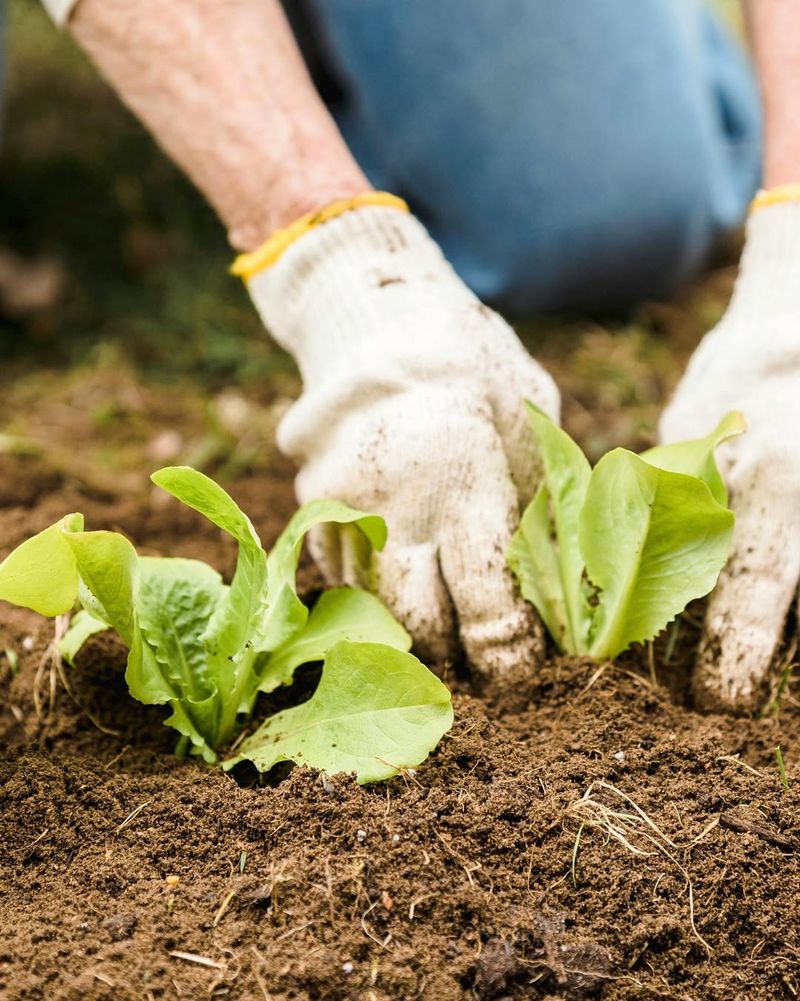
Cool-season crops absolutely thrive in the Texas winter climate, making this the perfect time to grow your own fresh produce.
Vegetables like lettuce, spinach, kale, broccoli, and cauliflower actually prefer the cooler temperatures and will struggle in the summer heat.
Your winter garden can produce some of the tastiest greens you’ve ever enjoyed, with flavors that become sweeter after a light frost.
Texas gardeners across the state can plant these crops from late fall through early winter for harvests that continue well into spring.
The key is getting them in the ground while daytime temperatures stay between 50 and 70 degrees Fahrenheit.
Most cool-season vegetables need about six hours of sunlight daily, which is easy to provide during Texas winters when the sun still shines regularly.
Herbs like cilantro, parsley, and dill also flourish during these months and add fresh flavors to your winter cooking.
Plant them in well-draining soil and water regularly but not excessively, as cooler temperatures mean slower evaporation rates.
Space your plantings a few weeks apart to ensure a continuous harvest throughout the season.
Consider adding root vegetables like carrots, radishes, and turnips to your winter garden plan.
These crops develop slowly in cool soil, producing tender, flavorful vegetables that store well.
Many Texas gardeners find winter vegetable gardening easier than summer growing because pests are less active and watering demands decrease significantly.
Start with transplants from your local nursery if you’re new to winter gardening, as they establish faster than seeds.
Within weeks, you’ll enjoy fresh salads and vegetables picked straight from your Texas garden while neighbors wonder how you manage such abundant growth during winter months.
2. Mulch Garden Beds To Protect Roots
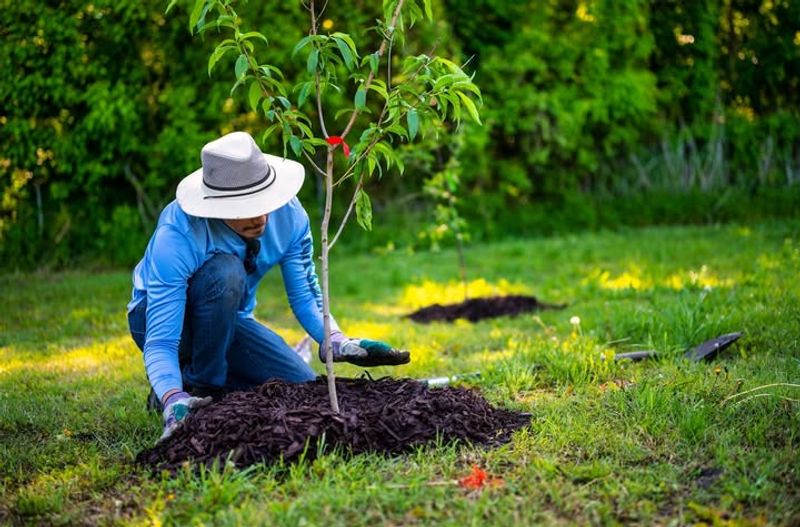
Adding a thick layer of mulch to your garden beds ranks among the smartest moves any Texas gardener can make during winter.
Mulch acts like a cozy blanket for your plants’ root systems, protecting them from the occasional hard freeze that can surprise even seasoned Texas gardeners.
A three to four-inch layer of organic mulch helps regulate soil temperature, keeping roots warmer on cold nights and preventing the freeze-thaw cycles that can damage plant roots.
Organic materials like shredded leaves, pine needles, wood chips, or compost make excellent mulch choices for Texas gardens.
These materials break down slowly over time, adding valuable nutrients back into your soil while serving their protective function.
Many municipalities across Texas offer free mulch from chipped tree trimmings, providing an economical option for covering large garden areas.
Winter mulching also helps retain soil moisture, which remains important even during cooler months.
Texas winters can be surprisingly dry in many regions, and mulched beds require less frequent watering than bare soil.
This moisture retention becomes especially valuable during those stretches of mild, sunny winter days when soil can dry out faster than expected.
Pull mulch a few inches away from the base of trees, shrubs, and perennials to prevent rot and discourage pests from nesting against plant stems.
Proper mulching technique means creating a donut shape around plants rather than piling mulch directly against trunks or stems.
Beyond protection and moisture retention, mulch suppresses winter weeds that might otherwise take advantage of bare garden soil.
Fewer weeds now mean less competition for your plants and less work for you when spring arrives.
The investment of a few hours spreading mulch across your Texas garden beds pays dividends throughout the entire growing season ahead.
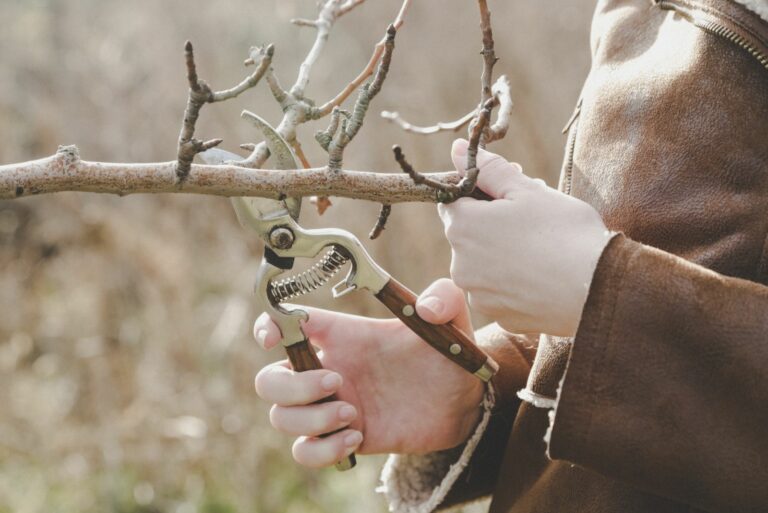
3. Prune Dormant Trees And Shrubs
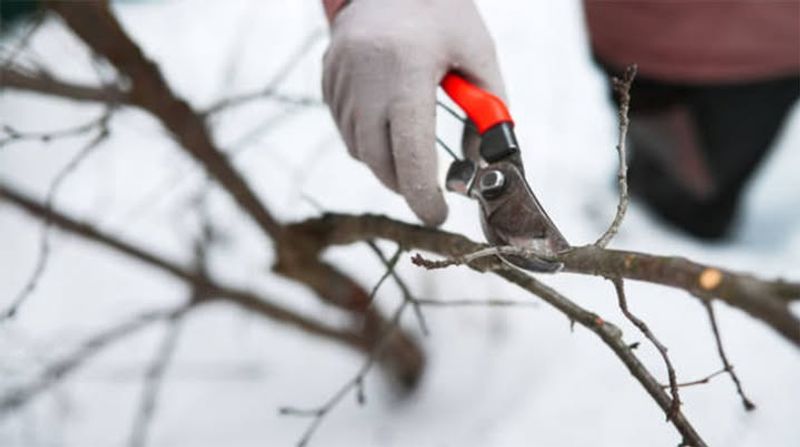
Dormant pruning during winter months gives your trees and shrubs their best chance at healthy, vigorous spring growth.
When plants enter dormancy, they’ve stored their energy in their roots and stopped actively growing, making this the ideal time to shape them without causing stress.
Texas gardeners can clearly see the branch structure without leaves blocking the view, making it easier to identify which branches need removal.
Focus on removing dead, damaged, or diseased branches first, cutting them back to healthy wood.
Look for branches that cross and rub against each other, as these create wounds that invite pests and disease.
Remove one of the crossing branches to prevent future problems and improve air circulation through the plant canopy.
Most deciduous trees and shrubs across Texas benefit from winter pruning, but timing matters for different species.
Prune summer-blooming plants like crape myrtles and vitex during winter because they flower on new growth.
However, spring-blooming plants like azaleas and forsythia should wait until after they flower, or you’ll sacrifice this year’s blooms.
Always use clean, sharp pruning tools to make smooth cuts that heal quickly.
Dull or dirty tools can spread disease between plants and create ragged wounds that struggle to close properly.
Make cuts at a slight angle just above a bud or branch junction, avoiding leaving stubs that can rot.
Winter pruning in Texas becomes especially important for fruit trees, which need good air circulation and sunlight penetration to produce quality fruit.
Remove water sprouts and suckers that drain energy from productive branches.
Shape young trees during their dormant period to establish strong branch structure that will support years of growth and fruit production throughout the Texas growing season.
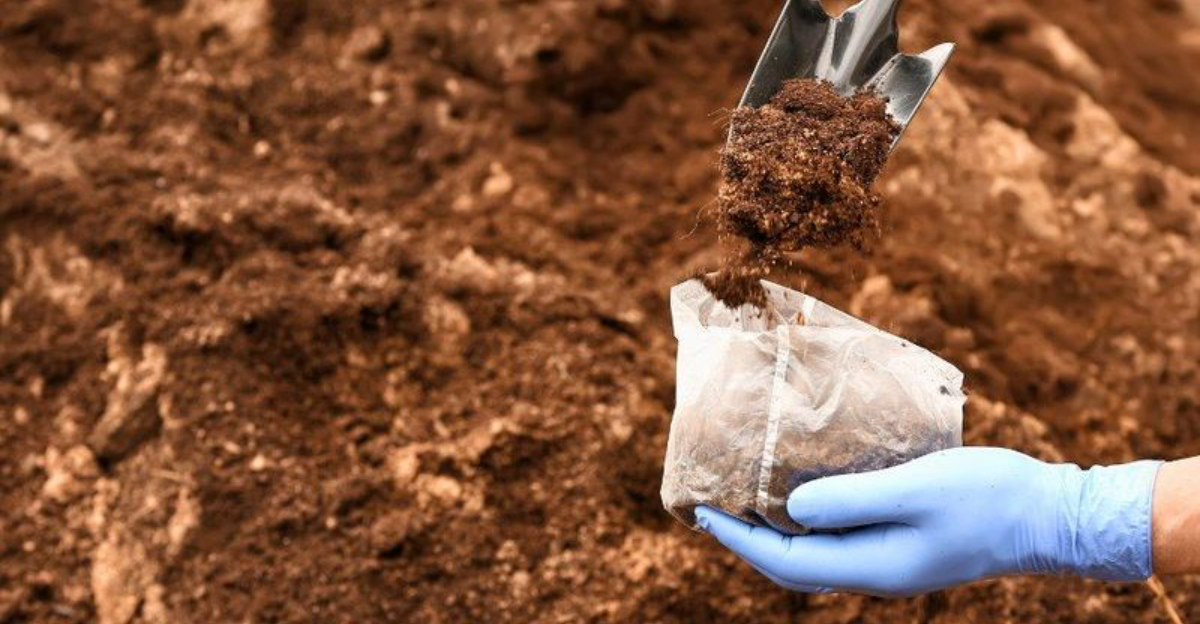
4. Test And Amend Your Garden Soil
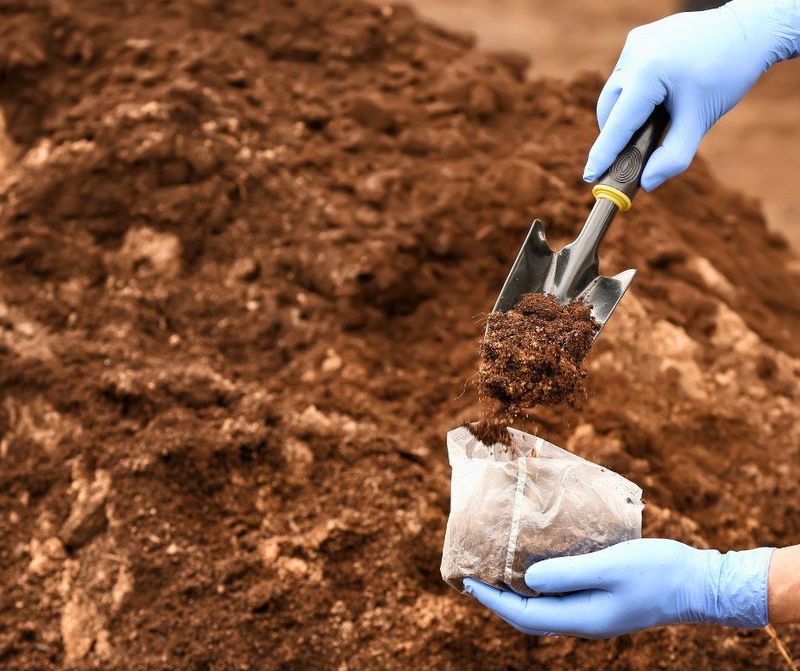
Understanding your soil composition transforms average gardens into spectacular ones, and winter provides the perfect opportunity for this important task.
Texas soils vary dramatically across the state, from the heavy clay found in many areas to the sandy soils of coastal regions and the alkaline soils common in central and west Texas.
A simple soil test reveals your soil’s pH level and nutrient content, giving you the information needed to make targeted improvements.
Contact your local Texas A&M AgriLife Extension office for affordable soil testing services that provide detailed results and specific recommendations for your area.
Collect samples from different areas of your garden, mixing them together for a representative sample.
Winter testing means you’ll have results and can make amendments well before spring planting season arrives.
Most vegetables and flowers prefer slightly acidic to neutral soil with a pH between 6.0 and 7.0.
Texas soils often lean alkaline, requiring amendments like sulfur to lower pH levels.
Adding organic matter like compost improves any soil type, increasing drainage in heavy clay while helping sandy soils retain moisture and nutrients.
Spread amendments across your garden beds and work them into the top six to eight inches of soil.
Winter weather and soil organisms will help incorporate these materials, so they’re fully integrated by spring planting time.
Cold winter months allow amendments time to react with soil and adjust pH levels gradually.
Consider adding rock phosphate or bone meal if your test shows low phosphorus levels, which are essential for strong root development and flowering.
Texas gardeners often need to add nitrogen through compost or organic fertilizers, as this nutrient depletes quickly.
Regular soil testing every two to three years keeps your Texas garden soil in optimal condition for growing healthy, productive plants year after year.
5. Divide And Transplant Perennials
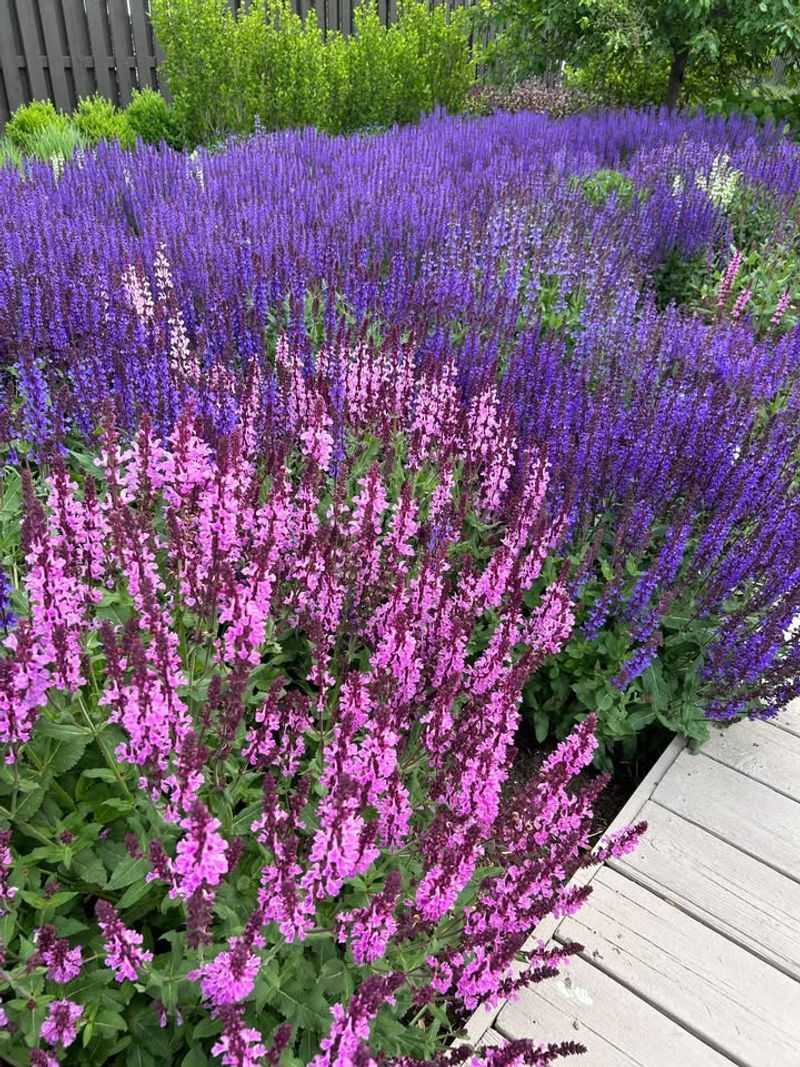
Perennials that have grown too large or stopped blooming as vigorously as they once did benefit tremendously from division during winter dormancy.
When perennials become crowded, they compete with themselves for nutrients and water, resulting in fewer flowers and weaker growth.
Dividing them creates multiple healthy plants from one overgrown clump, giving you extras to fill bare spots or share with fellow gardeners.
Texas winters offer ideal conditions for this task because plants aren’t actively growing and won’t experience transplant shock as severely as they might during warmer months.
Wait until plants have gone completely dormant and died back to the ground before attempting division.
Dig up the entire root clump, being careful to get as much of the root system as possible.
Use a sharp spade or knife to cut through the root mass, separating it into sections that each contain healthy roots and several growth points.
Most perennials should be divided into pieces roughly the size of your fist, though some plants tolerate smaller divisions.
Discard any dead or diseased portions, keeping only the healthiest sections for replanting.
Replant divisions immediately at the same depth they were growing previously, spacing them according to their mature size.
Water thoroughly after planting to settle soil around roots and eliminate air pockets.
Winter rains across most of Texas will usually provide adequate moisture for newly divided perennials to establish before spring growth begins.
Popular Texas perennials like daylilies, iris, liriope, and ornamental grasses all respond well to winter division.
Plan to divide most perennials every three to five years to maintain their vigor and flowering performance.
This simple winter task rejuvenates tired plants and expands your garden without spending money on new plants from the nursery.
6. Clean And Organize Garden Tools And Spaces

Garden tools work hard throughout the growing season and deserve proper care during the quieter winter months.
Taking time now to clean, sharpen, and organize your tools means they’ll be ready when spring planting season arrives in full force.
Dirty tools can harbor disease organisms and rust faster than clean ones, shortening their useful life and potentially spreading problems throughout your Texas garden.
Start by removing dried soil and plant debris from shovels, hoes, rakes, and other digging tools using a stiff brush or scraper.
Wash metal parts with soapy water, dry them thoroughly, and apply a light coat of oil to prevent rust during storage.
Pay special attention to pruning tools, which should be cleaned with rubbing alcohol to prevent disease transmission between plants.
Sharpen the blades of pruners, loppers, and shears using a sharpening stone or file, maintaining the original blade angle.
Sharp tools make cleaner cuts that heal faster and require less effort to use.
Check wooden handles for splinters or cracks, sanding rough spots smooth and applying linseed oil to prevent drying and cracking.
Winter also provides an excellent opportunity to organize your garden storage areas, whether that’s a shed, garage corner, or covered patio space.
Group similar tools together and hang them on wall hooks or pegboards for easy access.
Store small items like plant labels, twist ties, and seed packets in labeled containers where you can find them quickly.
Take inventory of your gardening supplies, noting what needs replacement before the busy spring season.
Stock up on potting soil, fertilizers, and pest control products while winter sales offer good deals.
Many Texas garden centers discount supplies during slower winter months, making this the perfect time to prepare for the productive months ahead without breaking your budget.
7. Plan And Start Seeds For Spring Transplants
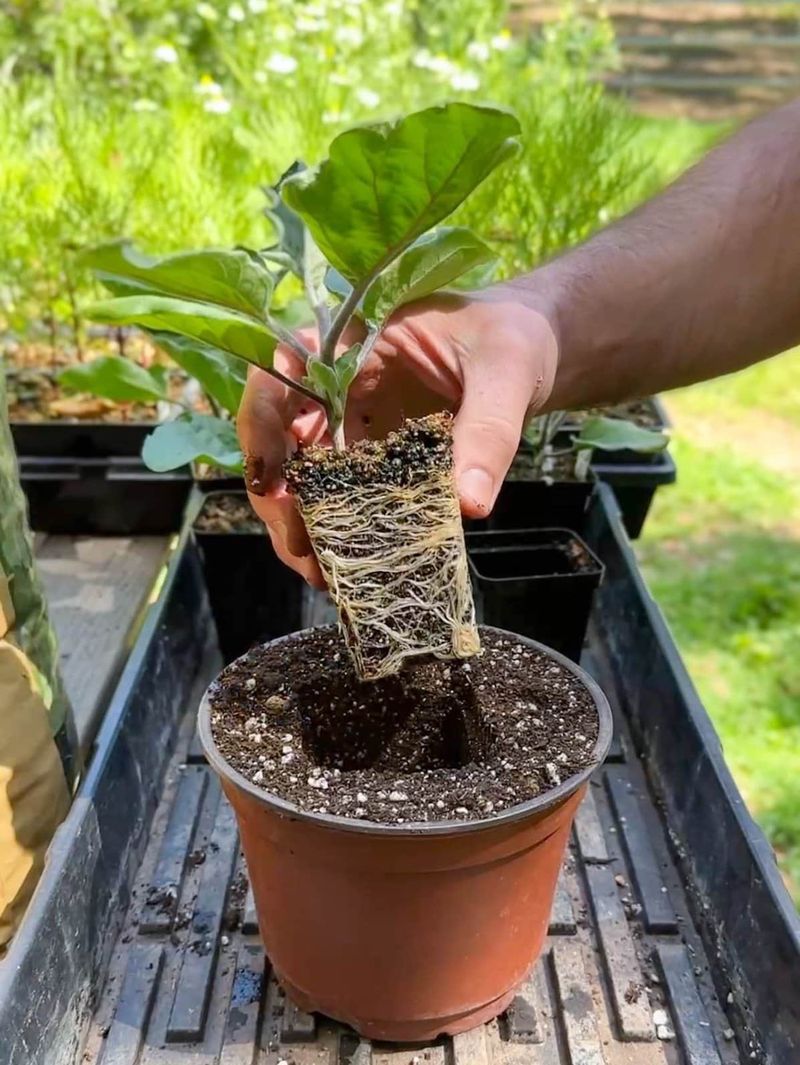
Starting seeds indoors during late winter gives your warm-season plants a head start on the growing season, resulting in earlier harvests and stronger plants.
Texas gardeners can begin seeds for tomatoes, peppers, eggplants, and annual flowers six to eight weeks before the last expected frost date in their area.
This timing varies across the state, with southern Texas gardeners starting earlier than those in northern regions.
Gather clean containers with drainage holes, sterile seed-starting mix, and a warm location with plenty of light for this rewarding project.
Recycled yogurt cups, egg cartons, or purchased seed trays all work well for starting seeds.
Fill containers with moistened seed-starting mix, plant seeds at the depth recommended on the packet, and label everything clearly to avoid confusion later.
Place planted containers in a warm spot where temperatures stay between 70 and 80 degrees Fahrenheit for best germination.
Many Texas homes maintain comfortable temperatures that work perfectly for seed starting without additional heat.
Cover containers with plastic wrap or humidity domes until seedlings emerge, then remove covers to prevent damping-off disease.
Seedlings need bright light immediately after germination to grow strong and stocky rather than tall and weak.
A sunny south-facing window works for some plants, but most seedlings benefit from supplemental light from shop lights or grow lights positioned a few inches above the plants.
Adjust light height as seedlings grow, maintaining the proper distance to prevent stretching.
Water seedlings carefully from below by adding water to trays rather than pouring it over delicate stems.
Begin fertilizing with diluted liquid fertilizer once seedlings develop their second set of true leaves.
Planning your spring garden during quiet winter evenings and watching seeds transform into healthy transplants provides satisfaction and anticipation for the productive Texas growing season ahead.