10 Eco-Friendly Landscaping Ideas That Make North Carolina Yards Stand Out
Eco-friendly landscaping is gaining real momentum across North Carolina as homeowners rethink how their yards handle heat, rain, and changing seasons.
Traditional lawn-heavy designs often struggle under summer storms and long dry stretches, which has many people looking for smarter, more resilient options.
North Carolina yards tend to perform best when landscaping choices work with natural conditions instead of forcing constant correction. These designs often feel calmer, more balanced, and easier to maintain over time.
Eco-friendly landscapes stand out because they look intentional rather than overly controlled or artificial.
Homeowners are often surprised by how quickly sustainable features blend into existing yards and start feeling established.
Reducing water use and ongoing upkeep does not require giving up visual appeal or personality.
Small design shifts can improve how soil handles moisture, how plants respond to heat, and how outdoor spaces feel during peak summer months. These changes quietly improve performance without calling attention to themselves.
Many of these ideas rely on thoughtful placement instead of expensive materials or complex installations.
North Carolina landscapes benefit when design choices support local weather patterns instead of resisting them.
Eco-friendly landscaping creates yards that feel distinctive, resilient, and naturally suited to their surroundings.
1. Native Plant Gardens
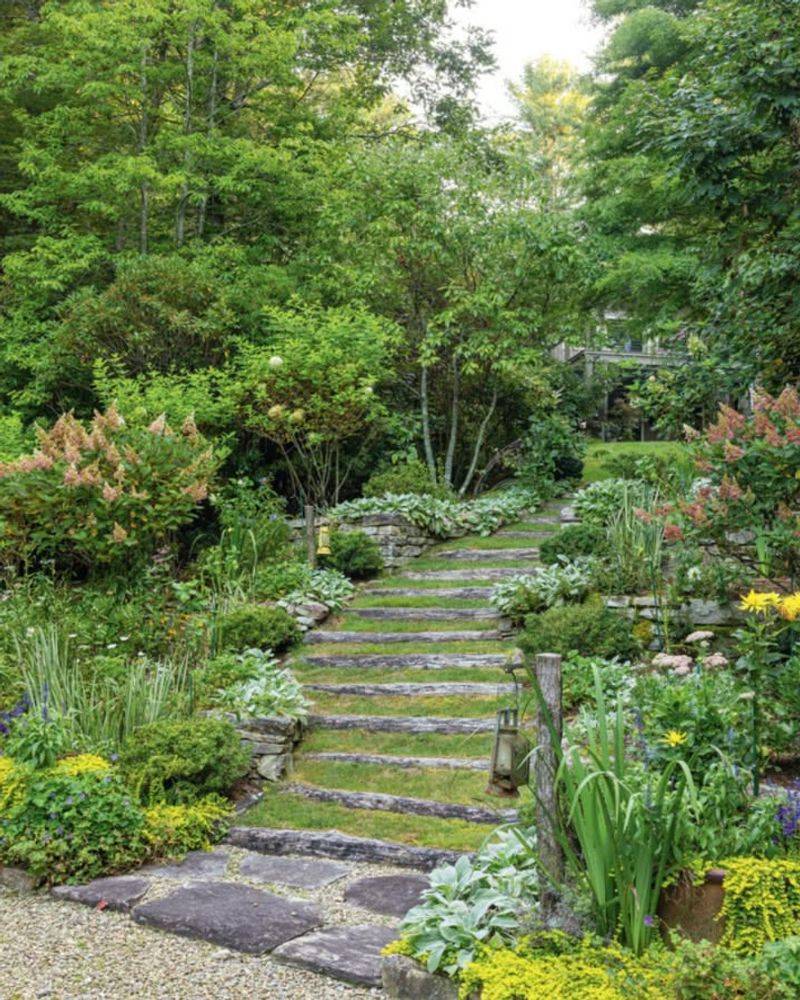
Plants that naturally grow in your region require far less fussing than exotic varieties shipped from distant places.
North Carolina offers incredible diversity, from mountain laurels to coastal beach grasses, all perfectly adapted to local soil and weather patterns.
Your water bill drops significantly when roots don’t need constant irrigation to survive summer heat.
Native species have evolved alongside local rainfall patterns, so they thrive during typical dry spells without extra help from your hose.
Local butterflies, bees, and birds recognize these plants as food sources and shelter. Creating habitat corridors helps struggling pollinator populations recover while adding movement and color to your outdoor space.
Maintenance becomes remarkably simple once native gardens establish themselves.
Weeding decreases because these plants naturally outcompete invasive species that struggle in North Carolina’s specific conditions.
Nurseries throughout the state now specialize in regional varieties, making selection easier than ever. Staff can recommend combinations that bloom across seasons, ensuring year-round visual interest.
Soil amendments become unnecessary when you match plants to existing ground conditions.
2. Rain Gardens
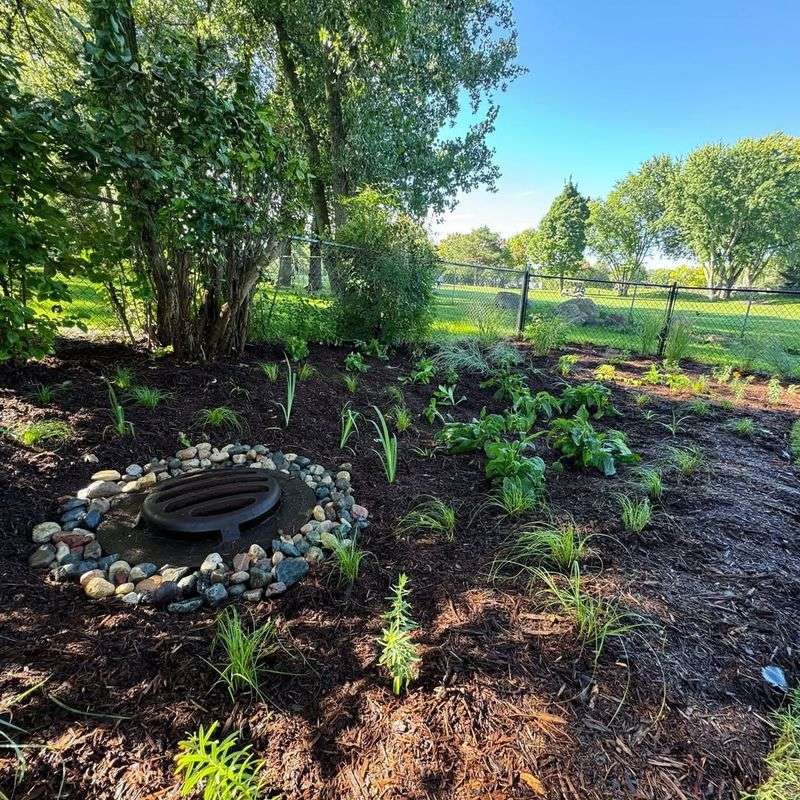
Shallow depressions strategically placed in your yard can transform stormwater management while creating stunning focal points.
These specially designed areas capture runoff from roofs, driveways, and other hard surfaces before it rushes into storm drains.
North Carolina experiences intense thunderstorms that can overwhelm municipal systems and cause flooding.
Rain gardens absorb this excess water, allowing it to slowly filter through soil layers instead of contributing to erosion problems.
Plant selection focuses on species that tolerate both wet and dry conditions since water levels fluctuate dramatically.
Native sedges, irises, and cardinal flowers thrive in these environments while providing spectacular seasonal displays.
Pollutants from lawn fertilizers, motor oil, and other contaminants get filtered out naturally as water percolates downward.
This protects rivers, lakes, and coastal waters from harmful runoff that damages aquatic ecosystems.
Installation typically involves digging down just six to twelve inches and amending soil with compost.
The gentle slope directs water into the depression during storms, where it disappears within hours or days.
Mosquito concerns are unfounded since properly designed rain gardens drain quickly and never form standing water.
3. Permeable Paving
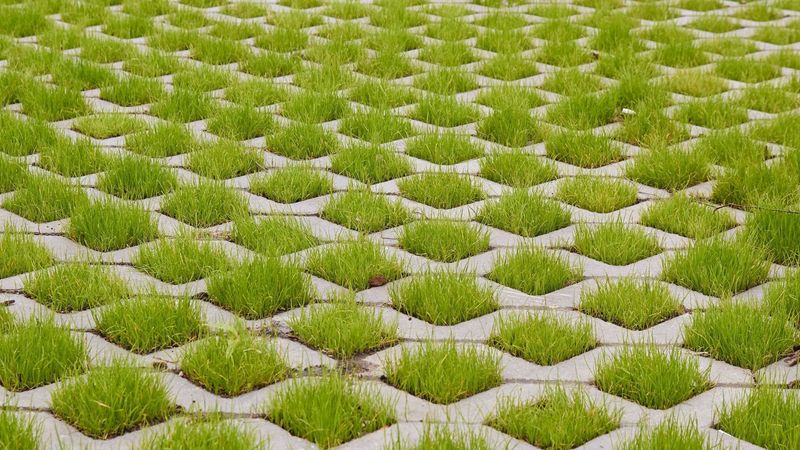
Traditional concrete and asphalt create impermeable barriers that force rainwater to rush across surfaces instead of soaking into the ground. Permeable alternatives allow water to filter through gaps and pores, reducing runoff while maintaining durable surfaces for walking and parking.
North Carolina’s clay-heavy soils in many regions already struggle with drainage, making permeable options especially valuable. These materials prevent puddling and muddy conditions that plague conventional hardscaping after storms.
Options include permeable pavers with gaps filled by gravel, porous asphalt, and permeable concrete with special aggregate mixtures. Each offers different aesthetic possibilities to match your home’s style and budget.
Installation costs compare favorably to traditional paving when you factor in reduced need for drainage infrastructure. Your property won’t require as many gutters, french drains, or retention systems.
Summer heat becomes less oppressive because permeable surfaces don’t absorb and radiate warmth like solid concrete. This cooling effect makes patios and walkways more comfortable during North Carolina’s humid months.
Groundwater recharge happens naturally as rain soaks downward to refill underground aquifers. This becomes increasingly important as population growth strains water supplies across the state.
Winter ice forms less frequently on permeable surfaces since water drains away instead of pooling and freezing.
4. Composting Stations
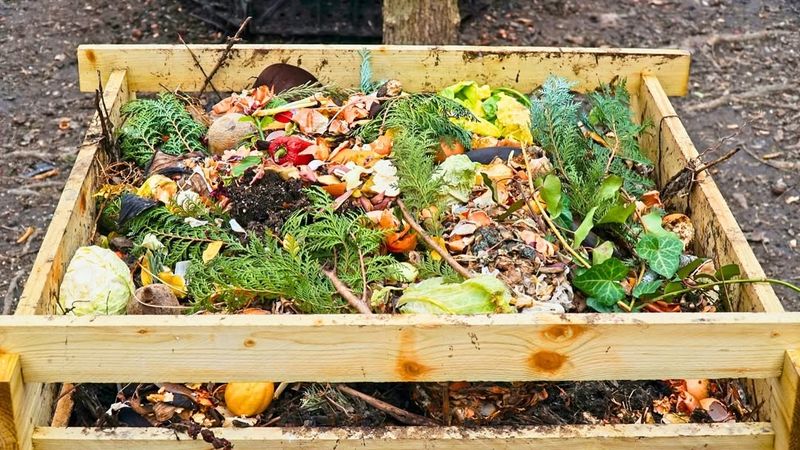
Kitchen scraps and yard waste contain valuable nutrients that most people send to landfills unnecessarily. Setting up a simple composting system transforms this organic material into rich soil amendment while reducing trash volume and methane emissions.
North Carolina’s warm climate accelerates decomposition, allowing compost to mature in just a few months during growing season.
Even winter temperatures remain mild enough in many areas to keep the process moving along steadily.
Bins can be purchased ready-made or constructed from scrap lumber and wire mesh for minimal cost. Placement in a partially shaded spot with good drainage works best for maintaining proper moisture levels.
Layering green materials like vegetable peelings with brown materials like fallen leaves creates the ideal carbon-to-nitrogen ratio.
This balance prevents odors while encouraging beneficial microorganisms to break everything down efficiently.
Turning the pile every few weeks with a pitchfork introduces oxygen that speeds decomposition. This simple task takes just minutes and dramatically improves results.
Finished compost eliminates the need to purchase bagged soil amendments from garden centers.
Your plants receive superior nutrition from locally produced material perfectly suited to North Carolina’s growing conditions.
Chemical fertilizer use drops or disappears entirely when compost enriches beds and lawns. This protects water quality while reducing expenses and storage hassles.
Worm composting offers an alternative for small spaces or apartments with limited outdoor areas.
Red wiggler worms process scraps indoors without odor, producing concentrated castings perfect for container gardens.
5. Pollinator Meadows

Replacing portions of traditional lawn with flowering meadow plants creates habitat that supports struggling bee, butterfly, and bird populations. These diverse plantings require a fraction of the maintenance that grass demands while providing far more ecological benefits.
North Carolina serves as a crucial corridor for migrating monarch butterflies traveling between Mexico and northern breeding grounds.
Providing nectar sources and host plants helps these iconic insects complete their remarkable journey.
Meadow establishment begins by removing existing grass and tilling shallowly to prepare a seedbed.
Native wildflower and grass seed mixes designed for your region can be broadcast in fall or early spring.
First-year growth appears sparse as plants focus energy on root development, but patience pays off. By the second season, blooms explode with color and attract incredible insect diversity.
Mowing once annually in late fall maintains meadow health by preventing woody plants from taking over. This single cutting replaces the weekly mowing that lawns demand throughout growing season.
Water requirements drop to nearly nothing once meadows establish deep root systems.
Even during North Carolina’s occasional droughts, these plantings survive without irrigation.
Children find meadows endlessly fascinating as learning laboratories full of life. Observing pollinator behavior and seasonal changes provides educational opportunities that sterile lawns can’t match.
Aesthetic appeal changes throughout the year as different species bloom and grasses shift color.
6. Drip Irrigation Systems
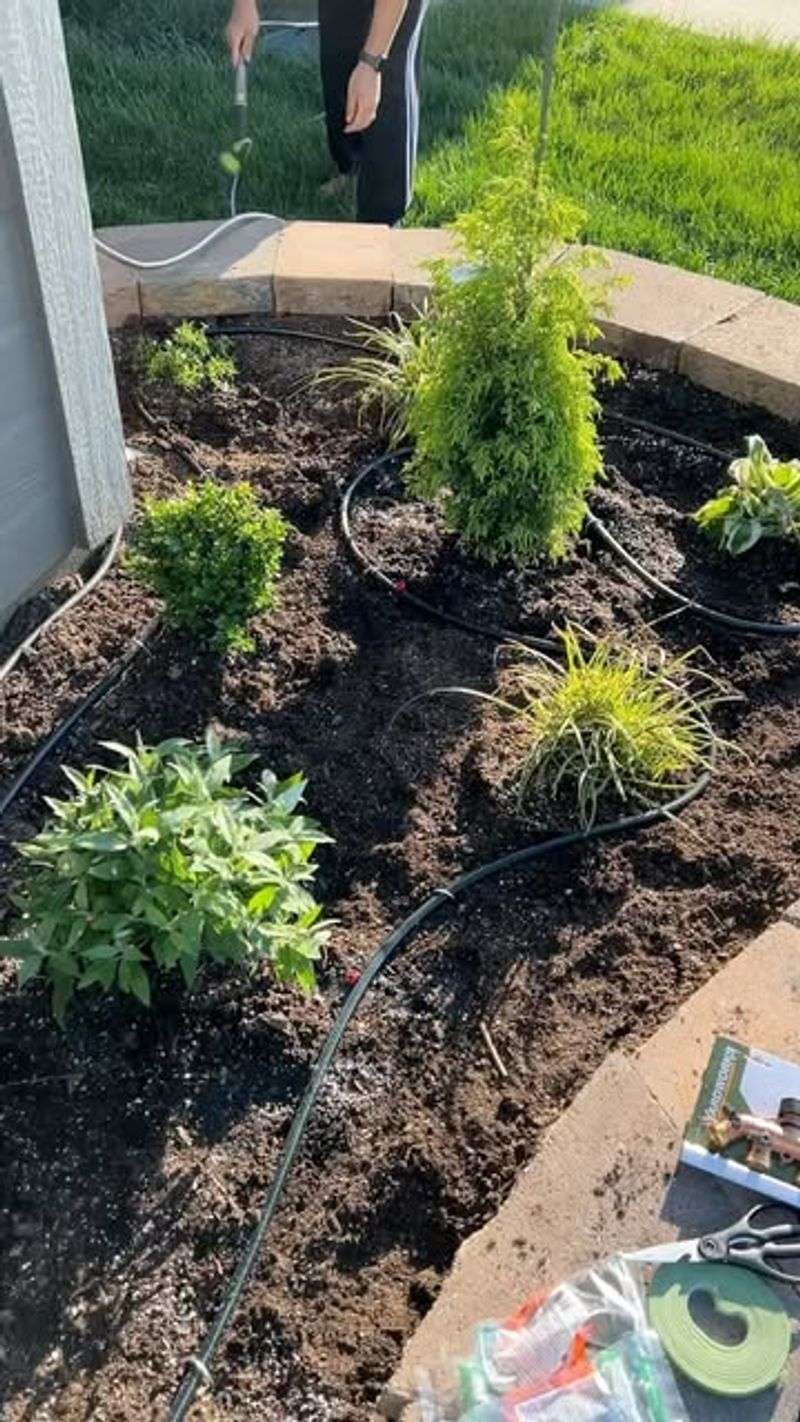
Delivering water directly to plant roots through low-pressure tubing eliminates the waste associated with sprinklers and hand watering. This targeted approach ensures every drop reaches where it’s needed while reducing evaporation and runoff.
North Carolina summers bring high temperatures and humidity that can stress plants despite frequent rainfall.
Drip systems provide consistent moisture during dry spells without encouraging fungal diseases that overhead watering promotes.
Installation involves laying flexible tubing along garden beds and securing it with landscape staples. Emitters placed near each plant release water slowly, allowing soil to absorb moisture thoroughly.
Timers automate the entire process, delivering water during early morning hours when evaporation rates are lowest. This convenience ensures plants receive care even when you’re traveling or busy with other responsibilities.
Water consumption typically drops by thirty to fifty percent compared to conventional irrigation methods. Lower utility bills offset installation costs within a season or two.
Weed growth diminishes significantly because areas between plants remain dry and inhospitable.
This reduces maintenance time while conserving water for intentionally planted species.
Fertilizer efficiency improves when nutrients dissolve in irrigation water and flow directly to root zones.
7. Organic Mulching
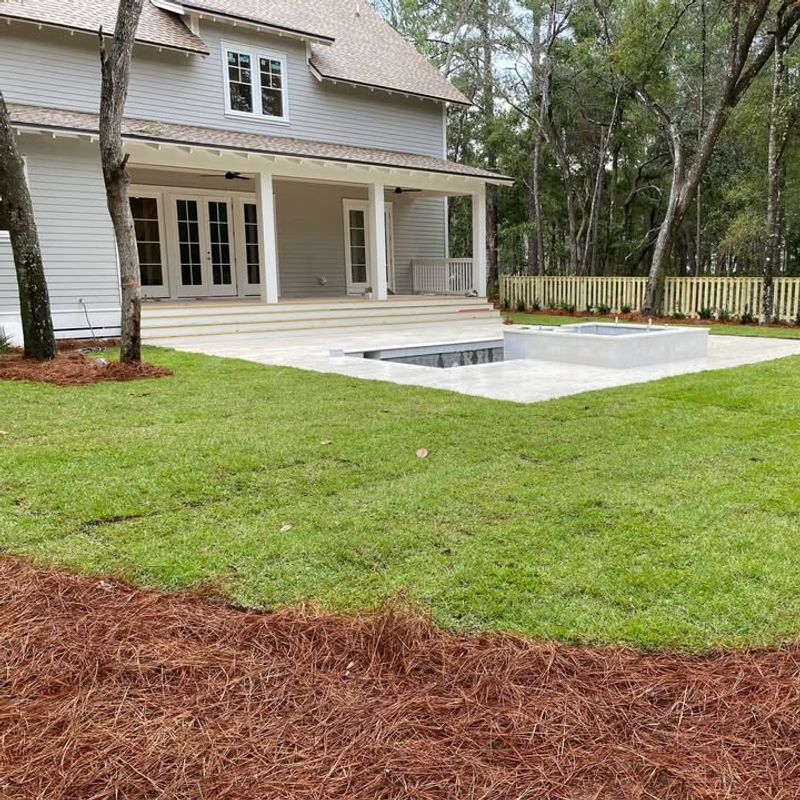
Covering bare soil with organic materials like wood chips, pine straw, or shredded leaves provides multiple benefits that synthetic alternatives can’t match.
As these materials decompose, they enrich soil while suppressing weeds and regulating temperature.
North Carolina’s abundant pine forests make pine straw an economical and readily available option throughout much of the state. This lightweight material spreads easily and creates an attractive, uniform appearance.
Moisture retention improves dramatically under mulch layers, reducing irrigation needs during dry periods. Soil stays evenly damp instead of cycling between saturated and parched conditions that stress plant roots.
Temperature extremes become less severe as mulch insulates soil from both summer heat and winter cold. Root systems remain healthier when protected from rapid fluctuations that damage delicate tissues.
Erosion prevention happens naturally as mulch absorbs rainfall impact and slows water movement across slopes.
This keeps precious topsoil in place instead of washing away during thunderstorms.
Earthworm populations increase under organic mulch as these beneficial creatures feed on decomposing material. Their tunneling activity improves soil structure and drainage while creating nutrient-rich castings.
Application depth of two to four inches provides optimal benefits without smothering plants or creating anaerobic conditions.
Keeping mulch pulled back slightly from stems and trunks prevents rot problems.
Replenishment once or twice yearly maintains effective coverage as material breaks down. This ongoing decomposition constantly adds organic matter to soil, improving fertility over time.
8. Rainwater Harvesting
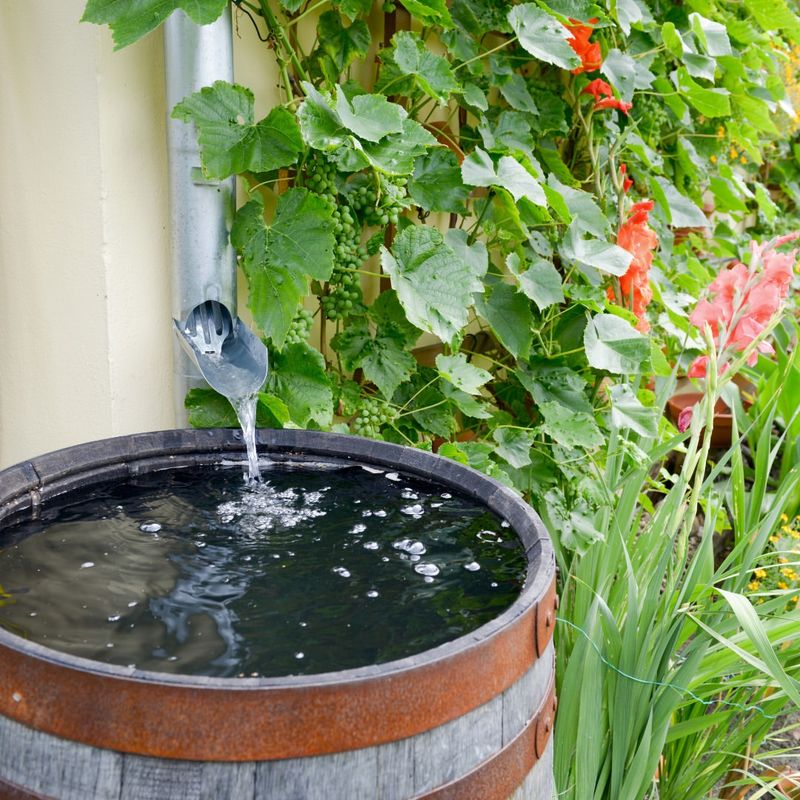
Capturing precipitation from roofs in barrels or cisterns provides free water for gardens while reducing stormwater runoff. This ancient practice has gained renewed popularity as water conservation becomes increasingly important.
North Carolina receives generous rainfall in most years, with annual totals ranging from forty to eighty inches depending on location.
Even modest roof areas can collect hundreds of gallons during typical storm events.
Rain barrels connect to downspouts through simple diverter kits available at hardware stores. These devices direct water into storage containers while allowing overflow to continue through existing drainage systems.
Collected water lacks the chlorine and other chemicals present in municipal supplies, making it ideal for sensitive plants.
Many gardeners notice improved growth when switching from tap water to harvested rain.
Mosquito prevention requires screening openings and ensuring tight-fitting lids that prevent insects from accessing standing water.
Properly designed systems pose no pest problems whatsoever.
Gravity provides sufficient pressure for watering containers and nearby beds when barrels sit on elevated platforms.
Hose connections at the bottom allow easy access without lifting or tilting heavy containers.
Larger cistern systems can store thousands of gallons for properties with extensive irrigation needs. These installations typically require professional design to ensure structural integrity and proper integration with existing drainage.
9. Edible Landscaping
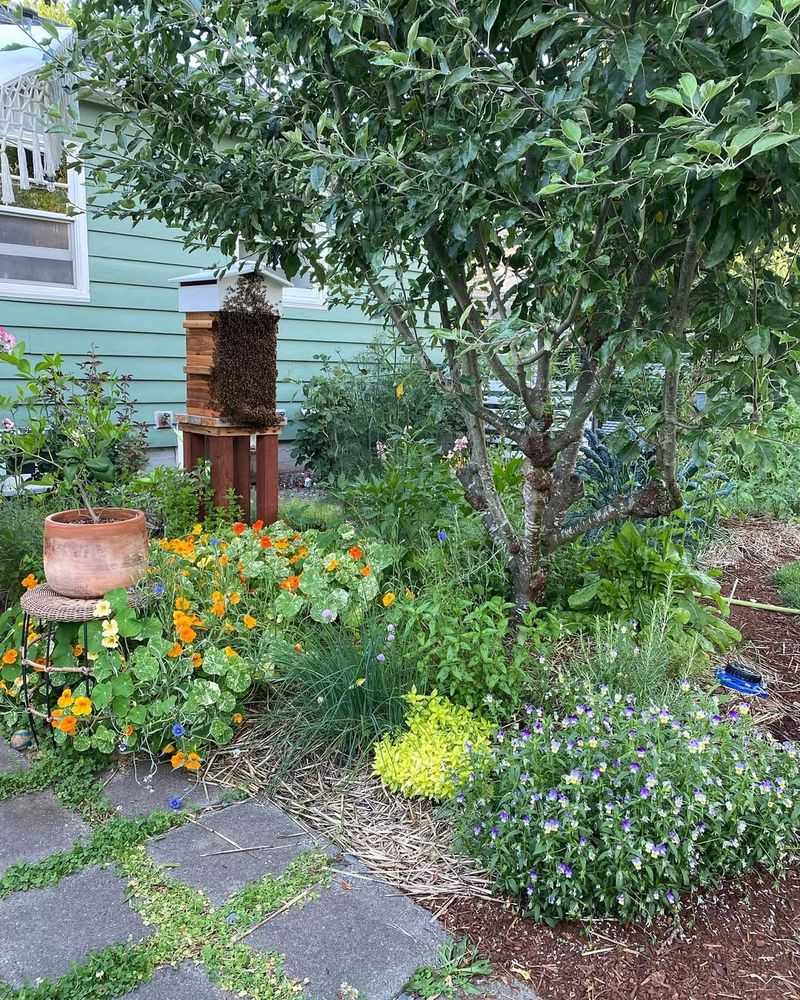
Blending fruit trees, berry bushes, and vegetable gardens into ornamental plantings creates beautiful spaces that also produce food.
This approach maximizes property utility while reducing grocery expenses and transportation-related emissions.
North Carolina’s long growing season supports incredible edible diversity, from blueberries that thrive in acidic piedmont soils to figs that flourish in coastal warmth. Selecting varieties suited to your microclimate ensures success.
Fruit trees provide spring flowers, summer shade, and fall harvests while serving all the functions of purely ornamental species. Apple, peach, and pear varieties bred for regional conditions require minimal chemical inputs.
Herb gardens near kitchen doors offer convenience alongside fragrance and visual appeal. Rosemary, thyme, and sage handle North Carolina’s heat while providing year-round harvesting opportunities.
Berry patches create attractive hedges and borders that produce abundantly with basic care.
Blackberries, raspberries, and strawberries all perform well across the state with proper variety selection.
Perennial vegetables like asparagus and rhubarb return year after year with minimal maintenance.
These productive plants deserve prominent placement in landscape designs rather than being hidden away.
Pest management becomes easier when diverse plantings confuse insects and provide habitat for beneficial predators. This biological control reduces or eliminates the need for chemical interventions.
10. Solar Landscape Lighting
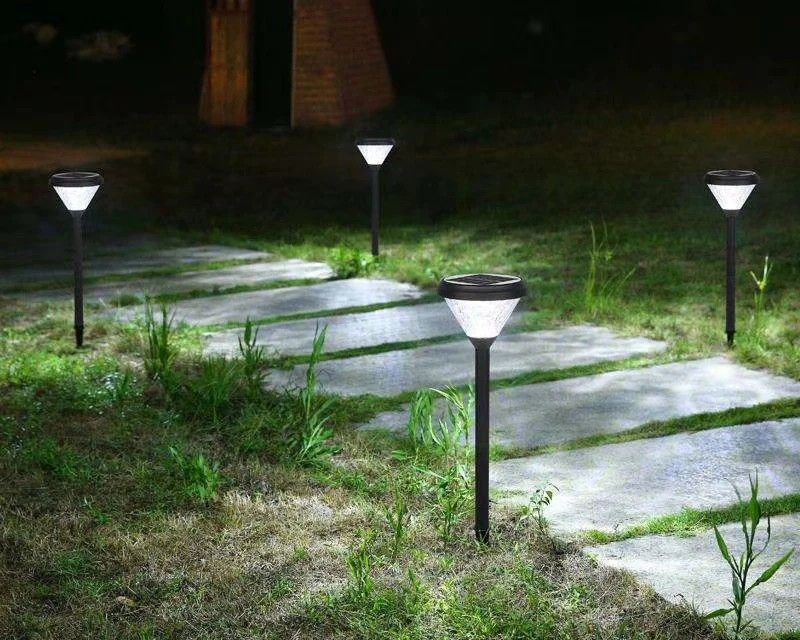
Illuminating pathways and features with solar-powered fixtures eliminates electrical costs and installation complexity.
These self-contained units charge during daylight hours and automatically activate at dusk without wiring or switches.
North Carolina enjoys abundant sunshine across all regions, providing reliable energy for solar lighting throughout the year.
Even winter days generate sufficient charge for evening operation.
Installation requires only pushing stakes into soft ground or mounting fixtures to existing structures.
This simplicity allows lighting schemes to change seasonally or as landscaping evolves.
LED technology has revolutionized solar lighting performance, providing bright illumination that lasts through entire nights. Modern units bear no resemblance to the dim, short-lived fixtures from earlier generations.
Safety improves when pathways, steps, and potential hazards receive adequate lighting.
Solar fixtures accomplish this without increasing electrical consumption or requiring professional installation.
Aesthetic options range from subtle path markers to dramatic uplighting for trees and architectural features. Warm and cool color temperatures suit different moods and purposes.
Battery life typically extends three to five years before replacement becomes necessary.
This maintenance requirement remains minimal compared to wired systems that may need repairs and updates.
Motion sensors on some models conserve energy by activating only when movement is detected.