Evergreen Shade Plants That Bring Light To Dark North Carolina Corners
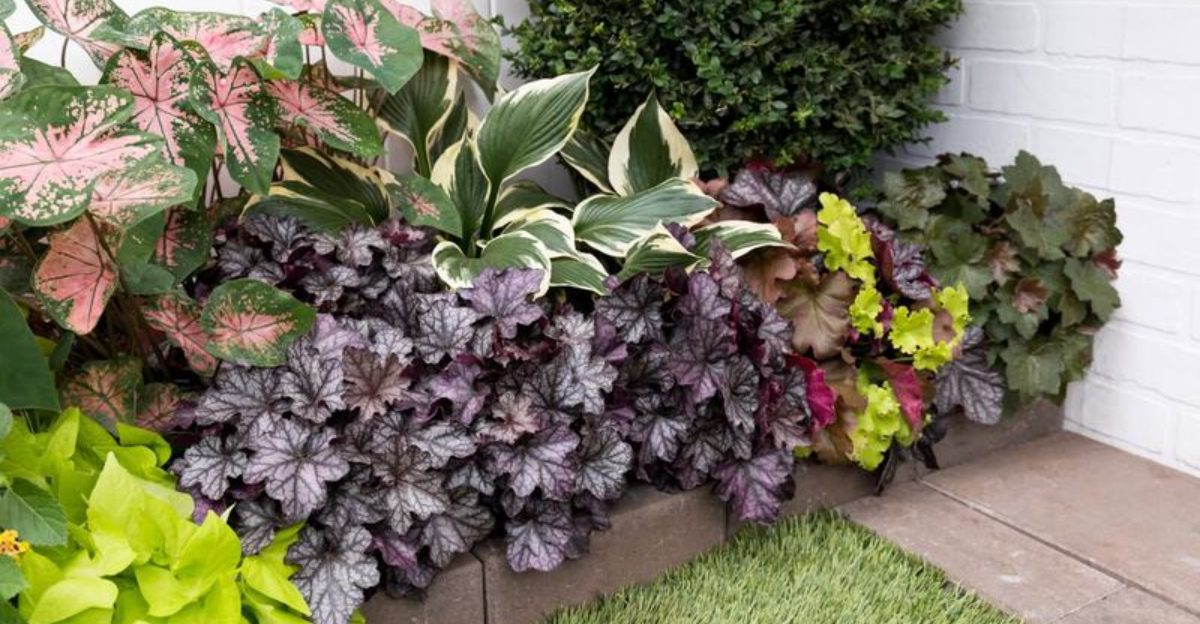
Evergreen shade plants are becoming little lifesavers in North Carolina yards, especially in those dark corners that never seem to brighten up on their own.
You notice how just one well-chosen plant can soften the whole space and make it feel calmer, and suddenly that forgotten corner starts looking surprisingly inviting.
It’s a simple change that adds a lot more charm than you expect, and you might catch yourself wondering which evergreen would brighten your own shady spot best.
1. Japanese Pachysandra
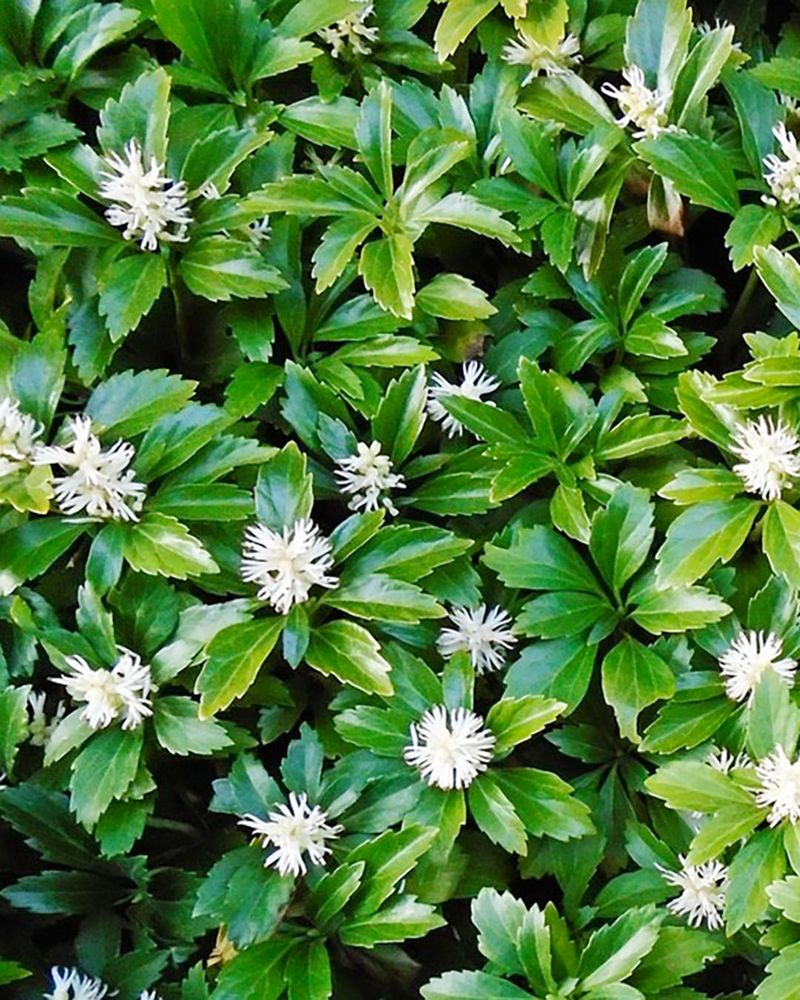
Japanese Pachysandra creates a thick carpet of glossy green leaves that spreads beautifully across shaded areas where grass simply refuses to grow successfully.
This low-growing ground cover reaches about six to eight inches tall and forms dense mats that suppress weeds naturally without requiring much effort.
Gardeners across North Carolina appreciate how this plant tolerates deep shade and thrives under trees where most other plants would struggle miserably each season.
Small white flowers appear in spring adding a delicate touch though the foliage remains the main attraction throughout every month of the year.
Pachysandra spreads through underground runners making it excellent for filling large bare spots quickly and covering slopes that need erosion control and stability.
Once established this plant requires minimal maintenance and rarely needs watering except during extremely dry periods when rainfall becomes scarce in your region.
Its ability to stay green through winter makes it a favorite choice for homeowners seeking year-round color in their shaded landscape beds today.
2. Liriope
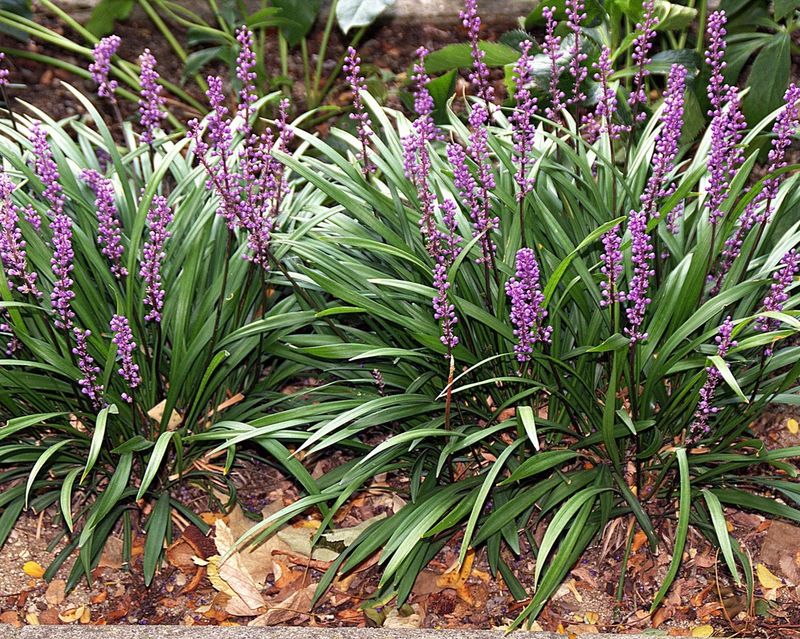
Liriope brings a grass-like texture to shaded borders with its arching foliage that adds movement and visual interest to otherwise static garden spaces.
This versatile evergreen grows in clumps reaching twelve to eighteen inches tall and produces spikes of purple or white flowers during late summer months.
North Carolina gardeners love how Liriope tolerates both shade and occasional neglect making it perfect for busy homeowners who cannot tend gardens constantly every week.
Variegated varieties feature creamy white stripes along the leaf edges creating bright accents that illuminate dark corners with their striking contrasting colors and patterns.
Deer typically avoid this plant making it an excellent choice for properties where wildlife browsing causes frequent frustration and damage to other landscape plantings.
Liriope works wonderfully as edging along pathways or as filler between larger shrubs where it softens hard lines and adds layered depth beautifully.
Its drought tolerance once established means less watering hassle during hot summers when water conservation becomes important for environmental and economic reasons in your area.
3. Heuchera
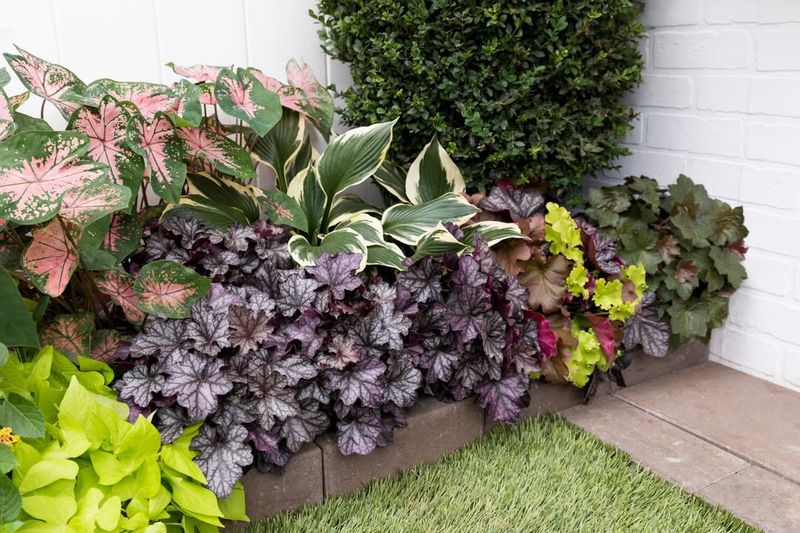
Heuchera dazzles with its stunning foliage colors ranging from deep burgundy to lime green creating a kaleidoscope effect in shaded garden beds across landscapes.
Also called coral bells this plant produces delicate flower spikes in late spring that attract hummingbirds adding wildlife appeal to your North Carolina yard naturally.
Leaf colors intensify in cooler weather making fall and winter particularly exciting times when many other plants fade into dull browns and disappointing grays.
Heuchera grows in compact mounds about eight to twelve inches tall making it ideal for small spaces or front-row positions in layered planting designs.
Dozens of cultivars exist offering endless possibilities for mixing and matching colors to create custom combinations that reflect your personal style and creative vision.
This plant prefers well-drained soil enriched with organic matter so adding compost before planting ensures healthy growth and vibrant foliage throughout every growing season.
Heuchera remains semi-evergreen in milder winters keeping its leaves when temperatures stay moderate and providing color when most gardens look bare and lifeless outdoors.
4. Foamflower
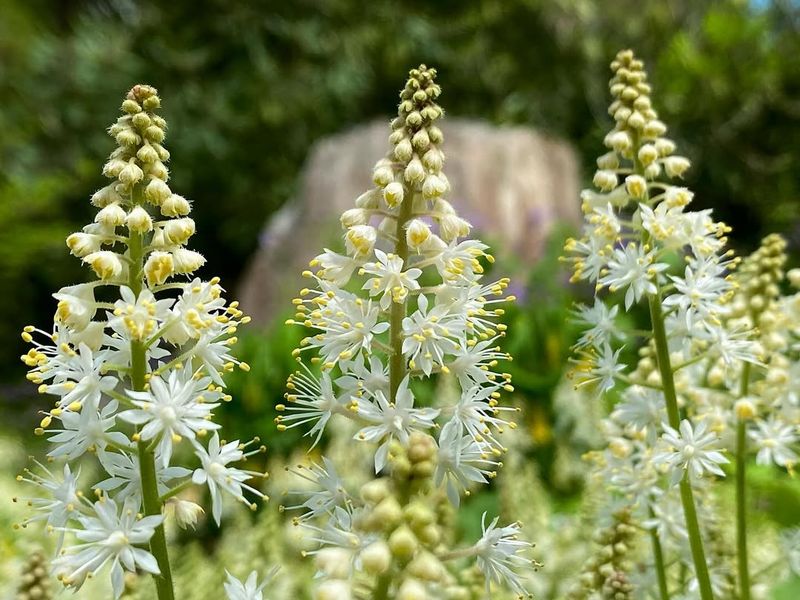
Foamflower earns its charming name from the frothy white or pink flower spikes that rise above heart-shaped leaves in mid to late spring each year.
Native to eastern woodlands including parts of North Carolina this plant naturally thrives in shaded moist environments making it perfectly suited for local growing conditions.
Leaves often display attractive bronze or burgundy markings along the veins adding extra visual interest even when the plant is not actively blooming at all.
Foamflower spreads slowly through runners forming attractive colonies that fill in gaps without becoming invasive or overwhelming nearby plants in your carefully planned garden beds.
This low-maintenance perennial reaches six to twelve inches tall making it an excellent companion for taller shade plants that need attractive groundcovers beneath their canopies.
Butterflies and other beneficial pollinators visit the flowers providing ecological benefits while you enjoy watching nature interact with your landscaping choices throughout spring months.
Foamflower prefers consistent moisture so mulching around plants helps retain soil dampness and keeps roots cool during warmer periods when rainfall becomes unpredictable and inconsistent.
5. Hellebore
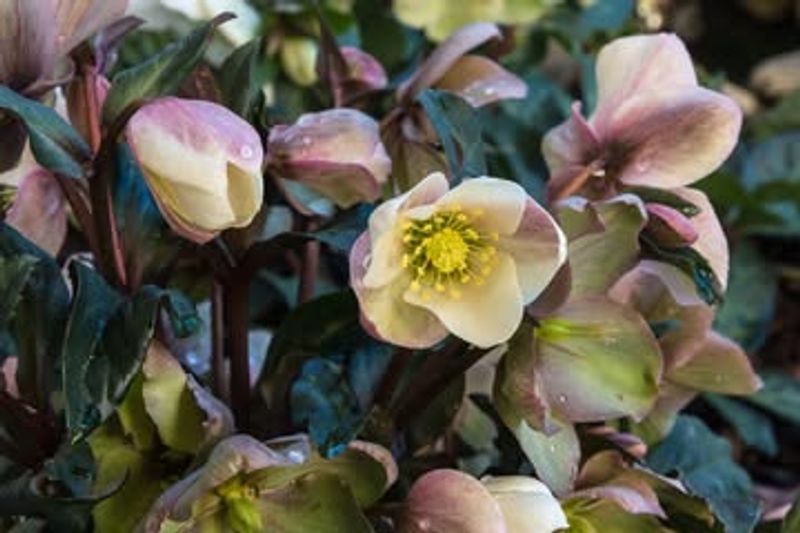
Hellebore blooms when most gardens still sleep under winter’s chill producing nodding flowers in shades of white pink purple or green from late winter onward.
Commonly called Lenten Rose this evergreen perennial features leathery dark green foliage that remains attractive throughout all twelve months of the calendar year regardless.
North Carolina gardeners treasure Hellebore for its ability to brighten the dreariest months when color seems impossible and most plants remain dormant beneath cold soil.
Flowers last for weeks sometimes months creating long-lasting displays that provide excellent value compared to fleeting spring bulbs that disappear after just brief appearances each season.
Hellebore tolerates dry shade once established making it suitable for challenging spots under mature trees where competition for moisture and nutrients becomes particularly intense and difficult.
Deer and rabbits typically ignore this plant due to its toxic compounds making it a smart choice for gardens plagued by persistent wildlife browsing problems.
Plant Hellebore where you can admire its downward-facing blooms up close perhaps along pathways or near seating areas where their subtle beauty receives proper appreciation daily.
6. Ferns
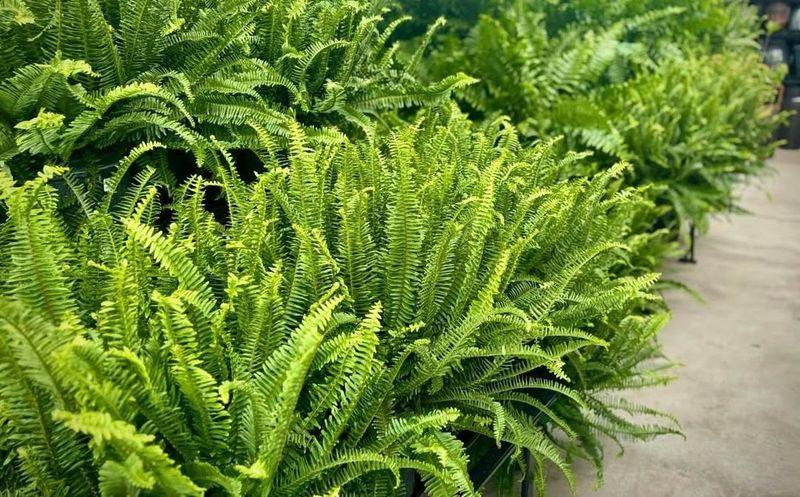
Ferns bring an ancient woodland charm to shaded gardens with their delicate fronds that unfurl in spring like nature’s own works of living art.
Several evergreen fern species thrive in North Carolina including Christmas fern and autumn fern which maintain their foliage through cold months when deciduous varieties disappear.
Christmas fern gets its name from staying green through winter holidays making it a traditional favorite for seasonal decorations and festive wreaths in earlier times.
Autumn fern displays coppery new growth in spring that matures to deep green creating a two-toned effect that adds unexpected color variation to shaded areas.
Ferns prefer moist rich soil similar to their natural woodland habitats so incorporating leaf mold or compost improves growing conditions significantly for best results.
These plants require little maintenance beyond occasional removal of damaged fronds making them perfect for gardeners seeking beauty without demanding constant attention and endless chores.
Grouping different fern varieties together creates textural contrasts that make shaded areas feel like enchanted forest spaces filled with mystery and natural wonder year-round.
7. Ajuga
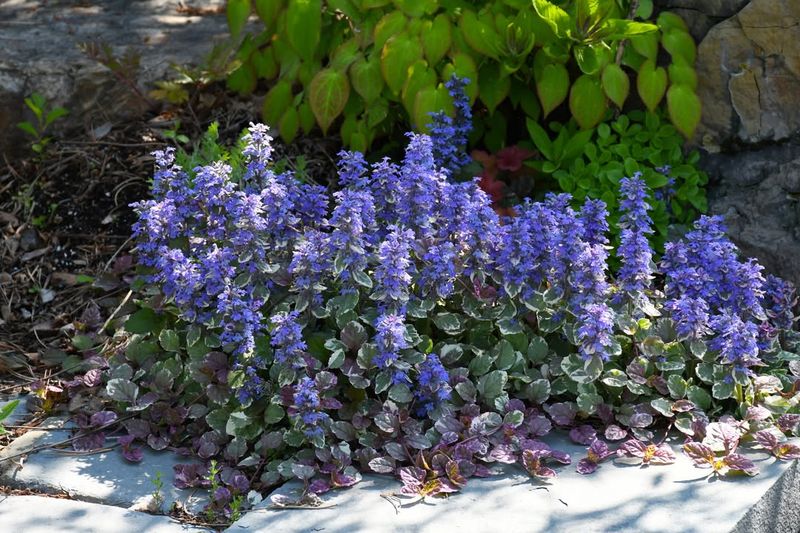
Ajuga forms a colorful mat of bronze green or variegated foliage that hugs the ground tightly making it perfect for filling bare spots quickly.
Spikes of blue purple or white flowers emerge in spring creating a stunning carpet effect that rivals even the most carefully maintained lawns in appearance.
North Carolina homeowners appreciate how Ajuga tolerates foot traffic better than many ground covers making it suitable for pathways and edges where occasional stepping occurs.
This plant spreads rapidly through runners filling in spaces within one or two growing seasons so plant it where aggressive growth will not overwhelm delicate neighbors.
Ajuga works wonderfully as a lawn alternative in shaded areas where grass struggles constantly and requires far more maintenance effort than this tough groundcover.
Bronze and burgundy-leaved varieties add dramatic color contrasts that make them stand out even when not blooming creating year-round visual interest in your landscape.
Once established Ajuga requires almost no care beyond occasional trimming to keep it within desired boundaries making it ideal for low-maintenance gardening approaches and lifestyles.
8. Japanese Aucuba
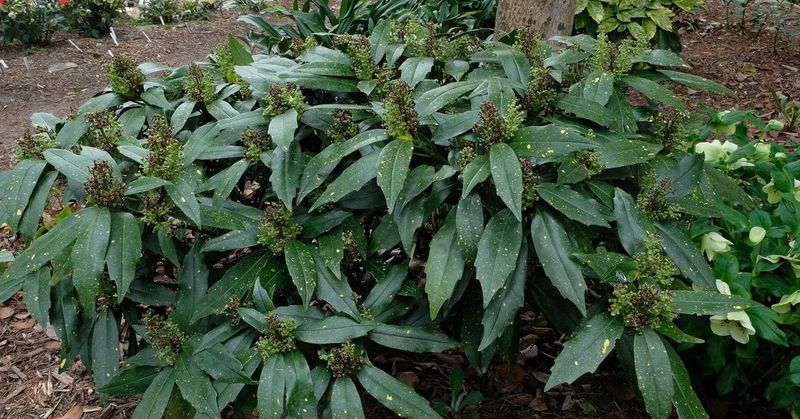
Japanese Aucuba brightens the darkest corners with its large glossy leaves often splashed with golden yellow spots that seem to glow in low light.
This evergreen shrub grows slowly to about six feet tall creating a substantial presence that anchors shaded garden beds with reliable structure throughout every season.
Variegated cultivars like Gold Dust Aucuba bring sunshine-like color to North Carolina gardens even in spots where actual sunlight rarely reaches the ground below.
Female plants produce bright red berries in fall and winter adding extra seasonal interest though a male plant nearby is needed for berry production.
Aucuba tolerates urban pollution and poor soil conditions making it excellent for city gardens or difficult sites where other shrubs fail to establish successfully.
Deer generally avoid this plant so it remains looking pristine in areas where wildlife damage frustrates gardeners trying to maintain attractive landscapes year after year.
Prune Aucuba to maintain desired size and shape or let it grow naturally for a more relaxed informal appearance that suits woodland garden styles perfectly.
9. Camellia
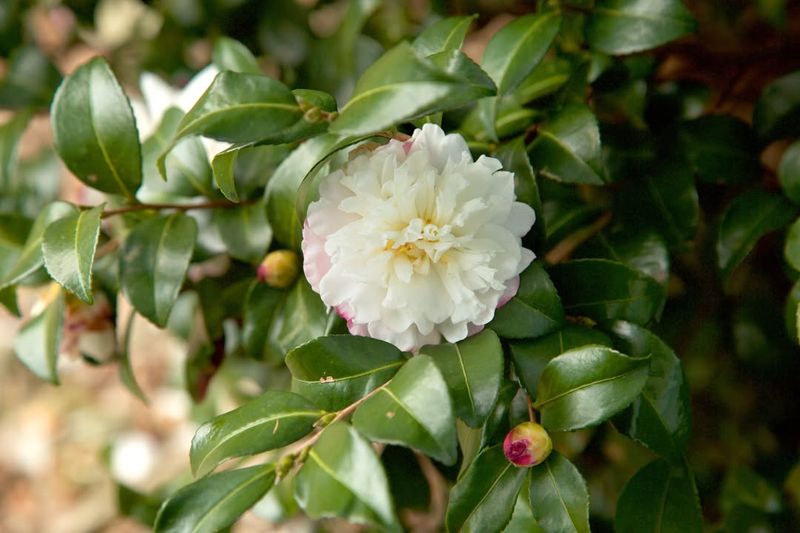
Camellia produces stunning rose-like blooms in fall winter or early spring depending on variety bringing unexpected color when gardens need it most desperately.
Glossy dark green evergreen foliage provides year-round structure and beauty even when the plant is not actively displaying its spectacular flowers to admiring visitors.
Many Camellia varieties tolerate shade beautifully making them perfect for North Carolina gardens where tall trees create challenging growing conditions for sun-loving plants and shrubs.
Flowers come in shades of white pink red or variegated combinations with forms ranging from single petals to full double blooms resembling perfect roses.
Camellias prefer acidic soil similar to azaleas and rhododendrons so testing soil pH and amending with sulfur if necessary ensures healthy growth and abundant flowering.
These shrubs grow slowly to moderate size eventually reaching six to twelve feet tall depending on variety making them suitable for various landscape positions and designs.
Mulching around Camellias helps maintain soil moisture and keeps roots cool during summer months when heat stress can damage shallow root systems near the surface.
10. Pieris
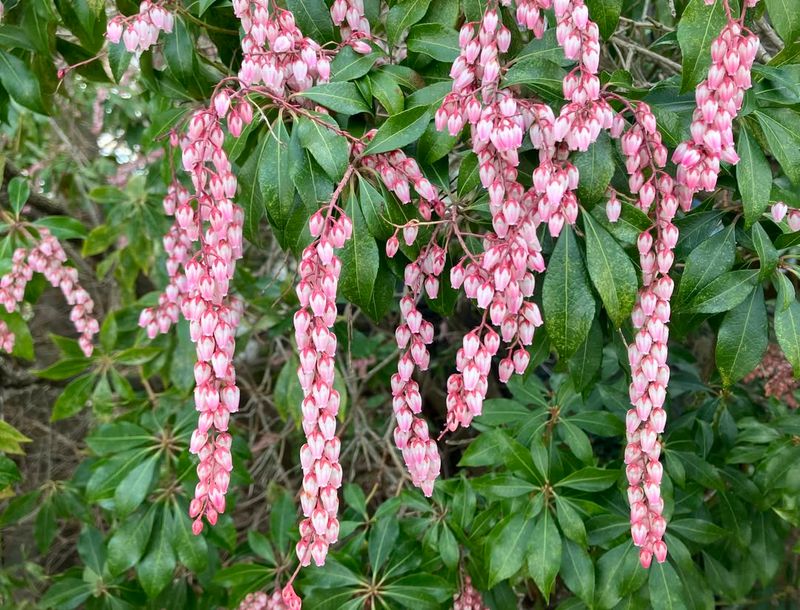
Pieris captivates with cascading clusters of bell-shaped flowers in white pink or red that dangle gracefully from branches in early spring each year.
New growth emerges in brilliant shades of red bronze or pink before maturing to glossy green creating a multi-colored display that rivals any flower show.
This evergreen shrub thrives in the acidic soils common throughout North Carolina making it a natural fit for regional gardens without requiring extensive soil amendments.
Pieris grows to about four to eight feet tall depending on variety fitting nicely into foundation plantings or mixed shrub borders where year-round structure matters.
Deer typically avoid browsing on Pieris due to its toxic compounds making it a reliable choice for areas where wildlife damage presents ongoing challenges to gardeners.
Flower buds form in fall and remain decorative throughout winter before opening in spring providing three seasons of visual interest from a single plant feature.
Plant Pieris in partial to full shade with consistent moisture for best results though established plants tolerate some drought once their root systems develop fully.
11. Sarcococca
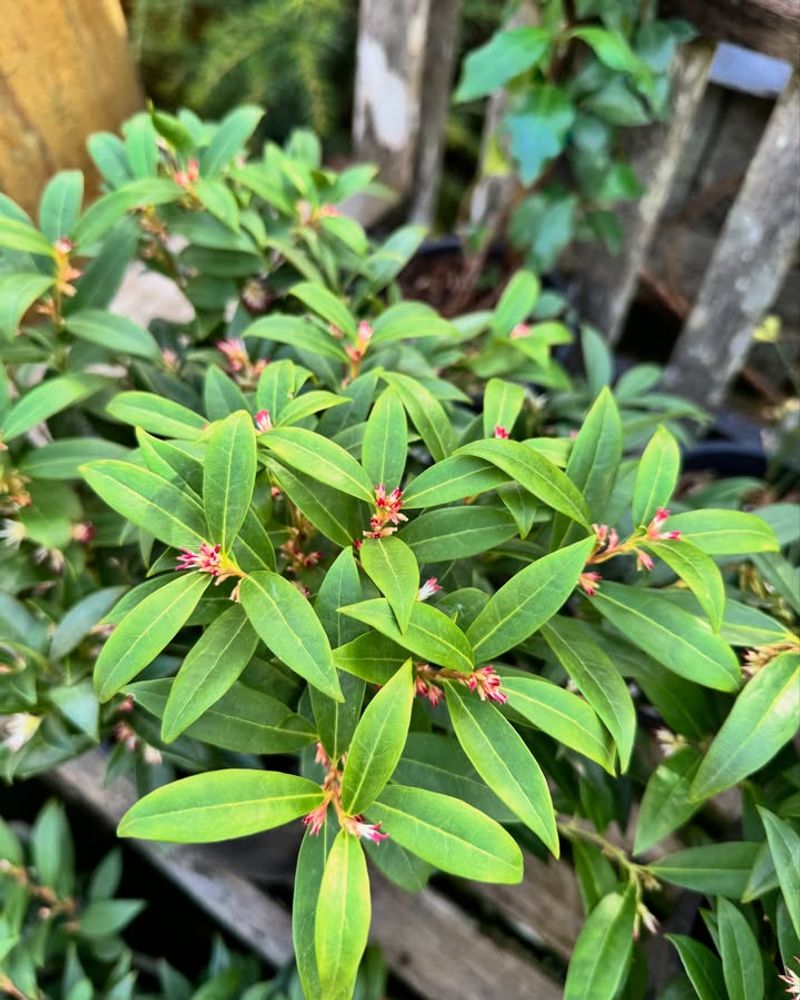
Sarcococca enchants with intensely fragrant white flowers in late winter that perfume the air with a sweet honey-like scent despite their tiny unassuming size.
Commonly called sweet box this compact evergreen shrub features glossy dark green leaves that provide elegant texture in shaded areas throughout all four seasons.
North Carolina gardeners value Sarcococca for its ability to thrive in deep shade where few other flowering shrubs can survive let alone bloom successfully each year.
Plants grow slowly to about three to five feet tall forming dense rounded mounds that work beautifully as foundation plantings or low hedges in landscapes.
Black berries follow the flowers adding another ornamental feature though the fragrance remains the primary reason gardeners choose this exceptional shade-loving plant for their yards.
Sarcococca tolerates dry shade once established making it suitable for challenging spots under large trees where root competition makes growing conditions particularly difficult for most species.
Plant sweet box near entryways or pathways where you will encounter its delightful fragrance regularly during late winter when few other plants offer sensory rewards.