8 Exotic Fruits You Can Actually Grow In Florida Gardens
Florida gardeners have a secret advantage most of the country can only dream about. Step outside your back door and you can grow fruits that look like they belong in a tropical resort, not a suburban neighborhood.
Mangoes, starfruit, papayas, and even massive jackfruit trees thrive in the Sunshine State with the right variety and a little smart planning. While gardeners up north fight frost and short seasons, Florida’s warm climate allows you to harvest exotic flavors straight from your own yard.
Many of these fruits grow faster than you might expect and produce within just a few years. Some even reward you in under twelve months.
If you have ever imagined turning your backyard into a lush, fruit-filled paradise, this list will show you which tropical treasures actually grow well in Florida gardens and how to choose the right ones for your region.
1. Mango
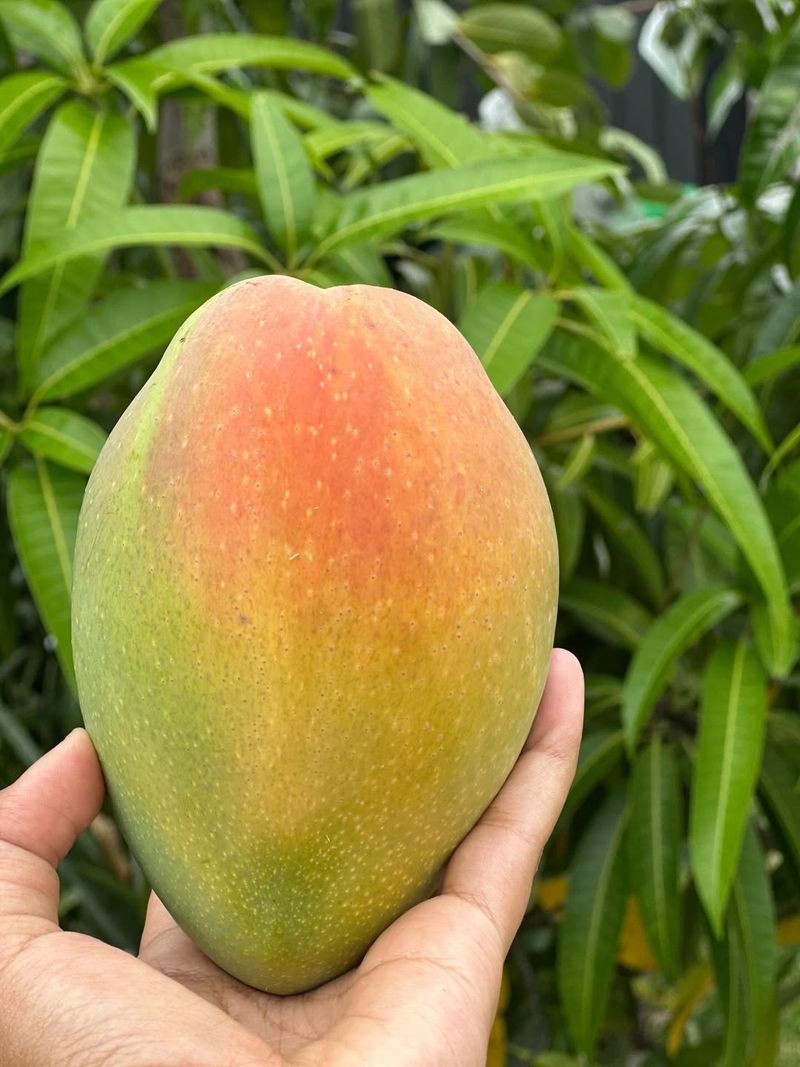
Picture yourself standing beneath a canopy of glossy green leaves, watching heavy fruits dangle like colorful ornaments just above your reach.
Mangoes transform Florida yards into tropical retreats, and unlike some more sensitive tropical fruit trees, these trees handle your climate with remarkable ease.
South Florida gardeners enjoy the most reliable harvests, but Central Florida growers succeed when they choose cold-hardy varieties like Carrie or Ice Cream and plant on the south side of their homes for extra warmth.
Your mango tree will start producing fruit within three to five years after planting, depending on whether you choose a grafted tree or start from seed. Grafted trees give you a head start and guarantee the fruit quality you expect.
These trees love Florida’s summer heat and humidity, thriving in conditions that would stress other fruit trees.
Cold sensitivity becomes your main concern if you garden north of Orlando, where occasional freezes can damage young growth and flower buds.
Mature trees may survive brief dips near 30 degrees, but freezing temperatures often damage flowers and fruit, and prolonged cold snaps can reduce harvests or damage branches.
Space your mango tree at least 25 feet from structures and power lines because these beauties can reach 30 feet tall with equally wide canopies, and their moderately strong wood offers better wind tolerance than many tropical fruit trees, though large branches can still break during major storms.
2. Lychee
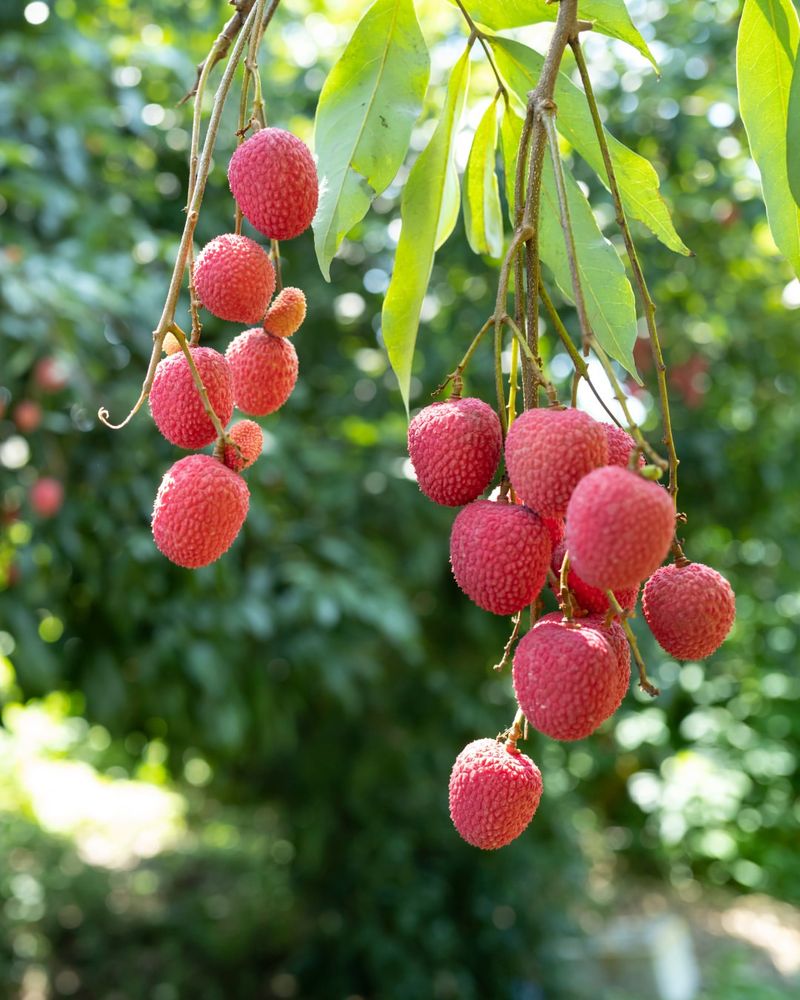
Nothing quite compares to the moment you crack open that bumpy red shell and discover the translucent white fruit inside, dripping with sweet juice that tastes like a cross between a grape and a rose.
Lychee trees bring an air of mystery to Florida gardens, and while they demand more attention than some tropical fruits, the reward of harvesting your own fresh lychees makes every bit of effort worthwhile.
South Florida provides the ideal environment, particularly in Miami-Dade and coastal areas where humidity stays high and temperatures rarely threaten the tree.
Your lychee tree needs patience because it typically takes five to seven years before you see your first significant harvest, though grafted varieties can fruit slightly sooner. These trees absolutely love Florida’s summer heat and thrive in the muggy conditions that make other plants wilt.
The real challenge comes during winter because lychees need a brief cool period to trigger flowering, but temperatures below 32 degrees will damage or destroy your crop.
Central Florida gardeners can grow lychees successfully by choosing cold-tolerant varieties like Brewster and protecting young trees during cold snaps with frost cloth.
Plan to give your lychee tree plenty of space, at least 20 feet from buildings and other trees, because mature specimens can spread 25 feet wide and stand equally tall, creating a dramatic focal point in your tropical landscape.
3. Starfruit (Carambola)
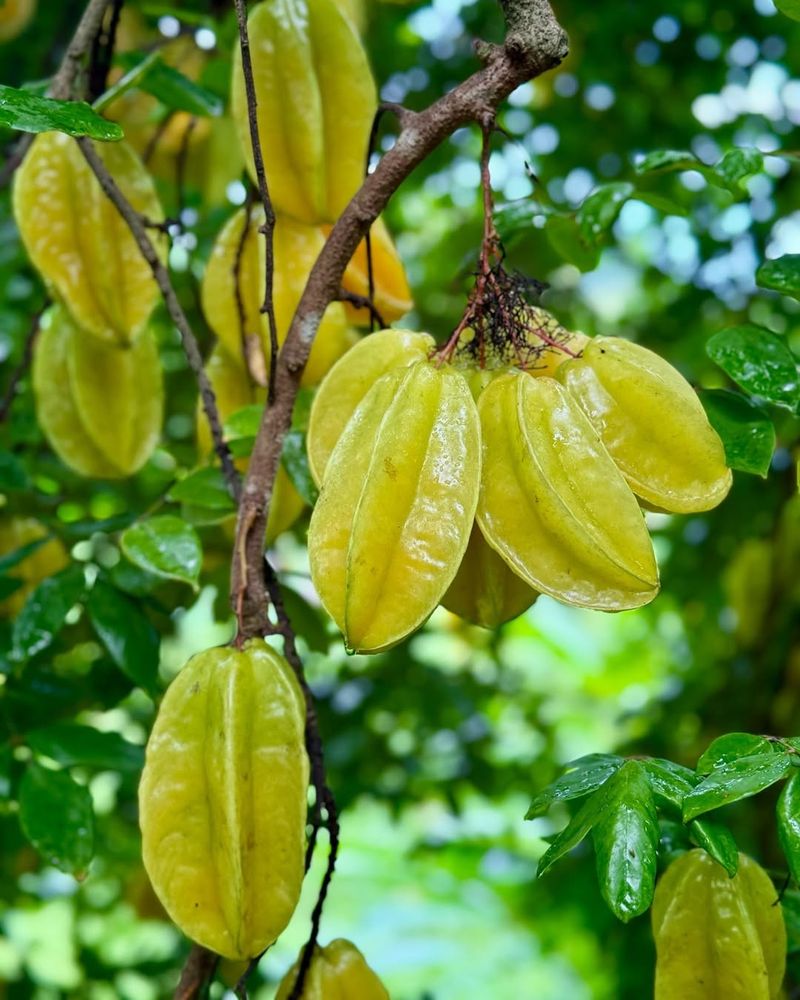
Slice one of these golden fruits crosswise and you instantly understand why everyone calls them starfruit, as each piece reveals a perfect five-pointed star that looks almost too beautiful to eat.
Carambola trees rank among the easiest exotic fruits you can grow in Florida, thriving with minimal fuss while producing abundant harvests that will have you sharing fruit with every neighbor on your block.
Central Florida gardeners can succeed with frost protection, while outdoor growing in North Florida is unreliable due to frequent cold damage. Your starfruit tree will surprise you with how quickly it produces, often bearing fruit within two to three years of planting.
The trees stay relatively compact, typically reaching 20 to 30 feet tall, which makes them perfect for smaller yards where space comes at a premium. Florida’s heat and humidity create ideal growing conditions, and carambolas actually prefer our summer storms and regular rainfall.
Cold becomes your only real concern because temperatures below 28 degrees will damage foliage and young fruit, though established trees can recover from brief freezes. Space your tree about 15 feet from structures and other plants, giving it room to develop its naturally rounded canopy.
The relatively flexible branches handle strong winds better than many fruit trees, though you should stake young trees securely and consider removing some fruit during storm season to reduce weight on the branches.
4. Tropical Guava (Psidium guajava)
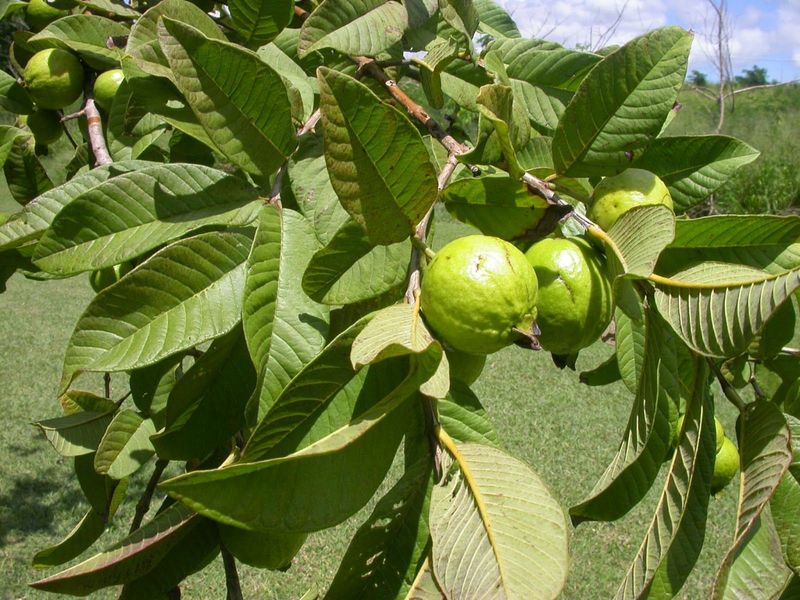
Walk past a guava tree in full fruit and the intoxicating perfume will stop you in your tracks, announcing ripe fruit long before your eyes spot the yellow-green globes hiding among the leaves.
Tropical guava grows with such enthusiasm in Florida that it has naturalized in many areas, spreading through parks and wild spaces with carefree abundance.
Your garden can harness this vigorous growth, and guavas adapt to nearly every corner of Florida, from the Keys to the Panhandle, though South and Central regions provide the most consistent fruit production.
These fast-growing trees will reward your patience with fruit in just two to four years, and once they start producing, you will harvest multiple times throughout the warm season.
Guavas handle Florida’s intense summer heat without complaint, and they actually appreciate the humidity that troubles many other fruit trees.
The trees typically reach 10 to 15 feet tall, making them manageable for most yards.
Cold tolerance surprises many gardeners because established guava trees may resprout after brief dips into the mid-20s, though above-ground growth often suffers leaf loss and branch dieback.
Space your guava about 12 feet from other plants and structures, and keep in mind that these trees can sucker from the roots, potentially creating a thicket if you do not remove unwanted shoots.
The relatively small size and flexible branches make guavas fairly wind-resistant, though heavy fruit loads can break branches during storms if you do not thin your crop.
5. Avocado (Florida Varieties)
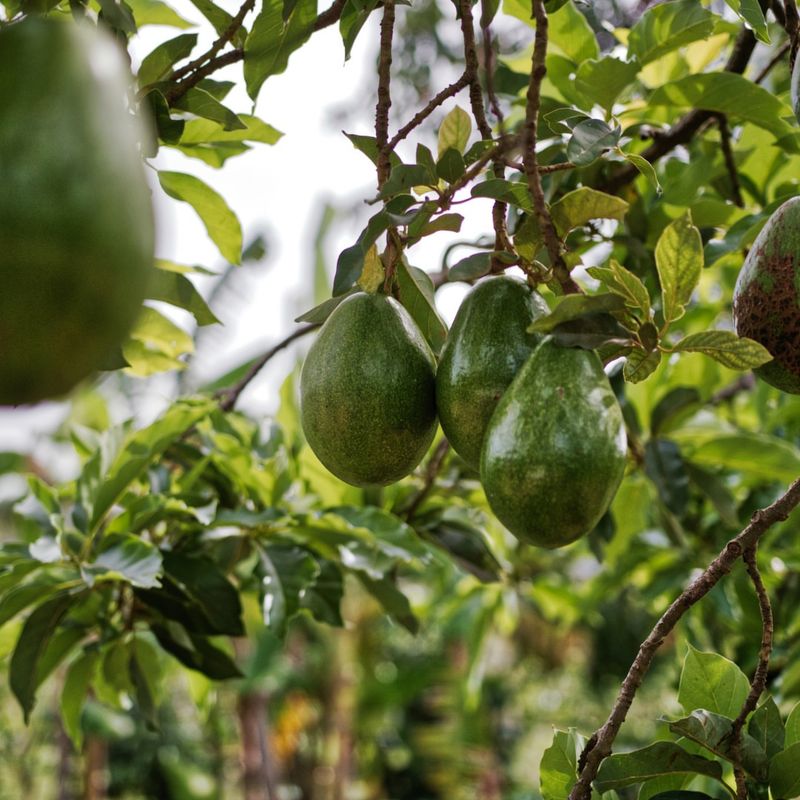
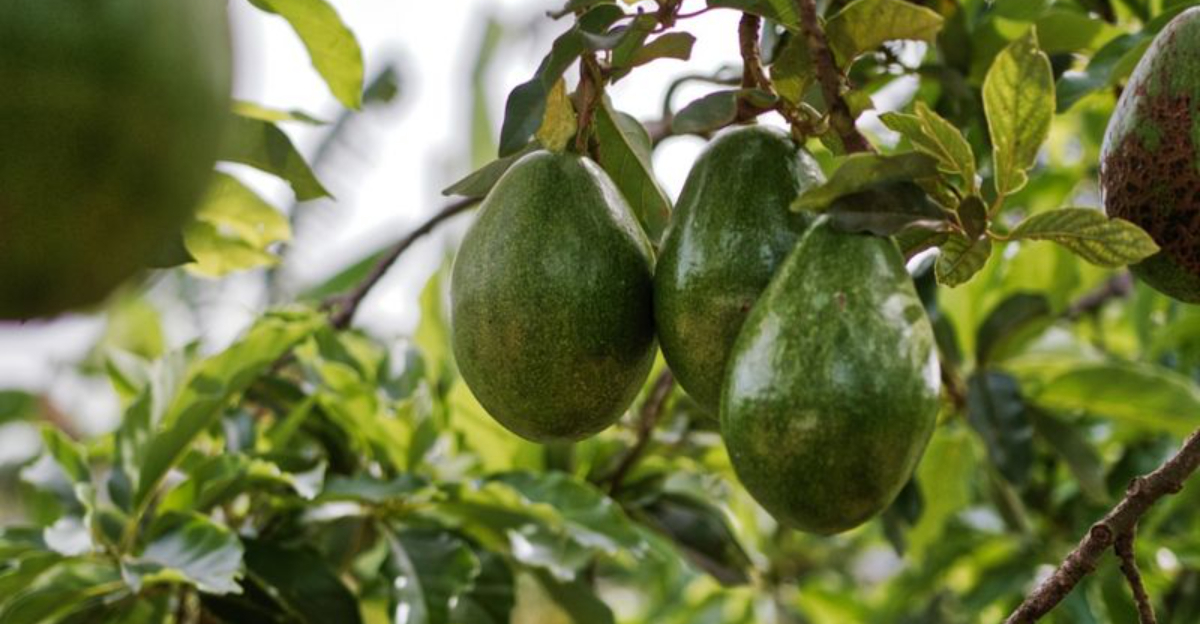
Forget everything you know about those small, dark California avocados because Florida varieties grow into glossy green giants that can weigh over a pound each, with smooth, thin skin that peels away to reveal pale, buttery flesh.
Your Florida garden can produce these magnificent fruits with varieties specifically bred to handle our climate, and the difference between success and failure comes down to choosing the right type for your region.
South Florida gardeners can grow nearly any Florida avocado variety, while Central and North Florida require cold-hardy selections like Brogdon, Lula, and Mexican-race or hybrid varieties.
Your avocado tree will need some patience because most varieties take three to five years before producing significant harvests, though grafted trees fruit sooner than seedlings.
These trees absolutely love Florida’s warm, humid summers and grow vigorously during the rainy season.
The main challenge comes from cold sensitivity, as most Florida varieties suffer damage below 28 degrees, and prolonged freezes can devastate even mature trees.
Plan to give your avocado plenty of space because these trees can reach 40 feet tall with equally impressive spreads, and their dense canopies create deep shade beneath. Plant at least 25 to 30 feet from buildings and power lines, and consider the tree’s eventual size when choosing a location.
The brittle wood makes avocados somewhat vulnerable to hurricane damage, so proper pruning and strategic fruit thinning become important during storm season.
6. Papaya
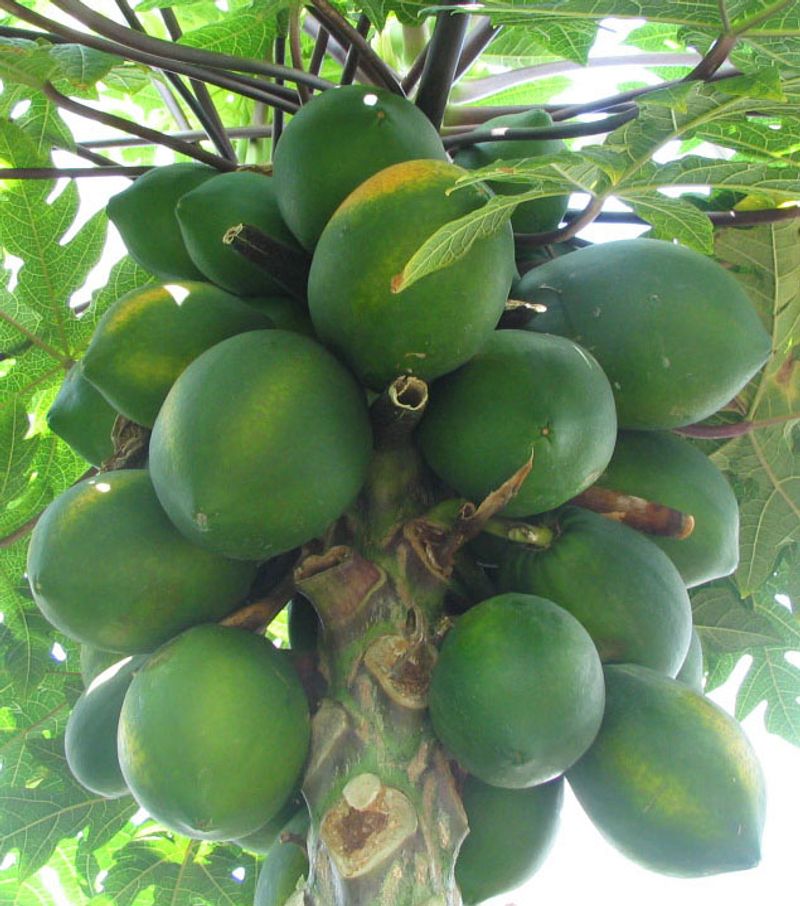
Few tropical fruits deliver faster gratification than papayas, which transform from tiny seedlings into fruit-bearing plants in less than a year, creating an instant tropical atmosphere in your Florida landscape.
These fast-growing plants produce clusters of melon-sized fruits at the top of their single trunk, and their rapid growth cycle means you can experiment with different varieties without committing to decades of waiting.
Papayas thrive throughout Florida, though South and Central regions provide the most reliable year-round production, while North Florida gardeners should treat them as annuals or protect them carefully during winter.
Your papaya plant will astound you by producing fruit within nine to twelve months of planting, making it the quickest exotic fruit harvest you can achieve in Florida. These tropical plants adore heat and humidity, growing most vigorously during summer when temperatures stay consistently warm.
These fast-growing plants tolerate Florida’s rainy season, though excellent drainage is essential to prevent root rot.
Cold sensitivity makes papayas the most tender fruit on this list, as temperatures below 32 degrees will severely damage or eliminate plants entirely.
Space papayas about eight to ten feet apart and the same distance from structures, remembering that their relatively short lifespan of three to five years means you will eventually need to replant.
The soft wood and top-heavy fruit clusters make papayas extremely vulnerable to hurricane winds, so many gardeners harvest all fruit and cut back plants before major storms approach, knowing they will regrow quickly.
7. Longan
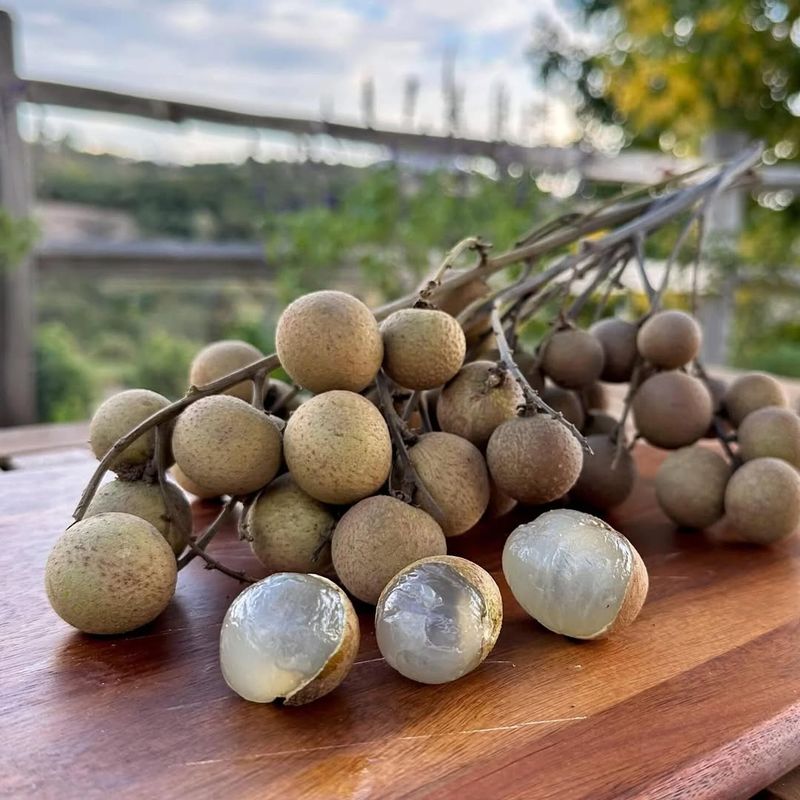
Imagine hanging clusters of bronze-skinned fruits that crack open to reveal translucent white flesh surrounding a dark seed, earning them the poetic nickname dragon eyes in Asian markets.
Longan trees bring both beauty and bounty to Florida gardens, and while they share some similarities with their lychee cousins, longans prove significantly easier to grow in most Florida locations.
South Florida provides ideal conditions, but Central Florida gardeners achieve excellent results with proper variety selection, and these trees handle Florida’s climate challenges with impressive resilience.
Your longan tree will typically produce its first meaningful harvest within four to six years, though grafted varieties can fruit slightly sooner than seedlings. These trees thrive in Florida’s summer heat and actually appreciate our high humidity, growing vigorously during the warm months.
Longans need a brief cool period to trigger flowering, tolerating brief dips into the upper 20s, though flowers and young growth are sensitive to freezing temperatures.
The trees develop into impressive specimens that can reach 30 to 40 feet tall with spreading canopies that provide wonderful shade, so plan to space them at least 25 feet from buildings and other permanent structures.
The relatively strong wood and flexible branches give longans better wind tolerance than lychees, making them one of the safer large fruit trees to plant in storm-prone areas.
Central Florida gardeners should choose varieties like Kohala or Diamond River, which demonstrate better cold tolerance and more reliable fruiting in areas that experience occasional freezes.
8. Jackfruit
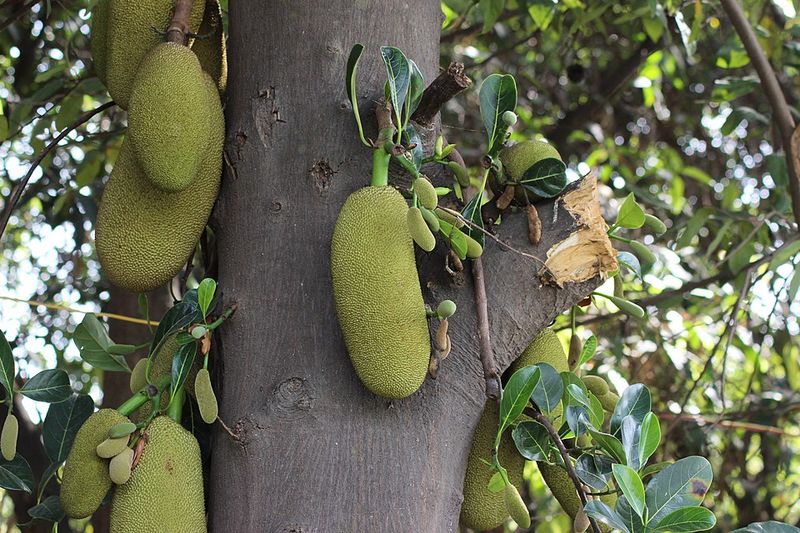
When a single fruit can weigh 40 pounds or more and dangle directly from the trunk like a spiky green boulder, you know you have entered the realm of truly exotic tropical gardening.
Jackfruit trees create dramatic focal points in Florida landscapes, and their massive fruits contain hundreds of sweet, aromatic pods that taste like a blend of pineapple, mango, and banana.
South Florida provides the best conditions for reliable jackfruit production, while Central Florida gardeners can succeed with cold-hardy varieties and strategic planting locations that offer frost protection.
Your jackfruit tree will require patience because most trees need five to seven years before producing their first fruits, though the wait becomes worthwhile when you harvest your first massive jackfruit.
These trees love Florida’s heat and humidity, growing most vigorously during summer when temperatures stay consistently warm.
The trees can reach 30 to 40 feet tall without pruning, though regular maintenance keeps them more manageable for home landscapes.
Cold sensitivity limits jackfruit to the warmest parts of Florida, as temperatures below 32 degrees will damage foliage and can eliminate young trees entirely. Space your jackfruit tree at least 30 feet from structures and power lines, accounting for both its height and spread.
The enormous fruits grow directly on the trunk and main branches, which helps distribute weight but also means you need clear space around the tree base for safe harvesting and to prevent falling fruit from causing damage during storms.
Cold tolerance varies by cultivar, tree age, and local microclimate. Gardeners in Central and North Florida should select region-appropriate varieties and plan frost protection for tropical fruit trees.