8 Fall Amendments New York Raised Beds Need Before Winter
The last tomato is picked, the basil looks tired, and your raised beds suddenly feel quiet. That stretch between harvest and hard frost is a valuable window for improving the soil.
Summer crops have used plenty of nutrients, while the soil may have settled and compacted. Fall gives amendments time to work before spring planting begins.
Some additions replenish nutrients. Others adjust pH, improve soil structure, or help protect the surface through winter.
The best part is that most take little effort. Give your New York raised beds some attention now, and they can be ready for a stronger start next spring.
1. A Fresh Compost Boost Before Winter Sets In
Compost in fall is the gardening equivalent of putting soup on the stove before company arrives. Everything has time to mature quietly while you do nothing at all.
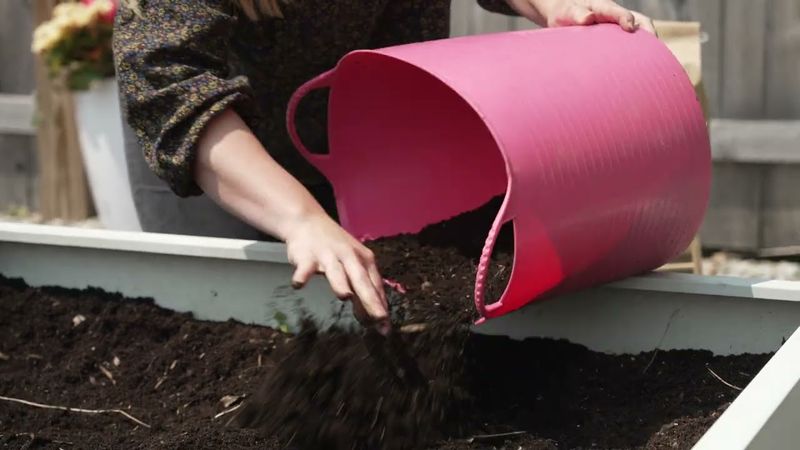
Warm-season crops use nutrients from your beds. Adding compost now adds organic matter and some nutrients back to the soil.
Spread a layer roughly 2 to 3 inches thick across the surface. You can scratch it into the top few inches or simply leave it sitting on top.
Over the cold months, worms and microbes pull that organic matter downward for you. By April, the structure underneath feels crumbly instead of tight and lifeless.
Nutrients in compost are released gradually as the material breaks down. Applying it in fall gives the soil time to incorporate the organic matter before spring planting.
Compost can improve how soil handles water. It can help sandy soil hold moisture and improve the structure of some heavier soils.
Cooler autumn temperatures mean weed seeds stay mostly quiet. Your organic matter breaks down without feeding a surprise crop of chickweed.
Martha Stewart layers rich compost over her garden beds at her Bedford farm each winter. NYC.gov recommends about a one-inch compost mulch in fall for weed control and moisture.
Skip anything that still smells sour or looks chunky and unfinished. Good compost should be dark, loose, and faintly sweet like a forest floor.
For vegetable beds, many growers pile several inches on and till it in come spring. Either method works, so choose whichever fits your schedule.
2. More Organic Matter Where The Soil Has Settled
Ever notice how a raised bed that was brimming in May looks oddly sunken by October? Soil settles because organic matter breaks down and disappears into plant growth.
Compacted, dry soil makes roots work harder than they should. Feeding it bulky material restores the fluffy texture vegetables love.
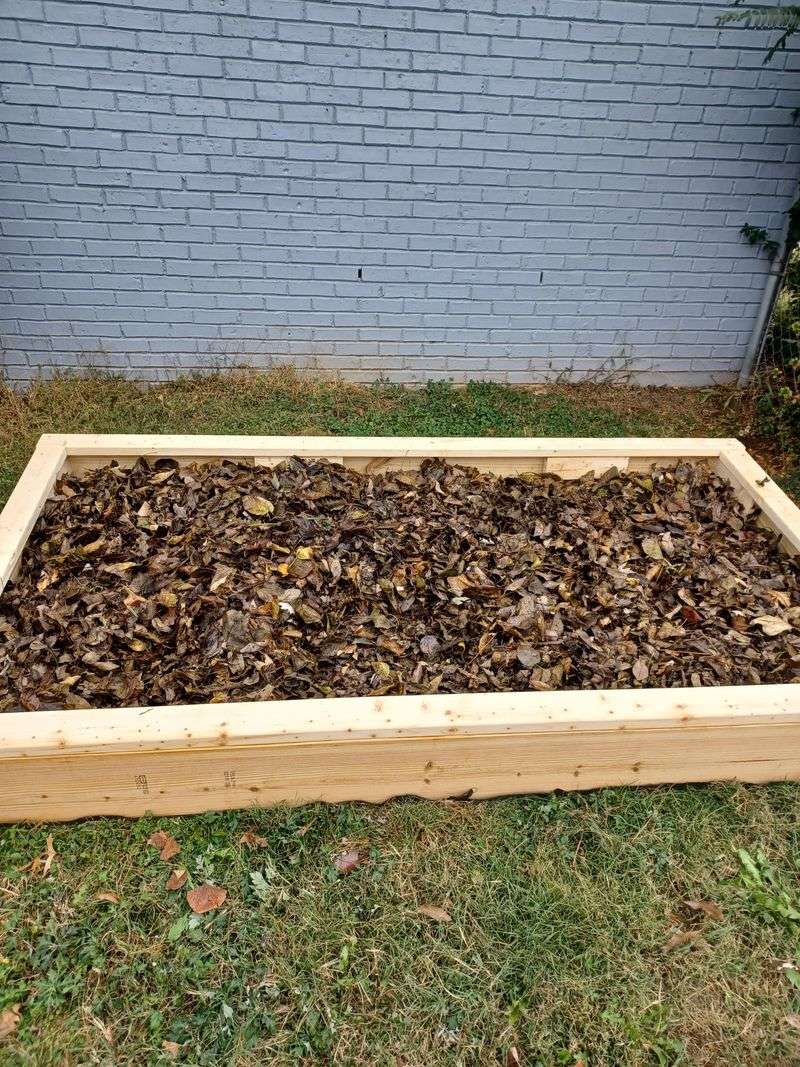
Shredded leaves are free, plentiful, and packed with carbon your soil microbes crave. Run a mower over a pile and they break down far faster than whole leaves.
Aged manure brings a strong nutrient punch along with bulk. Fresh manure needs composting first, since raw material can scorch tender roots.
Worm castings deserve a spot too. They add organic matter and nutrients to the soil.
When building or refilling a bed, castings at 10 to 20 percent of total volume works well. In established beds, a few handfuls scratched in goes a long way.
Your New York Garden Changes Every Week. Your Plan Should Too.
Gardening in New York changes quickly throughout the season. Every Friday you’ll receive a simple weekly plan showing exactly what to plant, prune, fertilize, harvest, and protect so you never miss the right timing.
Cover crops are another clever route. The New York Botanical Garden uses them to add organic matter and rebuild nutrients between plantings.
Oats, field peas, or winter rye sown in early fall will fill your bed with roots. Those roots feed soil life all through the cold stretch.
Aim for roughly 2 to 3 inches of added material blended into the top layer. Mixing compost and manure together improves texture faster than either one alone.
Cornell Cooperative Extension offices encourage this kind of layering. Better drainage, stronger moisture retention, and livelier microbes all come from the same simple habit.
3. A Nutrient Boost If The Bed Tests Low
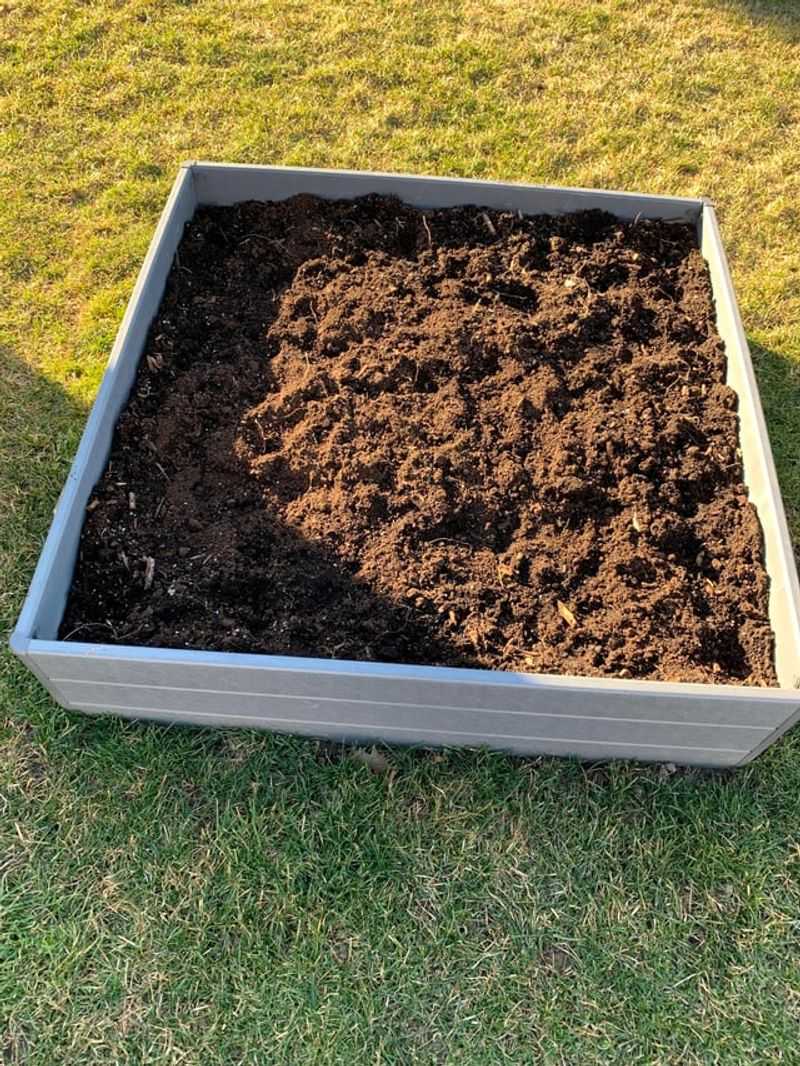
Guessing at fertilizer is a bit like seasoning food blindfolded. A soil test tells you exactly what your bed lacks, so you stop throwing money at problems that do not exist.
Once results come back showing a shortage, fall is a smart time to correct it. Organic materials need weeks to break down before roots can use them.
Nitrogen can become limiting after a heavy harvest, but a soil test can show whether your bed actually needs more. If it does, blood meal, crab meal, alfalfa, cottonseed meal, and soybean meal can all supply nitrogen.
Fish emulsion and seaweed products can supply nutrients, but use them according to what your soil actually needs.
Phosphorus and potassium behave differently. Both can be applied at pretty much any point in the season without much fuss.
Bone meal is a classic phosphorus source for root crops and flowering plants. Greensand and kelp meal help on the potassium side.
Applying amendments in fall gives them time to begin working before spring planting. Follow the soil-test recommendations for what to apply and how much.
Cornell Cooperative Extension runs comprehensive nutrient analysis for gardeners and includes recommendations with results. Their guidance beats generic package instructions every time.
Compost handles mild deficiencies on its own. Save the targeted amendments for the numbers that came back genuinely low.
The New York Botanical Garden leans on organic fertilizers regularly, and their beds show it. Feed the soil thoughtfully now, and spring planting becomes far less stressful.
4. Lime When A Soil Test Finds Low pH
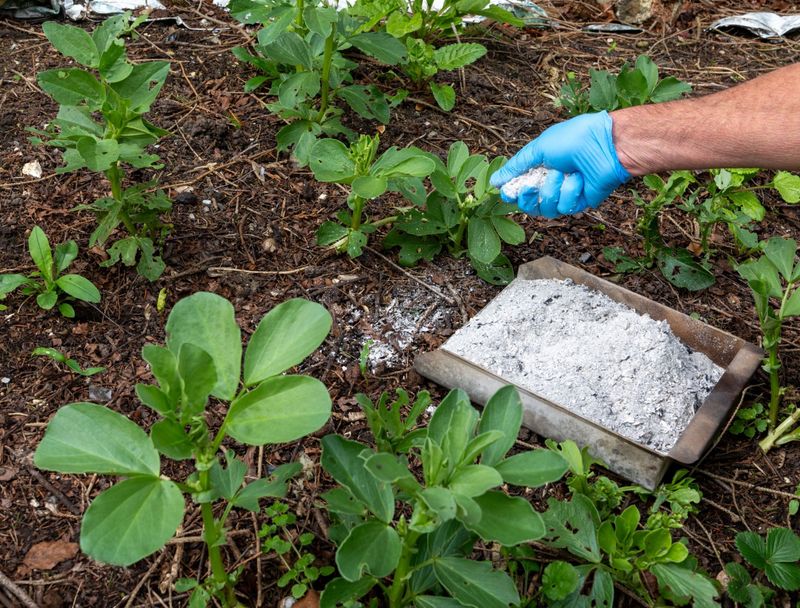
Much of the state sits on naturally acidic ground, thanks to years of rainfall and decaying leaves. When pH drops too low, plants cannot pull in nitrogen even when it is sitting right there.
Garden lime raises soil pH and can also supply calcium. Use it when a soil test shows that your soil needs lime.
Timing is what makes autumn so useful here. Lime is slow-acting, and it wants months of moisture and freeze-thaw cycles to work through the soil profile.
Spread it evenly across the surface rather than dumping it in clumps. Then cultivate it into the top few inches so it makes real contact with soil particles.
Restraint matters more than enthusiasm. Pushing pH too high creates a new headache that takes far longer to reverse.
For beds with existing plantings, keep applications to about 5 pounds per 100 square feet. Anything gentler is safer than anything heavier.
If your test recommends more than 50 pounds per 1,000 square feet, split the job. Apply half in fall and the rest the following spring.
Retest roughly four to six months after your last application. Numbers tell you whether to stop or nudge things a little further.
Cornell Cooperative Extension tailors lime recommendations to soils based on your specific results. Local advice beats a chart printed for the whole country.
Wear a dust mask while spreading, since fine lime powder drifts easily. A calm, windless afternoon makes the whole job simpler.
5. Sulfur When The Soil Needs A Lower pH
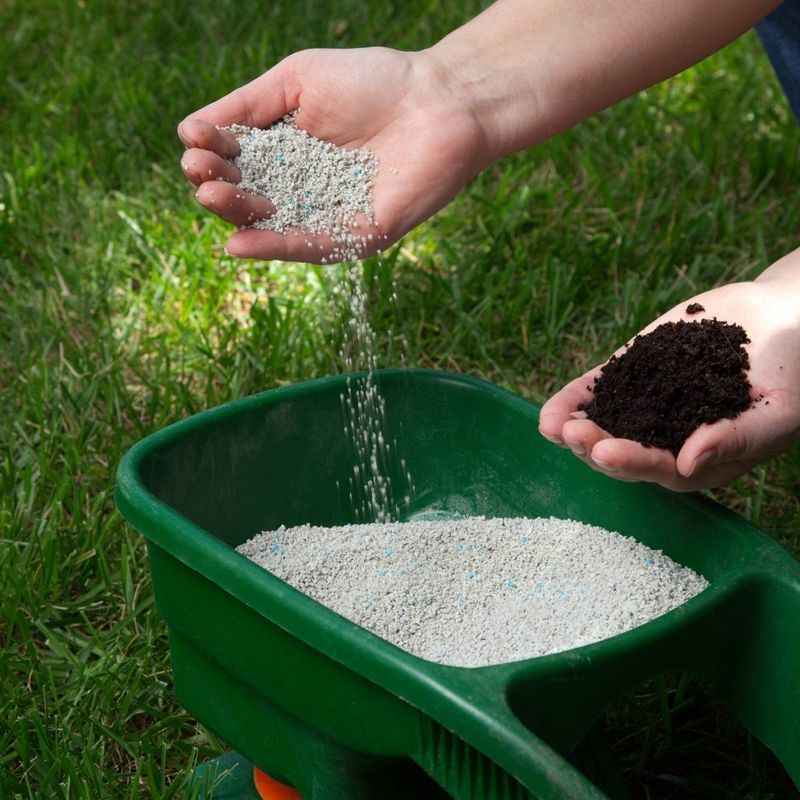
Blueberries are picky roommates. They want acidic soil, and if your bed reads too alkaline, those bushes will sulk and yellow no matter how much you fuss over them.
Elemental sulfur is a standard way to lower soil pH. Soil microorganisms convert it into forms that gradually acidify the soil.
Bacteria need warmth to do that work, so apply while soil temperatures stay above 55 degrees. Early fall usually hits that window nicely.
A fall application buys extra conversion time before planting season. It also spreads your chore list across the calendar instead of cramming everything into April.
Rates depend heavily on soil texture. The amount needed depends on your soil test, soil type, and the pH change you need.
Follow the application rate recommended by your soil test rather than using a fixed rate for every bed. Overdoing it can harm soil life and stress nearby plants.
Rake the sulfur into the top few inches rather than leaving it on the surface. Contact with soil particles speeds the whole process along.
One practical advantage: elemental sulfur applied in autumn resists leaching better than sulfate fertilizers. Winter rain will not simply carry your investment away.
Patience is required. Meaningful pH change often takes several months, sometimes longer in heavy clay.
Cornell Cooperative Extension offers acidification guidance specific to New York gardens. Their advice helps you avoid overshooting and creating the opposite problem next season.
6. Fresh Topsoil If The Bed Has Lost Volume
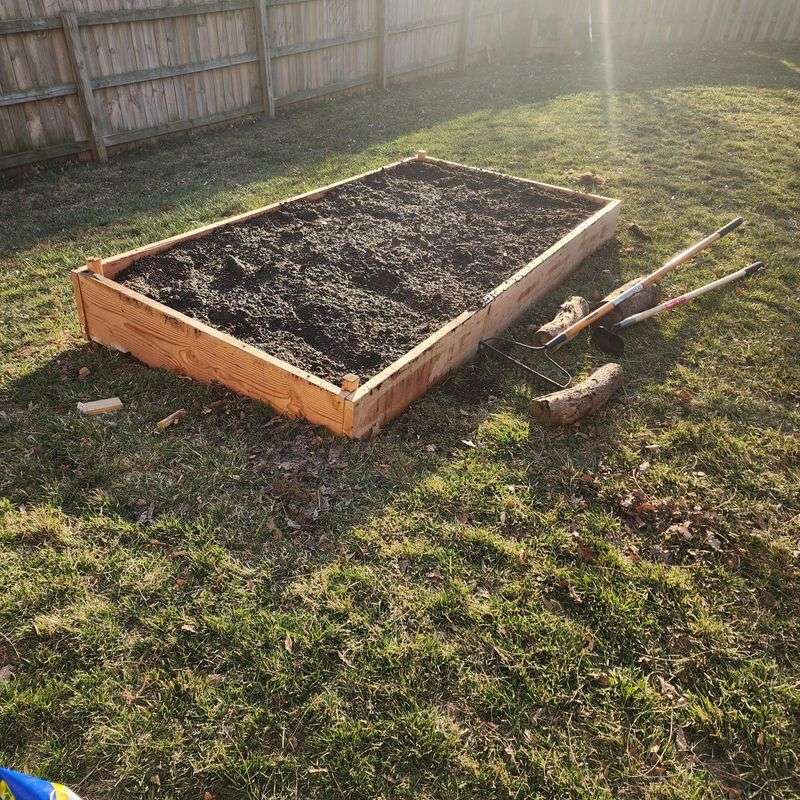
Stand next to your raised bed and look at the frame. If you can see several inches of bare wood along the inside edge, the soil has quietly shrunk.
Raised beds can settle over time as organic matter breaks down and soil particles compact.
Topping off with fresh topsoil restores that lost depth. Deeper soil means roots have room to stretch instead of hitting the bottom early.
A raised-bed mix can combine topsoil, finished compost, and an aeration material. Adjust the mix to the crops, soil, and drainage of the bed.
Buying plain bagged topsoil alone is a mistake many new gardeners make. Straight topsoil compacts fast and drains poorly inside a contained bed.
Blend your new topsoil with compost in a wheelbarrow before adding it. Mixed material integrates with existing soil far better than a separate layer sitting on top.
Fall works well for this job because the bed is empty and easy to access. No seedlings to work around, no vines to dodge.
Water the bed lightly after filling so everything settles naturally. Come spring, you will not be surprised by another sudden drop.
Bulk topsoil from a local supplier usually costs far less than bags. A half yard refills a couple of standard beds with room to spare.
Check the frame while you are at it. Loose screws and soft boards are easier to fix now than in March.
7. A Protective Mulch Layer For The Winter
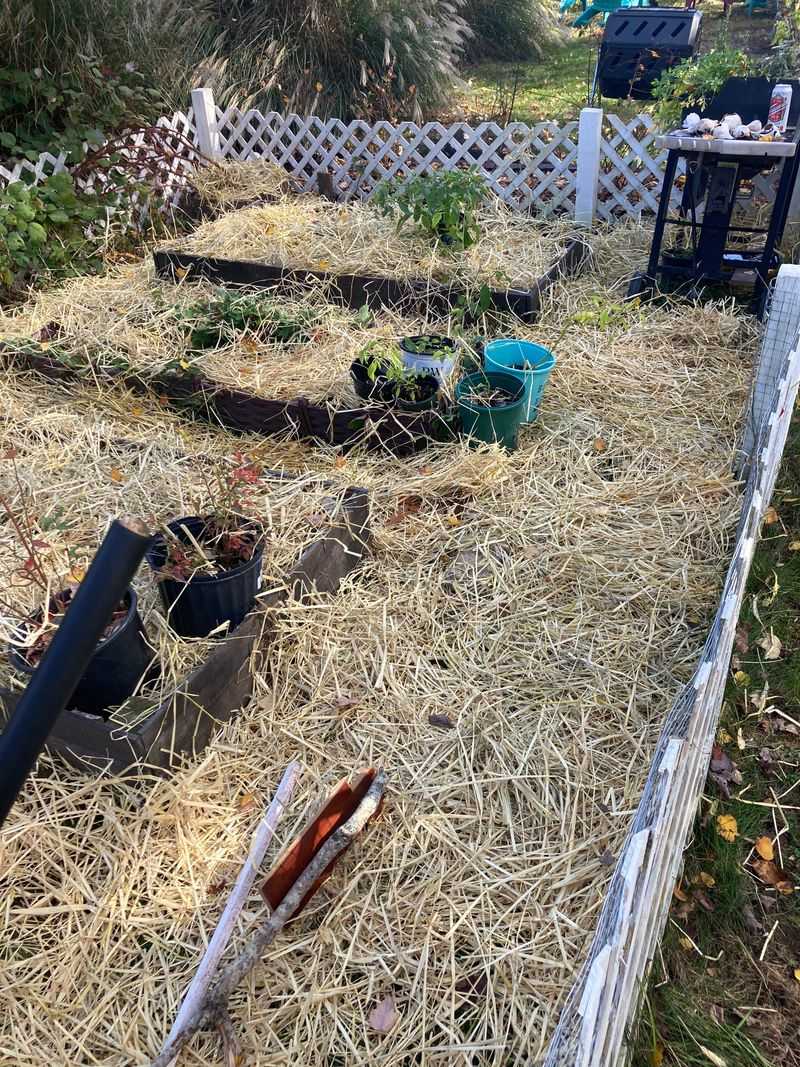
Think of mulch as a quilt you tuck over the garden before the first hard freeze. Soil underneath stays steadier while the air above swings wildly.
New York winters are famous for thawing on Tuesday and refreezing by Thursday. That cycle heaves soil upward and pushes shallow roots right out of the ground.
A mulch layer slows frost penetration and softens those temperature swings. Perennials, garlic, and strawberries all benefit enormously.
Moisture loss is another sneaky winter problem. Cold winds dry exposed soil surprisingly fast, and mulch cuts evaporation significantly.
Weeds get discouraged too, since sunlight cannot reach seeds buried under leaves. Fewer sprouts in March means less work for you.
Erosion slows as well, because mulch absorbs the impact of rain and melting snow. Your carefully built soil stays inside the frame where it belongs.
Shredded leaves rank among the best insulators and cost nothing. Straw, wood chips, and pine needles all perform well depending on what you can find.
Apply 2 to 3 inches across the bed surface. Thicker is not better, since packed mulch can smother soil and hold too much water.
Keep material pulled back 2 to 3 inches from any plant stems or crowns. Mulch piled against stems invites rot and fungal trouble.
The Brooklyn Botanic Garden recommends that same 2 to 3 inch depth for winter protection in New York City conditions. Martha Stewart mulches her Bedford beds every winter for identical reasons.
8. A Soil Test Before You Add Anything Else
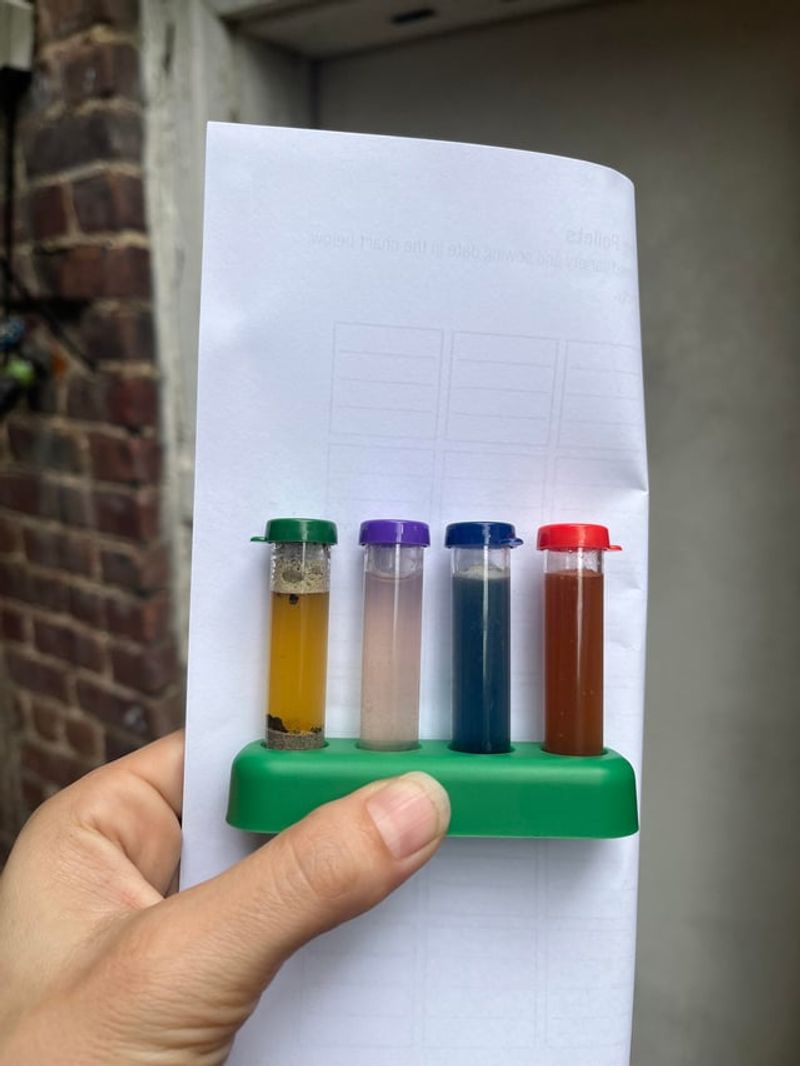
Here is the slightly annoying truth: the last item on this list should honestly be the first thing you do. Testing tells you which amendments your bed actually needs.
Without numbers, you might spend money on lime when your pH was already fine. Or add nitrogen that was never in short supply.
Urban gardeners have an extra reason to test. Older city soils sometimes carry lead or other metals worth identifying before growing food.
Autumn happens to be ideal timing. Soil tends to be drier, labs are less swamped, and you have months to act on the results.
Sampling between October and December fits perfectly with planning spring fertilizer. Nothing feels better than starting the season already informed.
Collection is straightforward. Pull several representative scoops from around the bed at the depth recommended by the soil-testing lab.
Combine everything in a clean bucket and mix thoroughly. Let the soil air dry, then send about two cups to the lab.
Cornell Cooperative Extension offers pH testing and full nutrient analysis for New York gardeners. Dairy-One Agro-One in Ithaca provides detailed panels with Cornell-based recommendations.
Costs stay reasonable, with pH tests around 3 to 10 dollars and nutrient panels between 13 and 25 dollars. Results typically arrive within a week, occasionally two or three.
Extension offices operate in counties including Erie, Orange, and Suffolk. One test now saves guesswork through the entire next growing season.