Why Squirrels Target Fall Bulbs In New York, And The Tricks That Keep Them Away
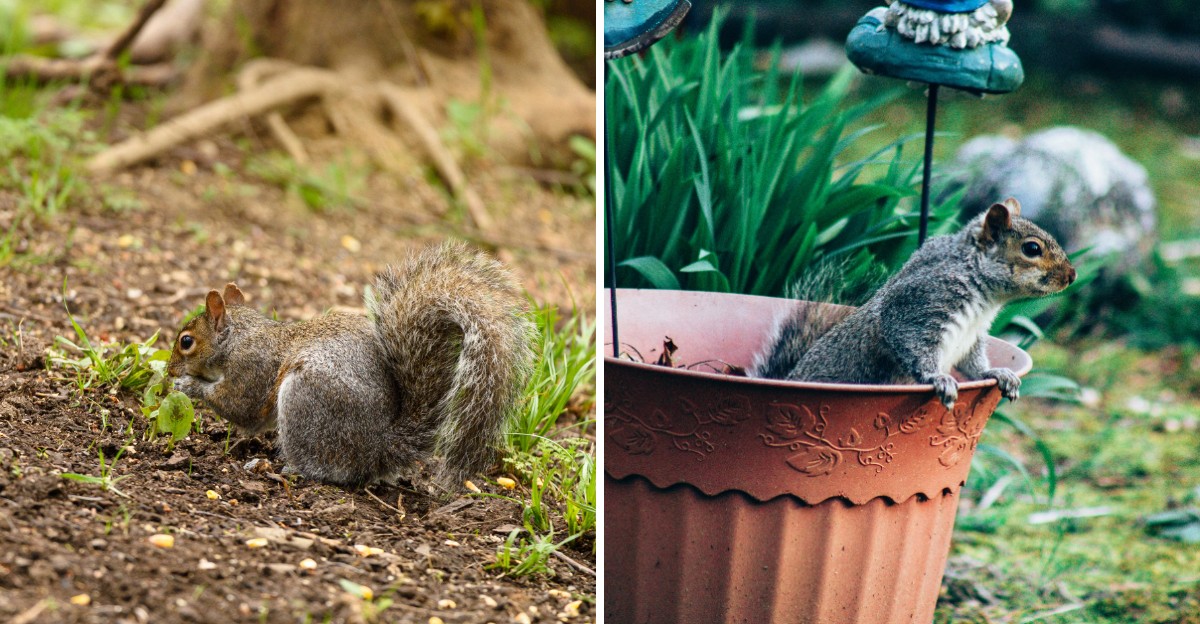
A gray squirrel can bury thousands of nuts each fall and still find many of them later by smell and memory. That same nose and memory can lead it straight to the tulip bed you finished planting yesterday afternoon.
I learned this the hard way. I once planted fifty bulbs on a crisp October Saturday in New York. By Monday, the bed looked like a tiny construction site, with papery skins scattered across the lawn.
You are not dealing with a random vandal. You are dealing with a busy, clever forager on a strict seasonal schedule, and it reads your fresh soil like a menu.
The twist is that some bulbs barely interest these diggers, while others vanish fast. So why does one bed get raided while the next one stays untouched?
That Fresh Patch Of Bulb Soil Looks Like A Squirrel Snack Bar
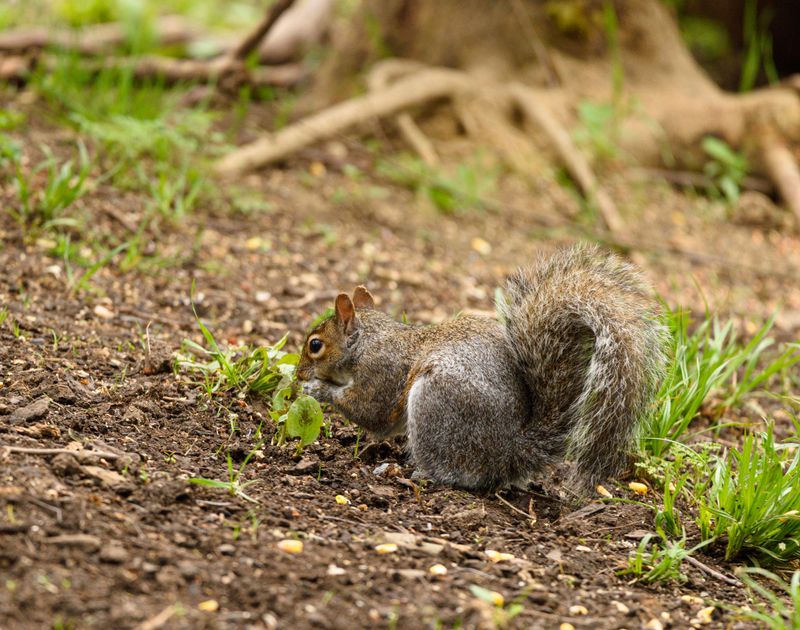
Squirrels in autumn act like tiny grocery shoppers with a deadline. Eastern gray squirrels spend fall scatter-hoarding nuts, burying them one by one in hundreds of small holes across your yard.
So when you dig a bed and set bulbs inside, you create the exact look and smell of a fresh cache. Loose soil tells a squirrel that another animal may have hidden food there.
Many squirrels simply dig to check, and that curiosity is the main reason bulbs get pulled up.
Some bulbs also taste good. Tulips and many large crocus types are starchy and lack the bitter chemicals other bulbs carry.
A squirrel that bites one and likes it may come back for more, while others get tossed aside and left on the surface.
Papery bulb skins add to the problem. Those bits blow around and carry a scent that points straight to your planting spot.
Personally, I think of them as breadcrumbs leading to a buffet.
Chipmunks and voles can cause similar damage, so look closely. Squirrels leave open, shallow holes, while voles tunnel below and chipmunks dig small, neat burrows.
Knowing who visited helps you choose the right fix.
The takeaway is simple. Squirrels are not being mean.
They are following a strong fall instinct, and your job is to make the bed less tempting and harder to raid.
Chicken Wire Over The Bulb Bed Is Your Strongest Shield
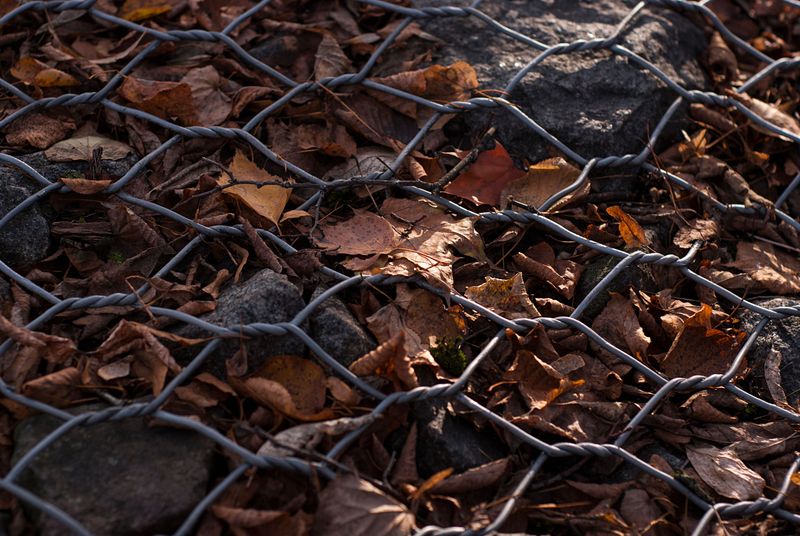
Out of every trick I have tried, plain wire mesh wins by a mile. University extension services, including Cornell, point to physical barriers as one of the most reliable ways to protect bulbs from digging animals.
The method is easy. Plant your bulbs, firm the soil, then lay chicken wire or hardware cloth flat over the bed.
Openings around one inch work well for chicken wire, while half-inch hardware cloth gives stronger protection.
Pin the edges down with landscape staples, tent stakes, or a few heavy rocks. Then cover the mesh with an inch of mulch or soil so it blends in.
Squirrels hit the wire, get frustrated, and usually move on.
In spring, shoots grow right through larger openings. If you used fine hardware cloth, lift it off in late winter before sprouts appear, usually around March in much of the state.
Your New York Garden Changes Every Week. Your Plan Should Too.
Gardening in New York changes quickly throughout the season. Every Friday you’ll receive a simple weekly plan showing exactly what to plant, prune, fertilize, harvest, and protect so you never miss the right timing.
For extra-precious bulbs, try a wire cage. Bend hardware cloth into a box, place the bulbs inside, and bury the whole thing.
It blocks diggers from above and voles from below.
You can reuse the same mesh for years. I keep mine rolled in the garage with a tag noting the bed size.
A little effort in October saves a lot of heartbreak in April.
Daffodils And Alliums Get Ignored By Hungry Squirrels
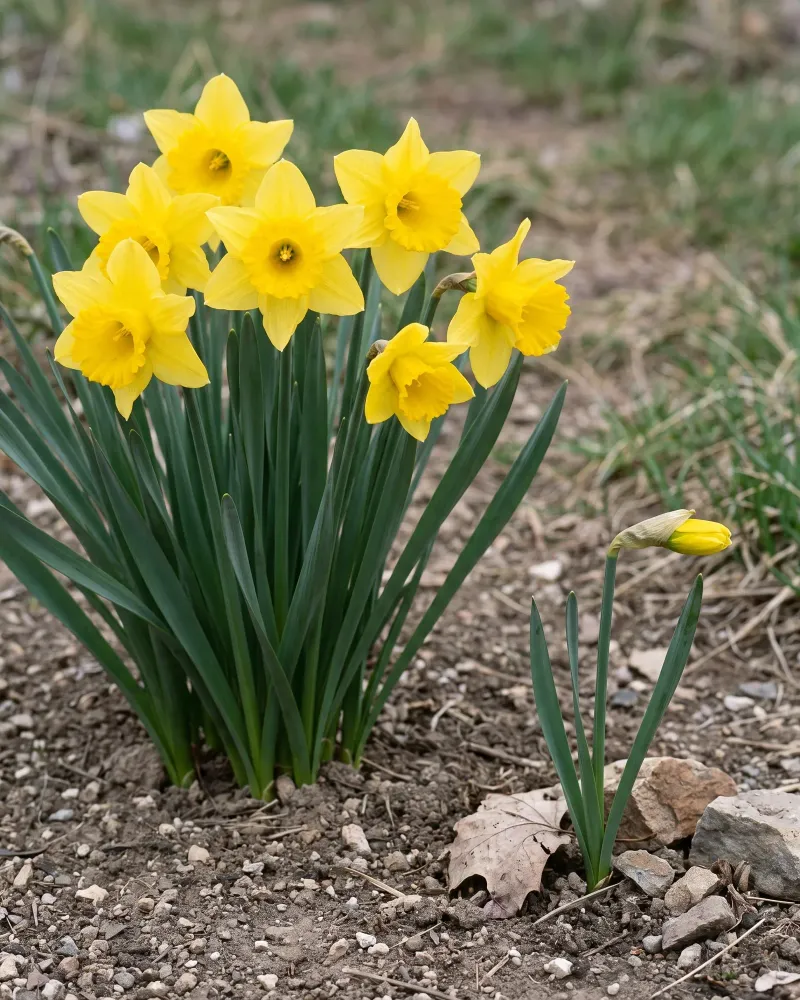
Daffodils are the quiet heroes of a squirrel-heavy yard. Their bulbs contain lycorine and other bitter alkaloids, so most animals take one taste and leave them alone.
That makes daffodils my first pick for any bed near an oak or walnut tree. They also come back year after year and spread slowly into bigger clumps.
You get more flowers with less fuss.
Alliums are another smart choice. These ornamental onions smell strong, and squirrels and deer mostly skip them.
Their round purple heads also bloom later than tulips, which stretches out your spring color.
Many smaller bulbs work too. Snowdrops, grape hyacinths, Siberian squill, hyacinths, and winter aconite rarely draw much interest.
Fritillaria has a musky odor that many gardeners believe helps too.
One caution matters here. Siberian squill and some grape hyacinths can spread aggressively and escape into woods in parts of the Northeast.
Plant them only where you can keep an eye on them, or choose daffodils, snowdrops, and alliums instead.
Squirrel-resistant does not mean squirrel-proof. A curious youngster may still dig one up, then drop it.
Usually the bulb can be replanted right away with no harm done.
I like mixing these tough bulbs in with tulips. The bitter neighbors do not fully protect tulips, but they give you a beautiful backup show.
Tommie Crocus Is The Little Bulb Squirrels Pass Over
Crocus lovers often feel cursed. You plant fifty fat corms, and squirrels act like you set out a bowl of popcorn.
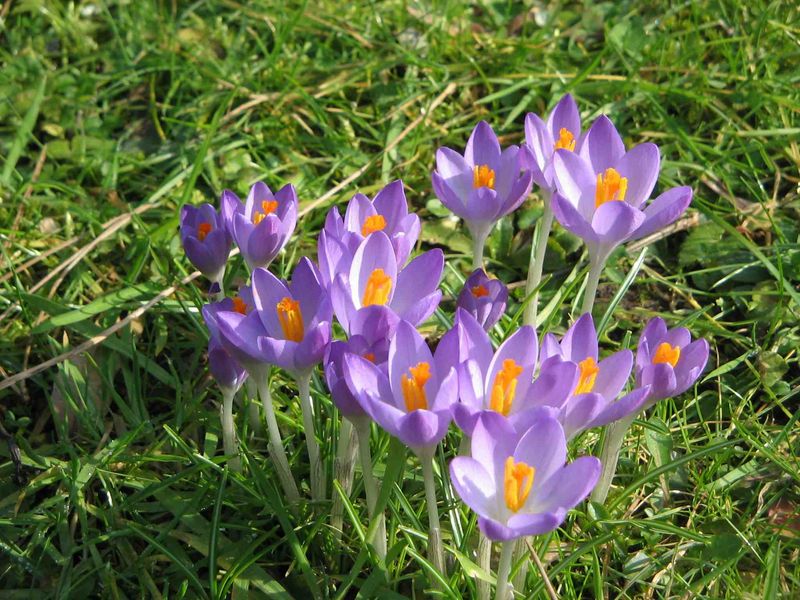
Small kindness from nature, though. Crocus tommasinianus, nicknamed Tommies, gets far less squirrel attention than the big Dutch crocus types.
Many bulb growers, including Brent and Becky’s, recommend it for gardens with heavy digging pressure.
Nobody fully agrees on why. Some say Tommies taste less appealing, while others point to their small size.
Either way, real gardeners report much better results with them.
These little flowers open very early, often in March, with pale lavender to deep purple petals. They spread by seed and offsets, so a small patch can turn into a carpet in a few years.
Bees love them too, since few other flowers bloom so early.
Plant Tommies about 3 to 4 inches deep in groups of 20 or more. Sunny lawns, rock gardens, and the edges of beds suit them well.
Let the leaves fade naturally before mowing so the corms can store energy.
You need to buy them by name. Bags labeled just mixed crocus usually hold the larger Dutch types.
Check the label for the species name before you pay.
Honestly, I find their soft color more charming than the big ones anyway.
Bulb Skins And Loose Soil Give Your Planting Spot Away
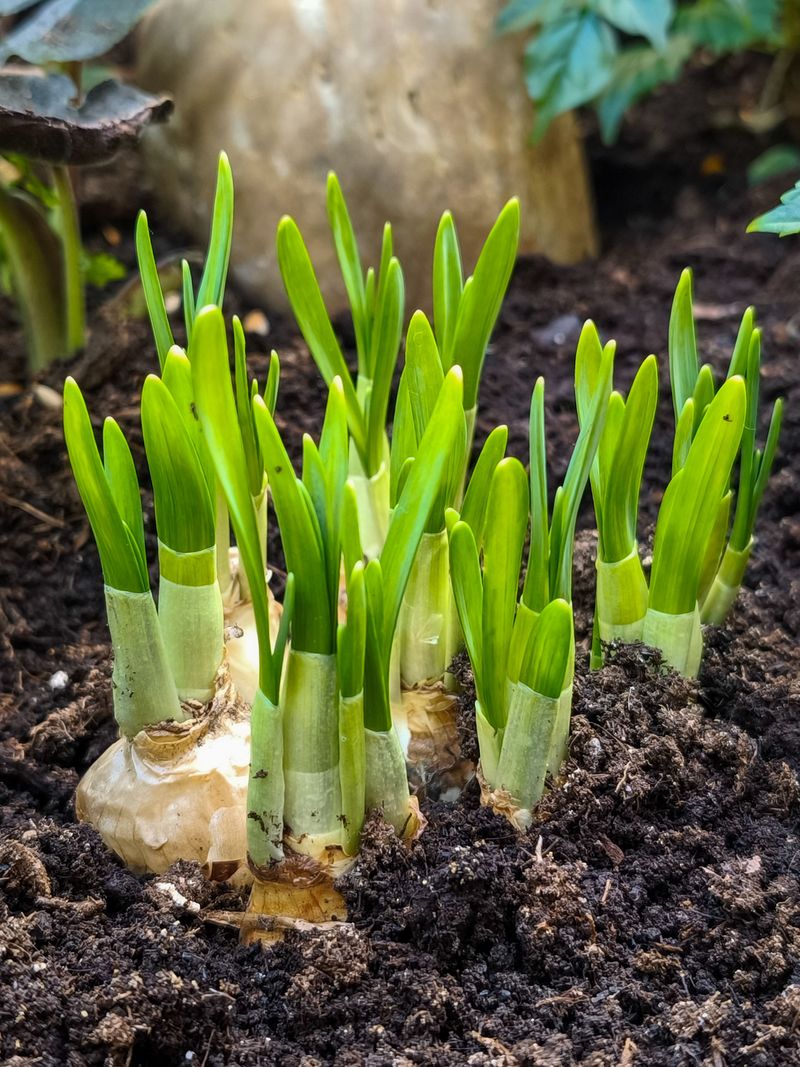
Tidiness is a secret weapon in fall bulb planting. Those flaky brown skins that fall off bulbs carry a scent squirrels notice fast.
Peel loose skins off over a bucket, not over the bed. Pick up any bits that land on the ground before you leave.
I keep a small trash bag clipped to my planting tray for this exact job.
Next, plant at the right depth or a bit deeper. Tulips usually go about 6 to 8 inches deep, measured from the bottom of the bulb.
Extra depth makes digging more work and also helps tulips stand tall.
After planting, press the soil firmly with your hands or the back of a rake. Then water the bed well.
Watering settles the soil, removes air pockets, and helps hide that fresh, fluffy look.
Finish with mulch. Shredded leaves, bark, or pine needles make the area look settled and natural.
Some gardeners also lay flat stones or old window screens on top for a week or two.
Avoid using bone meal in squirrel country. Its smell can actually attract digging animals and even dogs.
A balanced bulb fertilizer works fine instead.
Little habits like these cost nothing, yet they make your bed far less obvious to a passing forager.
Cayenne Pepper And Smelly Sprays Can Buy You Time
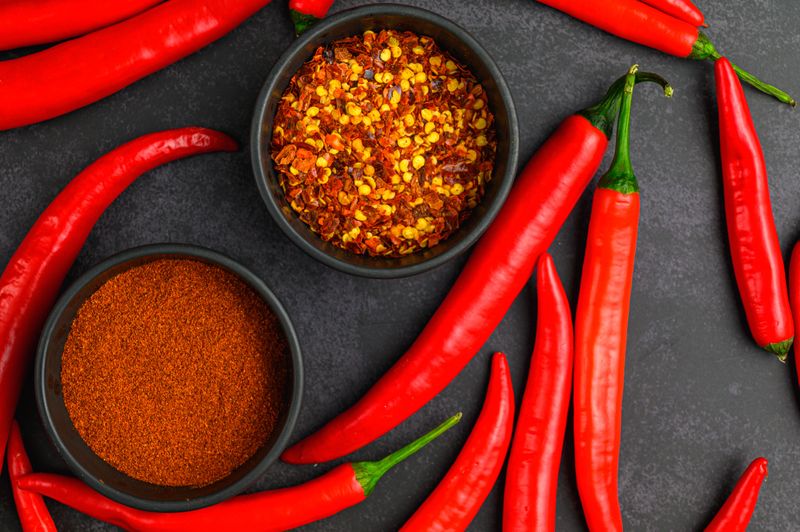
Some gardeners swear by spice, and squirrels do dislike hot pepper. Capsaicin irritates their mouths and noses, so a dusting can make digging feel unpleasant.
Sprinkle cayenne powder or red pepper flakes over the soil right after planting. Commercial repellents with capsaicin or garlic oil also work for some people.
Read labels carefully and follow the directions exactly.
Results are mixed, though. Rain and watering wash pepper away quickly, so you need to reapply after storms.
Wear gloves and avoid windy days, since the dust stings eyes too.
Many gardeners like dipping bulbs in a commercial animal repellent before planting. Others soak bulbs briefly in a diluted product made for that purpose.
Check that any spray is labeled safe for bulbs and edible gardens nearby.
What about coffee grounds, baby powder, or blood meal? You will find plenty of fans online, but research support is thin.
Blood meal can also attract dogs and raccoons, which brings new digging trouble.
My honest view is that scent tricks work best as a backup. Pair them with mesh, smart planting, and resistant bulbs.
That layered approach gives you a much better shot than spice alone.
Treat repellents like a speed bump, not a locked gate.
Later Fall Planting Helps Tulips Dodge Peak Squirrel Season
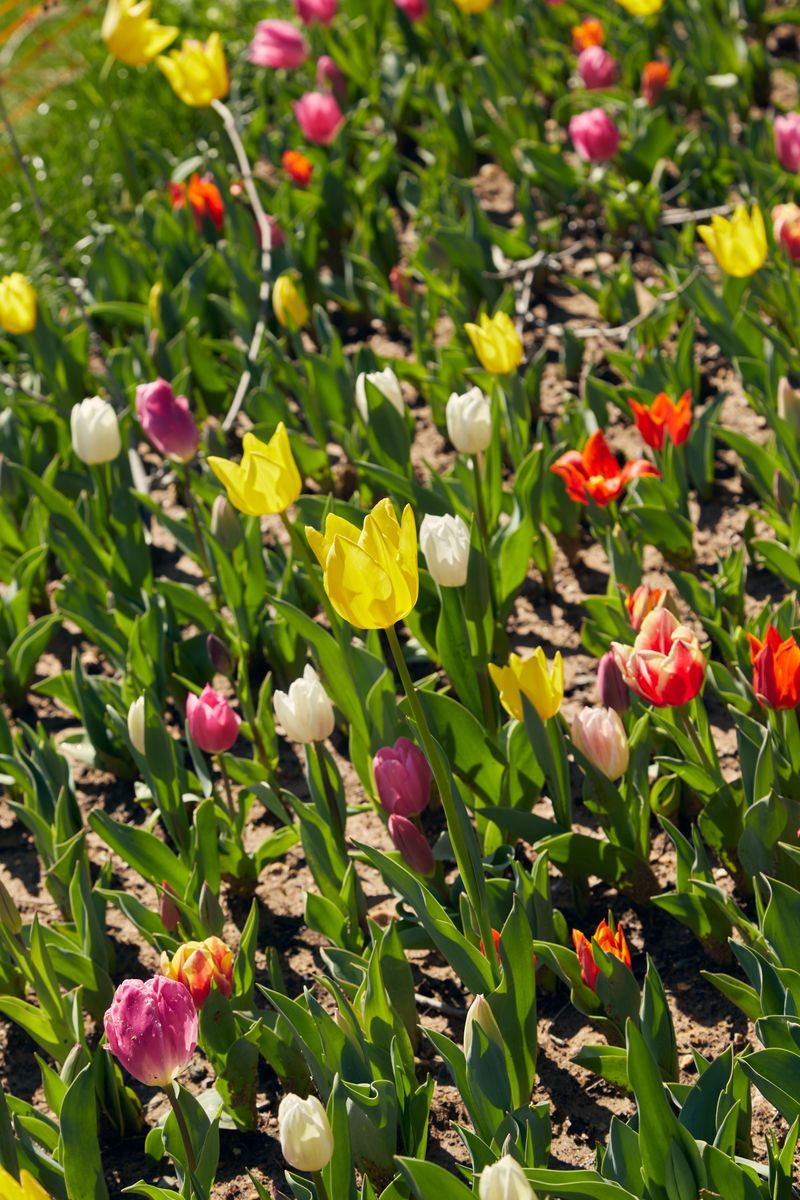
Timing plays a bigger role than most people expect. Squirrels are busiest caching food in September and early October, when acorns and nuts are falling everywhere.
Planting tulips toward the later end of your window can lower the risk. Cornell Cooperative Extension suggests planting spring bulbs when soil cools to around 55 degrees or lower.
That usually means mid-September to mid-October upstate and October into November near New York City and Long Island.
Cooler soil also benefits the bulbs. Tulips planted too early in warm ground may sprout leaves before winter.
Waiting a little lets roots form while tops stay quiet.
Just do not wait too long. Bulbs need several weeks to grow roots before the ground freezes.
In the Adirondacks and other colder areas, aim for September.
Daffodils prefer earlier planting since they need more root time. Plant them first, then hold your tulips back a couple of weeks.
That split schedule fits both flowers and their squirrel risk.
Store waiting bulbs in a cool, dry, airy spot, like a garage shelf in a mesh bag. Keep them away from apples and other ripening fruit, which release ethylene that can harm flower buds.
A little patience in fall can mean fewer holes to fix before spring.
Bulb Pots Topped With Gravel Make A Smart Squirrel Backup Plan
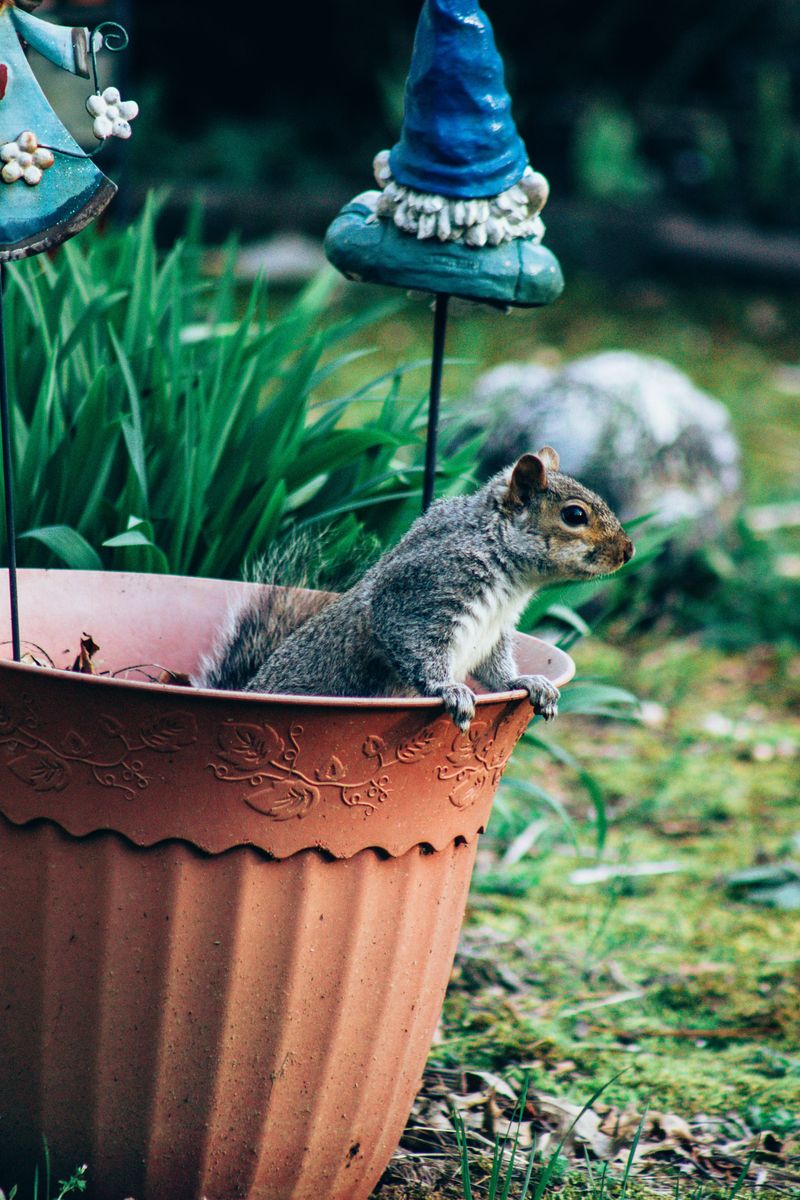
City gardeners know this struggle well. A pot of tulips on a Brooklyn stoop can look like a lunch box to a park squirrel.
Containers are actually easier to protect than beds. Cut hardware cloth to fit just inside the rim, set it over the soil, and cover it with a thin layer of potting mix.
Coarse gravel on top adds a scratchy layer squirrels dislike.
Winter matters too. Bulbs in pots face colder temperatures than bulbs in the ground, since roots lack insulation.
In much of New York, move pots into an unheated garage or shed, or cluster them against a wall and wrap them.
Planting in layers makes a great show. Put tulips deep, daffodils in the middle, and small bulbs near the top.
You get weeks of blooms from one pot.
Here is my favorite takeaway from years of trial and error. Mix several defenses instead of trusting one.
Mesh, tidy planting, smart timing, and resistant bulbs together beat any single trick.
Keep a simple notebook of what worked each year. Over time, you will learn the habits of your own yard squirrels.
Then every spring bloom will feel like a small, well-earned win.