Fall Is The Right Time To Plant Elderberry In Georgia Gardens
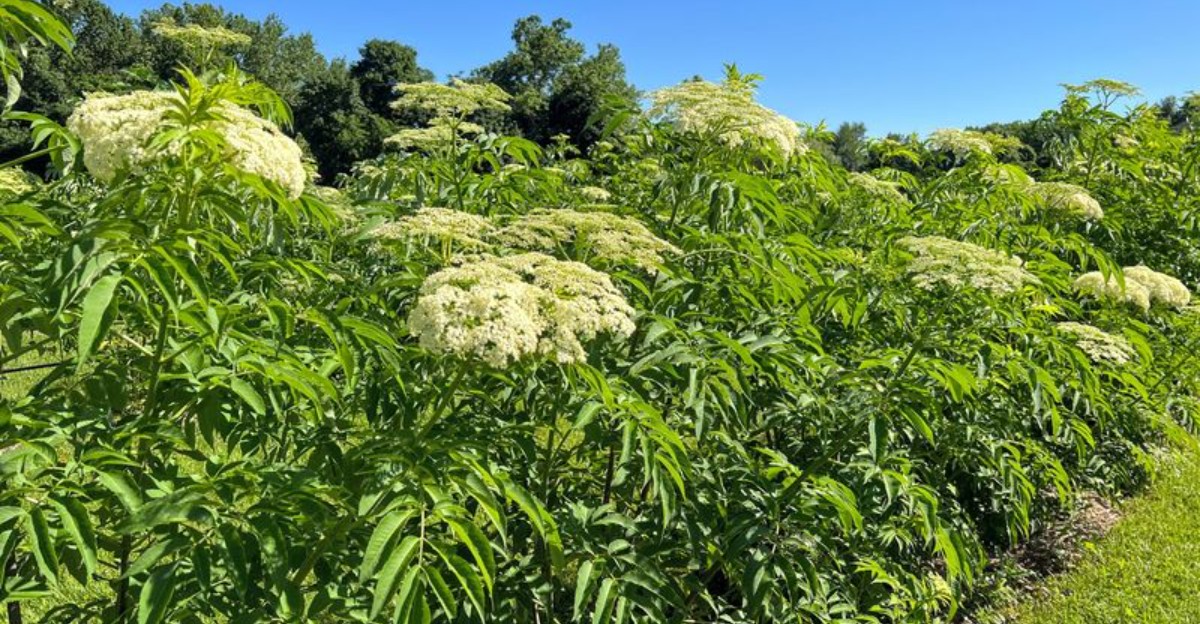
Elderberry may not be the first shrub you think about when fall planting begins, but the timing can work in its favor. Cooler weather gives new plants a gentler beginning.
With summer heat easing, roots can settle into the soil without facing the same stress.
That early establishment matters because elderberry can grow vigorously once favorable conditions return. In Georgia gardens, fall planting can give it valuable time before spring growth takes off.
Still, a good planting season cannot make the wrong location work well.
Choose the site carefully, especially if you want healthy growth and plenty of room as the shrub matures. Starting correctly now can prevent avoidable problems later.
Plant elderberry with its future size in mind, and fall can give it an excellent foundation for seasons ahead.
1. Cooler Days Give New Roots A Better Start
Heat is what usually sets back a new shrub, and by late October it is finally gone. Elderberry roots keep working in soil that stays warm long after the air cools off.
Root growth continues through much of the fall and even into mild winter stretches. Top growth slows down at the same time, so the plant is not trying to do two jobs at once.
Spring planting puts a young shrub straight into rising temperatures and thinner rainfall.
Across Georgia, the window from mid October through late November tends to work well for most yards. Timing shifts a little depending on how far north or south you garden.
Aim to plant at least four to six weeks before you expect your first hard freeze. That gives roots time to knit into the surrounding soil.
Cloudy days are your friend here, since less sun means less stress on the leaves that are still hanging on.
Water the hole before you set the plant in, then water again once the soil is filled back in. Air pockets around roots are a common reason new shrubs sulk.
Do not bother with heavy fertilizer at planting time. Fall growth should go into roots, not soft new shoots that a cold snap can damage.
A simple, well-watered hole beats a fussy one nearly every time.
2. Elderberry Needs Room To Grow Into Its Natural Shape
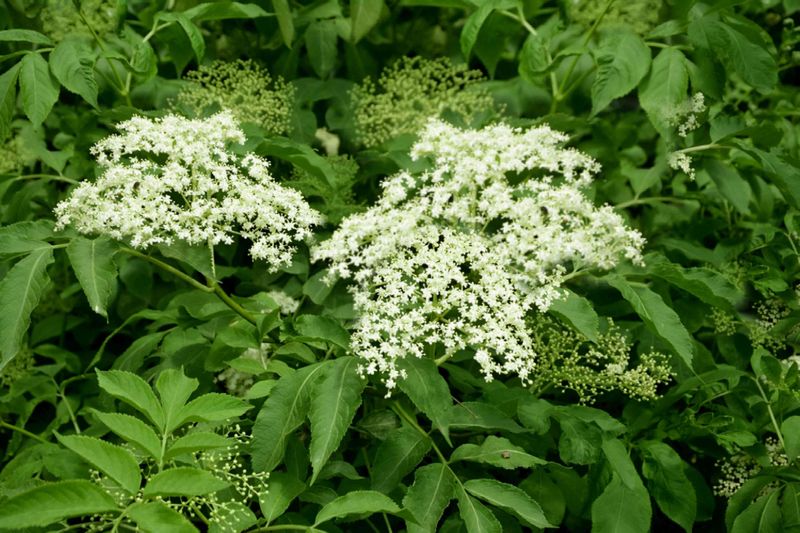
Plenty of gardeners tuck an elderberry into a tight spot and regret it two years later. American elderberry can reach six to twelve feet tall and spread nearly as wide, depending on soil and moisture.
Growth habit matters as much as size. Stems arch outward rather than standing straight, so the shrub takes up more room than the trunk suggests.
Space multiple plants about six to ten feet apart if you want them to fill in without crowding.
Elderberry also spreads by suckers, sending up new shoots from the base and sometimes a few feet away. Some gardeners like the thicket look, while others pull suckers each spring to keep things tidy.
Keep it back from foundations, septic lines, and narrow walkways.
A fence line, a back property edge, or the low corner of a yard usually suits it better than a formal bed. In Georgia landscapes, that awkward damp strip along a ditch is often a perfect fit.
Your Georgia Garden Changes Every Week. Your Plan Should Too.
Gardening in Georgia changes quickly throughout the season. Every Friday you’ll receive a simple weekly plan showing exactly what to plant, prune, fertilize, harvest, and protect so you never miss the right timing.
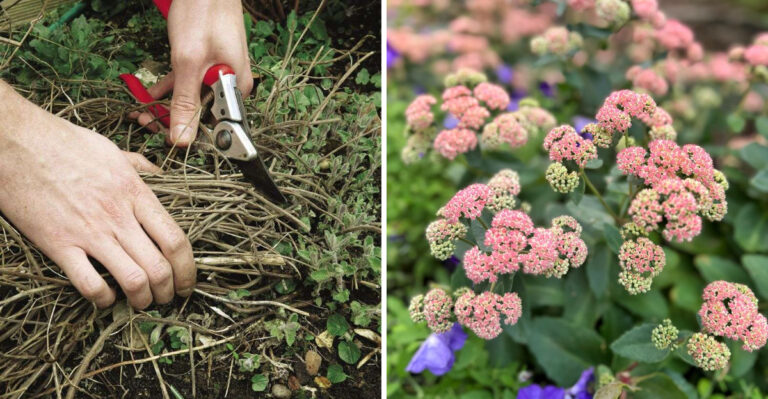
Pruning helps, but it will not turn elderberry into a compact hedge. Cutting older canes to the ground in late winter encourages fresh growth and keeps the shrub manageable.
Give it space now and you avoid a hard decision later, when the shrub is well rooted and leaning over the driveway.
3. Sunlight Helps Support Flowers And Future Fruit
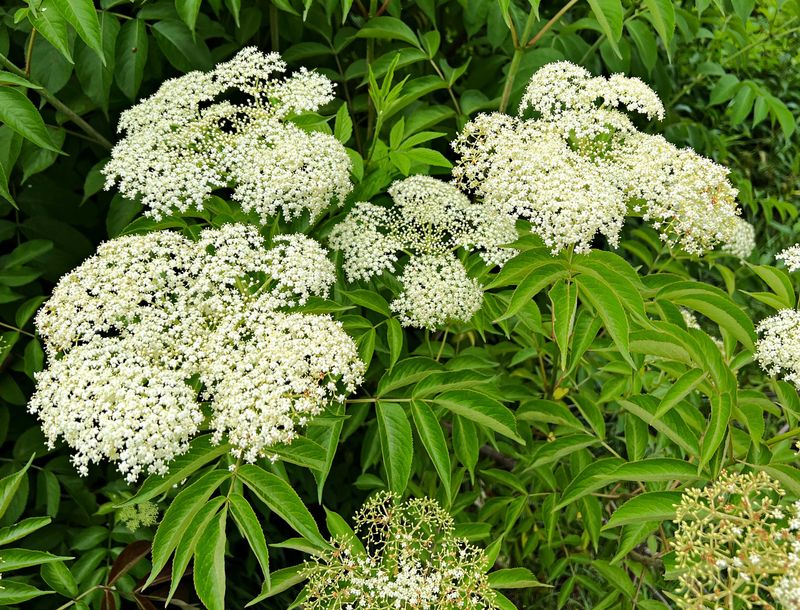
Skimp on sun and you get leaves instead of berries. Elderberry will survive in part shade, but flowering and fruit set usually drop off noticeably.
Six or more hours of direct light gives the best results in most home gardens. Morning sun with a little afternoon relief works fine too.
Fall planting makes it easier to judge light, since the sun sits lower and you can see how shadows actually fall.
Walk your yard in the afternoon before you dig. A spot that looks bright in December may be fully shaded once nearby oaks leaf out in April.
Deep shade under mature hardwoods rarely produces much fruit.
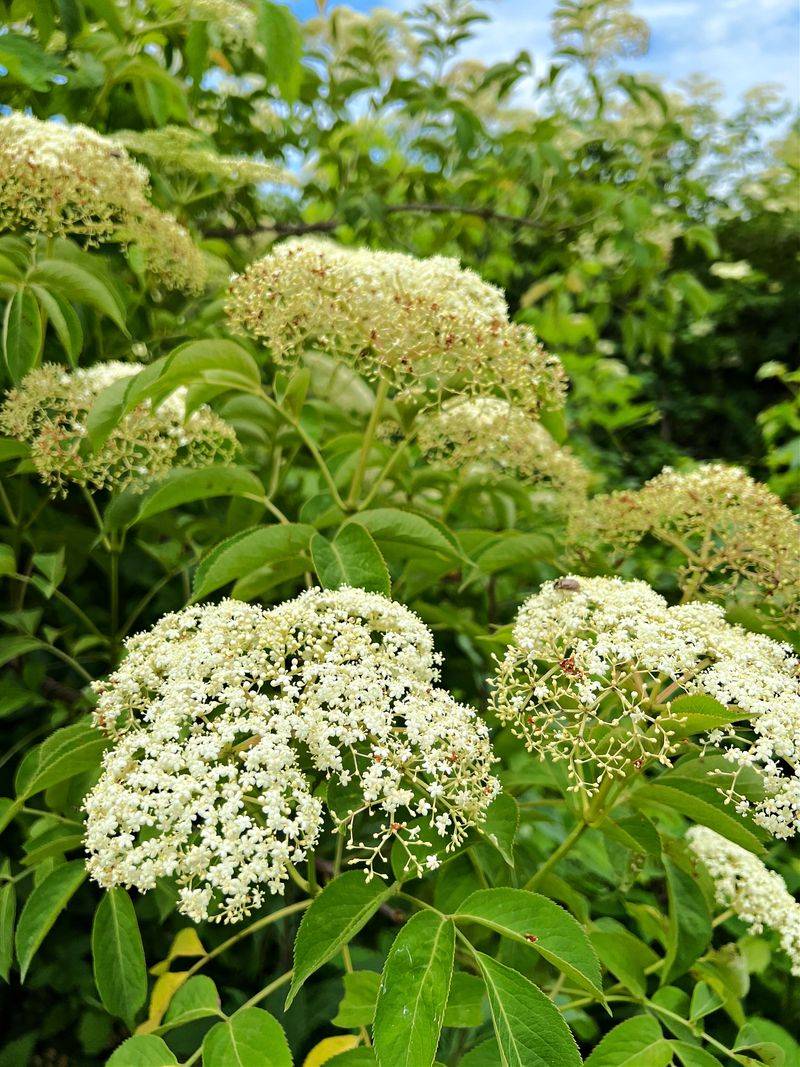
Flowers appear in late spring as wide, flat clusters, and pollinators show up quickly. Berries follow through summer, ripening to a deep purple-black.
Planting two different varieties nearby often improves fruit set, though American elderberry is partly self-fertile. Results vary with weather, pollinator activity, and the age of the plant.
Heat in Georgia summers can stress plants in full afternoon sun on dry, sandy sites. Consistent soil moisture helps more than shade in those cases.
Birds will find the berries before you do unless you net a few branches. Some gardeners simply plant extra and share the harvest without complaint.
4. Choose Ground That Does Not Stay Too Dry
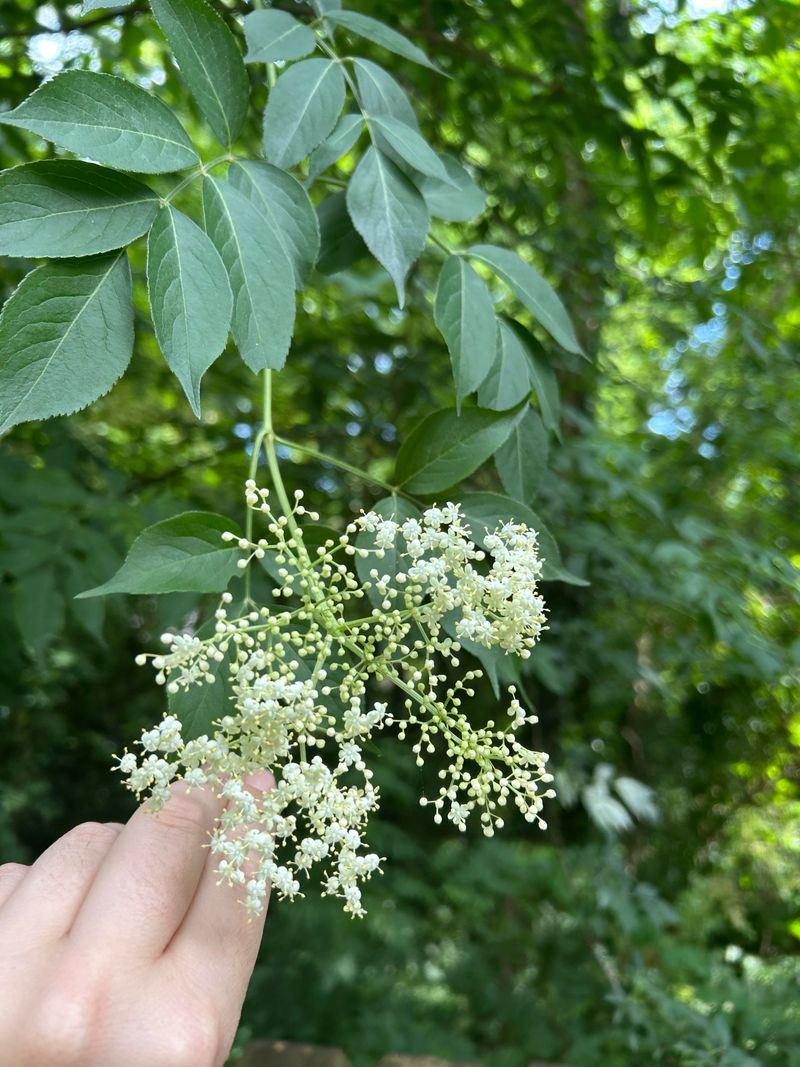
Elderberry grows wild along creek banks and roadside ditches for a reason. Moisture is what it wants, and dry ridges tend to leave it stunted.
Look for ground that holds water without turning into a standing pond. Damp is good, waterlogged for weeks is not.
Soil that stays soggy year round can lead to root problems on many shrubs, elderberry included.
Test your spot after a heavy rain. If puddles clear within a day or so, the drainage is probably workable.
Red clay is common in Georgia yards, and it holds moisture well once it is loosened.
Mixing a few inches of compost into the top layer improves structure without creating a bathtub effect. Avoid filling the planting hole with rich potting mix, since roots may circle rather than spread outward.
Elderberry tolerates a fairly wide pH range, roughly 5.5 to 7.0 in most references.
Slopes and raised beds usually dry out fast, which means more watering during summer. Low spots need less attention once the plant is established.
Rocky, sandy sites can still work with mulch and regular irrigation. Expect slower growth and a smaller shrub in those conditions.
Matching the plant to the site saves you years of babysitting a shrub that never quite takes off.
5. Young Shrubs Need Steady Water While They Settle In
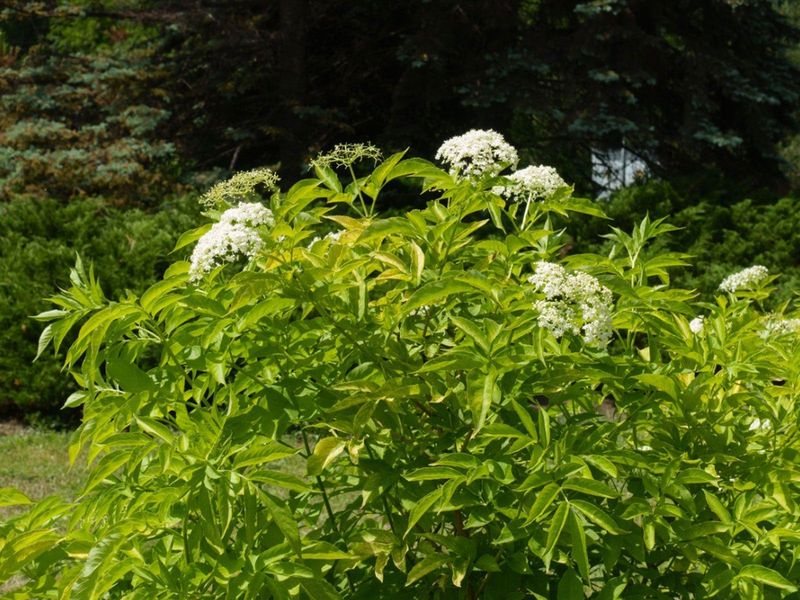
Fall rain is unpredictable, so do not assume the weather will handle watering for you. New elderberry plants need consistent moisture through their first season.
Water deeply once or twice a week rather than sprinkling every day. Deep soaking encourages roots to reach downward.
Check the soil by hand a couple of inches down before watering again.
Dry autumns happen often enough in Georgia that many gardeners keep watering into November. Cool weather slows evaporation, but roots still pull moisture from the soil.
Cut back once the ground freezes or the plant is fully dormant.
Winter watering is rarely needed in most southern yards, though a long dry spell with warm days may call for one good soaking. Container-grown plants dry out faster and need closer attention.
Resume regular watering as growth starts in early spring. That first full summer is usually the hardest stretch for a young shrub.
Drip lines or a slow hose at the base work better than overhead sprinklers, which wet leaves and waste water. Overhead spray can also encourage leaf spots on some plants.
Wilting leaves in the afternoon are worth a look, but morning wilt is a clearer sign of thirst.
Established elderberry handles brief dry spells fine, though fruit size may suffer without steady moisture in summer.
6. Mulch Helps Hold Water Around New Roots
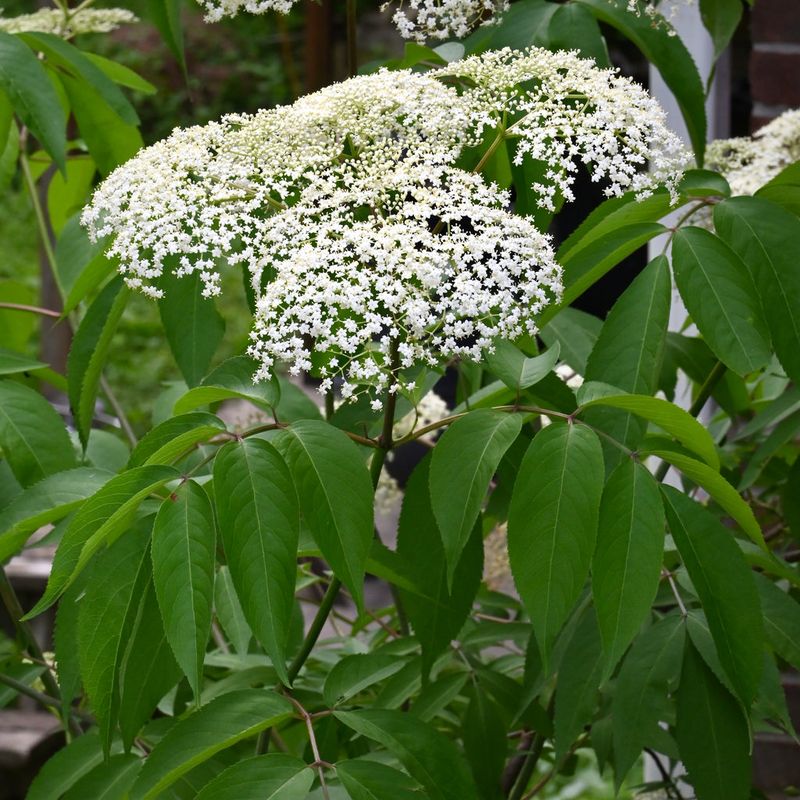
Two or three inches of mulch does more for a new shrub than almost anything else you can add. Moisture stays in the soil longer, and weeds have a harder time getting started.
Pine straw, shredded bark, and wood chips all work well. Use whatever is cheap and available near you.
Spread it in a wide ring out to the edge of the branches, not just a small circle at the base.
Leave a few inches of bare soil right against the stems. Mulch piled against the crown holds dampness where you do not want it and can invite rot.
Skip the volcano shape that shows up in so many landscapes.
Mulch also buffers soil temperature during the cold swings common in Georgia winters. Roots handle steady conditions better than sudden shifts.
Fresh wood chips are fine on the surface, though they should not be mixed into the planting hole. Decomposing wood in the root zone can tie up nitrogen temporarily.
Top off the layer each spring as it breaks down.
Weeds that do sneak through pull out easily from mulched ground, which beats fighting grass around a young trunk. String trimmers cause more damage to bark than most gardeners realize.
Keep the mulch ring wide and the trimmer far away.
7. Spring Growth Rewards The Work Done In Fall
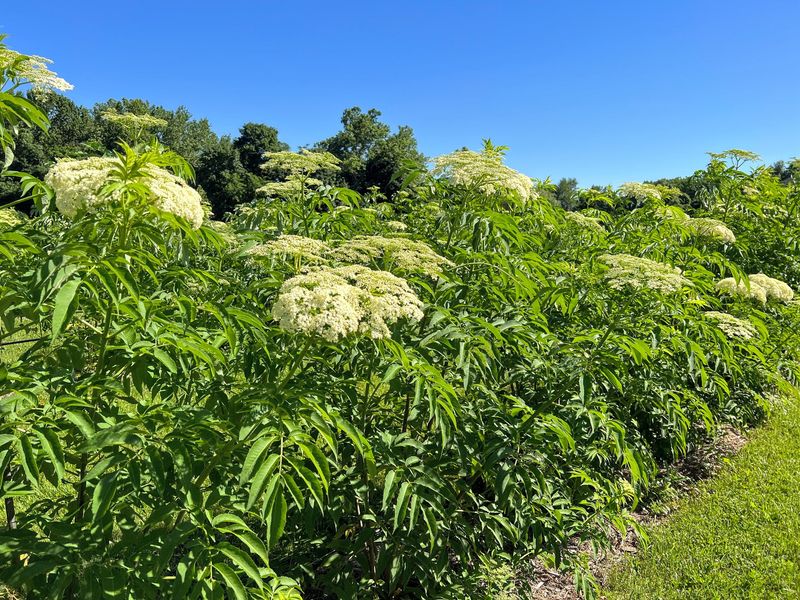
The payoff shows up in April, not October. Shrubs that spent the cool months rooting in tend to push new growth faster than anything planted the same spring.
Expect leaves first, then quick upward growth once nights warm up. Flowering may be light in the first year, which is normal.
Most elderberry plants begin producing a meaningful crop in their second or third season.
Late winter is the time for pruning, before buds break. Remove weak, broken, or crossing canes and thin out stems older than three years.
Cutting canes to the ground every few years keeps the shrub vigorous.
Gardeners in Georgia sometimes see flower clusters the first spring, though removing them lets the plant focus on roots and structure. That choice is up to you.
A light application of balanced fertilizer in early spring supports growth on poor soil. Compost worked into the mulch layer often does the job just as well.
Watch for aphids and spotted wing drosophila as berries develop, since both can show up in southern gardens.
Harvest whole clusters once berries turn fully dark and soft, then strip them with a fork. Raw elderberries and other plant parts should be cooked before eating, since uncooked berries can cause stomach upset.
One fall planting can keep giving for many years.