The Fall Watering Mistake That Can Cause Problems For Georgia Magnolia Trees Next Spring
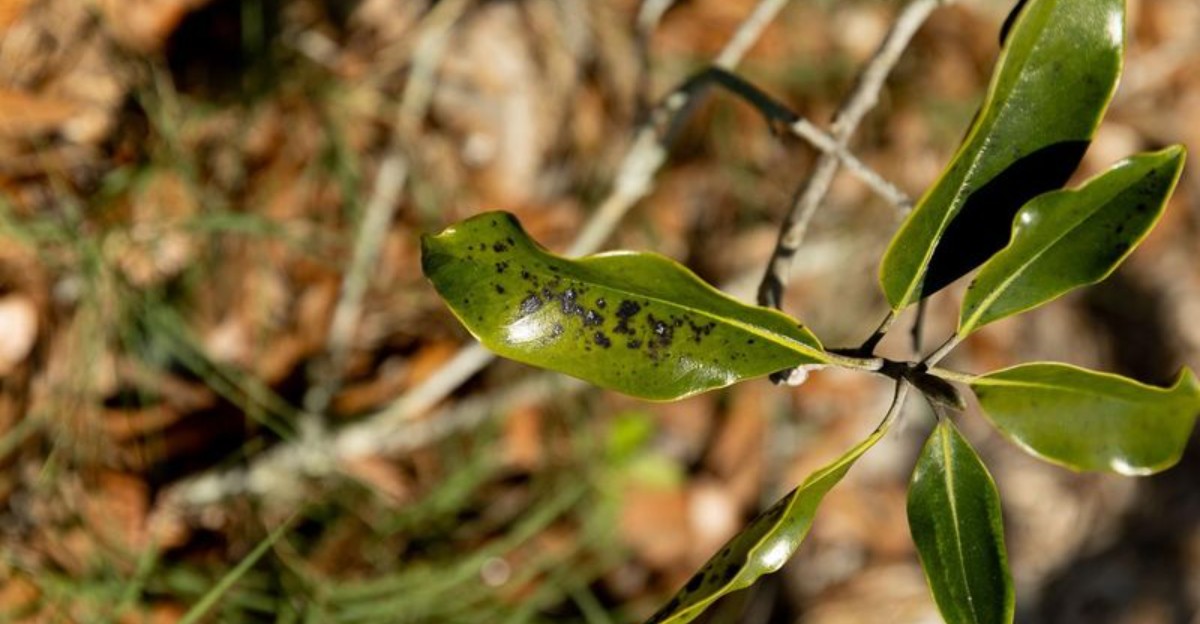
Magnolia trees can look perfectly healthy in fall, making it easy to assume they no longer need much water. But what happens beneath the soil now can influence how well they grow when spring returns.
One common watering habit can create problems long before you notice anything wrong.
In Georgia, fall weather doesn’t always bring enough rainfall to keep the soil consistently moist. Established magnolias are fairly resilient, but prolonged dryness can still stress their roots, especially when conditions remain warm.
The challenge is knowing when your tree actually needs water.
Too much moisture can be just as troublesome as too little, particularly in poorly drained soil. Your magnolia’s age, planting location, and soil conditions all influence how often watering is necessary.
Getting that balance right during fall can help your tree enter winter in better condition and support healthier growth next spring.
1. Dry Fall Soil Can Affect Magnolia Trees Long After Autumn Ends
Skipping water in fall is the quiet mistake that catches plenty of homeowners off guard. Once summer heat fades, the root zone can slowly dry out while nobody is paying attention.
Autumn across Georgia is often one of the drier parts of the year, though rainfall varies from season to season and from place to place.
Roots of magnolias do not stop working when the air turns cool. They can keep growing and taking up water as long as the soil stays warm enough, which is why moisture still matters in October and November.
When that soil stays parched for weeks, the tree may go into winter already short on reserves.
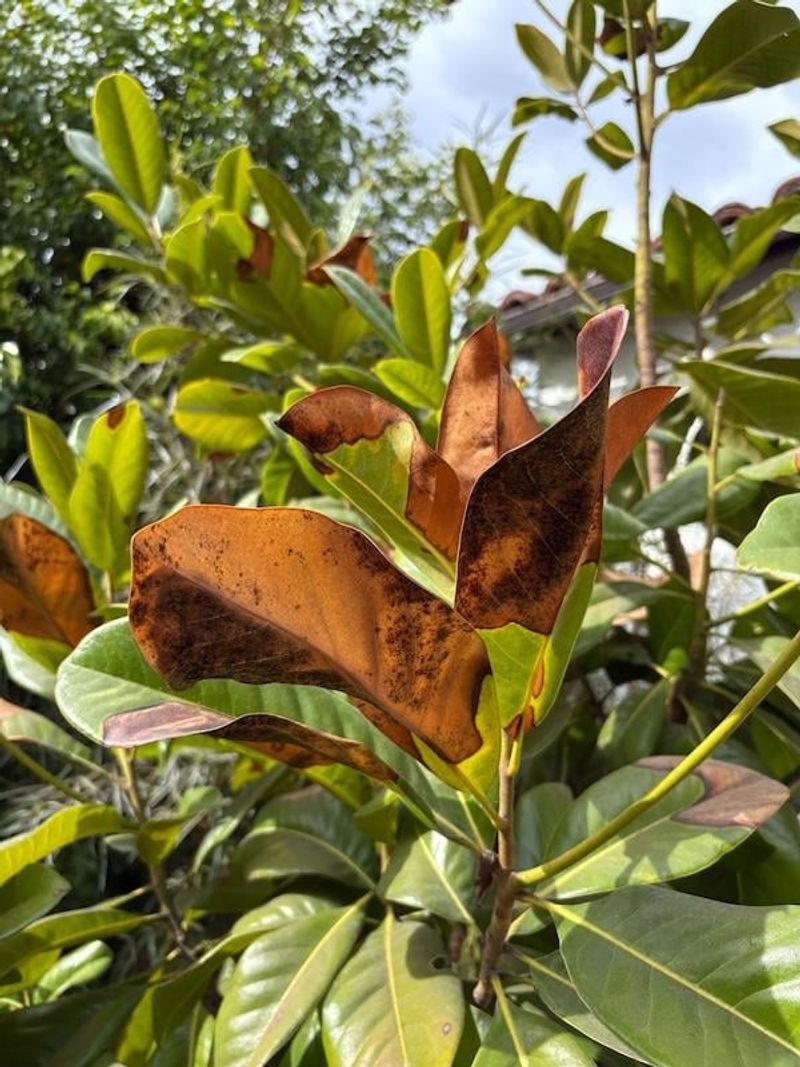
Problems from a dry fall do not always show up right away. You might notice brown leaf edges, heavier leaf drop, or slower new growth in spring.
Those signs can have other causes too, including cold injury, root damage, or poor drainage, so dry soil is only one possible factor.
Young trees planted in the last two or three years are the most at risk, since their roots have not spread far yet.
Older, well-established magnolias usually handle short dry spells better, but a long drought can still stress them.
Paying attention to rainfall during fall is a simple habit that can help. When weeks pass without a good soaking rain, a slow, deep watering is worth considering.
2. Evergreen Magnolias Continue Losing Moisture Through Their Leaves
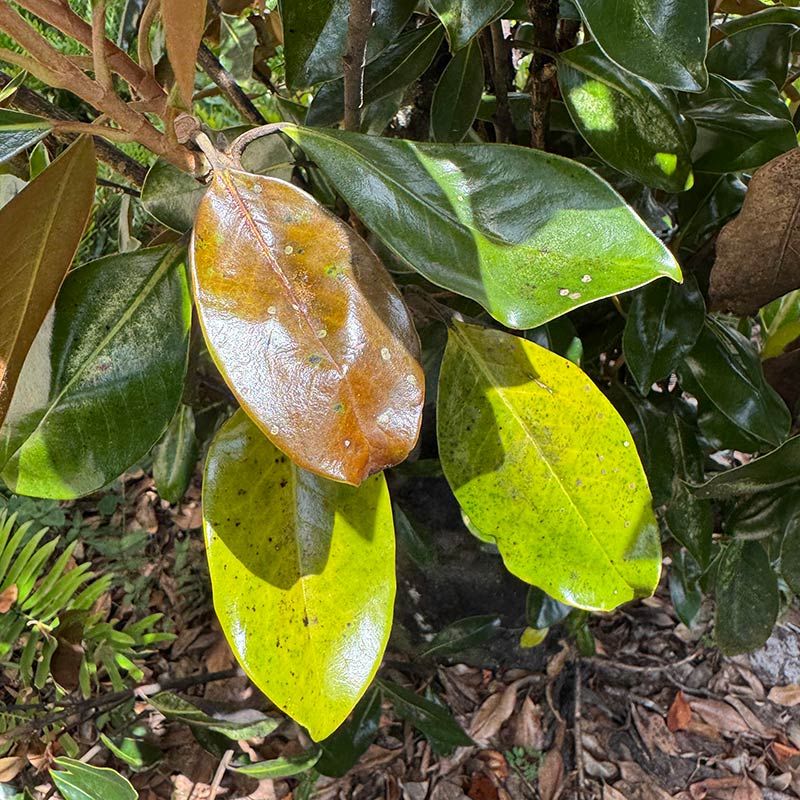
Bare branches rest in winter, but big glossy magnolia leaves keep right on working. Southern magnolia is an evergreen, so it holds its foliage through the cold months.
Leaves release water vapor through tiny pores, a process called transpiration, and evergreens continue doing it in fall and winter.
Sunny days, dry air, and wind can all speed up that moisture loss. Even on a cool afternoon, those wide leaves are still giving off water.
Meanwhile, the roots have to replace what the leaves lose.
If the soil is dry, the tree has a harder time keeping up. Over time, that can lead to leaf scorch, where the edges or tips turn brown and crispy.
Winter browning on magnolias in Georgia can also come from sudden cold snaps or harsh winds, so it is not always a water issue.
Still, a tree with moist roots is generally in a better position to handle those swings in weather.
Deciduous trees like oaks and maples drop their leaves and slow down much more. Magnolias do not get that same break, which is a good reason not to forget them once fall arrives.
Keep an eye on the leaves during dry stretches, and treat drooping or dull foliage as a nudge to check the soil.
3. Shallow Sprinkling May Leave Deeper Roots Without Enough Water
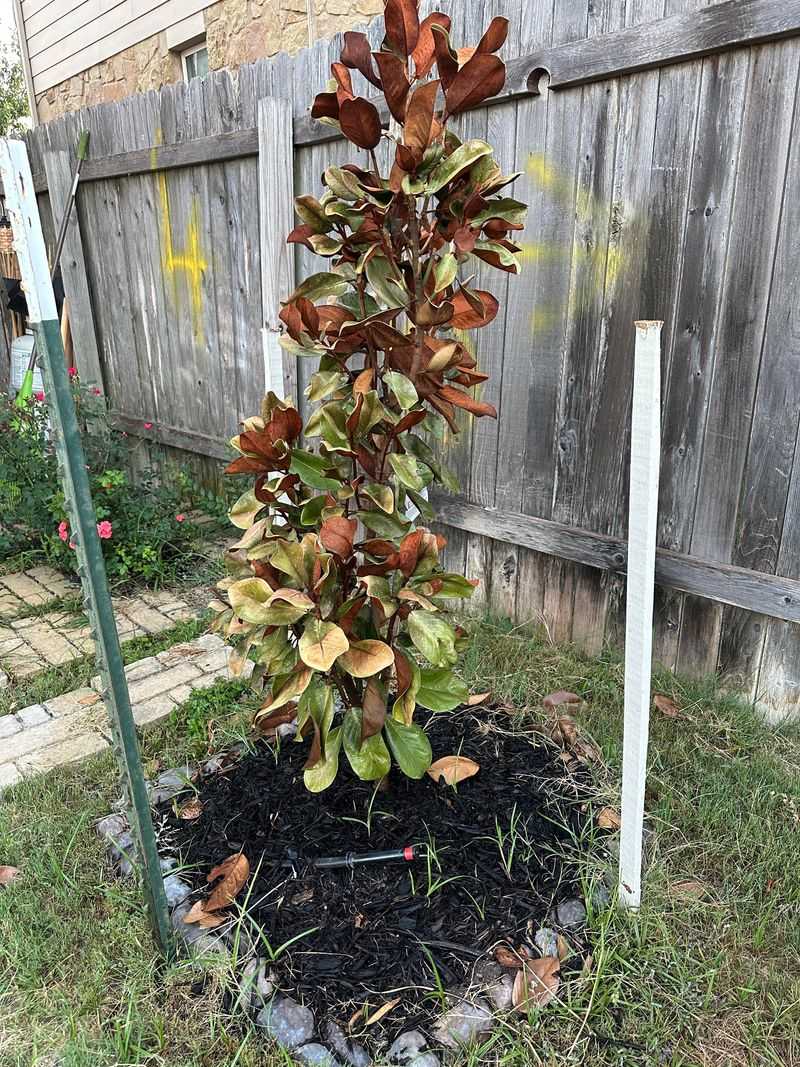
A quick spray from the hose feels helpful, yet it often misses the roots that matter most.
Light sprinkling tends to wet only the top inch or two of soil. Much of that water evaporates or gets used by grass before it reaches the magnolia.
Magnolia roots spread wide and fairly shallow compared to some trees, but plenty of them still sit below that thin surface layer.
Watering a little every day can also keep the surface damp while the soil underneath stays dry. You may think the tree is fine when the root zone is actually thirsty.
Lawn sprinkler systems are a common example.
They are usually set up for turf, not trees, and their short cycles may not soak deep enough for a magnolia. Clay soils, which are common in much of Georgia, absorb water slowly and can shed a fast spray as runoff.
Sandier soils in the southern part of the state drain faster, so water moves down quickly but does not stay as long.
Either way, less frequent and slower watering usually works better than frequent light spritzing.
A soaker hose, a trickling garden hose, or a drip system lets water seep in gradually. That slow approach gives moisture time to move down to the deeper roots where the tree can use it.
4. Check Soil Moisture Before Reaching For The Garden Hose
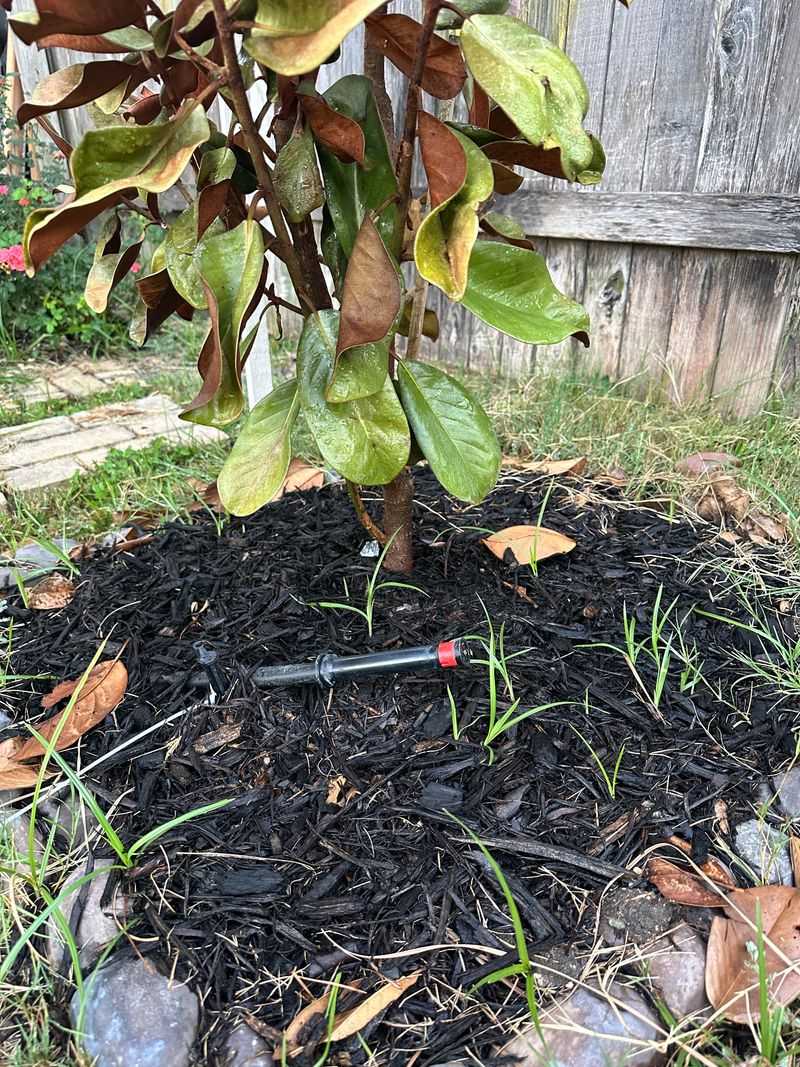
Your finger may be the best watering tool you own. Before turning on the hose, take a minute to see what is happening below the surface.
Push a finger, trowel, or long screwdriver a few inches into the soil near the edge of the tree canopy.
If it feels moist and cool, the tree probably does not need water yet.
Dry, crumbly soil at that depth tells a different story. That is usually a sign that a deep watering would help.
Check several spots, since one side of the yard may hold water better than another.
A simple rain gauge is also handy. Keeping track of rainfall helps you see when a dry stretch is building, instead of guessing based on cloudy skies.
Cheap soil moisture meters exist, but they are not always reliable, especially in heavy clay. Use them as a rough guide and back them up with a hands-on check.
In Georgia, fall weather can swing from tropical storm rain to weeks without a drop.
That is why a fixed watering schedule may not fit every year. Checking the soil first helps you avoid both underwatering and overwatering, and it only takes a moment during a stroll around the yard.
5. Deep Watering During Dry Spells Helps Protect The Root Zone
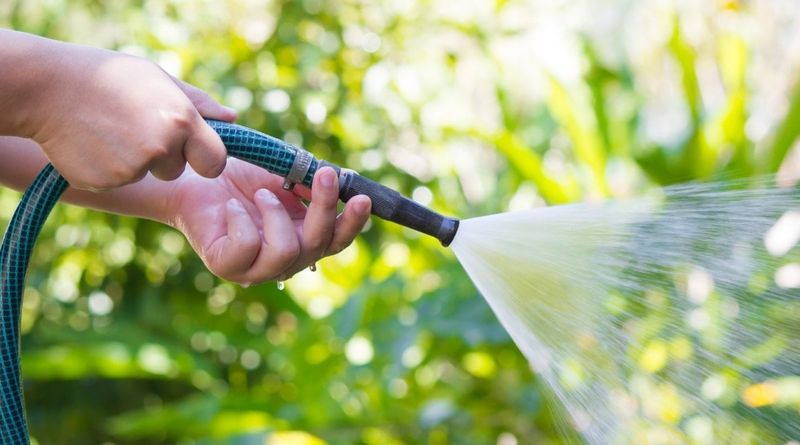
Slow and deep beats fast and frequent when a magnolia needs a drink.
During a dry fall stretch, aim to soak the soil several inches down rather than just wetting the surface. A soaker hose or a garden hose on a slow trickle works well.
Focus on the area under the outer canopy, not just the trunk, since many feeder roots spread out there.
Young trees need extra care. Newly planted magnolias have a small root ball, so water close to the base and a little beyond it, where roots are starting to grow.
How often to water depends on rainfall, soil type, and tree age.
Some Extension guidance suggests that established trees may only need occasional deep watering during extended drought. Young trees may need it more often, perhaps every week or so when rain is scarce, but checking the soil first is the safer approach.
Watering in the morning gives the surface time to dry during the day.
Local water rules matter too. Georgia has outdoor watering guidelines, and some counties add their own limits during drought, so look up what applies in your area.
Once steady rains return, you can usually ease off and let nature take over again.
6. Mulch Helps Slow Moisture Loss As Temperatures Cool
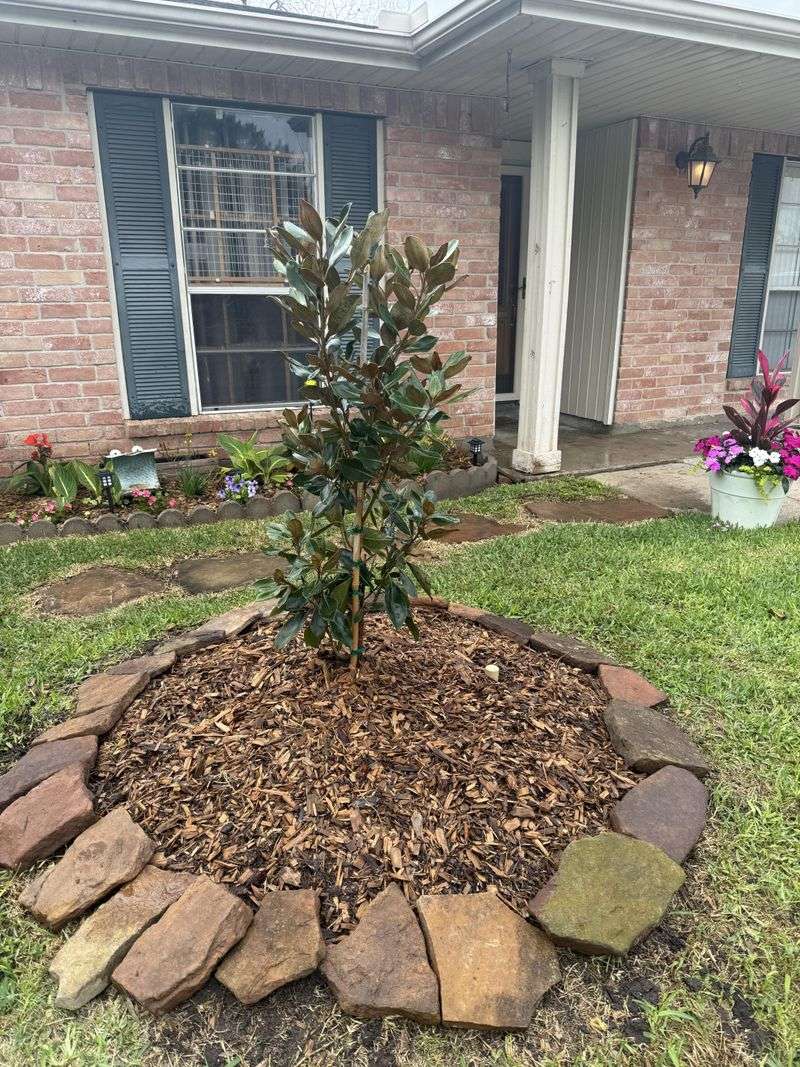
Pine straw and shredded bark do more than make a yard look tidy. A layer of mulch acts like a light blanket over the root zone.
It slows evaporation from the soil surface, which helps moisture last longer between rains or waterings.
Mulch also softens temperature swings in the soil. Roots stay a bit more stable as nights turn chilly and days warm back up.
Pine straw is easy to find across Georgia and works nicely under magnolias.
Shredded hardwood or pine bark are good choices too. Aim for a layer about two to three inches deep, which is a common Extension recommendation.
Keep mulch pulled back a few inches from the trunk.
Piling it against the bark, sometimes called volcano mulching, can hold moisture against the trunk and invite rot or pests. A wide, flat ring is much better than a tall mound.
Spread it out as far toward the canopy edge as is practical for your yard.
Magnolias also drop their own leaves through the year, and those tough leaves can be left as natural mulch if you do not mind the look. Mulch will not replace watering during a long drought, but it can stretch every drop a little further.
7. Overwatering In Poorly Drained Soil Can Be Just As Harmful
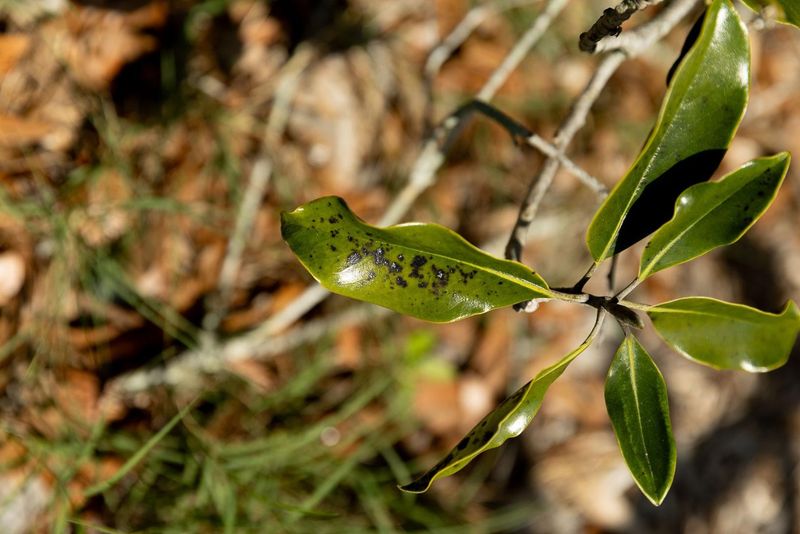
Too much love from the hose can backfire. Soggy soil may cause as much trouble as dry soil, just in a different way.
Roots need oxygen as well as water, and waterlogged ground pushes that air out.
Heavy red clay, common across much of Georgia, can drain slowly. If water puddles near a magnolia for hours after rain or watering, the roots may be sitting in wet conditions too long.
Over time, that can raise the risk of root rot and other root problems.
Signs of overwatering can look a lot like drought stress, which is confusing. Yellowing leaves, wilting, and leaf drop can show up with either issue, so checking the soil is the best way to tell.
If the ground feels wet several inches down, hold off on watering.
Turning off automatic sprinklers during rainy weeks is an easy fix. Low spots where water collects may not be the best place for a magnolia, since these trees prefer moist but well-drained soil.
Adding mulch can help, but piling extra soil over existing roots is not a good idea.
The goal in fall is balance. Water when the soil is truly dry, skip it when the ground is already damp, and let the tree tell you what it needs.