8 Fall Overseeding Tricks For The Greenest, Fullest Lawn On The Block
A single pound of bluegrass seed holds over two million tiny seeds, which still amazes me every autumn. Plenty of those seeds fail to sprout, though, because they land on thatch and dry out in the sun.
Turns out the cool weeks after summer give young grass a sweet head start that spring rarely matches. Warm soil wakes seeds quickly, while crisp air keeps many weeds and summer diseases much quieter.
I skipped a few key steps one year and got a patchy lawn that looked like a worn rug. You might notice the same bald spots near your driveway or along the path your dog loves.
A few smart tricks changed everything for me, and most of them cost very little money or effort. Which simple moves turn a tired yard into the greenest carpet on your whole street this year?
1. Cool Season Grass Seed Sprouts Best In Warm Fall Soil
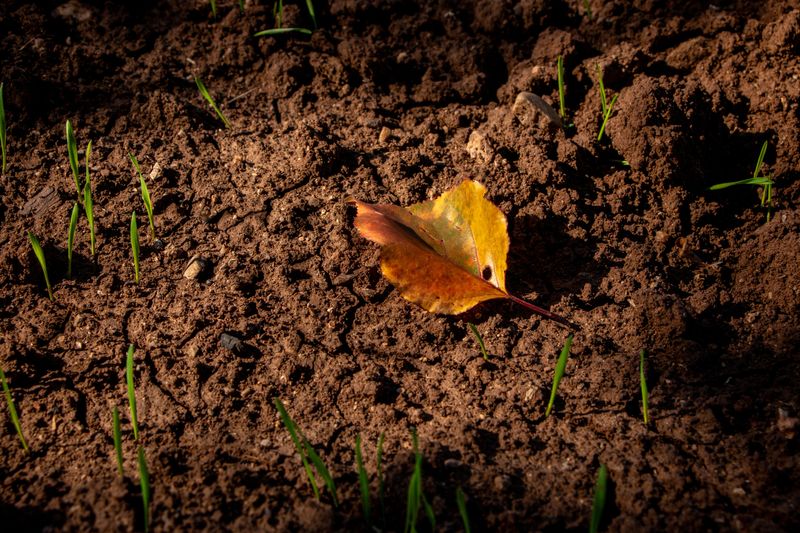
Grass seed is surprisingly picky about temperature, and fall soil hits its favorite range better than any other season. I like to think of late summer ground as a cozy seed blanket that slowly cools each week.
Cool-season grasses like bluegrass and tall fescue germinate quickly when soil sits around 50 to 65 degrees. Air temperatures in the 60s and low 70s keep the young blades happy without baking them.
Timing matters even more than the calendar, because your first frost date sets the real cutoff for seeding. Most experts suggest finishing at least 45 days before that first frost so roots can settle in.
In many northern areas, that window lands somewhere between late August and mid-September for the best results. Gardeners farther south can often wait a bit longer, since their cold weather tends to arrive later.
I check soil temperature with a cheap probe thermometer pushed about two inches into the ground each morning. Your local extension office often shares soil readings and frost dates, which makes planning much easier.
Fall brings another quiet bonus, because crabgrass and many summer weeds slow down as the days shorten. Your new seedlings get more elbow room and less competition while they build strong roots underground.
Spring seeding can work, yet young grass often struggles once summer heat and weed pressure show up together. Fall gives those seedlings months of mild weather to toughen up before facing their first hot July.
2. Mow The Old Lawn Short And Rake Away The Clippings
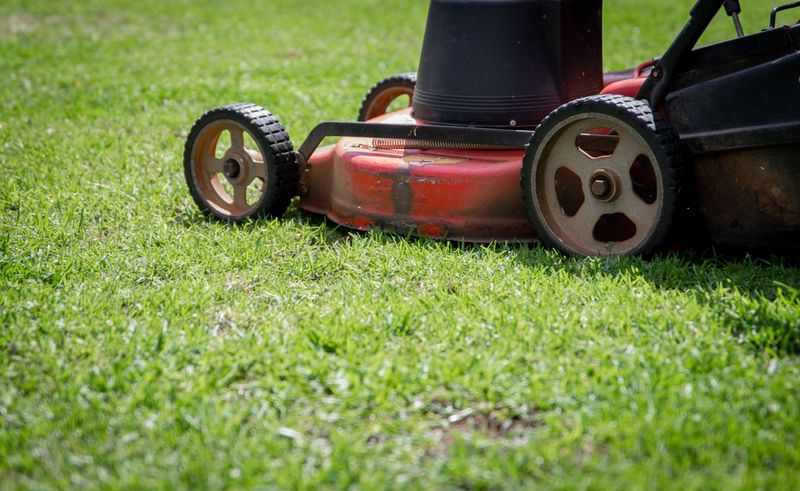
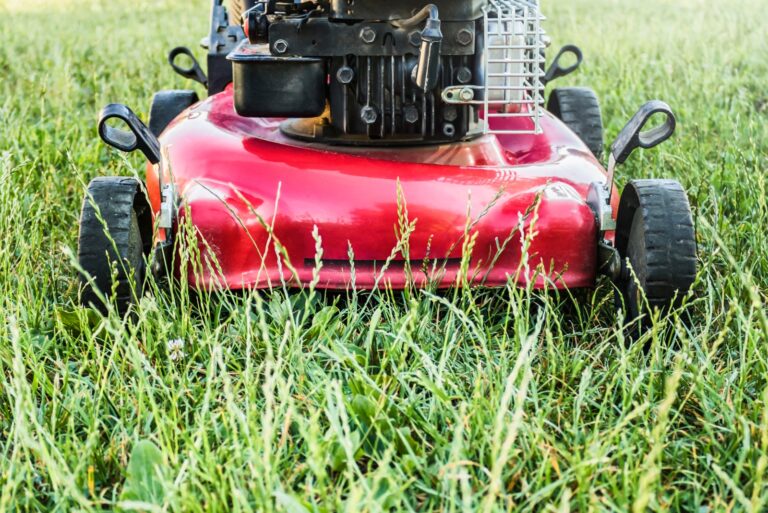
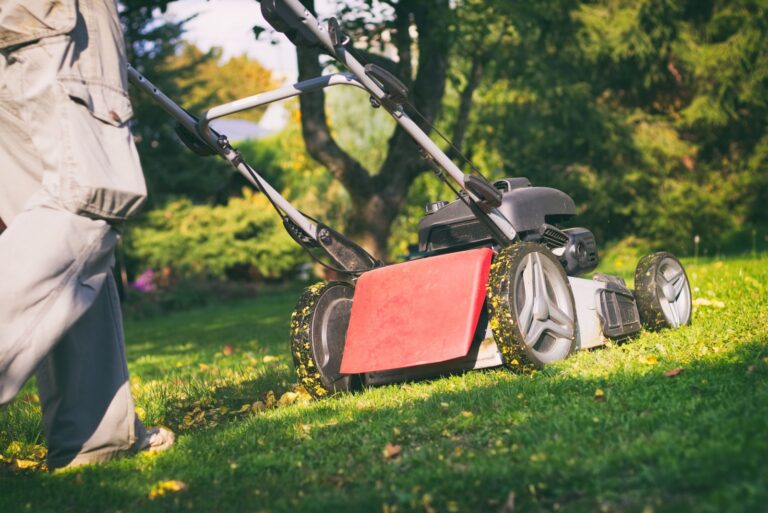
Mowing your lawn extra short on purpose feels a little rebellious, and I grinned the first time I lowered my mower deck. Shorter grass lets sunlight and seed reach the soil instead of getting stuck in a tall green canopy.
Many lawn pros suggest cutting about two notches below your usual height right before you spread new seed. For tall fescue or bluegrass lawns, that often means trimming down to roughly two inches or slightly lower.
Going too low can stress the existing grass, so lower the blade gradually over two mowings if needed. Your goal is a short lawn that still looks green, not a field of bare brown stubble.
Next comes the part many people skip, which is bagging or raking up every pile of clippings afterward. Loose clippings and early leaves act like a roof that keeps seed from touching the soil below.
Seeds resting on debris dry out fast, and hungry birds spot them easily from the nearest fence post. I learned that lesson watching a flock of sparrows enjoy an expensive breakfast on my front yard.
A bagging mower makes cleanup simple, though a leaf rake works fine for small yards and tight corners. Toss the clippings into your compost pile, where they break down into rich food for garden beds.
Once the seedlings sprout, raise your mower back up and let the whole lawn grow a bit taller. Wait until the new grass reaches about three inches before giving it a first gentle trim.
3. Core Aeration Pulls Soil Plugs That Cradle New Seed
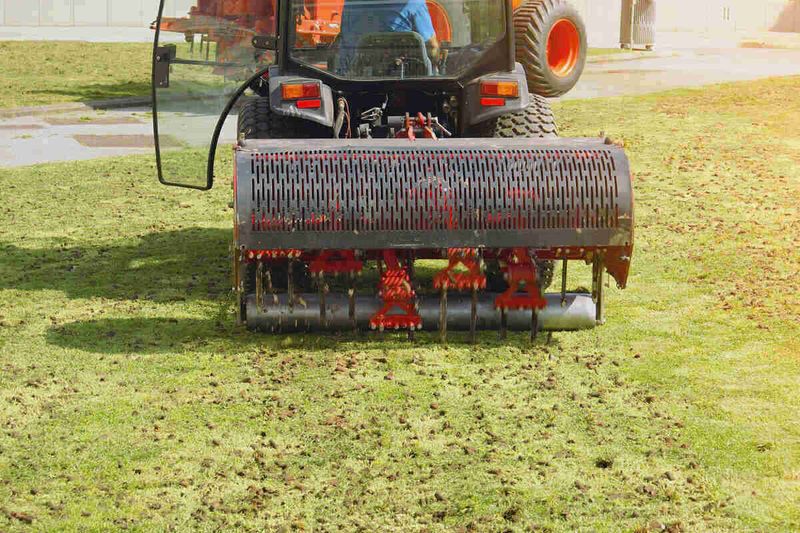
Those little soil plugs scattered across a freshly aerated lawn look like goose droppings, and my kids giggle about it. Each plug leaves behind a small hole, and those holes become perfect hiding spots for grass seed.
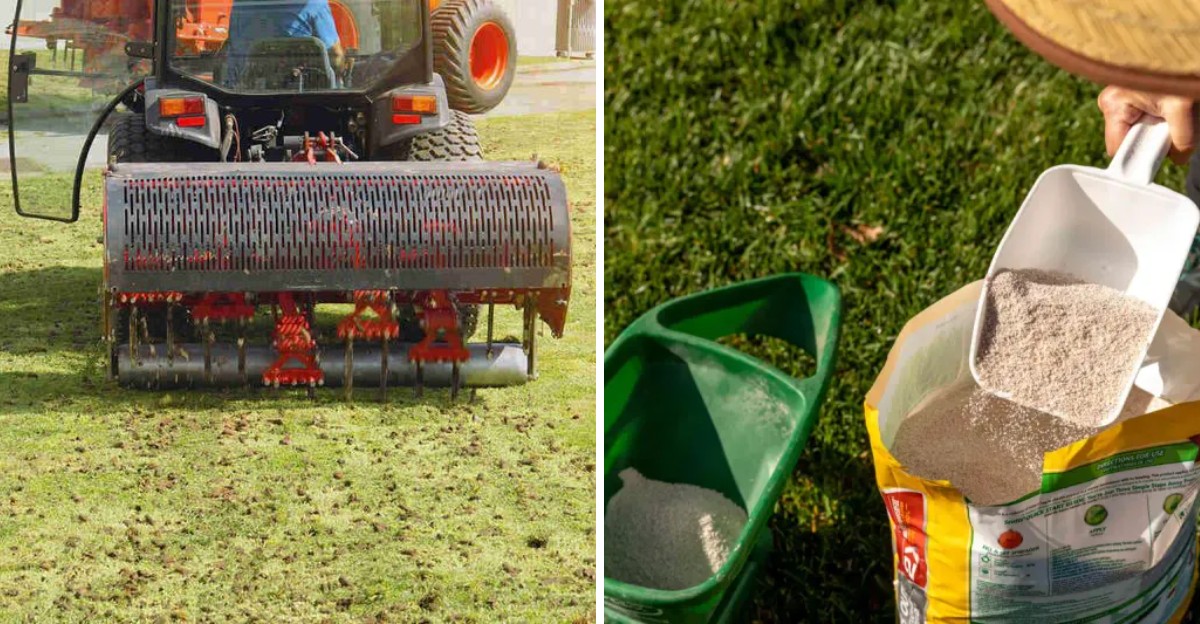
Core aerators pull out finger-sized cylinders of soil, which loosens compacted ground packed down by feet and mowers. Air and water can finally slip down to the roots, where your grass needs them most.
Seed that falls into those openings stays moist longer and has a better chance of avoiding hungry birds. Germination rates can jump noticeably compared with seed tossed on hard, crusty soil with no preparation.
Spike aerators that just poke holes are less helpful, since they can press soil together around each spike. Renting a core machine from a hardware store usually costs less than hiring a crew for the job.
Water the lawn a day or two ahead, because moist soil lets the tines sink deeper and pull cleaner plugs. Mark sprinkler heads and buried cables with small flags first so the machine does not hit them.
Does your lawn feel spongy underfoot because of a thatch layer thicker than about half an inch? Dethatching before aerating clears that mat away and gives seed a much better shot at touching soil.
Leave the soil plugs right where they land, since they crumble within a week or two after watering. I love watching them melt back into the lawn, adding a thin layer of fresh soil around the seed.
4. Blue Tag Certified Grass Seed Beats Bargain Bag Blends
That bargain bag of seed at the big box store might hide weed seeds and filler grasses, which shocked me. Reading the label carefully became my favorite fall habit after I found a mystery grass sprouting everywhere.
Certified seed often carries a blue tag, which shows it passed official testing for purity and germination. Look for a low weed seed percentage and a germination rate of roughly 85 percent or higher.
Matching your existing lawn matters too, because mismatched grass types can leave odd patches in color and texture. Cool-season lawns usually pair well with tall fescue or bluegrass blends for fall overseeding in most yards.”
Bluegrass spreads by underground runners called rhizomes, so it slowly knits thin areas back together over time. Tall fescue grows in bunches but handles heat and drought better, thanks to its impressively deep roots.
Perennial ryegrass sprouts in about a week, which makes it handy for quick color in busy yards. Annual ryegrass is a different story, since it fades after one season and leaves gaps behind.
Shady spots need special attention, so look for fine fescues that tolerate low light under big trees. Sunny play areas do better with tougher blends that bounce back after soccer games and running pets.
Spending a few extra dollars on quality seed saves money later, because fewer seeds go to waste. I now treat seed shopping like grocery shopping, reading every label before anything goes into my cart.
5. Crisscross Seed Spreading Fills Bare Patches Evenly
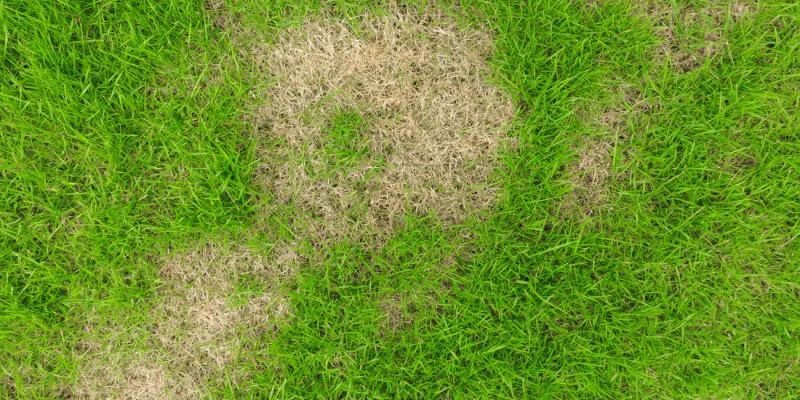
Walking my yard in a neat grid pattern makes me feel like a farmer planting tiny rows of corn. That crisscross trick is the secret behind lawns that look thick and even instead of striped.
A broadcast spreader works great for big lawns, while a small handheld spreader handles narrow strips and patches. Set it to half the recommended rate, then cover the lawn twice in different directions so nothing gets missed.
Go north to south on the first pass, then east to west for the second round of seed. Overlapping paths this way smooths out any gaps your spreader might leave along the edges of each pass.
Overseeding rates run lower than new lawn rates, since you already have grass growing in most places. Bluegrass needs about 1.5 to 2 pounds per 1,000 square feet, while tall fescue needs more.
Tall fescue seeds are bigger, so many guides suggest roughly 6 to 8 pounds for the same space. Thin or bare spots can handle a slightly heavier sprinkle, which helps them catch up with the rest.
After spreading, gently rake the area so seeds slip down between grass blades and settle onto bare soil. A lawn roller can also press seed into place, helping it grab moisture from the ground below.
Aim to cover seeds with about a quarter inch of soil, and keep them shallower than half an inch. Buried too deep, tiny grass seeds run out of stored energy before their first leaves reach sunlight.
6. Gentle Morning Sprinkles Keep Sprouting Grass Seed Moist
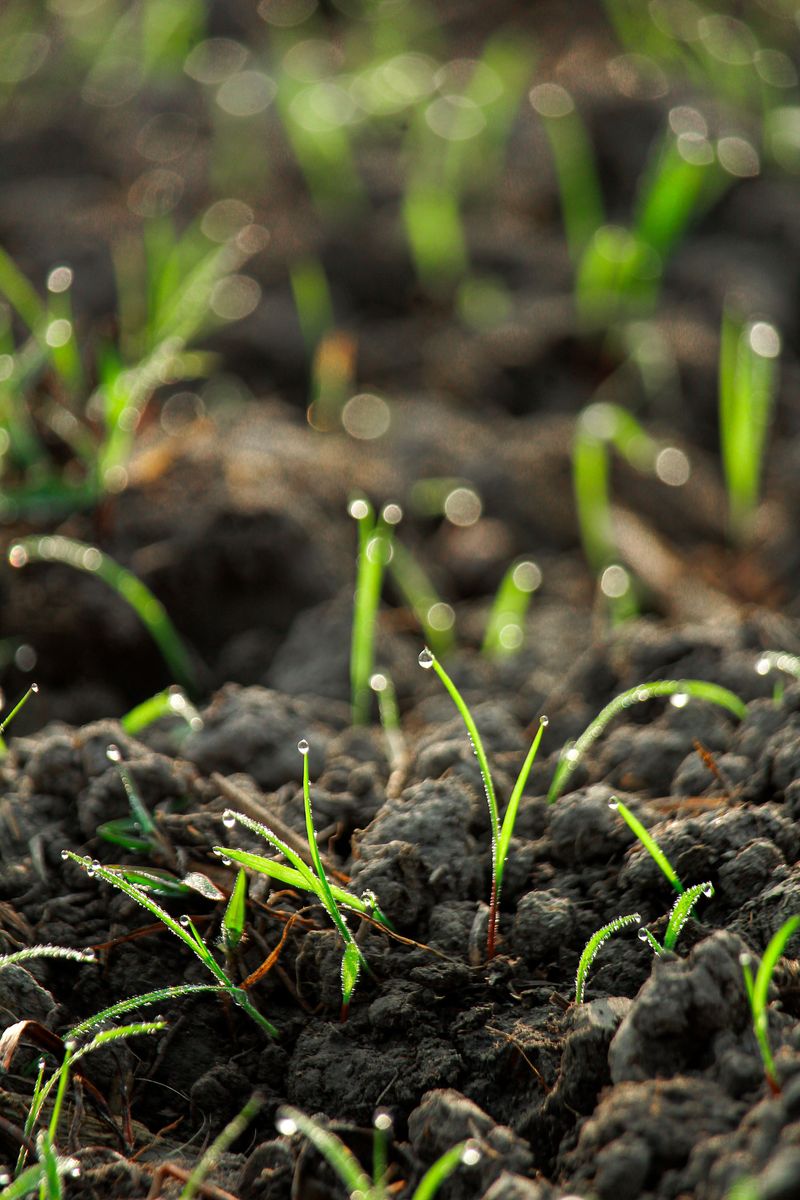
New grass seed behaves like a sponge that must stay damp, and even one hot afternoon can cause trouble. I set phone reminders during my first season, and my neighbors probably thought I was obsessed with sprinklers.
During the first week or two, keep the top inch or so of soil moist but not soggy. Light watering two to four times a day usually does the job, depending on sun and wind.
Heavy blasts of water can wash seed into puddles, so use a fine spray setting on your hose nozzle. Small rivers running down a slope are a sign you should water for shorter stretches more often.
Early morning watering wastes less moisture to evaporation and lets grass blades dry before evening arrives. Wet grass sitting overnight invites fungal diseases, so try to avoid late evening sprinkling whenever possible.
Once most seedlings appear, often in week two or three, slowly cut back to one or two waterings daily. Let each session run longer, which pushes water deeper and coaxes roots to follow it downward.
After four to six weeks and a few mowings, shift back to deep watering once or twice a week. Most established lawns need about an inch of water weekly, including whatever falls from the sky.
A cheap rain gauge or an empty tuna can on the lawn shows how much water you actually applied. Fall rains often help out, so check the forecast before running the sprinkler on a cloudy day.
7. Starter Fertilizer Outperforms Weed And Feed For New Grass Seedlings
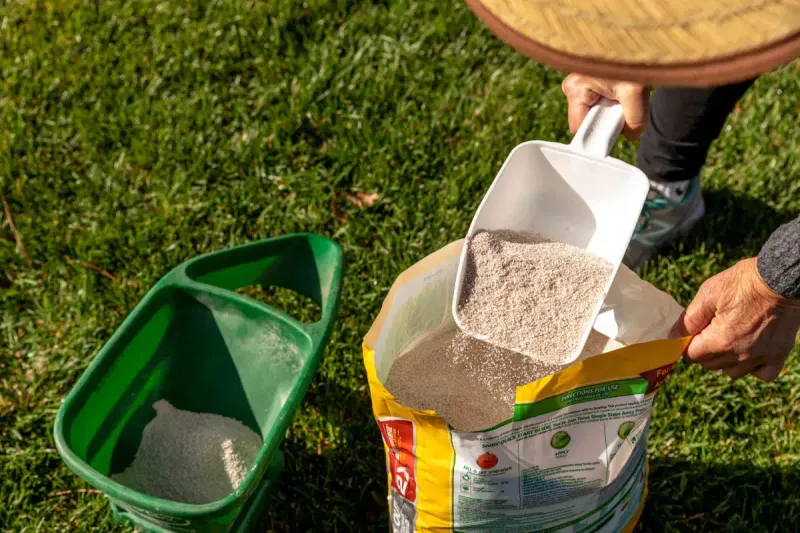
Weed and feed products sound like a time saver, yet they can stop your brand new seed from sprouting. I nearly grabbed a bag last fall before reading the fine print on the back label.
Many of those combo products contain weed preventers that block seed germination, and grass seed is a seed too. Save them for later seasons and reach for a starter fertilizer made specifically for young grass instead.
Starter blends usually carry more phosphorus, the middle number on the bag, with ratios like 18-24-12 or 10-20-10. That nutrient helps tiny seedlings grow roots quickly, anchoring them before colder weather slows everything down.
Some states and towns limit phosphorus use on lawns, so check local rules before buying any starter bag. Many of those laws allow phosphorus when establishing new grass, but a soil test gives the clearest answer.
Spread the starter fertilizer right before or just after seeding, ideally within the same day or so. Skip extra high-nitrogen feeding at the same time, since it pushes old grass to shade out newcomers.
Follow the bag directions carefully, because more fertilizer does not mean more grass and can burn tender seedlings. Sweep any granules off sidewalks and driveways so rain does not carry them into storm drains.
About four to six weeks later, a second light feeding can help the young grass thicken up nicely. I like watching the color deepen afterward, a quiet reward for choosing patience over shortcuts at the store.
8. Pull Weeds Before Seeding And Wait To Spray Young Grass
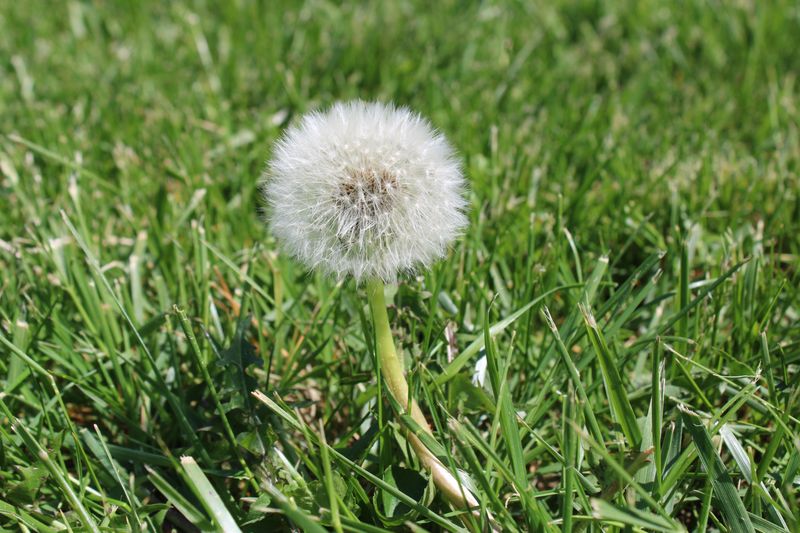
Dandelions popping up beside fresh seedlings tested my patience last fall more than any traffic jam ever has. Reaching for the sprayer felt natural, but young grass can be badly hurt by many weed products.
The smartest move happens weeks earlier, by tackling serious weed problems before you ever open a seed bag. Hand pulling works well for scattered weeds, especially after a rain when roots slide out more easily.
Some herbicides need a waiting period before seeding, so read labels carefully if you treated the lawn recently. Mesotrione sold under names like Tenacity is one product labeled for use on many cool-season grasses at seeding time.
After seeding, hold off on broadleaf sprays until the new grass has been mowed two or three times. That usually takes three to four weeks or longer, depending on the grass type and the weather.
Product labels sometimes ask for an even longer wait, so follow those directions over any general rule. Tender seedlings can be stunted easily, and a few weeds for a month cause far less harm.
A thick lawn becomes its own weed control, crowding out invaders by hogging sunlight and space near the soil. Weed seeds that need light to sprout struggle under a dense green canopy of healthy grass blades.
Fall is also a smart season for spot-treating perennial weeds once your seedlings have toughened up a bit. Next spring, you might notice far fewer dandelions and a lawn that looks greener than the neighbors.