Common Mistakes That Make Drought Stress Worse On Your Lawn
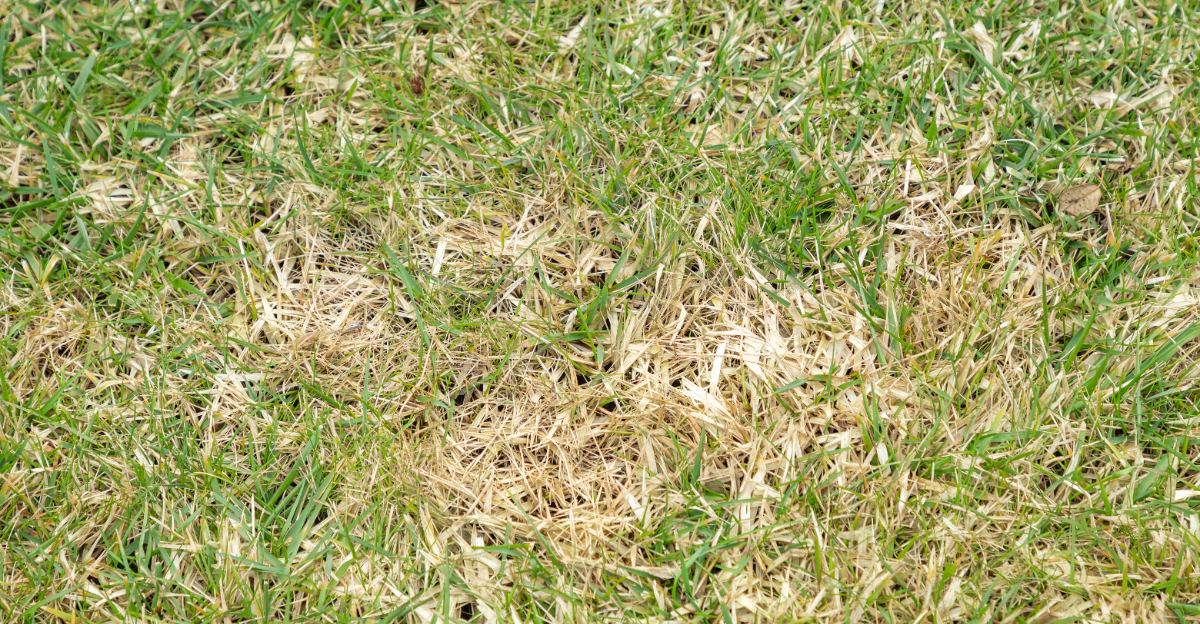
Grass rarely fails all at once. It fades in stages, and most people only notice after the third or fourth stage has already happened.
By the time patches show up, the yard has usually been sending warnings for weeks through changes so small they get dismissed as normal seasonal wear.
None of that gets traced back to daily routines, even though that’s usually where the real problem starts. A handful of ordinary habits, repeated often enough, quietly wear the grass down long before summer heat gets the blame.
Most of these habits look harmless in the moment. Here’s what’s actually going on.
1. Mowing Too Short During Dry Spells
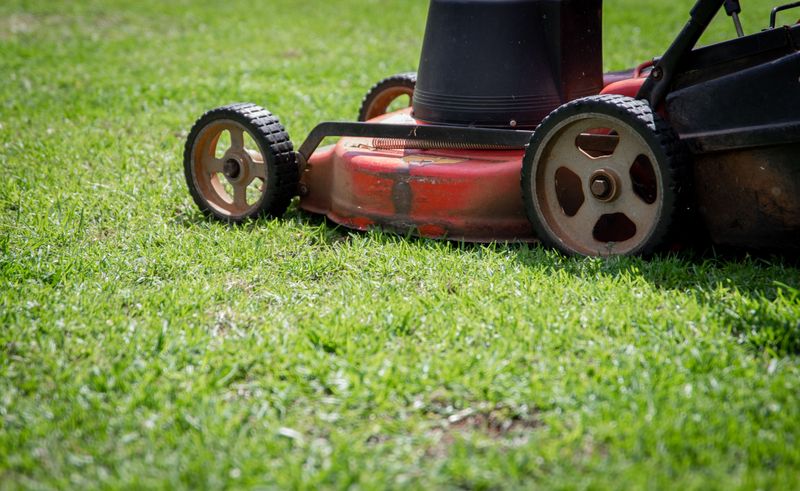
Scalping your grass in summer is one of the fastest ways to leave a dry lawn struggling. Short grass loses moisture at a shocking rate, leaving roots exposed and defenseless against heat.
Grass blades work like tiny solar panels for the soil beneath them. When you cut them too short, the sun bakes the ground directly, pulling out whatever moisture is left.
Most cool-season grasses should stay at least three to four inches tall during dry conditions. Warm-season varieties like Bermuda can handle slightly shorter cuts, but should stay above one and a half inches in a drought.
The rule of thumb is simple: never remove more than one-third of the blade in a single mow. Cutting too aggressively forces the plant to spend energy regrowing instead of surviving the heat.
Taller grass also shades the soil naturally, slowing evaporation between watering sessions. That shade is free moisture protection, and most homeowners throw it away without thinking twice.
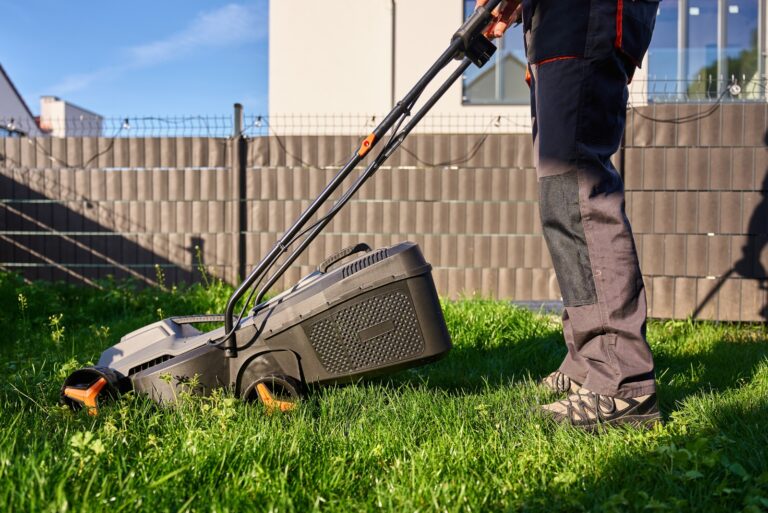
Raising your mower deck just one notch can make a noticeable difference within a week. Your grass will look fuller, feel softer underfoot, and hold onto water far more effectively.
Mower height settings are easy to check but easy to forget once summer routines set in. A quick glance at the deck before each cut can prevent weeks of avoidable stress.
Drought stress on your lawn gets dramatically worse when mowing habits ignore the season. Adjust your cut height before the heat peaks, not after the damage is already done.
2. Watering Too Often But Too Lightly
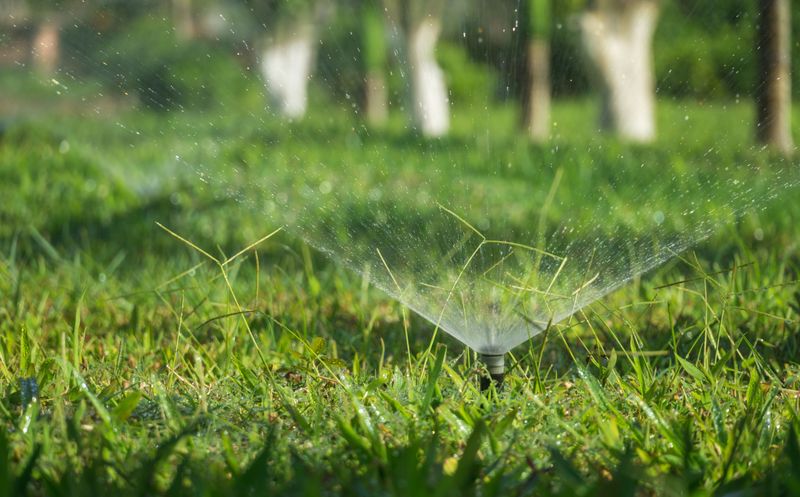
Light, frequent watering feels responsible, but it actually trains your grass to be weak. Shallow roots chase surface moisture and never learn to dig deep for survival.
When water only reaches the top inch of soil, roots have no reason to grow downward. A drought hits, that thin surface layer dries out fast, and shallow-rooted grass wilts almost immediately.
Deep, infrequent watering is the gold standard for drought-resistant lawns. Aim for about one inch of water per session, applied two to three times per week at most.
One inch of water soaks roughly six inches into average soil, which is right where strong roots want to live. Roots that reach that depth can access moisture long after the surface has dried out.
A simple tuna can placed on your lawn during watering tells you exactly when you have hit that one-inch mark. Low-tech tools often give the most reliable results in lawn care.
Letting the soil dry slightly between sessions also encourages roots to stretch downward in search of water. That mild stress actually builds resilience before serious drought conditions arrive.
Most irrigation systems can be adjusted in minutes once you know the right frequency to aim for. Small tweaks to your existing schedule often work better than buying new equipment.
Breaking the light-watering habit is one of the most impactful changes you can make for a stressed lawn. Deeper roots mean a tougher lawn, and a tougher lawn handles drought stress with far less visible damage.
3. Fertilizing While Your Lawn Is Already Stressed
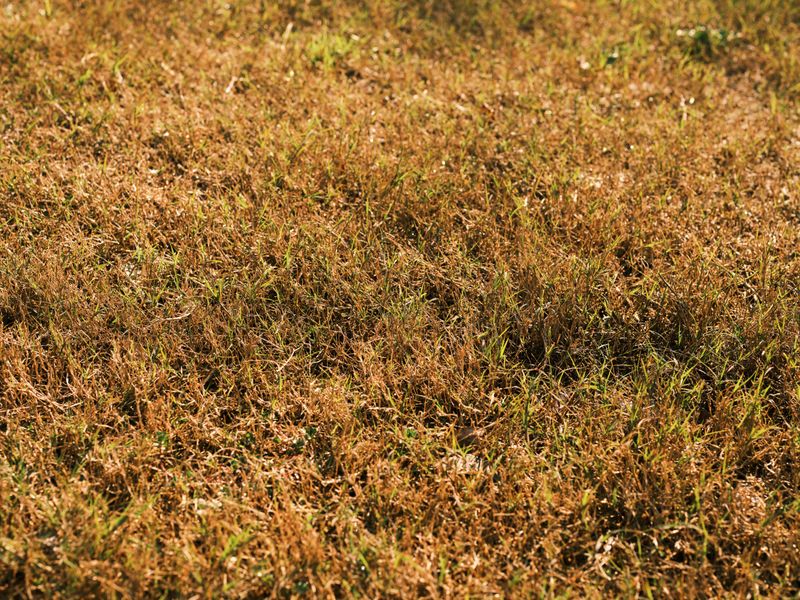
Pouring fertilizer onto a drought-stressed lawn is a bit like offering a sick person a five-course meal. The system is already overwhelmed, and adding more is not helpful.
Nitrogen-heavy fertilizers push grass into rapid growth mode. During a drought, that forced growth demands more water than the plant can actually access, making the stress dramatically worse.
Fertilizer salts also draw moisture out of the soil through a process called osmotic pull. When the ground is already dry, those salts compete directly with grass roots for whatever little water remains.
Visible fertilizer burn, which shows up as yellow or brown streaks, is a common sign of this mistake. Many homeowners blame the heat when the real culprit is the bag they opened two weeks ago.
Timing fertilizer applications matters as much as the product itself. Fall and early spring, when soil moisture is reliable, are the safest windows for feeding your lawn without risking damage.
If your grass is already showing drought symptoms, hold off on any fertilizer until consistent rain or irrigation returns. Patience here is not laziness; it is smart lawn management.
Feeding a stressed lawn creates more problems than it solves, and the recovery time can stretch into weeks. Skip the fertilizer bag during a dry stretch, and your grass will thank you when conditions improve.
4. Ignoring Compacted Soil That Blocks Water Absorption
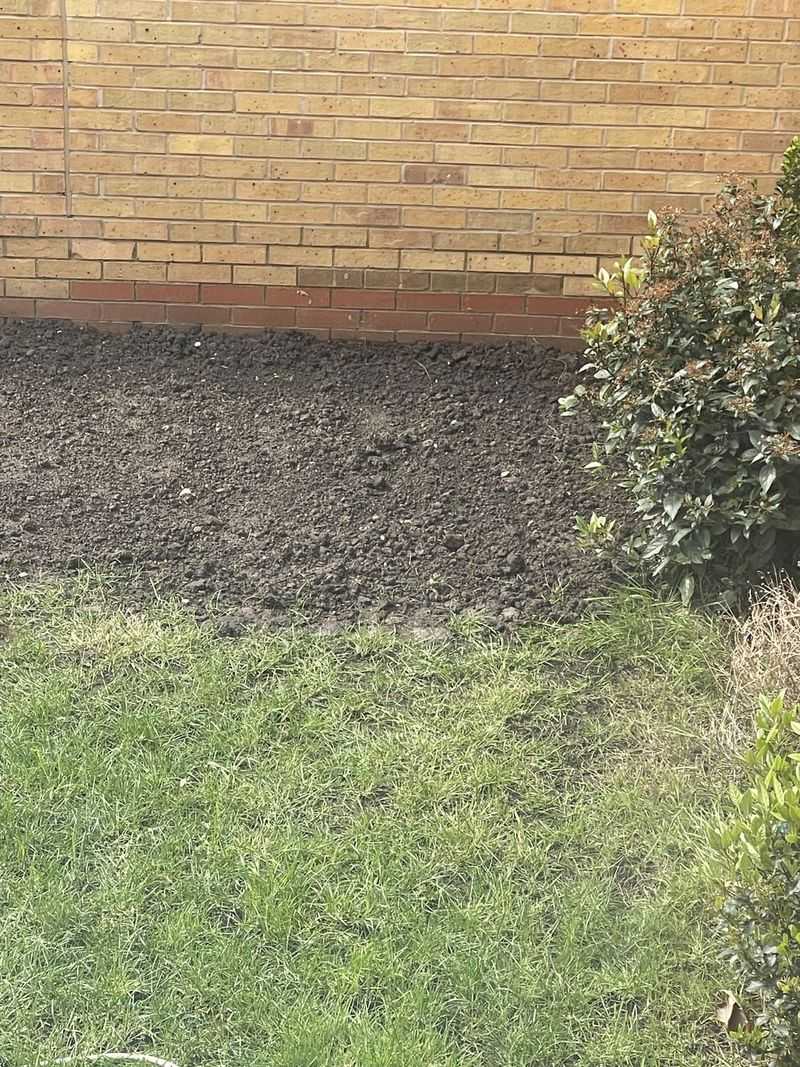
Compacted soil is an overlooked culprit that most homeowners never think about until their lawn looks like a parking lot. Water cannot penetrate hard-packed ground, so it runs off instead of soaking in.
Heavy foot traffic, lawn equipment, and clay-heavy soil all contribute to compaction over time. Once the ground gets tight, even a generous watering session barely reaches the root zone.
You can test for compaction with a simple screwdriver. Push it into the soil by hand; if it resists before reaching six inches, your lawn likely has a compaction problem worth addressing.
Compacted soil also traps heat near the surface, raising ground temperatures and accelerating moisture loss. During a drought, that combination creates conditions that stress even healthy grass varieties.
Aeration is the most direct solution, but even top-dressing with compost can gradually improve soil structure over a season. Organic matter opens up tight soil and helps it hold water more effectively.
Avoiding heavy equipment on the lawn during dry periods is also a smart preventive step. Every pass of a riding mower on dry compacted ground pushes the problem a little deeper.
Drought stress on your lawn is almost always worse when compacted soil is part of the picture. Fixing the ground beneath the grass fixes the water problem at its actual source, not just at the surface.
5. Mowing With Dull Blades That Tear Grass
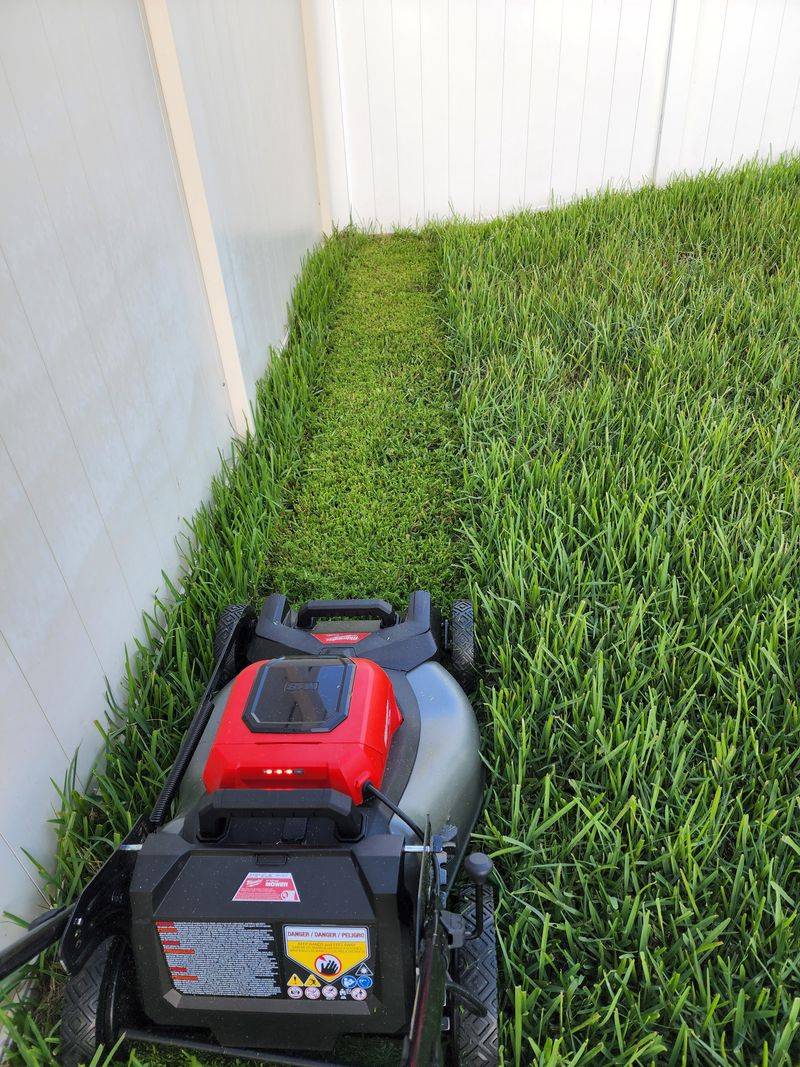
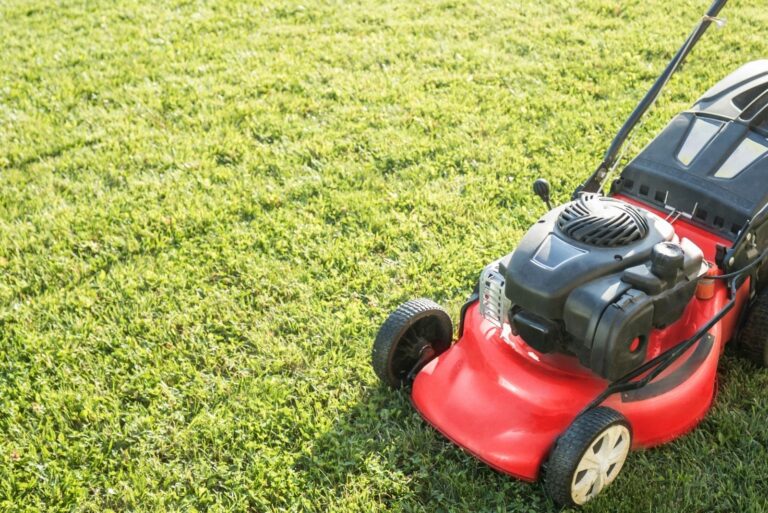
A dull mower blade does not cut grass cleanly; it shreds it. Those ragged, torn edges might look like a small cosmetic issue, but they open the door to serious problems during dry weather.
Torn grass tips lose moisture at a much faster rate than clean cuts. The damaged tissue cannot seal itself efficiently, and water evaporates through those rough edges all day long.
Shredded blades also turn white or tan at the tips within a day or two, giving your lawn a dull, bleached appearance. Many people blame drought for that color change when the mower is actually the culprit.
Stressed, torn grass is also far more vulnerable to fungal infections. Drought already weakens the plant’s natural defenses, and a ragged cut gives pathogens an easy entry point.
Sharpening your mower blade at least once per season is a basic maintenance step that pays off immediately. A sharp blade cuts cleanly, reduces moisture loss, and leaves your lawn looking noticeably healthier within days.
If you mow frequently during a dry stretch, consider sharpening twice per season or after every twenty to twenty-five hours of use. Blade quality directly affects how well your grass handles heat and water stress.
Clean cuts help grass recover faster between mowing sessions, which matters most when conditions are already tough. A small investment in blade maintenance protects your entire lawn during the most stressful months of the year.
6. Skipping Aeration Before Peak Heat Arrives
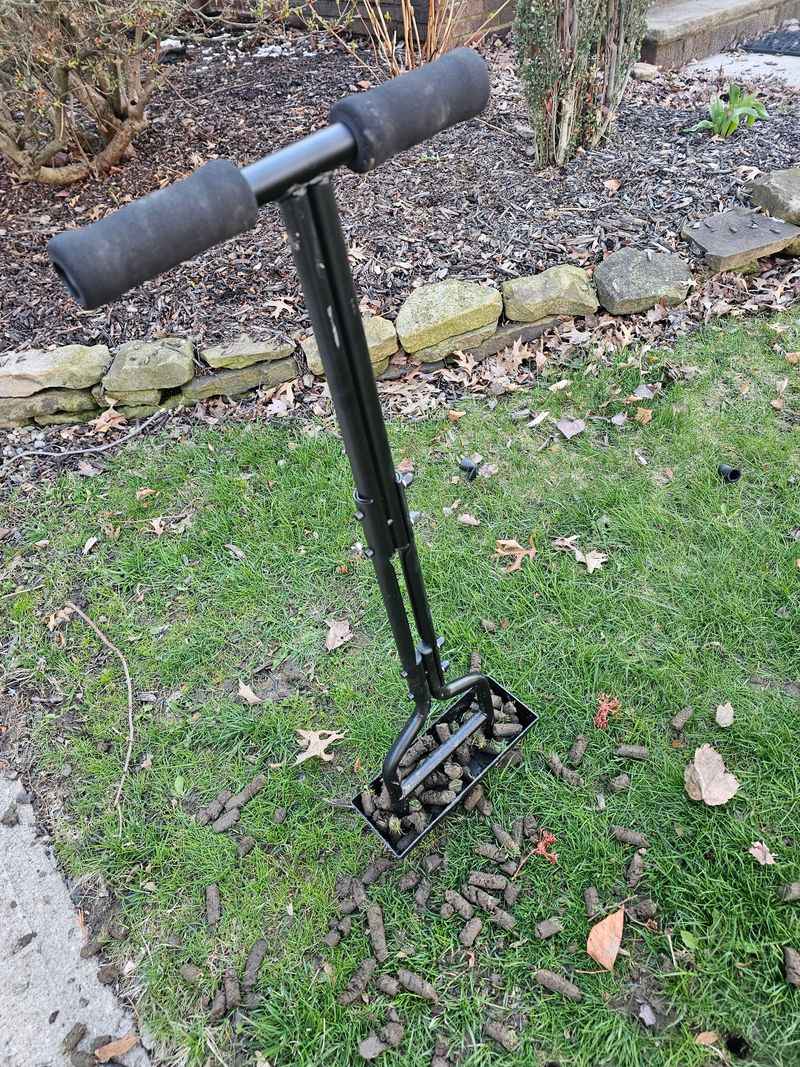
Most homeowners skip aeration because it feels like extra work with no immediate payoff. But skipping it before summer heat sets in is one of the quietest and costliest mistakes you can make.
Aeration pulls small plugs of soil from the ground, creating channels for water, oxygen, and nutrients to reach the root zone. Without those channels, even the best watering routine struggles to deliver moisture where it matters most.
Timing is everything with aeration. For cool-season grasses, early fall or early spring is ideal. For warm-season types, late spring before peak heat gives roots the best chance to strengthen before summer stress peaks.
Aerated soil absorbs water noticeably faster than compacted ground. That difference is enormous when rainfall is scarce and every drop of irrigation counts.
Combining aeration with a light top-dressing of compost amplifies the benefits significantly. The organic material fills those new channels and improves the soil structure long after the plugs break down.
Many homeowners rent aerators from hardware stores for under fifty dollars a day, making this a very affordable lawn investment. Professional services are also widely available if the rental feels like too much effort.
Getting ahead of drought stress means preparing your soil before the heat arrives, not scrambling to fix damage afterward. Aeration is one of the most effective preparation steps most people overlook every year.
7. Removing Clippings Instead Of Leaving Them For Moisture
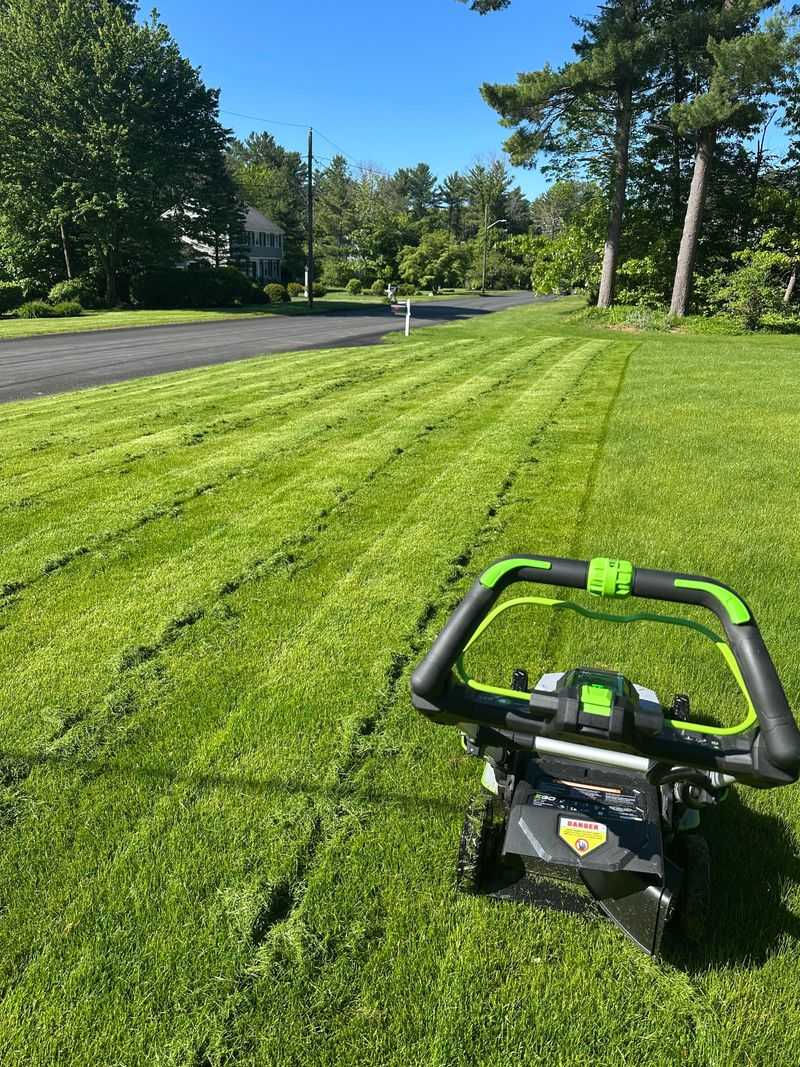
Bagging your clippings feels tidy, but you are actually hauling away free fertilizer and free moisture protection. Grass clippings left on the lawn break down quickly and return valuable nutrients to the soil.
Clippings are roughly eighty percent water by weight. As they decompose, that moisture releases slowly back into the soil, giving your lawn a small but meaningful buffer during dry conditions.
The myth that clippings cause thatch has been widely debunked by lawn researchers. Clippings decompose within a week or two under normal conditions and never accumulate fast enough to create a thatch layer.
Leaving clippings also reduces the need for additional nitrogen fertilizer over the course of a season. That is a real savings in both money and effort over a full season.
A thin layer of clippings also acts as a light mulch over the soil surface. That layer slows evaporation, keeps the ground slightly cooler, and gives microorganisms the organic matter they need to stay active.
The only time bagging makes sense is when clippings are too long and clump together heavily. Clumps can block sunlight and create moisture problems if left sitting too thick for too long.
Letting clippings fall freely is one of the easiest ways to support a drought-stressed lawn without spending a single dollar. Small habit shifts like this one add up to big results by the end of summer.
8. Watering At The Wrong Time Of Day
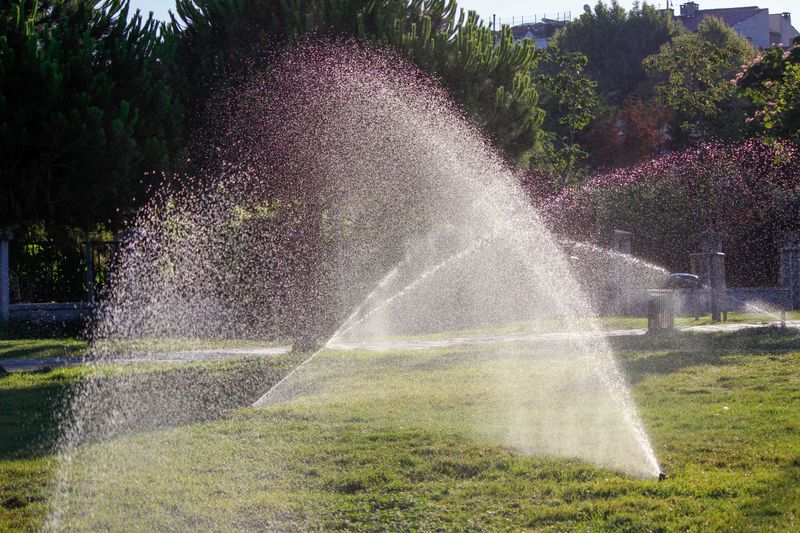
Watering at noon on a hot day is basically watering the air. The sun and heat evaporate a massive portion of that moisture before it ever reaches the root zone where your grass actually needs it.
Midday watering can lose a significant portion of applied water to evaporation alone. During a drought, wasting water on thin air is a mistake your lawn cannot afford.
Early morning, between five and nine a.m., is the best window for watering a stressed lawn. Temperatures are cooler, wind is usually calm, and water has time to soak into the soil before the sun heats up.
Watering in the evening is a common alternative, but it comes with a real downside. Grass that stays wet overnight creates ideal conditions for fungal growth, which is already a risk on heat-stressed turf.
Morning watering also allows grass blades to dry naturally throughout the day, reducing disease pressure without sacrificing moisture delivery. That balance is hard to achieve at any other time of day.
Smart irrigation controllers with weather sensors can automatically skip watering cycles after rainfall and adjust timing based on temperature. These tools pay for themselves quickly in water savings and healthier grass.
Fixing your watering schedule is free and takes about thirty seconds to adjust on most irrigation systems. Timing is one of the most overlooked factors in managing drought stress on your lawn, and getting it right makes a real difference.