Fall Peppers And Eggplant To Seed Now For An Arizona Harvest
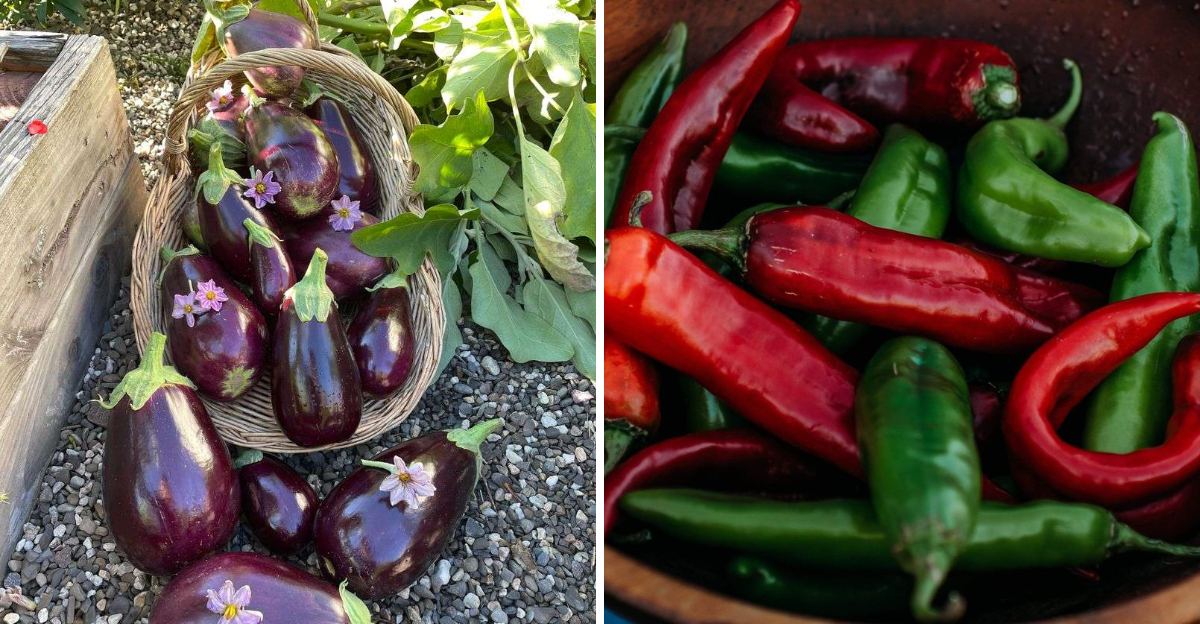
Arizona’s fall garden starts while summer still feels completely in charge.
That is what makes peppers and eggplant tricky.
The soil is warm enough to push fast growth, but the calendar is already moving toward shorter days and cooler nights.
In the low desert around Phoenix and Tucson, gardeners can use that late-summer window for another round of warm-season crops. Higher elevations play by a very different schedule.
So which varieties are worth starting now?
The best choices need enough time to germinate, size up, and reach the garden while heat still supports fruit production.
Starting indoors gives peppers and eggplant a head start that direct sowing often cannot match this late in the season.
Elevation matters just as much as variety.
A planting date that works near 1,000 feet may be useless at 5,000 feet, where cool nights arrive much sooner.
Start with your local calendar, then use these five Arizona-friendly choices to build a fall harvest before warm weather begins slipping away entirely for the season.
1. Grow Ace For A Sweet Pepper Option
A bell pepper does not need to be enormous to earn space in an Arizona fall garden.
Ace is valued for dependable, blocky fruit and a relatively compact habit, which makes it useful for gardeners trying to squeeze another pepper crop into the low-desert warm season.
Start the seeds indoors rather than sowing them directly outside.
That head start matters because peppers need time to germinate and develop several sets of true leaves before transplanting.
Late-summer soil may still be hot, but the number of warm weeks left for flowering and fruit development is already shrinking.
Move sturdy transplants outside once the timing fits your local elevation.
In Phoenix and Tucson, that can mean preparing plants for a late-summer or early-fall transplant window. Higher elevations need a much more cautious calendar because cool nights arrive sooner.
Give Ace full sun with protection from the harshest afternoon heat while plants are young.
Keep soil moisture steady. Big swings between dry and soaked conditions can stress pepper plants and interfere with flowering.
Space plants about 18 inches apart so air can move through the foliage.
Fruit can be harvested green for a crisp, familiar bell-pepper flavor or left longer to turn red and sweeter.
Ace may not be the flashiest pepper in the seed catalog. Its advantage is simpler: it gets down to business while the Arizona calendar is still giving you enough heat to finish the job.
2. Try Anaheim For A Reliable Hot Pepper
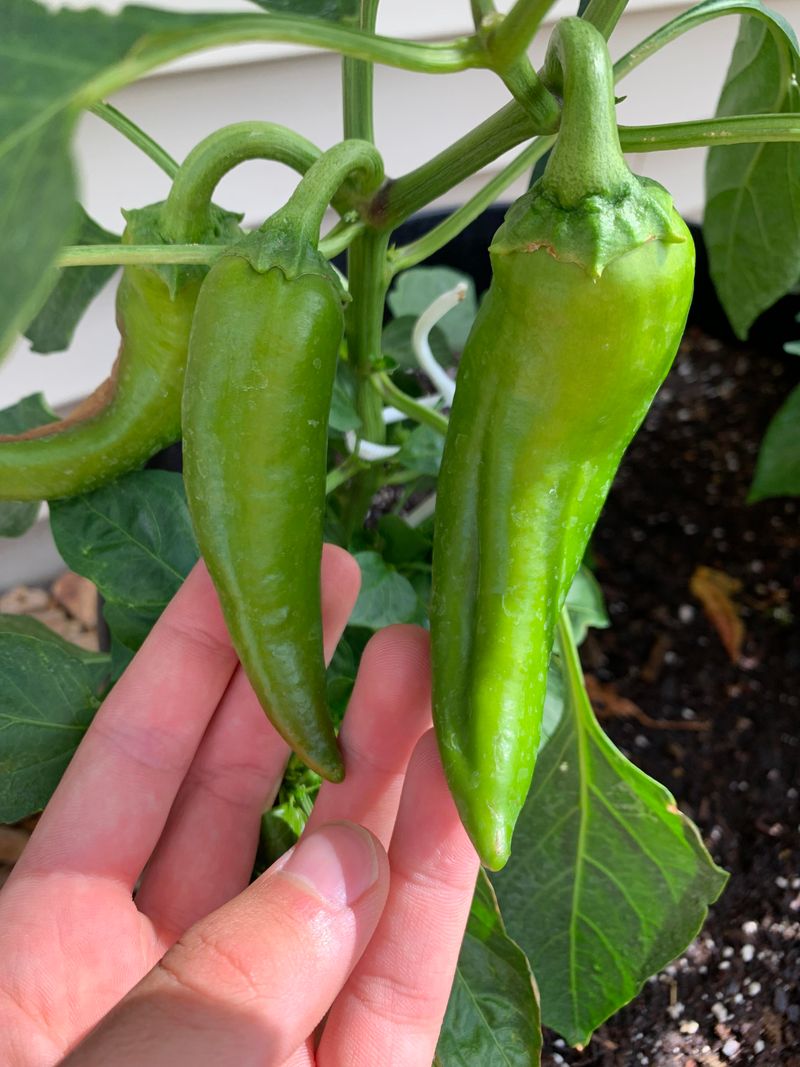
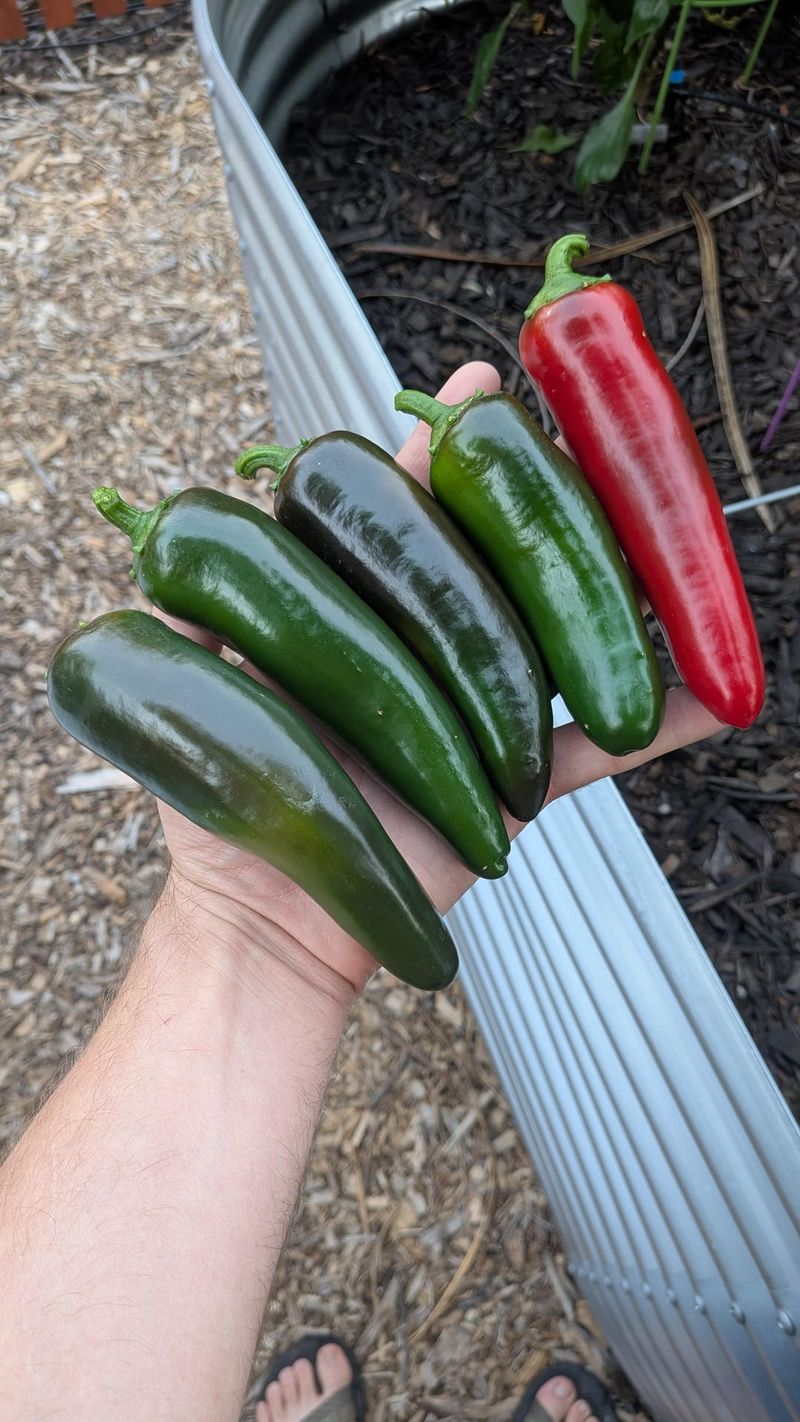
Few peppers fit an Arizona kitchen as naturally as Anaheim.
The long green fruit brings mild heat, a slightly earthy flavor, and enough versatility for roasting, stuffing, sauces, eggs, and just about anything that benefits from a little chile without turning dinner into a dare.
Late summer calls for a head start indoors.
Pepper seeds can take time to germinate, and young plants need several weeks of growth before they are ready for the garden.
Starting them roughly six to eight weeks before your local transplant window gives Anaheim plants a much better chance of producing before cooler nights slow them down.
Your Arizona Garden Changes Every Week. Your Plan Should Too.
Gardening in Arizona changes quickly throughout the season. Every Friday you’ll receive a simple weekly plan showing exactly what to plant, prune, fertilize, harvest, and protect so you never miss the right timing.
Give each transplant about 18 inches of room.
Full sun supports fruiting, though temporary afternoon shade can help young plants through brutal low-desert heat while they settle in.
Water deeply enough to moisten the root zone, then let the upper layer begin drying before the next irrigation.
Constant shallow watering encourages weaker roots and makes plants more dependent on frequent attention.
Anaheim fruit is commonly harvested while long, firm, and green.
Leave peppers on the plant longer and they will mature toward red, bringing a sweeter, deeper flavor.
The plants can become tall enough to appreciate a little support once fruit begins adding weight.
For an Arizona fall crop, Anaheim has one major advantage: nobody has to invent a reason to use the harvest. The roasting pan already has plans.
3. Start Black Beauty Eggplant
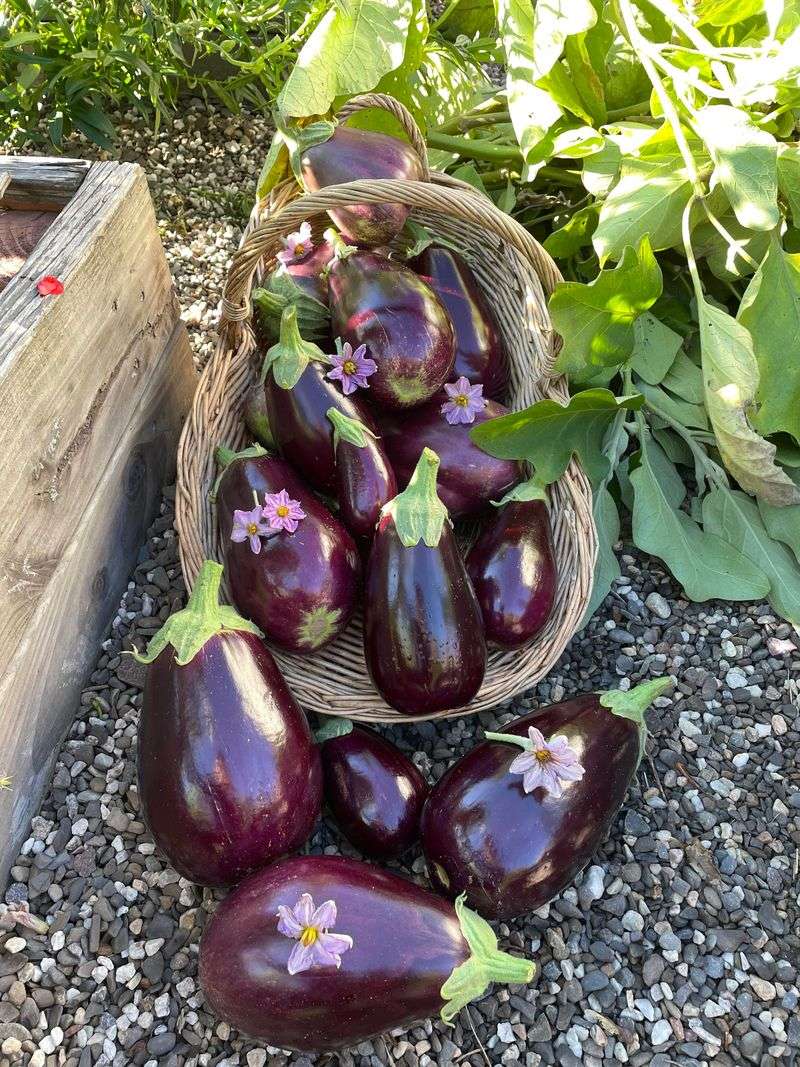
Glossy purple fruit makes Black Beauty look like it belongs in the hottest part of the garden.
That is not far from the truth.
Eggplant loves warmth, and Black Beauty performs best when roots, leaves, and developing fruit all get enough heat to keep growth moving.
The challenge in an Arizona fall planting is getting the plant large enough before shorter days and cooler nights begin tapping the brakes.
Start seeds indoors six to eight weeks before transplanting.
Direct sowing late in the warm season can waste valuable time because eggplant seedlings develop slowly compared with many vegetables.
Give transplants about 24 inches of space.
The plants need airflow around their broad leaves, and that extra room makes harvesting much easier once branches begin carrying heavy fruit.
Consistent moisture matters.
Deep watering supports steady growth, while a modest mulch layer can slow evaporation and keep the root zone from heating and drying too aggressively.
Watch the fruit surface as harvest approaches.
Black Beauty is best picked while the skin still looks glossy and the fruit feels firm. A dull finish often signals that the seeds inside are becoming more mature and the texture is moving past its best stage.
Use the harvest for grilling, roasting, dips, or eggplant parmesan.
Black Beauty is not subtle in the garden or the kitchen. Give it enough warm days, and it rewards the calendar gamble with fruit that looks polished enough to have been waxed.
4. Try NuMex Big Jim For A Larger Roasting Chile
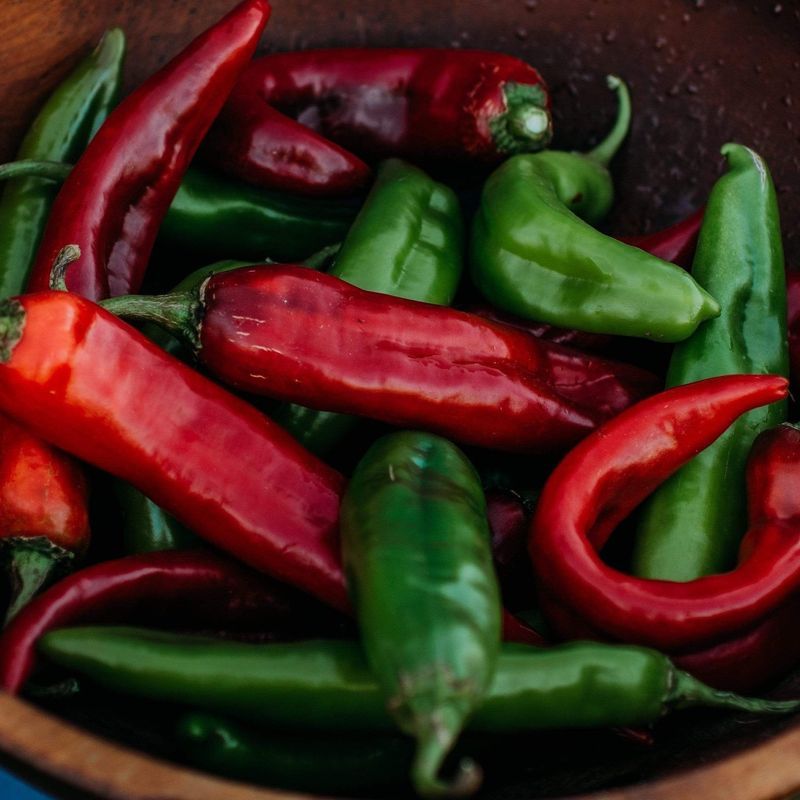
A fall pepper harvest gets much more interesting once roasting chiles enter the picture.
‘NuMex Big Jim’ comes from the New Mexico State University chile breeding program and belongs to the New Mexican pod type, the same broader group that includes Anaheim peppers.
It became especially well known for producing unusually large chile pods.
That makes it a useful Southwest option for Arizona gardeners who want something larger than a standard Anaheim.
Start seed indoors early enough to produce a strong transplant before the low-desert fall window begins.
Arizona Extension notes that peppers are warm-loving crops and perform poorly in cool, wet soil, so the remaining stretch of warm weather matters as much as the variety itself.
Give plants full sun, steady moisture, and about 18 inches of space.
Avoid heavy fertilizer. Too much nitrogen can push leafy growth while flowering and fruiting lag behind.
Harvest the pods green for roasting and fresh chile dishes, or leave some longer for deeper mature color.
Arizona gardeners at higher elevations need a tighter calendar because cool nights arrive sooner.
‘NuMex Big Jim’ does not magically extend the season. What it does bring is a proven Southwestern chile pedigree and the kind of long pod that makes a roasting batch feel much more worthwhile.
5. Add NuMex Joe E. Parker For A Traditional Green Chile
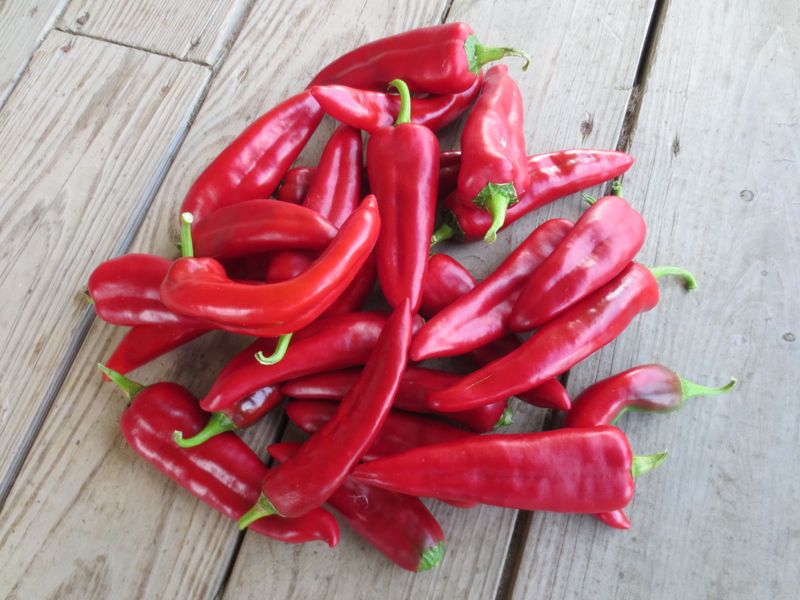
A second New Mexican chile can give the fall bed a different balance of size, flavor, and heat.
‘NuMex Joe E. Parker’ was developed through the New Mexico State University chile program and belongs to the New Mexican pod-type group alongside Anaheim, ‘NuMex Big Jim,’ ‘Sandia,’ and several other regional cultivars.
That Southwest background makes it worth considering for Arizona gardeners looking beyond the standard Anaheim.
Treat it as a warm-season pepper rather than a shortcut around the calendar.
Start seed indoors and move sturdy transplants into the garden while your elevation still has enough warm weather ahead for flowering and fruit development.
Arizona Extension places peppers among crops that need warm soil and notes that cool conditions slow their growth.
Space plants around 18 inches apart and keep irrigation consistent.
Deep watering followed by a reasonable dry-down is more useful than constant shallow moisture. Avoid pushing growth with excess nitrogen once plants begin settling into the bed.
The long green pods fit naturally into roasting, stuffing, sauces, and chopped chile dishes.
Leave some fruit to mature further for a different flavor and color.
For low-desert gardeners already comfortable with Anaheim, ‘NuMex Joe E. Parker’ offers a logical next experiment. It stays firmly in Southwest chile territory without turning dinner into a heat endurance event.
6. Try Ping Tung Long For A Slender Eggplant Option
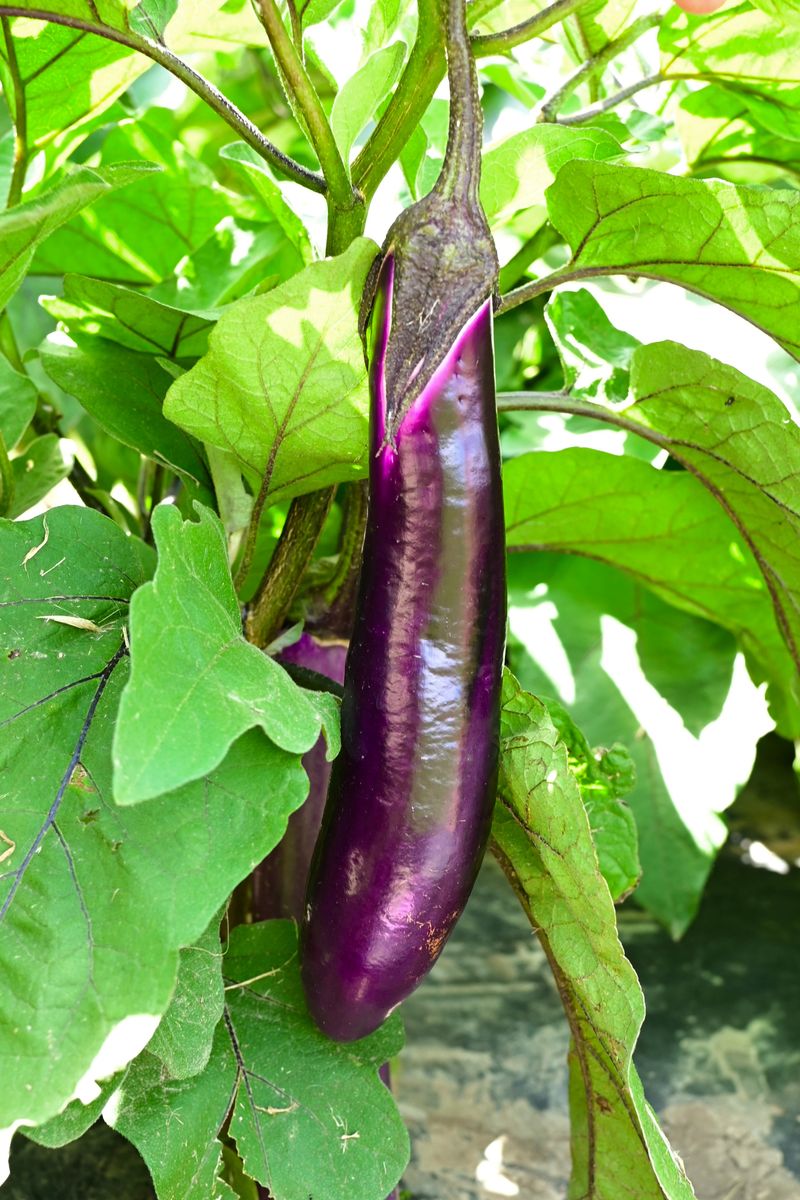
Not every fall eggplant needs to look like Black Beauty.
‘Ping Tung Long’ produces long, slender purple fruit and is classified as an early- to mid-season Asian eggplant. Cornell’s vegetable variety resource describes it as stress tolerant, with fruit that can reach around 12 inches.
That narrower fruit shape gives Arizona gardeners a useful alternative to large oval eggplants.
The crop still needs plenty of warmth.
Eggplant performs best during warm to hot weather, and transplanting gives late-season plants a major advantage over direct sowing.
Arizona Extension recommends allowing roughly eight to nine weeks to produce an eggplant transplant before it goes into the garden.
Give each plant about 24 inches of space.
Keep the soil moist without leaving the root zone soggy, and avoid excess fertilizer that produces leaves at the expense of flowers and fruit.
Harvest the slender eggplants while the skin stays glossy and the flesh remains firm.
Their shape works especially well for quick roasting, grilling, and stir-frying because the fruit can be sliced into even pieces without dealing with the bulky center of a large globe eggplant.
‘Ping Tung Long’ is not on Arizona Extension’s current named variety list, so treat it as an experiment rather than a guaranteed local recommendation.
For gardeners who enjoy testing something different, that experiment could make the fall eggplant bed considerably less predictable.