What Arizona Gardeners Should Stop Doing Before August Extreme Heat Arrives
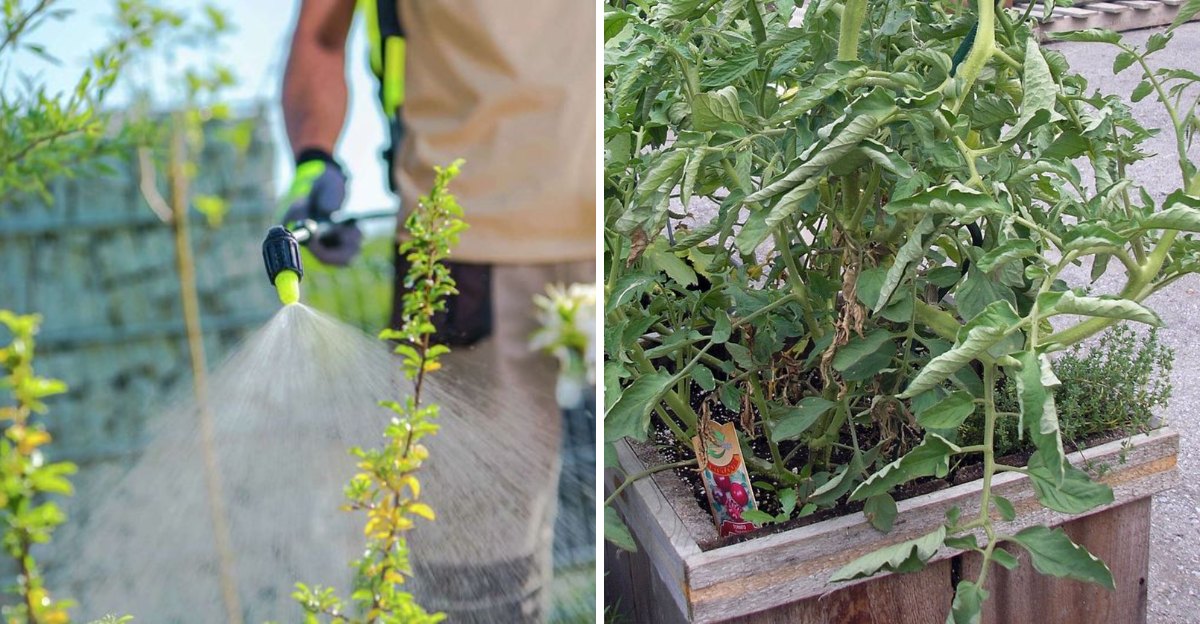
Another brutal heatwave is coming, and your garden will notice first. Don’t wait until plants start struggling.
Many common gardening habits create extra stress during extreme heat. In Arizona, small mistakes become much bigger problems.
Your watering routine, pruning schedule, and container placement all matter more than usual. Fix them now before temperatures climb even higher.
Healthy plants handle scorching weather better when they avoid unnecessary stress beforehand. A little preparation now makes a noticeable difference.
You do not need expensive products or complicated tricks. A few small changes today can help plants handle extreme heat.
Give your garden the best chance before the next heatwave arrives.
These simple habits can help plants stay healthier and stronger throughout August.
1. Fertilizing Right Before Extreme Heat
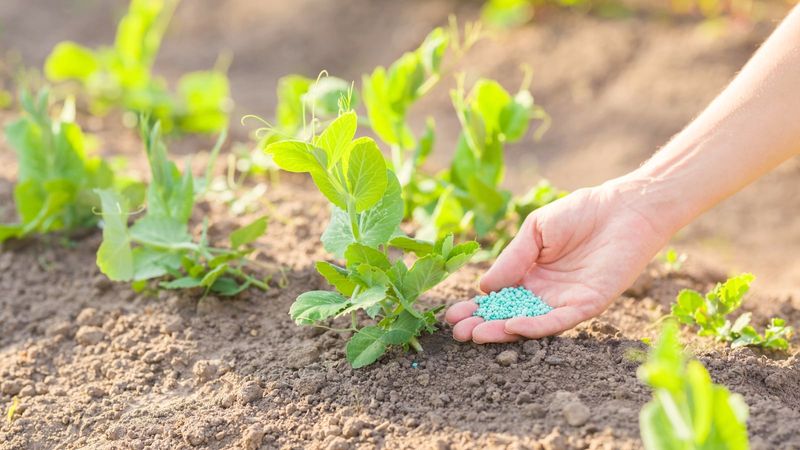
Fertilizer and extreme heat are a bad combination. When temperatures climb above 100°F, plant roots are already under serious stress.
Adding fertilizer at that point pushes the plant to grow faster, right when it has the least energy to spare.
Nitrogen-heavy fertilizers are especially risky. They stimulate new leaf and stem growth, which requires a lot of water.
Soft new growth wilts quickly and scorches badly in intense sun. Plants end up more damaged, not healthier.
Soil temperature also matters here. Hot soil breaks down certain fertilizers faster than expected, sometimes releasing nutrient concentrations that can burn roots.
Sandy desert soils, which drain fast and heat up quickly, make this problem worse.
A safer approach is to stop fertilizing about four to six weeks before peak summer heat typically hits your area. Late spring is usually a reasonable cutoff in most low-desert regions.
Let plants slow down naturally as heat builds.
If your plants look pale or nutrient-deficient heading into summer, a light, diluted liquid feed early in the morning on a cooler day can help. Just avoid heavy applications once the forecast shows sustained highs.
Healthy roots going into summer are far more valuable than a quick nutrient boost right before a heatwave.
2. Heavy Pruning Before Temperatures Spike
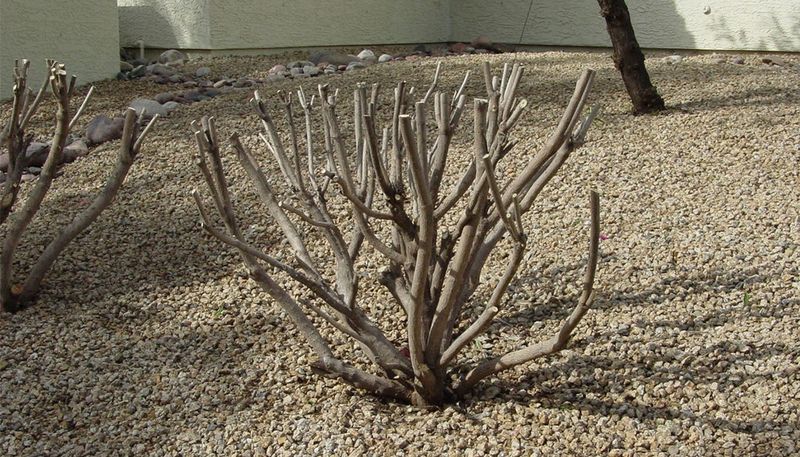
Pruning feels productive. It looks neat, and it gives you a sense of control over your garden.
But cutting back plants hard right before a heatwave can set them up for a rough summer.
Fresh pruning cuts expose plant tissue that was protected by leaves and bark. In intense sun, those exposed areas can scorch badly.
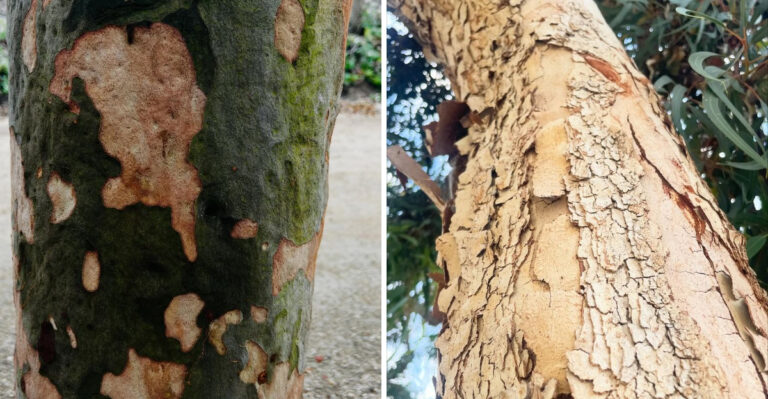
Sunburned bark on trees and shrubs looks rough and can take months to recover, if it does at all.
Leaves also serve a shading function. Canopy coverage keeps roots and soil cooler.
When you remove a lot of foliage, you reduce that natural shade. Soil heats up faster, moisture evaporates more quickly, and root systems feel the difference.
Light shaping is fine if needed. Removing crossing branches or damaged wood is generally low risk.
The problem is heavy structural pruning, the kind that removes a third or more of the plant at once.
Most desert-adapted plants actually benefit from holding their shape through summer. Brittlebush, lantana, and many native shrubs naturally look a bit rough in heat, but that scraggly growth still offers protection.
Your Arizona Garden Changes Every Week. Your Plan Should Too.
Gardening in Arizona changes quickly throughout the season. Every Friday you’ll receive a simple weekly plan showing exactly what to plant, prune, fertilize, harvest, and protect so you never miss the right timing.
Save major pruning for fall, once temperatures drop consistently below 95°F. Your plants will bounce back much faster when conditions are less punishing.
Timing pruning correctly makes a real difference in how well plants handle summer stress.
3. Planting New Trees And Shrubs Before A Heatwave
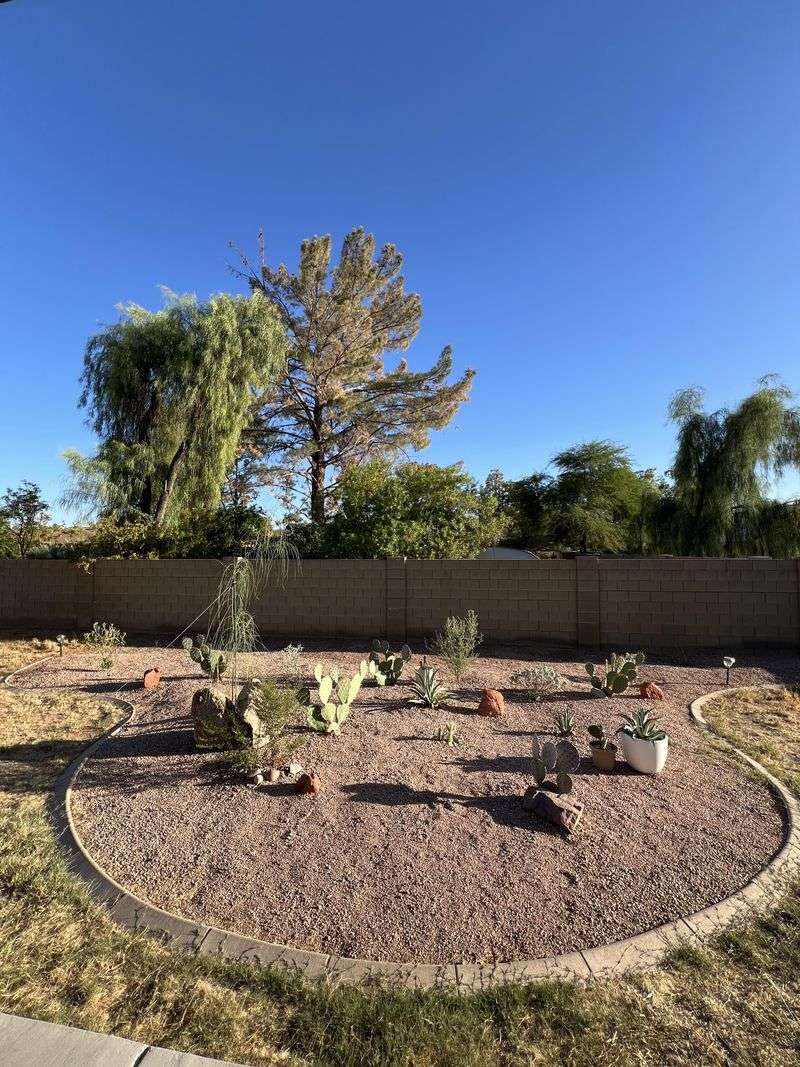
Planting something new right before extreme heat hits is one of the trickier timing mistakes gardeners make. It feels like getting a head start, but the reality is harder than it looks.
New plants have not yet established root systems in their new location. They depend almost entirely on the root ball they came with from the nursery.
That limited root system struggles to pull enough water from surrounding soil during extreme heat, no matter how often you water.
Transplant shock compounds the problem. Moving a plant disrupts its roots and causes stress even in ideal conditions.
Add 110°F temperatures and dry desert air, and that stress multiplies fast. Leaves wilt, drop, and the plant spends all its energy just trying to survive rather than establishing new roots.
Waiting until late September or October is a much better plan for most trees and shrubs in low-desert regions. Fall planting gives roots months to spread before summer returns.
Plants establish faster and need less babysitting overall.
If you absolutely must plant during summer, do it during a stretch of slightly cooler, cloudy days if possible. Water deeply at planting, mulch heavily around the base, and expect to water more frequently for several weeks.
Shade cloth over new plantings can also reduce stress. But whenever possible, patience here pays off more than rushing the season.
4. Watering Just The Soil Surface
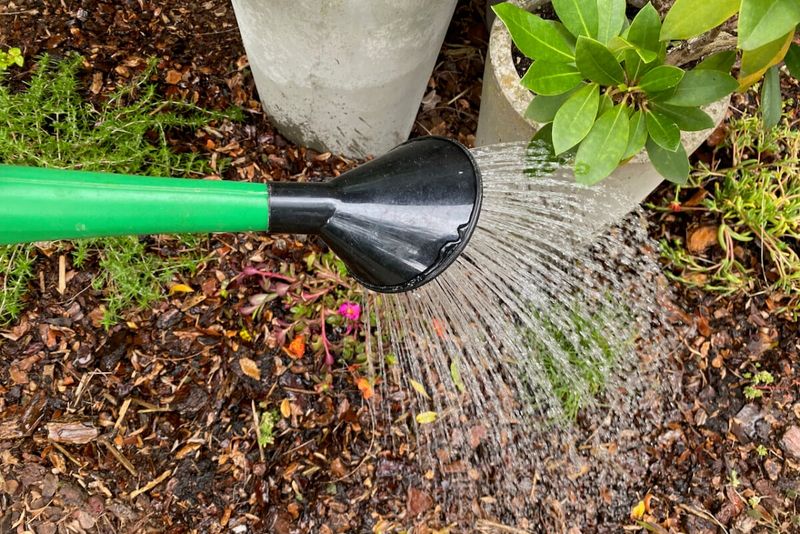
Shallow watering might look effective, but it trains roots to stay near the surface. That is a real problem when summer temperatures turn the top few inches of soil into something close to an oven.
Surface roots have almost no protection from heat. They dry out fast between waterings.
Plants that depend on shallow roots struggle more during heatwaves because their water supply disappears quickly. Deeper roots access moisture that holds longer in the soil profile.
In desert climates, deep watering is not optional, it is essential. For established trees, water should penetrate at least 18 to 24 inches into the soil.
Shrubs generally need 12 to 18 inches. Checking soil moisture with a probe or a long screwdriver is a simple way to know if water is actually reaching deep enough.
Drip systems are useful, but placement matters. Emitters positioned too close to the trunk encourage shallow root growth near the base.
Moving emitters outward toward the drip line encourages roots to spread deeper and wider, which builds a more resilient plant overall.
Watering frequency and duration both need adjusting as summer heat builds. Running irrigation longer but less often is generally better than short daily cycles.
Letting soil dry slightly between deep waterings encourages roots to grow downward in search of moisture.
Consistent deep watering before August arrives gives plants a strong foundation to handle the hottest weeks ahead.
5. Leaving Containers In Full Afternoon Sun
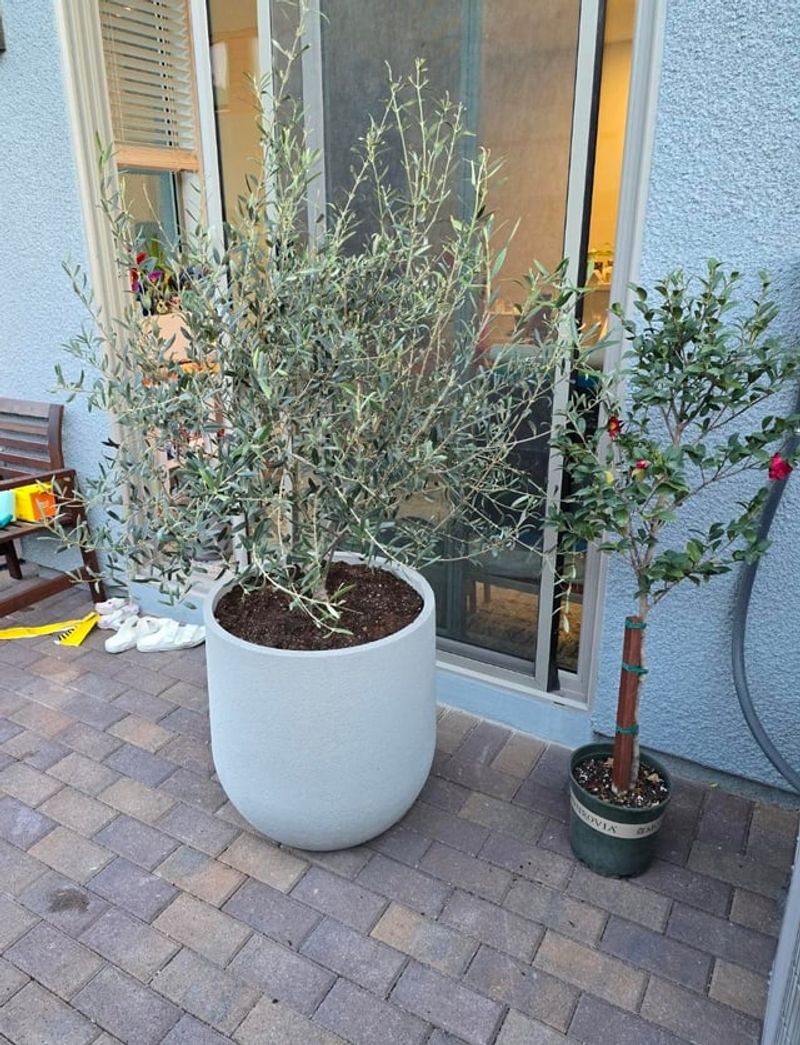
Container plants face a challenge that in-ground plants do not. Pot walls absorb heat directly from the sun, and that heat transfers straight into the root zone.
On a 110°F afternoon, a dark-colored pot sitting in full sun can reach internal temperatures well above 130°F.
Most plant roots struggle or stop functioning at those temperatures. Terracotta pots are slightly better than dark plastic because they allow some moisture evaporation through the walls, which provides minor cooling.
But no container material fully solves the problem of full afternoon sun exposure in desert summers.
Moving containers to a spot with afternoon shade is one of the most effective things you can do before August arrives. East-facing locations work well because plants get gentle morning sun and shade during the hottest part of the day.
Under a covered patio with bright indirect light is another solid option for many plants.
Light-colored or double-walled containers also help. They reflect more heat and insulate roots better than single-wall dark pots.
Elevating containers slightly off hot concrete surfaces reduces heat absorption from below.
Watering frequency increases sharply for containers in summer. Soil in pots dries out much faster than ground soil.
Checking moisture daily is reasonable during peak heat.
6. Spraying Herbicides During High Temperatures
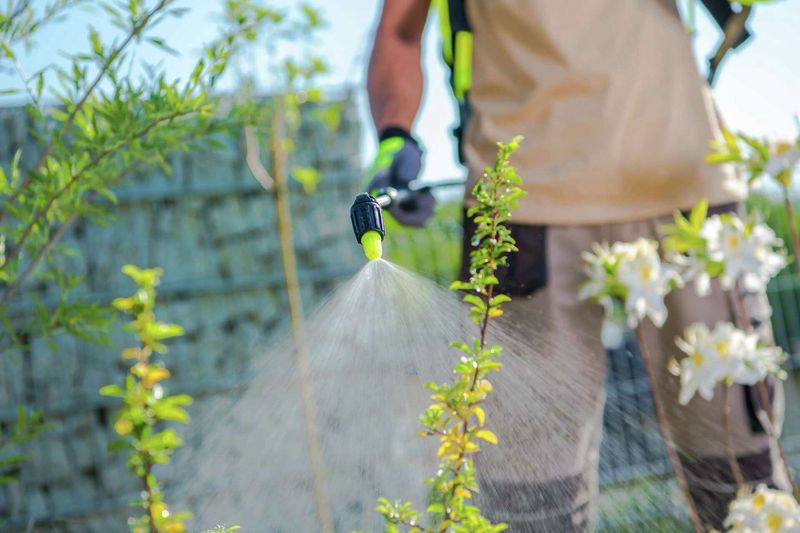
Spraying herbicides when temperatures are high is a mistake that affects more than just the weeds you are targeting. Heat changes how herbicides behave, and not in a helpful direction.
Volatilization is the main concern. Some herbicides, particularly those with certain active ingredients, can vaporize in extreme heat.
Once airborne, that vapor can drift onto nearby plants, garden beds, or even neighboring yards. Damage from herbicide drift looks like twisted new growth, bleached leaves, or sudden wilting on plants you never intended to spray.
High temperatures also stress the applicator. Working with chemical sprays in 105°F heat increases personal risk.
Protective gear feels brutal in those conditions, and rushing through the job to escape the heat often leads to sloppy application.
Effectiveness also drops in some cases. Stressed weeds in extreme heat may have reduced uptake of foliar herbicides.
A weed that looks half-wilted from heat might not absorb the product well, meaning you use more chemical with less result.
Early morning application on cooler days is the better approach. Temperatures below 90°F with low wind are closer to ideal conditions for most common herbicides.
Weeds are actively growing and absorbing more effectively in moderate temperatures.
Pulling weeds by hand or using heavy mulch to suppress them is worth considering as summer builds.
7. Letting Bare Soil Bake In The Sun
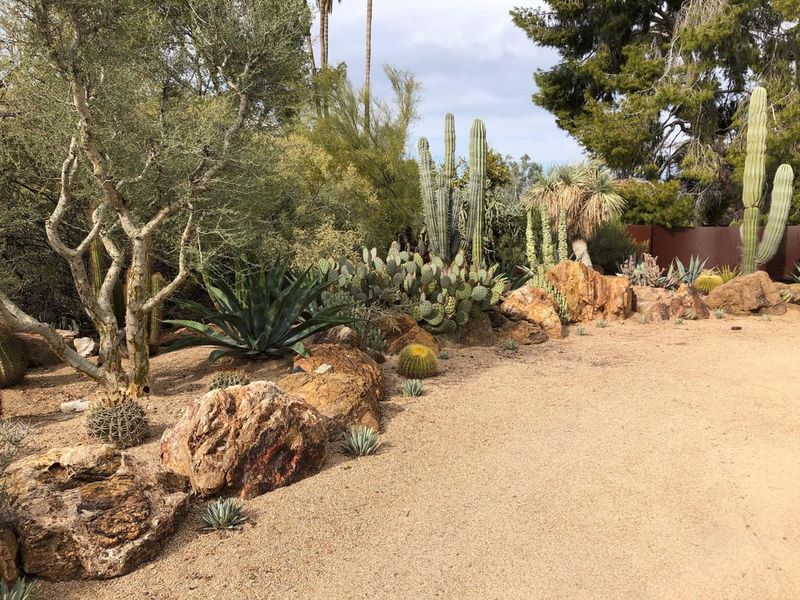
Bare soil in summer is not neutral ground. It is actively working against your garden.
Unprotected soil in direct sun can reach surface temperatures of 150°F or higher on peak summer days in low-desert regions.
At those temperatures, beneficial soil microbes struggle. Earthworms and other soil organisms move deeper or become inactive.
Soil structure breaks down faster. Water evaporates almost immediately after irrigation, reducing how much moisture actually reaches roots.
Mulch is the straightforward fix. A layer of organic mulch two to four inches deep can reduce soil surface temperatures significantly.
Wood chips, straw, and shredded bark all work reasonably well. Inorganic options like gravel and decomposed granite are common in desert landscapes and reflect some heat while still protecting soil from direct sun.
Applying mulch before the worst heat arrives gives it time to settle and start doing its job. Waiting until August means your soil has already been baking for weeks, and recovery takes longer.
Mulch also slows moisture loss between waterings, which means less frequent irrigation is needed. Around trees and shrubs, keep mulch a few inches away from the base of the trunk to avoid moisture buildup against bark.
Extending mulch out to the drip line gives the widest benefit to roots. Even a thin layer is better than nothing when summer temperatures push past 110°F in Arizona.
8. Ignoring Early Heat Stress
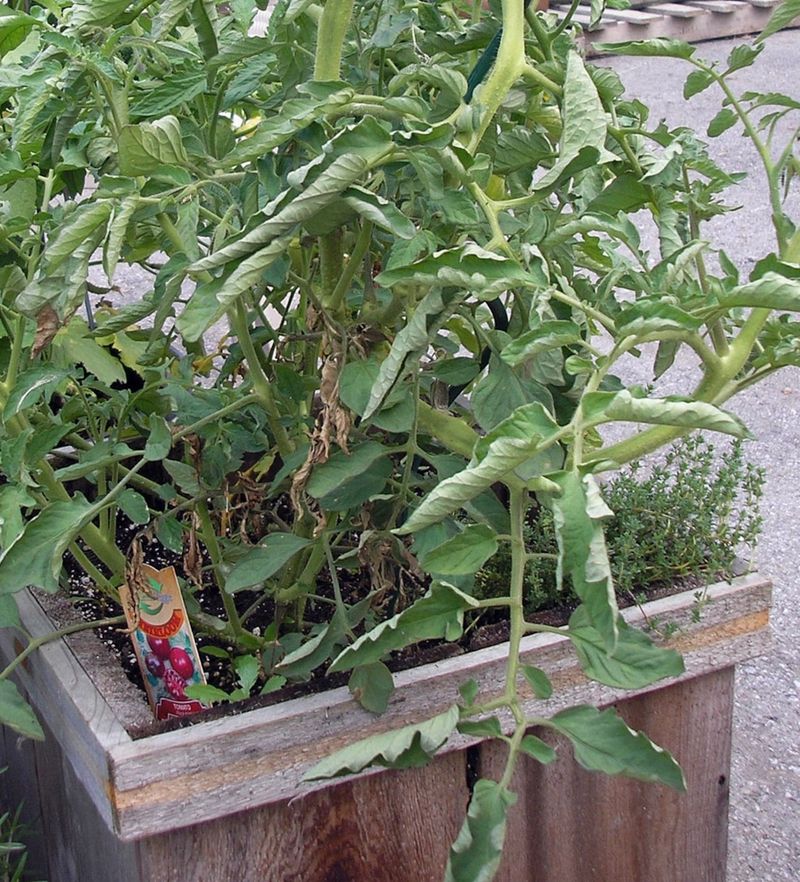
Plants give clear signals when they are struggling with heat. Leaf curling, wilting in the morning rather than just the afternoon, browning leaf edges, and dropping leaves are all signs worth paying attention to early.
Afternoon wilting on hot days is not always alarming. Many plants wilt slightly during peak heat and recover by evening.
But wilting that persists into the cooler morning hours suggests the root system is not recovering overnight, which points to a real problem.
Catching stress early gives you options. Adjusting watering depth or timing, adding shade cloth, moving containers, or applying mulch can all make a meaningful difference if done before conditions get worse.
Waiting until a plant is severely damaged limits what you can do.
Root problems are sometimes the hidden cause. Overwatering in summer can cause root issues just as easily as underwatering, since waterlogged soil in heat creates low-oxygen conditions that roots handle poorly.
Checking soil moisture before adding more water is a useful habit.
Shade cloth rated at 30 to 50 percent is a practical tool for protecting vulnerable plants through the hottest weeks. It reduces both temperature and light intensity without blocking enough sun to hurt growth significantly.
Paying attention during July gives you a clear picture of which plants need extra support before August arrives.