Fall Planting Gives California Strawberries A Head Start Most Gardeners Miss
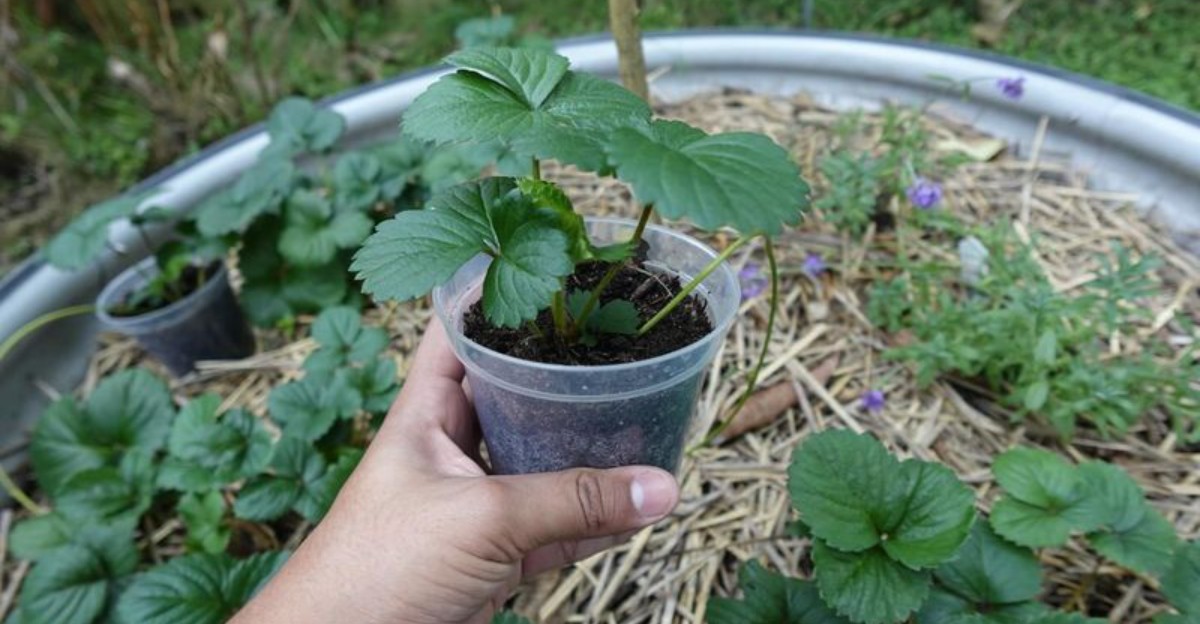
Growers along the California coast tuck most of their famous red berry plants into the soil in autumn, not spring. I learned that fact years ago, and it flipped my whole backyard calendar upside down in one afternoon.
Cool October soil feels soft and damp under your fingers, and roots love that easy, steady comfort. You’re in for a big surprise when those quiet roots spread out all winter while the leaves rest.
Most home gardeners wait for warm spring weather, and I can’t blame them for following that old habit. Still, plants set out in spring often spend their first months building roots instead of making sweet fruit.
California winters stay mild in many areas, so the ground keeps working for you during the darker months. So what would your garden look like if the first ripe treat showed up earlier next year?
Autumn Roots Give Your Plants A Spring Jump
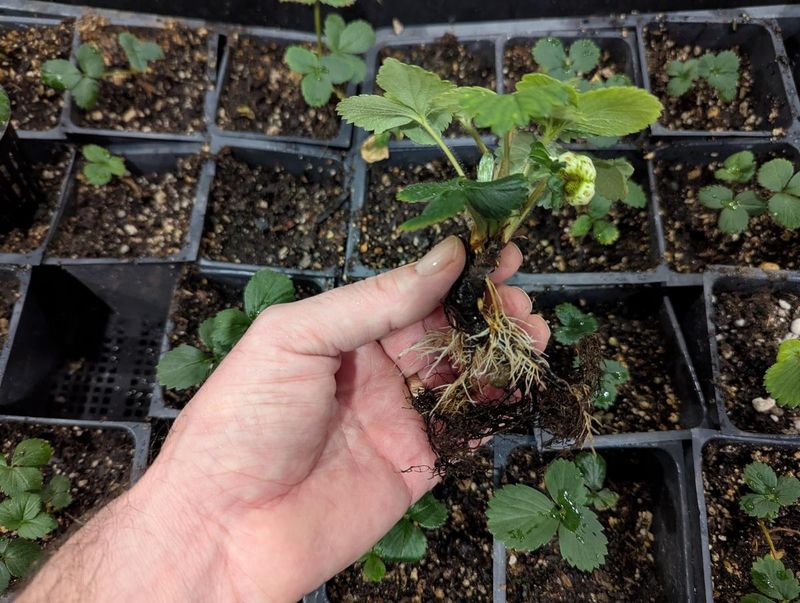
A strawberry plant set out in October gets several cool months to build a strong root system underground. University of California experts note that fall planting is a common method for large commercial fields along the coast.
Those roots keep growing slowly through winter, even when the leaves look quiet and a little tired. By the time spring sunshine arrives, the plant already has a sturdy base ready to support flowers.
Spring plantings face a different situation, because they must grow roots and leaves at the same busy time. That double job often delays the first flowers, so the harvest may start later in the warm season.
Mild winters make this trick work so well in much of the Golden State, especially near the ocean. Coastal soil rarely freezes hard, so young plants can settle in without much stress from icy weather.
Home gardeners can borrow the same idea, even with a small raised bed or a few patio pots. Results can vary by variety and location, but many gardeners notice earlier and bigger spring crops after fall planting.
Fun fact time, because the modern garden strawberry began as a cross between two wild American species. One of those parents, the beach strawberry, still grows wild on sandy bluffs along the Pacific coast today.
So while your neighbors rake leaves this month, you can quietly give your berry patch a real advantage. Your future self may thank you when the first red berries blush a bit ahead of the usual schedule.
Your Planting Window Depends On Where You Live
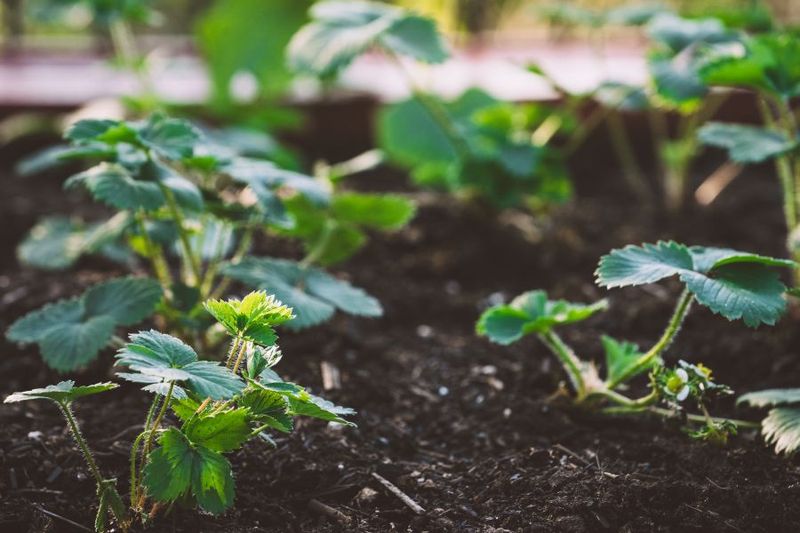
Timing feels a bit like catching a bus, since arriving too early or too late can cause trouble. For many California gardeners, the sweet spot runs from mid October through early November, depending on local weather.
Coastal gardens enjoy cool, foggy days that suit young plants, so fall planting works especially well there. Southern coastal areas, like San Diego and Orange County, often plant a little earlier than northern coastal towns.
Inland valleys bring a different story, with hot late summers lingering into autumn and colder winter nights. Gardeners in places like Sacramento or Fresno may wait until soil cools, then protect plants during frosty spells.
Your California Garden Changes Every Week. Your Plan Should Too.
Gardening in California changes quickly throughout the season. Every Friday you’ll receive a simple weekly plan showing exactly what to plant, prune, fertilize, harvest, and protect so you never miss the right timing.
Mountain gardens face the toughest conditions, because hard freezes can heave shallow roots right out of the ground. In those chilly spots, spring planting may actually be the safer choice, so trust your local conditions.
A simple soil thermometer helps a lot, and you can find one at most garden centers for little money. Many growers aim for soil that feels cool to the touch, rather than warm from lingering heat.
A local UC Master Gardener program is another great resource for planting dates that match your exact area. Volunteers there answer questions, share free planting guides, and know which neighborhoods tend to get surprise frosts.
Nurseries usually stock fresh bare-root or potted plants this time of year, so shopping early gives better choices. Grab your favorites before the best varieties sell out, then plant them within a few days of purchase.
Pick Varieties Built For Your Local Climate
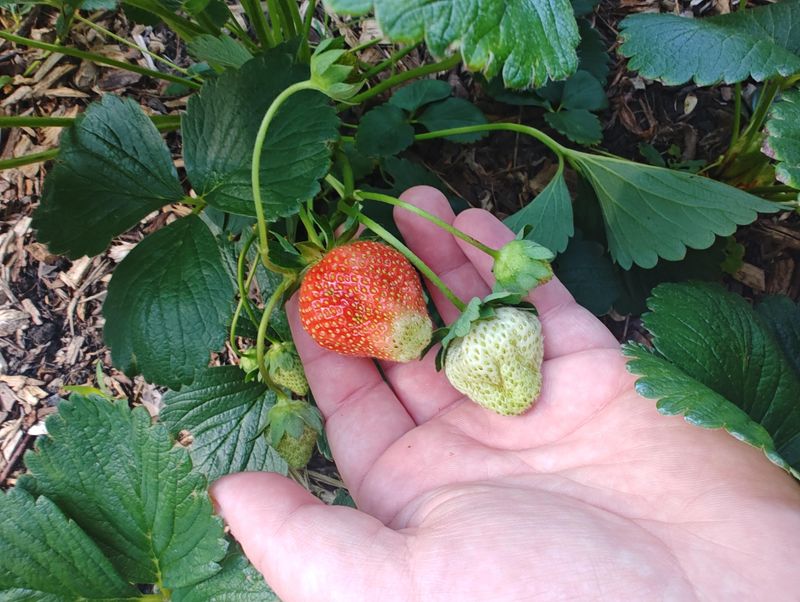
Choosing a variety is a little like picking shoes, because the right fit makes every step much easier. Strawberries come in two popular groups for home gardens, called short-day types and day-neutral types in most catalogs.
Short-day plants set flower buds as days shorten in autumn, then produce their main crop in spring and early summer. Chandler and Camarosa are classic choices that were developed by the University of California breeding program.
Day-neutral plants keep flowering through much of the year, as long as temperatures stay fairly mild. Albion, Seascape, and San Andreas are popular picks that suit coastal gardens with cool summers and foggy mornings.
Inland gardeners sometimes prefer short-day types, since one strong spring crop arrives before the harsh valley heat. Day-neutral plants often slow down when summer temperatures climb high, so they may rest during scorching weeks.
Fall planting helps both groups, but the payoff looks a little different for each type in the garden. Short-day plants get time to settle before their spring burst, while day-neutral plants start producing earlier overall.
Read plant tags carefully at the nursery, because labels often list the variety name along with its growth habit. Certified disease-free plants cost a bit more, yet they reduce the chance of bringing soil problems home.
Mixing two varieties can be a fun experiment, and it spreads your harvest across more weeks of the year. Keep notes on flavor and timing, so next October you know exactly which plants earned a second season.
Skip The Common Mistake Of Burying The Crown
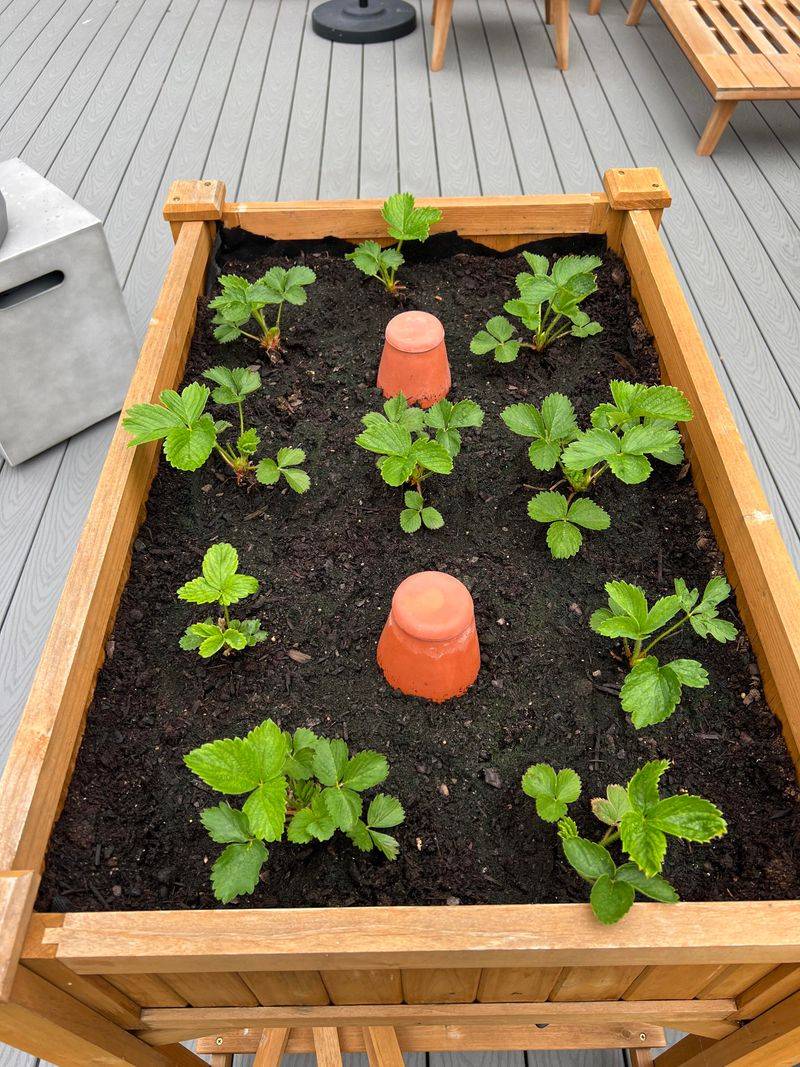
Careful planting can still go wrong with one tiny slip, and the crown is usually where trouble happens. That crown is the short, thick stem in the middle, where roots meet leaves and new growth begins.
Extension experts recommend setting the plant so the roots are fully covered and the base of the crown sits right at soil level. Buried too deep, the crown can rot in damp winter soil, which leaves the whole plant weak and struggling.
Planting too shallow causes the opposite problem, since exposed roots dry out quickly in breezy autumn weather. Aim for the middle ground, and check each plant after watering, because soil often settles a little lower.
Bare-root plants need extra care, since their long roots can bend upward if you squeeze them into small holes. Dig a hole deep enough for the roots to hang straight down, then trim very long ones slightly.
Spacing matters too, and most guides suggest about twelve to fourteen inches between plants in a row. Crowded plants trap moisture around their leaves, which can invite gray mold during the wet months ahead.
Raised beds or mounded rows help a lot, especially in heavy clay soil that holds water for days. Commercial fields along the coast use tall raised beds for this reason, keeping crowns high above soggy ground.
Mixing compost into the bed before planting improves drainage and gives roots a crumbly, welcoming place to grow. A few extra minutes spent on depth today can save you weeks of worry during the rainy season.
Give Winter Plants Steady Water With Smart Mulch
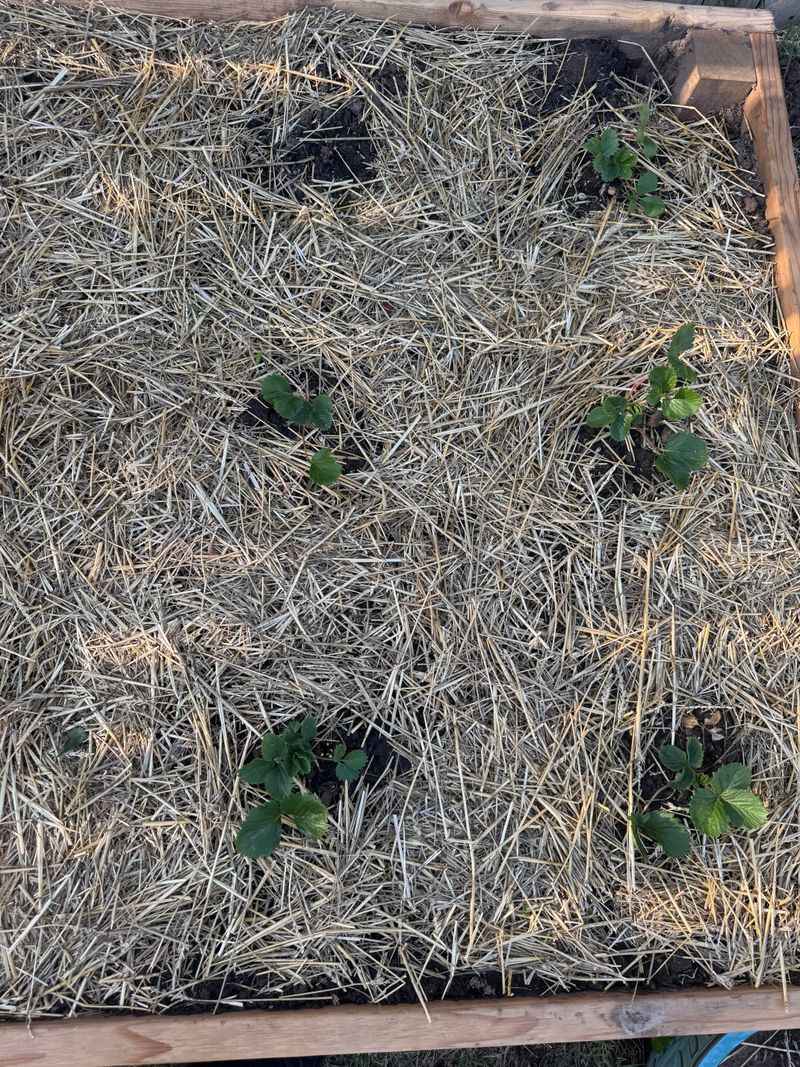
Watering in winter sounds strange, yet California rain often arrives in bursts with long dry gaps between storms. New plants have shallow roots, so a dry week in November can stress them more than you expect.
Strawberries like soil that feels evenly moist, similar to a wrung-out sponge, rather than soggy or bone dry. Push a finger into the soil near each plant, and water only when the top inch feels dry.
Drip lines or soaker hoses work beautifully, because they deliver water straight to the roots without splashing leaves. Wet leaves and fruit can encourage fungal problems, so overhead sprinklers are rarely the best choice here.
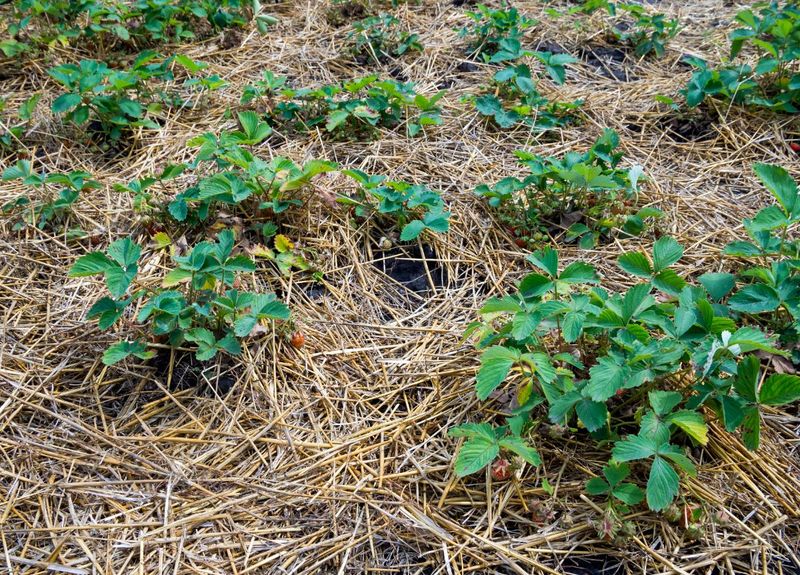
Mulch is the quiet hero of the fall patch, and straw is a classic option for home gardens. A light layer keeps soil moisture steady, blocks many weeds, and lifts ripening berries off muddy ground.
Commercial growers often use plastic mulch over raised beds, which warms the soil and speeds early growth. Home gardeners can try black landscape fabric with small holes cut for each plant, if they prefer.
Keep mulch from piling directly against the crowns, since trapped moisture there can lead to rot problems. Leave a small open ring around each plant, about the width of your palm, for fresh air flow.
Once steady winter rains arrive, you can usually turn off irrigation and let nature handle the job. Check the soil after a week of sunshine, though, because a dry spell can sneak up quickly in winter.
Keep Hungry Slugs Away From Your Winter Beds
Rainy nights bring out the slimy crowd, and slugs seem to find young strawberry leaves surprisingly delicious. UC Integrated Pest Management experts list slugs and snails among the common strawberry pests in home gardens.
Ragged holes in leaves and shiny silver trails on the mulch are clues that visitors came by overnight. Take a flashlight outside after dark and walk slowly through your bed to spot them in action.
Hand-picking works well for small patches, and dropping slugs into soapy water is a simple way to remove them. Boards laid on the soil create cozy hiding spots, so you can lift them each morning to collect slugs.
Copper tape around raised bed edges can discourage snails, according to university pest guides for home gardeners. Iron phosphate baits are another option, and they are considered safer around pets than older slug bait products.
Cold snaps can also bother young plants in inland areas, especially on clear, still nights after a storm. Lightweight frost cloth draped over hoops traps warmth from the soil and protects early flowers from freezing.
Pinch off runners that pop up this fall, because they pull energy away from roots and future fruit. Remove old yellow leaves too, since tidy plants dry faster after rain and resist mold more easily.
A few minutes of care each week keeps your fall planting on track through the short winter days. When spring finally rolls around, those well-guarded plants should reward you with an early, juicy California harvest.