9 Fast-Growing Plants To Replace Frost-Damaged Ones In Florida
You walk outside after a cold night and your garden just feels different. Soft, tropical beauty replaced by wilted leaves, brown patches, and empty spots where life once thrived.
It is frustrating, even a little heartbreaking, especially after all the care you gave your plants. The damage looks rough right now, but your yard can bounce back faster than you expect.
Florida’s warm soil and bright sun create perfect conditions for fast growers that can quickly bring your yard back to life. Pick plants that grow with real speed and those empty patches can turn green again in just a few weeks.
These fast growers stand ready to fill the gaps and bring that Florida energy back into your landscape.
1. Pansies Bring Instant Color Back To Frost-Hit Beds
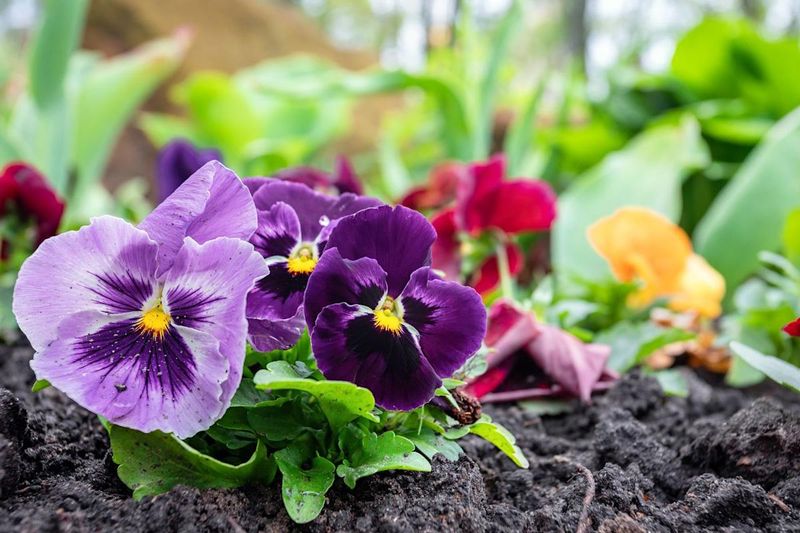
Frost can strip a garden bed of its color overnight, leaving behind brown stems and sad foliage. Pansies offer one of the fastest solutions for Florida gardeners looking to restore visual appeal quickly.
These cheerful bloomers establish roots rapidly in cool soil and often continue blooming soon after planting.
Florida’s mild winter temperatures create ideal conditions for pansies to thrive. Unlike many flowering plants that struggle in cooler weather, pansies actually prefer temperatures between 40 and 60 degrees.
They handle light frosts without complaint and continue blooming steadily throughout the season.
Gardeners appreciate how quickly pansies fill empty spaces left by frost-damaged plants. Their compact growth habit and abundant flowers create instant visual impact in beds, borders, and containers.
Within two weeks of planting, a pansy bed can look fully established and colorful.
University of Florida Extension recommends pansies as reliable cool-season annuals across the state. They perform well in both North and Central Florida, with some success in warmer South Florida areas during the coolest months.
Plant them in well-drained soil with morning sun for best results, and deadhead spent blooms regularly to encourage continuous flowering through spring.
2. Snapdragons Rebuild Height And Structure Fast
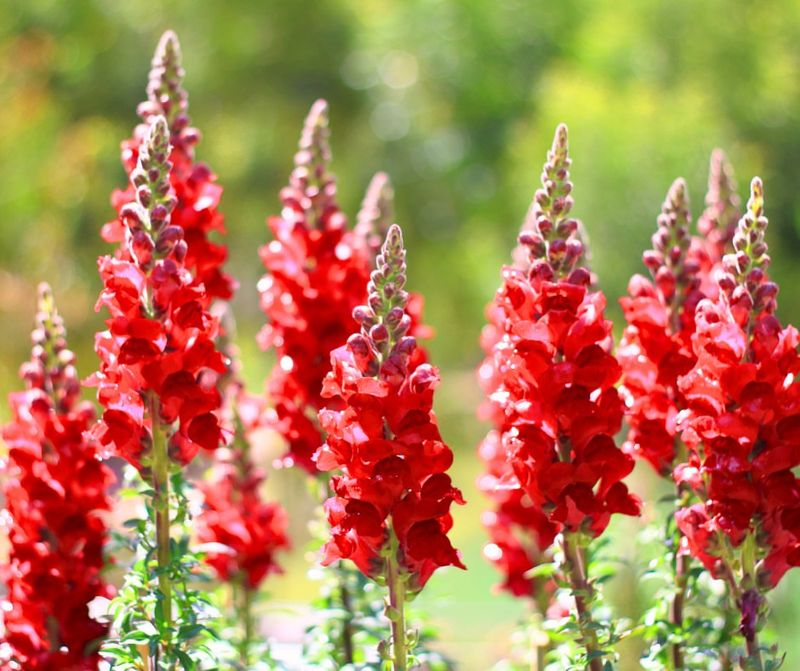
When frost flattens your garden’s vertical elements, snapdragons provide a quick architectural solution. These upright growers shoot up rapidly once established, producing tall flower spikes that restore dimension to damaged Florida landscapes.
Their growth rate often surprises first-time growers, with visible growth within the first one to two weeks.
Snapdragons excel in Florida’s cooler months, thriving in the same temperature range that causes tropical plants to struggle. They develop strong stems quickly and begin flowering while still relatively young.
This rapid bloom production means you won’t wait long to see results after planting.
The vertical structure snapdragons provide helps rebuild garden design after frost damage. They create natural layers and height variations that make landscapes feel complete again.
Taller varieties can reach 24 to 36 inches within six to eight weeks, filling the space once occupied by damaged perennials or shrubs.
According to UF/IFAS research, snapdragons perform best in full sun to partial shade with consistent moisture. They tolerate Florida’s occasional cold snaps better than most annuals.
Pinching young plants encourages bushier growth and more flower spikes, maximizing their visual impact in frost-recovery plantings throughout the state.
3. Petunias Spread Quickly And Cover Bare Ground
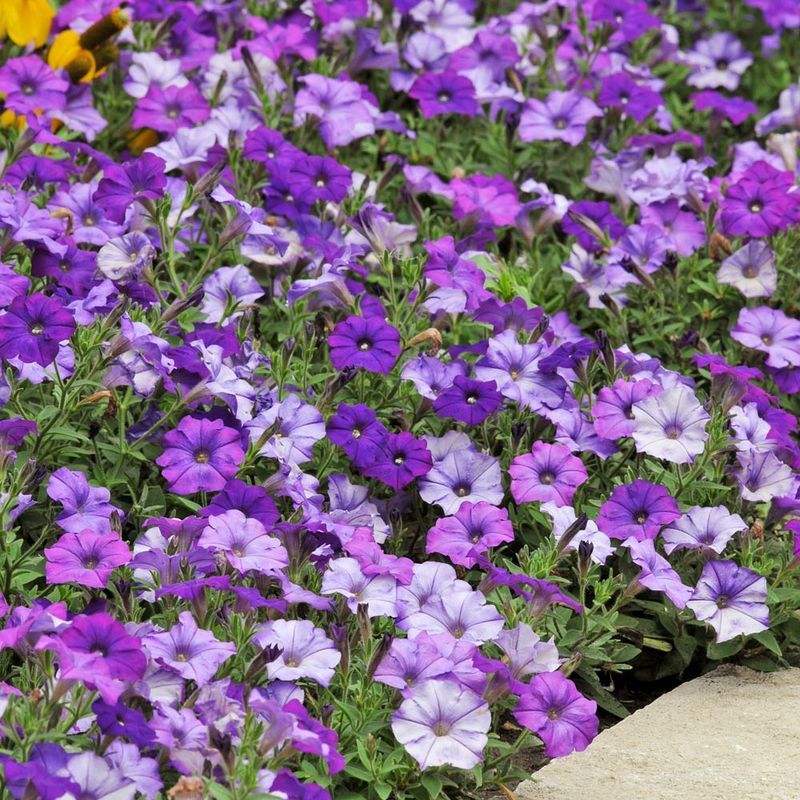
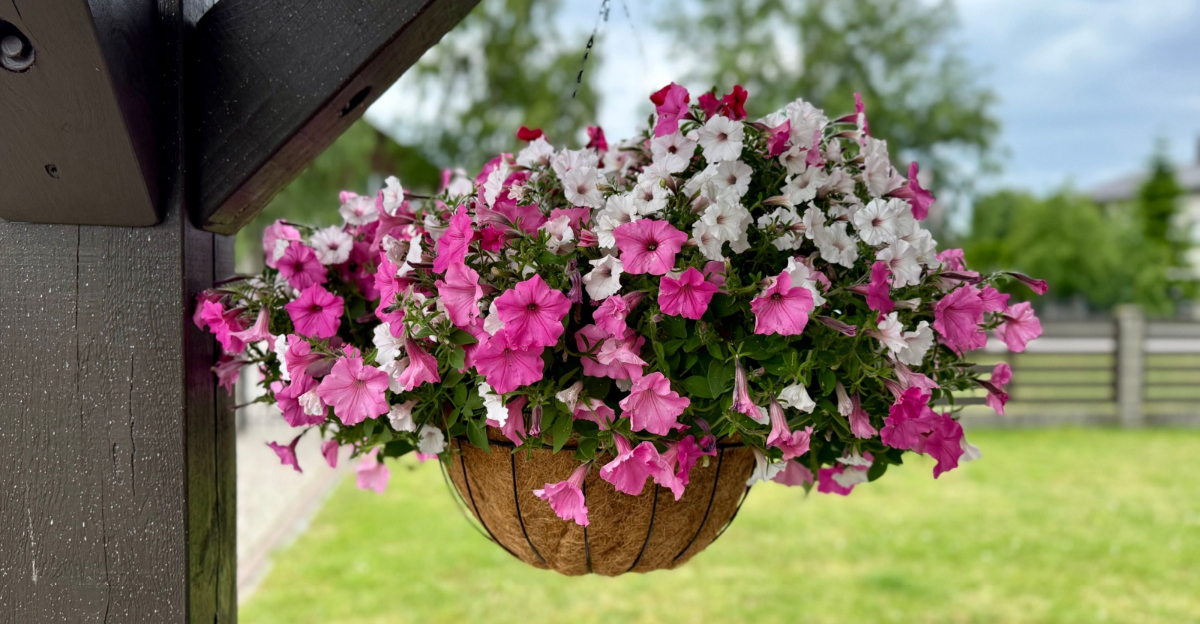
Bare soil left behind by frost-damaged plants creates an unwelcome sight in any Florida garden. Petunias solve this problem faster than almost any other flowering annual, spreading vigorously to cover empty ground within weeks.
Their trailing growth habit naturally fills gaps and creates a lush carpet of color.
Modern petunia varieties have been bred for vigorous growth and heat tolerance, making them particularly suitable for Florida conditions. They establish quickly from transplants and begin blooming almost immediately.
Within three to four weeks, a small flat of petunias can spread to cover several square feet.
Florida gardeners value petunias for their ability to provide fast visual recovery after cold damage. The spreading varieties work especially well in beds where multiple plants were lost, as they naturally knit together to create continuous coverage.
Wave and spreading types perform particularly well for this purpose.
UF/IFAS Extension notes that petunias prefer well-drained soil and full sun for best growth. In Florida, they thrive during fall through spring, making them perfect for cool-season recovery plantings.
Plant them after the threat of hard frost has passed in your area. Regular fertilization with a balanced formula encourages faster spreading and more abundant blooms, helping your landscape bounce back quickly from frost setbacks.
4. Kale Fills Spaces Fast With Tough Cold-Season Growth
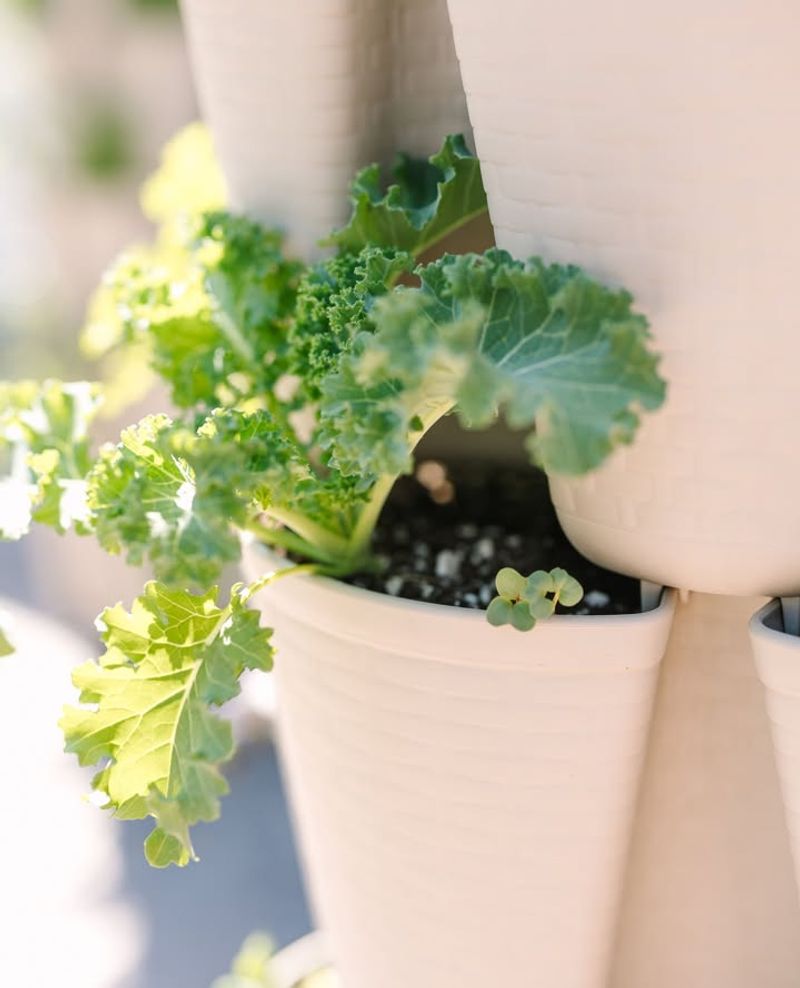
Frost damage often affects vegetable gardens as severely as ornamental beds. Kale stands out as a dual-purpose solution that grows remarkably fast in Florida’s cool season while tolerating temperatures that would damage tender crops.
Its large, ruffled leaves expand quickly, filling empty garden spaces within weeks of planting.
Both ornamental and edible kale varieties establish rapidly from transplants. Young plants put on substantial leaf growth in cool weather, often doubling in size within two weeks under good conditions.
This vigorous growth makes kale valuable for quickly replacing frost-damaged vegetables or adding texture to ornamental plantings.
Florida’s winter temperatures suit kale perfectly. Unlike summer crops that struggle in cool weather, kale actually improves in flavor and appearance as temperatures drop.
Light frosts enhance its sweetness rather than causing damage, making it one of the most reliable choices for winter gardens across the state.
University agricultural research confirms that kale thrives in Florida from October through March. It grows well in raised beds, containers, or traditional garden rows with consistent moisture and fertile soil.
The rapid leaf production provides both quick visual recovery and harvestable crops, offering practical value beyond just filling space after frost damage occurs.
5. Collards Deliver Strong, Steady Leaf Growth
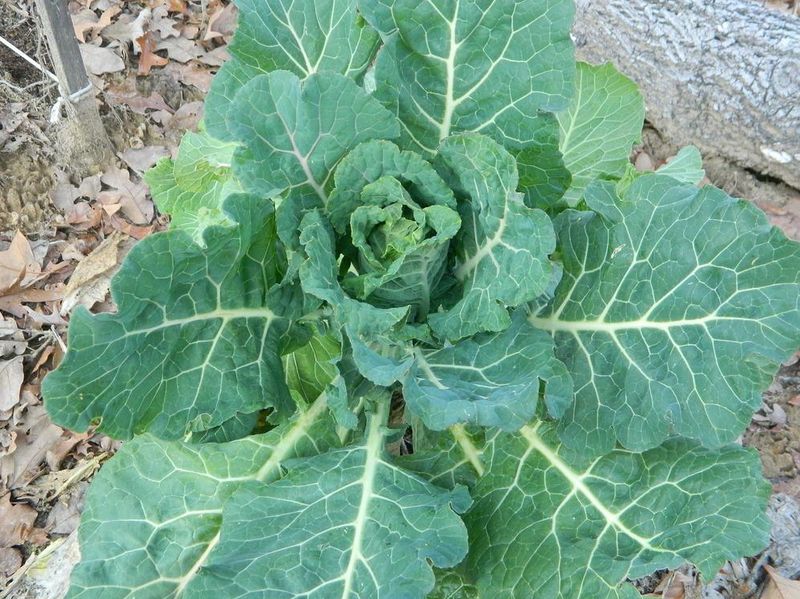
Garden fullness disappears quickly when frost strikes, but collards rebuild that lush appearance with remarkable speed. These sturdy greens produce large, broad leaves at a steady pace throughout Florida’s cooler months.
Their reliable growth pattern makes them dependable choices for gardeners needing predictable recovery after cold damage.
Collards establish faster than many people expect, especially when started from healthy transplants. Within three weeks of planting, young collard plants develop substantial leaf canopies that restore visual density to damaged garden areas.
Their upright growth habit also helps rebuild structure in vegetable beds.
Florida has a long tradition of collard cultivation, and for good reason. These plants handle temperature fluctuations better than most crops, continuing to grow steadily even when occasional cold snaps occur.
They rarely suffer setbacks from weather that would stall other vegetables, making them excellent choices for reliable winter production.
According to UF/IFAS vegetable production guides, collards perform exceptionally well throughout Florida during fall and winter months. They prefer full sun and fertile, well-drained soil but adapt to various conditions.
Regular harvesting of outer leaves encourages continued production and maintains compact, attractive plants that quickly fill spaces left by frost-damaged crops in your garden.
6. Turnips Sprout Fast And Restore Ground Coverage
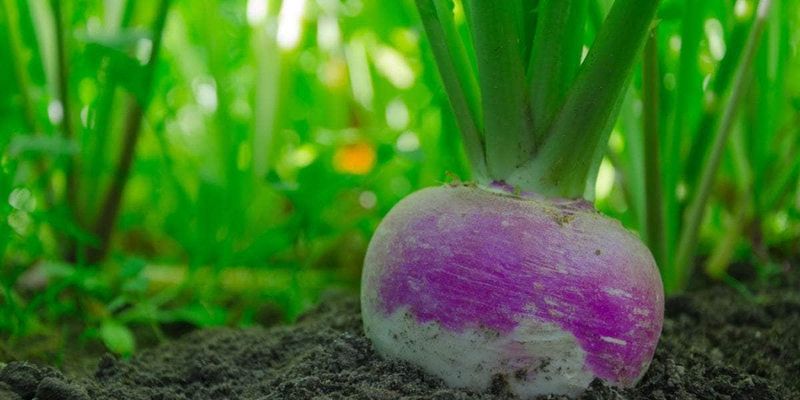
Empty soil between rows looks particularly stark after frost removes established plants. Turnips address this problem with impressive speed, germinating quickly from seed and developing both edible roots and leafy tops within weeks.
Their rapid establishment makes them valuable for fast recovery in Florida vegetable gardens.
Turnip seeds germinate in just three to seven days under good conditions, much faster than many garden vegetables. The plants develop quickly afterward, with visible growth occurring daily during their peak growing period.
Within four to five weeks, turnip plantings create substantial ground coverage and visual fullness.
Both roots and greens grow simultaneously, providing double value for gardeners recovering from frost damage. The leafy tops spread outward to cover soil while roots develop below ground.
This dual growth pattern means turnips restore both above-ground appearance and below-ground productivity quickly.
Florida Extension recommendations emphasize turnips as excellent cool-season crops for the state. They tolerate light frosts without damage and actually develop better flavor in cooler weather.
Plant turnips in loose, well-prepared soil with good drainage for fastest growth. Successive plantings every two weeks ensure continuous coverage and harvests throughout the cool season, helping gardens maintain fullness despite occasional frost setbacks.
7. Spinach Produces Quick, Dense Recovery Growth
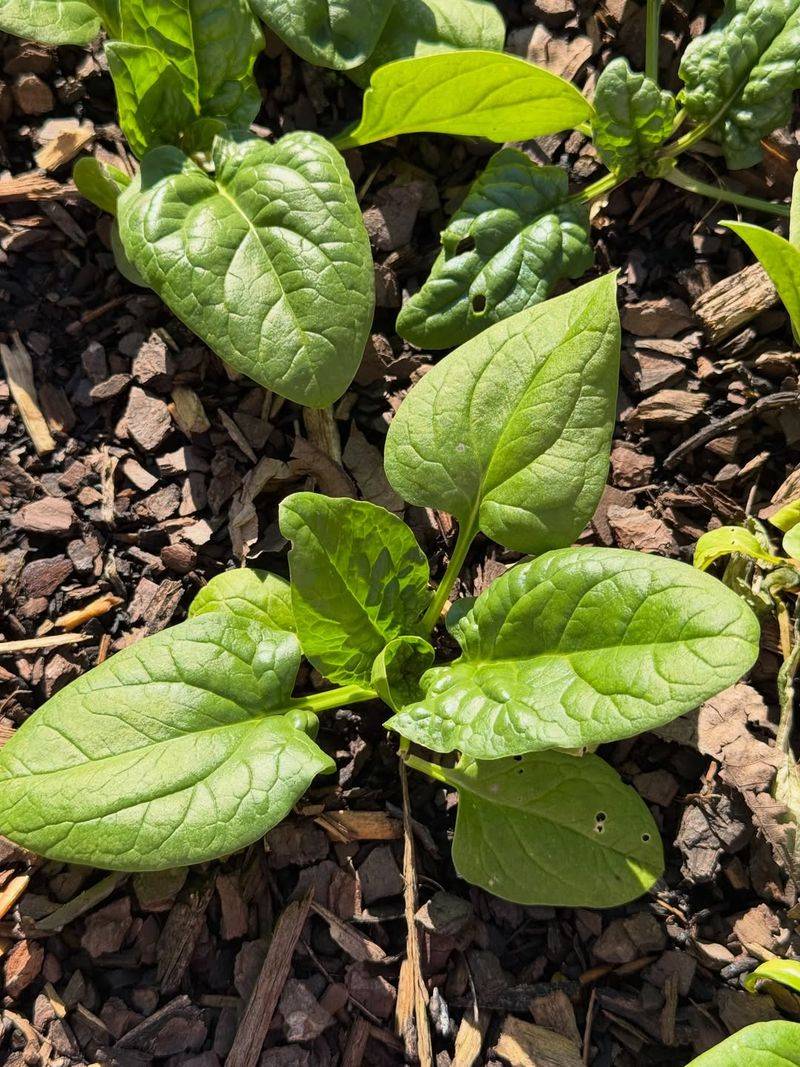
Dense, leafy growth disappears fast when frost damages tender plants. Spinach restores that lushness quickly, producing abundant foliage in Florida’s mild winter conditions.
Its compact growth habit and rapid leaf production make it ideal for filling gaps and restoring planting density after cold weather strikes.
Spinach grows remarkably fast in cool weather, often ready for first harvest within 30 to 40 days of planting. The plants produce new leaves continuously during their growing season, creating increasingly dense rosettes that fill garden space efficiently.
This steady production helps gardens regain their full, productive appearance quickly.
Florida’s winter temperatures suit spinach perfectly for rapid growth. Unlike many crops that merely survive cool weather, spinach thrives in it, producing tender, flavorful leaves at an impressive rate.
The plants remain productive for months when temperatures stay moderate, providing long-term value beyond initial recovery.
UF/IFAS research shows spinach performs well across North and Central Florida, and in South Florida during the coolest months. Plant in fertile soil with consistent moisture and partial shade in warmer areas of the state.
Baby spinach varieties grow even faster than full-size types, offering quicker coverage for urgent recovery situations. Regular harvesting of outer leaves encourages continued production and maintains attractive, dense plants throughout the season.
8. Beautyberry Rebuilds Landscape Structure In A Flash
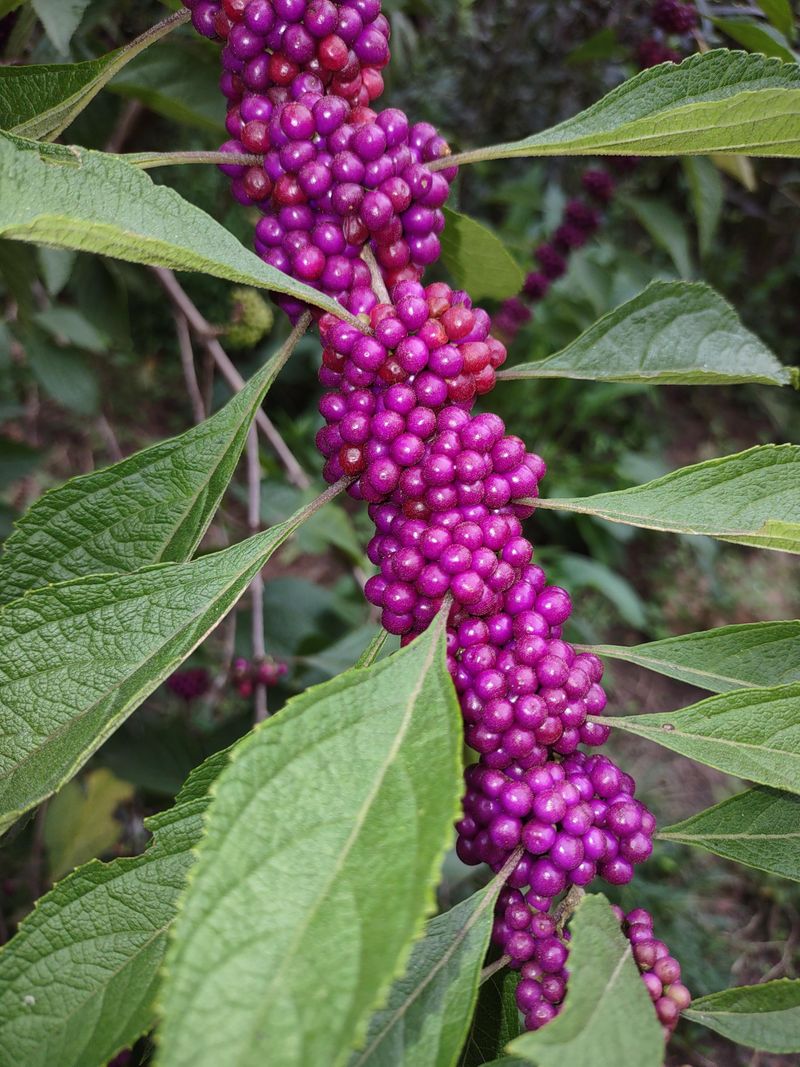
Frost sometimes damages landscape shrubs, leaving gaps in your property’s structure and screening. American beautyberry solves this problem faster than most people realize, growing rapidly to rebuild landscape bones within a single season.
This Florida native shrub establishes quickly and puts on impressive growth once its roots take hold.
Beautyberry can grow can grow several feet in its first year under favorable conditions. Its vigorous growth rate helps fill spaces left by frost-damaged plants quickly, restoring privacy, structure, and visual interest far sooner than slower-growing alternatives.
As a Florida native, beautyberry adapts naturally to local conditions and requires minimal care once established. It tolerates various soil types and light conditions, though it grows fastest in partial shade with adequate moisture.
The distinctive purple berries that appear in fall add ornamental value beyond just structural replacement.
University of Florida research identifies beautyberry as an excellent choice for naturalistic landscapes throughout the state. It supports local wildlife while growing rapidly enough to provide quick recovery after frost damage.
Plant in spring or fall for fastest establishment, spacing plants four to six feet apart to allow for their spreading growth habit and natural arching form.
9. Alyssum And Dianthus Restore Color And Coverage Quickly
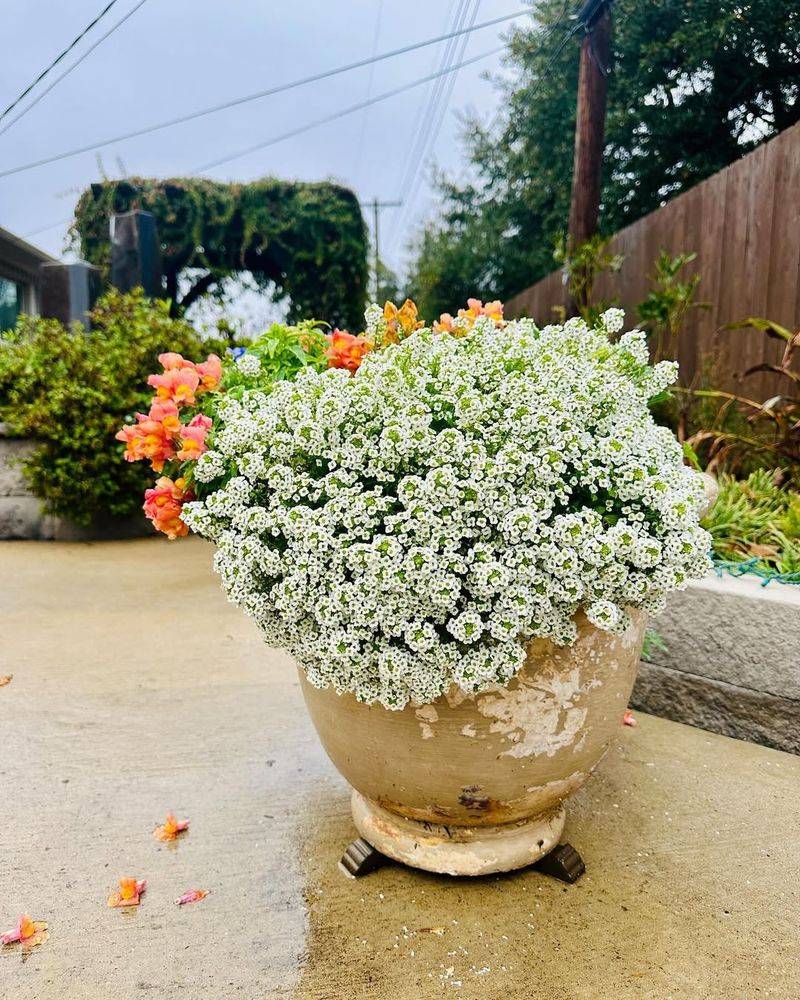
Combining two fast-growing bloomers creates faster visual recovery than relying on a single plant type. Alyssum and dianthus work beautifully together in Florida gardens, with alyssum spreading low to cover ground while dianthus adds height and structure.
Both establish quickly and bloom profusely in cool weather.
Alyssum spreads rapidly to form dense mats of tiny flowers, covering bare soil within two to three weeks of planting. Its low-growing habit makes it perfect for filling the bottom layer of frost-damaged beds.
Dianthus grows slightly taller and more upright, providing mid-level interest and additional color variation.
Both plants thrive in Florida’s cool season, tolerating light frosts while continuing to bloom steadily. They complement each other visually and practically, with alyssum’s carpet-like growth supporting dianthus stems and helping retain soil moisture.
Together they create layered, full-looking plantings that hide evidence of frost damage quickly.
Florida Extension guidelines recommend both plants for cool-season color across the state. Plant them together in well-drained soil with full sun to partial shade, spacing alyssum six to eight inches apart and dianthus eight to ten inches apart.
This combination approach speeds visual recovery by addressing multiple layers simultaneously, helping your landscape bounce back faster from frost damage than single-species plantings.