8 Fence Line Plants Colorado Homeowners Are Choosing Over Arborvitae
Arborvitae has earned its reputation. It grows fast, stays green, and does exactly what a fence line plant should do in the right climate.
Colorado, though, is not that climate. Dry winters, desiccating winds, and months without meaningful rainfall push arborvitae past its limits.
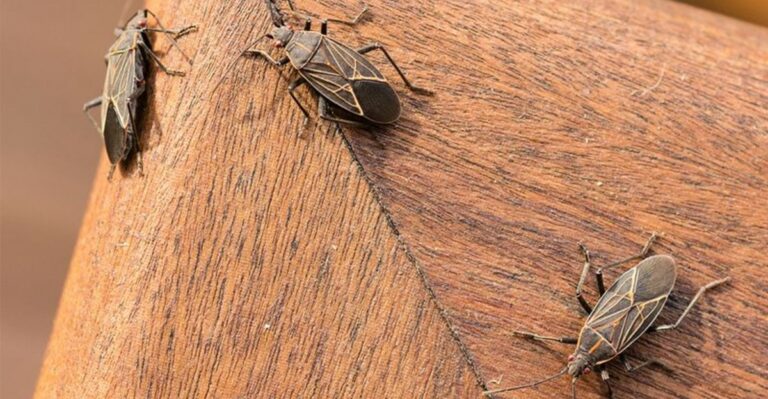
Spider mites move in during hot summers, and by late winter many hedges show the rust-brown tips that signal a plant under stress. It is not a bad plant. It is just not a Colorado plant.
These eight plants have been proven in Colorado’s climate, shaped by the same conditions that wear arborvitae down.
1. Native Ninebark
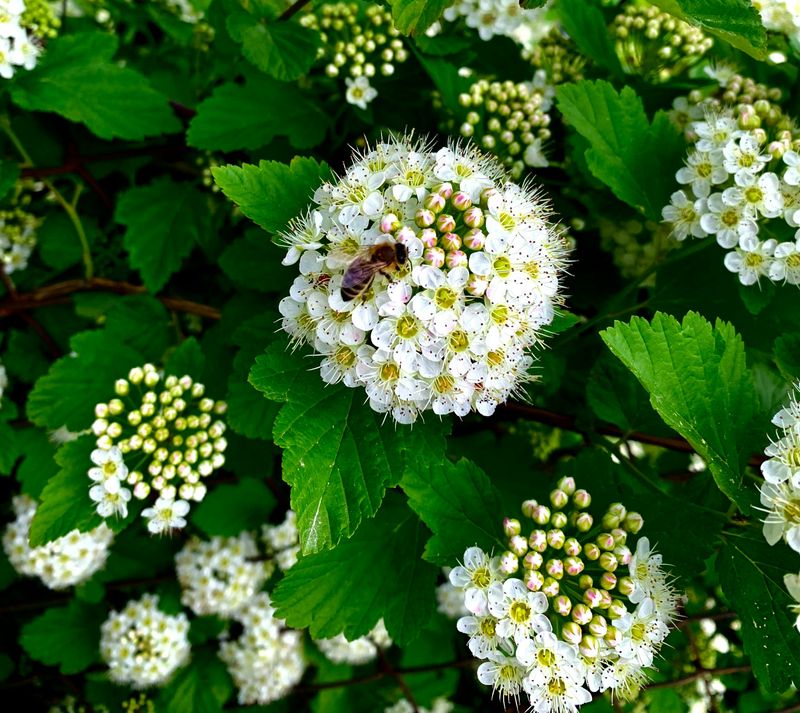
Peeling bark, wild white blooms, and a fiery fall show, Ninebark brings the drama without the fuss. This tough native shrub is one of the best fence line plants Colorado gardeners are discovering right now.
Ninebark (Physocarpus monogynus) tends to grow three to four feet tall and about as wide.
The white flower clusters pop in late spring and early summer. Pollinators are strongly drawn to it, so expect regular visits from bees and butterflies through the summer.
Come fall, the foliage shifts to shades of orange, red, and yellow. The peeling, cinnamon-colored bark keeps things interesting all winter long.
Ninebark handles full sun to partial shade without complaint. Once established, it is remarkably drought tolerant, which is a huge win in Colorado’s dry climate.
You can prune it hard after flowering to keep it tidy, or let it go wild for a more natural hedge look. Both approaches work beautifully along a fence.
Deer tend to leave it alone, which is another reason Front Range homeowners are choosing it. Native wildlife, however, love the berries and dense branches for nesting.
Plant it in well-drained soil and give it some room to spread. Ninebark tends to fill in a fence line relatively quickly once established.
If you want a low-water, high-impact shrub that looks great in every season, Ninebark earns its spot at the top of the list.
2. Serviceberry
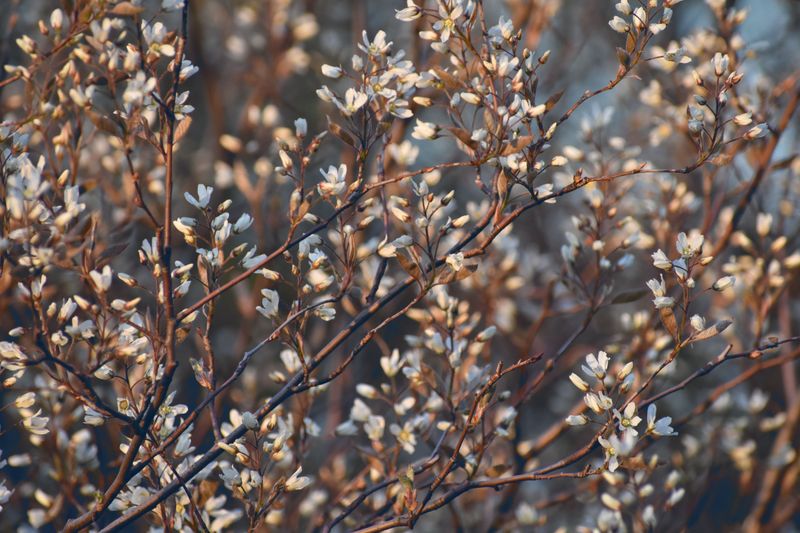
Spring arrives early when Serviceberry is planted along your fence. This multi-season beauty is one of the most underrated fence line plants Colorado gardeners are finally starting to appreciate.
Amelanchier alnifolia, commonly called Saskatoon Serviceberry, grows four to twelve feet tall depending on the variety. Its airy, upright form creates a soft, natural screen that feels like a living wall.
The white blossoms arrive before most shrubs even leaf out, making it one of the first signs of spring along the fence line.
By early summer, the shrub produces small, blueberry-like fruits that are actually edible and sweet. Birds are strongly attracted to them, and you can sneak a few for yourself or a homemade jam.
Fall color on Serviceberry is genuinely stunning. Leaves turn gold and orange, giving you a second round of wow-factor before winter sets in.
This shrub thrives in full sun to light shade and handles clay soil better than most ornamentals. Established plants need very little supplemental water once their roots settle in.
Your Colorado Garden Changes Every Week. Your Plan Should Too.
Gardening in Colorado changes quickly throughout the season. Every Friday you’ll receive a simple weekly plan showing exactly what to plant, prune, fertilize, harvest, and protect so you never miss the right timing.
Serviceberry is also surprisingly cold-hardy, surviving well above 7,000 feet in elevation. That makes it a solid choice for mountain communities where other plants simply give up.
Pair it with ornamental grasses or native perennials at the base for a layered fence line look. The combination creates habitat, texture, and color all at once.
Few shrubs work this hard across all four seasons while asking so little in return.
3. Chokecherry
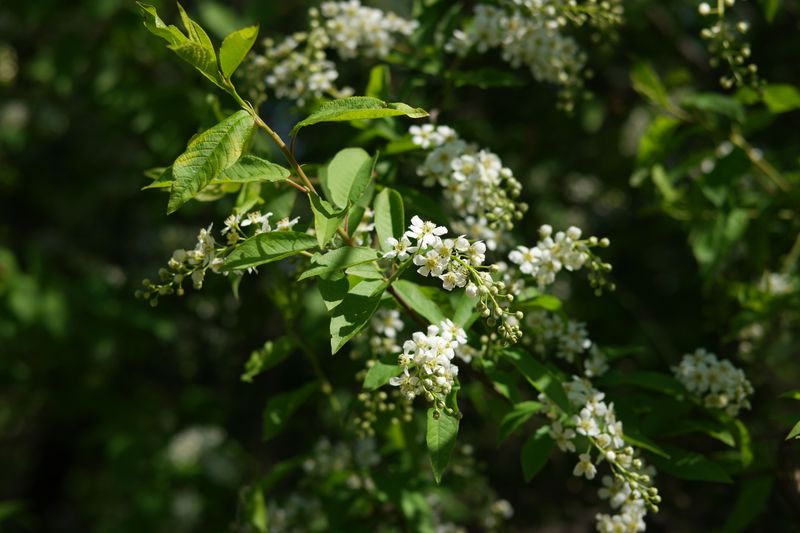
Image Credit: © AV / Pexels
Old-timers knew what they were doing when they planted Chokecherry around homesteads across the Great Plains. This rugged native is making a strong comeback as a fence line plants Colorado choice for homeowners who want serious screening power.
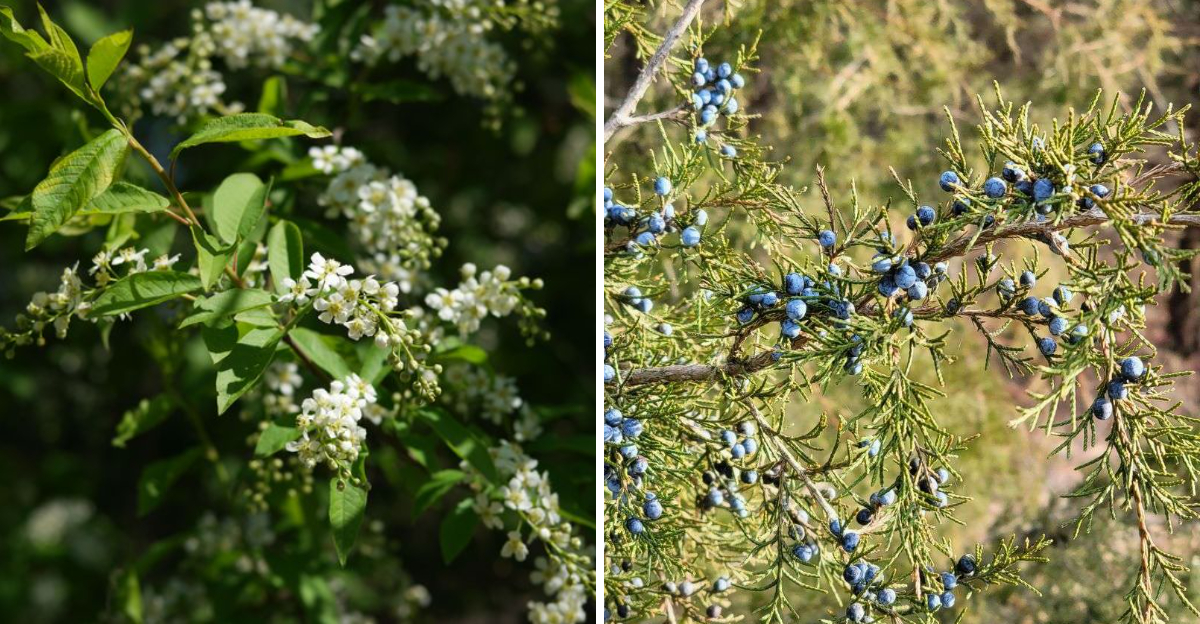
Prunus virginiana grows fast and thick, often reaching ten to fifteen feet in height. A row of Chokecherries along a fence creates a dense, nearly impenetrable barrier in just a few seasons.
The long, white flower clusters in spring are genuinely beautiful. They hang like little chandeliers and fill the air with a sweet, almond-like fragrance that stops you mid-step.
By late summer, the shrub produces clusters of dark red to near-black berries. Many bird species depend on these fruits, and other wildlife seek them out as well.
Chokecherry handles a wide range of soils, from sandy to clay, without much fuss. It also tolerates both drought and occasional wet spells, making it a flexible choice for unpredictable Colorado weather.
Full sun brings the best flowering and fruiting, but this plant will still perform in partial shade. Few natives are this adaptable across different yard conditions.
One thing to know, Chokecherry spreads by root suckers, so plan for it to naturalize over time. Many homeowners actually love this quality because it fills in fence gaps on its own.
Pruning every few years keeps it from getting too rangy. With minimal care, Chokecherry becomes a wildlife magnet and a genuine showstopper along any fence line.
4. Pawnee Buttes Sand Cherry
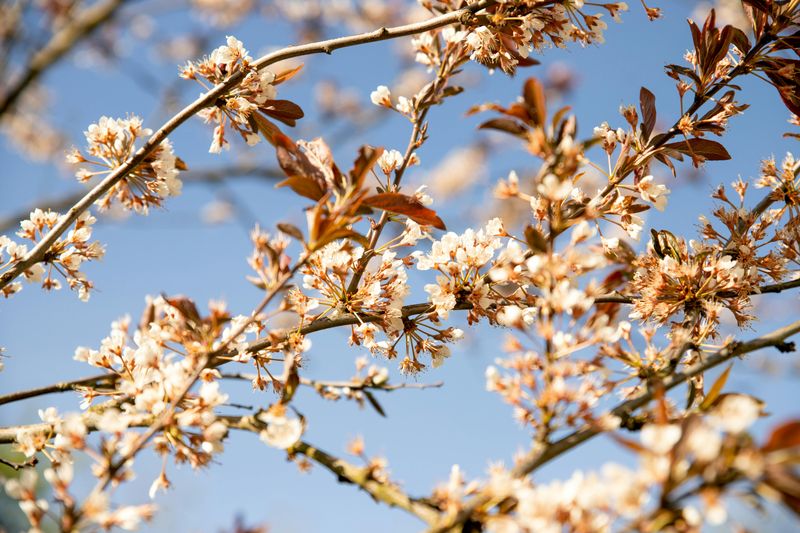
Not every fence line needs a towering hedge. Sometimes the best move is a low, spreading shrub that hugs the ground and creates a tidy, natural border, and Pawnee Buttes Sand Cherry does exactly that.
This compact cultivar of Prunus besseyi only grows about two feet tall but spreads three to six feet wide. Along a split-rail or short decorative fence, it looks absolutely perfect.
White blossoms cover the plant in spring, creating a frothy, flower-covered carpet effect. The fragrance is light and sweet, and pollinators cannot resist it from the moment the buds open.
Small purple-black cherries follow the blooms in late summer. Birds flock to the plant, and the fruits are technically edible for humans, though quite tart on their own.
Fall color is one of the best-kept secrets about this shrub. Leaves turn brilliant shades of red, orange, and maroon before dropping cleanly for winter.
Pawnee Buttes was developed specifically for the harsh conditions of the High Plains and Rocky Mountain foothills. It handles alkaline soil, intense sun, and serious drought without skipping a beat.
This plant is a top pick among fence line plants Colorado xeriscape gardeners love. Once established, it needs almost no supplemental water, which saves real money on irrigation bills.
Pair it with ornamental grasses or native groundcovers for a layered low-maintenance border. The combination looks intentional and polished without requiring constant upkeep.
For homeowners who want beauty without height, Pawnee Buttes is the shrub that quietly steals the show every single season.
5. Apache Plume
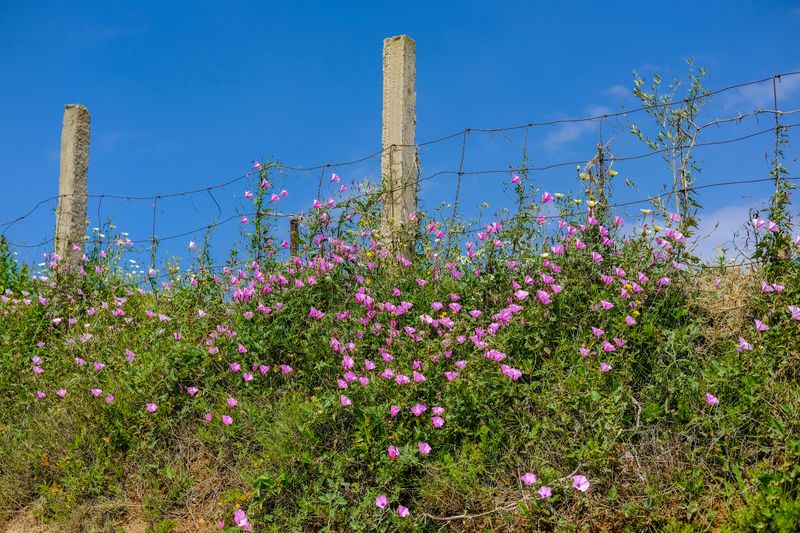
Imagine a shrub that looks like it belongs in a botanical painting. Apache Plume has that kind of beauty, wispy, romantic, and completely wild, and it is one of the most striking fence line plants Colorado has to offer.
Fallugia paradoxa grows three to six feet tall with an open, airy structure. The white, rose-like flowers appear from late spring through fall, giving you months of blooms instead of just weeks.
After the flowers fade, feathery pink and silver seed plumes take over. These fluffy tails catch the sunlight and move in the breeze, creating a shimmering, almost magical effect along a fence.
Apache Plume thrives in dry, rocky, alkaline soils where many plants simply refuse to grow. It was practically made for the challenging conditions found across Colorado’s Front Range and Western Slope.
Full sun is where this shrub truly shines. Once established, it is one of the most drought-tolerant fence shrubs available, needing almost no supplemental irrigation after the first season.
Wildlife love it too, birds use the fluffy seed heads for nesting material, and native bees work the flowers consistently all summer long. Your fence line becomes a habitat corridor without any extra effort.
Pruning is optional but can help maintain a fuller shape over time. Many gardeners prefer the natural, slightly wild silhouette because it adds texture and movement to the landscape.
If you want something that looks effortlessly beautiful and handles neglect with grace, Apache Plume earns every bit of admiration it gets.
6. Mountain Mahogany
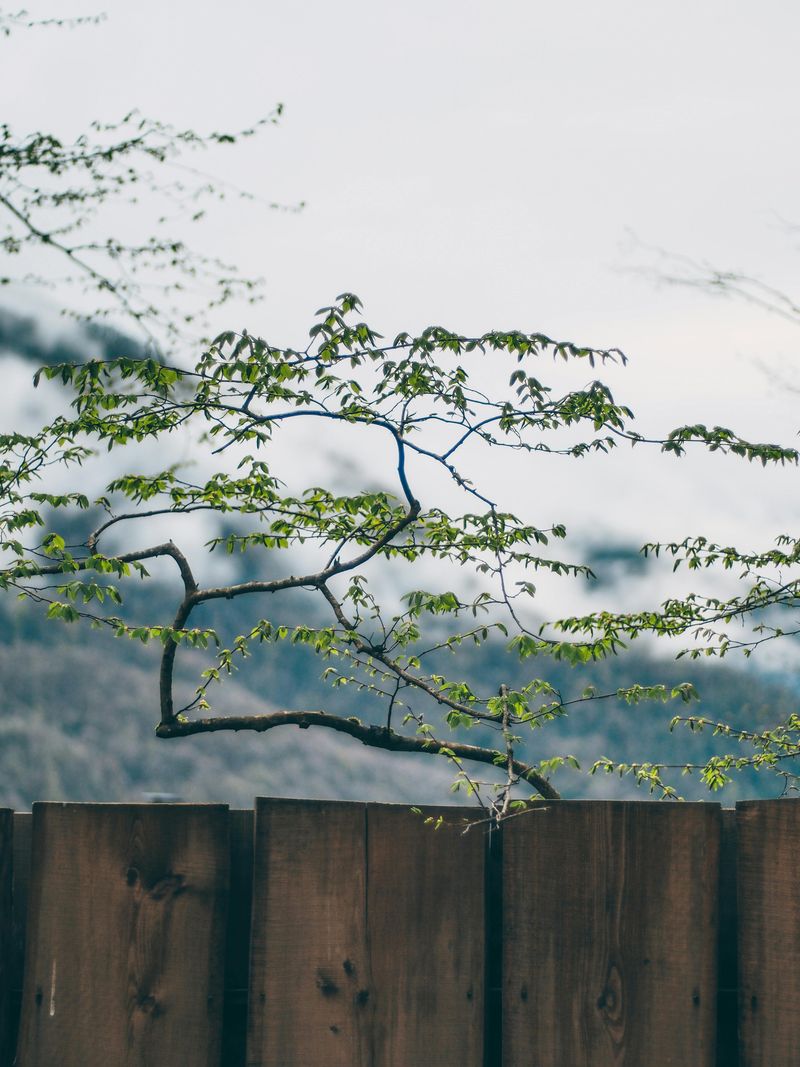
There is something deeply satisfying about a plant that looks handsome in January. Mountain Mahogany is that plant, and it is quietly becoming one of the most respected fence line plants Colorado homeowners in dry climates are choosing.
Cercocarpus montanus is a slow-growing but long-lived native shrub that reaches six to twelve feet tall. Its dense, twiggy structure creates a strong visual presence along the fence line that holds its form through wind, snow, and drought.
The leaves are small, leathery, and semi-evergreen, tending to stay on the plant well into cold weather in milder winters.
In late summer, the seed heads develop into spiraling, silvery plumes that catch the light beautifully. The effect is subtle but genuinely lovely, especially when backlit by morning or evening sun.
Mountain Mahogany fixes nitrogen in the soil through a symbiotic relationship with soil bacteria. That means it actually improves the ground around it over time, benefiting neighboring plants as a bonus.
It thrives in rocky, dry, alkaline soils and full sun exposure. This is a plant built for the toughest spots in a Colorado yard, including slopes, south-facing fence lines, and gravelly areas.
Deer browse on it occasionally, but the plant recovers well and rarely suffers lasting damage. For wildlife-friendly landscaping, it provides food and cover for mule deer, birds, and small mammals.
Plant it where you want structure and staying power. Mountain Mahogany is the kind of quiet workhorse that earns more respect the longer you grow it.
7. Rocky Mountain Juniper
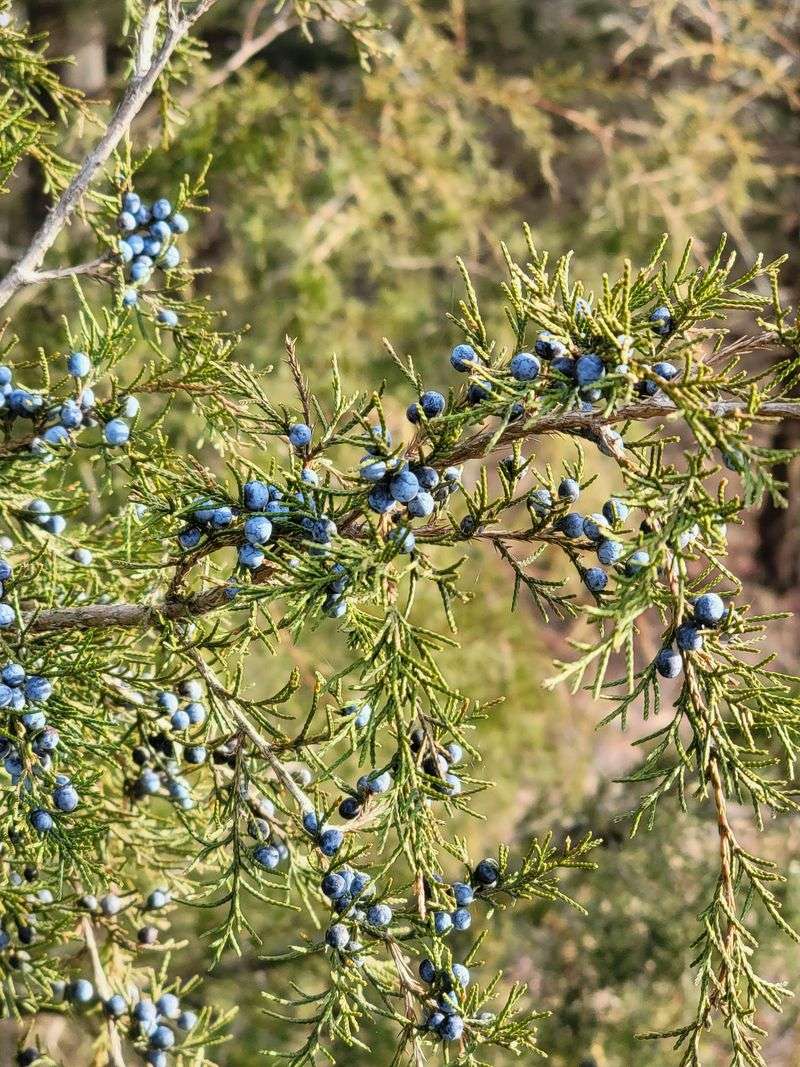
Image Credit: © Brian Verslues / Pexels
If you want the privacy power of arborvitae without the arborvitae headaches, Rocky Mountain Juniper is your answer. This native evergreen is one of the best fence line plants Colorado has produced, and it deserves far more attention than it gets.
Juniperus scopulorum grows ten to thirty feet tall in a naturally columnar to pyramidal shape. It creates a dense, year-round green screen that blocks wind, noise, and unwanted sightlines with ease.
The blue-green foliage is aromatic and textured, giving the fence line a rich, layered look in every season. Unlike arborvitae, it does not brown out in winter and handles most Colorado snow seasons without issue.
Small, fleshy blue cones appear on female plants and are a favorite food source for cedar waxwings, robins, and other birds. Your fence line essentially becomes a wildlife diner from fall through spring.
Rocky Mountain Juniper is built for the exact conditions found across this state. It handles alkaline soil, intense sun, freezing temperatures, and extended dry spells without needing much help from you.
Water needs are minimal once the plant is established, typically after the second or third growing season. That low-water requirement makes it a natural fit for xeriscape fence designs across the region.
Unlike many fast-growing privacy trees, this juniper holds its shape without constant pruning. The natural form stays tight and columnar, which keeps the fence line looking clean and intentional.
For homeowners ready to finally move past arborvitae, Rocky Mountain Juniper checks every box for fence line plants Colorado yards genuinely need.
8. Three-Leaf Sumac
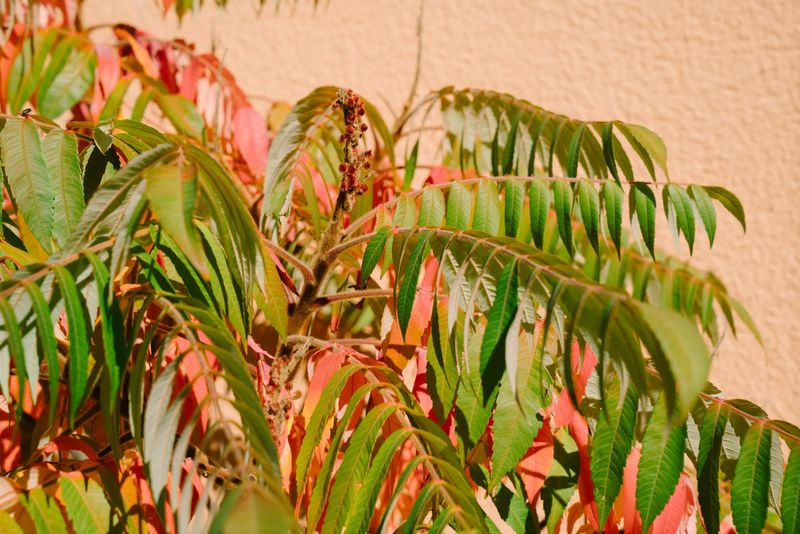
Most fence line plants do one thing well. Three-leaf sumac does four.
Summer brings dense, glossy coverage along the fence line. Fall brings some of the boldest color in the Colorado native plant palette.
Female plants produce clusters of small red berries that birds tend to find before you do. By the time winter arrives, the bare branching structure still holds its own along the fence line.
This shrub grows naturally throughout Colorado’s foothills and performs reliably from the Front Range up to around 9,000 feet. It handles alkaline soils, rocky ground, and stretches without rain that would stress most plants.
Once established, it rarely needs supplemental water. It spreads by underground suckers and can take up more space than expected, particularly with regular irrigation.
Gardeners with smaller yards may want to plant it where it has room to expand, or plan on occasional pruning to keep it in check.
Give it full sun and well-drained soil, and it takes care of the rest. Mature plants tend to reach six to ten feet tall with a similar spread, making it a substantial privacy option that looks nothing like a row of arborvitae.