15 Feng Shui Plants Every Texas Home Needs To Keep Bad Energy Away
Living in Texas means dealing with hot summers, unpredictable weather, and the constant hustle of modern life that can bring stress into your home.
Ancient wisdom from feng shui teaches us that certain plants can transform our living spaces by absorbing negativity and inviting positive energy through their presence.
Bringing the right greenery into your Texas home creates a peaceful sanctuary where good vibes flow freely and bad energy simply cannot take root.
Discover these fifteen powerful plants that thrive in the Lone Star State while protecting your home from unwanted negative influences and promoting harmony for everyone inside.
1. Lucky Bamboo
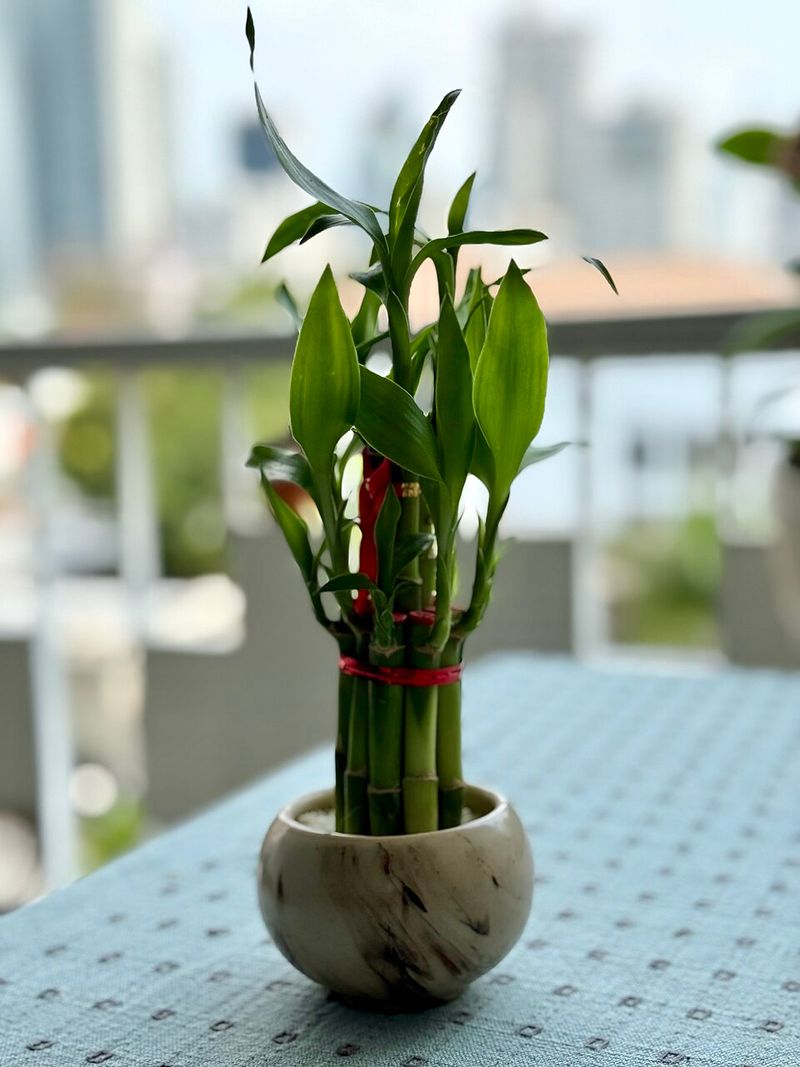
Lucky bamboo stands as one of the most recognized feng shui plants across the world, bringing prosperity and good fortune to any space it occupies.
Texas homeowners love this plant because it requires minimal care and thrives even in low-light conditions, making it perfect for apartments and busy households alike.
The number of stalks you choose carries specific meanings, with three stalks representing happiness, five bringing wealth, and seven promoting good health throughout your family.
Place your lucky bamboo near the entrance of your home to welcome positive energy and block negative vibes from entering your peaceful sanctuary space.
Water quality matters significantly for this plant, so use filtered or distilled water to prevent yellowing leaves and ensure your bamboo stays vibrant and strong.
Feng shui experts recommend positioning lucky bamboo in the eastern corner of your living room to enhance family harmony and strengthen relationships among household members.
This resilient plant adapts beautifully to Texas indoor environments and continues growing steadily, symbolizing your own personal growth and the expanding positive energy within your home.
2. Snake Plant
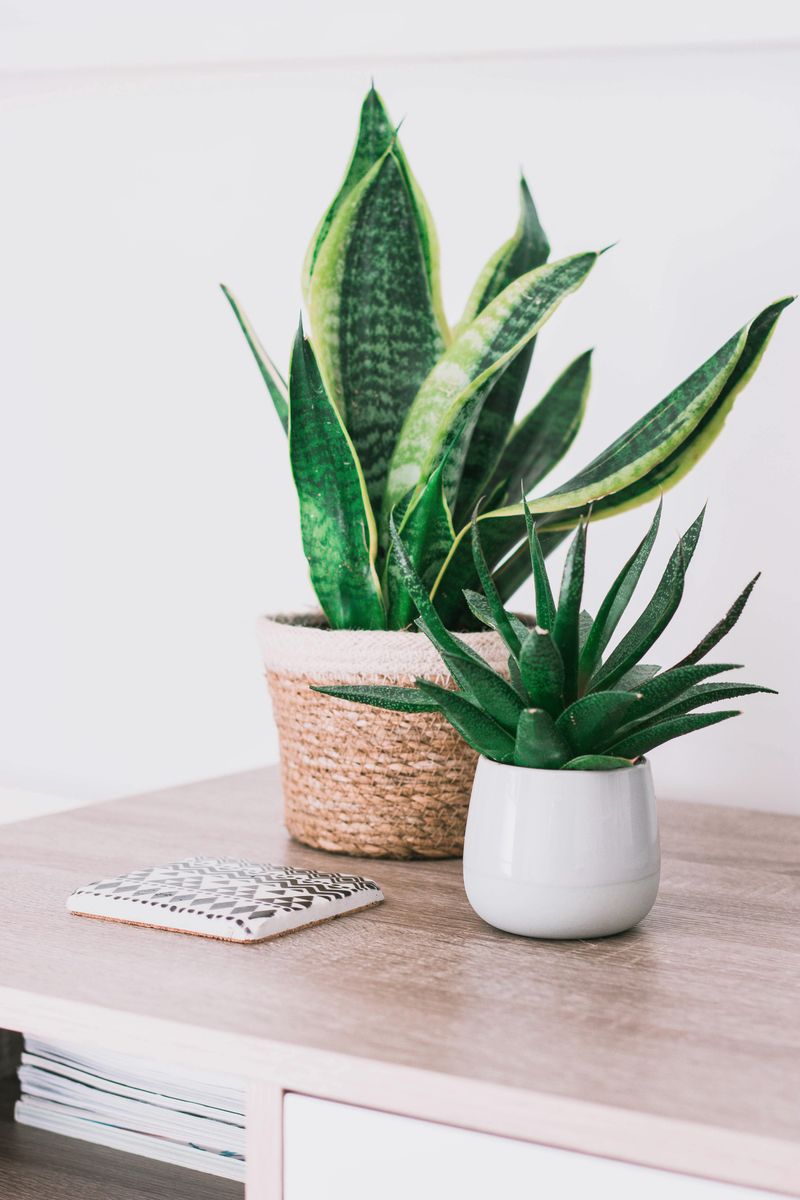
Incredibly tough and forgiving, the snake plant survives almost any neglect, making it ideal for beginners or those with demanding schedules in fast-paced Texas cities.
Ancient traditions credit this striking plant with the ability to absorb toxic energy while releasing oxygen at night, improving air quality as you sleep peacefully.
Sharp, upward-pointing leaves symbolize protection and strength, creating an invisible shield that guards your home against negative influences and unwanted spiritual disturbances from outside sources.
Texans appreciate how snake plants tolerate the dry indoor air caused by constant air conditioning during those scorching summer months when temperatures soar above expectations.
Position this powerful plant near windows or doorways to filter out bad energy before it enters your living space and affects the peaceful atmosphere inside.
Some feng shui practitioners suggest avoiding bedrooms for snake plants due to their strong energy, but others find them beneficial for promoting restful sleep patterns.
Water sparingly and allow the soil to dry completely between watering sessions, as overwatering remains the primary reason these otherwise indestructible plants struggle or fail.
3. Peace Lily
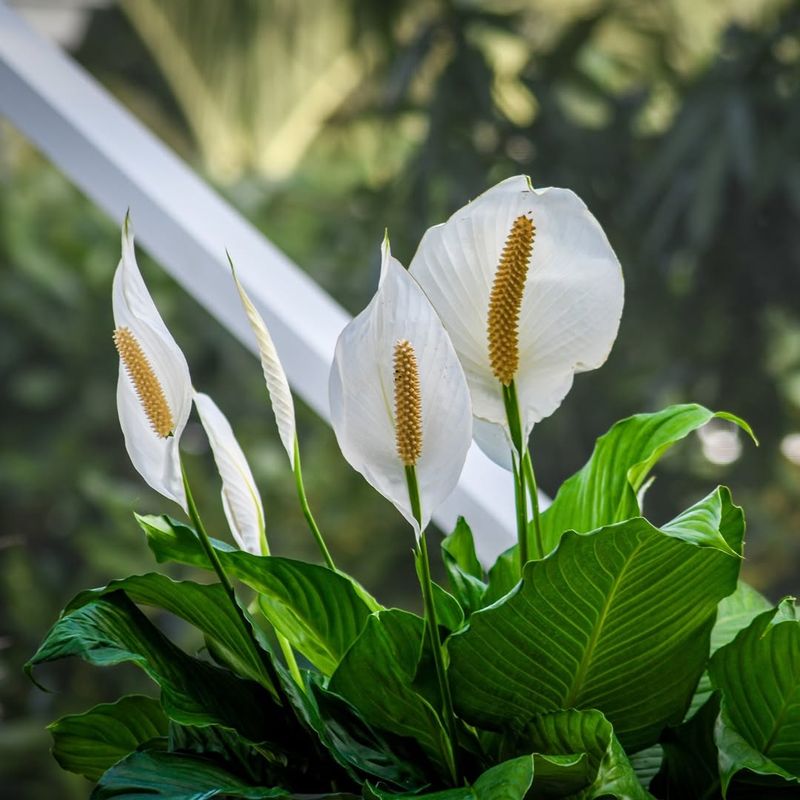
Elegant white blooms emerge from dark green foliage, creating a stunning visual contrast that brings serenity and calmness to any room in your Texas home.
NASA studies confirm that peace lilies filter harmful toxins from indoor air, including formaldehyde and benzene, which often accumulate in closed spaces with poor ventilation.
Feng shui philosophy associates this graceful plant with tranquility and spiritual balance, helping to neutralize chaotic energy that builds up from daily stresses and conflicts.
Peace lilies prefer indirect sunlight and moderate watering, thriving beautifully in Texas homes where bright windows provide ample natural light without direct sun exposure causing damage.
Place one in your bedroom to promote restful sleep and harmonious relationships, or position it in your office space to reduce workplace tension and anxiety.
The plant communicates its needs clearly by drooping when thirsty, then perking up quickly after watering, making it easy for anyone to maintain successfully.
Texans living in humid climates find peace lilies particularly happy, as these tropical beauties appreciate moisture in the air and reward proper care with frequent blooming cycles.
4. Jade Plant
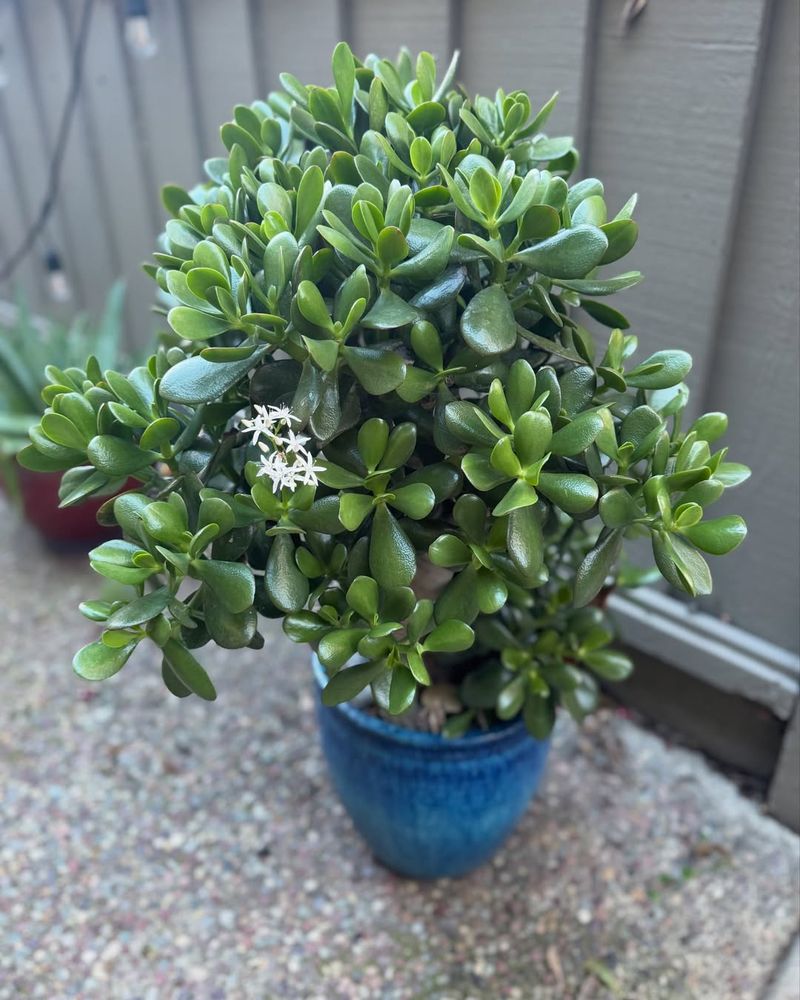
Round, coin-shaped leaves give the jade plant its nickname as the money tree, symbolizing wealth accumulation and financial prosperity in traditional feng shui practices worldwide.
This succulent stores water in its thick leaves, making it perfectly suited for Texas homes where occasional forgetfulness about watering schedules happens to even dedicated plant parents.
Positioning your jade plant near the entrance or in the southeast corner of your home activates the wealth sector, inviting abundance and economic opportunities into life.
Jade plants grow slowly and steadily, reflecting the patient accumulation of resources and reminding us that lasting success comes from consistent effort over quick schemes.
Bright indirect light helps jade plants thrive, and they particularly enjoy the sunny conditions that Texas naturally provides through large windows and well-lit interior spaces.
Feng shui masters recommend giving jade plants as gifts to new homeowners or business owners to wish them prosperity and long-term success in ventures.
Overwatering causes root rot quickly, so allow the soil to dry thoroughly between waterings and use pots with excellent drainage to prevent moisture-related problems.
5. Rubber Plant
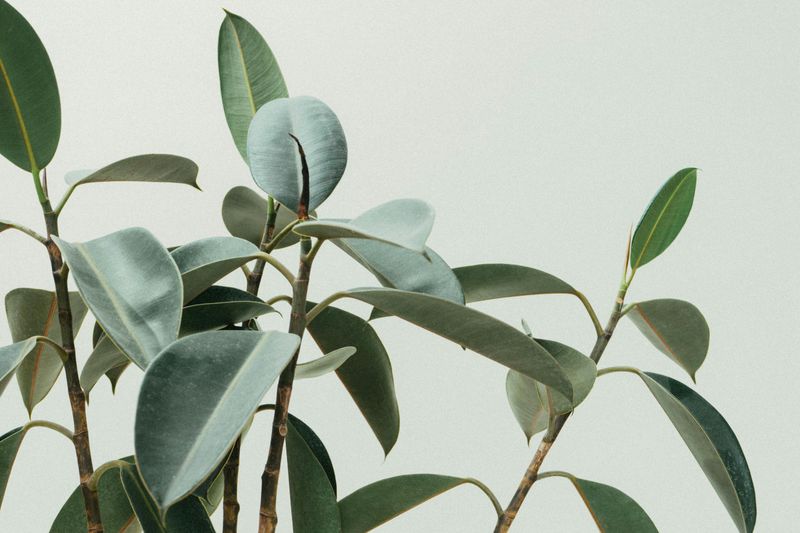
Bold and beautiful, the rubber plant commands attention with its large, glossy leaves that reflect light and create an atmosphere of abundance throughout your Texas home.
Feng shui tradition values rubber plants for their ability to attract wealth while simultaneously removing negative energy that accumulates in corners and stagnant areas of rooms.
These plants grow tall and strong, symbolizing upward mobility and career advancement, making them excellent choices for home offices or spaces dedicated to professional development activities.
Texas homeowners appreciate how rubber plants tolerate various light conditions, from bright indirect sunlight to moderate shade, adapting well to different room orientations and layouts.
The rounded leaves represent unity and completeness in feng shui philosophy, promoting family harmony and helping household members feel connected despite busy schedules and conflicting routines.
Regular leaf cleaning maintains the plant’s energy-conducting properties and keeps it looking vibrant, as dust buildup blocks the flow of positive chi throughout your space.
Water when the top inch of soil feels dry, and avoid placing rubber plants in drafty areas or near heating vents that might cause stress.
6. Aloe Vera
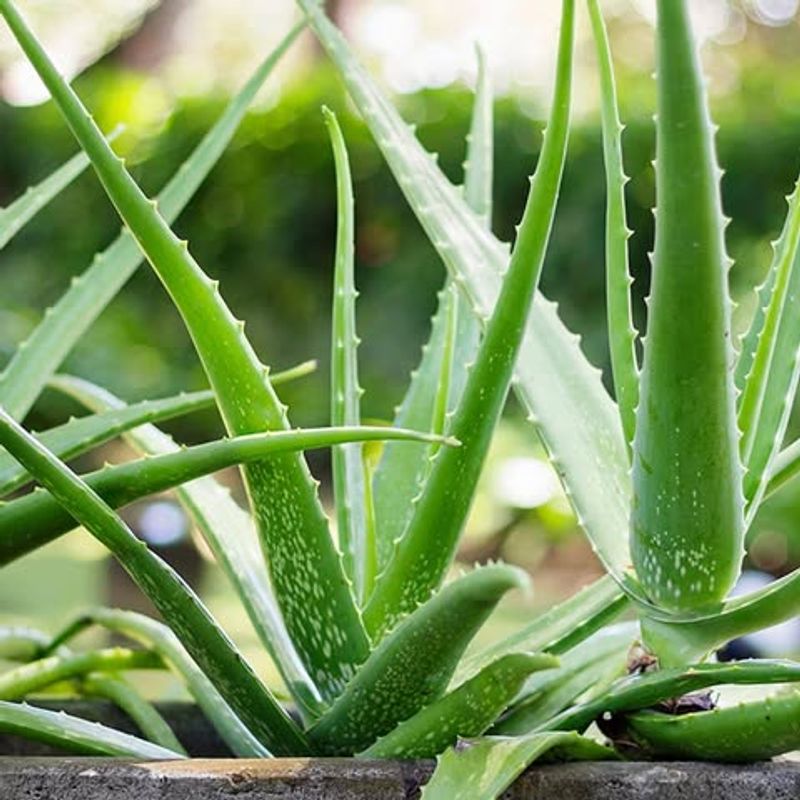
Famous for its healing gel, aloe vera serves double duty by treating minor burns and skin irritations while protecting your Texas home from negative spiritual influences.
Feng shui experts believe aloe vera absorbs misfortune and bad luck, acting as a spiritual guardian that sacrifices itself by turning brown when it neutralizes harmful energy.
Texans love aloe vera because it thrives in hot, sunny conditions that mirror its desert origins, requiring minimal water and practically no maintenance throughout the year.
Position aloe vera near kitchen windows where it can soak up sunlight and remain easily accessible for those unexpected cooking burns or summer sunburn treatments.
The spiky leaves point upward and outward, creating protective energy that deflects negativity away from your home and prevents bad vibes from settling into your space.
Some practitioners recommend placing aloe vera near electronic devices to absorb electromagnetic radiation, though scientific evidence for this particular benefit remains limited and debated among experts.
Water deeply but infrequently, allowing the soil to dry completely between sessions, and use cactus-specific soil mix to prevent root rot in these drought-adapted succulents.
7. Boston Fern
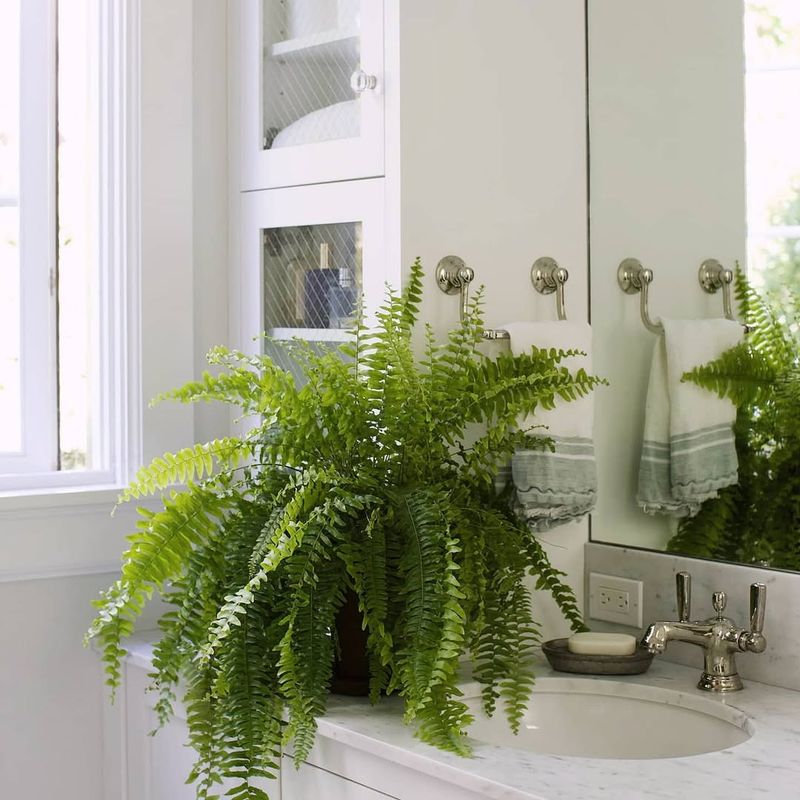
Cascading fronds create a waterfall effect that promotes the flow of positive energy throughout your Texas home while adding softness to angular furniture and harsh architectural lines.
Feng shui practitioners value Boston ferns for their ability to humidify dry air naturally, which proves especially beneficial in Texas homes with air conditioning running constantly.
The gentle, flowing nature of fern leaves encourages relaxation and reduces stress, making these plants perfect for bathrooms, bedrooms, or any space dedicated to rest.
Boston ferns prefer consistent moisture and indirect light, thriving in Texas homes with bright bathrooms or shaded porches where humidity levels remain naturally higher than other areas.
Hanging Boston ferns at eye level or higher activates uplifting energy that elevates mood and prevents stagnant chi from accumulating in lower corners of rooms.
These plants communicate their needs through browning fronds, signaling that they require more humidity or consistent watering to maintain their lush, vibrant appearance and energy properties.
Mist your Boston fern regularly during dry Texas winters, and consider placing it on a pebble tray filled with water to increase ambient humidity around foliage.
8. Pothos
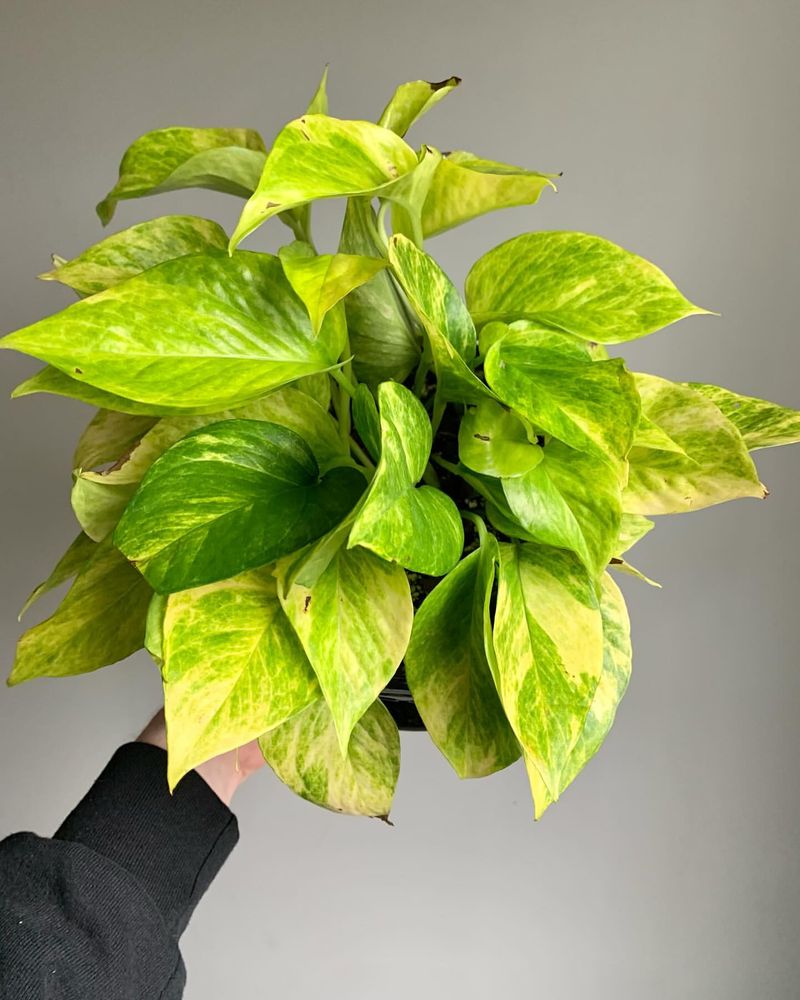
Nearly impossible to eliminate, pothos vines thrive under almost any conditions, making them perfect for Texas homeowners who want feng shui benefits without demanding care routines.
Heart-shaped leaves symbolize love and emotional healing in feng shui, helping to mend broken relationships and promote forgiveness among family members after disagreements or conflicts arise.
Pothos grows quickly and vigorously, representing abundance and the rapid expansion of good fortune when placed in prosperity corners of your home or office space.
The trailing vines create downward energy flow that grounds excessive yang energy, particularly beneficial in active households with children or high-stress environments requiring calming influences.
Texas residents appreciate how pothos tolerates low light and irregular watering, surviving forgotten care sessions that would devastate more temperamental plant species completely and immediately.
Place pothos on high shelves or in hanging baskets to encourage the flow of positive energy from ceiling to floor, connecting upper and lower areas.
Trim regularly to maintain shape and encourage bushier growth, and propagate cuttings in water to create new plants that spread protective energy throughout additional rooms.
9. Chrysanthemum

Vibrant blooms in yellows, reds, and purples bring yang energy into your Texas home, counteracting dull or depressing spaces that accumulate stagnant, negative vibrations over time.
Feng shui tradition associates chrysanthemums with happiness and longevity, making them popular gifts for housewarmings or celebrations marking new beginnings and fresh starts in life.
These flowering plants prefer cooler temperatures and thrive during Texas fall and winter months when other garden plants struggle or go dormant until spring returns again.
Positioning chrysanthemums in living areas or dining rooms activates joyful energy that encourages laughter, conversation, and positive social interactions among family members and visiting guests alike.
The rounded flower shape represents completeness and balance in feng shui philosophy, helping to harmonize conflicting energies within households experiencing tension or discord among members.
Regular deadheading encourages continuous blooming and maintains the plant’s energy-generating properties, as wilted flowers represent declining chi that needs removal from your environment immediately.
Water chrysanthemums consistently and provide bright indirect light, avoiding both overwatering and allowing the soil to dry completely, which stresses plants and reduces flowering significantly.
10. Areca Palm
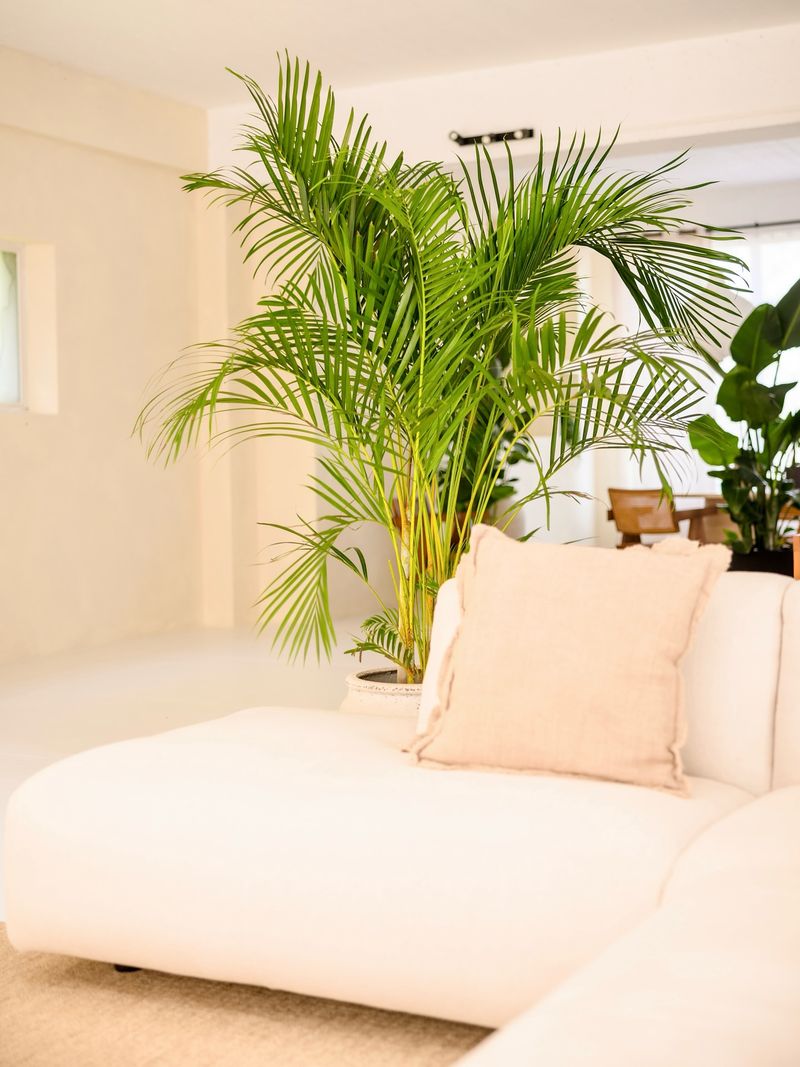
Graceful arching fronds create gentle movement that encourages the smooth flow of chi throughout your Texas home, preventing energy from becoming stuck in corners or stagnant areas.
Feng shui masters recommend areca palms for their powerful air-purifying abilities, removing toxins while simultaneously generating positive energy that uplifts mood and promotes overall wellbeing.
The upward growth pattern symbolizes ambition and success, making areca palms excellent choices for home offices or study areas where career advancement and educational achievement matter.
Texans enjoy how areca palms tolerate the bright indirect light common in southern homes, thriving near windows with sheer curtains that filter intense afternoon sun exposure.
Multiple stems growing from a single base represent unity and family strength, reinforcing bonds between household members and promoting cooperation during challenging times or major transitions.
These tropical beauties appreciate humidity, so misting regularly or using a humidifier nearby helps them flourish during dry Texas winters when indoor air becomes particularly parched.
Water when the top two inches of soil feel dry, and ensure proper drainage to prevent root rot, which quickly damages these otherwise resilient palms.
11. Orchid
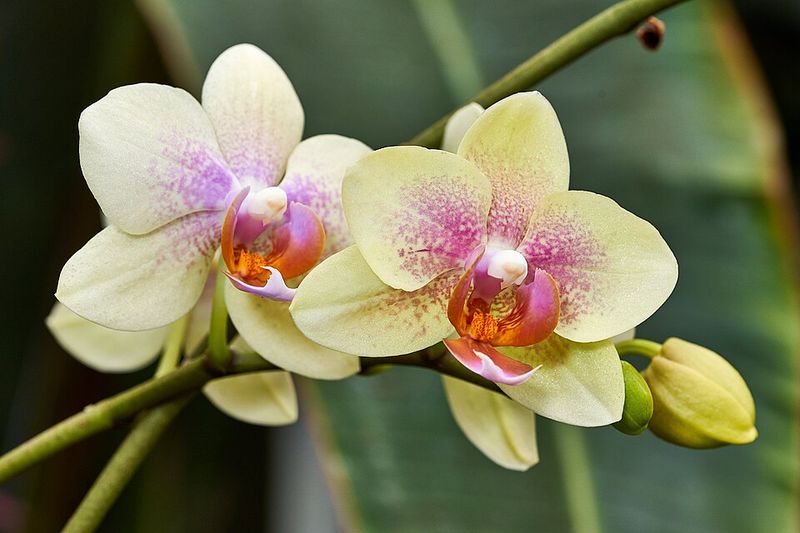
Exquisite blooms lasting for months bring refined beauty and sophisticated energy into Texas homes, elevating the atmosphere and creating spaces that feel luxurious despite modest budgets.
Feng shui associates orchids with fertility, creativity, and spiritual growth, making them ideal for bedrooms, meditation spaces, or studios where artistic expression and innovation flourish naturally.
The symmetrical flower structure represents perfection and balance, helping to harmonize chaotic energy in households experiencing transitions, renovations, or other disruptive changes affecting daily routines.
Texas orchid enthusiasts appreciate varieties that tolerate warmer indoor temperatures, particularly phalaenopsis orchids that adapt well to typical home environments without requiring specialized greenhouse conditions or equipment.
Placing orchids in relationship corners of bedrooms activates romantic energy and strengthens emotional connections between partners, promoting intimacy and understanding through their gentle, refined presence.
These plants prefer bright indirect light and weekly watering with ice cubes, which slowly melt and prevent overwatering while providing consistent moisture to roots.
After blooming cycles complete, orchids enter rest periods where they gather energy for future flowers, so maintain care routines even when plants appear dormant or inactive.
12. Rosemary
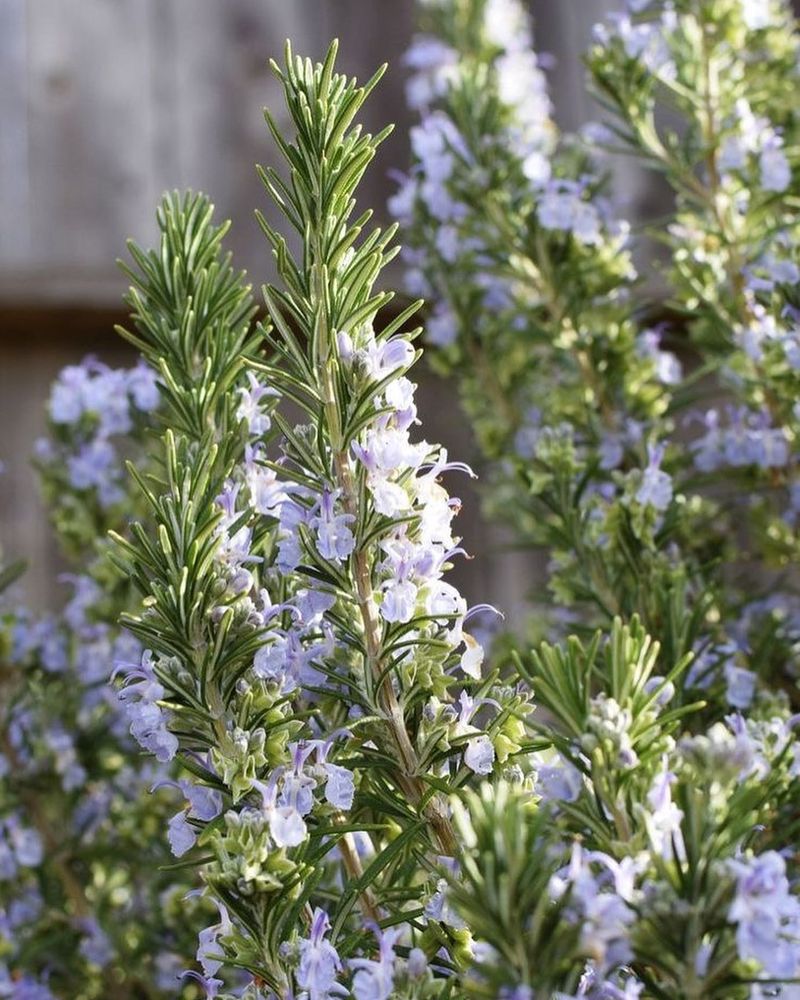
Aromatic and practical, rosemary serves culinary purposes while protecting your Texas home from negative energy, making it a multifunctional addition to kitchen windowsills and herb gardens.
Ancient folklore credits rosemary with memory enhancement and mental clarity, qualities that feng shui practitioners value for creating focused, productive environments in home offices and study spaces.
The upright growth habit and needle-like leaves create protective energy that guards against harmful influences, particularly when positioned near entrances or windows where outside energy enters homes.
Texas gardeners love rosemary because it thrives in hot, sunny conditions and tolerates drought once established, requiring minimal attention while providing fresh herbs for cooking year-round.
The invigorating scent naturally purifies air and uplifts spirits, combating stale energy that accumulates in closed spaces during extreme weather when windows remain shut for temperature control.
Harvest rosemary regularly to encourage bushier growth and maintain the plant’s vital energy, as pruning stimulates new growth and prevents plants from becoming woody or leggy.
Provide full sun and well-draining soil, watering only when the top inch feels dry, and avoid overwatering which causes root rot in these Mediterranean natives.
13. English Ivy
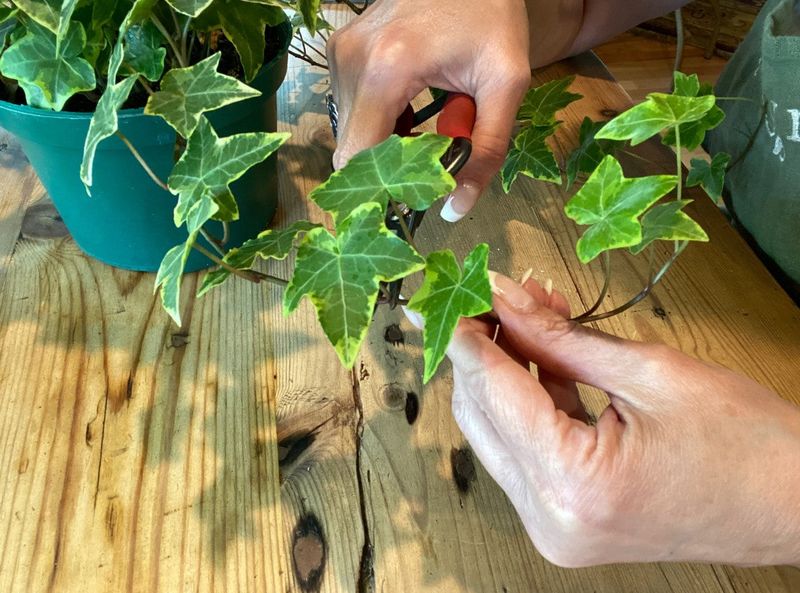
Climbing and trailing with equal enthusiasm, English ivy represents fidelity and eternal life in feng shui, promoting lasting relationships and enduring positive energy throughout Texas households.
Research demonstrates that English ivy effectively removes airborne mold particles, making it particularly valuable in humid Texas regions where mold growth presents ongoing challenges for homeowners.
The interconnected vine structure symbolizes strong family bonds and community connections, reminding household members of their interdependence and the importance of supporting one another through difficulties.
Feng shui experts recommend positioning English ivy in areas where you want to encourage growth and expansion, whether in career pursuits, personal development, or relationship cultivation.
Texas homeowners appreciate how ivy adapts to various light conditions, from bright indirect sunlight to moderate shade, making it versatile for different room exposures and layouts.
The cascading growth pattern creates downward energy flow that helps ground overly active spaces, providing balance in homes with high ceilings or excessive yang energy from activity.
Keep soil consistently moist but not waterlogged, and mist regularly to maintain humidity, as dry conditions cause browning leaf edges and reduce the plant’s vitality.
14. Lavender
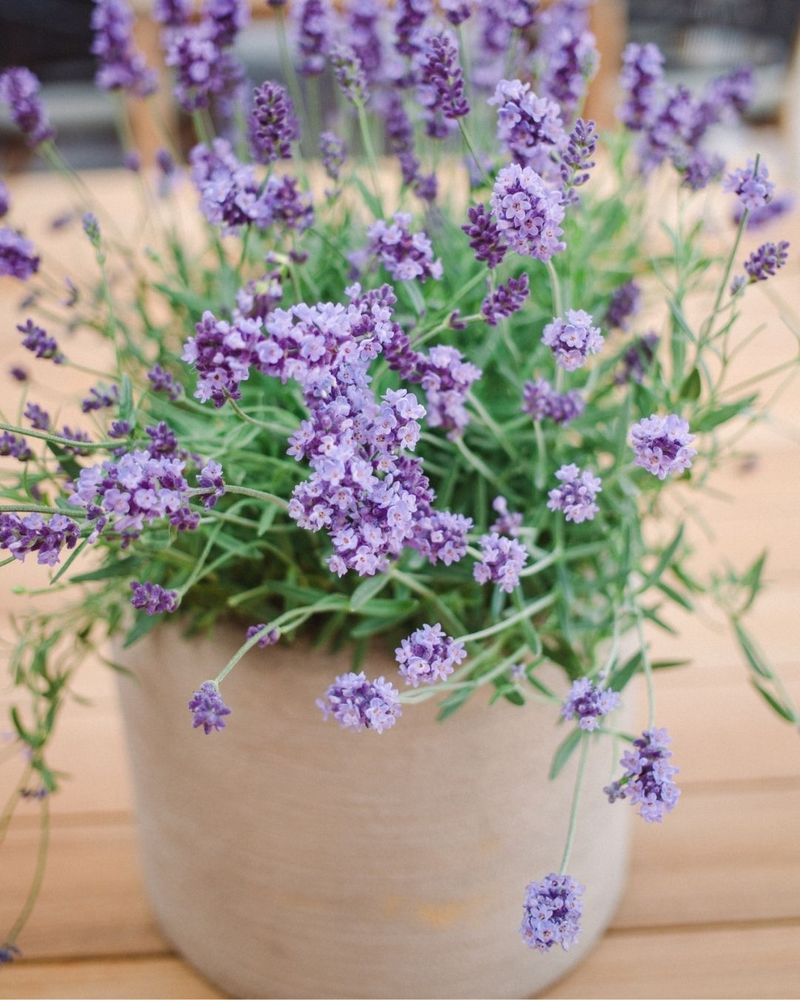
Calming fragrance and beautiful purple blooms make lavender a feng shui favorite for promoting relaxation, reducing anxiety, and creating peaceful sanctuaries within busy Texas homes.
The soothing scent naturally repels negative energy while attracting positive vibrations, making lavender ideal for bedrooms, meditation spaces, or anywhere you seek tranquility and mental clarity.
Feng shui philosophy associates purple flowers with spiritual awareness and higher consciousness, helping household members connect with their inner wisdom and make decisions aligned with true values.
Texas lavender growers succeed by choosing heat-tolerant varieties and providing excellent drainage, as these Mediterranean plants despise wet feet and thrive in conditions mimicking their origins.
Position lavender near windows where it receives at least six hours of direct sunlight daily, and enjoy how the breeze carries its peaceful fragrance throughout rooms.
Harvest lavender stems regularly to dry for sachets, which extend the plant’s protective energy into closets, drawers, and other spaces where fresh plants cannot grow successfully.
Water deeply but infrequently, allowing soil to dry between sessions, and prune after blooming to maintain compact shape and encourage vigorous growth for next season.
15. Money Tree

Braided trunks and hand-shaped leaves make the money tree instantly recognizable as a powerful feng shui symbol for attracting wealth and financial abundance into Texas households.
Legend tells of a poor farmer who prayed for prosperity and discovered this unusual plant, which he grew and sold to escape poverty, forever linking it with fortune and economic success.
Feng shui practitioners recommend placing money trees in the southeast corner of homes or offices, the traditional wealth sector where financial energy concentrates and multiplies most effectively.
The five-lobed leaves represent the five elements of feng shui, creating perfect balance and harmony that allows positive energy to flow freely without obstruction throughout your space.
Texas homeowners find money trees relatively easy to maintain, as they tolerate average indoor conditions and forgive occasional neglect better than many other tropical houseplants require.
Bright indirect light promotes healthy growth, while direct sun can scorch leaves, so position your money tree near windows with sheer curtains filtering intense afternoon rays.
Water when the top two inches of soil dry out, and rotate the pot regularly to ensure even growth on all sides, preventing lopsided development.