8 Fertilizing Mistakes That Delay Tomato Ripening
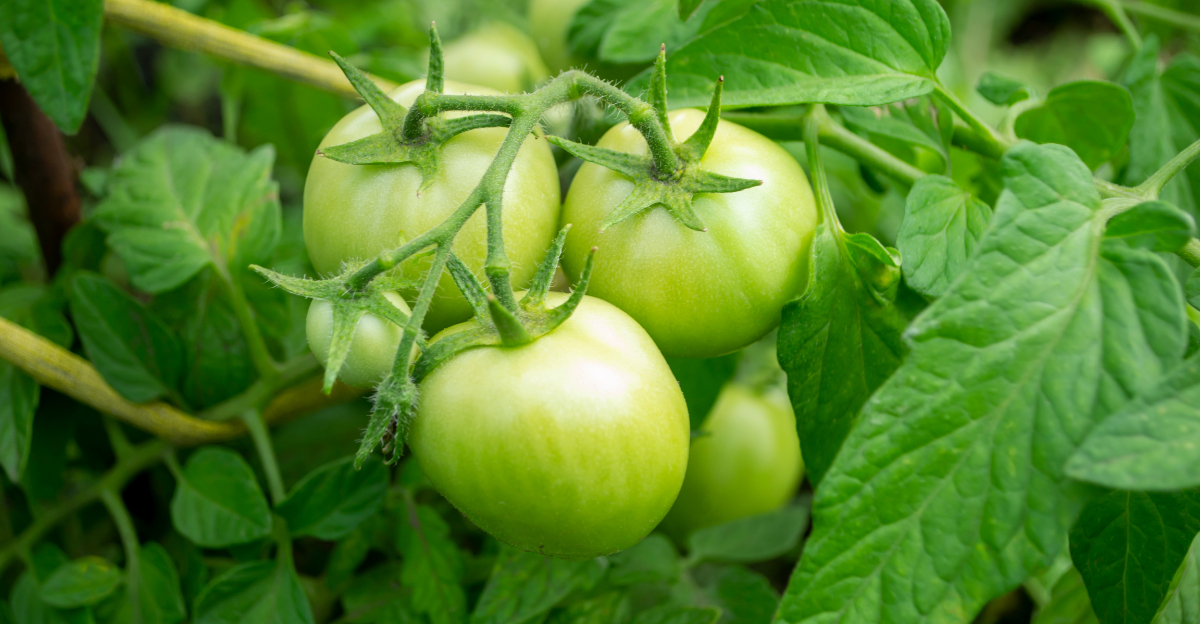
Your tomato plants stand tall and healthy, leaves thick and green, vines heavy with fruit. Yet week after week, those tomatoes cling stubbornly to their green shade, refusing to blush even a little.
There’s one habit most gardeners overlook, and it might be the exact thing keeping your harvest stuck in limbo.
It sounds almost backwards, but one small misstep in your feeding routine can quietly throw the whole ripening process off track, leaving your plant stalled for weeks.
Correcting course takes far less effort than you’d expect, and your tomatoes just need one small shift to finally turn that deep, ripe red you’ve been waiting for.
1. Using Too Much Nitrogen Too Late
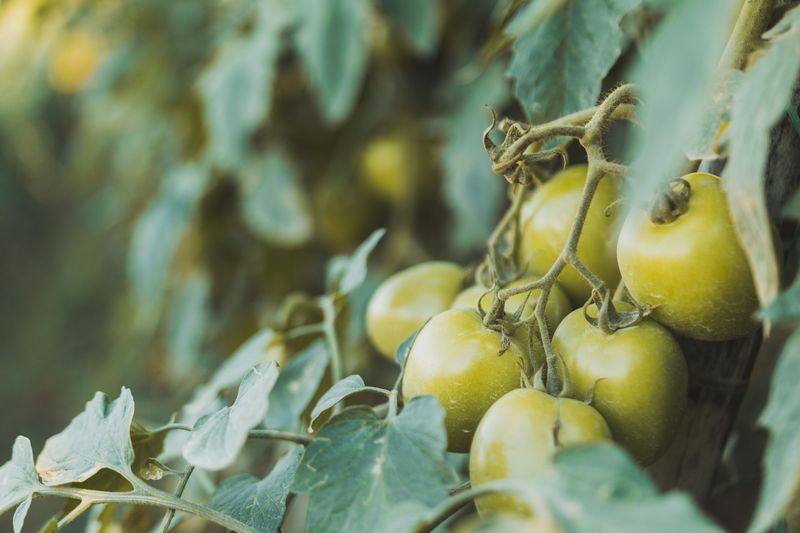
Your tomato plant looks incredible, full, dark green, and lush. But here is the problem: it looks too good.
When you keep feeding nitrogen late in the season, plants put all their energy into growing leaves. The fruit just sits there, green and stubborn, waiting for a signal that never comes.
Nitrogen is the growth booster of the plant world. It tells your tomato to keep building stems and foliage instead of finishing its fruit.
Most gardeners make this mistake because the plant looks healthy. A deep green plant feels like a win, so they keep feeding it the same way.
Stop nitrogen-heavy fertilizers once your plants start flowering. That is the turning point where your feeding strategy needs to shift.
Switch to a fertilizer lower in nitrogen and higher in phosphorus and potassium. Those two nutrients are what push tomatoes toward ripening and flavor development.
Think of nitrogen as the gas pedal for leafy growth. Pressing it too hard past the flowering stage sends your harvest in the wrong direction.
A good rule of thumb is to cut back on high-nitrogen feeds about six to eight weeks before your expected harvest date. Timing matters more than most people expect.
Fertilizing mistakes that delay tomato ripening often start right here, with too much of a good thing at the wrong moment. Pull back on nitrogen and watch your tomatoes finally start turning red.
2. Skipping Phosphorus During Fruit Development
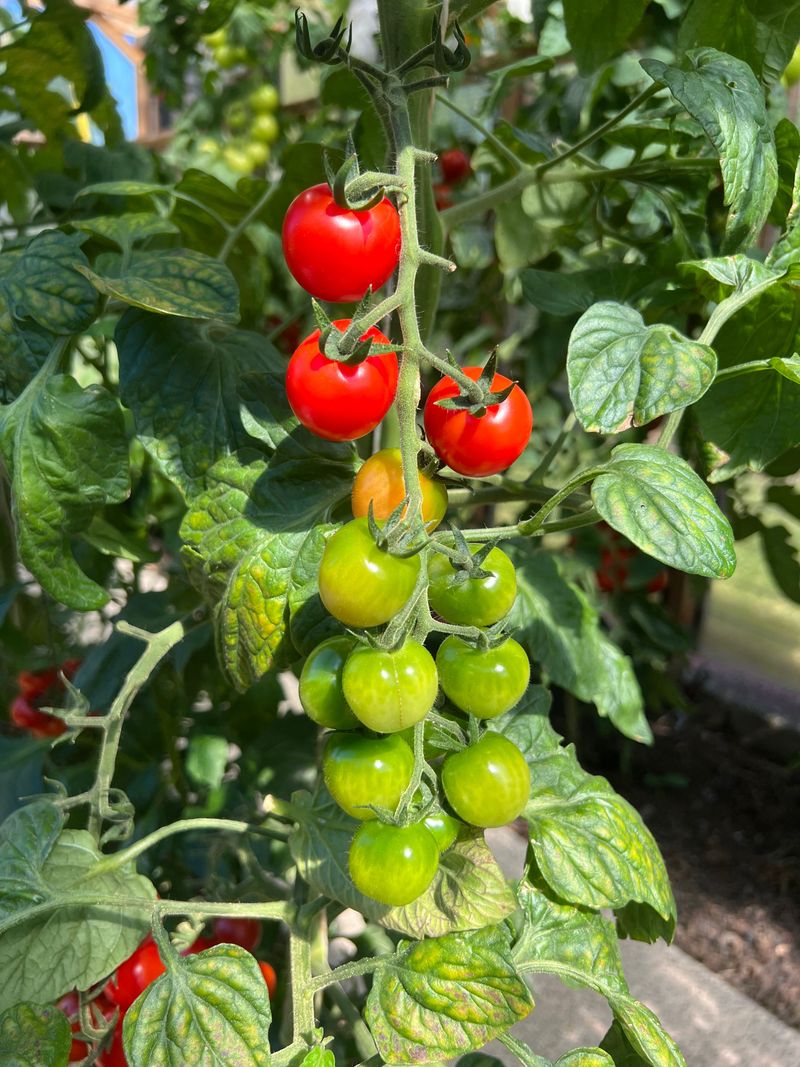
Phosphorus is the quiet workhorse of tomato development. Most gardeners forget about it entirely once the plants are in the ground.
Without enough phosphorus, tomatoes struggle to convert energy into ripe, flavorful fruit. The plant may look fine on the outside, but the ripening process stalls from within.
Phosphorus supports root health, flower formation, and fruit maturation. Skipping it during the critical fruit development stage is one of the most overlooked fertilizing mistakes that delay tomato ripening.
Signs of phosphorus deficiency include purplish coloring on the undersides of leaves and slow fruit progress. Cooler soil temperatures can also lock phosphorus out, even when it is present in the ground.
If your soil pH is off, phosphorus becomes unavailable to the plant no matter how much you apply. Keeping your pH between 6.0 and 6.8 helps your tomatoes actually access what you feed them.
Bone meal is a natural, slow-release source of phosphorus that works well for home gardeners. Work it into the soil before planting or apply it as a side dressing once fruits appear.
Liquid phosphorus fertilizers act faster when plants need a quick boost mid-season. They absorb through roots within days, giving your tomatoes a faster push toward the finish line.
Do not wait for visible symptoms before acting. Consistent phosphorus feeding from flower set through fruit development keeps your harvest on schedule and your tomatoes tasting their best.
3. Applying Fertilizer On An Inconsistent Schedule
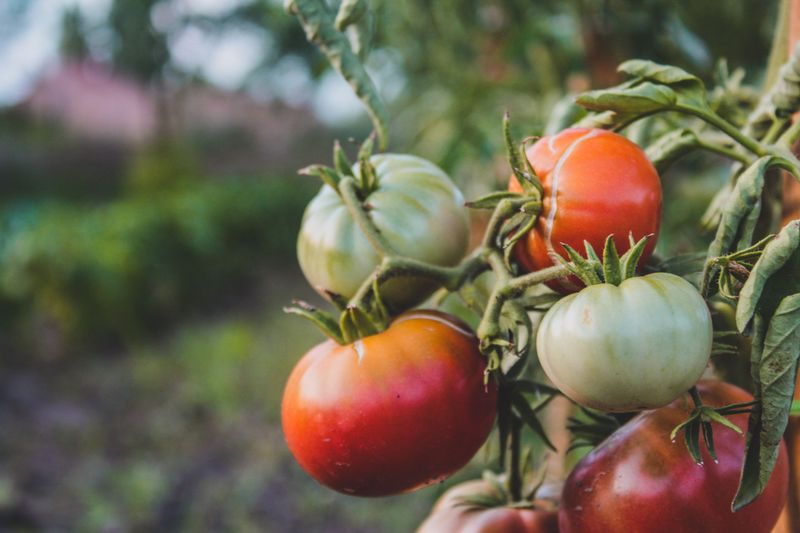
Feast and drought is no way to feed a tomato plant. Irregular fertilizing creates stress cycles that confuse your plants and slow everything down.
One week you drench them with nutrients, and the next three weeks you forget entirely. That kind of inconsistency sends mixed signals that stall fruit development at the worst possible time.
Tomatoes thrive on routine. A steady, predictable feeding schedule keeps nutrient levels balanced and gives plants what they need exactly when they need it.
When nutrients spike and crash repeatedly, the plant redirects energy toward survival mode instead of ripening. You end up with green tomatoes long past when they should have turned red.
Set a reminder on your phone or mark your calendar every ten to fourteen days for feeding. Consistency does not require perfection, just a reliable rhythm your plants can count on.
Slow-release granular fertilizers help smooth out the gaps between feedings. They provide a steady baseline of nutrients even when life gets busy and you miss a scheduled application.
Pairing slow-release granules with occasional liquid feeds gives you the best of both worlds. The granules maintain baseline nutrition while liquid formulas let you respond quickly to what you observe.
Keeping a simple garden journal also helps you track what you applied and when. Patterns become clear fast, and you will spot gaps before your tomatoes pay the price for them.
4. Ignoring Potassium Levels In The Soil
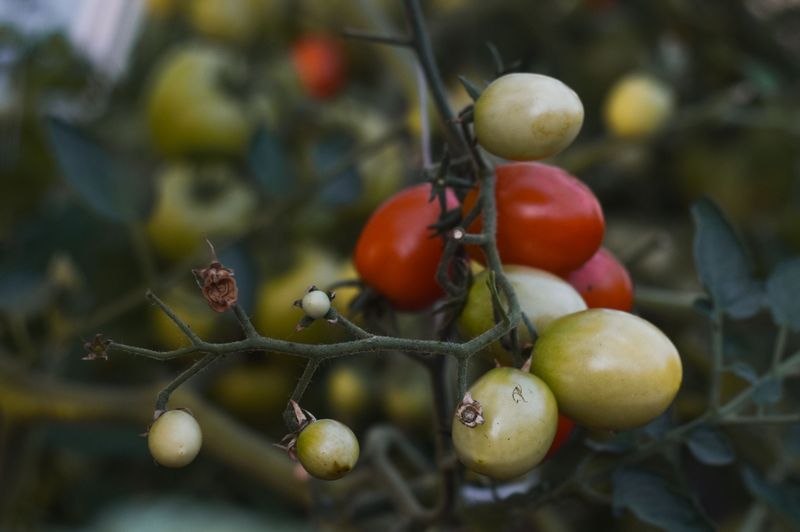
Potassium might be the most underappreciated nutrient in the tomato garden. Most people focus on nitrogen and forget that potassium drives the whole ripening engine.
Low potassium slows sugar production inside the fruit, which means tomatoes stay pale, firm, and flavorless long past their prime. That is a frustrating outcome after months of careful growing.
Potassium regulates water movement within plant cells and activates the enzymes responsible for turning green fruit red. Without enough of it, the ripening process simply does not have the fuel it needs.
Symptoms of potassium deficiency include yellowing leaf edges, brown leaf tips, and fruit that ripens unevenly. If one side of your tomato colors up while the other stays green, low potassium is a likely culprit.
Potassium sulfate and greensand are two popular options for boosting levels organically. Wood ash is another accessible source, though it also raises soil pH, so use it carefully and sparingly.
Soil testing is the most reliable way to know exactly where your potassium stands before adding more. Guessing often leads to imbalances that create new problems while trying to fix old ones.
Once you confirm a deficiency, a potassium-focused fertilizer applied at fruit set can make a noticeable difference within a couple of weeks. Plants respond quickly when they finally get what they have been missing.
Fertilizing mistakes that delay tomato ripening often trace back to ignored potassium. Fix it early and your harvest timeline will thank you.
5. Overfeeding Plants Early In The Season
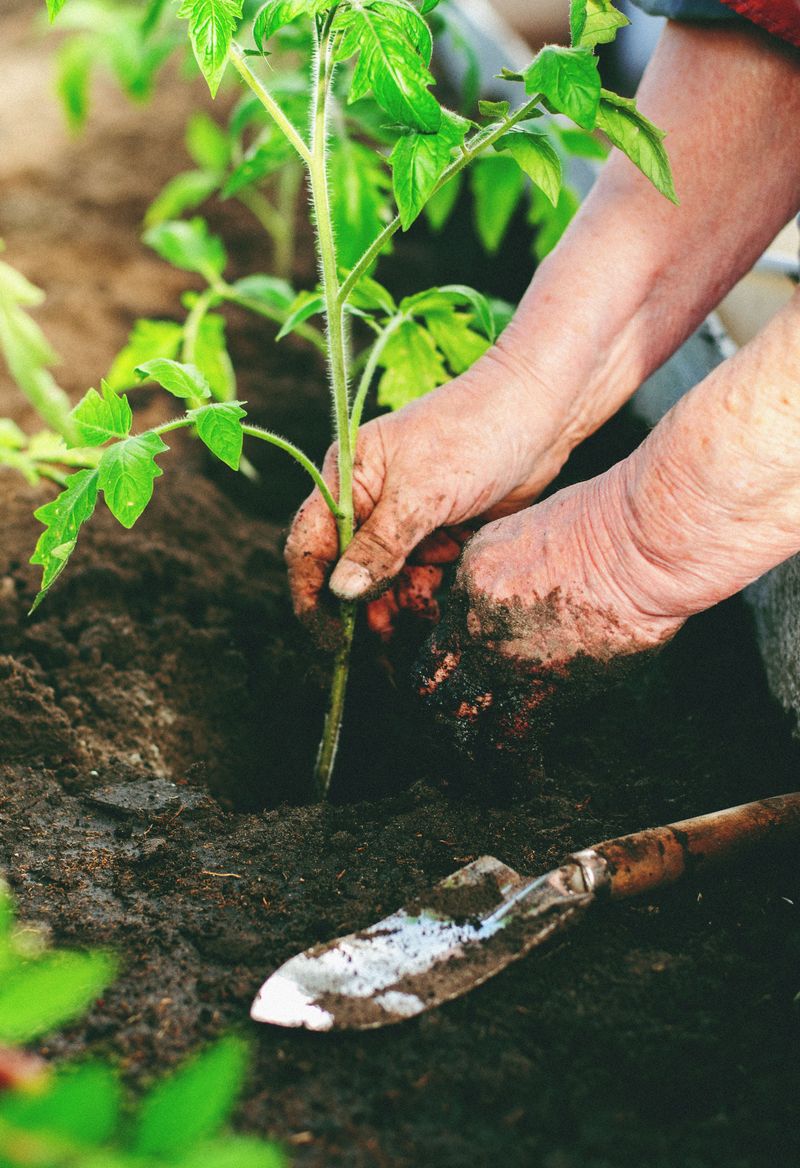
Starting strong feels smart, but overloading young tomato plants with fertilizer early in the season backfires badly. Too many nutrients at once overwhelm the root system before it is ready to handle them.
Excess fertilizer early on pushes plants into aggressive vegetative growth. They get tall and leafy fast, but that early surge comes at the cost of later fruit production and ripening speed.
Young tomato plants need a gentle, balanced start, not a flood of nutrients. Think of it like feeding a toddler: small, steady portions beat one overwhelming meal every time.
Overfed seedlings also become more vulnerable to pests and disease. Soft, fast-growing tissue from fertilizer overload is exactly what aphids and fungal infections love to target.
A starter fertilizer with a mild, balanced ratio works best for transplants in their first two to three weeks. Once roots establish and the plant shows steady growth, you can gradually increase feeding.
Slow-release fertilizers mixed into the planting hole at transplant time offer a safer approach than liquid feeding right away. They release nutrients gradually as the plant grows and can actually use them.
Watching your plants instead of following a rigid schedule is the better long-term strategy. Healthy dark green leaves and steady growth mean your feeding rate is working just right.
Pulling back early gives your plants room to develop naturally. A slower start often leads to a faster, more productive ripening phase when it counts the most.
6. Choosing The Wrong Fertilizer Ratio
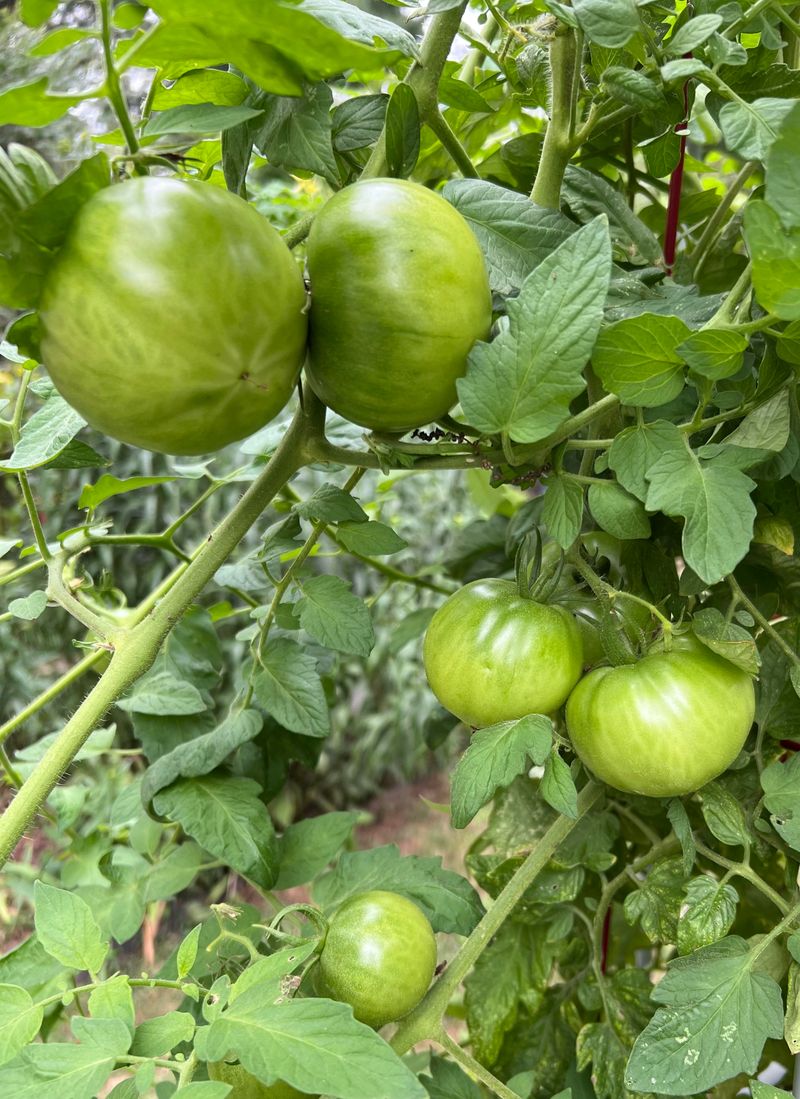
Walk down any garden center aisle and you will find dozens of fertilizers, each with a different number combination on the label. Picking the wrong one for your tomato’s current stage is a mistake that costs weeks of ripening time.
That three-number code on every bag represents nitrogen, phosphorus, and potassium in that exact order. Understanding what each number means changes how you shop and how your garden performs.
A 10-10-10 all-purpose fertilizer sounds balanced, but it is not always right for tomatoes in the fruiting stage. Too much nitrogen at that point keeps pushing leafy growth when you need the plant focused on fruit.
For fruiting and ripening, look for a ratio where the second and third numbers are higher than the first. Something like 5-10-10 or 3-9-9 signals a formula designed to support fruit development over foliage.
Tomato-specific fertilizers take the guesswork out of the process. They are formulated to match what tomatoes actually need at each stage, from transplant through harvest.
Reading the label carefully before buying saves you from making a costly swap mid-season. Some fertilizers labeled for vegetables are still too nitrogen-heavy for fruiting crops like tomatoes.
Organic options like fish emulsion and kelp meal offer gentler, more balanced nutrition that is harder to overdo. They also improve soil biology over time, which benefits your whole garden long-term. Choosing the right bag can shift your whole season.
7. Fertilizing Without Testing Soil First
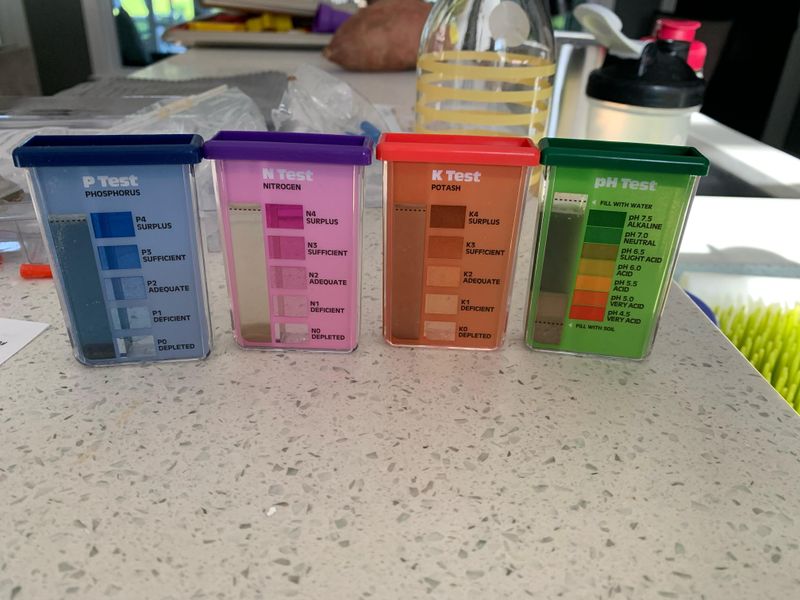
Guessing your soil’s nutrient levels is like driving blindfolded and hoping for the best. You might get lucky, but the odds are not in your favor.
Fertilizing without a soil test means you could be adding nutrients your soil already has in excess. That imbalance locks out other nutrients and slows your tomatoes down in ways that are hard to diagnose.
Home soil test kits are inexpensive and widely available at garden centers and online retailers. They give you a basic reading of pH, nitrogen, phosphorus, and potassium within minutes.
For a more detailed picture, your local cooperative extension office often offers low-cost professional testing. The results come with specific amendment recommendations tailored to your region and crop.
Soil pH has an enormous impact on nutrient availability. Even if your soil has plenty of potassium and phosphorus, a pH that is too high or too low keeps those nutrients locked away from plant roots.
Tomatoes prefer a pH between 6.0 and 6.8 for optimal nutrient absorption. Outside that range, even a perfect fertilizer application will not deliver the results you are expecting.
Testing once a season is enough for most home gardens. Early spring, before you plant, is the ideal window to test and amend so your soil is ready when transplants go in.
Skipping the test is one of the sneakiest fertilizing mistakes that delay tomato ripening. A ten-minute test at the start of the season can help your harvest avoid a frustrating stall.
8. Overwatering After Heavy Fertilizer Application
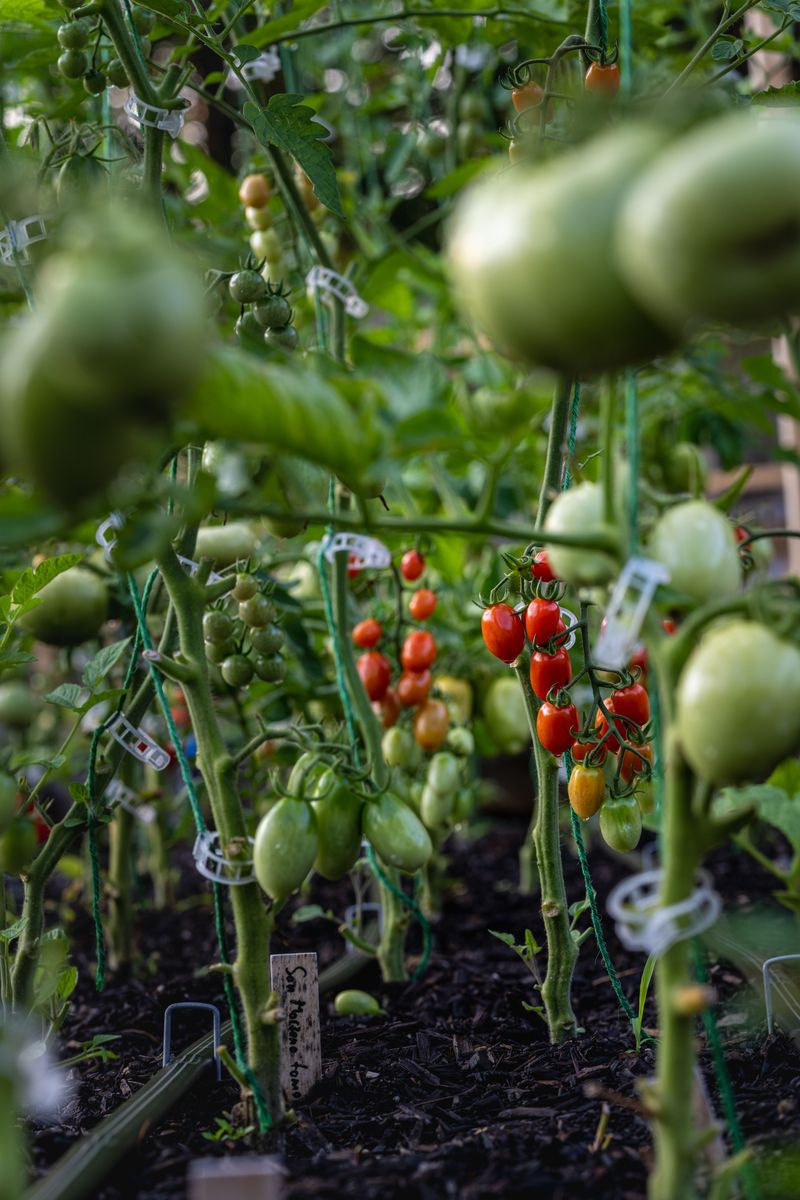
Fertilizing and then flooding your garden is one of the fastest ways to undo all your hard work. Water and fertilizer need to work together, not against each other.
When you overwater right after a heavy application, nutrients wash straight past the root zone before plants can absorb them. You end up with nutrient runoff, wasted money, and tomatoes that are no closer to ripening.
Excessive moisture also dilutes the fertilizer concentration in the soil. That means your plants get a fraction of what you intended, which stalls the ripening process instead of supporting it.
Overwatering on its own stresses tomato roots by cutting off oxygen in the soil. Add a heavy fertilizer load on top of that, and you have a recipe for root damage and delayed development.
A good watering practice after fertilizing is to moisten the soil just enough to activate the nutrients without saturating the ground. Deep, infrequent watering beats shallow, frequent soaking every time.
Drip irrigation is an excellent tool for maintaining consistent moisture without overdoing it. It delivers water slowly and directly to the root zone, reducing runoff and keeping fertilizer where it belongs.
Mulching around your plants also helps regulate soil moisture between waterings. A two to three inch layer of straw or wood chips slows evaporation and prevents the wet-dry extremes that stress tomato plants.
Fixing fertilizing mistakes that delay tomato ripening sometimes starts with the hose, not the fertilizer bag. Water smarter, and your tomatoes will ripen on schedule.