7 Signs Your Tomatoes Are Low On Calcium And How To Fix It
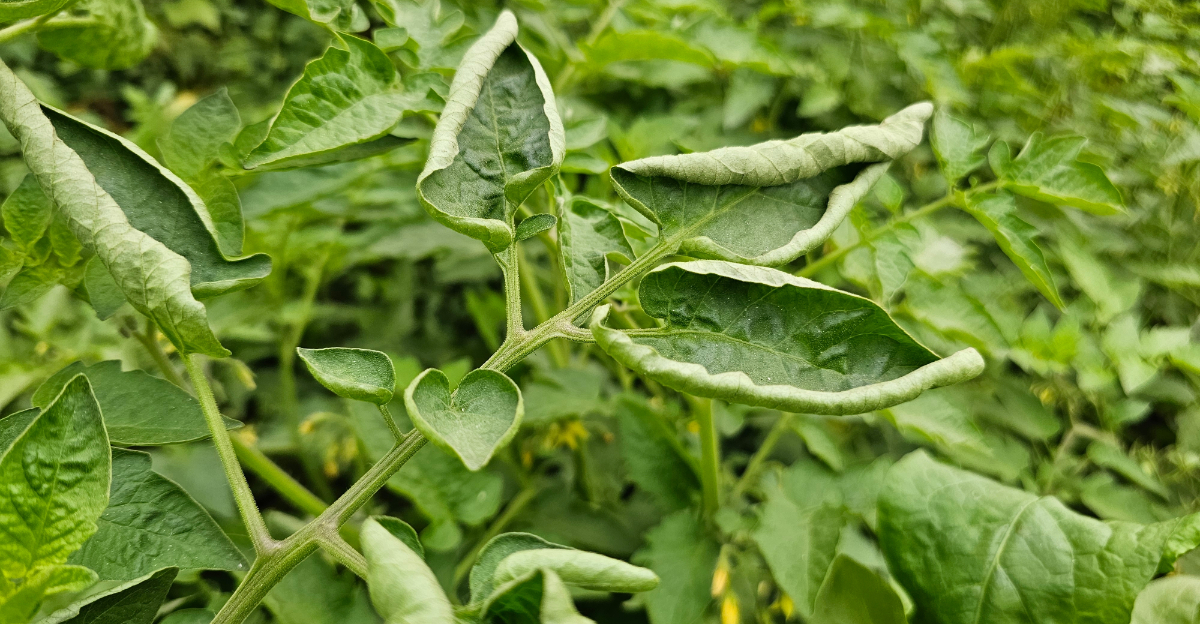
Your tomato patch was thriving just days ago, and now the leaves are curling like they’re bracing for something. Spots creep across the foliage, blossoms drop before they even open, and fruit stalls halfway to ripe.
Something invisible is pulling the plant apart from the inside, and most gardeners chase the wrong culprit for weeks. Pests get blamed, watering gets adjusted, and the real cause keeps working underground.
Tomatoes are surprisingly picky about one thing buried deep in the soil, and when it runs short, the plant starts sending out warning signals nobody thinks to read correctly. Fruit cracks near the bottom, leaves twist inward, and growth slows to a crawl.
When you find out what these signals actually mean, the whole plant starts making sense again. What looked like random bad luck turns out to have one clear, fixable source.
Dark Sunken Spots Forming On Fruit Bottoms
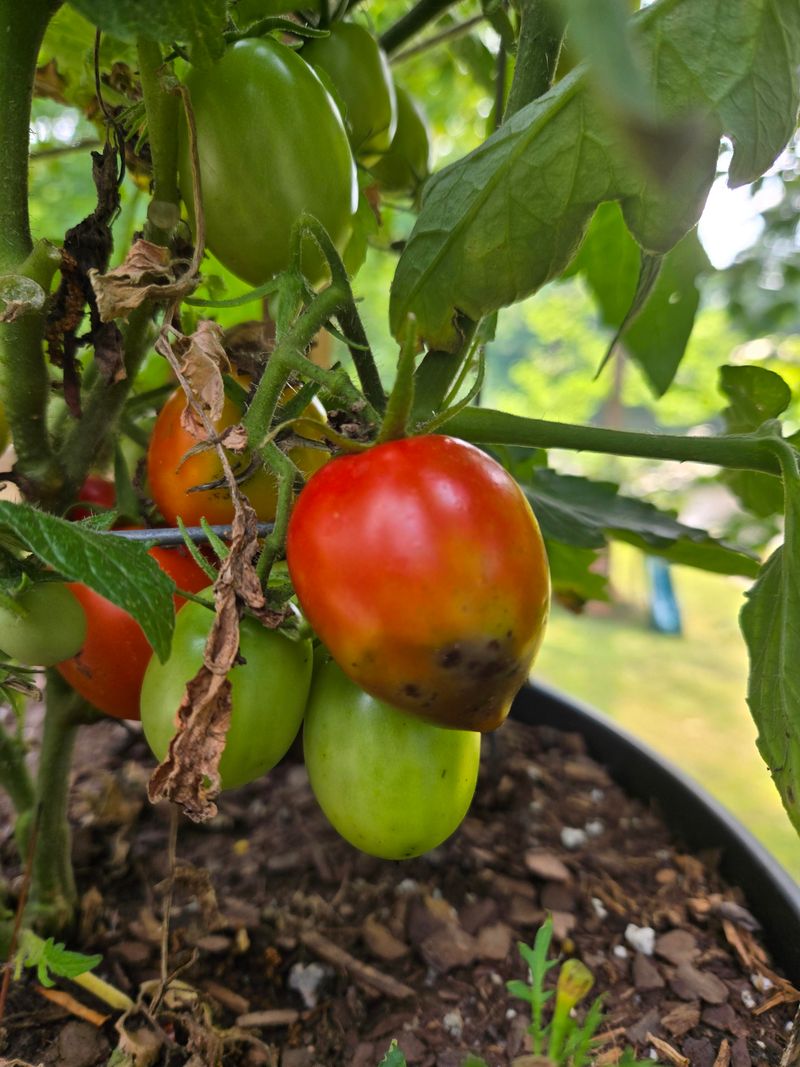
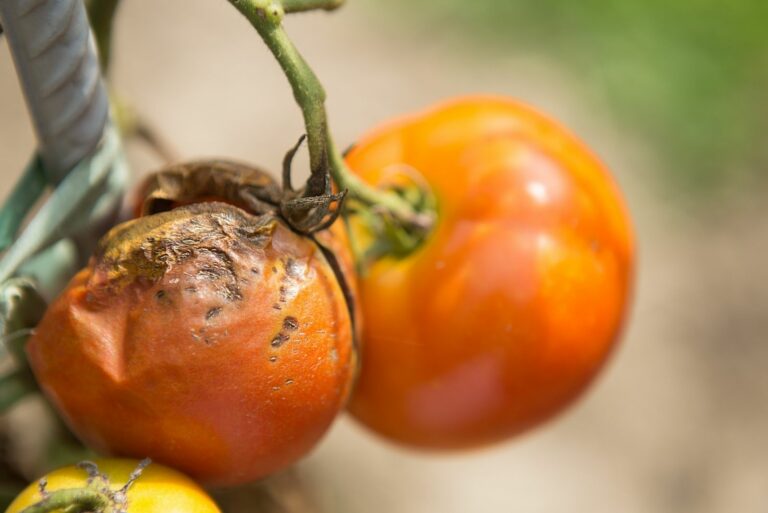
That dark, mushy patch on the bottom of your tomato is not a bug bite. It is one of the most recognized signs of calcium deficiency, called blossom end rot.
The bottom of the fruit turns brown, then black, then sinks inward. It looks almost like the tomato is rotting from the inside out.
Calcium helps build the cell walls inside developing fruit. Without enough of it, those cells collapse under pressure as the fruit grows.
The damage usually shows up when fruit is about half its full size. Once it appears, that section of the tomato rarely recovers.
Hot, dry weather speeds up this problem fast. Inconsistent watering makes it even worse because calcium moves through water inside the plant.
If your soil has plenty of calcium but your plants still show this sign, the issue might be uptake. Roots struggling to absorb water simply cannot pull enough calcium up to the fruit.
Mulching around the base of your plants helps keep soil moisture steady. Steady moisture means steadier calcium movement through the whole plant.
Cut open an affected tomato and you will see brown, dry tissue underneath. That internal damage confirms calcium stress, not a pest or disease.
Check multiple plants to see if the pattern repeats. Widespread spotting across your garden strongly points to a nutrient problem worth addressing right away.
New Leaves Appearing Curled Or Crinkled
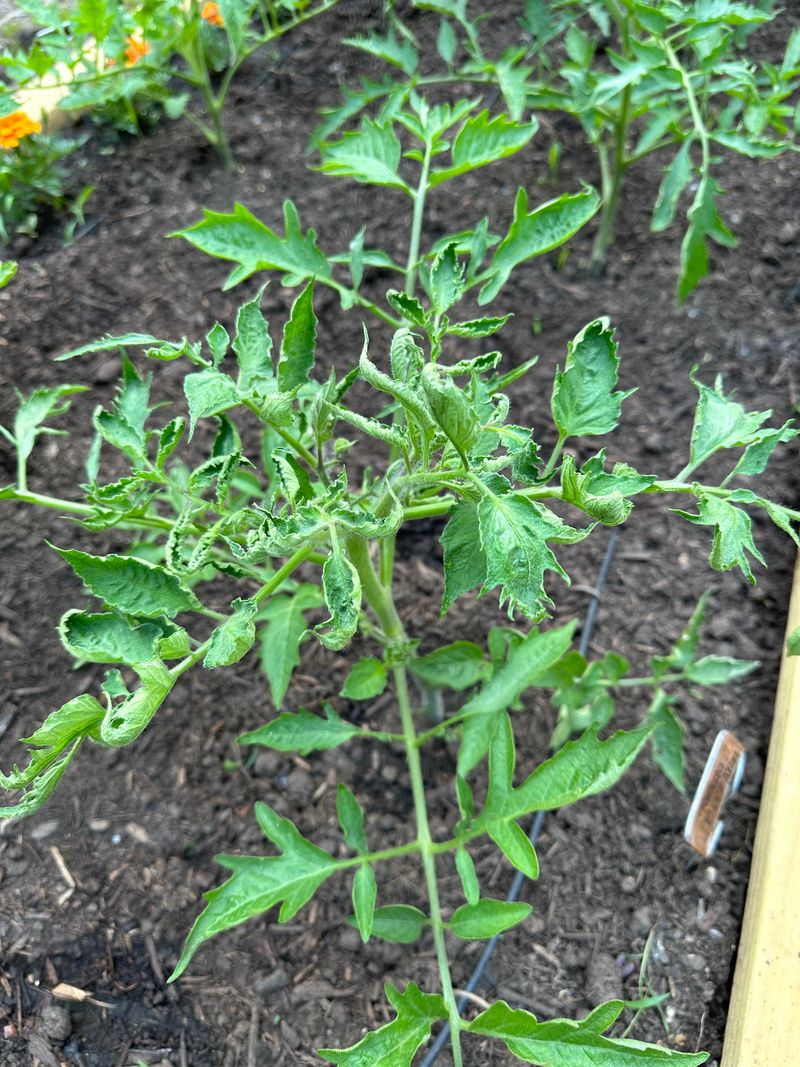
Young leaves that look twisted or crinkled are not just having a bad day. They are sending a distress signal straight from the growing tip of your plant.
Calcium is critical for new cell development. When supply runs low, the newest, fastest-growing parts of the plant suffer first.
Those tender young leaves at the top of the plant need a constant calcium flow. Without it, their edges curl inward and the surface looks puckered or wrinkled.
This symptom is easy to confuse with pest damage or viral disease. Look closely for chew marks or sticky residue before blaming calcium alone.
If the leaves look distorted but clean, without bugs, calcium is likely the culprit. The distortion tends to be consistent across multiple new leaves at once.
Older leaves on the same plant usually look fine. That is the key clue that separates calcium deficiency from most other nutrient problems.
Calcium does not move easily from older plant tissue to newer growth. So even if lower leaves are healthy, upper growth can still starve for it.
Warm, humid conditions can slow calcium movement in plants even further. Good air circulation around your plants can actually help nutrient flow improve.
Pinch off a few affected leaves and check the stem beneath for firmness. A strong stem with crinkled leaves above almost always points to a calcium delivery problem worth fixing soon.
Leaf Tips And Margins Turning Brown
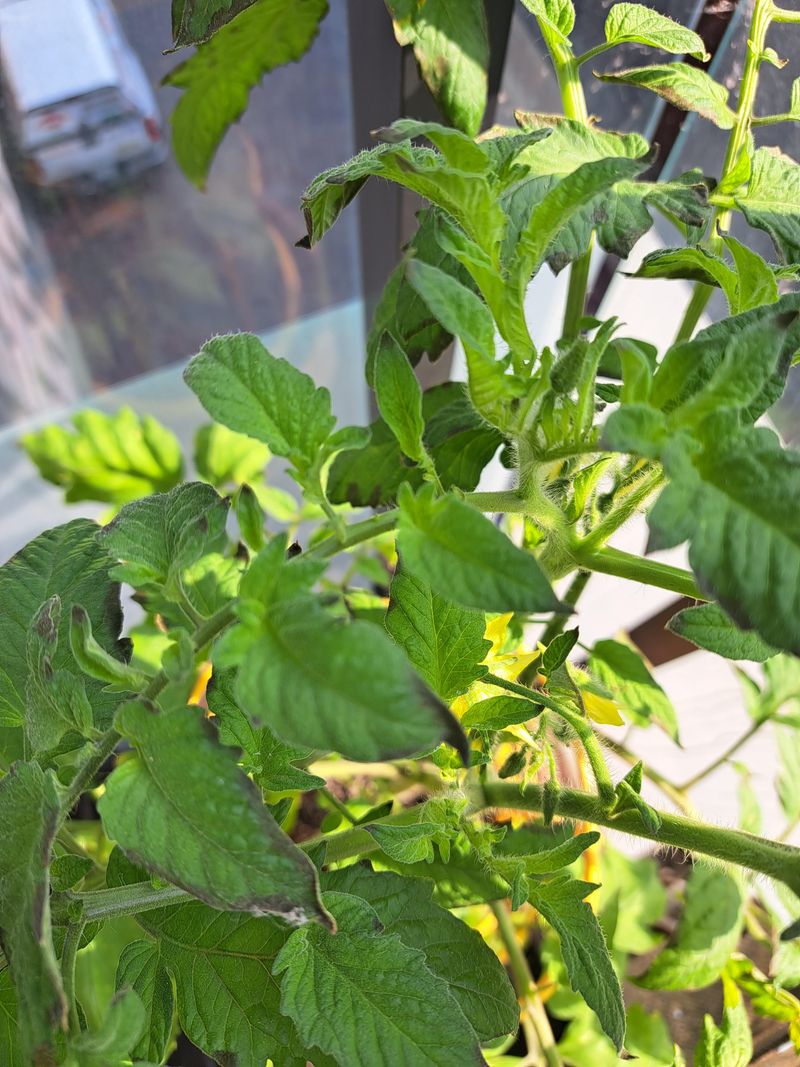
Brown leaf edges on tomatoes look like sunburn, but the sun is not always to blame. Calcium deficiency can scorch leaf tips and margins in a very similar way.
When calcium runs short, the plant cannot properly regulate water pressure inside leaf cells. Those outer edges dry out and turn crispy brown.
This symptom often appears first on younger leaves near the top of the plant. The browning usually starts at the very tip and works its way inward along the edges.
Affected leaves stay attached to the stem, unlike leaves damaged by disease. The rest of the leaf often stays green, making the brown edges stand out sharply.
Gardeners sometimes mistake this for fertilizer burn or drought stress. A simple soil test can help rule out other causes before you start treating.
High nitrogen levels in the soil can actually block calcium absorption. If you recently added a nitrogen-heavy fertilizer, that could be making things worse.
Calcium and magnesium compete for the same uptake pathways in plant roots. Too much magnesium in the soil can reduce how much calcium your tomatoes actually absorb.
Watering deeply and evenly gives roots a better chance to pull up available nutrients. Shallow watering keeps roots near the surface where calcium levels are often lowest.
Fixing the browning starts with understanding the root cause. A targeted approach works far better than guessing and adding random supplements to the soil.
Stunted Growth In Younger Shoots
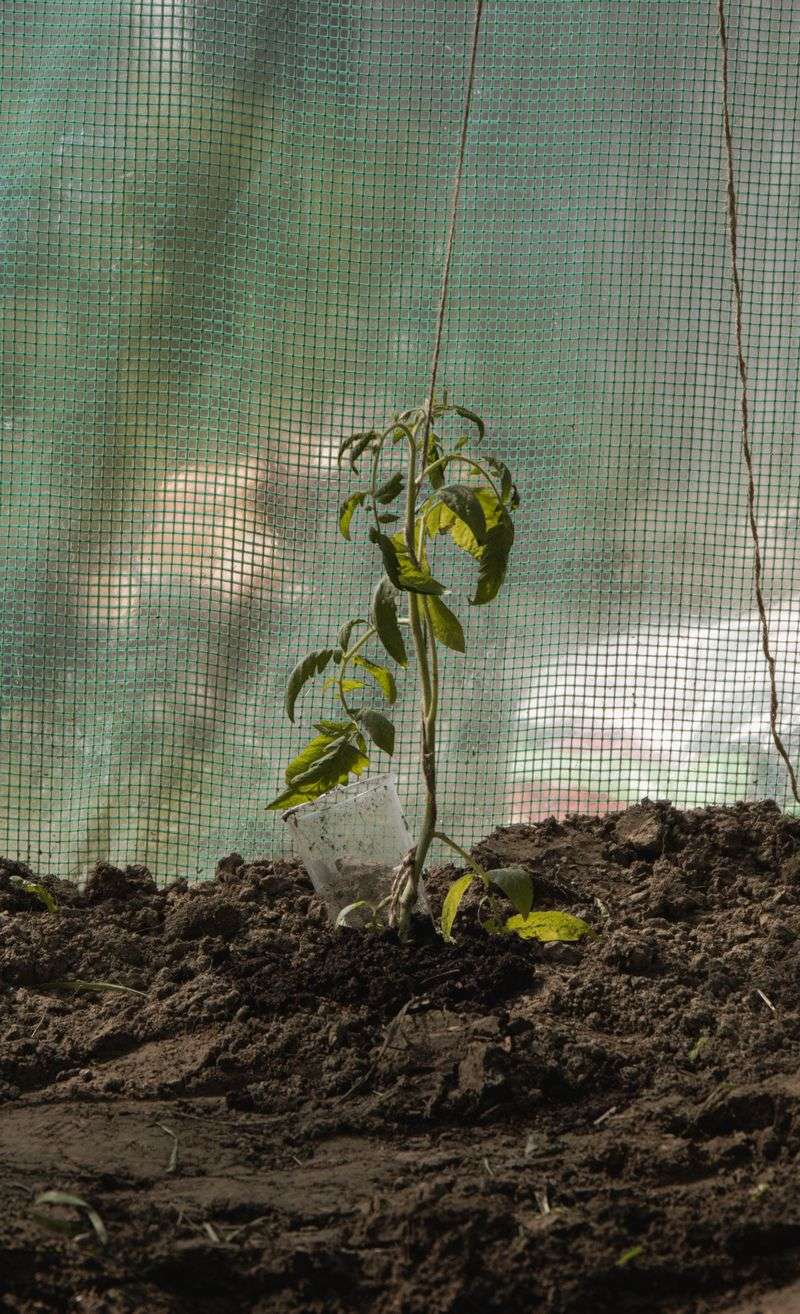
Slow-growing tomato shoots are frustrating when the rest of the garden seems to be thriving. Calcium deficiency is a common reason new growth stalls out or barely moves at all.
New shoots need calcium to build strong, rigid cell walls. Without it, cells cannot divide and expand the way they should during active growth periods.
You might notice that the top of your plant looks smaller than it did a week ago. Growth that should be vigorous and upward can look almost frozen in place.
Compare the size of your newest shoot to photos you took earlier in the season. A dramatic slowdown in growth rate is a reliable warning sign worth taking seriously.
Calcium deficiency in younger shoots often shows up alongside other symptoms. Curled leaves, brown tips, and stunted shoots together paint a very clear picture.
Soil pH plays a huge role in calcium availability. When soil is too acidic, calcium bonds to other particles and becomes far less available to plant roots, even when levels in the soil are high.
Testing your soil pH before adding anything is a smart first step. Lime can raise pH and add calcium at the same time, making it a two-for-one solution.
Foliar sprays can deliver calcium directly to the leaves and shoots. This bypasses soil issues and gets nutrients to struggling growth faster than soil amendments alone.
Healthy new shoots should feel firm and look bright green. Soft, pale, or barely-there shoots are a clear sign your tomatoes are asking for help.
Fruit Developing A Leathery Texture
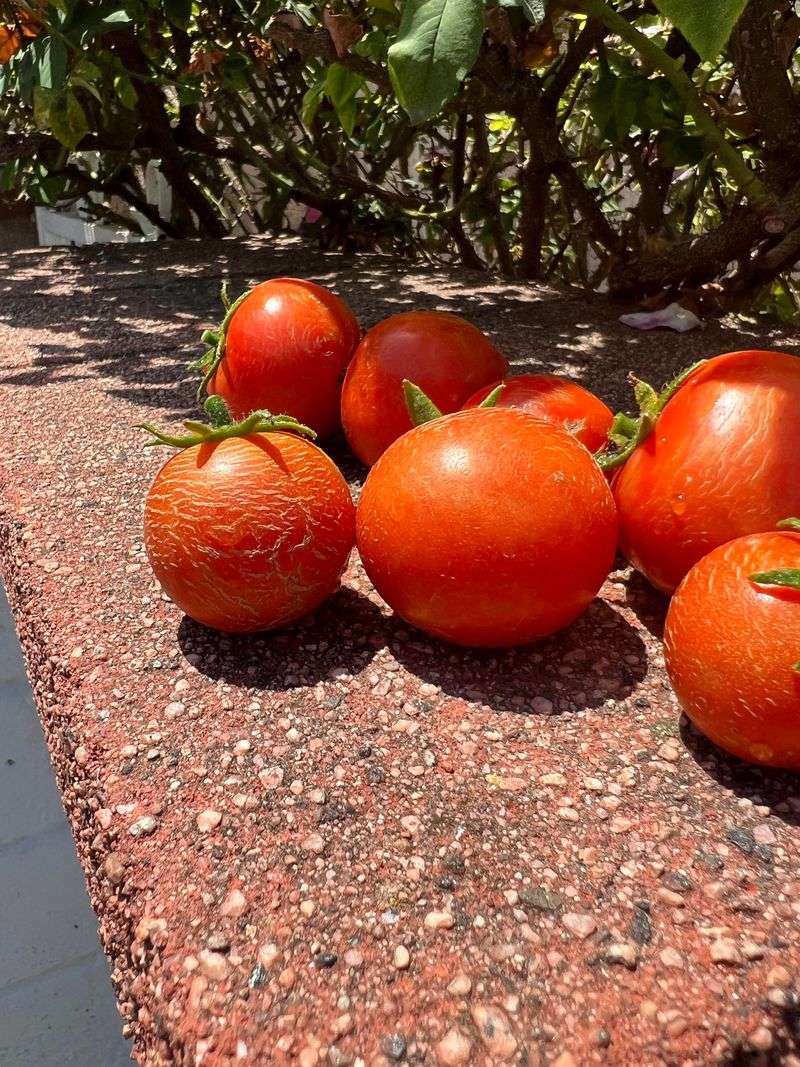
Biting into a tomato that feels more like rubber than fruit is not what any gardener hopes for. A leathery texture on ripening tomatoes is often tied directly to calcium problems.
Calcium helps maintain the structure of fruit skin cells. When those cells do not get enough, the skin loses its elasticity and toughens up as the fruit matures.
Leathery tomatoes often look fine from the outside at first glance. The problem becomes obvious only when you pick them and press gently with your thumb.
Normal tomato skin gives slightly under light pressure. Calcium-deficient skin feels stiff and resistant, almost like the surface has been dehydrated from the inside.
This texture issue is separate from blossom end rot but can show up alongside it. Both symptoms come from the same underlying shortage of available calcium in the plant.
Temperature swings during fruit development can worsen the problem. Rapid heating and cooling stress the plant and reduce its ability to move calcium efficiently.
Tomatoes grown in containers face this issue more often than garden-grown plants. Containers dry out faster, which interrupts calcium flow more frequently throughout the growing season.
Adding a layer of organic mulch around container plants slows moisture loss significantly. Consistent soil moisture is one of the simplest ways to support steady calcium absorption.
Leathery fruit is still edible in most cases, but the texture and flavor suffer. Catching and fixing calcium issues early keeps your harvest both beautiful and genuinely delicious.
Roots Appearing Stubby Or Underdeveloped
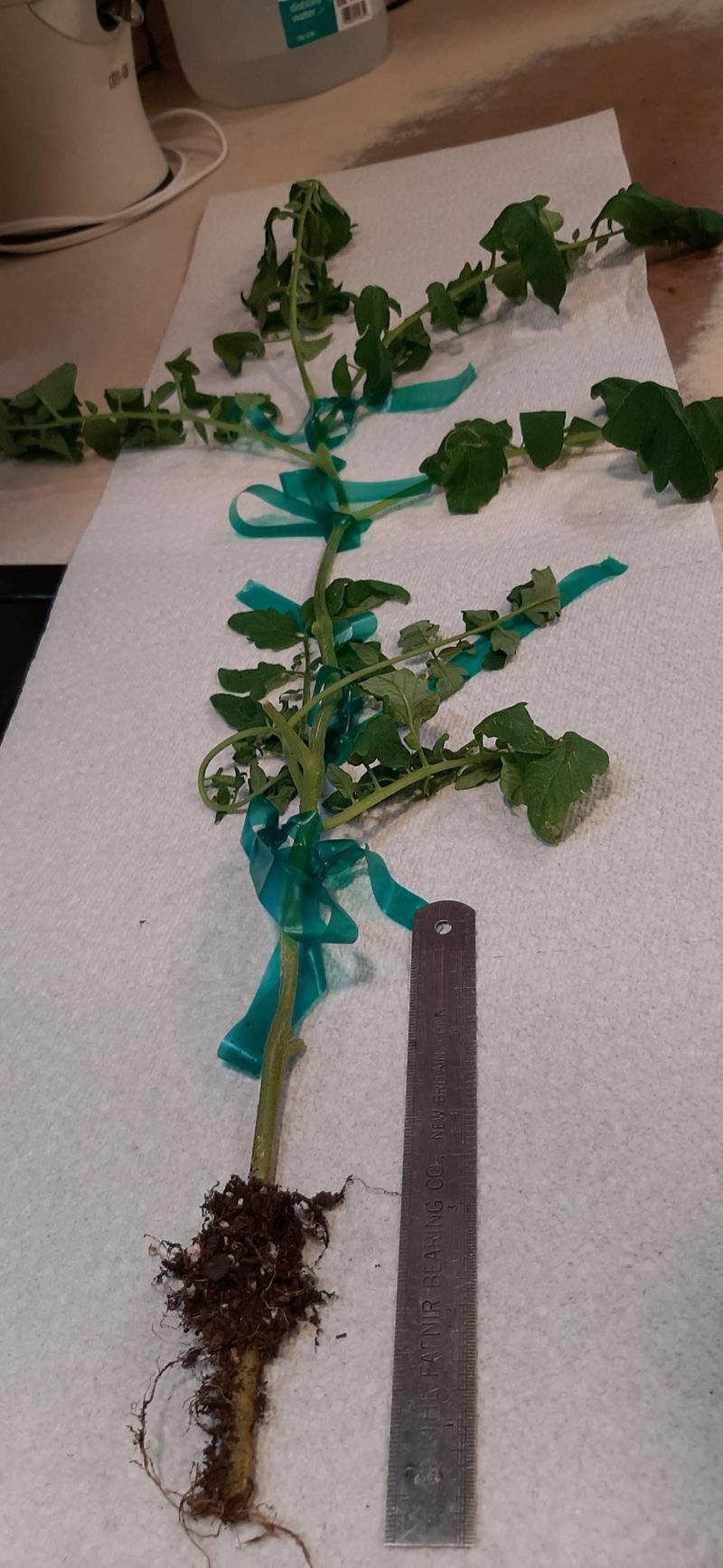
Healthy tomato roots look like a thick, white, sprawling web. Roots that are short, brown-tipped, or barely branched are a red flag hiding just beneath the soil surface.
Calcium is essential for root tip development. Without it, the growing points at root ends stop expanding and the whole root system becomes limited and inefficient.
Stubby roots cannot reach deep soil layers where moisture and nutrients tend to concentrate. The plant ends up struggling even when the surrounding soil is actually rich in nutrients.
You can check root health by gently removing a plant from a container or loosening soil around one plant’s base. Healthy roots are white and flexible, while calcium-starved roots look short and brittle.
Compacted soil makes root development even harder for calcium-deficient plants. Loosening the soil around your tomatoes allows roots more room to push outward and downward.
Overwatering can also damage roots and mimic calcium deficiency symptoms. Make sure you are not drowning your plants while trying to improve calcium delivery.
A balanced approach to watering, one that keeps soil moist but never soggy, supports both root health and nutrient absorption. Roots need oxygen as much as they need water to function well.
Adding compost to your planting area improves soil structure significantly. Better structure means better root growth, and better roots mean better calcium uptake all season long.
Strong roots are the foundation of a productive tomato plant. Fix the roots, and the rest of the plant has a real chance to recover and thrive.
Blossoms Dropping Before Fruit Sets
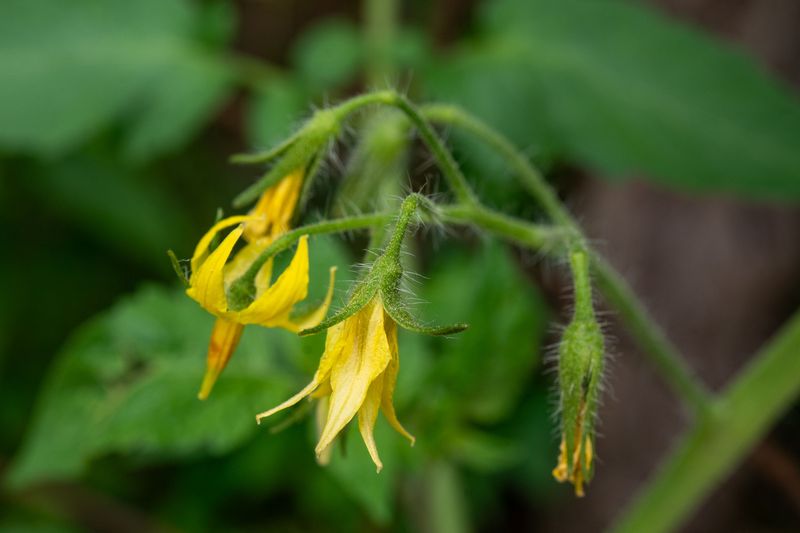
Watching tomato blossoms fall off before a single fruit forms leaves most gardeners searching for answers. Calcium deficiency is one cause that does not get enough attention.
Blossoms need calcium to develop the internal structures that support fertilization. Without adequate supply, the plant simply drops flowers it cannot sustain.
Blossom drop can also happen because of heat, cold snaps, or pollination problems. Ruling those out first helps you focus on calcium as the likely cause.
If temperatures have been steady and bees are active in your garden, calcium becomes a stronger suspect. Widespread dropping across multiple plants reinforces that suspicion.
Calcium-deficient plants often look otherwise healthy from a distance. Green leaves and a full canopy can mask the internal stress that causes blossoms to abort early.
Inconsistent watering is a major trigger for blossom drop in tomatoes. Calcium moves through water, so irregular moisture directly disrupts the nutrient supply that blossoms depend on.
Drip irrigation is one of the best tools for keeping soil moisture steady. A consistent moisture level supports calcium flow and gives every blossom a fighting chance to set fruit.
Foliar feeding with a calcium solution during the flowering stage can make a noticeable difference. Spraying directly on leaves and blossoms delivers nutrients fast when soil absorption is sluggish.
Every dropped blossom is a tomato you will not get to harvest. Addressing calcium early in the flowering stage protects your yield before losses add up.
Fast Fixes To Restore Calcium Balance
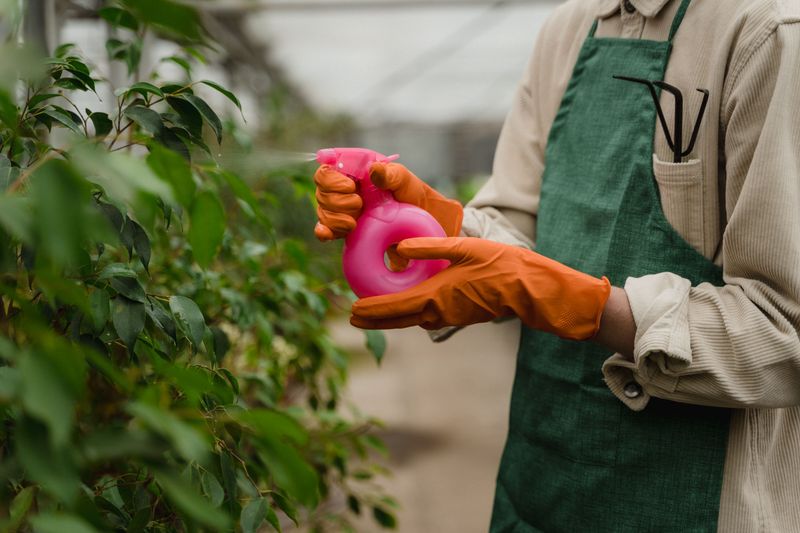
Calcium deficiency in tomatoes is one of the more fixable nutrient problems you will face. A few targeted steps can turn things around surprisingly fast.
Foliar sprays containing calcium chloride or calcium nitrate work quickly. Mix according to package directions and apply directly to leaves and developing fruit early in the morning.
Crushed eggshells are a popular home remedy, but they break down slowly in soil. For a faster fix, liquid calcium products available at garden centers work much more efficiently.
Gypsum is another solid option for adding calcium without changing soil pH. It works well in already-alkaline soils where lime would push pH too high.
Agricultural lime raises both pH and calcium levels at the same time. Use it when a soil test confirms your pH is below 6.2, which is a common threshold for tomatoes.
Consistent watering is non-negotiable when fixing calcium deficiency. Even with plenty of calcium in the soil, dry conditions make it much harder for roots to absorb it properly.
Mulching with straw or wood chips slows evaporation and keeps moisture levels stable. Apply a two-to-three inch layer around each plant for the best results.
Avoid over-fertilizing with high-nitrogen products while treating calcium issues. Excess nitrogen speeds leafy growth but competes with calcium uptake at the root level.
Catching calcium deficiency early and acting fast gives your tomatoes the best chance at a full, healthy harvest. Your plants are tougher than they look, and with the right support, they will bounce back strong.