Few Plants Handle Texas Heat Like This Native Flower
Texas heat has a way of revealing which plants are truly built for the job. Some flowers start strong in spring, then fade fast once the sun gets harsh and the dry weather settles in.
Others seem almost unfazed, holding onto their color and energy while the rest of the garden looks tired. That kind of performance gets attention fast, especially in a state where summer can push plants to their limits.
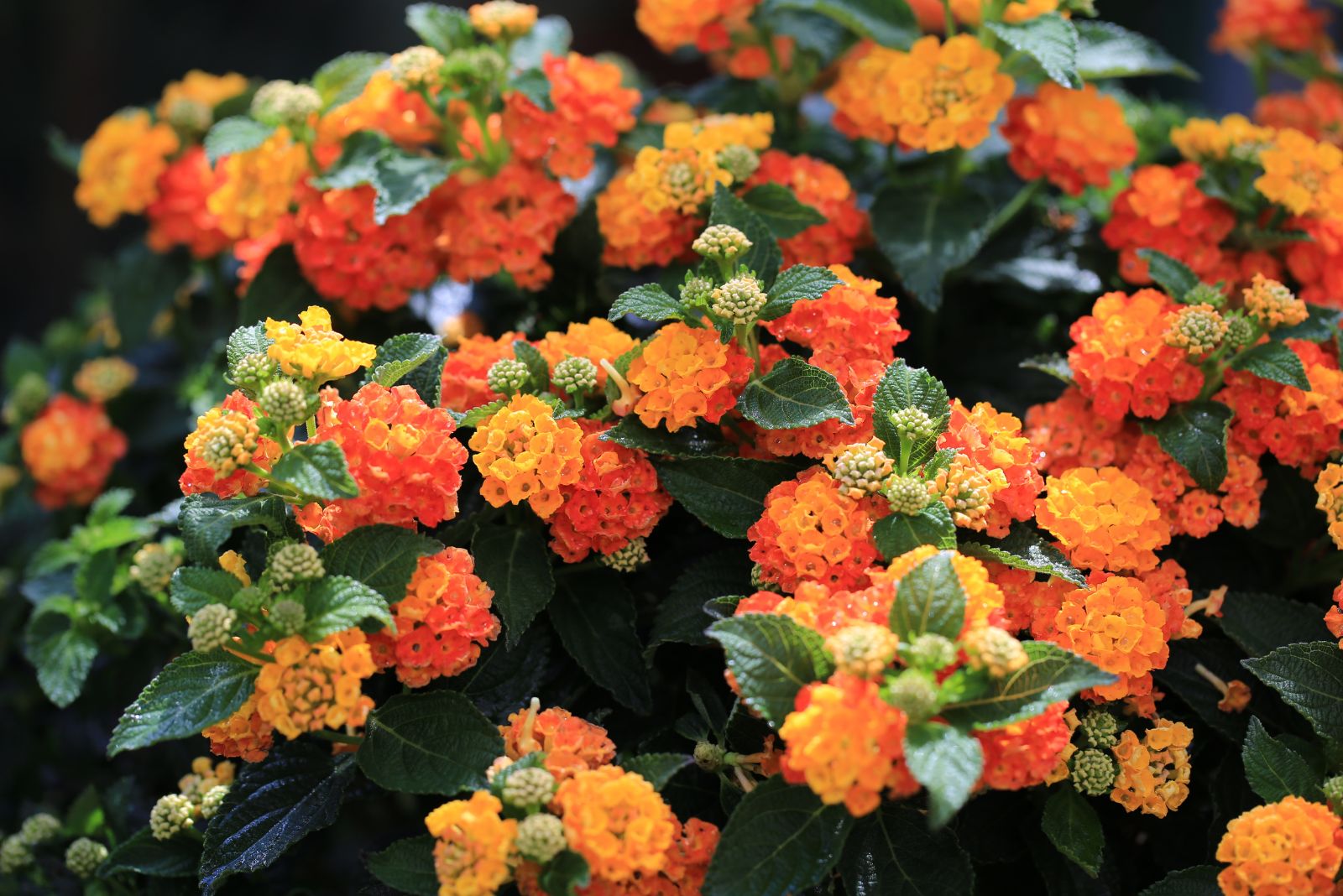
One native flower that keeps winning over Texas gardeners is lantana. It thrives in full sun, handles dry conditions with surprising ease, and keeps producing bright clusters of blooms when many other plants begin to slow down.
It also brings extra life to the yard by attracting butterflies and other pollinators, which makes the whole garden feel more active and vibrant.
There is a reason this plant shows up in so many Texas landscapes. It is cheerful, dependable, and not overly demanding.
For gardeners who want something that can take the heat and still put on a show, lantana has a way of proving itself again and again.
The Ultimate Heat-Loving Flower For Texas Gardens
Picture this: it is July in Texas, the thermometer reads 104 degrees, and your garden looks like it gave up weeks ago. Most flowers have wilted, turned brown, or simply stopped blooming.
But right there in the middle of all that heat, lantana is still bursting with color. That is the kind of toughness that makes this plant legendary among Texas gardeners.
Lantana is a native and naturalized flowering plant that has adapted perfectly to the intense climate of Texas. It thrives in full sun and handles long stretches without rain like a champ.
While other plants need constant watering and babying, lantana just keeps going. It does not ask for much, and it gives back a whole lot in return.
Across Texas, from the dry plains of West Texas to the humid neighborhoods of Houston, lantana shows up and performs beautifully. Gardeners who have struggled with other plants often say lantana was the game-changer for their yard.
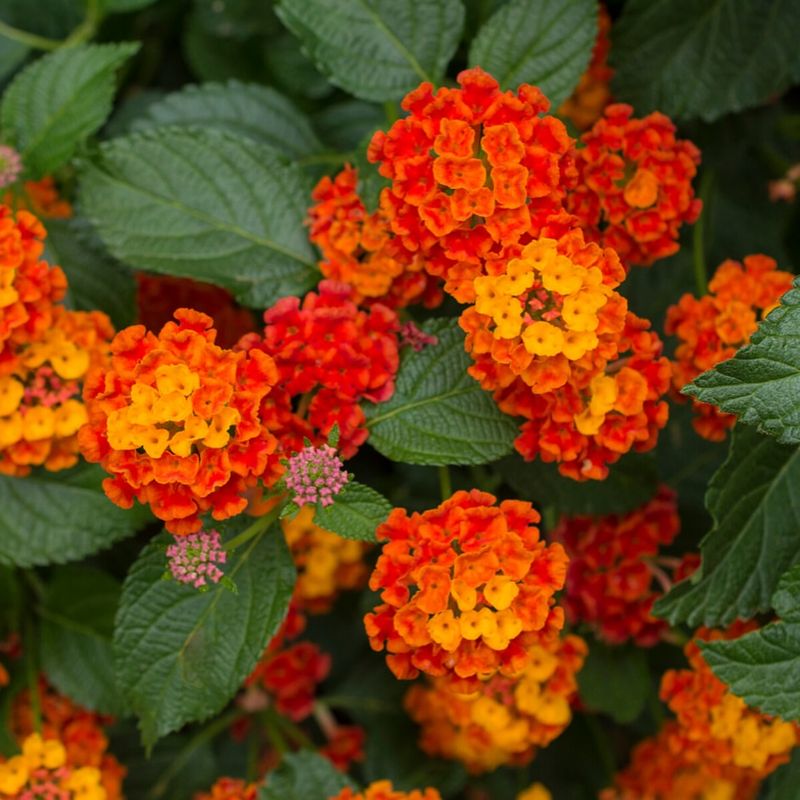
It comes in a wide range of colors including yellow, orange, red, pink, purple, and white, so there is something for every style.
Even beginners can grow lantana successfully. You do not need fancy tools, expensive fertilizers, or a green thumb to make it work.
Plant it in a sunny spot, water it occasionally while it gets established, and then step back and watch it thrive. Texas summers can be brutal, but lantana was practically built for them.
If you want a plant that looks great all season long without constant effort, this is the one to grow.
Why Lantana Thrives In Extreme Texas Heat?
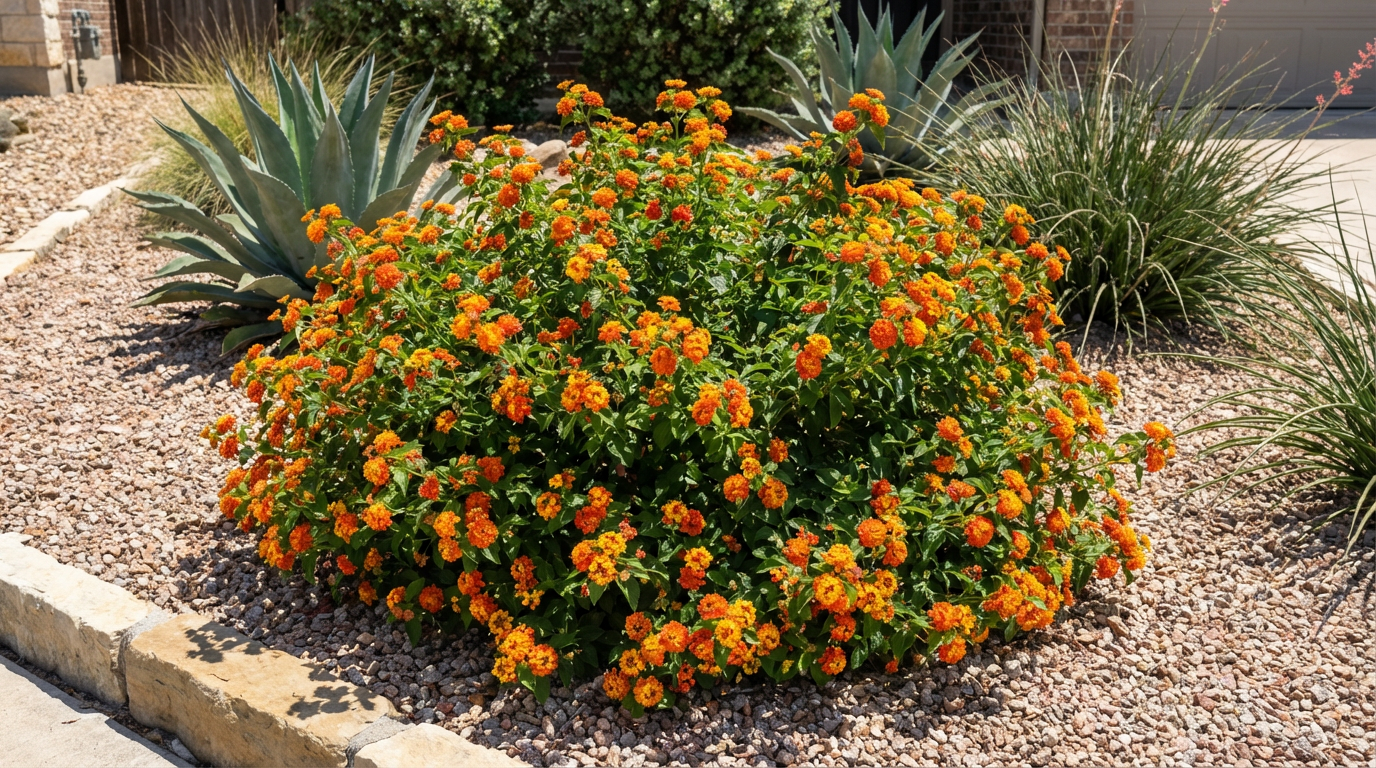
Not every plant can handle what Texas throws at it. Scorching sun, dry spells that last for weeks, and rocky or sandy soils that drain fast are just part of life here.
Lantana, however, evolved alongside these exact conditions, which is why it handles them so naturally and effortlessly.
One of lantana’s biggest strengths is its deep, efficient root system. As the plant matures, its roots reach deeper into the soil to find whatever moisture is available.
This means that even during a long dry stretch, lantana can keep pulling up enough water to stay healthy and keep blooming. Most other plants simply cannot do that.
Lantana also has thick, slightly waxy leaves that help it hold onto moisture. When the Texas sun is blazing down, those leaves slow down water loss and keep the plant from drying out too quickly.
It is a smart natural design that works incredibly well in the Texas climate. Poor soil is another challenge that lantana handles without any trouble. Many parts of Texas have thin, rocky, or nutrient-poor ground that discourages plant growth.
Lantana actually prefers lean soil over rich, heavily amended beds. Too much fertilizer can reduce flowering, so the natural, low-nutrient Texas soil is often ideal.
Full sun exposure is where lantana truly shines. It needs at least six hours of direct sunlight every day, and it performs best with even more.
Shady spots will slow its growth and reduce blooms. In Texas, where sunshine is practically guaranteed all summer long, lantana gets exactly what it craves to put on a stunning show.
Key Benefits Of Growing Lantana In Your Landscape
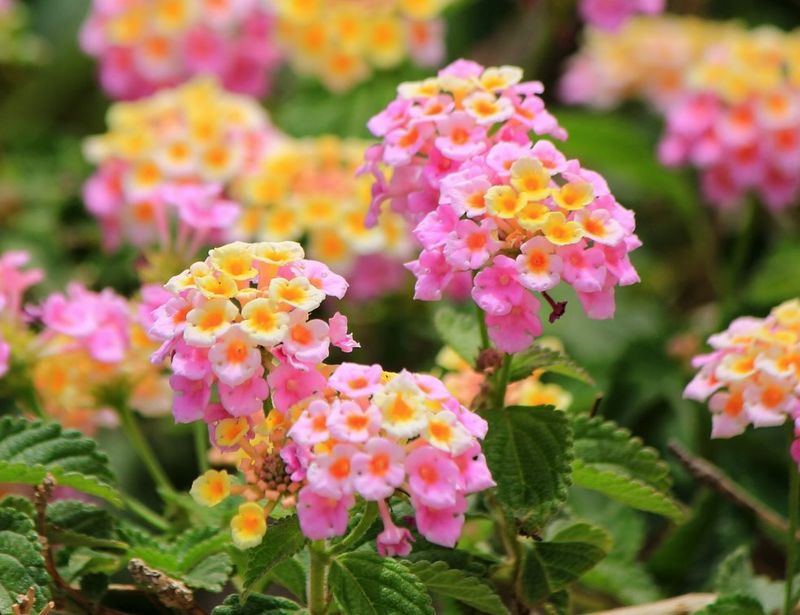
Ask any experienced Texas gardener why they love lantana, and you will get a long list of reasons fast. Beyond its ability to handle extreme heat, this plant brings a surprising number of benefits to any landscape.
It is not just tough; it is genuinely one of the most rewarding plants you can grow in the Lone Star State.
Low water needs top the list for most people. Once lantana is established in your garden, it rarely needs supplemental watering.
Rainfall alone is usually enough to keep it going, even during dry Texas summers. That saves time, money on water bills, and the stress of keeping up with an irrigation schedule.
Lantana also has one of the longest blooming seasons of any flowering plant in Texas. It starts producing colorful clusters of flowers in spring and keeps going strong all the way through the first frost of fall.
That is months of continuous color without replanting or much effort on your part. Pest resistance is another major plus. Deer tend to avoid lantana because of its strong scent, and most common garden insects leave it alone too.
That means fewer battles with plant damage and less need for pesticides or protective measures.
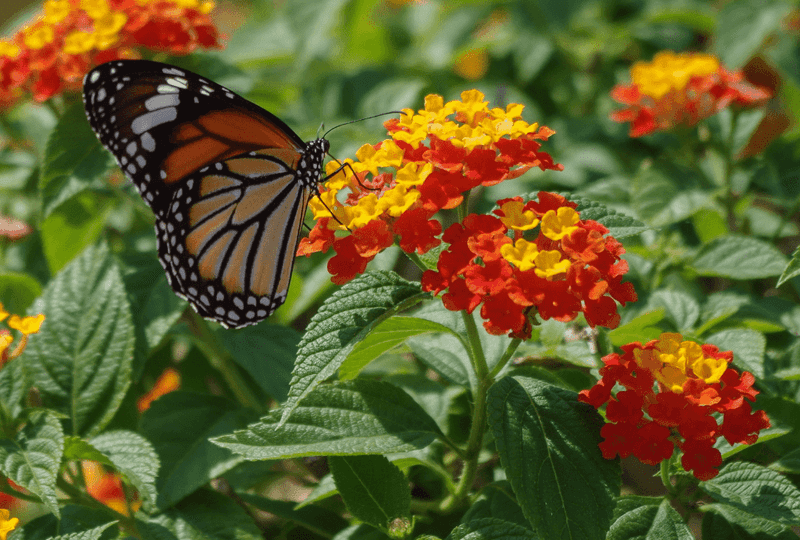
Perhaps the most exciting benefit is how lantana attracts pollinators. Butterflies absolutely love it, and you can expect to see monarchs, swallowtails, and skippers visiting regularly.
Bees and hummingbirds are drawn to it as well. Growing lantana in Texas turns your yard into a buzzing, fluttering, lively ecosystem that is a joy to watch all season long.
Best Growing Conditions For Healthy Lantana Plants
Getting lantana to grow well in Texas is not complicated, but understanding the right conditions from the start sets you up for the best results. A little planning before you plant goes a long way toward growing a healthy, full, and colorful lantana that lasts for years.
Sunlight is the most critical factor. Lantana needs a minimum of six hours of direct sun each day, though eight or more hours is even better.
In Texas, most outdoor spaces get plenty of sun, so finding the right spot is usually easy. Avoid planting near tall fences, trees, or structures that cast shade for long parts of the day. Well-draining soil is equally important. Lantana does not like to sit in wet or soggy ground.
If your yard has heavy clay soil, consider mixing in coarse sand or small gravel to improve drainage before planting. Raised garden beds are another excellent option for areas where drainage is a concern.
Spacing matters more than many people realize. Lantana spreads as it grows, and crowding plants together can limit airflow and lead to problems.
Give each plant at least two to three feet of space, depending on the variety. Larger trailing types may need even more room to spread out comfortably.
Container growing is a fantastic option for Texas patios and balconies. Use a pot with good drainage holes and a lightweight potting mix.
Containers heat up faster than garden beds, which lantana actually enjoys. Just check soil moisture a bit more often during the hottest weeks of summer, since pots dry out faster than ground soil does in Texas.
Common Mistakes To Avoid When Growing Lantana
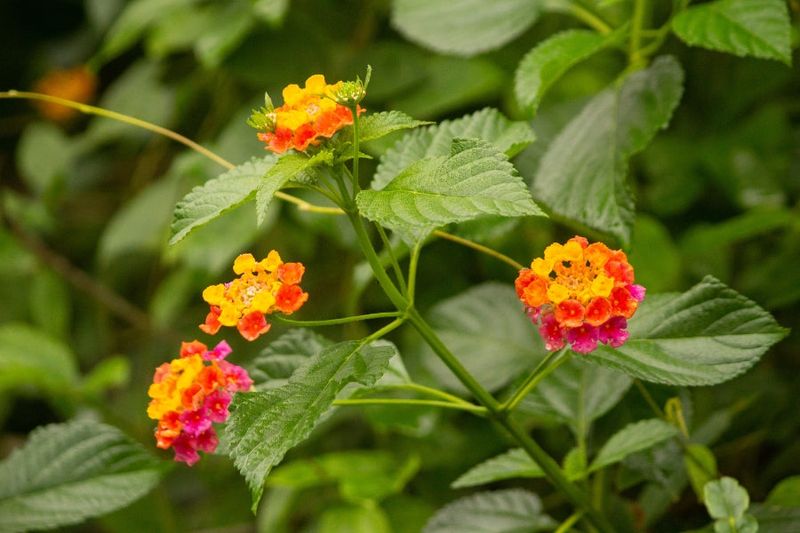
Lantana is forgiving, but that does not mean anything goes. A few common mistakes can seriously slow down its growth, reduce its blooms, or leave it looking weak and scraggly. Knowing what to watch out for saves you a lot of frustration down the road.
Overwatering is the number one mistake new growers make. It seems natural to water a plant generously, especially during hot Texas summers, but lantana actually prefers to dry out a bit between waterings.
Constantly wet soil suffocates the roots and can cause root rot, which weakens the whole plant quickly. Water deeply but infrequently, and always check that the top inch of soil is dry before watering again.
Planting in shade is another common error. Gardeners sometimes tuck lantana into a partially shaded corner thinking it will add color to a dim area.
Unfortunately, shade causes lantana to produce fewer flowers, grow lanky stems, and lose its compact shape. Always choose the sunniest spot available, especially in Texas where sunlight is abundant.
Using heavy, clay-rich soil without improving drainage can also limit how well lantana performs.
Clay holds too much moisture and compacts around roots, making it hard for the plant to breathe. If your Texas yard has clay-heavy ground, amend the soil or plant in a raised bed instead.
Over-fertilizing is a mistake that surprises many gardeners. Adding too much nitrogen-rich fertilizer encourages lots of leafy green growth but actually reduces the number of flowers the plant produces.
Lantana blooms best when it is slightly stressed and growing in lean soil, which is one reason it suits Texas conditions so naturally and so well.
How To Use Lantana In Texas Landscaping?
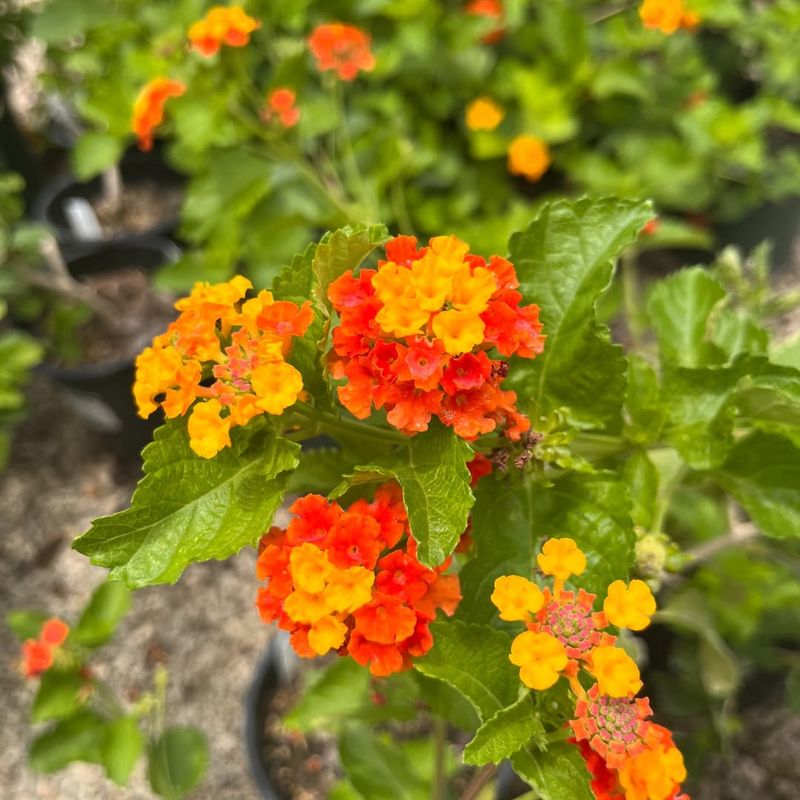
Once you fall in love with lantana, the fun part begins: figuring out all the creative ways to use it in your Texas landscape. This plant is incredibly versatile, and it works beautifully in a wide range of garden styles and settings.
Using lantana as a border plant is one of the most popular choices among Texas homeowners. Planted along walkways, driveways, or fence lines, it creates a colorful, low-growing edge that stays tidy with minimal trimming.
The constant blooms add curb appeal from spring all the way through fall without much effort at all.
Ground cover is another smart use, especially for slopes or large open areas where grass is hard to maintain. Trailing lantana varieties spread wide and low, covering bare ground with a thick mat of color.
In Texas, where water conservation matters, using lantana as ground cover instead of turf grass can significantly reduce your outdoor water use.
Pollinator gardens are a natural fit for lantana. Pair it with other Texas-friendly natives like mealy blue sage, rock rose, or Gregg’s mistflower to create a wildlife-friendly space that hums with activity all season.
Native bees, monarch butterflies, and hummingbirds will visit regularly, turning your yard into a small but meaningful habitat.
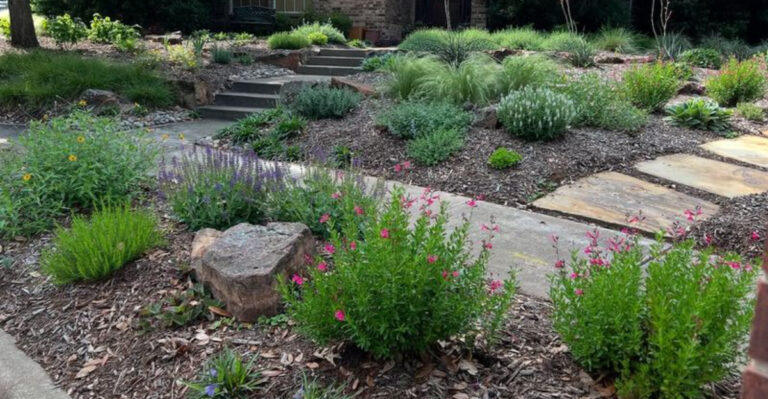
For drought-tolerant landscape designs, lantana is a cornerstone plant. Combine it with ornamental grasses, agave, and native wildflowers to build a low-water garden that looks stunning even during dry Texas summers.
Whether you have a sprawling backyard or a small urban plot, lantana fits right in and makes every corner of your Texas outdoor space look its absolute best.