7 Florida Fence-Line Planting Mistakes That Start Neighbor Wars
Florida yards grow faster than most homeowners expect. One week, a fence looks neat; the next, hedges tower over property lines, leaves spill into pools, and roots sneak under fences.
A simple planting mistake can turn neighbors against each other, and small problems quickly spiral into long-term disputes. Plants meant to add privacy often become headaches, costing time, money, and goodwill.
Every tree, shrub, and vine along your fence can create trouble if placement or growth isn’t considered. Florida’s climate makes fast growth inevitable, which means careful planning matters more than ever.
Can a single fence-line mistake spark a neighbor war? In Florida, it absolutely can.
1. Do Not Plant Too Close To The Fence
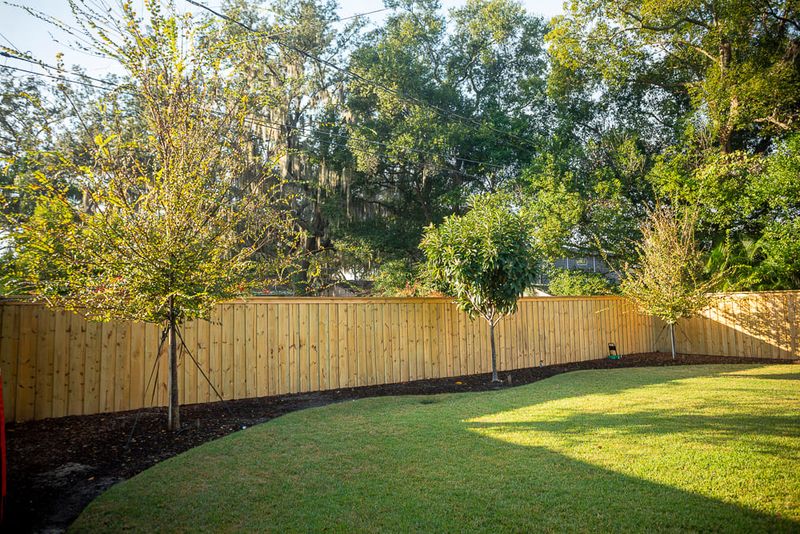
Spacing matters more than most people realize when planting along fence lines. Many homeowners position shrubs and trees just inches from their boundary fences, thinking they’ll save space or create instant privacy.
Florida’s warm climate accelerates growth, and what looks small at planting time can quickly become a tangled mess pressing against fence boards.
When plants grow too close to fencing, they create several problems. Moisture gets trapped between foliage and wood, leading to rot and structural damage.
Branches can push against or grow through fence slats, causing warping and breakage. Your neighbor might also feel crowded by vegetation spilling into their space, even if it technically stays on your side of the property line.
Root systems need room to spread without undermining fence posts or foundations. Plants crammed against boundaries often develop lopsided growth patterns as they reach for light and space, making them look unbalanced and unhealthy.
Maintenance becomes difficult when you can’t access all sides of the plant for pruning or care.
Check your local setback requirements before planting anything permanent. Florida counties and HOAs may have specific rules about how far plants must be from property lines.
Check these before planting to avoid fines or disputes. Most communities recommend at least two to three feet of clearance from property lines for shrubs, and more for trees.
Consider the mature width of your chosen plants and position them accordingly. This simple step prevents future crowding, reduces maintenance headaches, and shows respect for shared boundaries.
Proper spacing creates healthier plants and better neighbor relations without sacrificing the privacy or beauty you want.
2. Beware Of Fast-Spreading Trouble Plants
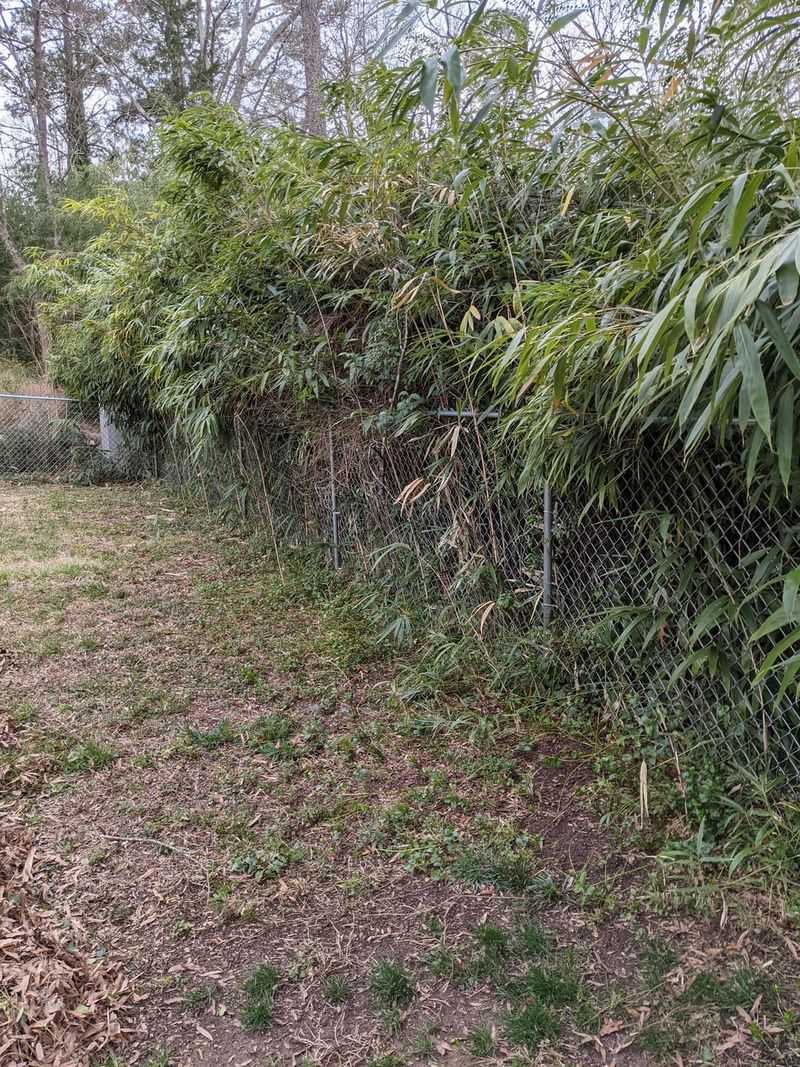
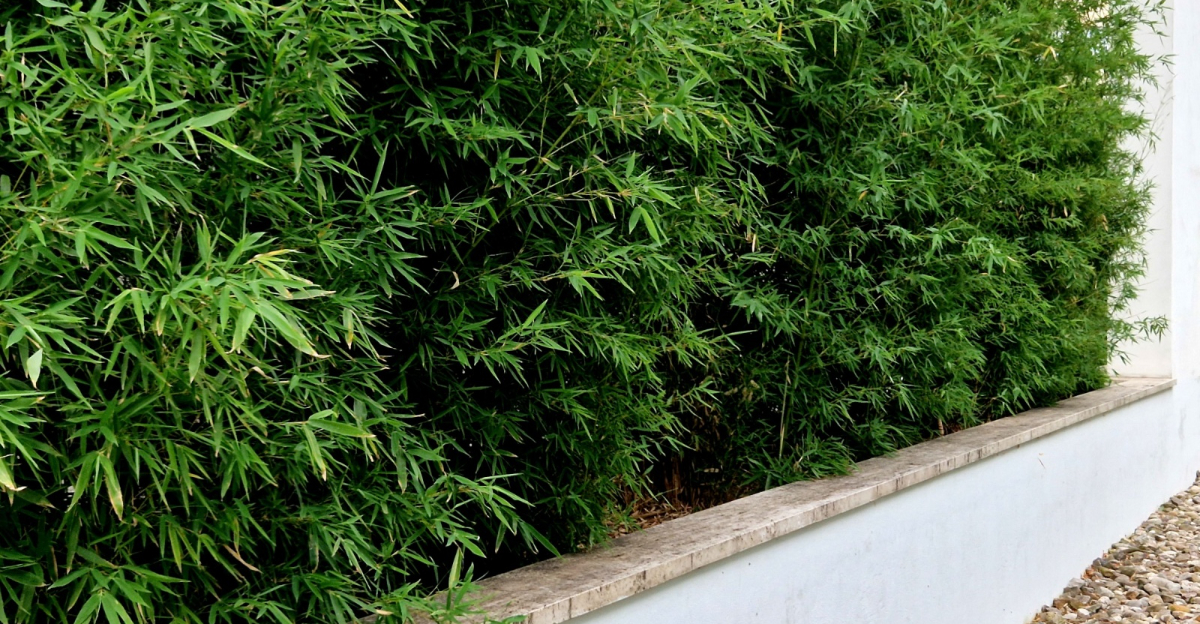
Bamboo sounds like a perfect privacy solution until it starts popping up in your neighbor’s flower beds. Some plants spread so aggressively that they quickly become neighborhood nuisances rather than attractive landscape features.
Florida’s combination of heat, humidity, and rainfall creates ideal conditions for vigorous growers to escape their intended boundaries.
Running bamboo varieties send underground runners that can travel dozens of feet from the parent plant. These shoots emerge without warning in neighboring yards, driveways, and even under structures.
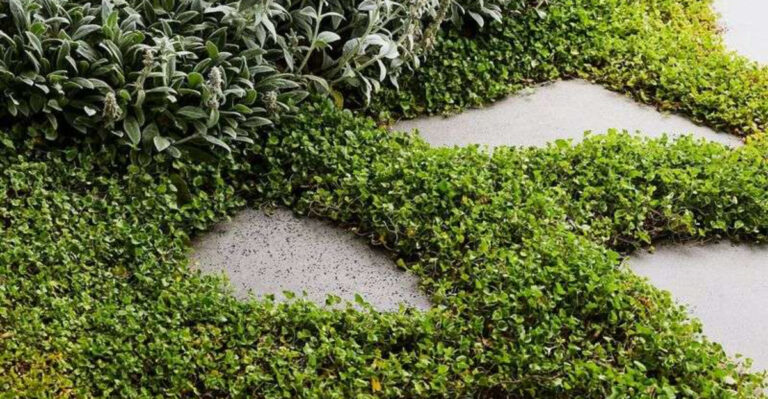
Similarly, invasive vines like air potato or coral vine can smother fences and spread into adjacent properties within a single growing season. Certain groundcovers also creep relentlessly across property lines despite regular trimming.
The state of Florida has designated several plants as invasive species that threaten natural areas and private property alike. Before selecting fence-line plants, check the Florida Exotic Pest Plant Council’s list to avoid species that cause widespread problems.
Even non-invasive spreaders can create tension when they require constant vigilance to keep contained. Note that clumping bamboo and bamboo palms are well-behaved in Florida landscapes and do not spread aggressively like running bamboo.
Better alternatives include clumping bamboo varieties that stay put, or well-behaved shrubs like Walter’s viburnum or Simpson’s stopper. These Florida-Friendly plants provide privacy without aggressive spreading habits.
If you’re drawn to a vigorous grower, install proper root barriers during planting and commit to regular monitoring. Choosing plants with naturally controlled growth patterns saves everyone from ongoing boundary battles and shows consideration for your neighbors’ landscape investment.
3. Pay Attention To Mature Hedge Size
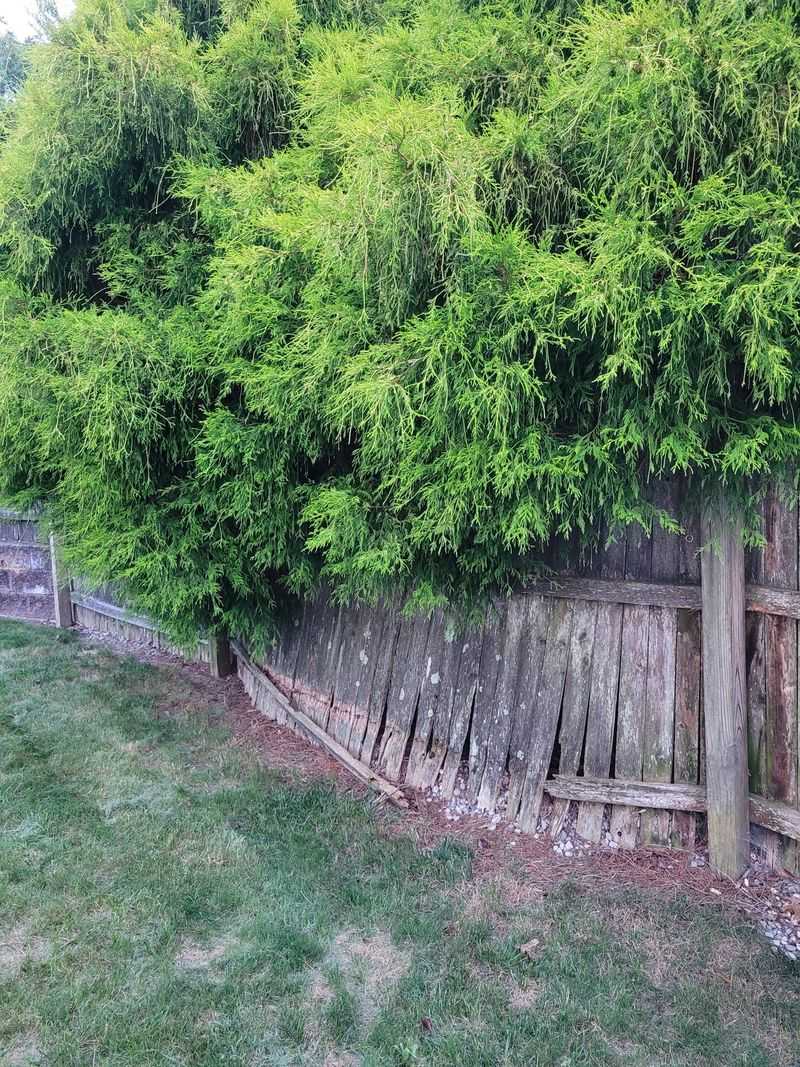
That cute little hedge looked perfect at three feet tall in the nursery container. Fast forward five years, and you’re staring at a fifteen-foot wall of green that blocks your neighbor’s windows and drops leaves into their pool.
Underestimating mature plant size ranks among the most common fence-line mistakes because people plant for immediate impact without considering long-term growth.
Florida’s growing conditions allow many shrubs to reach dimensions far beyond what gardeners expect. Wax myrtle can tower over twenty feet if left unpruned, while ligustrum and pittosporum quickly outgrow their intended spaces.
These oversized hedges cast deep shade onto neighboring yards, limiting what your neighbors can grow and reducing their property’s usability. Dense, tall plantings also restrict airflow, creating humid microclimates that encourage mold and pest problems on both sides of the fence.
Height restrictions exist in many HOAs and local ordinances specifically to prevent boundary disputes. Many Florida HOAs limit fence-line hedges to 6–12 feet, so research your neighborhood rules before planting tall shrubs or trees.
Even without formal rules, courtesy suggests keeping fence-line plantings at reasonable heights that don’t dominate neighboring spaces. Constant pruning to control oversized plants becomes a maintenance burden that many homeowners eventually neglect, allowing the problem to worsen over time.
Research mature sizes before purchasing plants for boundary areas. Select naturally compact varieties that fit your space without requiring aggressive pruning.
Dwarf yaupon holly, compact cocoplum, and smaller viburnum cultivars offer privacy at manageable heights. When you choose appropriately sized plants from the start, you avoid creating shade problems, reduce maintenance work, and maintain good relationships with the people living next door.
4. Don’t Underestimate Aggressive Root Spread
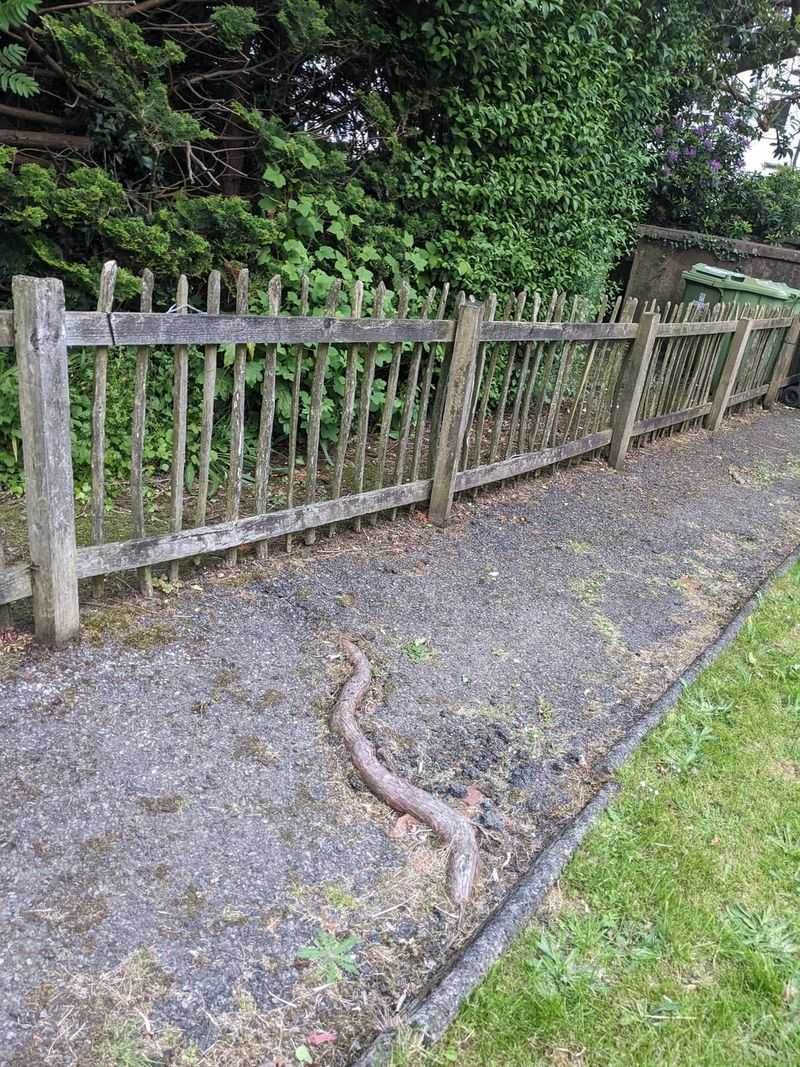
What happens underground often causes more problems than what grows above ground. Tree and shrub roots spread far beyond the visible canopy, seeking water and nutrients wherever they can find them.
Along fence lines, aggressive root systems can undermine structures, invade neighboring irrigation systems, and even damage foundations if planted too close to buildings.
Certain popular Florida trees develop particularly troublesome root systems. Ficus trees send surface roots that buckle pavement and lift fence posts.
Silver maples and willows aggressively seek water sources, infiltrating septic systems and underground pipes on both properties. Smaller plants like bamboo palms or certain shrubs have dense roots but are far less aggressive than trees like ficus, willow, or silver maple.
Root intrusion often goes unnoticed until serious damage occurs. Your neighbor might discover roots clogging their French drain or lifting their patio pavers years after you planted.
By then, removing the problem plant means losing a mature specimen and potentially paying for repairs to structures the roots damaged. Property line disputes over root damage can become expensive and contentious, sometimes requiring legal intervention to resolve.
Before planting trees near boundaries, consider mature root spread alongside canopy size. Most tree roots extend at least as far as the branches reach, and often much farther.
Choose trees with less aggressive root systems, like dahoon holly or crape myrtle, for areas near property lines. Installing root barriers during planting provides additional protection for shared spaces.
Leave adequate distance between large plants and boundary fences, typically at least ten to fifteen feet for trees. This spacing protects both properties and demonstrates responsible landscape planning.
5. Avoid Planting Messy Trees Along Boundaries
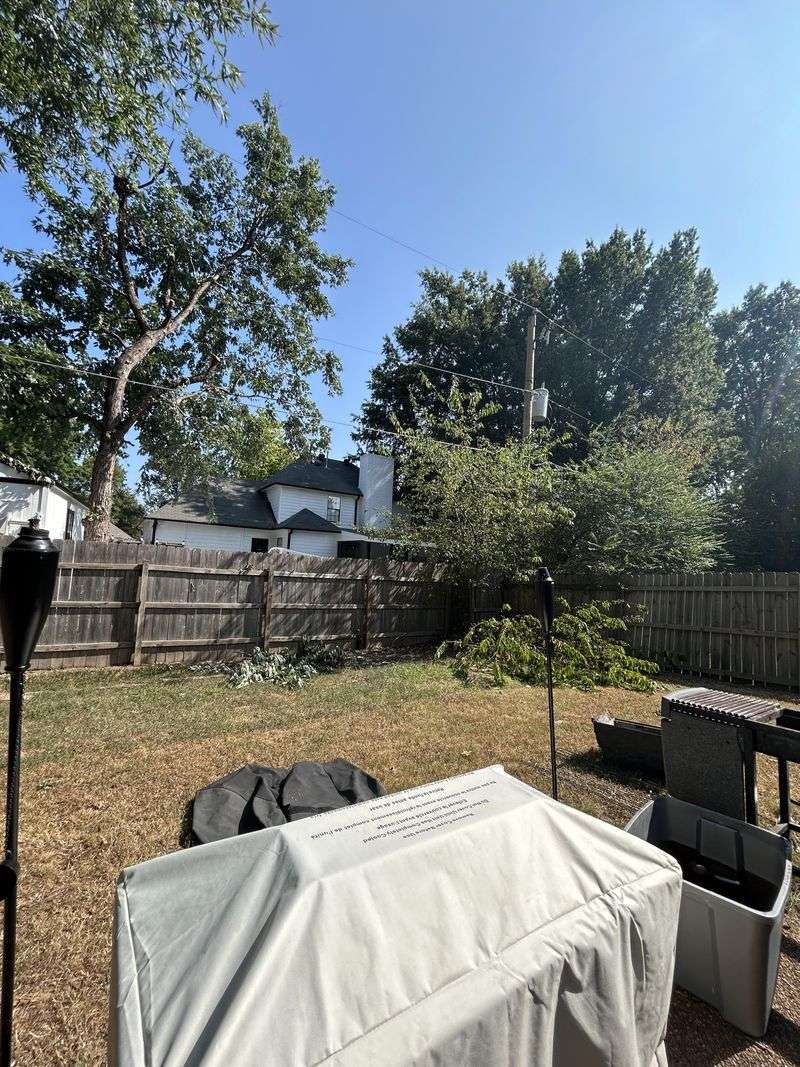
Some trees seem determined to share their bounty with everyone around them, whether neighbors want it or not. Keep in mind that large or brittle trees near fences can become hazards during hurricanes, potentially causing property damage.
Sweetgum trees drop spiky seed balls that hurt bare feet and clog gutters. Mulberry trees stain everything below with purple fruit that attracts swarms of birds.
When these messy specimens grow along property lines, their debris becomes someone else’s cleanup problem, creating ongoing frustration and resentment.
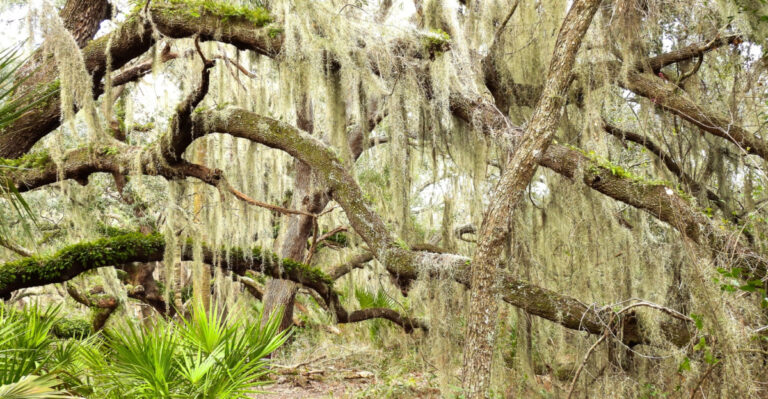
Florida has plenty of trees that produce significant litter throughout the year. Live oaks drop leaves, acorns, and tassels almost constantly.
Mahogany trees shed large seed pods that can damage vehicles and outdoor furniture. Royal palms drop heavy fronds without warning, creating safety hazards and maintenance headaches.
When this debris falls primarily onto neighboring property, it feels disrespectful even if unintentional.
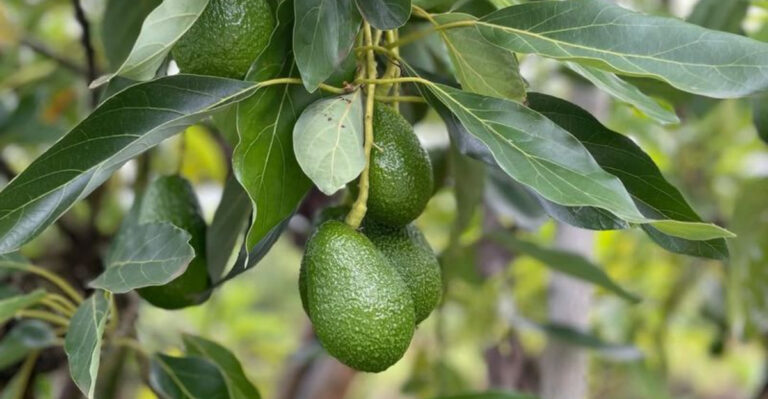
Fruit-bearing trees near boundaries present special challenges. Rotting fruit attracts wildlife, creates odors, and makes messes that someone needs to clean regularly.
If fruit drops into your neighbor’s yard, they inherit the cleanup duty without enjoying any harvest benefits. Pool owners particularly dislike nearby trees that constantly drop leaves and debris into their water, requiring extra filtration and skimming.
Consider debris production when selecting fence-line trees. Crape myrtles offer beautiful blooms with minimal mess.
Dahoon holly and Simpson’s stopper provide evergreen screening without problematic litter. If you love a messier tree species, plant it well away from shared boundaries where falling debris stays on your own property.
Regular cleanup of any debris that does cross property lines shows good neighbor consideration and prevents small annoyances from growing into larger conflicts.
6. Never Block Light And Air With Dense Plantings
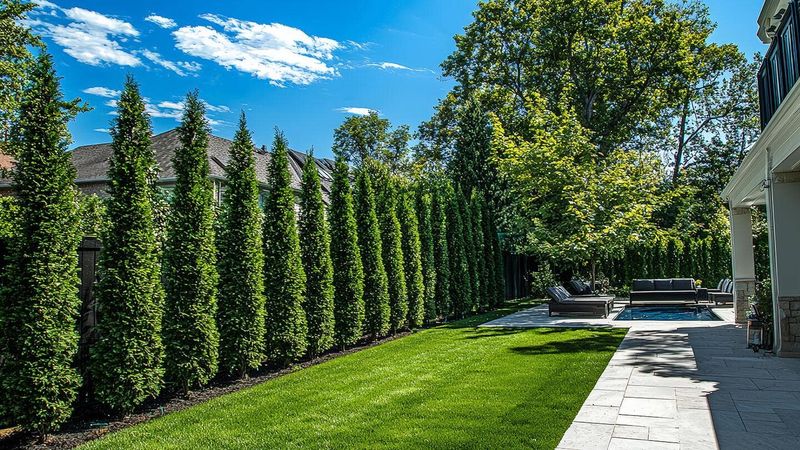
Privacy plantings can easily cross the line from screening to smothering. Solid walls of vegetation along property boundaries block sunlight that neighboring gardens need and restrict airflow that keeps landscapes healthy.
In Florida’s humid climate, good air circulation helps prevent fungal diseases and reduces mosquito breeding areas. When dense plantings eliminate breezes, both properties suffer from increased moisture and pest problems.
Evergreen hedges planted tightly together create year-round shade that extends well into neighboring yards. Leave space between plants to allow airflow, which helps prevent fungal diseases and reduces mosquito breeding in Florida’s humid climate.
This constant shade prevents grass from growing, limits flowering plant options, and can make outdoor spaces feel dark and unwelcoming. Some sun-loving plants your neighbors invested in may struggle or fail entirely because your fence-line planting blocks the light they need.
The shade also keeps surfaces damp longer after rain, contributing to mildew and algae growth on fences, patios, and building walls.
Restricted airflow creates stagnant conditions that encourage plant diseases and insect infestations. Standing air allows humidity to build, creating perfect conditions for powdery mildew, black spot, and other fungal problems.
Mosquitoes thrive in still, shady areas, making outdoor spaces less enjoyable for everyone. Dense plantings also trap heat, making already warm Florida yards feel even more uncomfortable during summer months.
Design fence-line plantings with some spacing between plants rather than solid masses of foliage. This allows air to circulate while still providing privacy.
Choose plants with naturally open growth habits rather than those that form impenetrable walls. Consider the sun exposure on both sides of your fence when selecting plant locations.
Good landscape design balances privacy needs with consideration for neighboring properties’ access to light and air.
7. Don’t Forget Long-Term Maintenance Needs
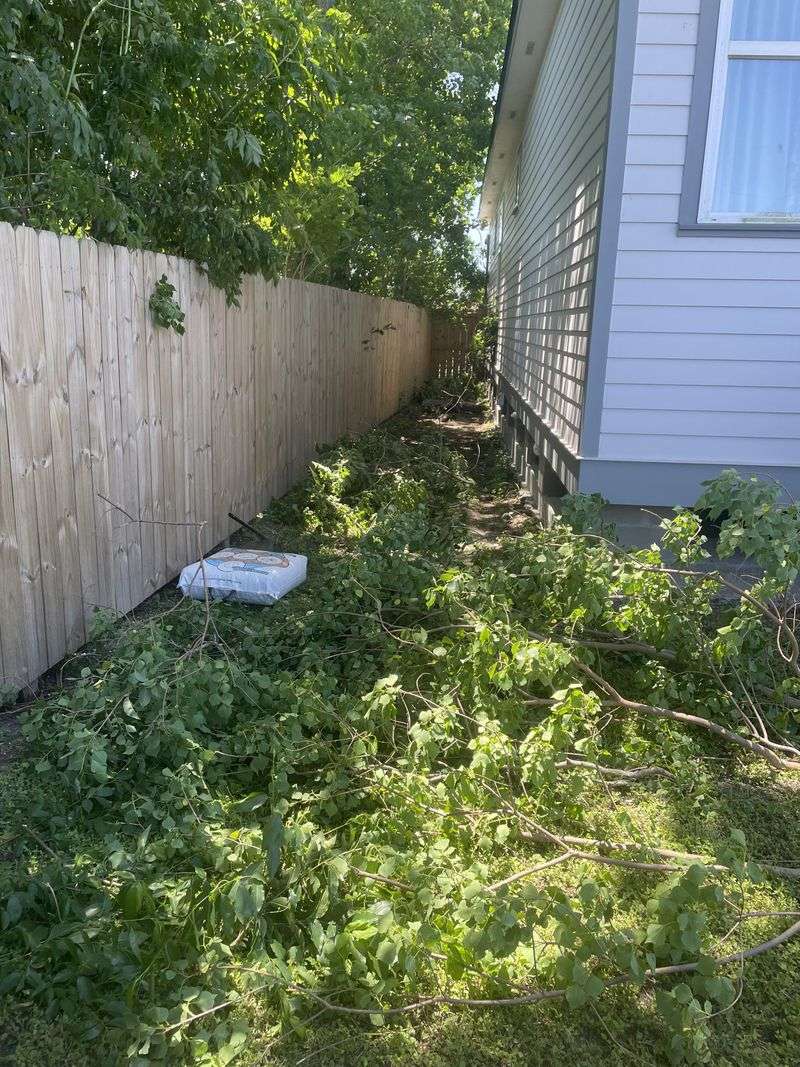
Enthusiasm for a new landscape project often fades when the ongoing work becomes apparent. Fence-line plantings require regular maintenance to stay attractive and well-behaved, but many homeowners underestimate this commitment when planning their borders.
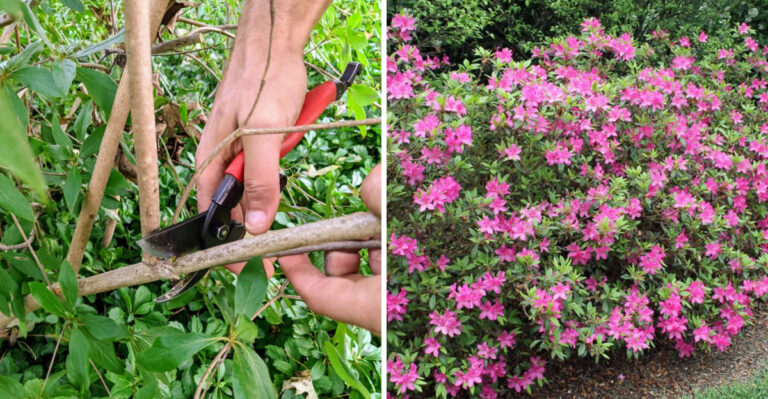
Neglected plants become overgrown, unhealthy, and problematic for everyone nearby, turning what should be an asset into a neighborhood eyesore. In Florida, the long growing season often means pruning several times a year to keep plants under control.
Hedges need regular trimming to maintain their shape and size, typically several times during Florida’s long growing season. Without consistent pruning, they quickly become leggy, overgrown, and irregular.
Vines require even more attention, needing frequent training and cutting to prevent them from escaping onto neighboring fences or structures. Weeds inevitably appear in fence-line beds, and without regular removal, they spread seeds into adjacent yards.
When maintenance lapses, plants can encroach onto neighboring property, drop excessive debris, or develop pest and disease problems that spread to nearby landscapes. Your neighbors shouldn’t have to remind you to trim branches hanging over their side or clean up fallen leaves accumulating against their fence.
Consistent neglect damages relationships and can even result in HOA violations or local code enforcement actions in some communities.
Choose plants that match your realistic maintenance capacity, not your ideal intentions. If you can’t commit to regular hedge trimming, select slower-growing shrubs that need less frequent attention.
Consider installing mulch or groundcovers in fence-line beds to reduce weeding. Set reminders for seasonal maintenance tasks and address problems promptly when they arise.
Reliable upkeep shows respect for your neighbors and protects your landscape investment. Well-maintained boundaries contribute to neighborhood appeal and keep property relationships positive for the long term.