11 Florida-Friendly Plants That Need Less Water Right Now
Florida’s dry season has a way of separating the garden divas from the true survivors.
While sprinklers sit idle and watering restrictions tighten, some plants keep strutting their stuff like nothing changed; lush, colorful, and unfazed by the lack of rain.
This is the moment when smart landscapes shine and thirsty plants quietly bow out.
Swapping high-maintenance greenery for water-wise winners doesn’t mean settling for boring or bare.
Quite the opposite.
From bold blooms to rich textures and wildlife-friendly perks, these Florida-friendly plants prove that less water can still deliver serious curb appeal.
If your hose has been working overtime or your water bill keeps climbing, these drought-tough beauties are ready to step in and steal the show right now.
1. Coontie
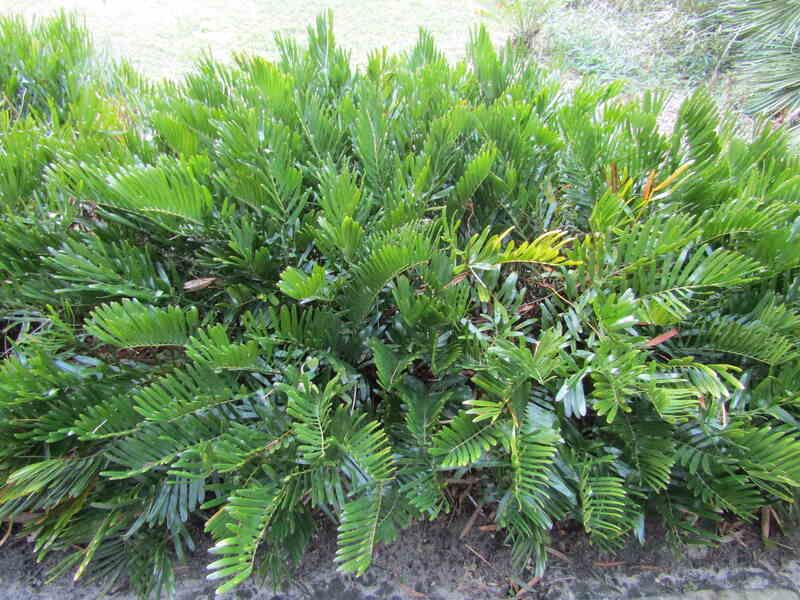
Built for Florida’s dry season, coontie stores moisture deep in its ancient root system, allowing it to thrive for weeks without supplemental watering.
This native cycad evolved alongside Florida’s natural rainfall patterns, so reduced irrigation during cooler months actually mimics its preferred conditions.
Established coonties rarely need watering from November through April, relying instead on occasional rains and morning dew for survival.
Shade or partial sun locations work beautifully, making coontie ideal for understory plantings where other options struggle with dryness.
Sandy or well-draining soil encourages deeper root growth, which further reduces the need for frequent watering throughout the year.
Its compact, feathery foliage adds texture to Florida landscapes without demanding the resources that tropical plants typically require during establishment.
Mature plants develop resilience that younger specimens lack, so patience during the first year pays off with decades of low-maintenance beauty.
Limiting water now strengthens root development and prevents root rot, a common issue when Florida gardeners overwater native cycads unnecessarily.
2. Blanket Flower
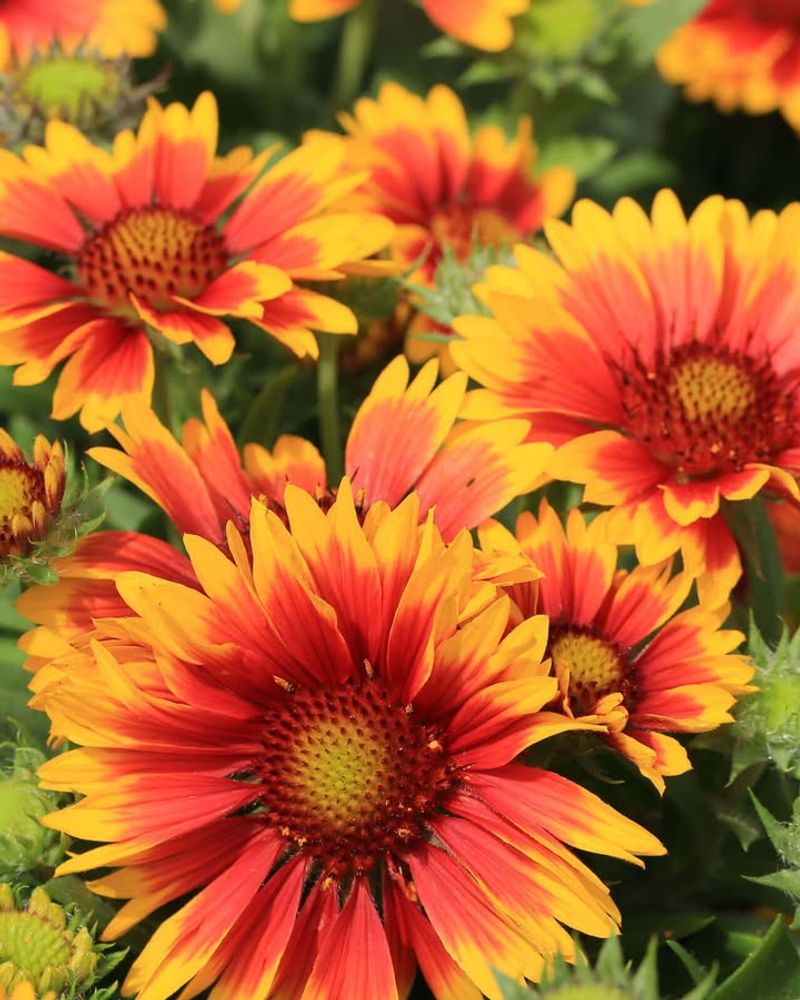
Blanket flower bursts with fiery red and gold blooms even when rainfall drops, making it a champion for Florida’s drier months.
Once roots establish in sandy or average soil, this perennial wildflower performs best with infrequent watering that encourages deep growth.
Overwatering during Florida’s dry season can actually weaken blanket flower, causing root issues and reducing its natural drought-resistant superpowers.
Full sun exposure helps flowers open continuously from spring through fall, and less water intensifies bloom color and plant vigor.
Established plants pull moisture from deeper soil layers, so surface watering becomes unnecessary once they’ve been in the ground several months.
Florida gardeners love blanket flower because it attracts butterflies and bees without requiring the constant attention that many colorful annuals demand.
Cutting back faded blooms encourages new flowers, but skipping irrigation during cooler months actually promotes stronger stems and healthier root systems.
Sandy coastal gardens or inland beds benefit equally, as blanket flower adapts to various Florida conditions with minimal supplemental moisture needed.
3. Beach Sunflower
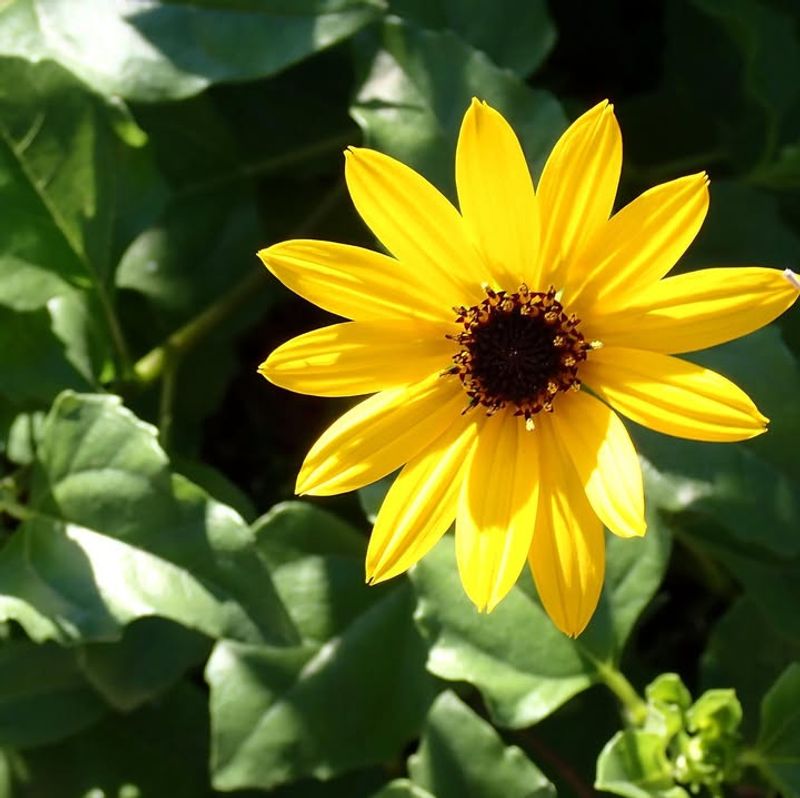
Spreading cheerfully across Florida landscapes, this tough groundcover thrives in sandy soils where other plants would wilt without constant moisture.
Beach sunflower combines salt tolerance with impressive drought resistance, making it equally at home along the coast or in inland gardens that follow a low-water approach.
Established plants form dense mats that shade the soil, reducing evaporation and creating a self-mulching effect that conserves whatever moisture exists.
Bright yellow blooms appear year-round in South Florida and seasonally further north, all without the irrigation demands of traditional bedding flowers.
Roots spread horizontally rather than deeply, yet beach sunflower still manages to survive dry spells by entering a semi-dormant state naturally.
Reducing water during Florida’s cooler months encourages tougher growth and prevents the leggy, weak stems that result from overwatering this hardy native.
Full sun locations bring out the best flowering, and poor soil actually benefits beach sunflower more than rich, amended beds ever could.
Florida gardeners appreciate how quickly beach sunflower fills bare spots, stabilizes slopes, and delivers color without demanding daily watering or fussy care.
4. Firebush
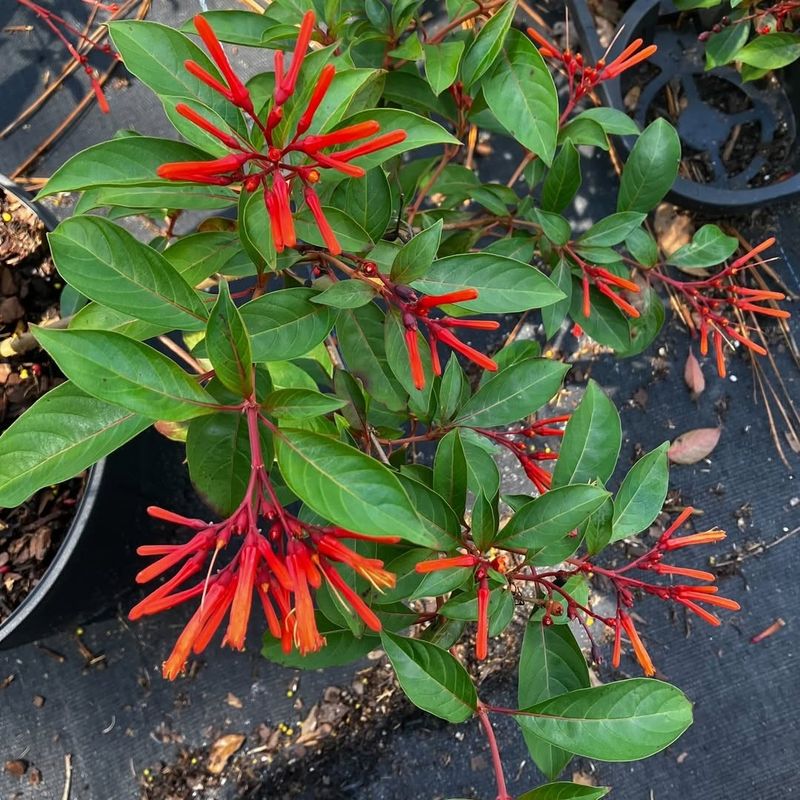
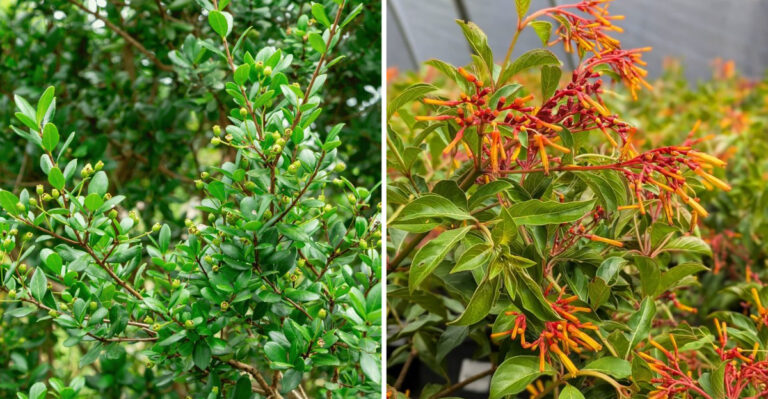
Firebush earns its name with tubular orange-red blooms that attract hummingbirds, butterflies, and admiration from every Florida gardener who plants it.
Established firebush shrubs handle Florida’s dry season beautifully, requiring almost no supplemental watering once roots extend beyond the original planting hole.
Heat and drought actually encourage more prolific flowering, so backing off the hose during winter months improves performance rather than harming it.
Florida’s native wildlife depends on firebush for nectar and berries, and the plant’s water efficiency makes it a sustainable choice year-round.
Partial shade to full sun locations work well, though sunnier spots produce more flowers and require even less water than shadier placements.
Sandy or loamy soil drains quickly, which suits firebush perfectly and prevents the root issues that arise from overly moist conditions statewide.
Pruning in late winter shapes the shrub without stressing it, especially when irrigation stays minimal and natural rainfall provides sufficient moisture.
Reducing watering now strengthens firebush for Florida’s hotter months ahead, building resilience that keeps it thriving through every season with minimal intervention.
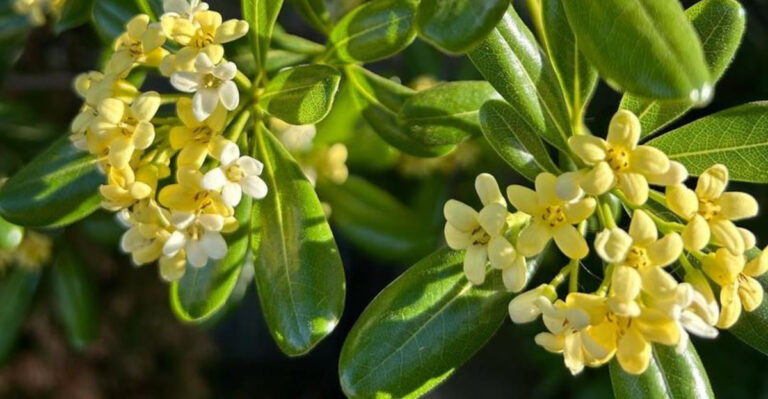
5. Simpson’s Stopper
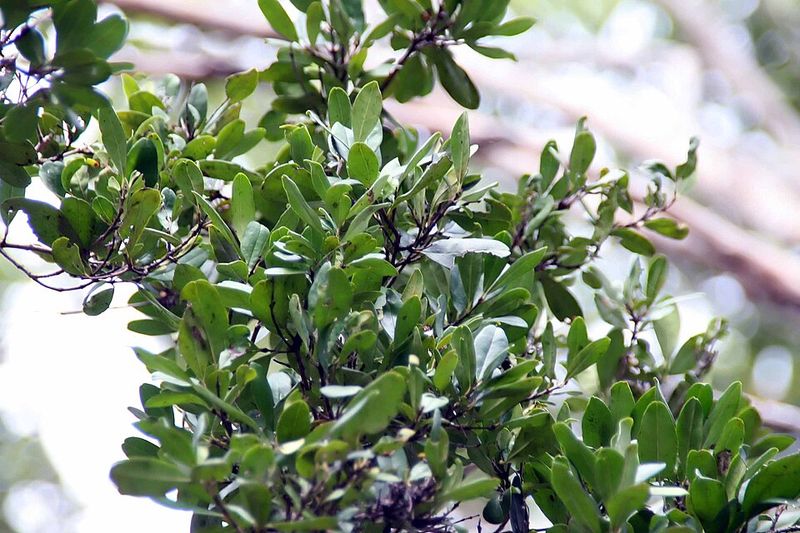
Found growing wild in Florida’s hammocks and coastal areas, this adaptable shrub relies on natural rainfall to carry it through dry spells.
Simpson’s stopper transitions effortlessly into hedges, privacy screens, or specimen plantings while requiring far less water than most non-native landscape choices.
Glossy evergreen leaves and fragrant white flowers appear without demanding irrigation, making Simpson’s stopper a workhorse for water-conscious Florida landscapes statewide.
Established plants develop deep root systems that tap into moisture reserves below the surface, so frequent watering becomes unnecessary and even counterproductive.
Reducing irrigation during Florida’s dry season encourages tougher growth, denser foliage, and better resistance to pests that target overly pampered shrubs.
Partial shade to full sun locations both work well, though plants in sunnier spots develop more compact growth and require even less supplemental moisture.
Sandy or well-draining soil prevents root rot and supports the natural drought tolerance that makes Simpson’s stopper a Florida-friendly landscaping champion.
Berries attract birds, flowers draw pollinators, and the plant’s low water needs make it a triple win for Florida gardeners seeking beauty without waste.
6. Muhly Grass
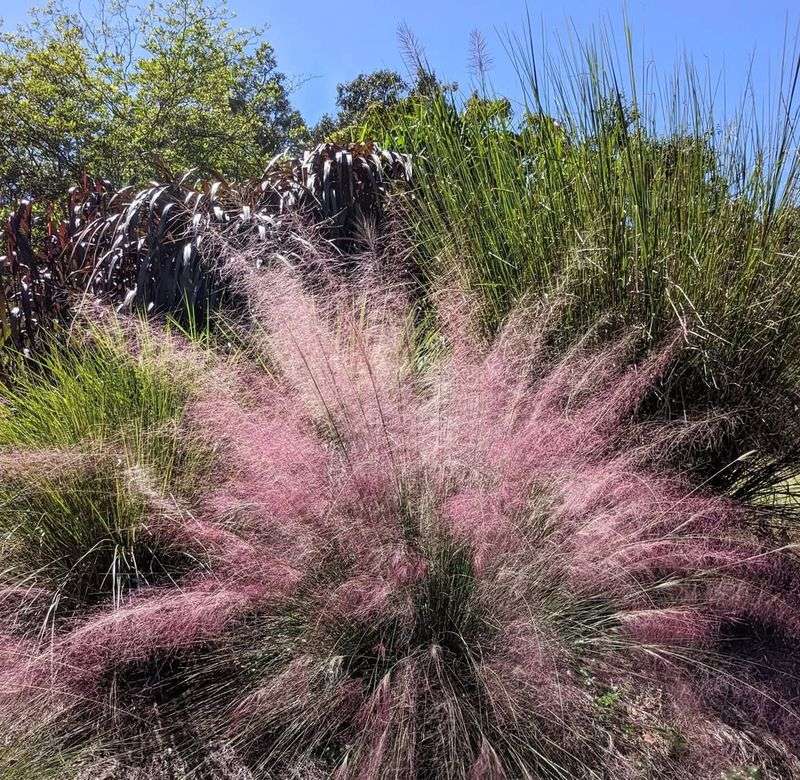
Muhly grass transforms Florida landscapes each fall with clouds of pink plumes that seem to float above the foliage like cotton candy.
Drought resistance makes this ornamental grass perfect for dry season planting, as established clumps survive weeks without irrigation or rainfall.
Native to Florida, muhly grass evolved to handle sandy soils and irregular moisture, so overwatering actually harms it more than neglect ever could.
Roots extend deeply once plants establish, pulling moisture from lower soil layers that remain damp even when the surface looks bone-dry.
Full sun locations bring out the best color and plume production, and less water during cooler months encourages stronger root development for years.
Florida gardeners use muhly grass for borders, mass plantings, or accent clumps, all benefiting from its minimal irrigation needs throughout the year.
Cutting back old foliage in late winter refreshes the plant without requiring extra watering, as new growth emerges naturally with spring rains.
Reducing watering now prevents the root rot and fungal issues that plague many ornamental grasses when Florida gardeners water too frequently statewide.
7. Blue Porterweed
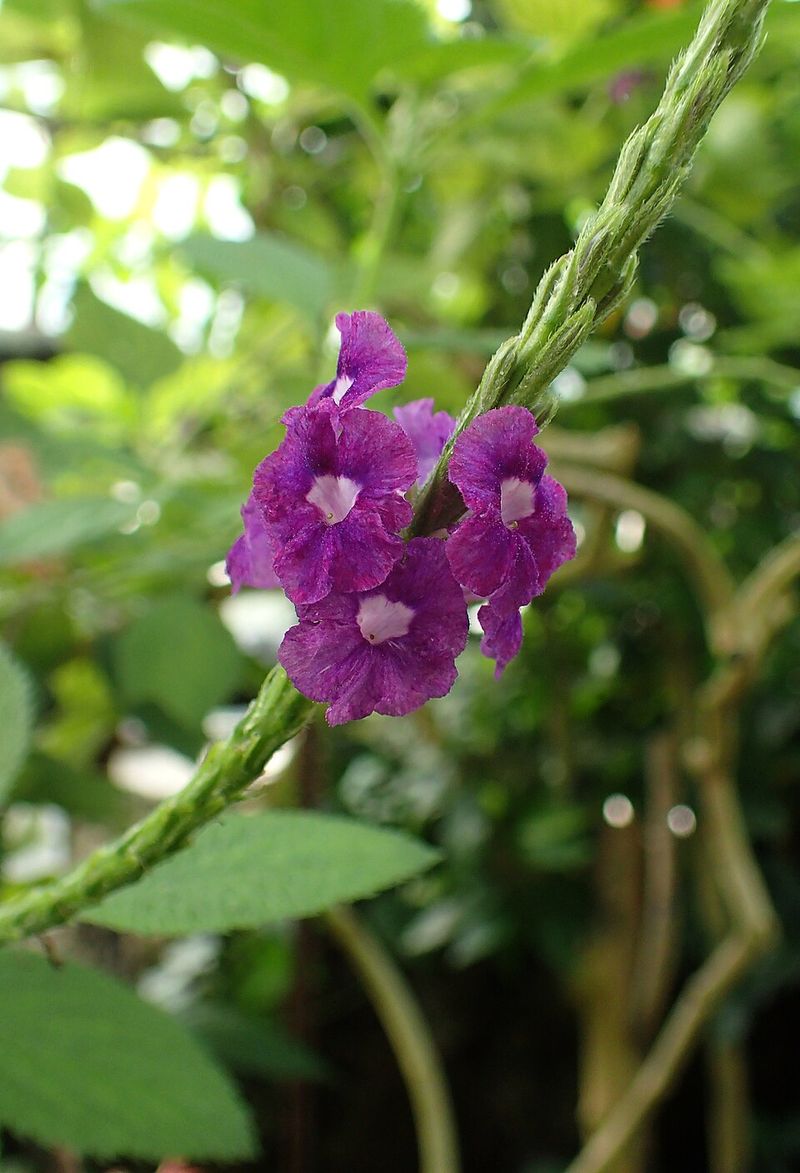
Brilliant blue-purple flower spikes bring constant motion to Florida gardens as butterflies and bees swarm in from every direction.
Blue porterweed becomes increasingly water-efficient once established, thriving on natural rainfall alone for much of the year while delivering nonstop color and pollinator appeal.
Established plants bloom continuously without supplemental irrigation, proving that less water often leads to more flowers in Florida’s native and adapted species.
Full sun to partial shade locations both work, though sunnier spots produce more blooms and require even less watering than shadier placements.
Florida’s dry season actually encourages blue porterweed to develop deeper roots, making it tougher and more resilient for the hotter months ahead.
Sandy or average soil drains quickly, which suits this plant perfectly and prevents the soggy conditions that cause root problems in many perennials.
Cutting back leggy stems promotes bushier growth, and skipping irrigation during cooler months strengthens plants without sacrificing flower production at all.
Reducing watering now helps blue porterweed conserve energy for spring and summer blooms, when Florida gardeners appreciate its color and wildlife appeal most.
8. Beautyberry
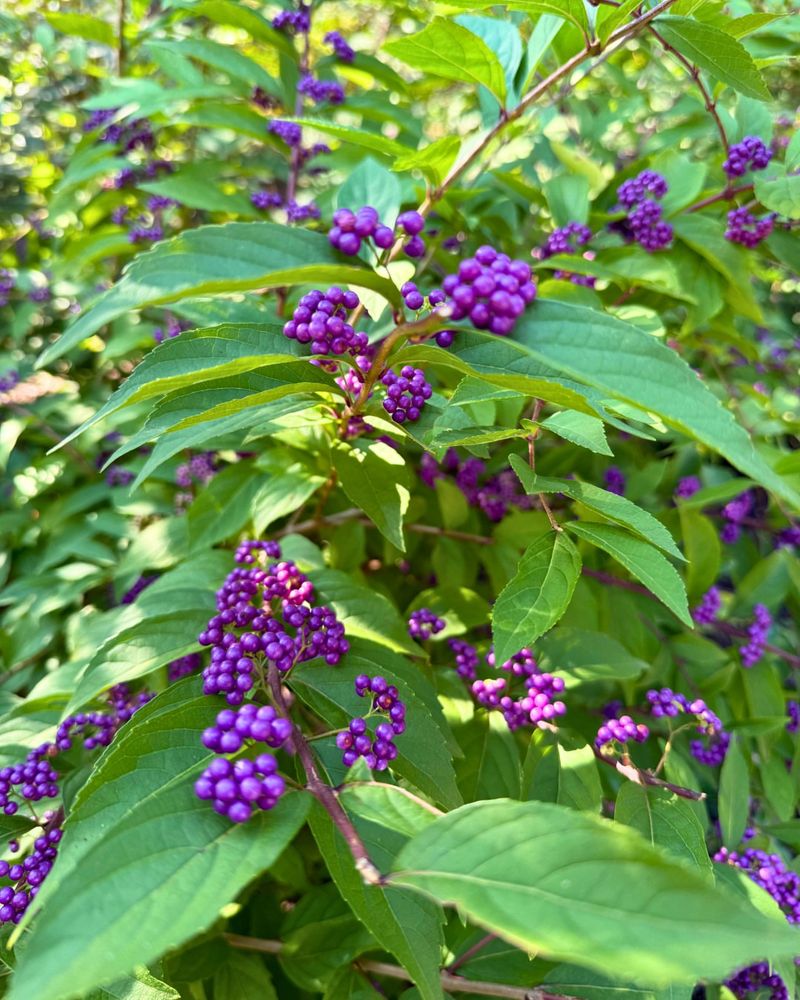
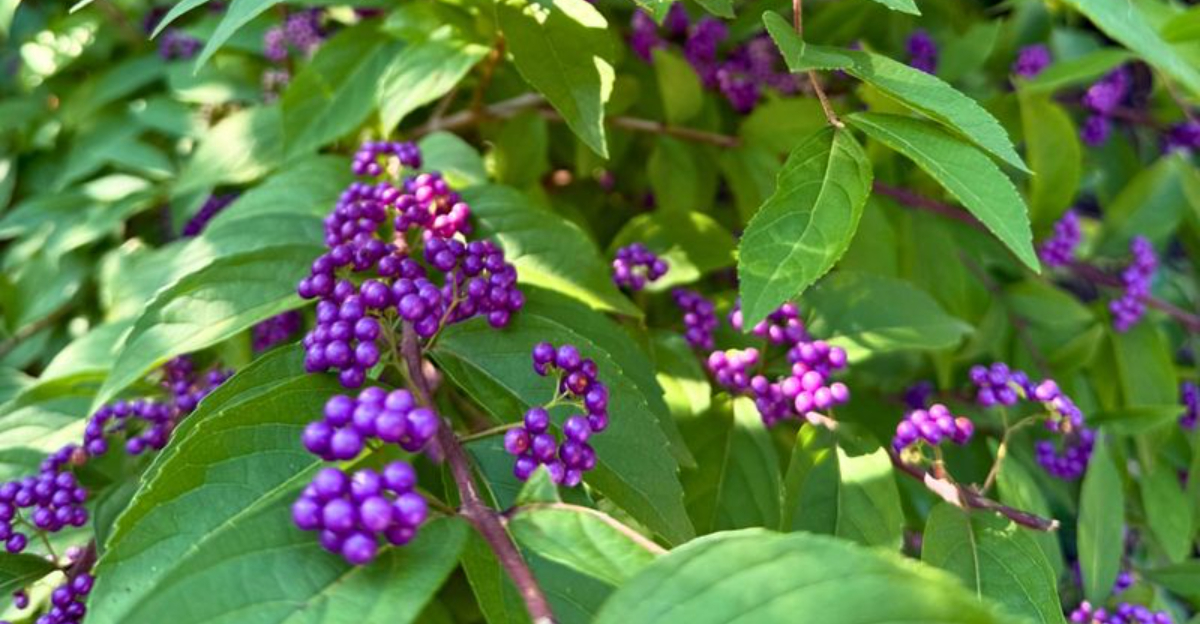
Beautyberry dazzles Florida gardeners each fall with clusters of bright purple berries that seem almost too vibrant to be real or natural.
Native growth habits mean this shrub relies primarily on rainfall, making it a perfect choice for landscapes aiming to reduce irrigation usage.
Established plants survive Florida’s dry season without supplemental watering, entering a natural dormancy that conserves energy and prepares them for spring growth.
Berry production actually improves when watering decreases during cooler months, as the plant focuses on fruit development rather than excessive foliage expansion.
Partial shade to full sun locations both work, though sunnier spots tend to produce heavier berry displays that attract more birds and wildlife.
Florida’s sandy soils drain quickly, which beautyberry prefers over heavy clay or constantly moist conditions that can stress native shrubs unnecessarily.
Pruning in late winter removes old wood and encourages fresh growth, all without requiring extra irrigation during the plant’s natural dormant period.
Reducing watering now aligns with beautyberry’s seasonal rhythm, supporting healthier growth and more spectacular berry displays when fall arrives again in Florida.
9. Dwarf Yaupon Holly
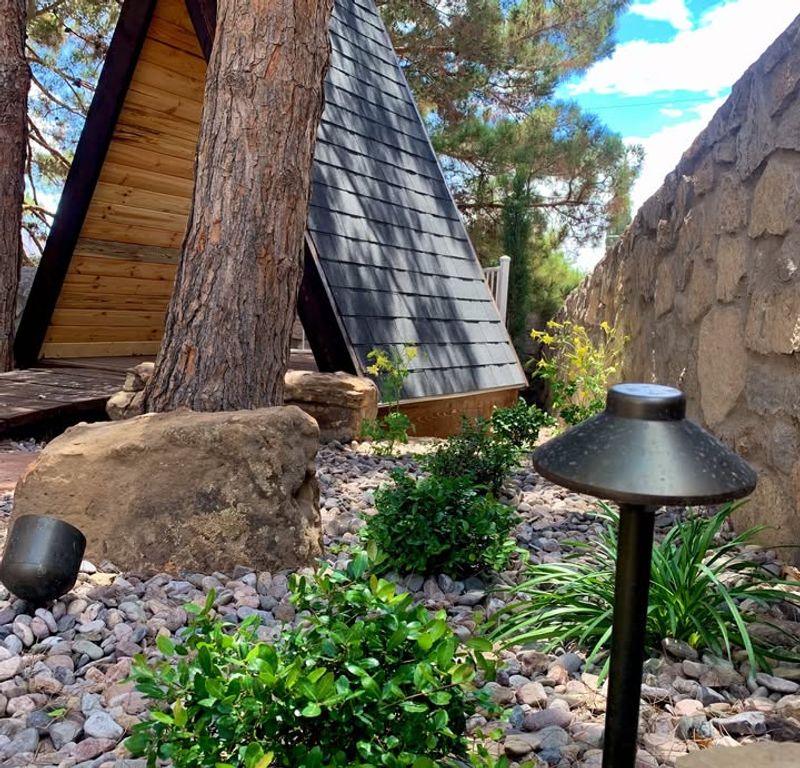
Year-round green structure holds steady in Florida landscapes even when irrigation all but disappears.
Dwarf yaupon holly keeps its naturally compact shape with minimal water, making it a reliable choice for hedges, containers, and foundation plantings across the state.
Established plants rarely need watering during Florida’s dry season, as their root systems efficiently capture whatever moisture naturally occurs in the soil.
Full sun to partial shade locations both work beautifully, and less water during cooler months actually promotes denser growth and better overall health.
Florida gardeners appreciate how dwarf yaupon holly tolerates sandy soils, salt spray, and neglect without losing its neat, rounded form or vibrant color.
Container plantings need slightly more attention than in-ground plants, but even potted specimens require far less water than most ornamental shrubs do.
Reducing irrigation now prevents the root rot that sometimes affects hollies when Florida gardeners overwater during periods of naturally lower plant activity.
Mature plants develop impressive drought tolerance, surviving weeks without rain or supplemental watering while still looking fresh, green, and perfectly landscaped throughout.
10. Frogfruit
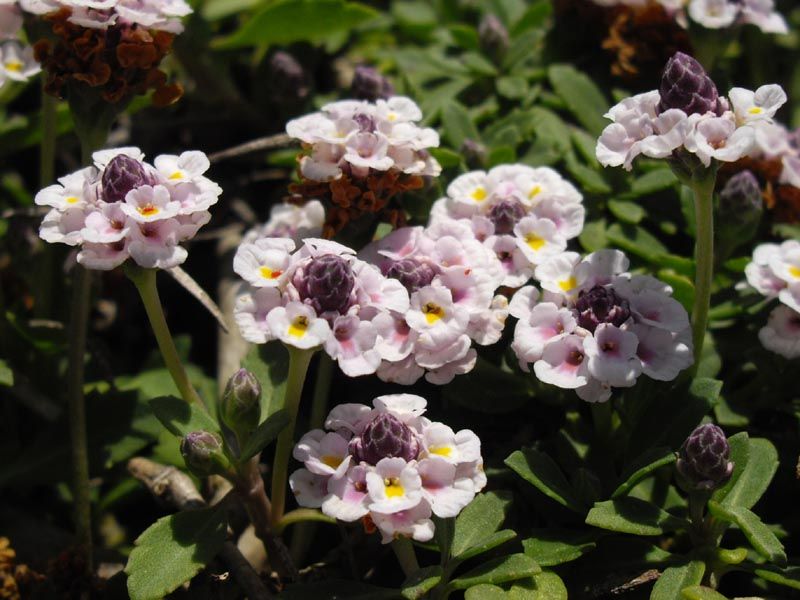
Frogfruit creeps quietly across Florida landscapes, forming a living carpet that stays green even when traditional lawns turn brown and crispy.
Groundcover spreading requires minimal water once established, making frogfruit a smart lawn alternative for homeowners seeking to reduce irrigation costs and effort.
Drought tolerance improves as roots spread, and mature plantings survive Florida’s dry season on rainfall alone without losing their lush appearance.
Tiny white flowers attract butterflies and beneficial insects, adding ecological value beyond the water savings that make frogfruit so appealing to gardeners.
Full sun to partial shade locations both support healthy growth, though sunnier spots encourage denser coverage and require even less supplemental watering.
Florida’s sandy soils suit frogfruit perfectly, as quick drainage prevents the soggy conditions that harm many groundcovers during rainy periods elsewhere.
Mowing occasionally keeps frogfruit tidy, but skipping irrigation during cooler months strengthens the plant and reduces maintenance demands throughout the entire year.
Seasonal water savings add up quickly when frogfruit replaces thirsty turf grass, making it a practical choice for Florida landscapes focused on sustainability.
11. Lantana
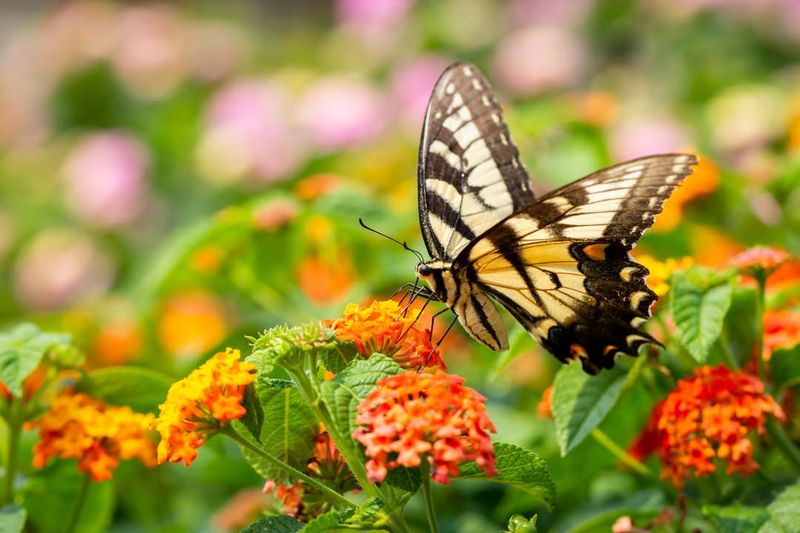
Non-stop color keeps pouring on even when Florida skies refuse to cooperate and rain becomes a distant memory.
Lantana thrives under dry conditions, delivering waves of vibrant blooms without the constant watering or fuss that most flowering plants demand.
Established plants need almost no supplemental watering during Florida’s dry season, as their roots reach deep into the soil for hidden moisture reserves.
Full sun locations bring out the best flowering and most vibrant color combinations, from fiery oranges to soft pastels that change as blooms age.
Florida landscapes rely heavily on lantana during dry periods because it delivers reliable performance without demanding the constant attention that many flowering shrubs require.
Butterflies, bees, and hummingbirds visit lantana daily, drawn by nectar-rich blooms that keep appearing regardless of irrigation schedules or rainfall amounts.
Pruning encourages bushier growth and more flowers, but reducing watering during cooler months actually strengthens stems and prevents the weak, floppy growth patterns.
Low water use combined with high visual impact makes lantana a landscaping superstar for Florida gardeners who want beauty without guilt or waste.