10 Florida Garden Pests That Wake Up Earlier Than You Think Every Year
Florida gardens can look perfectly fine while serious damage is already happening out of sight. Long before spring feels like it has arrived, destructive pests are waking up underground, on new growth, and inside leaves, taking advantage of warm winter temperatures that never quite slow them down.
By the time bare patches appear in the lawn or vegetables start wilting for no obvious reason, many insects have already settled in and begun reproducing.
Some are chewing through roots at night, others are draining plants of sap during the day, and a few are quietly spreading plant diseases before symptoms become obvious.
What looks like a sudden problem often started weeks earlier.
This early activity catches many Florida gardeners off guard and makes control far more difficult once damage becomes visible. Knowing which pests wake up first, and recognizing the subtle signs they leave behind, can prevent small problems from turning into season-long battles.
In Florida, pest season does not wait, and neither should your garden defenses.
1. Mole Crickets
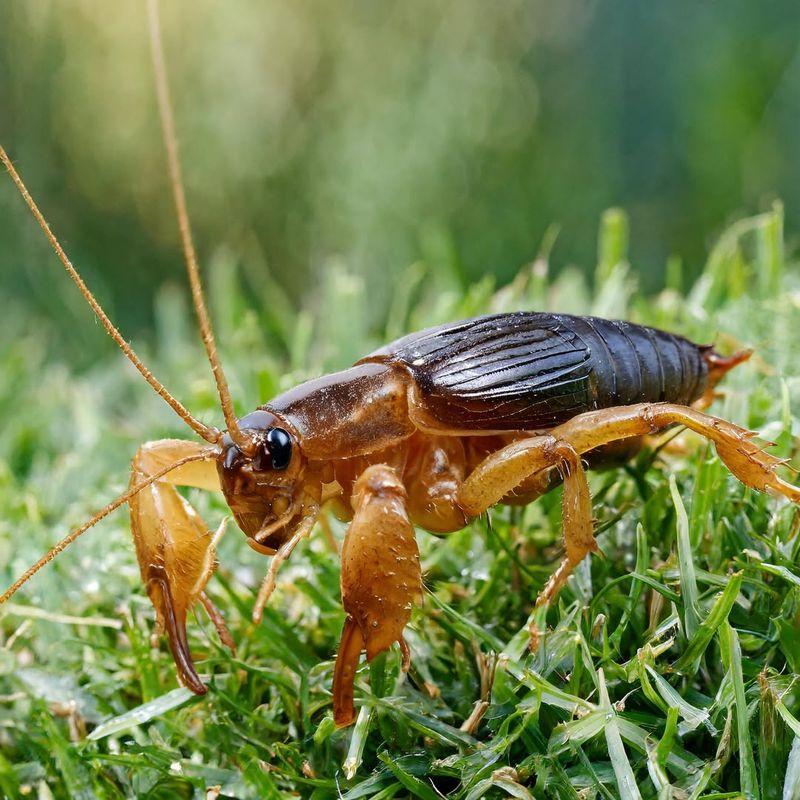
As early as February, Florida lawns can start showing damage from mole crickets, long before most homeowners expect any pest activity.
These burrowing insects spend the winter underground as nymphs, and when soil temperatures rise above 60 degrees, they tunnel closer to the surface and start feeding aggressively on grass roots.
Their activity peaks in spring and early summer, which means damage can accumulate quickly if you wait too long to address the problem.
Lawns affected by mole crickets often show irregular brown patches and feel spongy underfoot due to extensive tunneling just below the surface. You might also notice small mounds of soil or raised ridges across your yard, similar to what moles leave behind.
These insects are most active at night, so you may eventually hear their distinctive chirping sounds after sunset as adults become active later in spring.
Applying a targeted bait or beneficial nematodes in late winter or early spring can reduce populations before they cause serious harm. Keeping your lawn healthy with proper watering and fertilization also helps grass recover more quickly from feeding damage.
Regular monitoring and early intervention are essential for managing mole crickets effectively in Florida gardens.
2. Southern Chinch Bugs
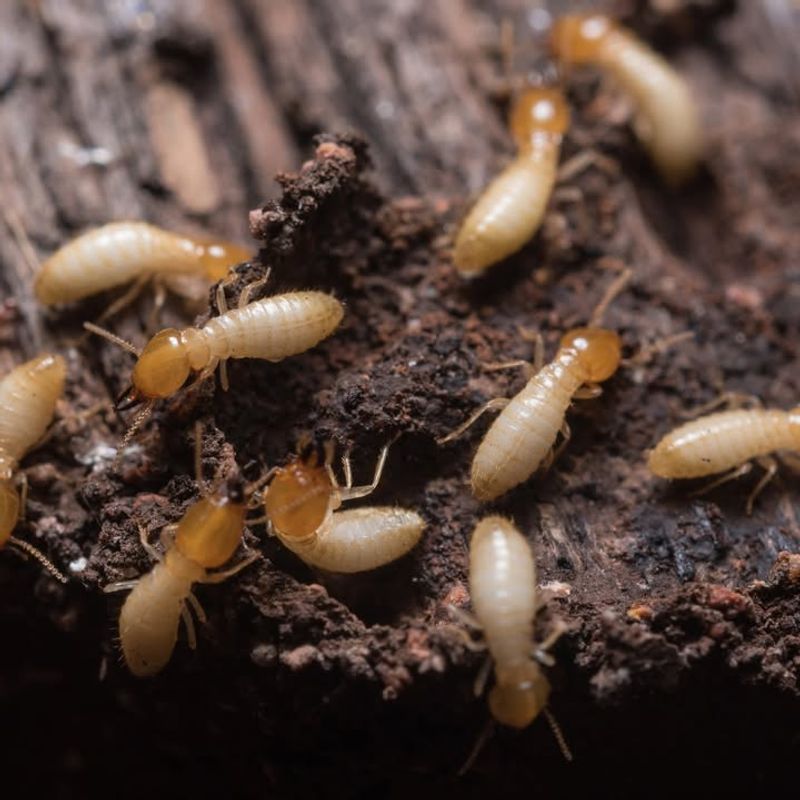
Warm late-winter conditions can trigger early lawn damage in Florida as southern chinch bugs become active in late February or early March. These tiny insects feed by piercing grass blades and sucking out plant fluids, which causes yellowing and browning that spreads rapidly across St. Augustine lawns.
Because they reproduce quickly in warm weather, a small population can explode into a major infestation within just a few weeks.
Damage from chinch bugs typically appears first in sunny, dry areas of the lawn, especially near driveways, sidewalks, or along fence lines where heat accumulates.
Affected grass may initially look drought-stressed, but watering does not improve the condition because the insects continue feeding.
If you part the grass in a damaged area and look closely, you may spot the small black and white bugs crawling near the soil surface.
Early detection is critical for preventing widespread damage, so inspect your lawn regularly starting in late winter. Applying a soap flush test can help confirm chinch bug presence before visible damage occurs.
Maintaining proper lawn height and irrigation practices reduces stress and helps grass withstand feeding pressure better throughout the season.
3. Aphids
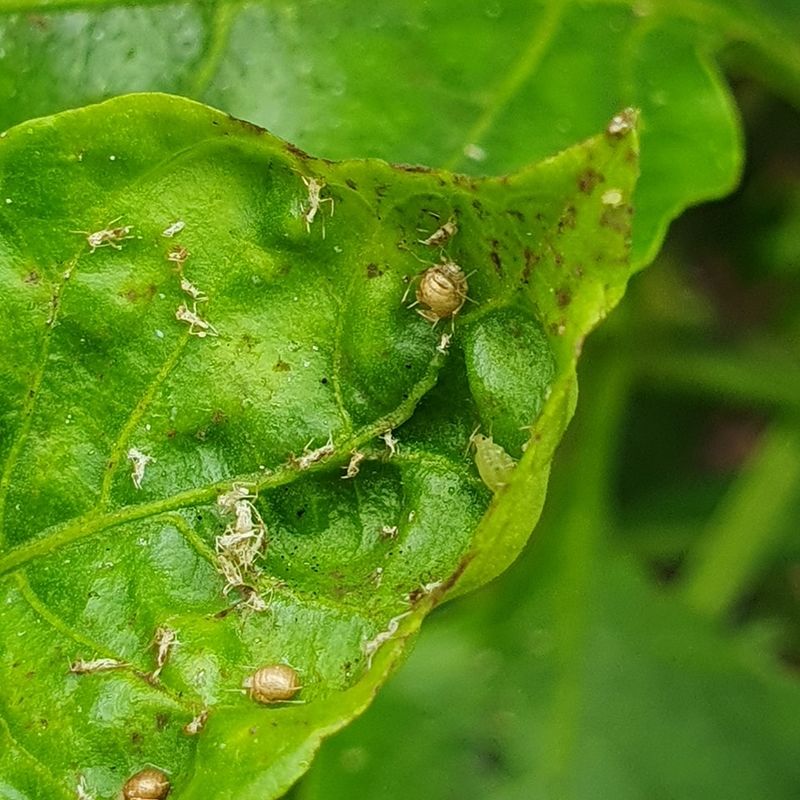
Aphids emerge in Florida gardens much earlier than gardeners anticipate, often appearing on tender new growth as early as late winter. These soft-bodied insects reproduce rapidly without mating, which allows populations to grow exponentially in just days.
They feed by inserting their needle-like mouthparts into plant tissue and extracting sap, which weakens plants and causes leaves to curl, yellow, or become distorted.
One telltale sign of aphid activity is the presence of sticky honeydew on leaves and stems, which attracts ants and encourages sooty mold growth.
You may also notice clusters of tiny green, black, yellow, or white insects gathered on the undersides of leaves or along new shoots.
Aphids target a wide range of plants, including vegetables, ornamentals, and fruit trees, making them one of the most common early-season pests in Florida.
Encouraging beneficial insects like ladybugs and lacewings helps keep aphid populations under control naturally. Spraying plants with a strong stream of water can dislodge aphids before they establish large colonies.
For heavier infestations, insecticidal soap or neem oil provides effective control without harming beneficial insects when applied correctly and early in the infestation cycle.
4. Whiteflies
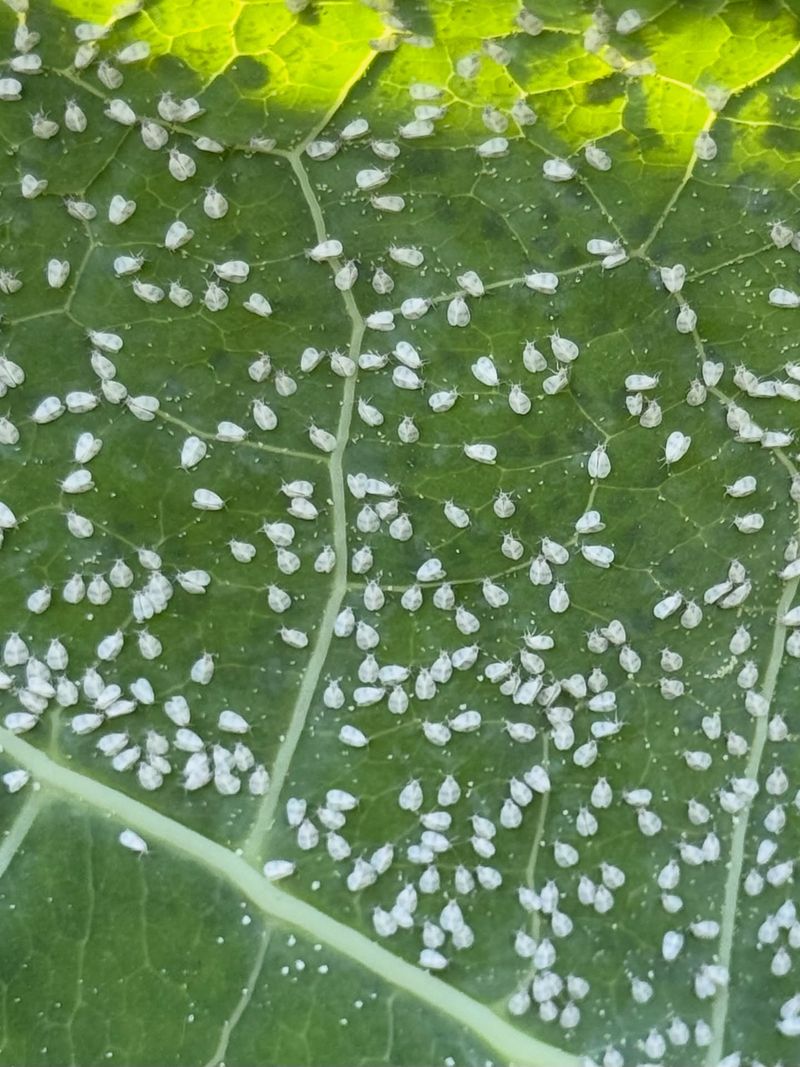
Whiteflies become active in Florida as early as late winter, especially in warm microclimates around patios, greenhouses, and protected garden beds where temperatures stay consistently mild. These tiny, moth-like insects feed on the undersides of leaves, sucking sap and weakening plants while producing copious amounts of sticky honeydew.
Heavy infestations can cause leaves to yellow, wilt, and drop prematurely, which stresses plants and reduces yields in vegetable gardens.
When you brush against an infested plant, clouds of small white insects will fly up briefly before settling back down on the foliage.
This behavior makes whiteflies easy to identify, but controlling them requires persistence because they reproduce quickly and have multiple overlapping generations.
Tomatoes, peppers, citrus, hibiscus, and poinsettias are particularly susceptible to whitefly damage in Florida landscapes.
Introducing natural predators such as parasitic wasps and predatory beetles can help suppress whitefly populations over time. Yellow sticky traps placed near affected plants capture adult whiteflies and help monitor population levels.
For severe infestations, horticultural oils or insecticidal soaps can reduce numbers, but repeated applications are usually necessary because eggs and pupae are more resistant to treatment than adults and nymphs.
5. Spider Mites
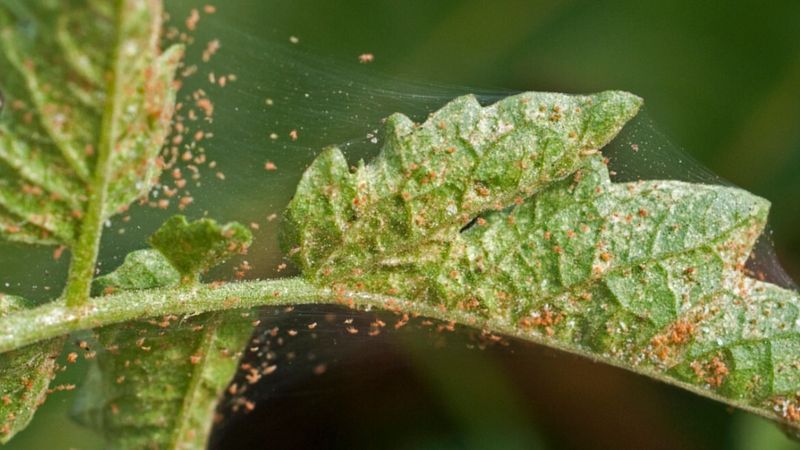
Spider mites thrive in Florida’s warm, dry conditions and can become active as early as late winter, particularly during periods of low humidity and limited rainfall. These microscopic pests are not true insects but rather arachnids, and they feed by piercing plant cells and extracting chlorophyll.
Infested leaves develop a stippled, bronzed appearance, and fine webbing may become visible on the undersides of leaves or between stems as populations grow.
Spider mites reproduce extremely quickly in hot weather, with a new generation emerging every week under ideal conditions. They prefer dusty environments, so plants growing near driveways or roads are often hit hardest.
Vegetables, roses, citrus trees, and ornamental shrubs are all common targets for spider mite infestations in Florida gardens.
Regularly hosing down plants with water helps reduce spider mite numbers by washing away dust and disrupting their habitat.
Increasing humidity around susceptible plants through mulching and proper irrigation can also make conditions less favorable for mites.
Miticides or insecticidal soaps can be effective when applied early and repeated as needed, but avoid broad-spectrum pesticides that harm beneficial predatory mites and other natural enemies that help keep spider mite populations in check.
6. Fire Ants
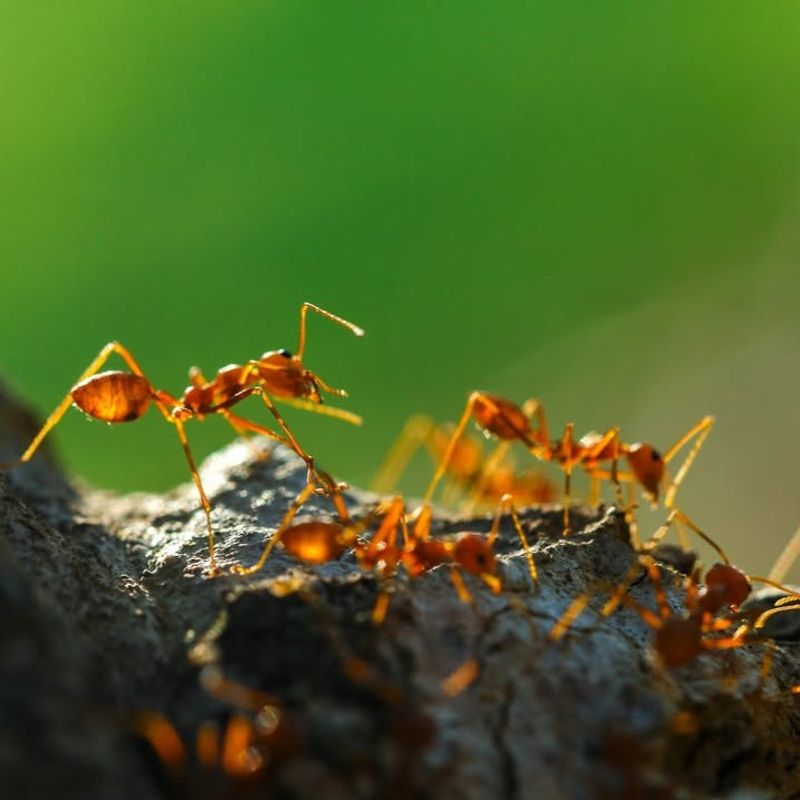
Fire ants can remain active year-round in much of Florida, but they become especially aggressive and visible in late winter and early spring as colonies expand and new mounds appear.
Warmer soil temperatures trigger increased foraging activity, and workers begin gathering food to support rapid colony growth.
Disturbing a mound can result in hundreds of ants swarming out within seconds, delivering painful stings that leave burning welts on skin.
Fire ant mounds can damage lawns, interfere with gardening activities, and pose serious risks to children, pets, and anyone with allergies to insect venom. These invasive ants also harm beneficial insects and ground-nesting wildlife, disrupting the natural balance of Florida ecosystems.
Colonies can relocate quickly after heavy rains or disturbances, making long-term management challenging without consistent effort.
Treating individual mounds with bait or drench products in early spring can reduce colony numbers before populations peak in summer. Broadcast baiting across the entire yard provides broader control by targeting foraging workers that carry the bait back to the queen.
Timing treatments for early morning or late evening when ants are most active improves effectiveness, and repeating applications throughout the year helps prevent new colonies from becoming established in treated areas.
7. Cutworms
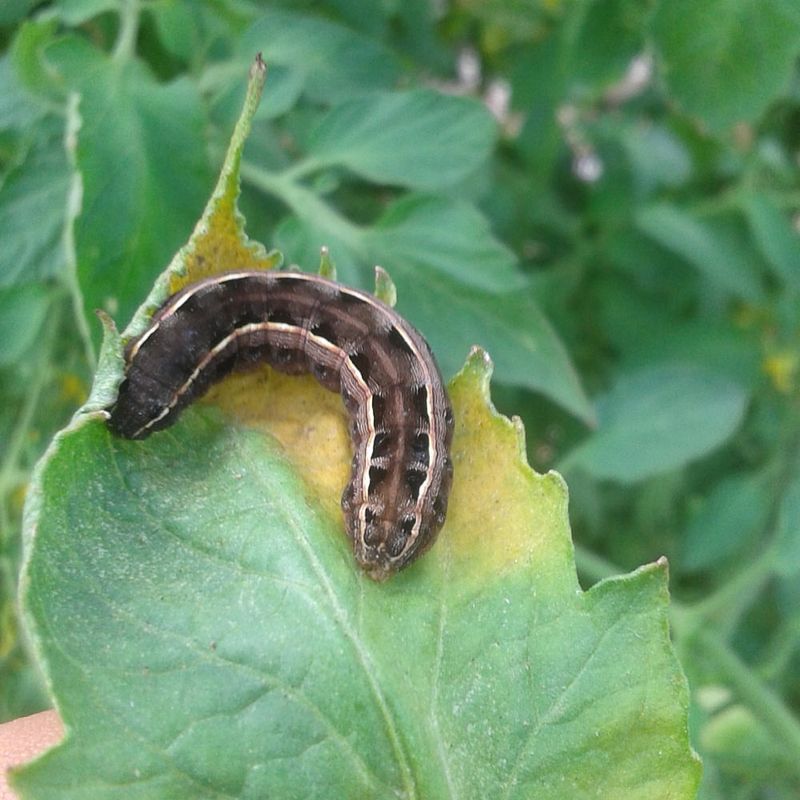
Cutworms become active in Florida gardens surprisingly early, with larvae moving near the soil surface in late February or March to feed on young seedlings and transplants.
These nocturnal caterpillars hide in the soil or under debris during the day and come out at night to chew through plant stems at ground level.
Gardeners often find healthy-looking seedlings toppled over in the morning with no obvious explanation, which is the classic sign of cutworm damage.
Several species of cutworms occur in Florida, and they target a wide variety of vegetables, flowers, and ornamental plants. Tomatoes, peppers, beans, and lettuce are particularly vulnerable during the early growing season.
Because cutworms feed at night and remain hidden during the day, they can be difficult to detect until significant damage has already occurred.
Placing collars made from cardboard, plastic cups, or aluminum foil around the base of transplants creates a physical barrier that prevents cutworms from reaching stems. Tilling the soil a few weeks before planting exposes larvae and pupae to predators and disrupts their life cycle.
Handpicking cutworms at night with a flashlight can also reduce populations, and applying beneficial nematodes to the soil targets larvae before they cause serious harm to your plants.
8. Thrips
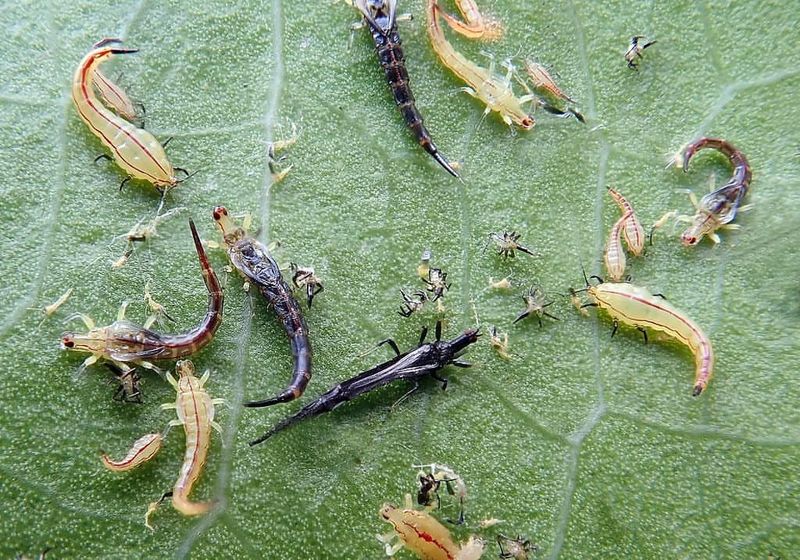
Flowering plants and tender vegetables may show early signs of damage in Florida gardens as thrips emerge during mild winter weather. These slender, fast-moving insects feed by rasping plant tissue and sucking out the contents, which causes silvery streaks, distorted leaves, and scarred flowers.
Heavy thrips feeding can reduce plant vigor, stunt growth, and make ornamental plants look unsightly.
Thrips are extremely small and difficult to see without magnification, but you can often detect their presence by shaking flowers or leaves over a white sheet of paper.
The tiny insects will appear as dark specks moving rapidly across the surface.
Thrips also transmit plant viruses, which can cause more serious long-term damage than the feeding itself, especially in vegetable crops like tomatoes and peppers.
Encouraging natural predators such as minute pirate bugs and predatory mites helps keep thrips populations under control in Florida gardens. Removing weeds and plant debris eliminates hiding places and reduces thrips habitat around your garden.
Insecticidal soaps or spinosad-based products can provide effective control when applied early and repeated as needed, but thorough coverage is essential because thrips hide deep inside flowers and leaf folds where sprays may not reach easily.
9. Scale Insects
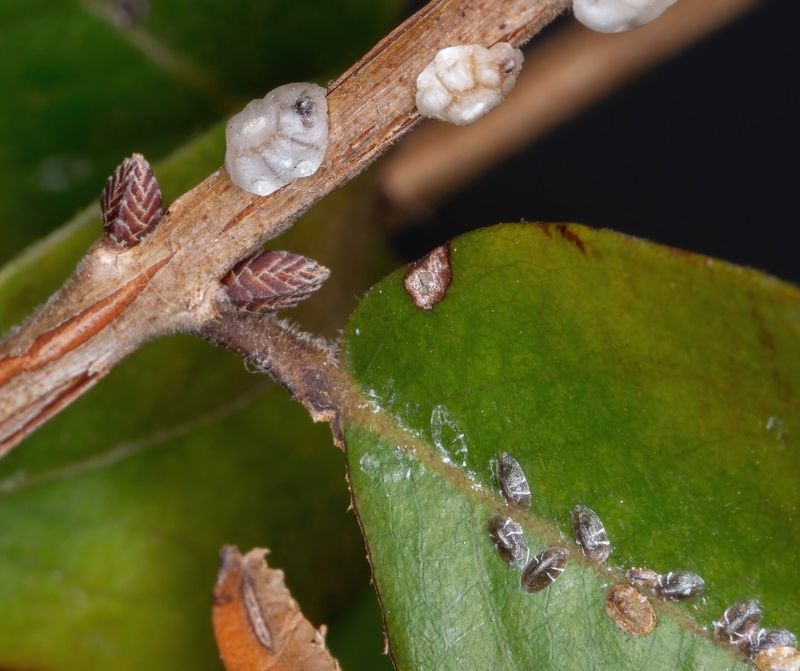
Scale insects become active in Florida much earlier than many gardeners realize, with crawlers emerging in late winter or early spring to settle on new growth and begin feeding. These unusual pests attach themselves to stems, leaves, and fruit, where they remain stationary and feed by sucking plant sap.
Their protective waxy or armored coverings make them look more like bumps or growths than living insects, which often leads to delayed detection and treatment.
Heavy scale infestations weaken plants, cause yellowing leaves, and produce sticky honeydew that attracts ants and encourages black sooty mold growth.
Citrus trees, ornamental shrubs, and tropical plants are especially vulnerable to scale damage in Florida landscapes.
Because scales reproduce continuously in warm climates, populations can build up quickly and cause significant stress to plants over time.
Pruning out heavily infested branches reduces scale populations and improves air circulation, which discourages further infestations. Applying horticultural oil during the dormant season or when crawlers are active smothers scales and prevents new generations from establishing.
Introducing beneficial insects like ladybugs and parasitic wasps provides long-term biological control, and regular monitoring helps catch new infestations early when they are easiest to manage with minimal intervention.
10. Leaf Miners
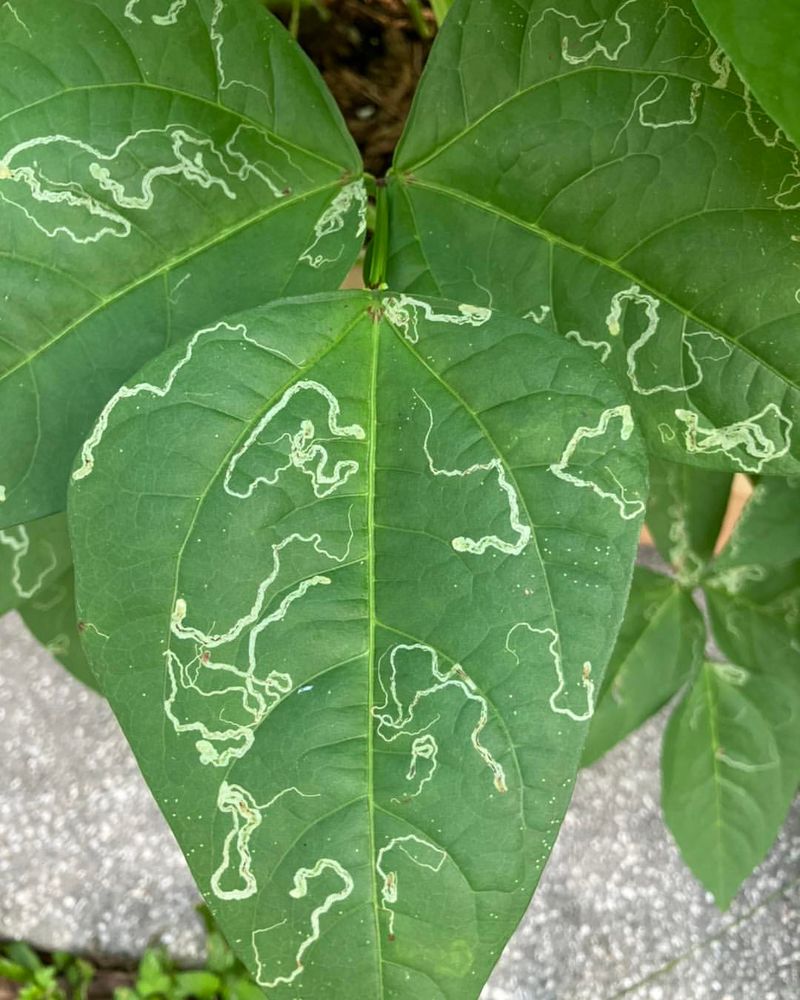
Fresh foliage in Florida gardens can develop winding damage early in the season as leaf miners begin feeding inside leaves. These tiny larvae of flies, moths, or beetles feed between the upper and lower surfaces of leaves, creating distinctive winding trails or blotchy patches that turn brown or white.
While leaf miner damage is mostly cosmetic on ornamental plants, heavy infestations can reduce photosynthesis and weaken plants over time.
Vegetables like spinach, chard, and tomatoes are common targets for leaf miners in Florida, along with ornamental plants such as citrus, columbine, and hibiscus.
The damage becomes more noticeable as the season progresses, but the larvae are already feeding inside the leaves long before the trails become visible.
Because the larvae are protected inside the leaf tissue, contact sprays are generally ineffective once tunneling has begun.
Removing and disposing of infested leaves as soon as you notice trails helps reduce future generations and prevents the problem from spreading. Floating row covers placed over susceptible vegetables before pests arrive can block adult flies from laying eggs on leaves.
Encouraging natural predators like parasitic wasps provides long-term control, and maintaining healthy plants through proper watering and fertilization helps them tolerate feeding damage better throughout the growing season.
Have you already spotted any of these pests this year? Many Florida gardeners are surprised by how early the damage starts!