Florida Gardeners Are Ditching These 9 Popular Plants To Save More Water
Water bills creeping higher every summer? Many Florida gardeners know the shock of watching sprinklers run nonstop just to keep thirsty plants alive in heat and sandy soil.
What once felt like a lush tropical paradise can quickly turn into a costly, water-hungry landscape that demands constant attention.
Across the state, homeowners are starting to rethink the plants they grow, trading high-maintenance favorites for smarter, drought-tolerant choices that stay beautiful with far less water.
The shift is not about giving up color or curb appeal. It is about working with Florida’s climate instead of fighting it.
Some of the most popular plants quietly drain more water than most people realize, especially during long, hot stretches without rain. Swapping even a few of these thirsty choices can lower irrigation, cut maintenance, and noticeably reduce monthly water bills.
If your garden seems to need watering all the time, this list may explain why and help you discover better options that thrive while using much less water year round.
1. St. Augustine Grass: The Thirsty Lawn
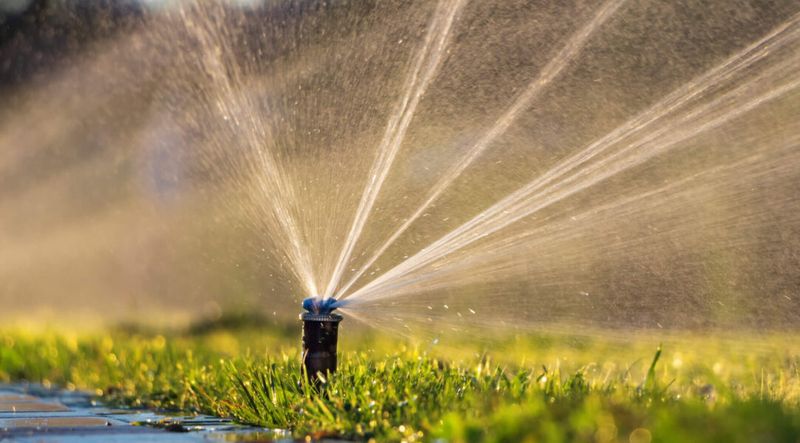
Lawns covered in St. Augustine grass look beautiful when properly maintained, but they come with a hefty water bill. This popular turf requires consistent irrigation throughout Florida’s long growing season.
Sandy soils drain quickly, forcing homeowners to water multiple times per week just to keep the grass green.
During dry spells, St. Augustine shows stress faster than other grass types. Brown patches appear within days without adequate moisture.
The grass also needs more water than native alternatives, making it a poor choice for water conservation efforts.
Many Florida residents are replacing St. Augustine with Bahia grass or native groundcovers. These alternatives tolerate drought better and need watering only during establishment.
Bahia grass develops deeper roots that access moisture lower in the soil.
Switching to lower-water turf reduces maintenance time and irrigation costs. Homeowners report saving hundreds of dollars annually after making the change.
Native groundcovers like sunshine mimosa or perennial peanut create attractive lawns while using a fraction of the water. These options stay green longer during dry periods and require less fertilizer and mowing than traditional grass.
2. Impatiens Wilts Without Water
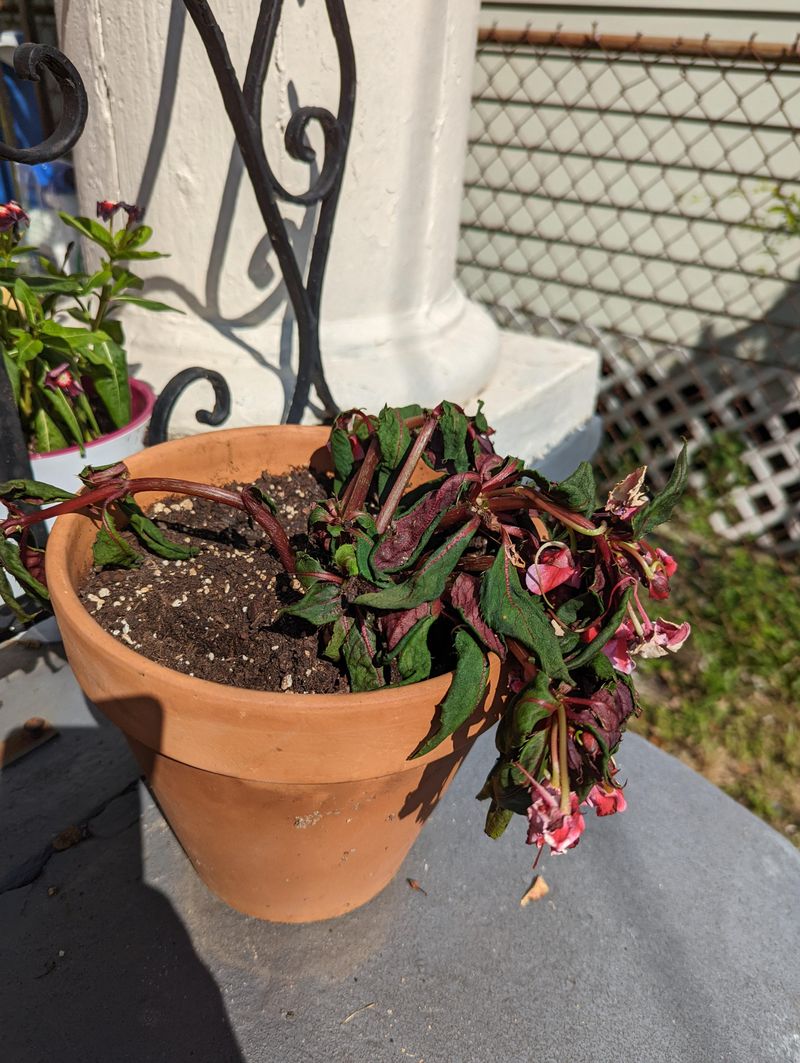
Garden centers sell millions of impatiens every spring because of their bright, cheerful blooms. However, these flowers struggle in Florida’s climate without constant moisture.
Shallow root systems cannot reach water deep in the soil, leaving plants vulnerable to heat stress.
Impatiens wilt dramatically when soil dries out even slightly. Florida’s warm temperatures accelerate water loss through the leaves.
Gardeners often find themselves watering impatiens twice daily during summer months to prevent drooping.
The high water demands make impatiens impractical for water-conscious landscapes. Plants recover slowly from wilting episodes, and repeated stress reduces flowering.
Many blooms drop before fully opening when moisture is inconsistent.
Florida gardeners are choosing torenia, begonias, or pentas instead of impatiens. These alternatives handle heat better and need less frequent watering.
Torenia produces similar tubular flowers in vibrant colors while tolerating drier conditions. Wax begonias bloom continuously with moderate water and thrive in partial shade.
Pentas attract butterflies and hummingbirds while requiring watering only when the top inch of soil feels dry. These tougher plants maintain their appearance throughout the growing season without the constant attention impatiens demand.
3. Caladium Needs Constant Moisture
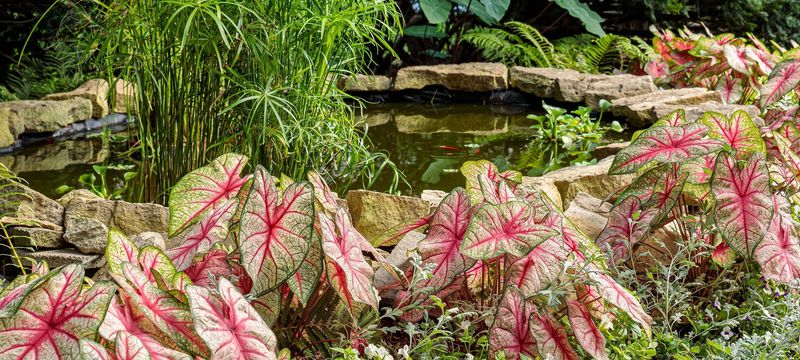
Colorful caladium leaves brighten shady spots with patterns in pink, red, white, and green. These tropical plants originated in South American rainforests where moisture is plentiful.
Florida’s sandy soils drain too quickly to maintain the consistent dampness caladiums prefer.
Without regular watering, caladium leaves curl and lose their vibrant colors. The tubers struggle when soil moisture fluctuates between wet and dry.
Plants go dormant early when stressed by inconsistent irrigation, cutting short their display season.
Full sun exposure in Florida increases water needs even more. Caladiums planted in sunny beds require daily watering to prevent leaf scorch.
The large, thin leaves lose moisture rapidly through transpiration in hot weather.
Gardeners seeking lower-water shade plants are turning to cast iron plant or coontie palms. Cast iron plant tolerates neglect and needs watering only during extended droughts.
Its dark green foliage provides year-round interest without the fuss. Coontie is a Florida native that thrives in dry shade once established.
Both alternatives offer attractive foliage while using far less water than caladiums. These hardy choices maintain their appearance through summer heat without constant irrigation.
4. Elephant Ear Is A Water Lover
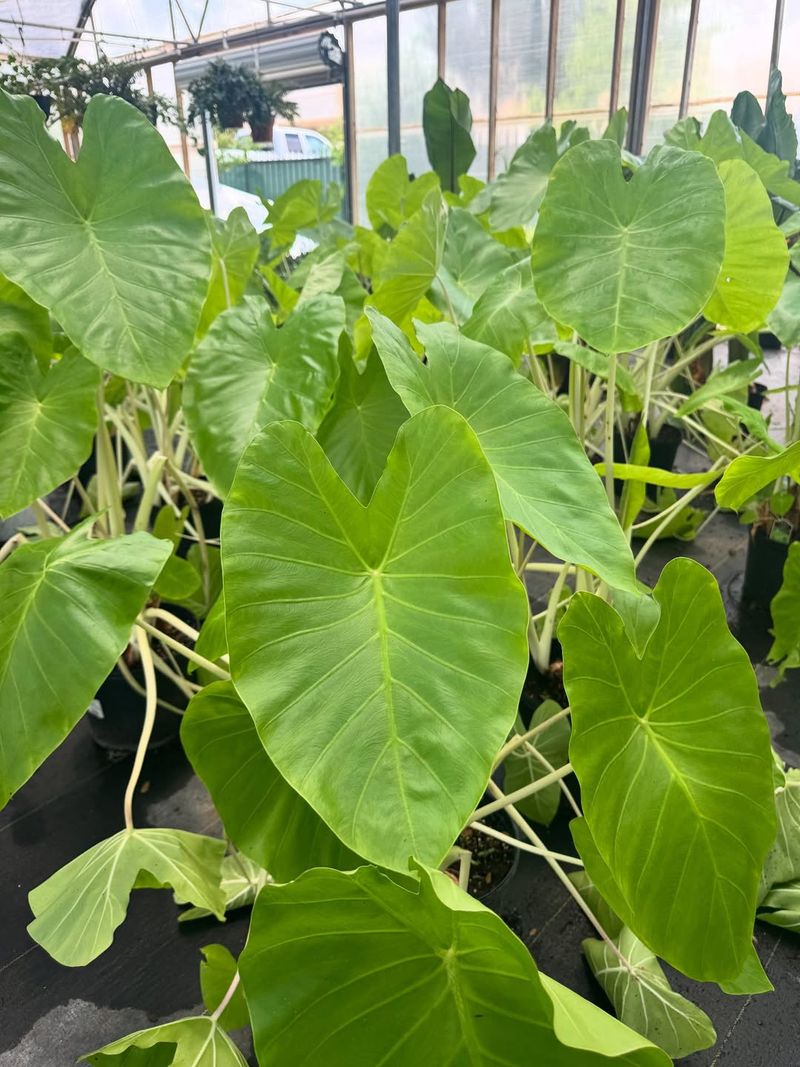
Massive leaves give elephant ear plants their common name and create dramatic tropical effects in landscapes. These plants naturally grow along streams and in wetlands where roots stay constantly moist.
Attempting to grow them in regular garden beds requires excessive watering in Florida’s climate.
Each giant leaf acts like a water pump, pulling moisture from the soil and releasing it into the air. Hot Florida sunshine accelerates this process, leaving soil dry within hours of watering.
Plants show stress quickly when moisture drops, with leaves drooping noticeably by afternoon.
Elephant ears demand more water than almost any other ornamental plant. Gardeners must water daily or even twice daily during peak summer heat.
This intensive irrigation makes them unsuitable for water-saving landscapes.
Florida homeowners are replacing elephant ears with drought-tolerant foliage plants like agave or yucca. These alternatives provide bold architectural interest without constant watering.
Agave stores water in thick leaves and thrives in dry conditions. Yucca develops deep roots that find moisture during droughts.
Both plants offer striking forms that create focal points in the landscape while using minimal water. Switching to these tough alternatives dramatically reduces irrigation needs without sacrificing visual impact in the garden.
5. Boston Fern Dries Out Fast
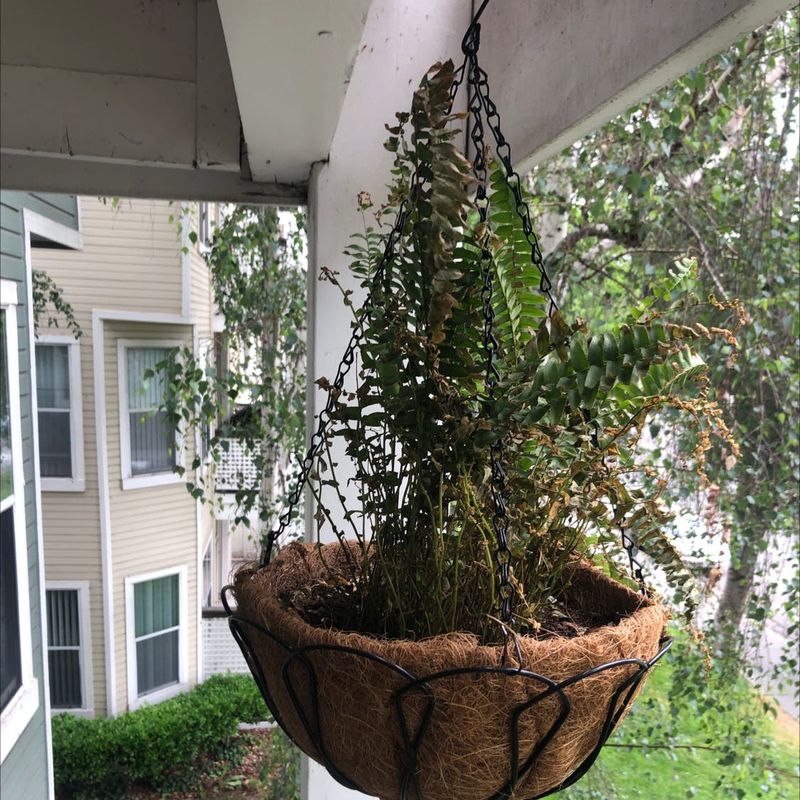
Hanging baskets filled with Boston ferns grace porches across Florida, their delicate fronds swaying in the breeze. These classic plants require high humidity and consistent moisture to maintain their lush appearance.
Florida’s heat causes potting soil to dry out rapidly, especially in containers.
Fern fronds turn brown and crispy when soil moisture drops even briefly. The fine root systems cannot tolerate drying out between waterings.
Outdoor ferns in Florida often need watering twice daily during summer to prevent browning.
Wind and low humidity compound the moisture loss from containers. Ferns struggle to maintain adequate hydration despite frequent watering.
Brown fronds must be trimmed regularly, leaving plants looking sparse and unhealthy.
Many Florida gardeners are switching to snake plant or ZZ plant for lower-water foliage displays. Snake plant tolerates neglect and needs watering only every few weeks.
Its upright leaves add vertical interest without constant care. ZZ plant thrives on minimal water and stays green through dry periods.
Both alternatives work well in containers and require a fraction of the attention Boston ferns demand. These tough plants maintain their appearance year-round without the daily watering schedule ferns require, making them perfect for busy homeowners seeking beautiful, low-maintenance greenery.
6. Tropical Hibiscus Drops Blooms In Drought
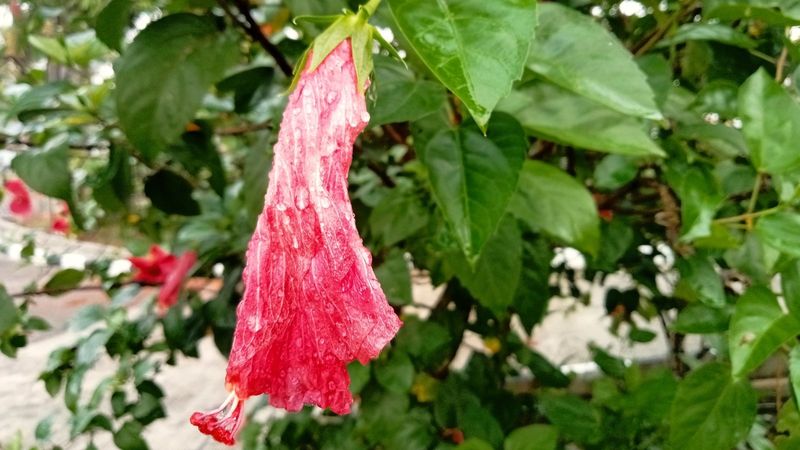
Showy flowers make tropical hibiscus a favorite for Florida landscapes, with blooms in every color imaginable. These plants produce flowers continuously in warm weather, but only when conditions are ideal.
Dry soil causes buds to drop before opening, eliminating the main reason for growing hibiscus.
Water stress triggers a survival response in tropical hibiscus. Plants shed flower buds to conserve resources when soil moisture is inadequate.
Even brief dry periods result in disappointing bud drop and reduced flowering.
Maintaining consistent soil moisture in Florida’s sandy soils requires frequent irrigation. Hibiscus planted in the ground need watering several times weekly during warm months.
Container-grown specimens may need daily attention to keep blooms coming.
Gardeners focused on water conservation are choosing blanket flower or gaillardia instead. These tough perennials bloom prolifically with minimal watering once established.
Blanket flower produces cheerful daisy-like blooms in red, yellow, and orange throughout the growing season. The plants tolerate heat and drought while attracting butterflies to the garden.
Gaillardia requires watering only during extended dry spells and continues blooming through summer heat. Both alternatives provide continuous color without the intensive irrigation tropical hibiscus demands, making them smarter choices for water-wise Florida landscapes.
7. Gardenia Hates Dry Soil
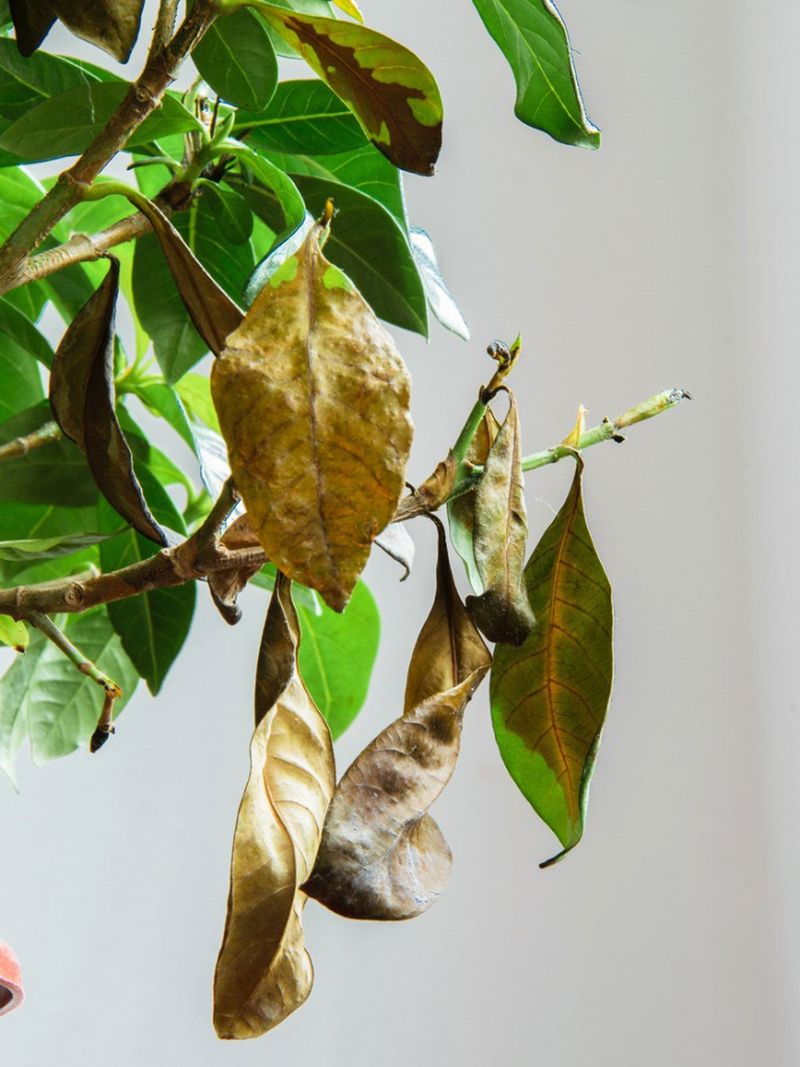
Fragrant white blooms and glossy evergreen leaves make gardenias beloved throughout Florida. The intoxicating scent of gardenia flowers fills evening air in late spring and summer.
However, these beautiful shrubs come with demanding care requirements, especially regarding water.
Shallow root systems make gardenias sensitive to soil drying. Plants show stress quickly when moisture drops, with leaves turning yellow and dropping.
Consistent moisture is essential for healthy growth and abundant flowering.
Florida’s sandy soils drain too quickly to maintain the even moisture gardenias prefer. Gardeners must water frequently and mulch heavily to keep roots adequately hydrated.
Even with careful attention, gardenias often struggle during dry periods between rainstorms.
Water-conscious homeowners are replacing gardenias with Walter’s viburnum or Simpson’s stopper. These Florida natives produce fragrant white flowers while tolerating drier conditions.
Walter’s viburnum blooms in spring with clusters of sweetly scented flowers and requires watering only during establishment. Simpson’s stopper offers year-round interest with fragrant blooms and colorful berries that attract birds.
Both shrubs develop deep root systems that access moisture during droughts. These tough natives provide beauty and fragrance without the constant watering gardenias demand, making them excellent choices for sustainable Florida landscapes.
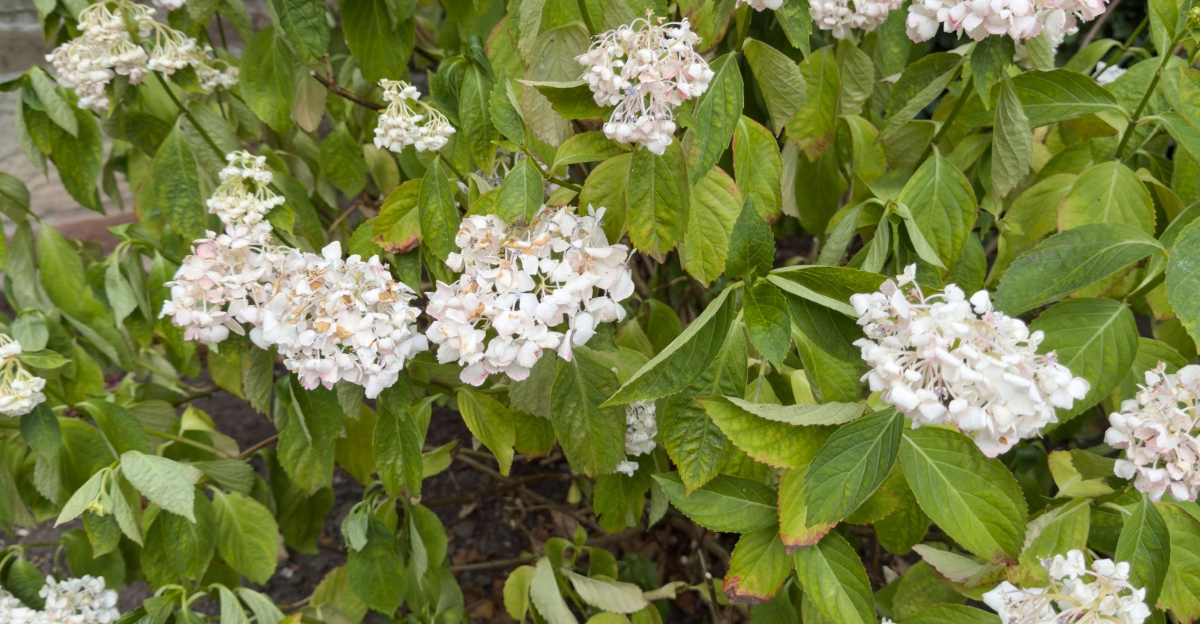
8. Hydrangea Wilts In Heat
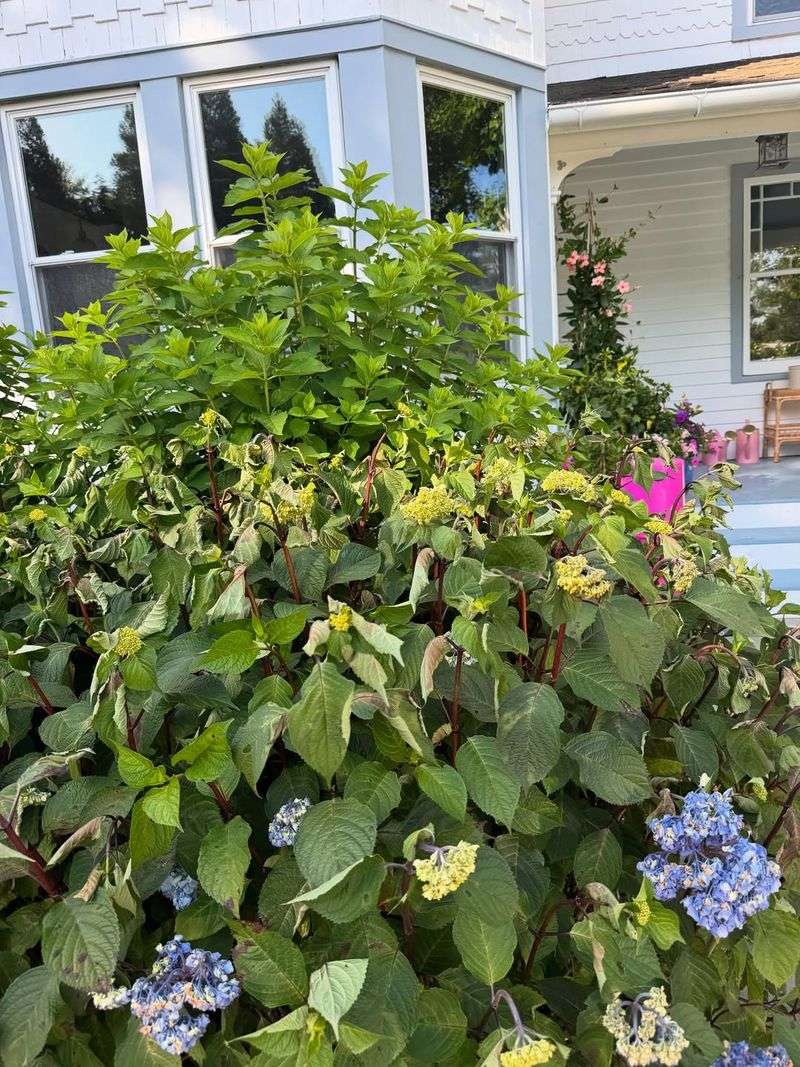
Large flower clusters in shades of blue, pink, and white make hydrangeas popular in cooler climates. Florida gardeners attempt to grow these showy shrubs but face constant challenges.
The plants simply were not designed for hot, dry conditions found throughout most of the state.
Hydrangea leaves wilt visibly when soil moisture drops even slightly. Large, thin leaves lose water rapidly in Florida’s heat and sunshine.
Plants require frequent watering just to maintain an upright appearance, let alone produce flowers.
Even with regular irrigation, hydrangeas struggle through Florida summers. Flower production suffers in the heat, and plants often look stressed despite careful attention.
The high water needs make them impractical for conservation-minded landscapes.
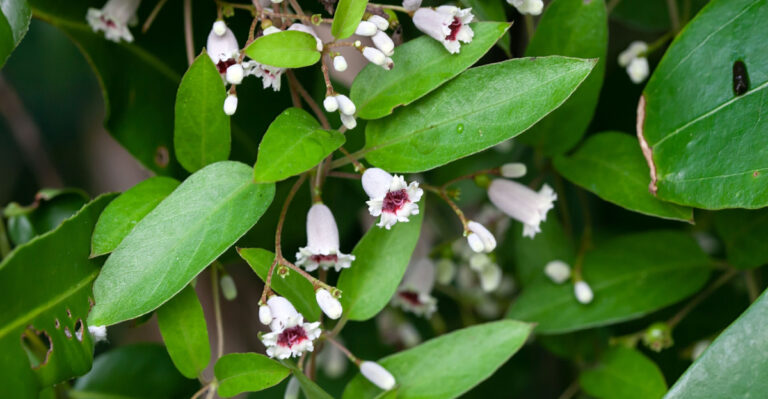
Many Florida residents are choosing plumbago or blue daze for similar flower colors with better heat tolerance. Plumbago produces clusters of sky-blue flowers throughout the warm season while needing only moderate water.
The plant thrives in Florida’s climate and blooms heavily without constant irrigation. Blue daze offers similar blue flowers on a compact plant that tolerates dry conditions once established.
Both alternatives provide beautiful color while using far less water than hydrangeas. These tough choices bloom reliably through summer heat without the daily watering hydrangeas require.
9. Petunias Summer Water Hog
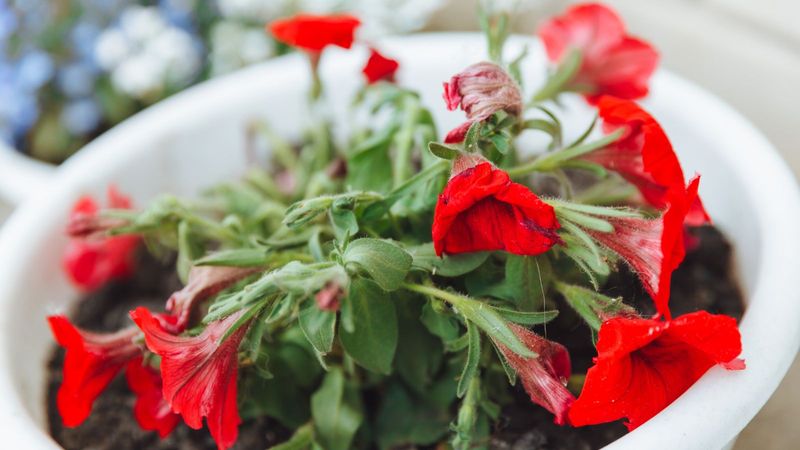
Bright petunia flowers fill garden centers each spring, tempting gardeners with their cheerful colors and low prices. These popular annuals bloom beautifully in cooler weather but struggle as Florida temperatures climb.
Summer heat transforms petunias from easy-care plants into water-demanding maintenance nightmares.
Hot weather causes petunias to wilt quickly between waterings. Plants need daily irrigation to maintain their appearance during Florida summers.
Even with frequent watering, blooms often fade and plants look tired in the heat.
The shallow root systems cannot access moisture deep in the soil. Petunias planted in beds or containers dry out rapidly in hot sunshine.
Gardeners find themselves watering morning and evening just to keep plants alive through summer.
Water-wise Florida gardeners are switching to purslane or portulaca for summer color. These tough annuals bloom prolifically in heat and drought conditions that would stress petunias.
Purslane produces cheerful flowers in bright colors while storing water in succulent leaves and stems. The plants need watering only once or twice weekly even in peak summer.
Portulaca offers similar drought tolerance with rose-like blooms that open in full sun. Both alternatives provide continuous color throughout the hottest months while using minimal water.