Florida Gardeners Are Growing This Popular Fruit Tree Indoors And It Works
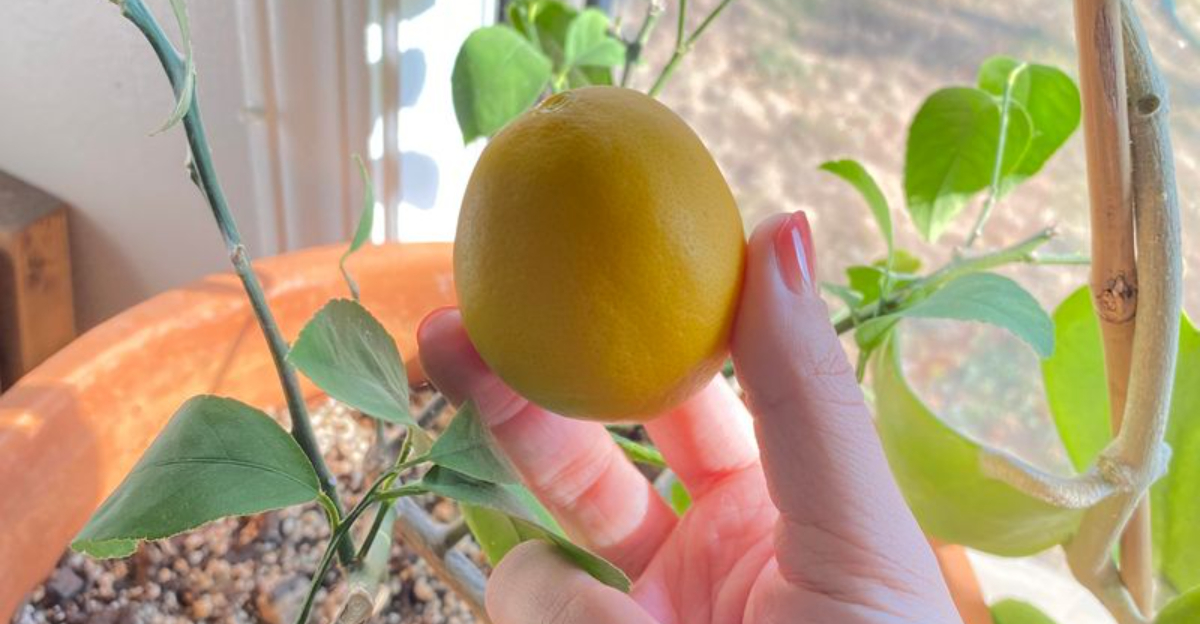
Florida gardeners have learned the hard way that the weather can turn on a dime. One week everything is thriving, the next a cold snap, a tropical storm, or relentless heat wipes out months of careful growing.
After enough close calls, many home growers decided to stop rolling the dice and bring their fruit trees inside where conditions stay steady and predictable. What started as a seasonal workaround quickly became a year-round strategy.
Gardeners began noticing stronger growth, better flowering, and fewer setbacks when their trees lived indoors instead of battling Florida’s extremes.
In kitchens, sunrooms, and near bright windows, these container trees proved that sometimes the smartest move is thinking inside the box.
The fruit tree making this quiet indoor revolution possible is the Meyer lemon. Compact, productive, and surprisingly adaptable, it has become the go-to choice for Florida gardeners who want fresh citrus without gambling on the forecast.
1. Why Meyer Lemons Adapt Well To Indoor Growing
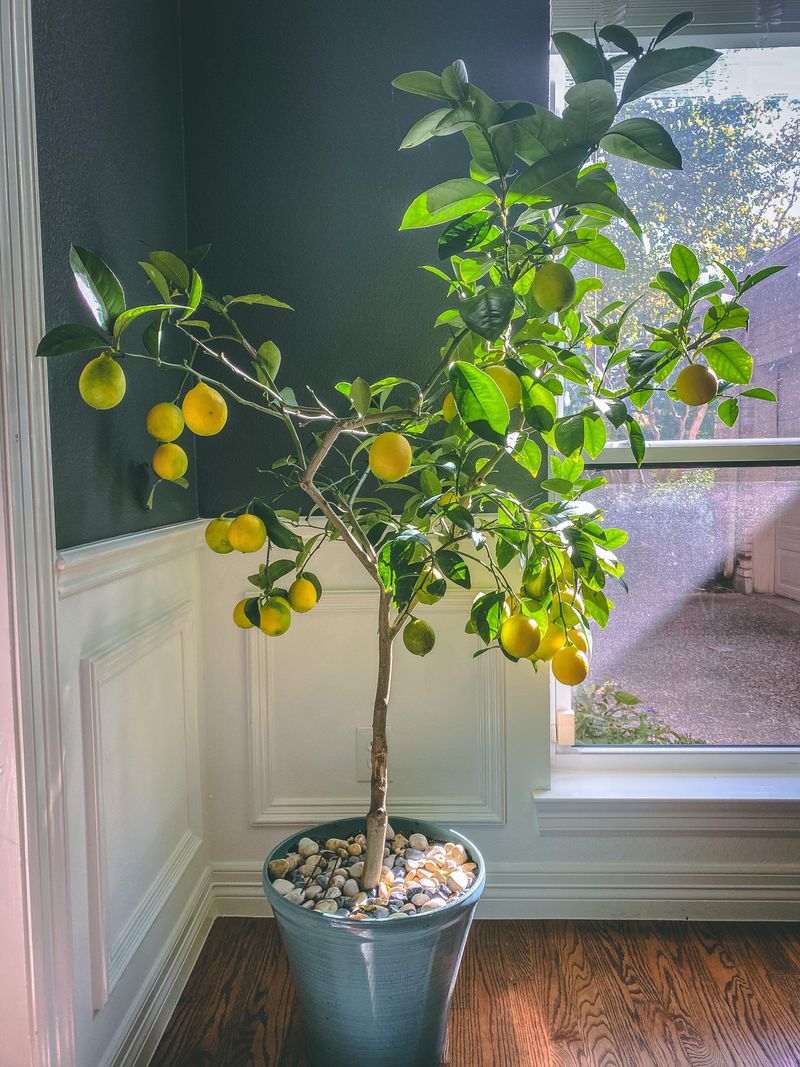
Compact size and natural adaptability make Meyer lemons uniquely suited for container life and indoor environments. Unlike standard lemon varieties that can grow quite large and require extensive root systems, Meyer lemons naturally stay smaller and more manageable.
Their root structure develops well in pots, and they respond positively to the controlled conditions that indoor spaces provide.
Many Florida gardeners notice their trees actually perform better when given consistent temperatures and protection from harsh weather elements.
Compared to other citrus varieties, Meyer lemons tolerate slightly lower light levels—but still require very bright light to flower and fruit indoors. While all citrus needs bright light to thrive, Meyer lemons can still produce flowers and fruit with less intensity than what outdoor Florida sun provides.
This flexibility means you can place them near large windows or sliding glass doors and still see good results. Their forgiving nature makes them ideal for gardeners who are new to indoor citrus care.
Meyer lemons also have a naturally compact growth habit that responds well to pruning and shaping. You can easily keep them at a height that fits your indoor space, usually between three and five feet tall.
This controllable size means they work in apartments, sunrooms, and even spacious kitchens.
Their manageable proportions combined with their willingness to bloom and fruit indoors explain why Florida gardeners keep choosing them over other citrus options.
2. What Makes This Citrus Tree Different From Others
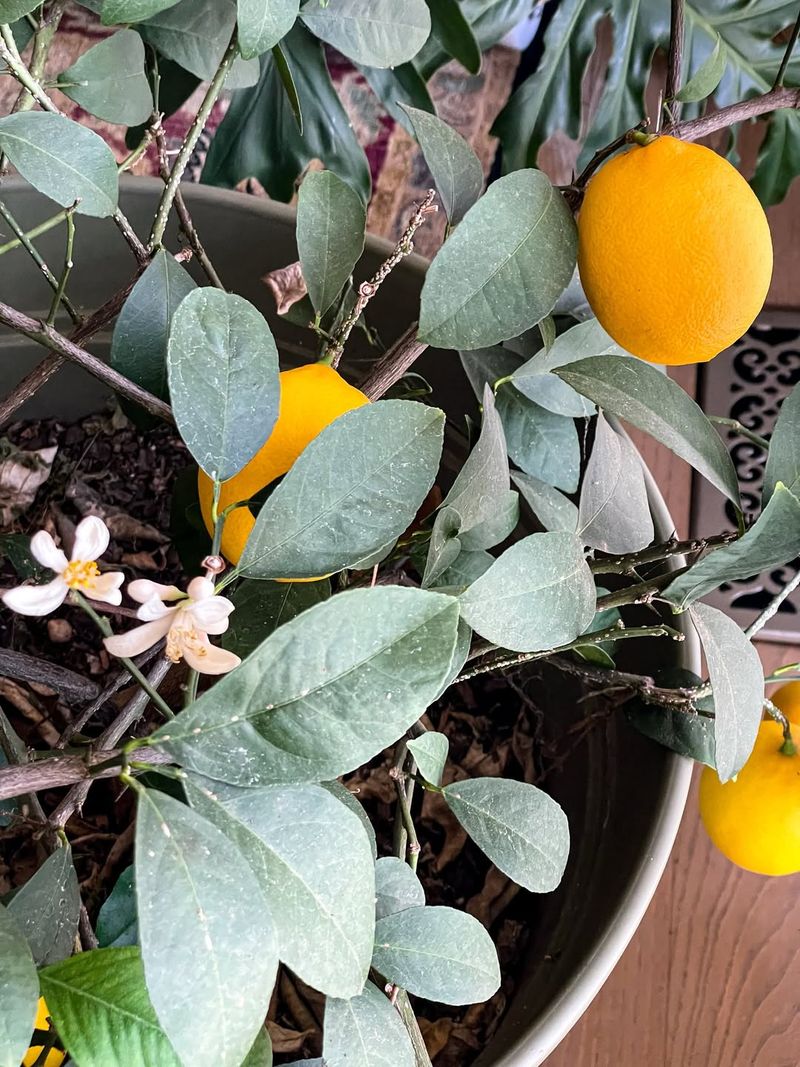
Flavor and sweetness set Meyer lemons apart from the tart, acidic lemons you find in grocery stores. The fruit tastes noticeably sweeter with a hint of mandarin orange, making it perfect for cooking, baking, and fresh lemonade.
Florida gardeners who grow them indoors often mention how much better homegrown Meyer lemons taste compared to commercial varieties. This sweeter profile comes from the tree’s heritage as a cross between a true lemon and a mandarin orange, giving it unique characteristics that appeal to home growers.
The tree produces fruit more reliably and more frequently than many other citrus types when grown in containers. Meyer lemons can bloom multiple times throughout the year, especially when kept in stable indoor conditions.
Multiple bloom cycles depend on adequate light intensity and regular citrus-specific fertilization. This means you might see flowers and developing fruit at the same time, creating an attractive and productive plant.
Florida gardeners appreciate this extended harvest window because it provides fresh lemons across different seasons rather than one large harvest period.
Thin skin and juicy flesh make Meyer lemons especially valuable in the kitchen. You get more juice per fruit, and the zest carries intense flavor without the bitter notes found in thick-skinned varieties.
The fruit ripens to a deep golden yellow color, signaling peak sweetness and readiness to pick.
Their culinary versatility combined with reliable production explains why this particular citrus variety has earned such a devoted following among Florida home growers who bring their trees inside.
3. How Indoor Growing Solves Florida Weather Challenges
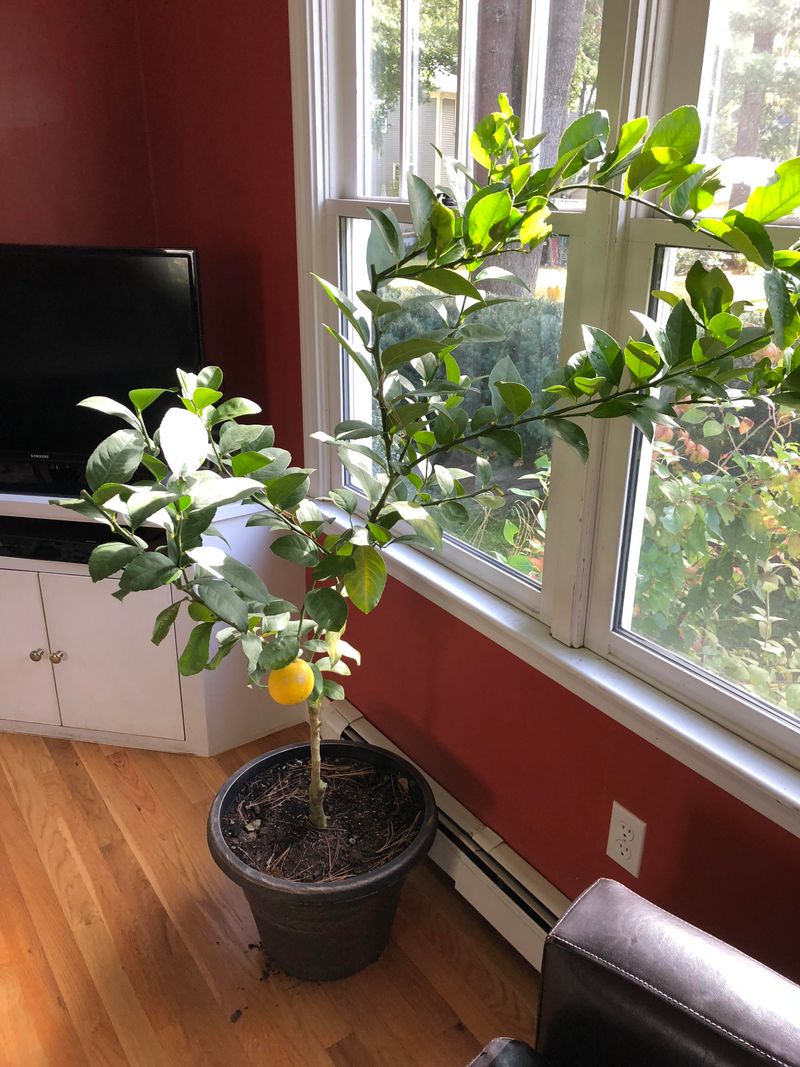
Unpredictable cold snaps in North and Central Florida create serious risks for outdoor citrus trees, even those considered cold hardy. Bringing Meyer lemons indoors during winter months eliminates worry about sudden temperature drops that can damage flowers, fruit, and tender new growth.
Many gardeners who live in zones where occasional freezes occur find that indoor growing provides peace of mind and protects their investment in healthy, productive trees.
The ability to move trees inside when weather threatens means you never have to scramble with blankets and heat lamps at midnight.
Summer storms and hurricane season present different challenges that indoor growing helps address. High winds can strip fruit and leaves from outdoor trees, while heavy rains can waterlog soil and stress root systems.
Keeping Meyer lemons in containers makes it easy to move them to protected locations when severe weather approaches. Florida gardeners in coastal areas especially appreciate this flexibility during hurricane season when outdoor plants face significant risk from wind and flooding.
Outdoor pest pressure often decreases when citrus trees move indoors, though monitoring remains essential. Common outdoor pests like citrus leafminer and aphids have fewer opportunities to establish when trees live inside.
Indoor environments also protect trees from the intense summer heat that can stress plants and reduce flowering.
The controlled conditions you create indoors help maintain consistent growth and fruit development throughout the year, something that outdoor Florida weather makes challenging even in the best locations.
4. Light And Placement Make All The Difference

South-facing windows provide the strongest and most consistent light for indoor Meyer lemon trees in Florida homes. These locations receive direct sunlight for the longest portion of the day, giving your tree the energy it needs to produce flowers and fruit.
If you have sliding glass doors that face south, positioning your tree nearby creates an ideal growing spot. The combination of bright light and easy access for watering and care makes these locations particularly valuable for citrus success.
East and west-facing windows can also work well, especially if the glass is large and unobstructed. Morning sun from an eastern exposure gives trees several hours of direct light during the cooler part of the day.
Western windows provide afternoon sun, which can be quite intense in Florida even through glass.
You might need to monitor your tree more closely in western locations during summer months to ensure it does not get too hot or experience leaf scorch from concentrated sunlight.
Supplemental grow lights become necessary if your home lacks sufficiently bright windows or if you live in North Florida where winter days are shorter. Full-spectrum LED grow lights positioned about twelve inches above the canopy can provide the additional light energy your tree needs.
Lights should provide the equivalent of bright direct sun, often in the range of 30–40 watts per square foot for reliable fruiting.
Many Florida gardeners use a combination of natural window light and supplemental lighting to ensure their Meyer lemons receive at least eight to twelve hours of bright light daily.
Proper placement near light sources directly impacts how well your tree grows, blooms, and produces fruit indoors.
5. Watering And Containers Matter More Indoors
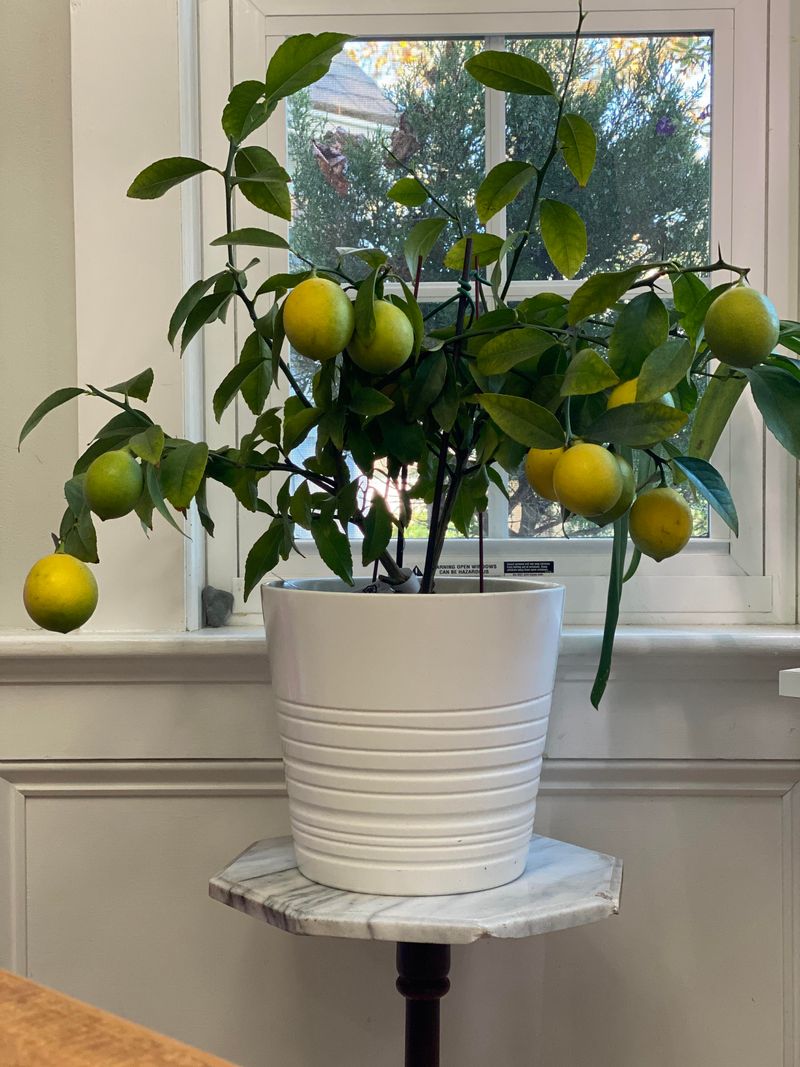
Container selection significantly impacts how well your Meyer lemon tree performs indoors because drainage and root health depend on proper pot design. Choose containers with multiple drainage holes at the bottom to prevent water from accumulating around roots.
Terracotta and unglazed ceramic pots work particularly well because they allow air exchange through the pot walls, helping soil dry at a more natural pace.
Plastic containers also work fine as long as drainage is excellent, though they retain moisture longer than porous materials.
Size matters when selecting containers for indoor citrus trees. A pot that is too small restricts root growth and requires constant watering, while an oversized container holds too much moisture and can lead to root problems.
Most Meyer lemon trees do well in containers between fourteen and twenty inches in diameter, depending on the tree’s size. Florida gardeners typically start with smaller pots for young trees and gradually move up to larger sizes as the root system develops over several years.
Watering frequency changes dramatically when citrus moves indoors because evaporation rates drop and air circulation differs from outdoor conditions. Check soil moisture by inserting your finger about two inches deep into the potting mix.
Water thoroughly when the top portion feels dry, allowing excess water to drain completely from the bottom. Never let containers sit in standing water, which quickly leads to root rot in indoor citrus.
Indoor trees in Florida typically need watering every five to seven days during winter and more frequently during summer when air conditioning can dry indoor air.
Consistent moisture without waterlogging creates the best conditions for healthy root development and fruit production.
6. How Florida Zones Affect Indoor Citrus Care
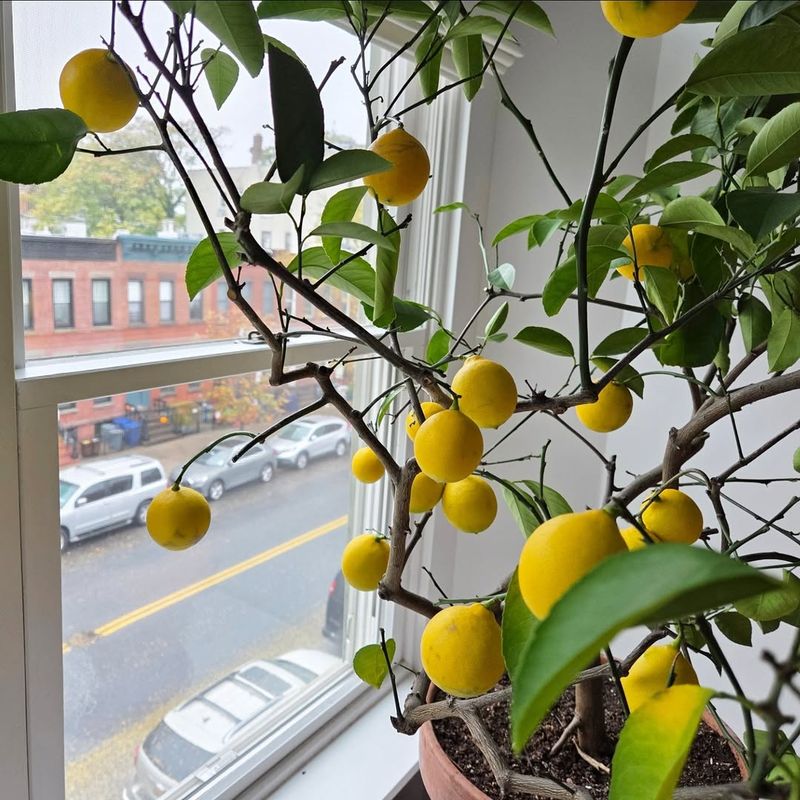
North Florida gardeners in zones 8 and 9 face the most dramatic seasonal differences that affect indoor citrus care throughout the year. Winter temperatures often drop enough to make heating necessary indoors, which can dry out air and affect how often you need to water.
Meyer lemons brought inside during cold months benefit from the protection but may need humidity trays or occasional misting to compensate for dry indoor air.
Spring and fall transitions happen more abruptly in northern areas, requiring careful timing when moving trees between indoor and outdoor locations.
Central Florida zones 9 and 10 experience milder winters but still see enough temperature variation to make indoor growing attractive during cooler months.
Many gardeners in this region keep their Meyer lemons on covered patios or porches most of the year, bringing them fully indoors only when temperatures threaten to drop below fifty degrees.
The moderate climate means indoor time might be limited to just a few weeks or months rather than the entire winter season. Light availability remains fairly consistent year-round, making window placement less challenging than in northern regions.
South Florida zones 10 and 11 present unique considerations where indoor growing often focuses more on storm protection than cold protection. Gardeners in these areas might keep Meyer lemons indoors during hurricane season or during the hottest summer months when intense sun and heat stress outdoor plants.
Air conditioning in South Florida homes creates drier indoor conditions similar to what North Florida experiences with heating.
Understanding your specific zone helps you adjust care routines and decide when indoor growing makes the most sense for your situation and your tree’s health.
Across all Florida zones, indoor heating or air conditioning often lowers humidity enough to affect citrus health, making humidity trays or room humidifiers beneficial.
7. Transitioning Meyer Lemons Between Indoors And Outdoors
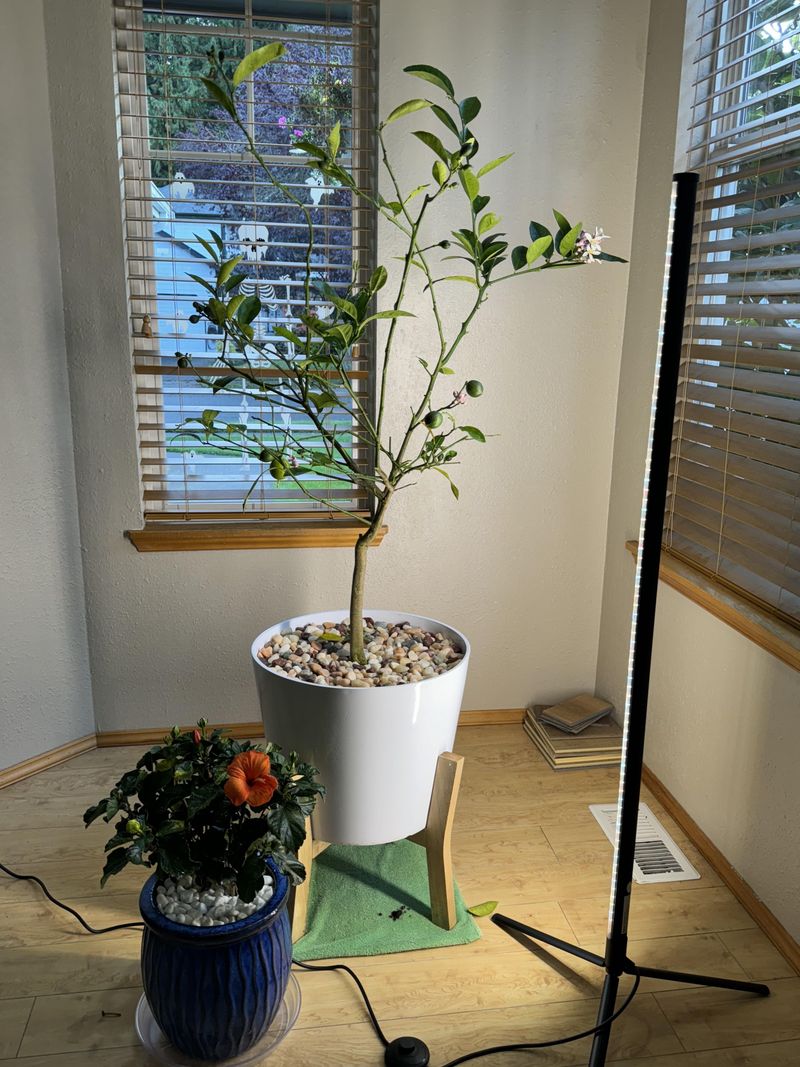
Gradual acclimation prevents shock and stress when moving your Meyer lemon tree between indoor and outdoor environments. Start by placing the tree in a shaded outdoor location for a few hours each day, gradually increasing exposure to direct sun over seven to ten days.
This slow transition allows leaves to adjust to higher light intensity and different temperature ranges without burning or dropping.
Florida gardeners who rush this process often notice leaf yellowing or sudden leaf drop, which sets back growth and fruit development.
Timing your transitions around Florida’s seasonal patterns helps ensure smooth adjustments for your tree. Moving trees outdoors in spring works best after nighttime temperatures consistently stay above fifty-five degrees and the risk of late cold snaps has passed.
Bringing them back inside in fall should happen before temperatures regularly dip into the low fifties at night.
Central and South Florida gardeners have wider windows for these transitions, while North Florida growers need to watch weather forecasts more carefully.
Inspect your tree thoroughly before bringing it indoors to prevent introducing pests into your home. Check the undersides of leaves, branch joints, and soil surface for signs of insects or their eggs.
A gentle spray with water or organic insecticidal soap can address minor pest issues before they become indoor problems. Clean the outside of the container and remove any debris from the soil surface.
These simple steps protect both your tree and your indoor space, making the transition beneficial rather than problematic for everyone involved in the move. Trees kept indoors during bloom may require hand pollination using a soft brush to ensure fruit set.
8. What Success Really Looks Like For Home Growers
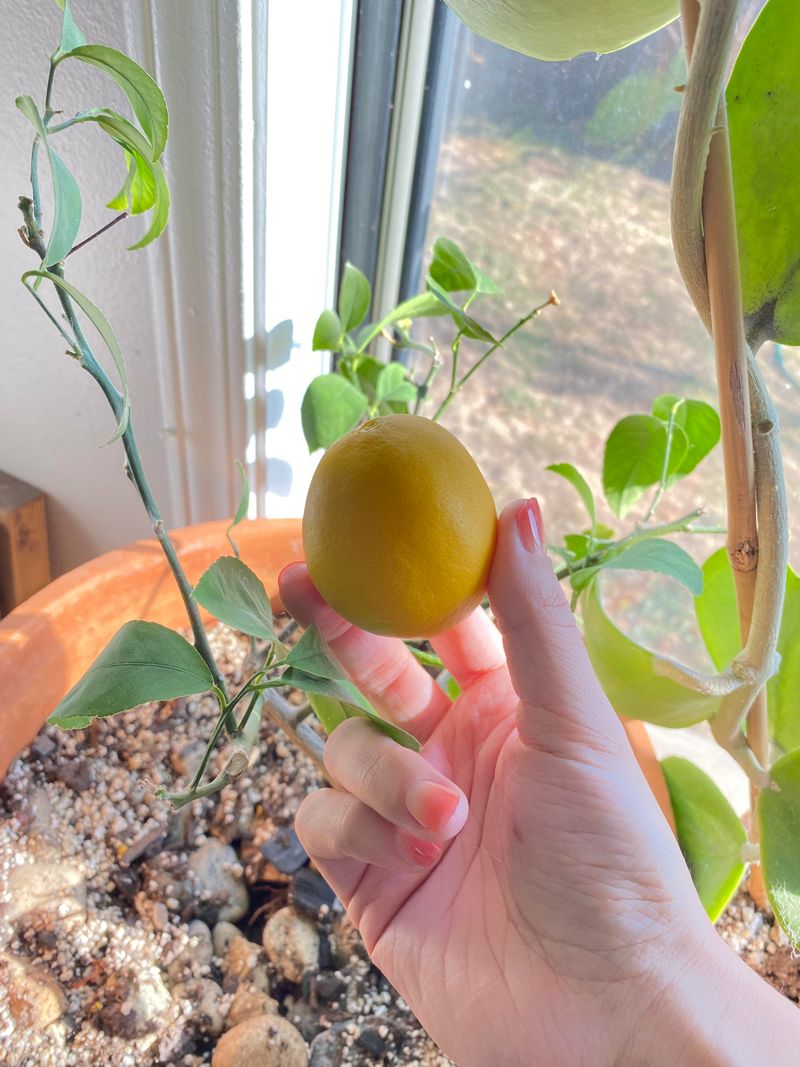
Realistic expectations help you appreciate your indoor Meyer lemon tree’s achievements without feeling discouraged by unrealistic comparisons. A healthy indoor tree might produce anywhere from ten to thirty lemons per year, depending on its size, age, and growing conditions.
This yield might seem modest compared to commercial orchards, but for a home grower, it provides plenty of fresh fruit for cooking, baking, and sharing with friends.
Florida gardeners who embrace indoor growing understand that success means consistent growth, periodic blooms, and gradual fruit development rather than massive harvests.
Healthy foliage and steady new growth indicate your care routine is working well even when fruit production varies from season to season. Look for dark green leaves with good shine, regular flushing of new growth, and occasional flowering as signs your tree is thriving.
Some years might bring more fruit than others depending on light availability, temperature consistency, and the tree’s natural cycles.
Indoor trees sometimes take a season or two to adjust to their new environment before settling into reliable production patterns.
Flexibility and patience serve indoor citrus growers better than rigid expectations or comparison to outdoor trees. Your Meyer lemon might bloom at unexpected times, take longer to ripen fruit, or occasionally skip a flowering cycle.
These variations are normal and do not indicate failure. Florida gardeners who succeed with indoor citrus treat it as an ongoing learning experience where adjustments and observations lead to better results over time.
Celebrate the lemons you harvest, enjoy the fragrant blooms, and appreciate having a productive fruit tree thriving right inside your home.