Florida Gardeners Are Using These 6 Houseplants For A ‘White Lotus’ Look Indoors
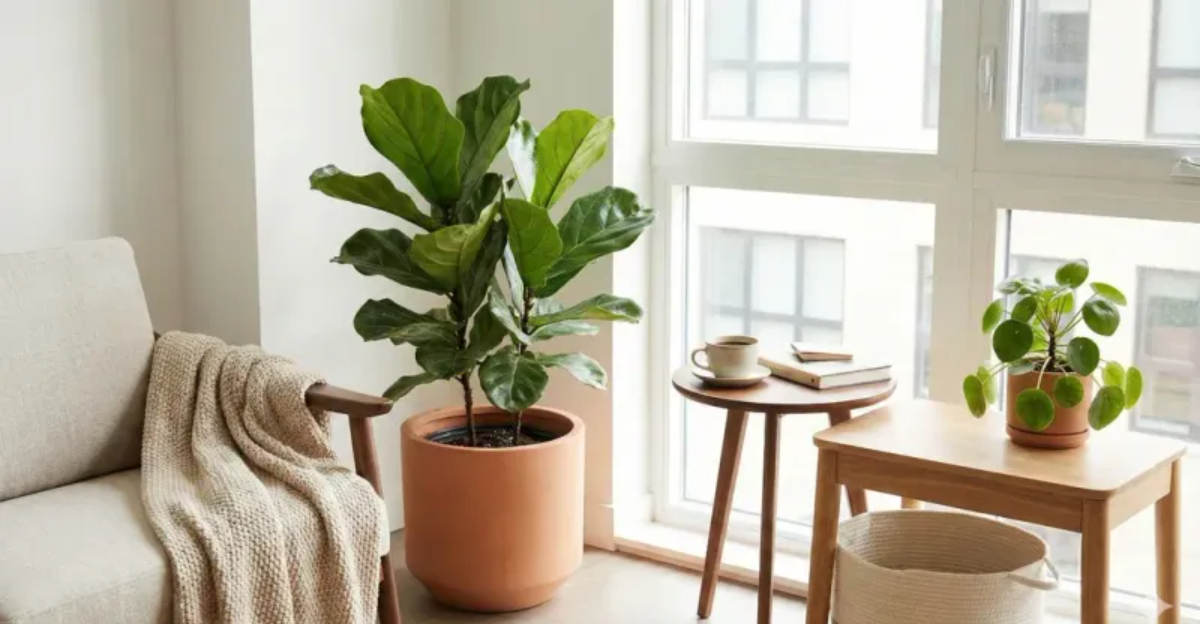
Florida gardeners have a knack for bringing the outside in, and lately they are taking things up a notch.
Inspired by breezy resorts and calm, polished interiors, many homes are leaning into a look that feels straight out of a luxury getaway.
Think airy rooms, soft light, and lush greenery that sets the mood without stealing the show.
The right houseplants are doing the heavy lifting, turning everyday spaces into places that feel relaxed and refined.
These plants are not just eye candy.
They add texture, soften sharp lines, and help rooms feel balanced from top to bottom.
A tall plant in the corner can anchor a space, while wide leaves near a window bring a sense of calm that money cannot buy.
It is proof that a few smart choices can go a long way.
Florida’s climate gives gardeners a head start, even indoors.
Many of these houseplants thrive in bright light and humid air, making them easy to live with.
Once in place, they quietly transform rooms, giving homes that laid back White Lotus feel that invites you to slow down, kick back, and stay awhile.
1. Monstera Deliciosa Brings Drama And Elegance
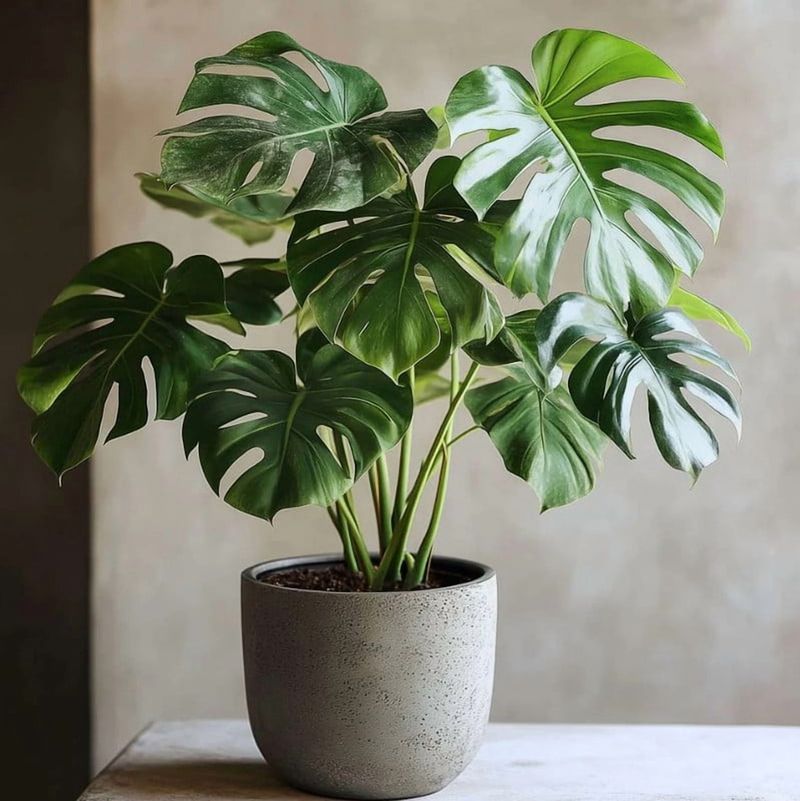
Walk into any upscale resort and you’ll likely spot the iconic split leaves of Monstera deliciosa creating dramatic focal points throughout the lobby.
This stunning plant has become the poster child for tropical interior design, and Florida homeowners are falling in love with its bold personality.
The large, glossy leaves develop those signature holes and splits as the plant matures, creating an architectural element that feels both wild and refined.
Florida’s natural humidity gives Monstera plants a serious advantage over those grown in drier climates.
Your plant will thrive with minimal effort, producing bigger leaves and faster growth than gardeners in other states might experience.
Place your Monstera near a bright window with filtered light, and watch it transform your space into a tropical paradise.
The plant climbs naturally in the wild, so providing a moss pole or trellis will encourage vertical growth and larger leaf development.
Water when the top two inches of soil feel dry, which in Florida’s climate might mean once or twice weekly during summer.
Jacksonville to Key West, gardeners report their Monsteras practically grow themselves with just basic care.
The White Lotus aesthetic relies heavily on statement plants, and few make a stronger statement than this beauty.
Dust the leaves regularly to keep them glossy and photosynthesizing efficiently.
With proper care, your Monstera can reach impressive heights indoors, becoming a living sculpture that anchors your entire room design.
2. Bird Of Paradise Creates Instant Resort Vibes
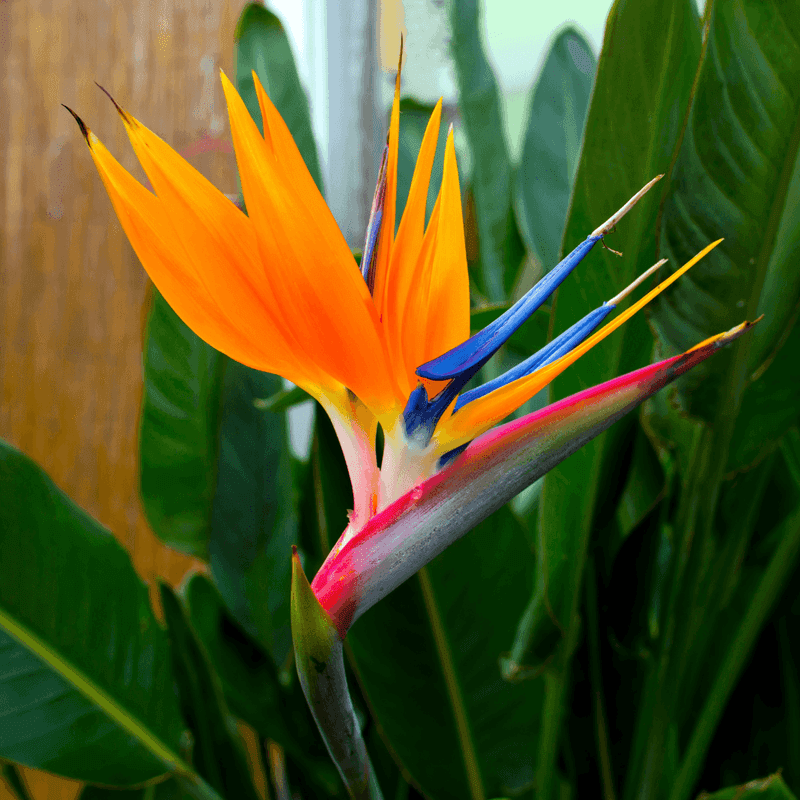
Nothing says luxury tropical getaway quite like the striking Bird of Paradise with its paddle-shaped leaves reaching toward the ceiling.
This plant brings that unmistakable resort lobby feeling into Florida homes, making any room feel like a destination.
The broad, banana-like foliage creates a sense of lushness that perfectly captures the White Lotus aesthetic.
Bird of Paradise loves bright light and can even tolerate some direct sun, making it ideal for Florida’s sunny rooms.
The plant grows quite tall indoors, often reaching six to eight feet, which creates that impressive vertical element designers love.
In cities like Fort Lauderdale and Sarasota, these plants flourish with the ambient humidity that naturally exists in most homes.
Water thoroughly when the soil surface dries out, but make sure your pot has excellent drainage to prevent root problems.
The leaves occasionally split naturally, which actually adds to their exotic charm rather than indicating a problem.
Wipe down those large leaves monthly to remove dust and keep them looking their glossy best.
Bird of Paradise responds beautifully to regular feeding during the growing season, pushing out new leaves consistently.
Position yours in a corner where it has room to spread, as the leaves fan out dramatically as the plant matures.
Florida gardeners appreciate that this plant tolerates occasional neglect better than many tropical species.
The architectural quality of Bird of Paradise makes it worth the floor space it requires.
3. Fiddle Leaf Fig Adds Sophisticated Height
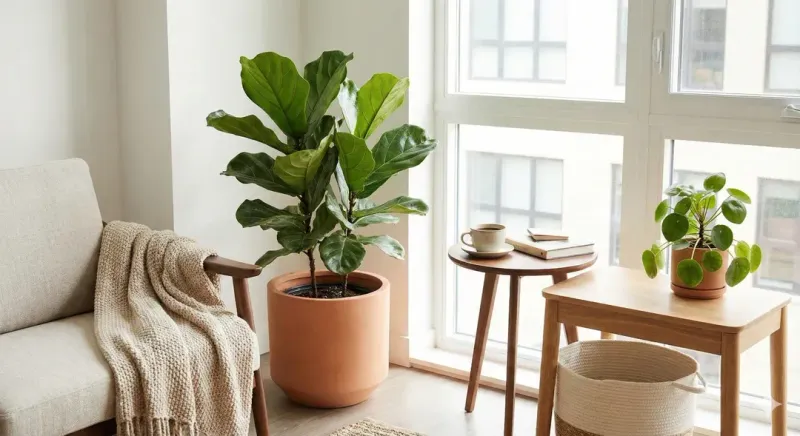
Interior designers have obsessed over Fiddle Leaf Figs for years, and their popularity shows no signs of slowing down among Florida homeowners.
The large, violin-shaped leaves create an elegant vertical statement that feels both contemporary and timeless.
These trees bring a refined tropical elegance that perfectly complements the White Lotus aesthetic of understated luxury.
Florida’s climate actually makes growing Fiddle Leaf Figs easier than in many other regions, though they do have specific preferences.
Bright, indirect light works best, so position yours near a window with sheer curtains filtering the intense Florida sun.
Consistency matters more than anything with these beauties, so establish a regular watering schedule and stick to it.
Check the soil moisture before watering, waiting until the top inch feels dry to the touch.
In Tampa and Miami, the natural humidity helps prevent the brown leaf edges that plague these plants in drier climates.
Rotate your Fiddle Leaf Fig every few weeks so all sides receive equal light and the tree grows evenly.
The tall, tree-like form creates a stunning focal point in living rooms, entryways, or bedroom corners.
These plants can be picky about changes, so choose a permanent spot and avoid moving them unnecessarily.
Fertilize monthly during spring and summer with a diluted balanced fertilizer to encourage steady growth.
With patience and consistent care, your Fiddle Leaf Fig will become a cherished centerpiece that elevates your entire space.
4. Areca Palm Brings Breezy Tropical Charm
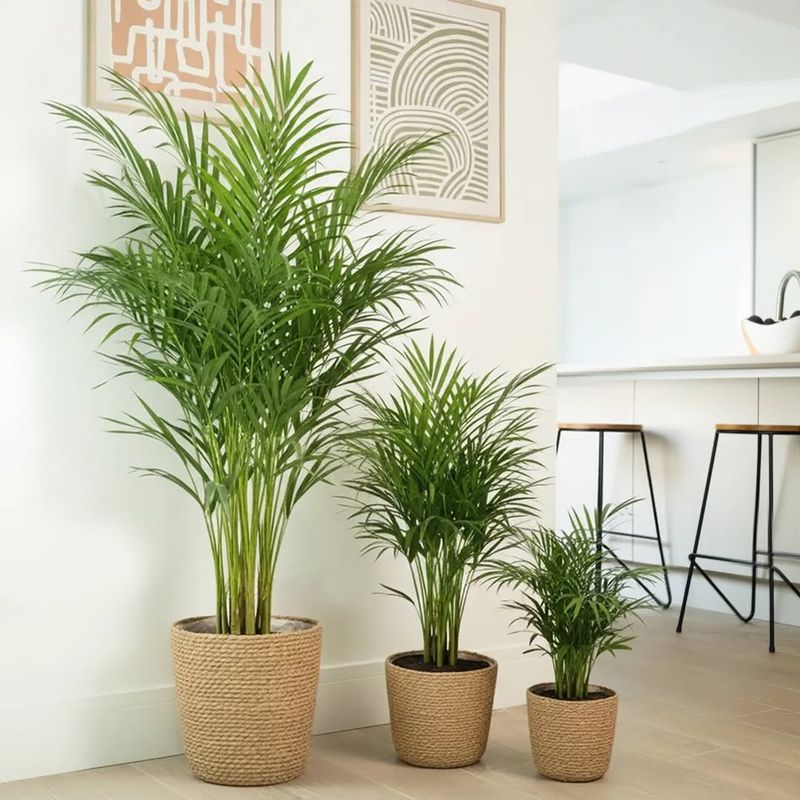
Feathery, graceful, and undeniably tropical, the Areca Palm instantly transports you to a beachside resort with its soft, arching fronds.
This palm has become a favorite among Florida gardeners seeking that effortless White Lotus look without high-maintenance demands.
The delicate, feather-like leaves sway gently with air movement, adding a sense of motion and life to indoor spaces.
Areca Palms naturally purify indoor air while creating that vacation atmosphere everyone craves.
These palms thrive in Florida’s humidity, growing fuller and more lush than they would in drier environments.
Place yours in bright, indirect light for best results, though they tolerate lower light better than many tropical plants.
Water consistently to keep the soil slightly moist but never waterlogged, as palms dislike both extremes.
In cities across Florida from Pensacola to Naples, these palms add instant resort style to sunrooms, bathrooms, and living areas.
The multiple stems create a full, bushy appearance that makes a strong design impact despite the plant’s delicate texture.
Areca Palms grow at a moderate pace, eventually reaching six to seven feet indoors with proper care.
Mist the fronds occasionally if you notice the tips browning, though Florida’s natural moisture usually prevents this issue.
These palms prefer slightly crowded roots, so you won’t need to repot frequently.
The soft green color and gentle movement of Areca Palm fronds create a calming presence that perfectly captures that luxury resort feeling.
5. Rubber Plant Offers Bold Glossy Foliage
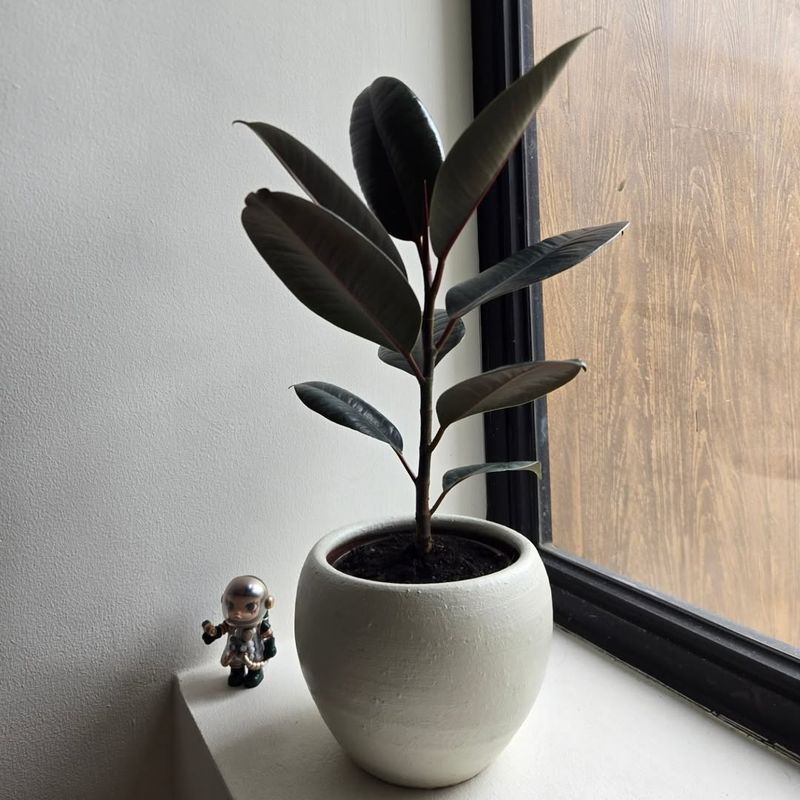
The Rubber Plant brings a sophisticated edge to tropical design with its thick, glossy leaves that reflect light beautifully throughout the room.
This sturdy plant has a more structured appearance than wispy palms, offering a bold counterpoint in mixed plant arrangements.
The deep green or burgundy foliage creates visual weight and drama that grounds a space while maintaining that tropical resort vibe.
Florida gardeners love how forgiving Rubber Plants are, tolerating occasional watering mishaps better than fussier tropical species.
These plants adapt well to various light conditions, though they grow faster and produce richer color in bright, indirect light.
The thick leaves naturally resist pests and diseases, making Rubber Plants particularly low-maintenance choices for busy households.
Water when the top couple inches of soil dry out completely, which might be weekly or biweekly depending on your home’s conditions.
In Orlando and St. Petersburg, these plants grow steadily throughout the year thanks to consistent warmth and humidity.
Rubber Plants can grow quite tall, but pruning them back encourages bushier growth and helps maintain your desired size.
Wipe the large leaves with a damp cloth regularly to keep them shiny and remove dust that blocks light absorption.
The upright growth habit makes Rubber Plants perfect for corners or spaces where you need height without width.
These plants root easily from cuttings, so you can propagate new plants to spread that White Lotus look throughout your Florida home.
The combination of easy care and striking appearance makes Rubber Plants essential for achieving elegant tropical interiors.
6. Snake Plant Provides Sleek Modern Structure
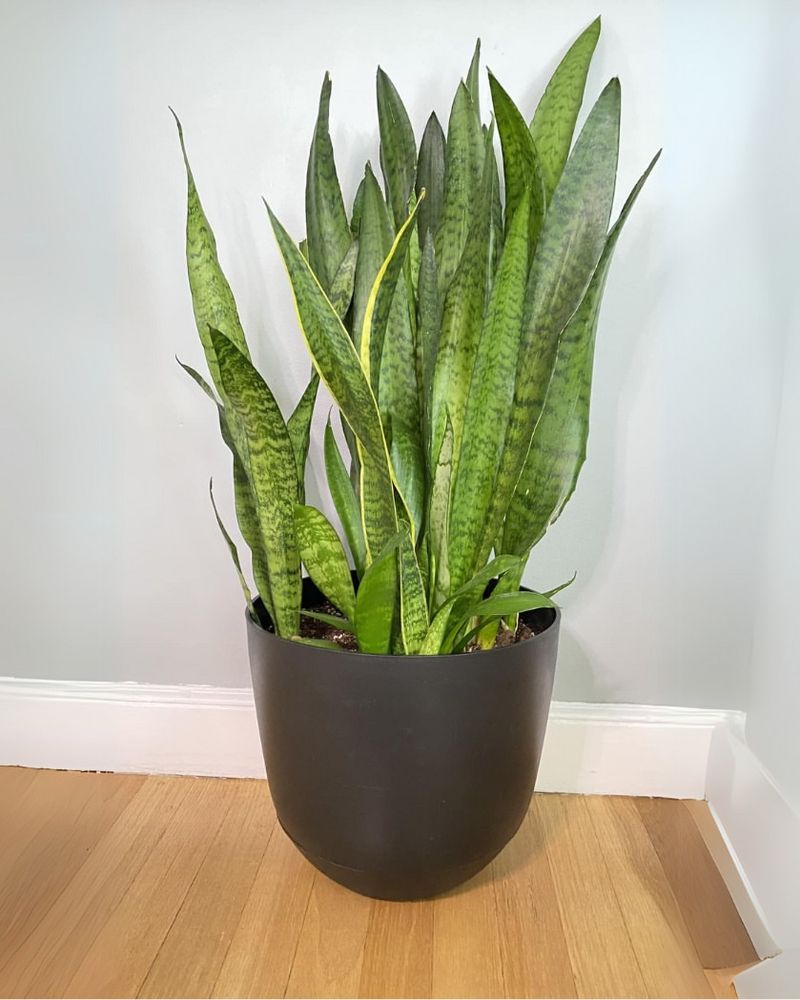
Architectural and virtually indestructible, Snake Plants bring a sleek, modern element to the tropical White Lotus aesthetic.
The tall, sword-like leaves grow straight up, creating clean vertical lines that contrast beautifully with softer, flowing plants.
This plant proves that achieving resort style doesn’t require constant attention or perfect growing conditions.
Snake Plants tolerate low light, irregular watering, and general neglect better than almost any other houseplant.
Florida homeowners appreciate having at least one completely foolproof plant mixed into their tropical collections.
The striking variegated patterns on the leaves add visual interest without requiring flowers or complicated care routines.
These plants actually prefer being underwatered rather than overwatered, making them perfect for forgetful plant parents.
In Florida’s humid climate, you might only need to water your Snake Plant once every two to three weeks.
The upright form works beautifully in modern planters, creating a minimalist look that still feels tropical and organic.
Snake Plants grow slowly, maintaining their size and shape for years without requiring frequent repotting or pruning.
From Tallahassee to the Keys, these plants adapt to various Florida microclimates with zero complaints.
Place them in entryways, bathrooms, or bedrooms where other plants might struggle with lower light conditions.
The air-purifying qualities of Snake Plants make them functional as well as beautiful additions to your indoor garden.
Their structured appearance provides the perfect counterbalance to the softer, leafier plants in a White Lotus-inspired arrangement.