Florida Gardeners Do Not Miss These Top 2026 AAS Winning Vegetables, Herbs, And Ornamentals
Florida gardeners have plenty of exciting options to explore this year.
The 2026 edible and ornamental winners from All-America Selections highlight varieties selected for strong performance, flavor, and garden appeal across a range of growing conditions.
These AAS-winning picks are especially relevant for Florida’s heat, humidity, and staggered planting seasons.
From productive vegetables and fragrant herbs to colorful, low-maintenance ornamentals, each variety offers something useful for home landscapes and container gardens.
With the right timing and care, these selections can help Florida gardeners build a garden that stays productive, vibrant, and well-suited to the state’s unique growing conditions.
1. BadaBing Tomato Offers Bulletproof Resilience For Humid Gardens
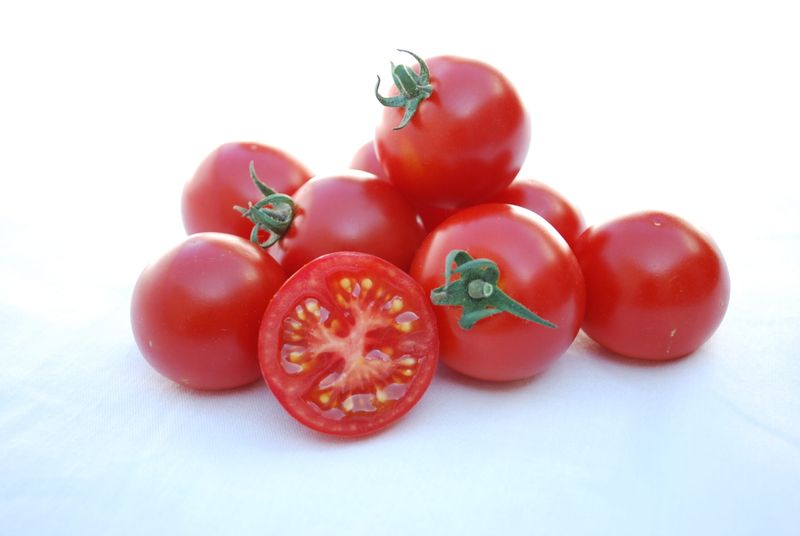
Florida gardeners who have struggled with wilting vines and spotted fruit have a powerful new ally in the BadaBing Tomato for 2026.
This variety is specifically celebrated for its high resistance to the common diseases that plague the Southeast, such as Tomato Spotted Wilt Virus and late blight, which often thrive in Florida’s heavy, humid air.
BadaBing produces a heavy yield of deep red, flavorful slicing tomatoes on a compact, determinate frame, making it a stellar choice for both traditional raised beds and large patio containers.
Because it stays relatively tidy and stops growing at a set height, it won’t overwhelm your garden space or require the massive trellising that wilder heirloom varieties demand.
To get the most out of BadaBing in Florida, timing is everything to beat the intense summer “pollen kill” temperatures.
For South Florida, transplanting should happen in late fall or very early January, while North and Central Florida gardeners should aim for a March planting once the danger of frost has passed.
These plants crave a sunny spot with at least six to eight hours of direct light and thrive in well-amended soil rich in organic matter.
Adding a handful of bone meal or a calcium-rich fertilizer at planting time can help prevent blossom end rot, a frequent frustration in Florida’s sandy, leached soils.
Consistent watering at the base of the plant is vital to keep the foliage dry and reduce the chance of fungal spots during the rainy season.
2. Butter Lamp Squash Provides Gourmet Sweetness In Compact Spaces
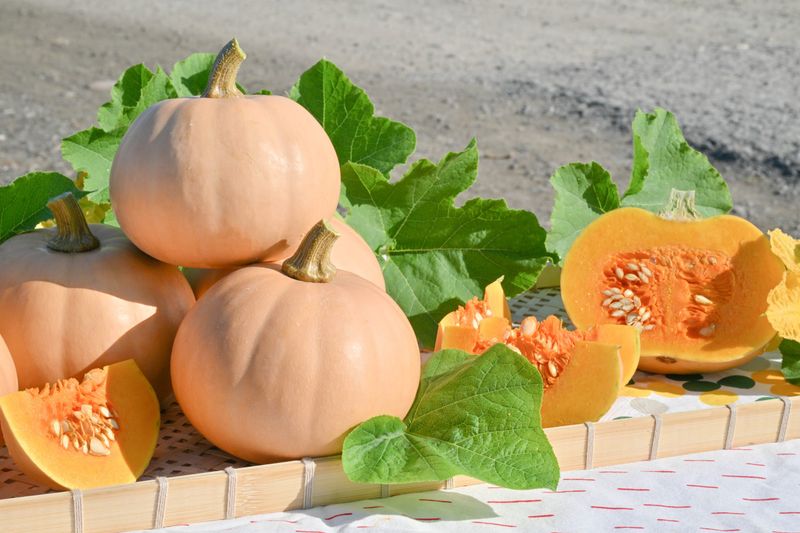
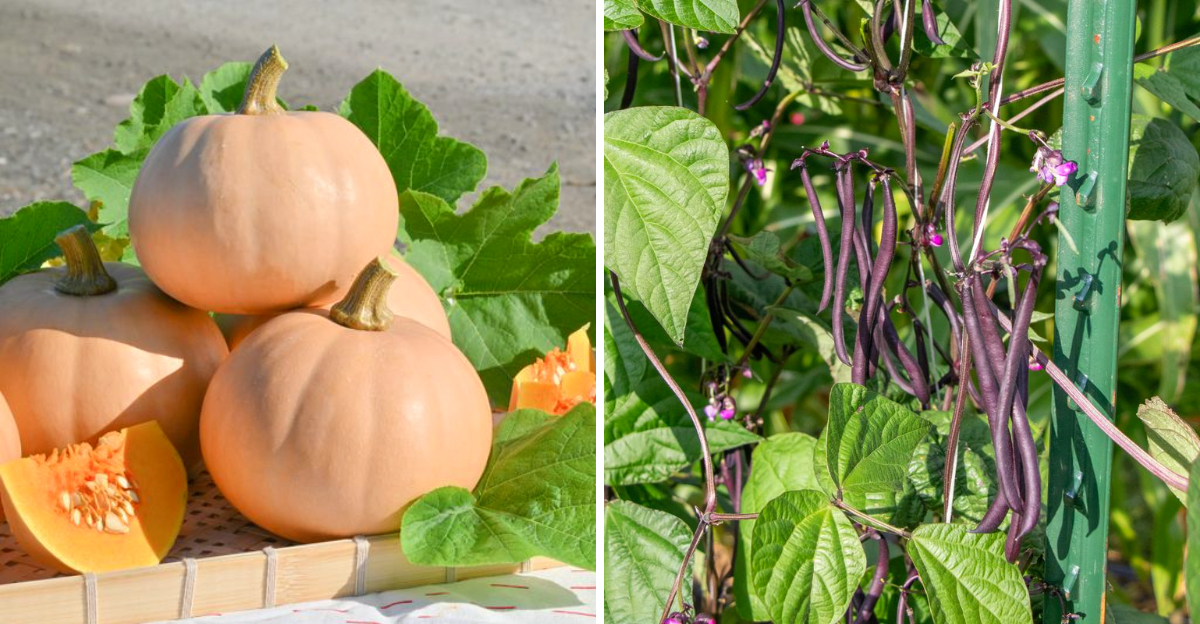
For those who want the hearty flavor of a winter squash without the space-hogging vines, the Butter Lamp Winter Squash is the standout 2026 introduction for Florida landscapes.
This All-America Selections winner is a game-changer because it offers the rich, nutty sweetness of a traditional butternut but grows on a remarkably compact, bushy plant rather than trailing for ten feet.
This “space-saving” habit is a huge win for Florida gardeners working with smaller suburban lots or those who want to tuck edibles into their existing flower borders.
The fruit itself is charming, shaped like a stout, glowing pear with a vibrant orange skin that looks as good in a decorative kitchen basket as it tastes roasted with a bit of Florida honey.
In the Sunshine State, squash can be tricky due to the relentless pressure from powdery mildew and the dreaded squash vine borer.
Fortunately, Butter Lamp was bred with superior disease resistance, allowing it to hold its own during our damp spring and fall transitions.
Plant your seeds in late February or March for a spring crop, or wait until late August for a fall harvest.
Using a thick layer of pine straw or oak leaf mulch will help keep the developing fruit off the damp soil, preventing rot and keeping the roots cool during those 90-degree afternoons.
Harvest your Butter Lamp squash when the rind is tough enough that your fingernail can’t easily dent it and the stem has turned woody, providing a homegrown source of Vitamin A well into the winter months.
3. Basil Treviso Delivers Structural Beauty And Heat-Defying Aroma
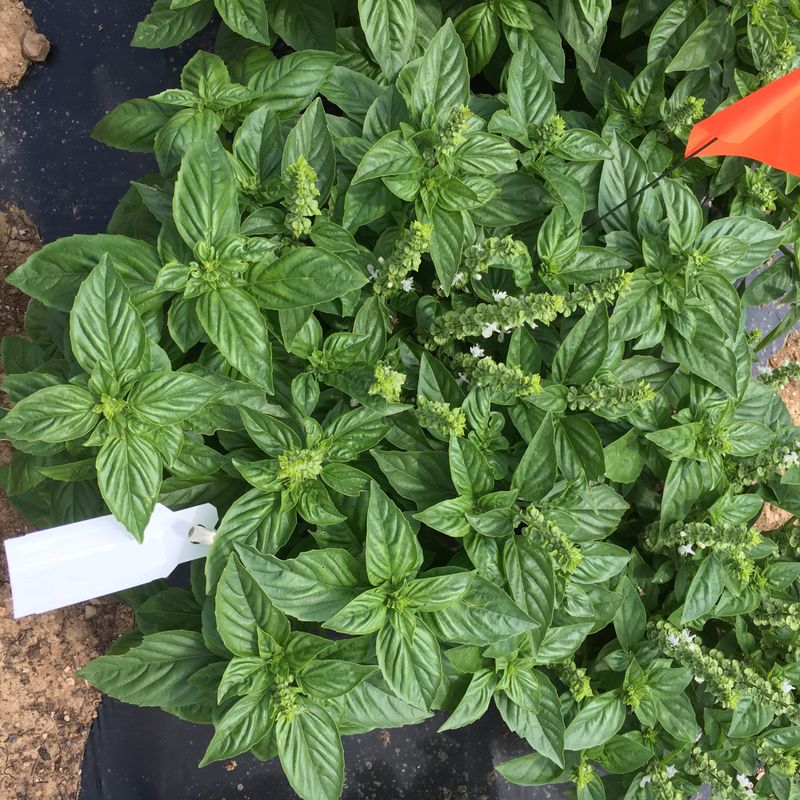
If you are looking for a heat-loving herb that can double as a structural element in your landscape, Basil Treviso is the 2026 must-have for Florida gardens.
Unlike traditional Genovese basil, which often wilts or “bolts” to seed the moment a Florida July hits, Treviso is bred for incredible heat tolerance and a sturdy, upright growth habit that can reach up to three feet in height.
This makes it feel more like an ornamental shrub than a delicate kitchen herb, filling the air with a spicy fragrance every time you brush past it.
Its leaves are lush and aromatic, perfect for everything from fresh pesto to infusing into a refreshing glass of iced tea during a humid afternoon on the lanai.
Basil Treviso thrives in the intense Florida sun and actually prefers the warmth that causes other herbs to struggle.
It can be planted as early as February in South Florida or March in the North, and it will often power through the entire summer if given enough water and a bit of afternoon shade.
While it is rugged, ensure you space plants at least 18 inches apart to allow the Florida breeze to dry the leaves quickly after a rain shower, which helps prevent downy mildew.
Harvest by clipping the top few inches of stems throughout the season, which keeps the plant productive and prevents it from focusing its energy on flowering.
This is truly a “plant it and forget it” herb that brings a touch of Mediterranean flavor to the tropics.
4. Pole Bean Majesty Yields Royal Harvests In Vertical Spaces
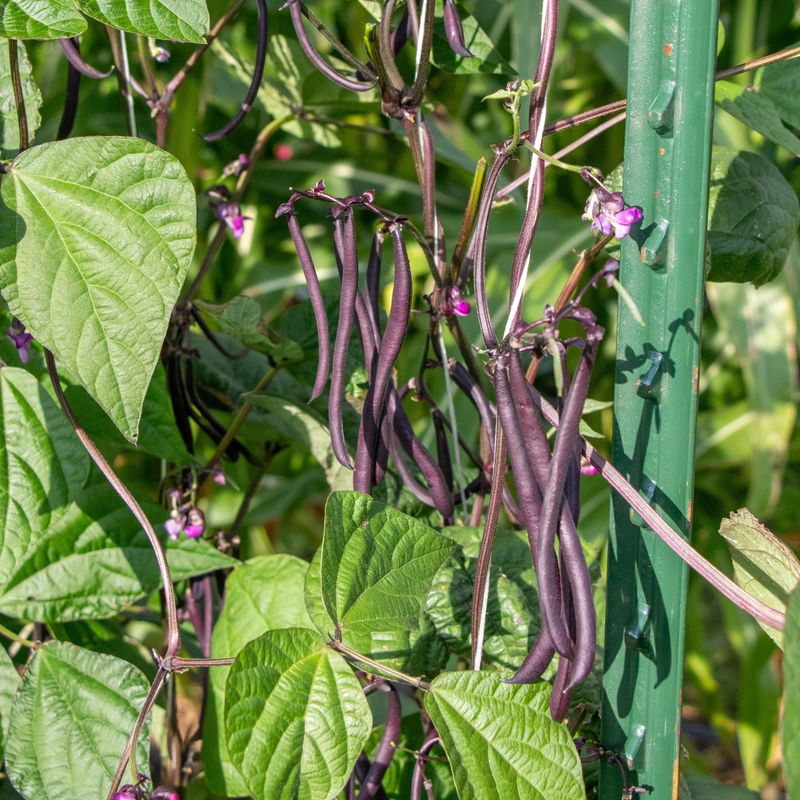
Florida gardeners looking to make the most of their space have a standout new option for 2026: the Majesty Pole Bean.
This variety performs exceptionally well in Florida’s climate, with a strong ability to bounce back from early spring heat that often slows bean production by late May.
Its vigorous vines climb 5 to 6 feet and produce long, deep purple pods that contrast sharply against dark green foliage, making harvest easy and helping you pick beans at their most tender stage.
For best results, direct-sow seeds about one inch deep once the soil has warmed – typically March in most areas or as early as late January in South Florida.
Since beans dislike root disturbance, avoid transplanting.
Install a trellis, cattle panel, or teepee at planting time to support upward growth. Improve sandy soil with compost to help retain moisture, and add a thick layer of mulch once seedlings establish to keep roots cool.
Majesty begins producing pods in under two months, offering a quick payoff. Harvest pods at 5 to 6 inches long for the best flavor – they turn green when cooked.
While this variety shows good resilience, keep an eye out for common pests like aphids. Frequent picking encourages continued production, often extending harvests until summer rains arrive.
5. Rubybor F1 Kale Provides Edible Elegance and Cold-Hardy Color
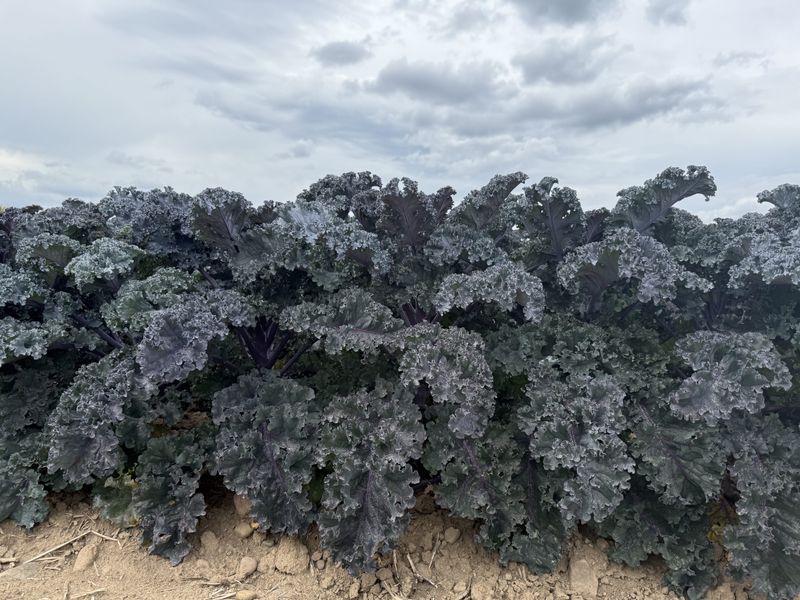
Florida gardeners who want both beauty and nutrition will find a standout in Rubybor F1 Kale for 2026.
This award-winning variety holds its deep purple color and ruffled texture even under strong sun, avoiding the dull tones and bitterness older red kales can develop.
Its compact, upright habit makes it ideal for containers and small spaces, offering a steady supply of cut-and-come-again leaves without taking over your garden.
Just as striking in a front-yard border as in a veggie bed, it adds bold color all season.
In Florida, kale grows best during the cooler months, typically from September through February. While Rubybor shows better heat tolerance than most brassicas, it truly shines in cooler weather, when flavor improves and leaves stay tender.
Plant in full sun and amend sandy soil with compost to retain moisture.
Consistent watering is important during dry winter stretches, and a layer of pine bark mulch helps keep roots cool and leaves clean during heavy rains.
Harvest outer leaves first, leaving the center intact for continued growth. Rubybor is highly productive, often yielding more than standard varieties.
Watch for cabbage loopers hiding in the curled leaves, and manage them with simple controls if needed. Whether used fresh or cooked, this variety brings color and flavor to Florida’s winter garden.
6. Coreopsis SunGlobe Offers Low-Profile Radiance For Sunny Borders
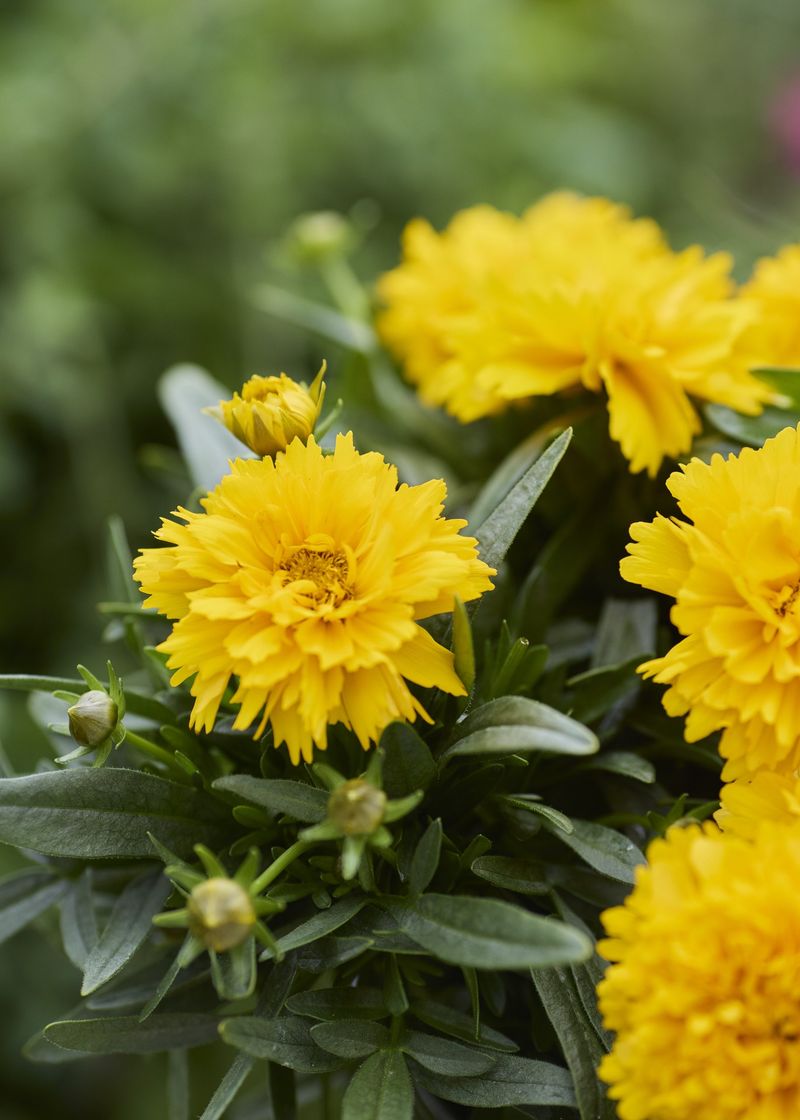
Florida gardeners looking for a reliable splash of gold without the messy, leggy habit of traditional wildflowers will love Coreopsis SunGlobe F1.
This 2026 standout stays exceptionally compact, reaching only about 12 to 14 inches in height and width, which makes it a perfect “filler” for the front of sunny garden beds.
Unlike other tickseeds that can look rangy by mid-summer, SunGlobe maintains a tidy, mounded shape while producing a constant supply of 1.5 to 2.5-inch double rosette, golden-yellow flowers that can bloom for months at a time.
It is a tough-as-nails choice for Florida’s sandy soils, thriving in full sun and requiring very little water once its root system is established, though it can also tolerate partial sun if necessary.
This perennial variety may even return for several seasons, providing lasting value to the landscape.
To keep the plant looking its best and encourage a continuous flush of color from late spring through fall, gardeners are encouraged to deadhead spent blooms regularly.
Whether tucked into a formal border or used as a cheery addition to a container garden, SunGlobe F1 provides a burst of “sunshine” that requires minimal maintenance while standing up to the heat and humidity of a typical Florida summer.
7. Dianthus Supra Cherry Picotee F1 Provides Heat-Tolerant Elegance
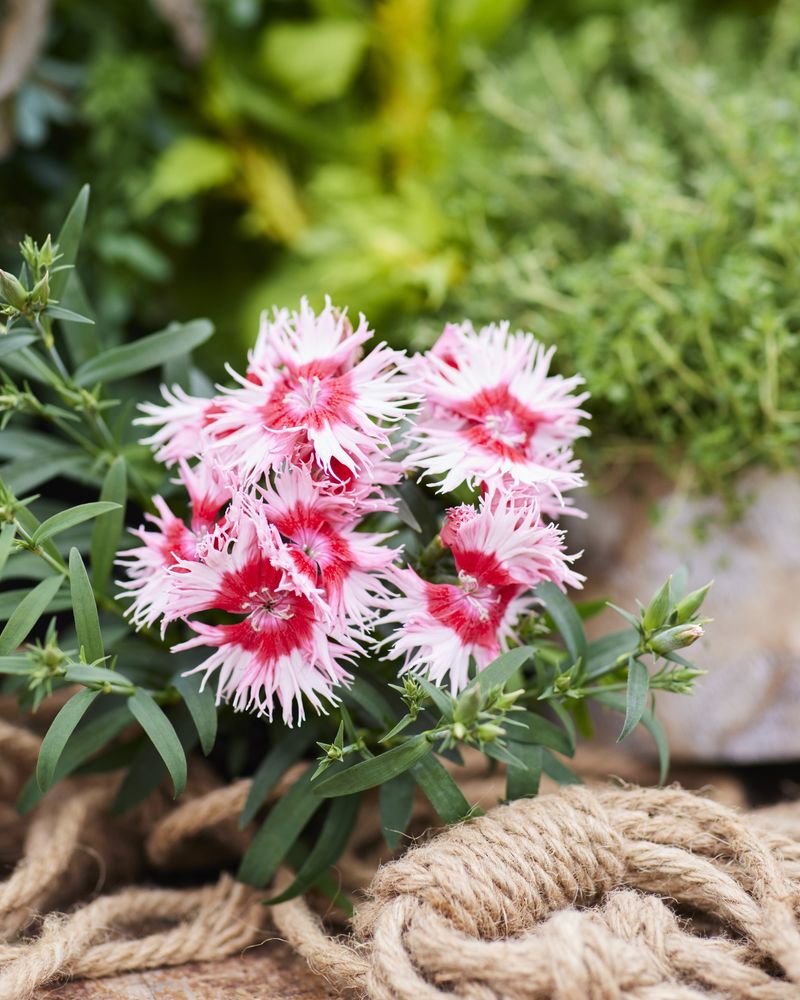
For a touch of sophisticated color that won’t melt in the humidity, Dianthus Supra Cherry Picotee F1 is a must-have for the 2026 season.
This variety features stunning deep cherry-red centers that fade to a soft, lacy pink at the petal edges, creating a delicate bicolor effect that pops beautifully against its blue-green foliage.
While many traditional dianthus struggle and wither as the Florida spring warms up, the Supra series is celebrated for its superior heat and drought tolerance, often flowering much longer into the season than older cultivars.
This makes it an ideal bridge plant to transition your garden from the cool winter months into the onset of the summer heat.
These compact plants are perfect for edging garden paths or filling decorative patio pots where their intricate patterns can be appreciated up close.
Best of all, this variety is noted for being a low-maintenance gem that doesn’t require constant dead-heading to keep the blooms coming, allowing you to enjoy more time relaxing in your garden.
Its upright stems and charming fragrance also make it a lovely choice for small, home-grown bouquets, bringing a bit of the garden’s elegance indoors to your kitchen table.
8. Heliopsis Sole Giatto Brings Tall Golden Drama To Tidy Spaces
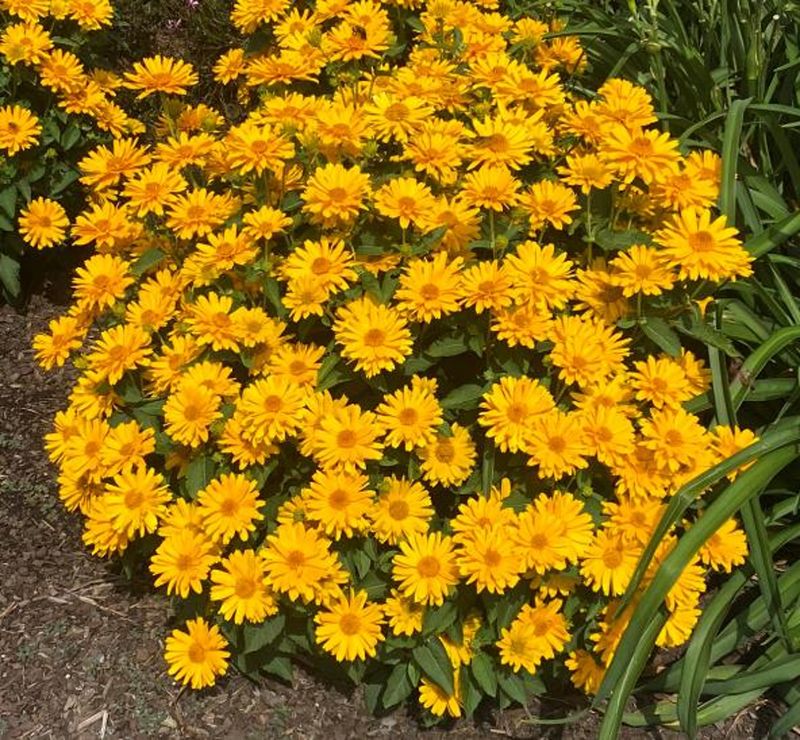
If you love the look of a sunflower but don’t have the room for towering stalks, Heliopsis Sole Giatto – often called the “false sunflower” – is the perfect 2026 addition for Florida landscapes.
This dwarf variety stays compact at just a few feet tall, avoiding the “flopping” and staking issues common with larger heliopsis while still delivering a massive visual impact with its golden-yellow, semi-double blooms.
In Florida, it performs best when planted in a sunny location with well-drained soil, providing a sturdy, reliable mid-border presence that attracts a wide variety of pollinators throughout the summer and fall.
The flowers are typically up to 8 cm in diameter and are borne on rigid, strong stems that make them an excellent choice for cut flower arrangements that can truly stand up to the heat.
Unlike many high-maintenance perennials, Sole Giatto is native to North American prairies, which means it is naturally adapted to periods of dry weather and varying soil conditions.
Its ability to produce a constant stream of bright, sunny heads without needing constant pampering makes it a top-tier choice for Florida gardeners who want high-impact, drought-resistant color that lasts until the first frost.
9. Rudbeckia Claire Orange F1 Delivers Vibrant Pollinator-Friendly Color
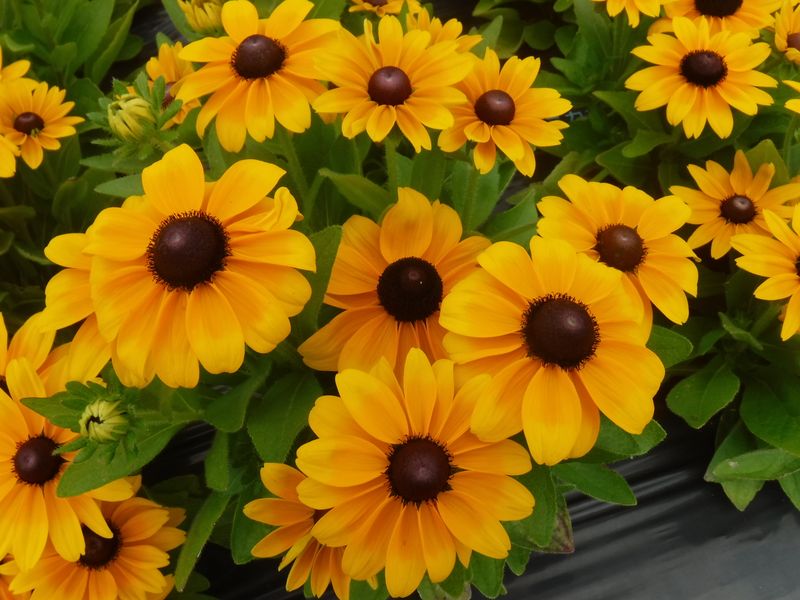
The Rudbeckia Claire™ Orange F1 is a 2026 reimagining of the classic Black-eyed Susan, bred for a more uniform habit and a significantly longer blooming window than its predecessors.
These coneflowers feature a prominent, raised dark central disc surrounded by fiery orange petals that point outward and down, creating a striking, architectural look that adds height and texture to the garden.
This variety is particularly well-suited for Florida’s “shoulder” seasons, as it handles the transition from spring to summer with ease and continues to pump out flowers when other perennials begin to fade in the heat.
Because it is the first pollen-free variety in its class, it is especially clean and long-lasting for use in indoor floral arrangements.
In the landscape, however, it remains a high-visibility landing pad for butterflies and bees, who are drawn to its vibrant orange hues.
Plant them in clusters to create a bold color statement, and ensure the soil stays moderately moist during the initial establishment phase.
Once settled, these hardy North American natives are exceptionally tough, providing a reliable source of late-summer and autumn color that requires very little intervention from the gardener to look its absolute best.
10. Sedum Spectacular Offers Drought-Defying Texture And Late-Season Interest
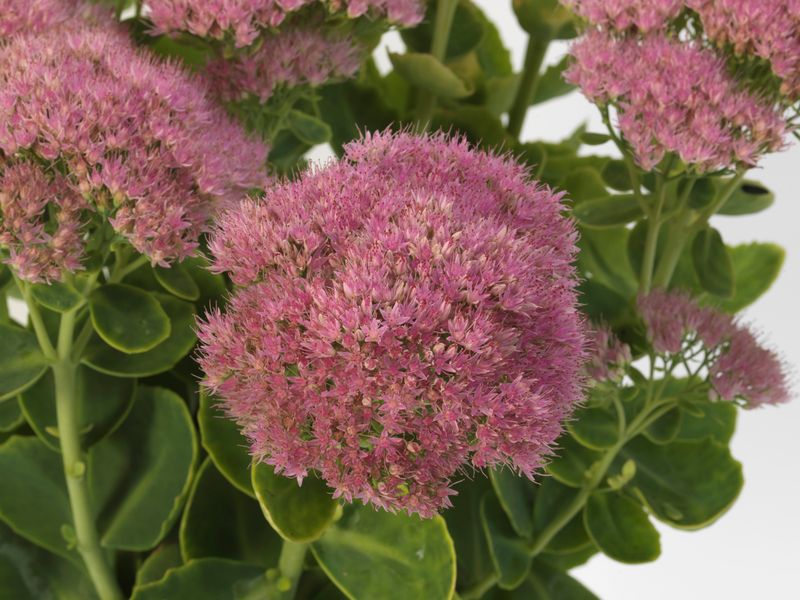
For the most water-conscious Florida landscapes, Sedum Spectacular is a top 2026 choice that thrives on “tough love” and minimal irrigation.
As a leaf succulent, this plant stores water in its thick, fleshy foliage, allowing it to remain lush and vibrant even during our driest spells when other garden favorites might wilt.
While it provides great texture and a cool green palette year-round, it truly earns its name in the late summer and fall when it produces flat, broccoli-like clusters of star-shaped flowers that transition from pale green to a vibrant, rosy pink.
These blooms are a magnet for nectar-seeking bees and butterflies, making it an essential component of any pollinator-focused garden.
It is virtually pest-free and performs best in the grittiest, sandiest parts of your garden where other plants might struggle, making it a reliable “set it and forget it” option for sunny rock gardens or coastal plots.
Whether used as a sturdy groundcover or a structural element in a container, Sedum Spectacular provides a long-lasting, low-maintenance backbone for the garden that looks better the less you fuss over it.
11. Zinnia Profusion Double White Improved Ensures Mildew-Free Summer Blooms
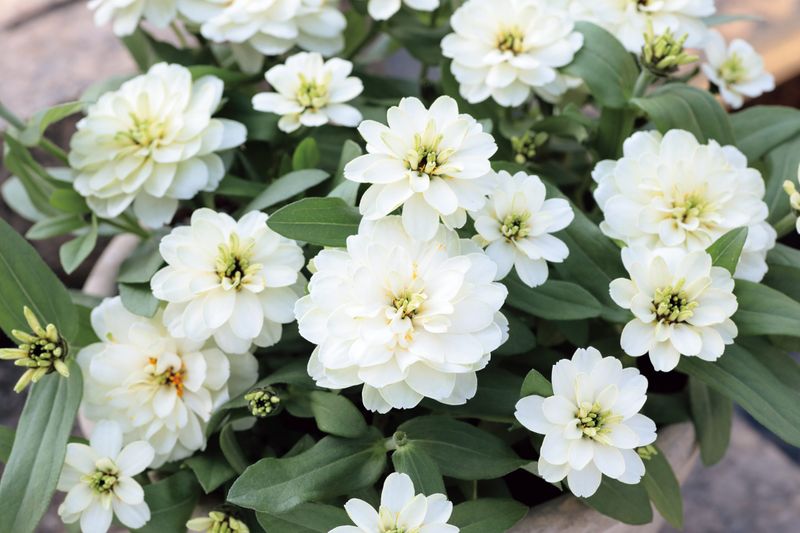
Nothing beats the Zinnia Profusion Double White Improved for sheer flower power in the face of Florida’s intense humidity.
While many zinnias fall victim to powdery mildew the moment the rainy season begins, the Profusion series is specifically bred for incredible disease resistance and uniformity, keeping the foliage clean and the blooms bright all summer long.
This improved variety produces mounds of pure white, multi-petaled flowers that are larger than previous versions, providing a crisp contrast against dark green, compact foliage.
It is famously heat and drought resistant, making it an excellent choice for Florida’s high-stress landscape environments.
Growing to about 12 to 18 inches tall, it maintains an attractive, mounded shape that doesn’t require constant pinching or dead-heading to stay productive.
This “all-star” variety is perfect for creating a bright border or a low-maintenance container display that stays fresh from the spring planting right through the first frost of winter.
Its resilience and continuous bloom cycle make it one of the most reliable annuals available for gardeners who want high-impact color without the constant worry of fungal diseases or heat exhaustion.