Florida Gardener’s Guide To Native Plants That Attract Butterflies

Florida gardens have a way of turning ordinary mornings into something much livelier when butterflies start floating through the yard. One minute it is just sunshine and flowers, and the next a zebra longwing or swallowtail steals the whole show.
That is part of the magic of planting Florida natives. These plants already know how to handle the state’s sandy soils, summer heat, and wild weather swings, and many of them do more than just look pretty.
Some offer nectar for adult butterflies, while others give hungry caterpillars a place to feed and grow.
With the right mix of native plants, a Florida yard can feel more colorful, more alive, and a lot more interesting.
1. Purple Passionflower Brings Bold Blooms And Butterfly Appeal
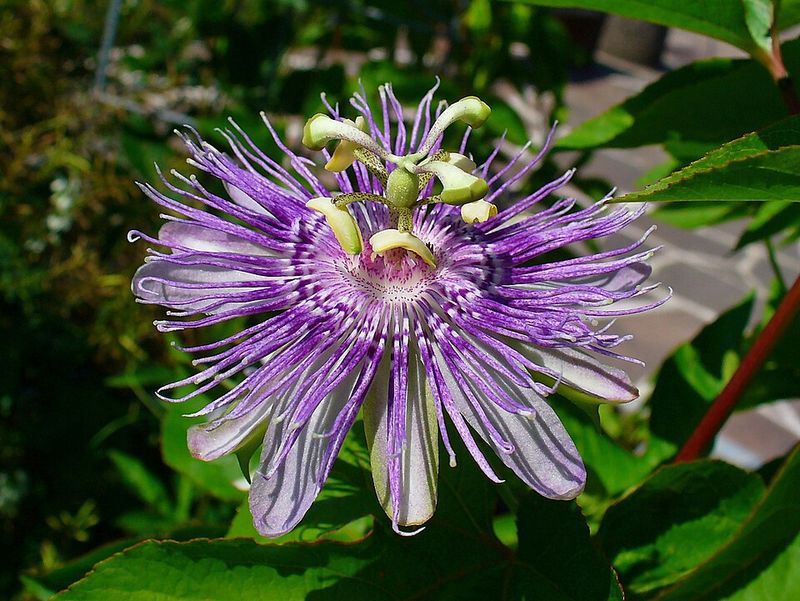
Some flowers look so intricate that visitors assume they must have come from a tropical greenhouse rather than a native landscape. Purple passionflower is one of those surprising plants.
Its lavender petals, delicate fringe-like filaments, and unusual central structure create a bloom that feels almost sculptural.
Despite its exotic appearance, Passiflora incarnata grows naturally across Florida and handles the state’s climate with ease.
The vine climbs quickly in warm weather, sending tendrils along fences, trellises, and garden borders where its dramatic flowers appear throughout the growing season.
Butterflies quickly notice the plant as well. Gulf fritillary butterflies rely heavily on passionflower vines as host plants, laying eggs on the leaves where their bright orange caterpillars will feed.
Zebra longwing butterflies also use passionflower species during their life cycle, making the vine an important contributor to butterfly habitat.
Warm sunshine encourages vigorous growth, although the vine tolerates partial shade in many gardens. Sandy soils pose little problem, and the plant spreads naturally through underground shoots that gradually expand its footprint over time.
Gardeners often guide passionflower along a fence or arbor where it can climb freely and produce its distinctive blooms at eye level.
Allowing the vine to ramble along a wildlife hedge or natural garden edge creates a relaxed look while giving caterpillars plenty of room to feed.
When butterflies begin circling the blooms, it becomes clear why this remarkable native vine deserves a place in Florida landscapes.
2. Native Milkweed Supports Monarchs And Butterfly Activity
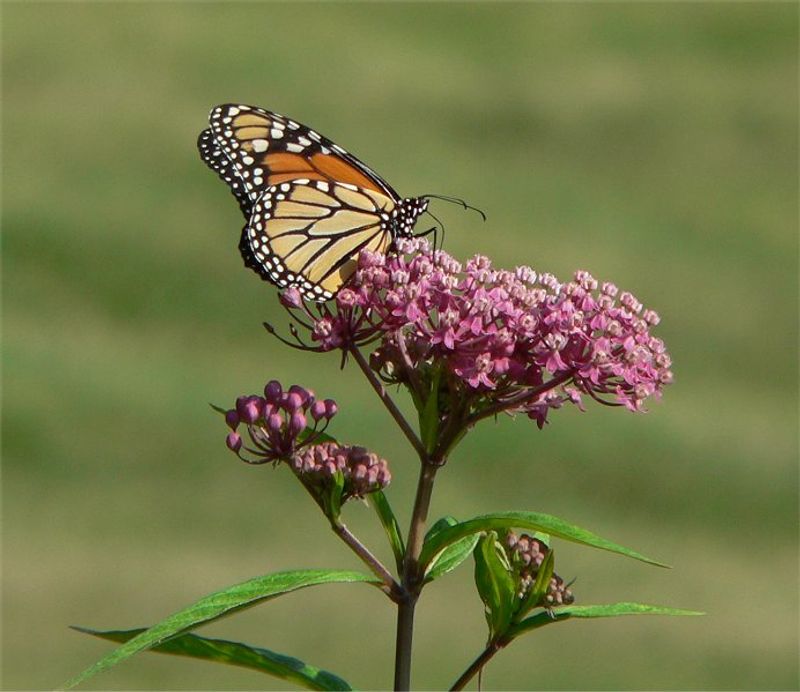
Delicate orange wings often appear across Florida as monarch butterflies move through the region during their seasonal migration. These famous travelers depend on one group of plants more than any other: milkweed.
Without it, monarch caterpillars would have nothing to eat, making milkweed an essential part of any butterfly-friendly garden.
Several native milkweed species grow well in Florida gardens. Swamp milkweed (Asclepias incarnata) thrives in moist soil and produces clusters of soft pink flowers with a faint vanilla-like fragrance.
Butterflyweed (Asclepias tuberosa), on the other hand, prefers sandy, well-drained ground and brings bright orange blooms that stand out against summer greenery.
Both species support monarchs as well as their close relatives, the queen butterflies, whose caterpillars also feed on milkweed leaves.
Unlike tropical milkweed, which stays green year-round in warm climates, native milkweed species typically go dormant during cooler months. This seasonal dieback helps maintain natural butterfly life cycles.
In the garden, milkweed grows best in full sun and moderately moist soil, though butterflyweed tolerates drier conditions once established.
Planting several milkweed plants together makes them easier for butterflies to locate while creating a striking patch of color.
As monarchs drift through the yard and caterpillars feed on the leaves, the garden becomes part of a remarkable natural journey that stretches thousands of miles.
3. Frogfruit Creates A Low Carpet For Small Butterflies

A closer look at the ground layer of a Florida garden often reveals surprising wildlife activity. Tiny white flowers scattered across a creeping mat of greenery may not look dramatic at first glance, yet they quietly support several butterfly species.
That humble groundcover is frogfruit.
Frogfruit (Phyla nodiflora) spreads low across sunny areas, forming a dense carpet of foliage that rarely grows more than a few inches tall.
Small clusters of pale white and soft pink flowers appear throughout warm months and sometimes persist nearly year-round in southern parts of the state.
Butterflies quickly discover these blooms. Phaon crescent butterflies rely on frogfruit as a host plant, while white peacocks and common buckeyes also lay their eggs on the foliage.
Because caterpillars feed directly on the plant, frogfruit supports butterflies at more than just the nectar stage of their lives.
Florida’s climate suits this plant well. Frogfruit tolerates both heat and humidity and adapts to conditions ranging from sandy soil to periodically wet areas.
Once established, it handles occasional dry spells without much difficulty.
Many gardeners use frogfruit as an alternative to traditional turfgrass in sunny spaces where mowing and irrigation can become a chore.
It also works beautifully along garden edges, beneath taller plants, or as a living mulch that fills gaps between shrubs and flowers.
Over time, the spreading stems root along the ground and gradually cover open soil, creating a soft green layer that quietly hums with butterfly activity.
4. Blue Porterweed Adds Long Blooms And Steady Nectar
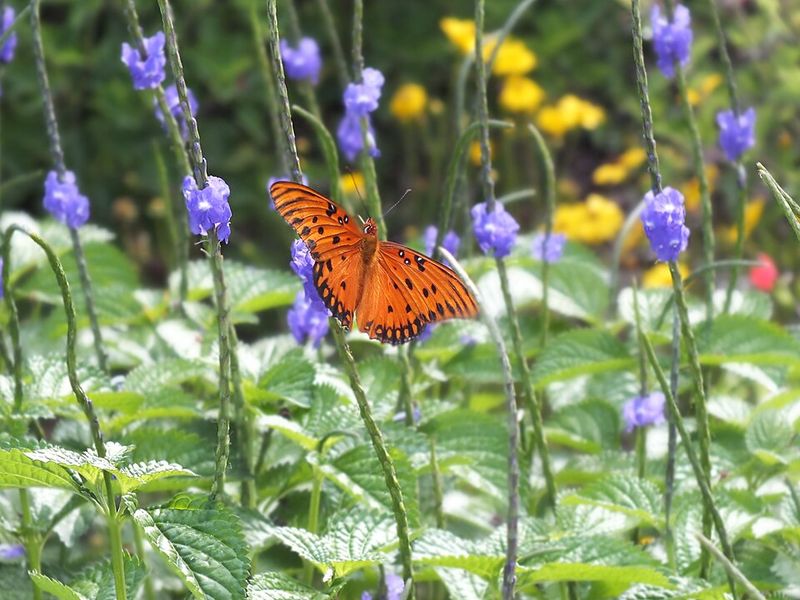
Long flowering seasons are one of the keys to keeping butterflies visiting a garden throughout the year. When nectar sources disappear too quickly, pollinators move on to more reliable food supplies.
Blue porterweed solves that problem by producing bloom after bloom over an extended period.
Slender flower spikes rise above low foliage, each carrying a line of small purple-blue blossoms that open gradually along the stem.
As older flowers fade, new ones continue to appear further up the spike, creating a steady supply of nectar for visiting butterflies.
Zebra longwings frequently hover around these blooms, joined by gulf fritillaries, skippers, and other nectar-seeking species. Because multiple flowers open in sequence along each spike, butterflies can linger for several minutes feeding before moving on.
Warm sunshine encourages the best flowering, though the plant adapts to partial shade in some gardens.
Sandy soil does not pose a problem, and once roots are established the plant tolerates occasional dry conditions typical of Florida’s seasonal weather patterns.
Gardeners often place blue porterweed toward the front of a butterfly bed where its low, spreading habit fills open spaces between taller plants. Light pruning after a flush of blooms encourages fresh growth and additional flowering stems.
In climates where winters remain mild, the plant may bloom through much of the year, helping maintain a reliable nectar source even when other flowers slow down.
5. Tropical Sage Brings Bright Color And Butterfly Visits
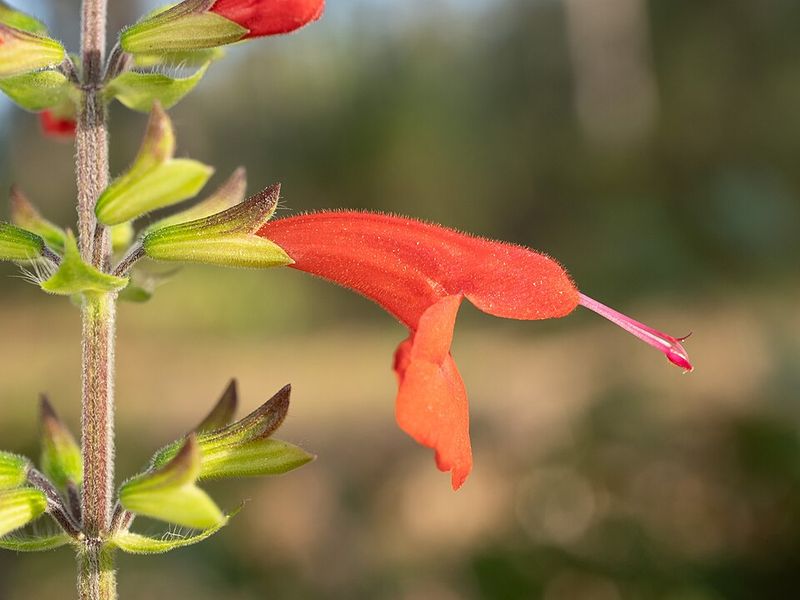
A flash of red flowers often catches the attention of both gardeners and pollinators alike. Tropical sage adds that vivid burst of color while quietly supporting a wide range of wildlife.
Salvia coccinea produces upright flower spikes dotted with tubular blooms that rise above soft green foliage. The blossoms are most often bright red, though natural variations in white or pink occasionally appear in gardens.
Butterflies quickly discover the nectar inside those narrow flowers. Swallowtails frequently stop to feed, joined by skippers and sulfur butterflies that hover among the spikes throughout warm months.
Hummingbirds also visit regularly, adding even more motion to the garden.
Florida’s climate suits tropical sage well. The plant grows comfortably in full sun and tolerates partial shade, making it flexible for a variety of landscape situations.
Sandy soils rarely present a problem, and once the roots are established, watering needs become fairly modest.
Another appealing trait is its tendency to reseed naturally. After flowering, the plant produces small seeds that often sprout the following season, gradually forming a recurring patch of blooms without additional planting.
Clusters of tropical sage work well as mid-border accents among shrubs and taller perennials. Their vertical flower spikes add structure while drawing pollinators deeper into the garden.
As butterflies drift between the bright red blooms, the plant becomes one of the liveliest features in a wildlife-friendly landscape.
6. Partridge Pea Offers Yellow Blooms And Host Plant Value

Sunny patches of yellow flowers often appear in open fields and roadside edges across Florida during the warmer months. Those cheerful blooms frequently belong to partridge pea, a native wildflower that thrives in tough conditions.
Feathery foliage and bright yellow blossoms give Chamaecrista fasciculata a light, airy appearance that fits naturally into relaxed garden settings.
The plant grows quickly from seed and typically flowers during the warm season, especially in sunny locations with sandy soil.
Butterflies rely on the plant for more than nectar. Cloudless sulfur and sleepy orange butterflies use partridge pea as a host plant, laying eggs on the foliage so their caterpillars can feed as they grow.
Bees and other pollinators also visit the flowers, making the plant valuable to several types of wildlife at once.
Another interesting feature lies beneath the soil. Partridge pea belongs to the legume family, which means it can help add nitrogen to the surrounding soil through natural biological processes.
In nutrient-poor sandy ground, that ability can benefit nearby plants over time.
Seeds scatter easily after flowering, allowing the plant to return in future seasons without additional planting.
Gardeners often sow partridge pea in naturalized areas, wildflower meadows, or sunny borders where it can grow freely alongside other native species.
The combination of bright blooms, wildlife value, and adaptability makes this wildflower a welcome addition to butterfly gardens throughout Florida.
7. Coontie Adds Evergreen Texture And Supports Native Butterflies
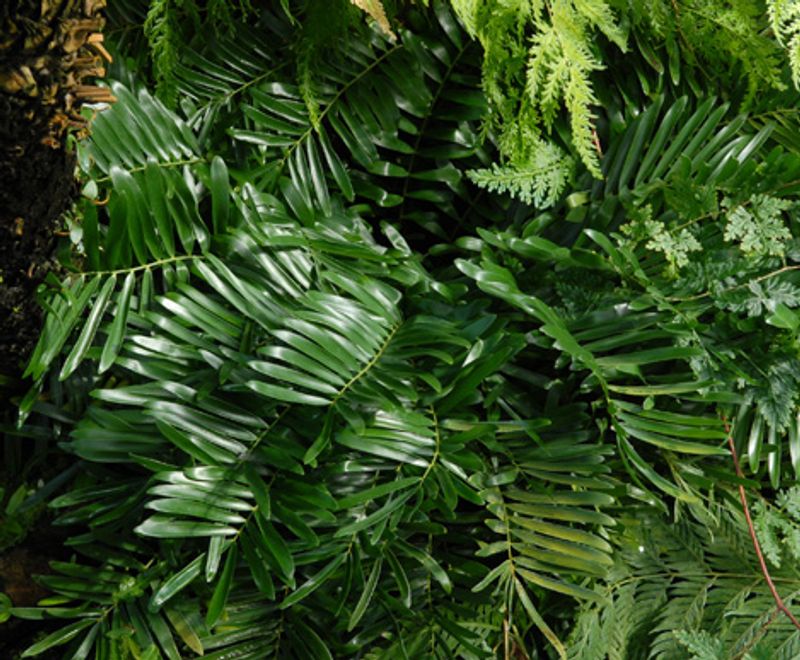
Not every butterfly garden relies on flowers to support wildlife. Sometimes the most important plants are the ones quietly providing food for caterpillars behind the scenes.
Coontie (Zamia integrifolia) fills that role in Florida landscapes. This low-growing native cycad produces glossy, dark green fronds that resemble small palm leaves or ferns.
The plant remains evergreen through much of the year, adding structure and texture even when other plants slow down.
One butterfly species depends almost entirely on this plant. The Atala butterfly lays its eggs on coontie, and the brightly colored caterpillars feed on the foliage as they grow.
Without coontie, the Atala would have very few places to reproduce.
The plant adapts to a surprising range of garden conditions. It grows comfortably in full sun but also tolerates partial shade beneath trees.
Sandy or rocky soils pose little difficulty, and established plants require minimal irrigation.
Landscape designers often use coontie as a foundation planting near homes, as a groundcover beneath taller shrubs, or as a repeating accent in native plant beds. Its tidy shape and slow growth make it easy to maintain.
While the plant itself may not produce showy blooms, its presence quietly supports one of Florida’s most striking butterflies.
When Atala butterflies begin appearing around new growth, gardeners quickly realize how valuable this understated native plant truly is.
8. Firebush Brings Fiery Blooms And Pollinator Energy
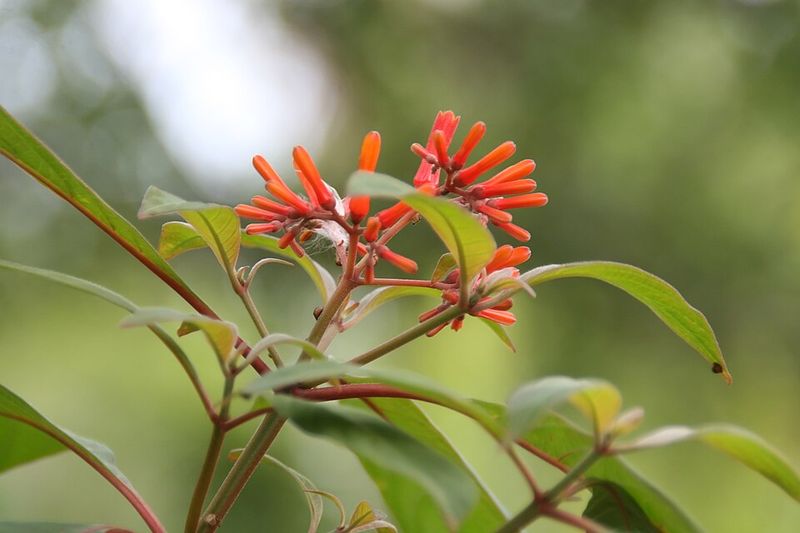
Warm afternoons in Florida often reveal the busiest moments in a butterfly garden. Among the plants drawing the most attention during those hours is firebush, a shrub known for its vibrant orange-red flowers.
Clusters of tubular blooms cover the plant through much of the warm season, creating a steady nectar source for visiting pollinators.
Zebra longwings, gulf fritillaries, and skippers frequently gather around the blossoms, while hummingbirds dart among the flowers in search of nectar.
Firebush grows vigorously in sunny locations and adapts well to Florida’s heat and humidity. In favorable conditions it can reach six to ten feet tall, forming a loose, upright shrub that works well at the back of a butterfly garden.
As the flowering season progresses, small dark berries develop on the plant. Birds often discover these fruits quickly, adding another layer of wildlife activity to the garden.
Gardeners commonly use firebush as a backdrop planting behind lower flowers and groundcovers. Its height provides structure while the long blooming season keeps butterflies returning again and again.
In southern parts of the state the shrub may remain evergreen through winter, while in cooler regions it may lose foliage and return with fresh growth in spring.
Either way, its combination of color, nectar, and adaptability makes firebush one of the most dynamic plants in a Florida butterfly garden.
9. Tickseed Adds Cheerful Color And Nectar For Butterflies
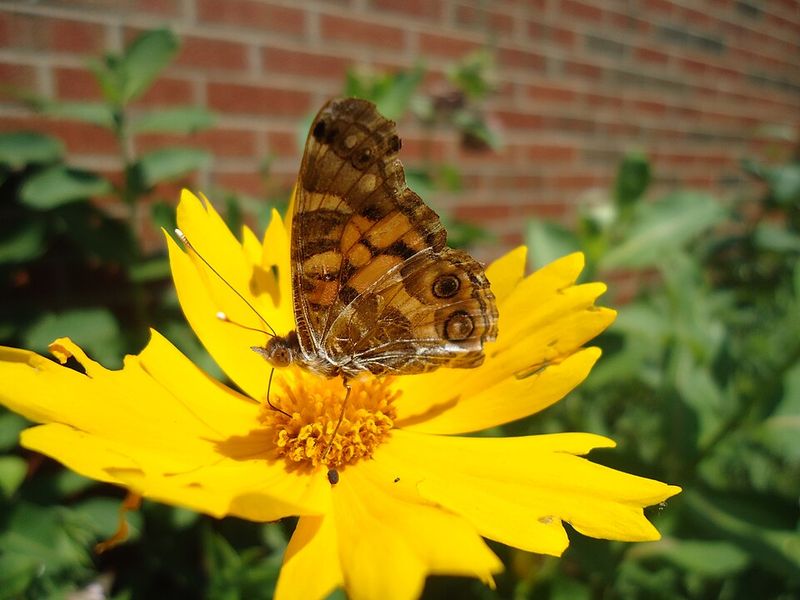
Florida’s official state wildflower has a cheerful, sun-drenched look that fits naturally into almost any garden style.
Tickseed, which belongs to the Coreopsis genus, produces an abundance of golden-yellow, daisy-like blooms that seem to glow in Florida’s intense sunshine.
Several species of tickseed are native to Florida, including Coreopsis floridana and Coreopsis leavenworthii, both of which are well adapted to the state’s climate and soil conditions.
Sulfur butterflies are particularly fond of tickseed and can be seen fluttering around the blooms on warm mornings. Skippers, painted ladies, and various small butterfly species also visit the flowers for nectar.
Because tickseed blooms heavily and produces seeds that attract birds, it supports multiple layers of wildlife in a single planting, giving Florida gardeners excellent value from a relatively compact plant.
Tickseed grows best in full sun and thrives in the sandy, well-drained soils that cover much of Florida’s landscape.
It is notably drought-tolerant once established, which makes it a reliable performer during Florida’s dry season without needing supplemental irrigation.
Gardeners often plant tickseed in sweeping drifts across a sunny meadow area, along a driveway border, or mixed into a wildflower bed alongside partridge pea and tropical sage.
Deadheading spent blooms can encourage additional flowering throughout the season.
10. Beach Sunflower Spreads Bright Blooms In Sunny Spots
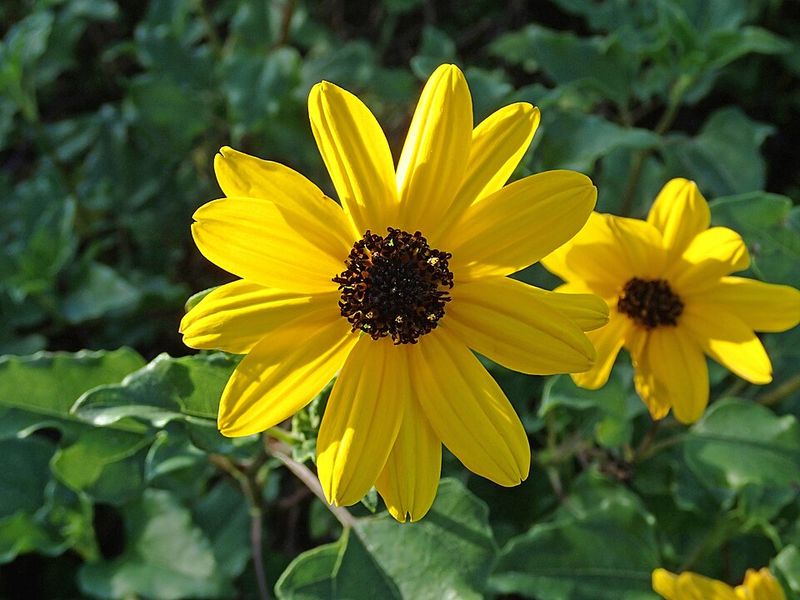
Anyone who has driven along Florida’s coastline has likely spotted beach sunflower growing in the wild, spilling over sandy dunes and roadsides in cheerful waves of yellow.
Helianthus debilis is a Florida native that thrives in exactly the kind of conditions that challenge many other plants – full sun, sandy or salty soils, coastal winds, and periodic drought.
Its toughness makes it a standout choice for Florida gardeners who want beauty without high maintenance.
Beach sunflower produces bright yellow blooms with dark centers throughout much of the year in South and Central Florida, providing a consistent nectar source for a variety of butterfly species.
Sulphurs, skippers, and painted ladies visit the flowers regularly.
The seeds that follow also attract birds such as goldfinches, adding seasonal wildlife activity to the garden well after the blooming peak.
In the landscape, beach sunflower works well as a spreading ground cover in sunny, open areas where other plants might struggle. It roots along its stems as it spreads, gradually covering bare ground and reducing erosion in sandy areas.
Florida gardeners use it along sunny slopes, in coastal-themed garden beds, or as a low-water border along driveways and walkways.
Light pruning after flowering can help keep the plant tidy and encourage fresh growth and additional blooms throughout the season.