Florida Gardeners Swear By These 11 Herbs For January Planting
January in Florida is not a gardening slowdown but a hidden growing season that many people never realize they have.
While much of the country waits for spring, Florida soil stays warm enough to support lush, fast growing herbs packed with fragrance and flavor.
Cool days and bright winter sun create ideal conditions for steady growth, deeper roots, and leaves that taste richer than anything produced during the intense heat of summer.
This is the time when parsley becomes thick and vibrant, cilantro stays tender instead of bitter, and herbs like thyme, sage, and rosemary form strong foundations that carry them through the rest of the year.
Even new gardeners find success now because insects are fewer, humidity is lower, and plants grow with less stress.
Planting in January turns a small patch of soil, a raised bed, or a simple container into a productive herb garden that keeps giving.
These eleven herbs thrive in Florida winter weather and reward growers with months of fresh, homegrown flavor.
1. Parsley
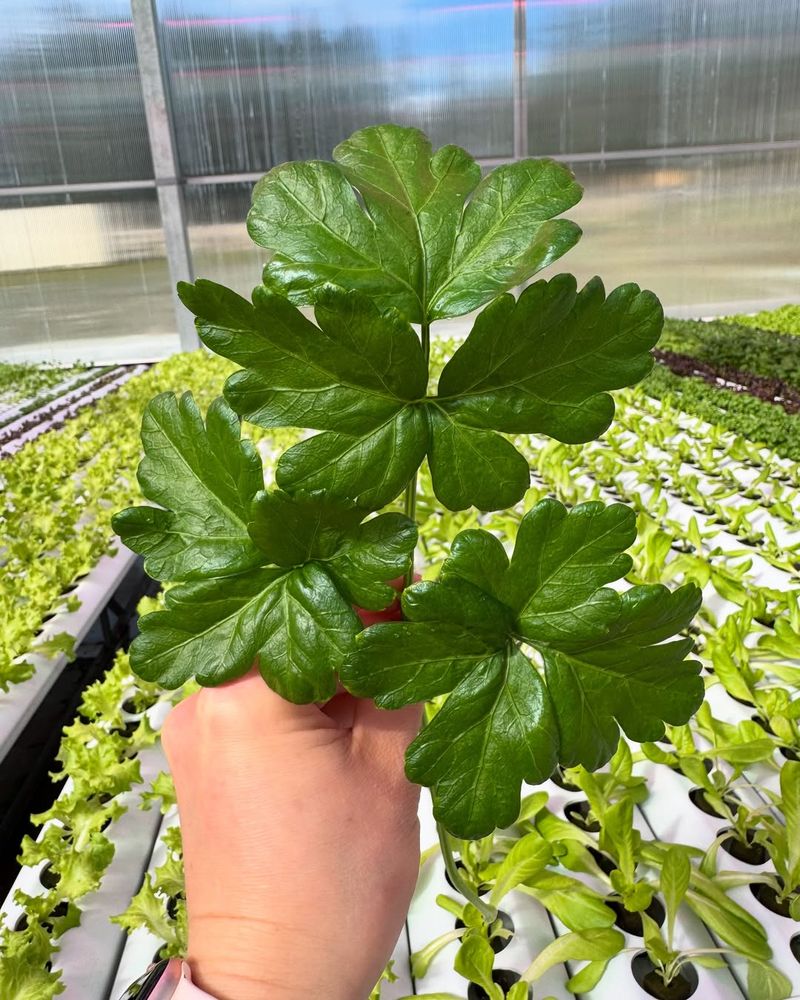
Flat leaf or curly, parsley stands as one of the most reliable herbs you can tuck into your Florida garden this month.
This biennial herb absolutely loves our cool January weather and will reward you with lush, green growth throughout winter and spring.
The mild temperatures help parsley develop deep roots without the stress that summer heat brings.
Plant parsley in well-draining soil enriched with compost, giving each seedling about eight inches of space.
Morning sun with afternoon shade works beautifully in Florida, though full sun is fine during our cooler months.
Water consistently to keep the soil moist but never soggy, and you’ll see steady growth within a few weeks.
For the strongest flavor, harvest outer leaves regularly rather than cutting the whole plant at once.
This encourages new growth from the center and keeps your parsley producing for months.
Parsley’s flavor intensifies when grown in cooler weather, making January plantings especially delicious.
Feed your parsley with a balanced organic fertilizer every three to four weeks.
Watch for caterpillars, as swallowtail butterflies love parsley as a host plant.
Many gardeners plant extra just to share with these beautiful visitors while keeping plenty for the kitchen.
2. Cilantro
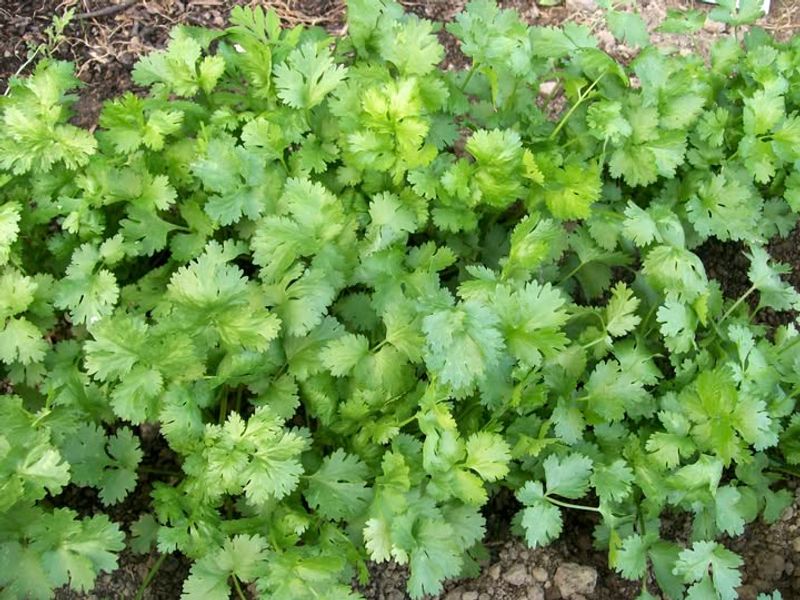
Nothing beats the bright, citrusy punch of fresh cilantro, and January offers the perfect window for Florida growers.
Cilantro famously bolts and goes to seed when temperatures rise, but our winter months provide exactly the cool conditions this herb craves.
Plant now and you’ll harvest handfuls of fragrant leaves before spring warmth arrives.
Sow cilantro seeds directly into your garden bed rather than starting transplants, as cilantro dislikes having its roots disturbed.
Scatter seeds about an inch apart in rows, covering them lightly with soil.
They’ll germinate quickly in our mild January weather, often sprouting within a week or two.
Keep the soil consistently moist during germination and early growth.
Cilantro appreciates rich soil, so work in compost before planting.
Once established, cilantro tolerates brief dry spells but grows best with regular watering.
Harvest leaves when plants reach six inches tall, taking from the outside edges first.
The more you harvest, the longer cilantro will produce before flowering.
If you love coriander seeds too, let a few plants bolt later in spring and collect the seeds once they turn brown and aromatic on the plant.
3. Dill
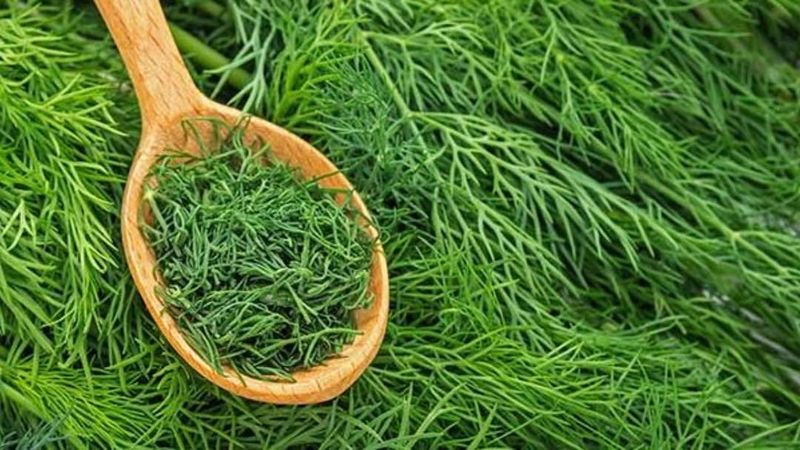
Feathery and fragrant, dill transforms any garden into a sensory experience with its delicate foliage and unmistakable aroma.
January planting gives dill the cool weather it needs to develop strong stems and abundant leaves before Florida’s heat pushes it toward flowering.
This annual herb grows quickly once established, providing fresh flavor for salads, fish dishes, and pickling projects.
Direct seed dill into loose, well-draining soil in a spot that receives full sun.
Dill develops a taproot and doesn’t transplant well, so sowing seeds where you want plants to grow saves frustration later.
Space seeds about six inches apart and barely cover them with soil, as they need light to germinate.
Water gently but regularly until seedlings establish themselves.
Dill tolerates our sandy Florida soils better than many herbs, though adding compost improves growth and flavor.
Once plants reach about a foot tall, they become quite drought tolerant.
Harvest dill leaves anytime after plants reach eight inches, snipping stems near the base.
For the most intense flavor, pick leaves in the morning after dew dries.
Dill flowers attract beneficial insects to your garden, so consider letting a few plants bloom to support pollinators and predatory insects that control pests naturally.
4. Chives
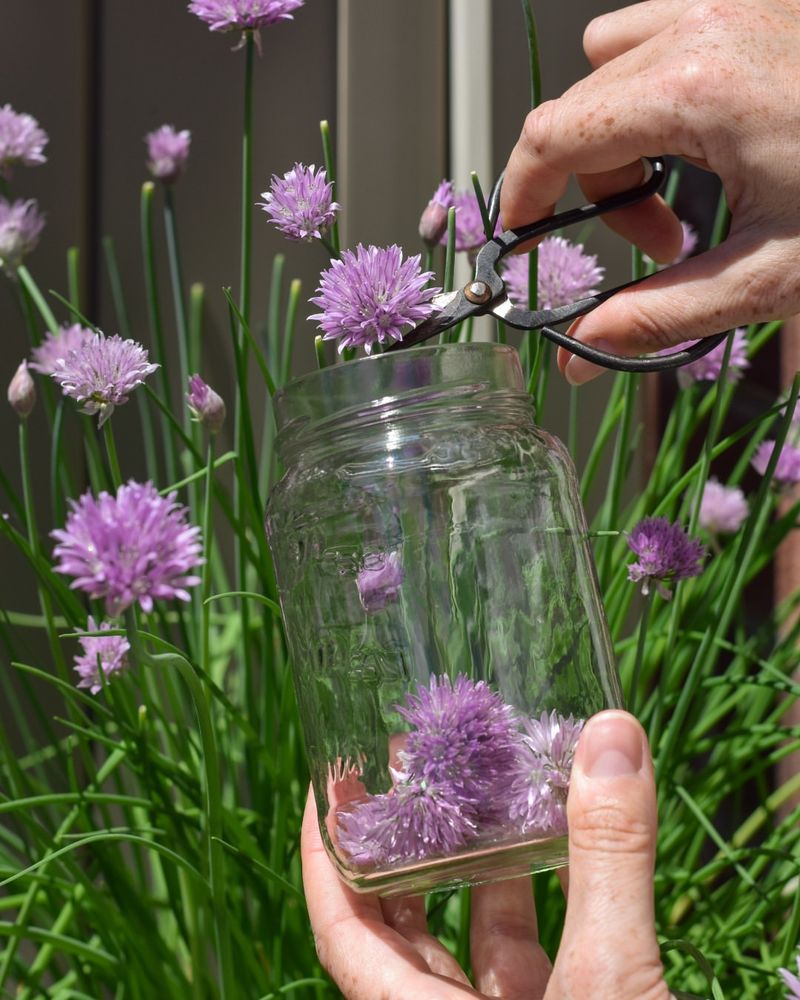
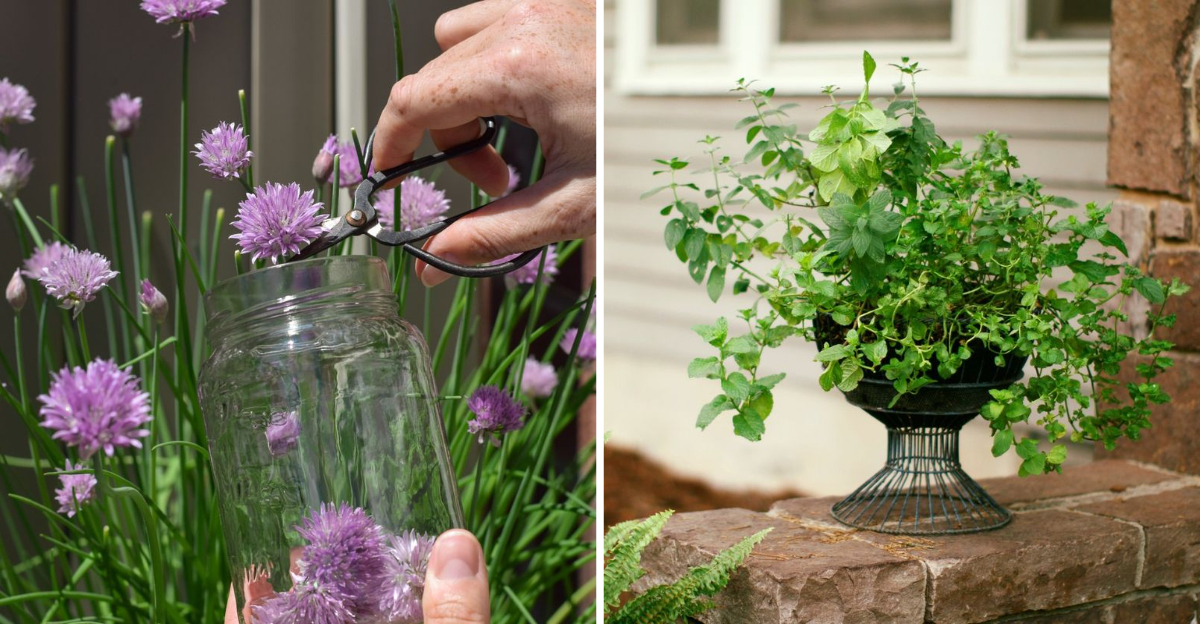
With their slender, hollow leaves and pretty purple blooms, chives bring both flavor and charm to Florida gardens.
These perennial herbs return year after year, making them one of the best investments you can make in your January planting.
Chives belong to the onion family and offer a mild, sweet onion taste perfect for garnishing everything from baked potatoes to scrambled eggs.
Plant chives from transplants or divisions this month, spacing clumps about six inches apart.
They prefer rich, well-draining soil and appreciate regular moisture, though they’re forgiving if you occasionally forget to water.
Chives grow well in containers too, making them ideal for patio gardens or kitchen windowsills.
January’s mild weather encourages steady growth without stress.
Chives tolerate both full sun and partial shade in Florida, though they produce more abundantly with at least six hours of sunlight daily.
Their grasslike leaves grow continuously, so you can harvest often without harming the plant.
Snip leaves about an inch above the soil level with scissors, taking what you need for cooking.
The more you harvest, the more new growth emerges from the base.
Chive flowers are edible too, adding a delicate onion flavor and beautiful color to salads.
Divide clumps every few years to maintain vigor and share with fellow gardeners.
5. Fennel
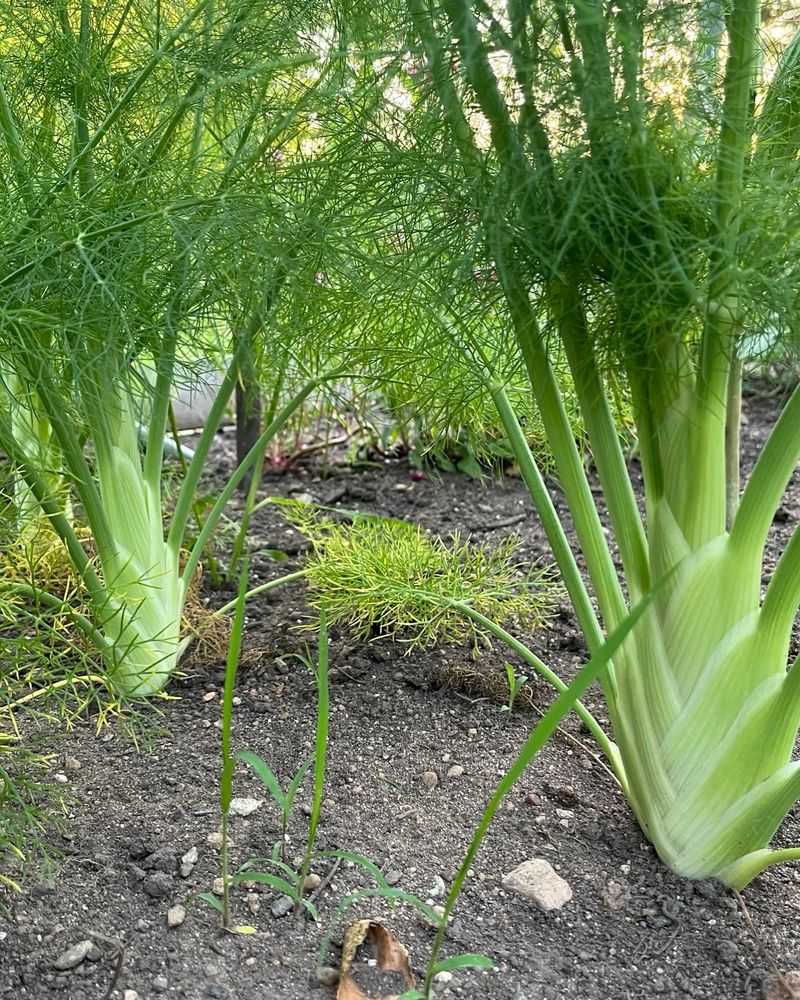
Towering and graceful, fennel adds height and texture to your herb garden while providing leaves, seeds, and even edible bulbs depending on the variety you choose.
January planting allows fennel to establish strong roots during cool weather, preparing it for robust growth.
Both the feathery foliage and the seeds carry that distinctive licorice flavor that elevates fish dishes, Italian cooking, and herbal teas.
Sow fennel seeds directly into your garden bed, as this herb develops a long taproot and resents transplanting.
Choose a permanent location with full sun and well-draining soil.
Space seeds about twelve inches apart, giving each plant room to reach its full size without crowding neighbors.
Fennel grows tall, sometimes reaching four or five feet, so consider placing it where it won’t shade smaller herbs.
Water regularly during establishment, then reduce frequency once plants mature.
Fennel tolerates drought once established but produces more tender growth with consistent moisture.
Harvest leaves anytime for fresh use in cooking, and collect seeds once flower heads turn brown and dry on the plant.
Fennel attracts swallowtail butterflies, which lay eggs on the foliage.
Their caterpillars munch leaves enthusiastically, so plant extra if you want to support these pollinators while keeping enough fennel for your kitchen.
The flowers also attract beneficial wasps and hoverflies that help control garden pests.
6. Oregano
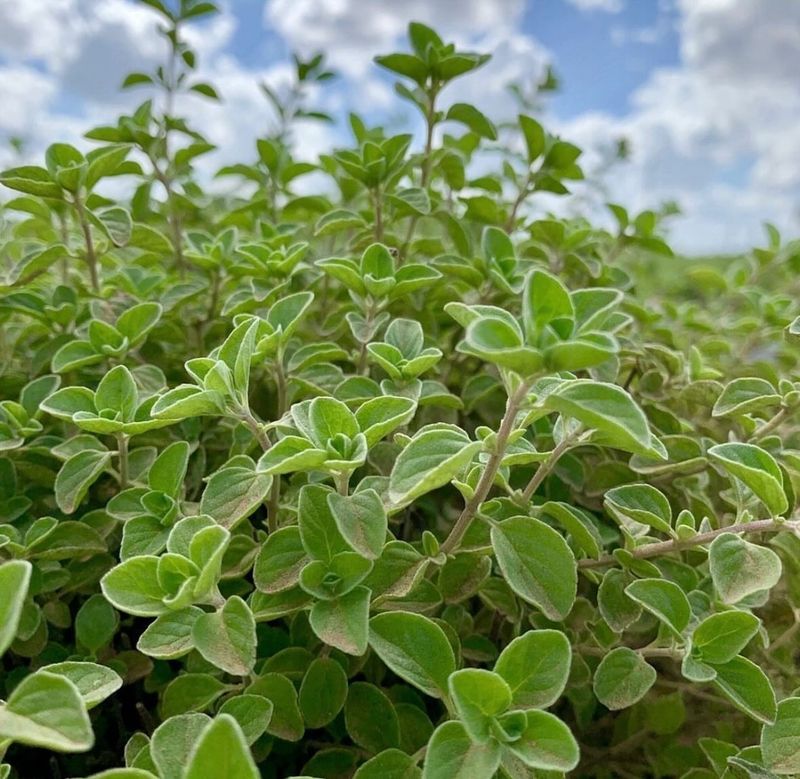
Few herbs match oregano’s versatility and vigor in Florida gardens.
This Mediterranean native adapts beautifully to our climate and actually thrives in our sandy soils with minimal fussing.
January planting gives oregano time to establish before spring, creating bushy plants that provide fresh leaves for pizza, pasta, and countless other dishes throughout the year.
Start with transplants rather than seeds for quicker results.
Space plants about twelve inches apart in well-draining soil with full sun exposure.
Oregano tolerates poor soil better than most herbs, though mixing in a bit of compost at planting time encourages faster establishment.
Water oregano sparingly once established, as this herb prefers drier conditions.
Overwatering dilutes flavor and can cause root problems, so err on the side of less rather than more.
Oregano grows as a perennial in most of Florida, returning year after year with minimal care.
For the most concentrated flavor, harvest oregano just before flowers open.
Cut stems back by about one third, which encourages bushier growth and prevents plants from becoming leggy.
Oregano’s flavor intensifies when dried, so preserve your harvest by hanging bundles in a warm, dry spot.
The small flowers attract bees and beneficial insects, adding ecological value beyond the kitchen.
Trim plants back after flowering to maintain compact, productive growth.
7. Thyme
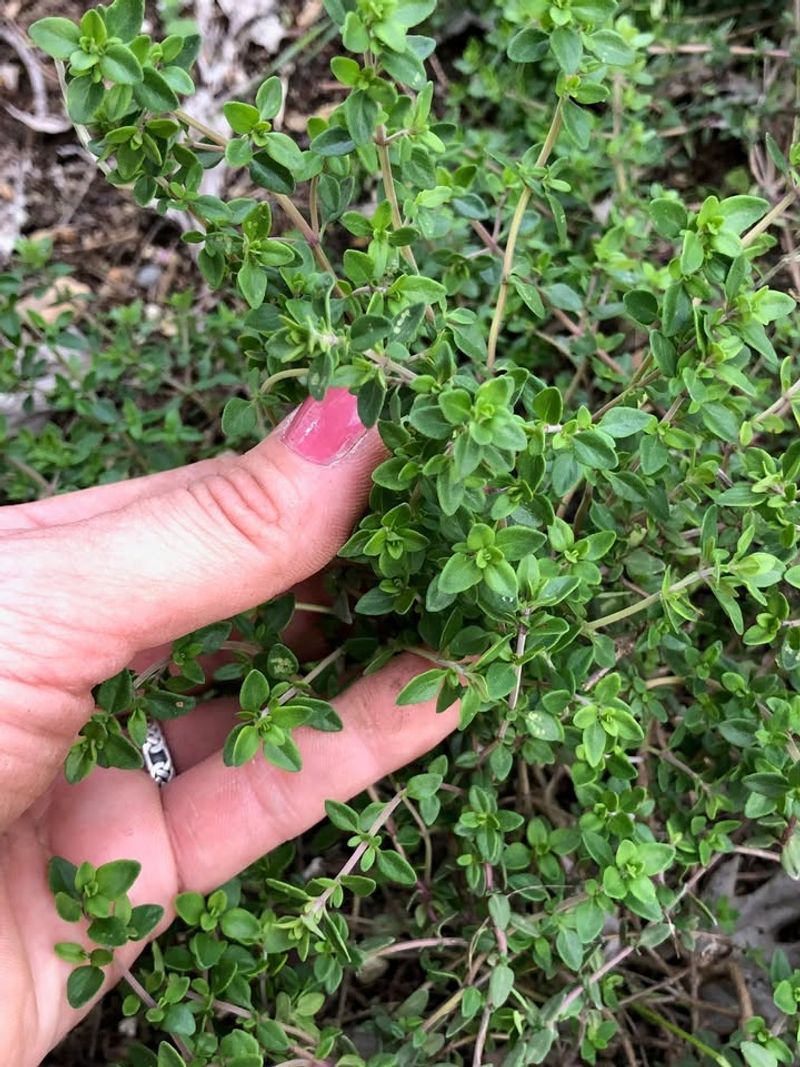
Low growing and wonderfully aromatic, thyme creates fragrant mats of tiny leaves that release their scent when brushed or crushed.
This woody perennial herb loves Florida’s winter weather and establishes beautifully when planted in January.
Dozens of thyme varieties exist, from common culinary types to lemon and creeping varieties, each bringing unique flavors to your cooking and beauty to your garden.
Plant thyme transplants in well-draining soil with excellent drainage, as this herb absolutely requires good air circulation around its roots.
Raised beds work wonderfully for thyme in Florida.
Space plants about eight inches apart and choose a location with full sun for the best growth and strongest flavor.
Thyme tolerates drought once established and actually develops more concentrated oils when grown slightly dry.
Water sparingly, allowing soil to dry between waterings.
This makes thyme perfect for busy gardeners who sometimes forget to water or for areas of the garden that don’t receive regular irrigation.
Harvest thyme sprigs anytime, cutting stems back by no more than one third at a time.
Regular harvesting keeps plants compact and prevents woodiness.
Thyme flowers attract countless pollinators, so consider letting some stems bloom.
The flowers are edible too, adding delicate flavor and pretty color to dishes.
Thyme grows as a perennial in Florida, providing fresh herbs year round with almost no maintenance required.
8. Sage
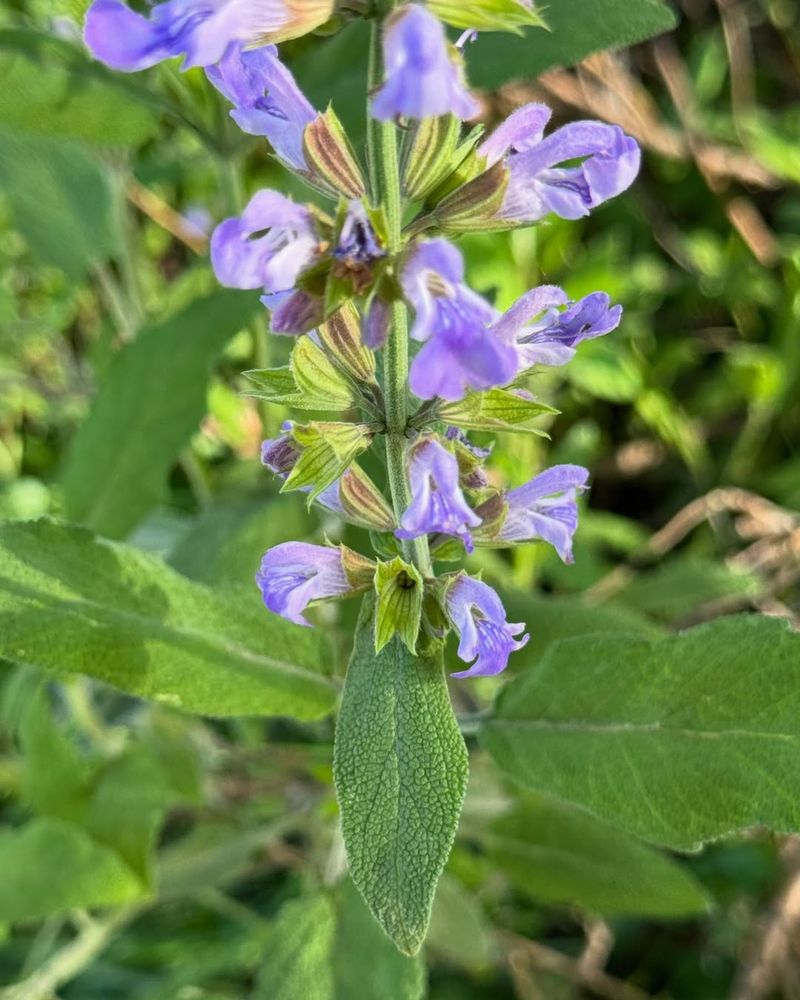
Velvety leaves in shades of gray green make sage instantly recognizable in any herb garden.
This sturdy perennial brings earthy, slightly peppery flavor to countless dishes while thriving in Florida’s cooler months.
January planting allows sage to develop strong roots before spring arrives, creating plants that produce abundantly for years with minimal attention.
Choose transplants over seeds for faster establishment and more reliable results.
Space sage plants about eighteen inches apart, as mature plants spread into substantial bushes.
Sage demands excellent drainage and full sun, making raised beds ideal for Florida growers dealing with heavy or poorly draining soil.
Water sage moderately, allowing soil to dry somewhat between waterings.
Like many Mediterranean herbs, sage develops stronger flavor when grown slightly dry rather than kept constantly moist.
Overwatering encourages fungal problems and weak, floppy growth instead of the compact, aromatic plants you want.
Harvest individual leaves or cut stems as needed, taking no more than one third of the plant at once.
Sage flavor intensifies during cooler months, making winter harvests especially potent.
Prune sage lightly after flowering to maintain shape and encourage new growth.
The purple or white flowers attract bees and add beauty to the garden.
In Florida, sage often grows as a short-lived perennial, lasting several years before needing replacement.
9. Rosemary
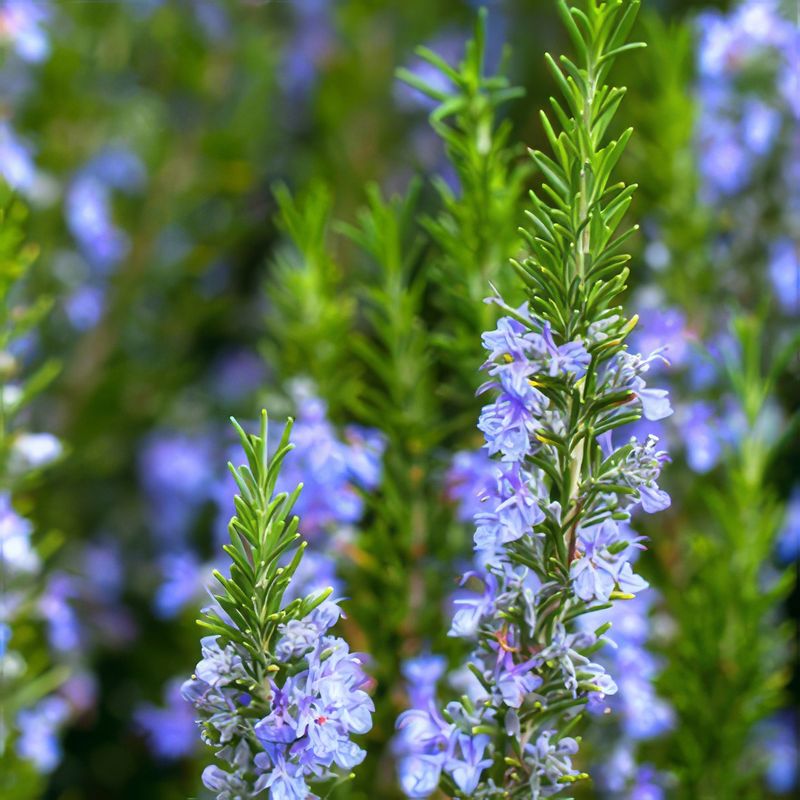
Needle-like leaves and a piney fragrance make rosemary unmistakable among herbs.
This evergreen shrub grows beautifully in Florida, tolerating heat, drought, and sandy soils better than almost any other culinary herb.
January planting gives rosemary a head start, allowing roots to establish during mild weather before summer arrives with its challenges.
Start with transplants rather than seeds, choosing upright or trailing varieties depending on your garden design.
Space plants at least two feet apart, as rosemary grows into a substantial shrub over time.
Full sun and excellent drainage are absolutely essential for success.
Rosemary struggles in heavy, wet soils, so amend planting areas with sand or grow in raised beds if drainage concerns exist.
Once established, rosemary tolerates drought remarkably well and requires little supplemental water except during extended dry periods.
Overwatering causes more problems than underwatering with this tough Mediterranean native.
Fertilize sparingly, as too much nutrition produces weak growth with less aromatic oils.
Harvest rosemary sprigs anytime, cutting stems back to promote bushier growth.
Regular pruning keeps plants compact and prevents them from becoming leggy or bare at the base.
Rosemary flowers, usually pale blue or white, appear sporadically throughout the year and attract bees.
The woody stems make excellent skewers for grilling, infusing food with subtle rosemary flavor while cooking.
10. Mint
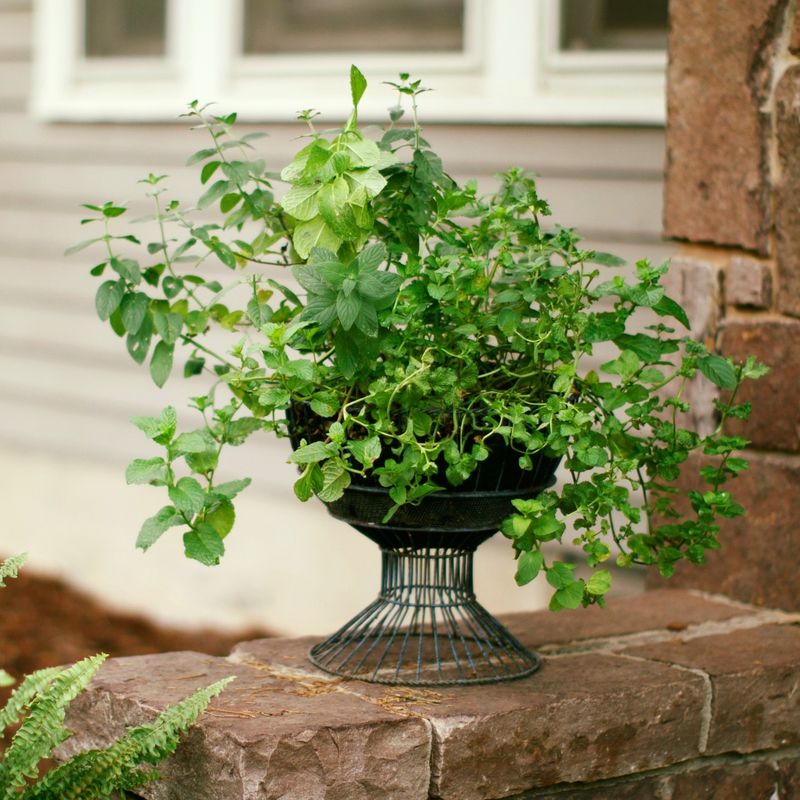
Refreshing and vigorous, mint grows with enthusiasm that sometimes borders on aggressive.
This perennial herb spreads through underground runners, quickly filling any space you give it.
January planting allows mint to establish without the stress of summer heat, creating lush plants perfect for teas, cocktails, desserts, and savory dishes throughout the year.
Plant mint in containers rather than directly in garden beds unless you want it to take over.
Mint spreads relentlessly through underground stems, crowding out neighboring plants and popping up in unexpected places.
A large pot with drainage holes contains mint’s wandering nature while allowing abundant growth for harvesting.
Mint appreciates more water than most herbs, preferring consistently moist soil.
It tolerates partial shade better than many herbs, making it perfect for spots that don’t receive full sun all day.
Choose from dozens of mint varieties including peppermint, spearmint, chocolate mint, and pineapple mint, each offering unique flavors.
Harvest mint freely, cutting stems back to encourage branching and prevent flowering.
Mint flavor peaks just before flowers open.
Regular harvesting keeps plants producing tender new growth rather than tough, bitter stems.
Pinch off flower buds as they form to prolong leaf production.
Mint grows as a perennial in Florida, though it may look ragged during summer heat before bouncing back in fall and winter.
11. Chamomile
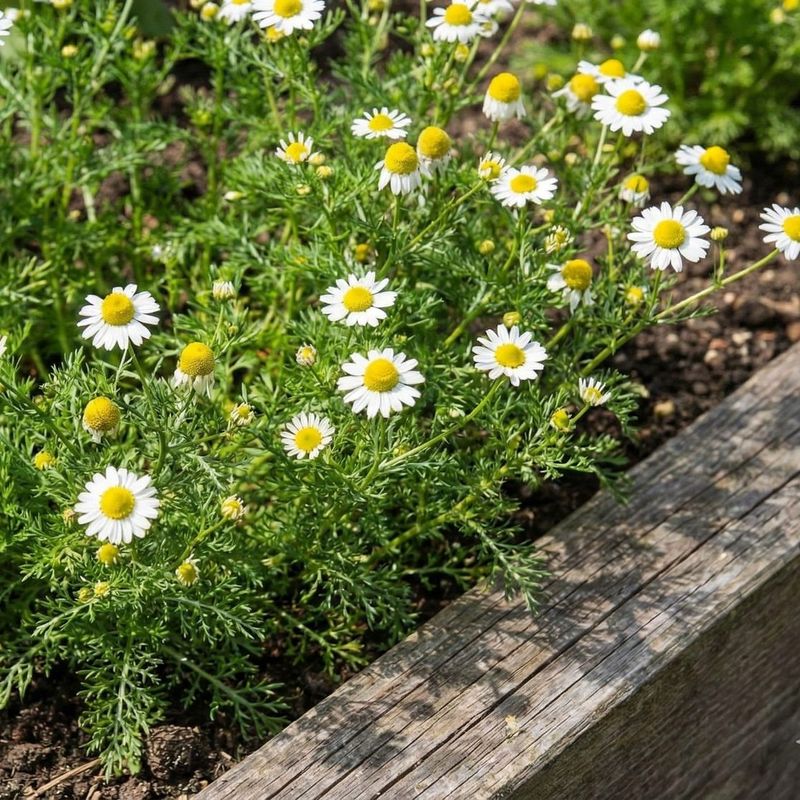
Delicate daisy-like flowers and a sweet, apple-like scent make chamomile a favorite among herb gardeners.
German chamomile, an annual variety, thrives when planted in Florida during January.
The cool season allows this gentle herb to grow steadily, producing the flowers you’ll harvest for calming teas and natural remedies throughout spring.
Sow chamomile seeds directly into well-draining soil in a location with full sun to partial shade.
Press seeds lightly into the soil surface without covering them deeply, as they need light to germinate.
Seeds sprout within a week or two when kept moist, quickly developing into ferny foliage topped with cheerful white and yellow flowers.
Water chamomile regularly during establishment, keeping soil evenly moist but not waterlogged.
Once plants reach a few inches tall, they tolerate brief dry spells but produce more abundantly with consistent moisture.
Chamomile grows best in cooler weather, making January through spring its prime season in Florida.
Harvest chamomile flowers when they’re fully open, typically in the morning after dew dries.
Pinch or snip individual flower heads, leaving foliage intact to produce more blooms.
Dry flowers in a warm, shaded spot with good air circulation, then store them in airtight containers for tea.
Chamomile self-seeds readily, so you may find volunteer plants appearing in following seasons if you let some flowers go to seed.