Florida Gardeners Swear by These 14 Low-Water Landscaping Ideas
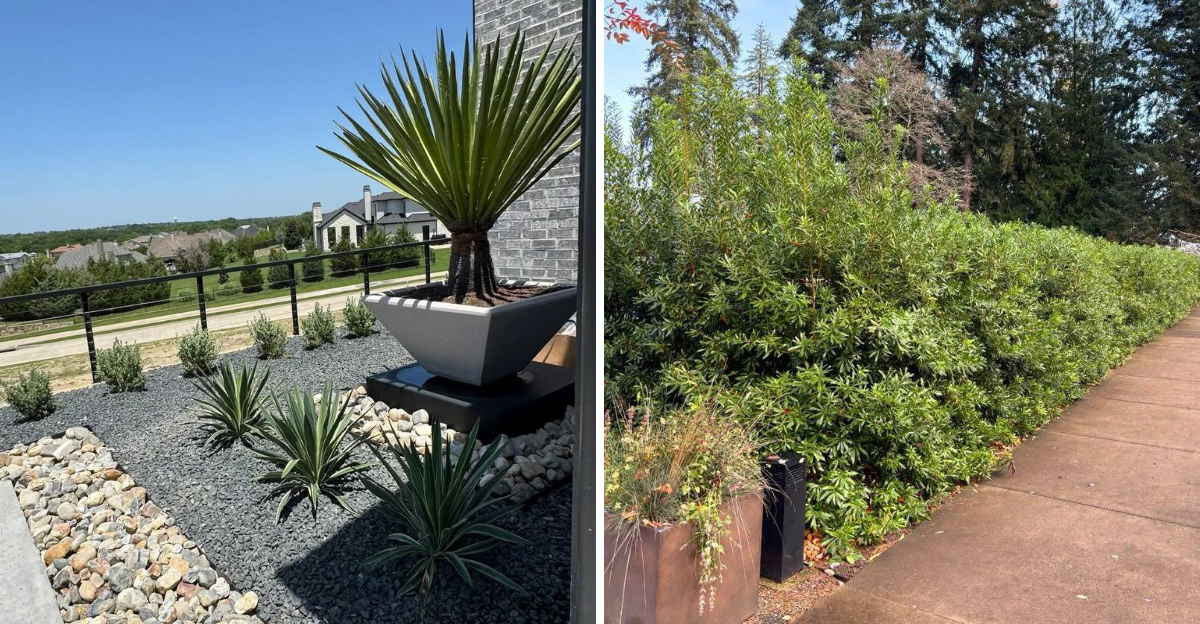
Florida yards take a beating. The sun is intense, rain disappears for weeks at a time, and watering restrictions make it even harder to keep everything looking alive.
Still, across the state, more homeowners are finding ways to keep their landscapes green, colorful, and inviting without running sprinklers nonstop or watching water bills climb. Low-water landscaping is changing how Florida homes look and function.
It replaces constant watering with smarter plant choices, better layout, and designs that actually work with the climate. The result is a yard that survives heat waves, handles dry spells, and still looks great pulling into the driveway.
If you want a landscape that saves water, cuts maintenance, and stays attractive through Florida’s toughest seasons, these ideas will show you what’s working right now.
1. Use Native Plants
Walk through any older Florida neighborhood during a dry spell and you’ll notice something interesting. Certain yards still look lush and colorful while others turn brown and crispy, and the difference usually comes down to plant choices.
Native plants evolved here over thousands of years, developing deep root systems and natural adaptations that let them survive Florida’s unpredictable rainfall patterns without supplemental watering once established.
Your sandy soil drains fast, which makes it tough for non-native plants to hold moisture long enough to stay hydrated.
Native species like coontie, firebush, beautyberry, and muhly grass send roots deep into the ground where moisture lingers longer, reducing their dependence on your irrigation system.
After the first year, many native plants require watering only during extreme droughts, and even then they often bounce back quickly when rain returns.
Homeowners who switch to native plantings often notice their irrigation timers running less frequently within two growing seasons. These plants also attract butterflies, birds, and beneficial insects, creating a more vibrant ecosystem right in your yard.
The University of Florida IFAS Extension recommends natives as the foundation of any water-wise landscape because they naturally match Florida’s climate and soil conditions.
2. Install Mulch Beds
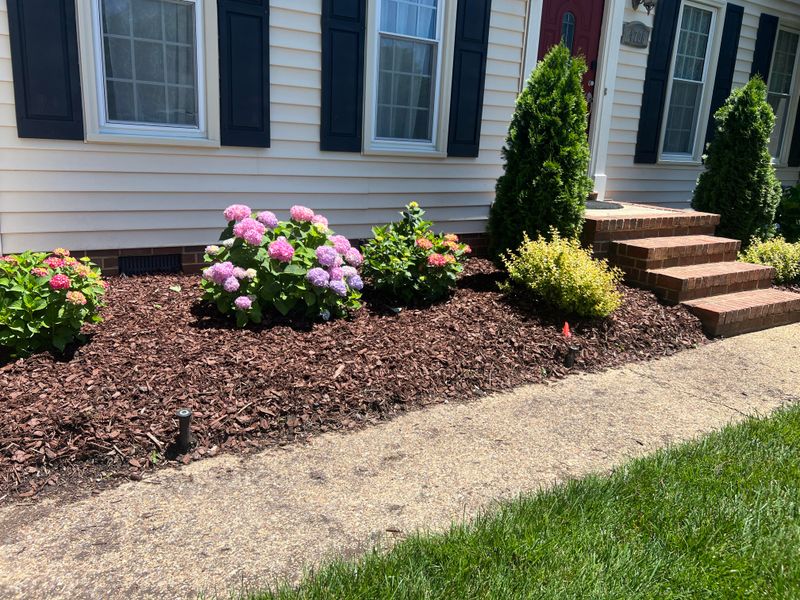
Picture a garden bed on a hot July afternoon in Central Florida. Without mulch, the sun bakes the soil surface until it hardens like concrete, and any moisture you add evaporates within hours.
Now imagine that same bed covered with three inches of pine bark or cypress mulch, creating a protective blanket that keeps the soil cooler and moisture locked in place where roots can actually use it.
Mulch works like insulation for your landscape, slowing evaporation rates by as much as 50 to 70 percent under ideal conditions, according to research and guidance from Florida’s Water Management Districts.
Your plants stay hydrated longer between waterings, and the mulch gradually breaks down into organic matter that improves soil structure over time.
In North Florida, mulch also moderates soil temperature swings during cooler months, protecting shallow roots from frost damage.
Most Florida gardeners refresh mulch beds once or twice a year, adding a new layer as the old material decomposes. You’ll notice weeds have a harder time taking root in mulched areas, which saves water that would otherwise go toward competing plants.
Keep mulch pulled back a few inches from plant stems to prevent rot, and your beds will retain moisture far more efficiently than bare soil ever could.
3. Create Drought-Tolerant Plant Zones
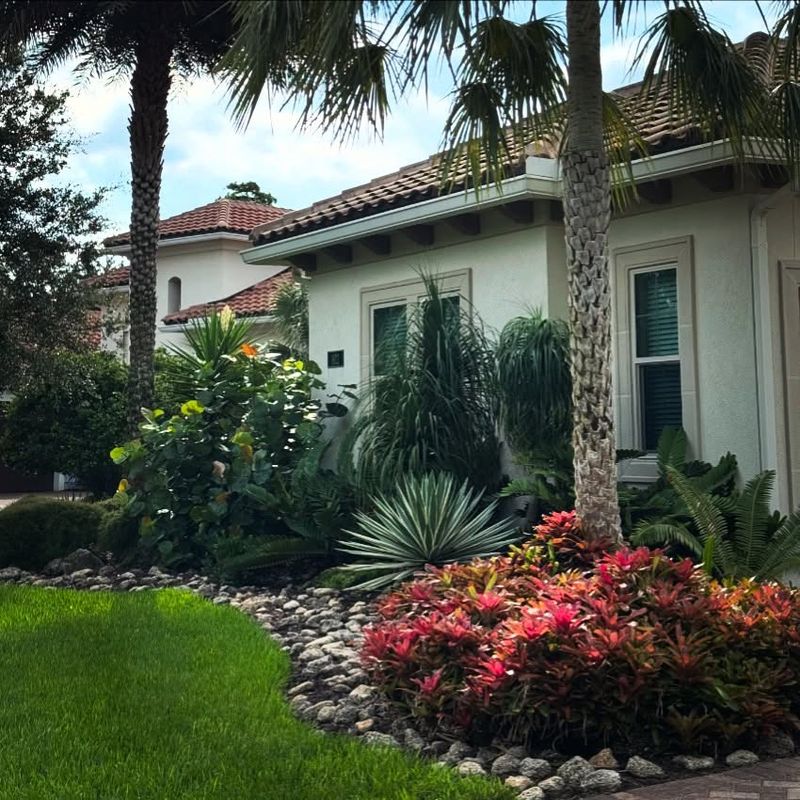
Smart Florida gardeners group plants by water needs instead of scattering thirsty tropicals next to desert-adapted succulents. This strategy, called hydrozoning, lets you run irrigation only where plants actually need it, leaving tougher species to survive on rainfall alone.
Your irrigation system becomes far more efficient when each zone serves plants with similar moisture requirements.
In South Florida’s extended dry seasons, homeowners often create a high-water zone near the front entrance where they want lush color, then transition to moderate and low-water zones farther from the house.
Agave, yucca, and crown of thorns thrive in the driest areas, while pentas and ixora occupy middle zones that receive occasional deep watering.
This approach mirrors how natural Florida ecosystems organize themselves, with wetland plants near water sources and scrub vegetation on dry ridges.
After establishing hydrozones, many homeowners reduce irrigation runtime by 30 percent or more because they stop overwatering drought-tolerant plants just to keep thirsty ones alive. The University of Florida recommends mapping your yard into at least three zones based on sun exposure, soil drainage, and plant selection.
You’ll see healthier plants overall since each species receives the moisture level it actually prefers rather than a one-size-fits-all watering schedule.
4. Replace Turf With Groundcovers
Traditional St. Augustine grass drinks water like a teenager drinks sweet tea, demanding frequent irrigation to stay green through Florida’s dry months.
Many homeowners now replace sections of turf with low-growing groundcovers that spread across the soil, suppress weeds, and require a fraction of the water that grass needs.
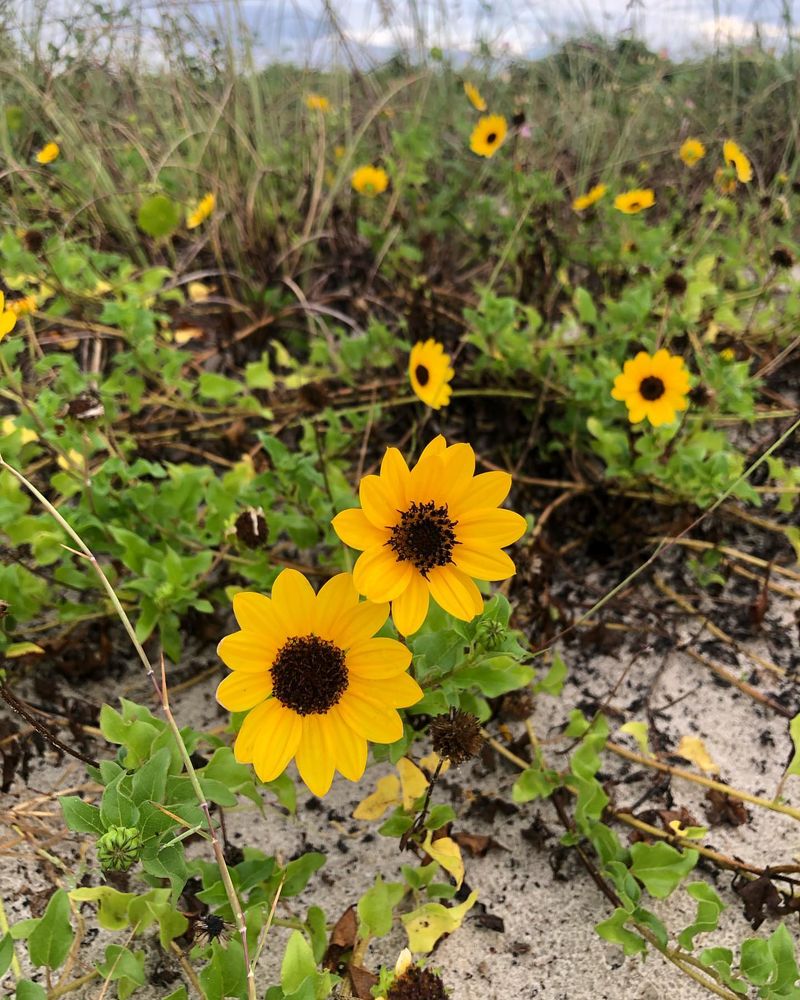
Sunshine mimosa, beach sunflower, and perennial peanut create living carpets that stay attractive without constant watering.
Your lawn probably covers more square footage than any other landscape feature, which means it consumes the bulk of your irrigation water. Swapping out even 25 percent of your turf for groundcovers can cut your outdoor water use significantly while adding texture and visual interest to flat, monotonous grass expanses.
In shady areas where grass struggles to grow, groundcovers like Asiatic jasmine thrive without supplemental watering once their roots establish.
Homeowners who make this switch often notice their yards stay greener during watering restrictions because groundcovers tolerate dry conditions better than most turfgrasses.
These plants also require less mowing, fertilizing, and edging, which saves time and money beyond just water savings.
The Florida Friendly Landscaping Program recommends groundcovers as one of the most effective strategies for reducing residential irrigation demand without sacrificing curb appeal or functionality.
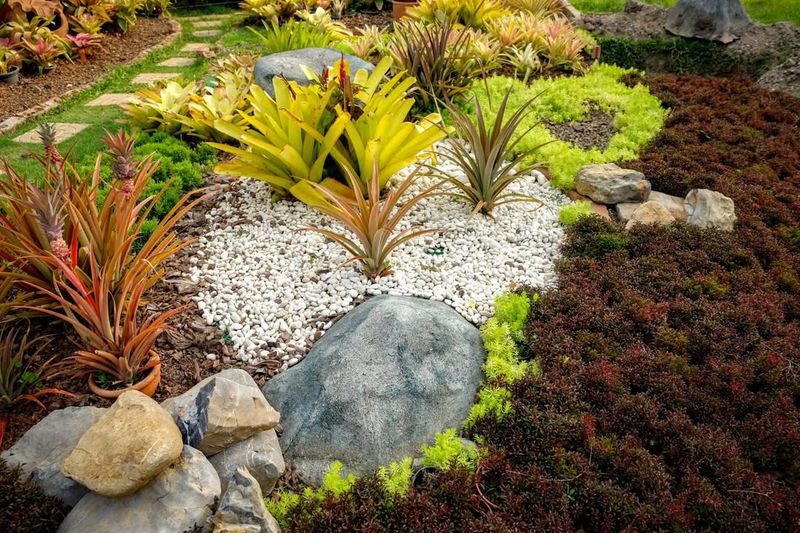
5. Add Decorative Gravel Or Stone Areas
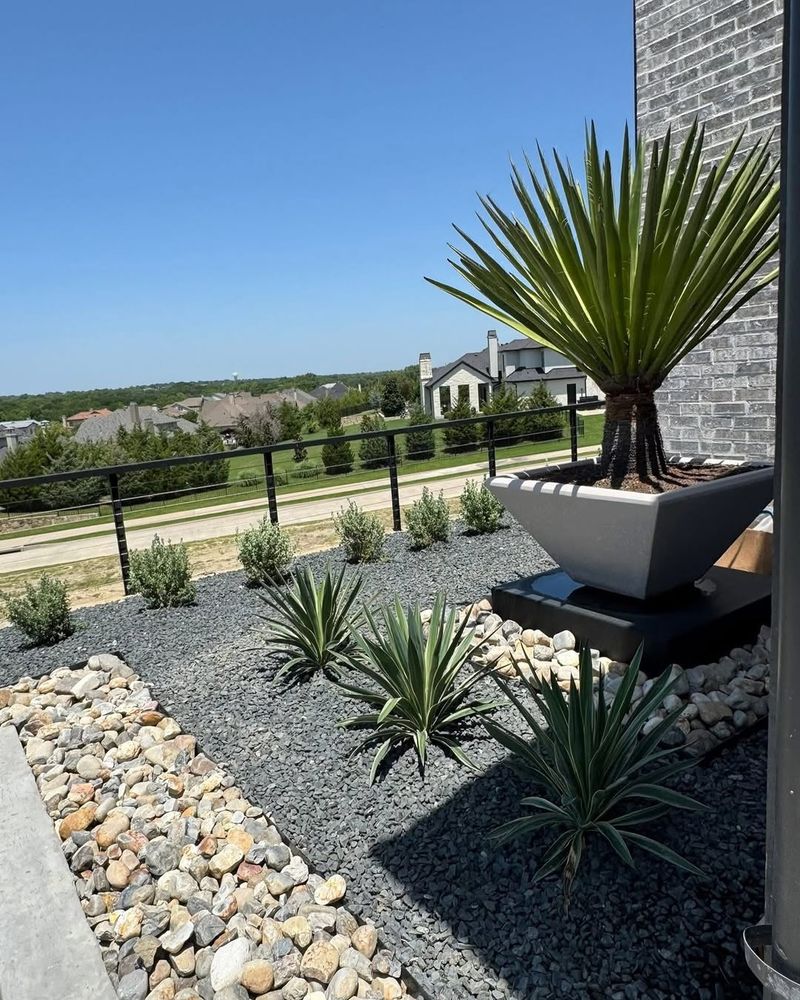
Some of the most striking Florida landscapes feature sweeping beds of river rock, crushed shell, or decorative gravel that require zero irrigation yet provide clean, attractive transitions between planting areas.
These hardscape elements reflect Florida’s coastal character while eliminating sections of your yard that would otherwise demand regular watering.
Gravel beds work especially well in high-traffic areas where grass gets trampled or in narrow side yards where irrigation overspray wastes water on pavement.
Sandy soil makes installing gravel areas straightforward since drainage is rarely an issue, and you can mix in drought-tolerant accent plants like agave or ornamental grasses to soften the look.
In Central Florida, homeowners often use crushed limestone or white shell to brighten shady areas and reduce heat absorption, while South Florida gardeners favor coral rock that complements tropical architecture.
These features need occasional weeding and topping off as material settles, but they typically require no irrigation.
Neighborhoods with mature gravel landscapes show how these areas age gracefully, developing character as plants naturalize around stone edges.
Many homeowners see their outdoor water use drop quickly when they convert irrigated turf to decorative stone, and the change adds modern, clean lines that boost curb appeal.
Just remember to use landscape fabric underneath to prevent weeds from pushing through the gravel layer.
6. Use Drip Irrigation
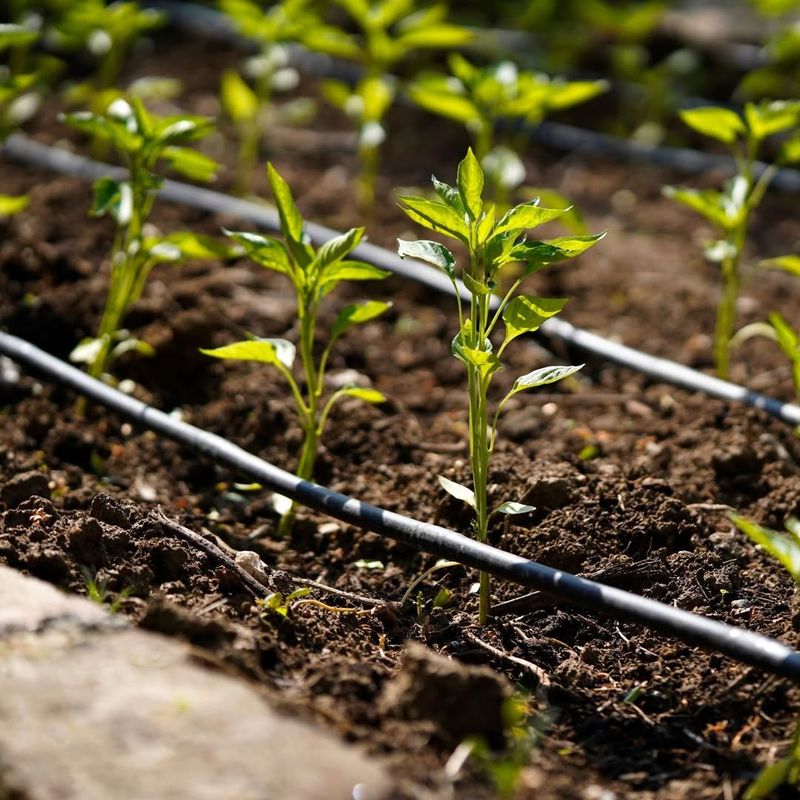
Overhead sprinklers waste enormous amounts of water in Florida’s heat and wind, with much of the spray evaporating before it even reaches the soil.
Drip irrigation delivers water directly to plant root zones through a network of tubes and emitters and can reduce water waste by up to 60 percent compared to traditional sprinkler systems.
You’ll notice plants respond better to this slow, steady moisture delivery because it soaks deep into sandy soil instead of running off the surface.
Installing drip lines in your planting beds means you can water shrubs, perennials, and vegetables without wetting sidewalks, driveways, or areas where water does no good. The system runs at low pressure, which further reduces water consumption, and you can zone it precisely so each plant receives exactly the amount of moisture it needs.
In North Florida, homeowners often run drip systems overnight when evaporation rates drop, maximizing efficiency.
After switching to drip irrigation, many Florida gardeners see noticeable reductions in water use within the first few months.
The University of Florida IFAS Extension recommends drip systems for all non-turf landscape areas, especially during drought conditions when water restrictions limit sprinkler use.
Your plants stay healthier because foliage remains dry, reducing fungal diseases that thrive in Florida’s humid climate when leaves get repeatedly wet from overhead watering.
7. Plant Shade Trees Strategically
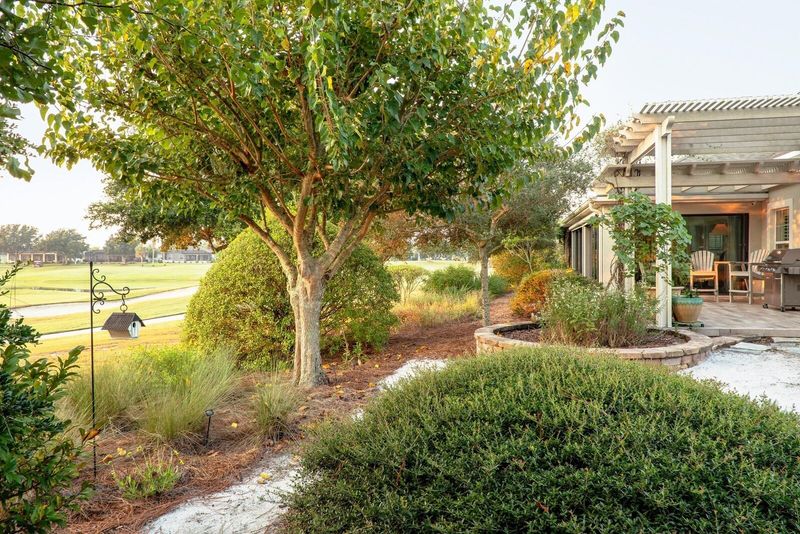
A well-placed shade tree does more than just cool your patio on summer afternoons. It actually reduces water needs across your entire landscape by lowering soil temperatures, slowing evaporation, and creating microclimates where less drought-tolerant plants can survive with minimal irrigation.
Live oak, mahogany, and gumbo limbo cast broad canopies that transform hot, sun-blasted yards into comfortable spaces where grass and groundcovers stay greener with less water.
Your home’s energy bills drop when shade trees block afternoon sun from hitting walls and windows, but the water-saving benefits extend well beyond the house.
Plants growing beneath tree canopies lose moisture more slowly because they’re protected from direct sun and wind, two factors that dramatically increase water demand in exposed areas.
In South Florida, strategic tree placement can significantly reduce irrigation needs in shaded zones compared to full-sun areas.
Homeowners who plant shade trees typically wait three to five years for significant canopy development, but the long-term water savings and property value increase make the investment worthwhile.
Choose native or well-adapted species that won’t require constant watering themselves once established, and position trees where their shade will benefit both your landscape and living spaces.
The Florida Friendly Landscaping Program identifies shade trees as one of the most impactful strategies for reducing residential water consumption.
8. Improve Soil With Organic Matter
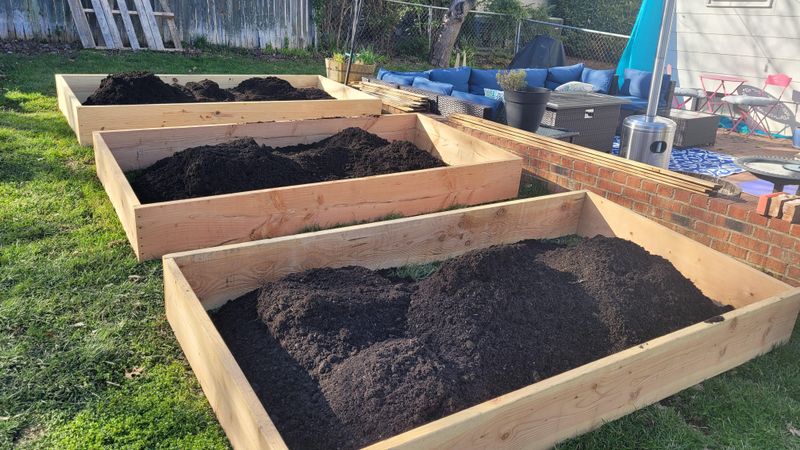
Florida’s sandy soil drains so fast that water often rushes straight through without giving plant roots time to absorb moisture. Adding compost, aged manure, or other organic matter transforms this poor soil into a sponge that holds water longer and releases it gradually to plants.
You’ll notice the difference immediately when you water improved beds because moisture soaks in deeply instead of running off or disappearing within hours.
Organic matter acts like tiny reservoirs scattered throughout your soil, each particle holding water and nutrients that would otherwise leach away.
In Central Florida’s sandy landscapes, homeowners who work compost into planting beds before installing new plants often reduce establishment watering needs because roots can access moisture for days after each irrigation cycle.
The improved soil structure also encourages deeper root growth, which further reduces long-term water needs.
Most Florida gardeners amend their soil annually, working a two-inch layer of compost into beds each spring or fall. Your plants grow more vigorously in enriched soil, and the organic matter continues improving water retention as it breaks down over time.
The University of Florida recommends soil improvement as a foundational step in any water-wise landscape because it makes every drop of irrigation water more effective, whether that water comes from your hose or from natural rainfall.
9. Choose Drought-Tolerant Ornamentals
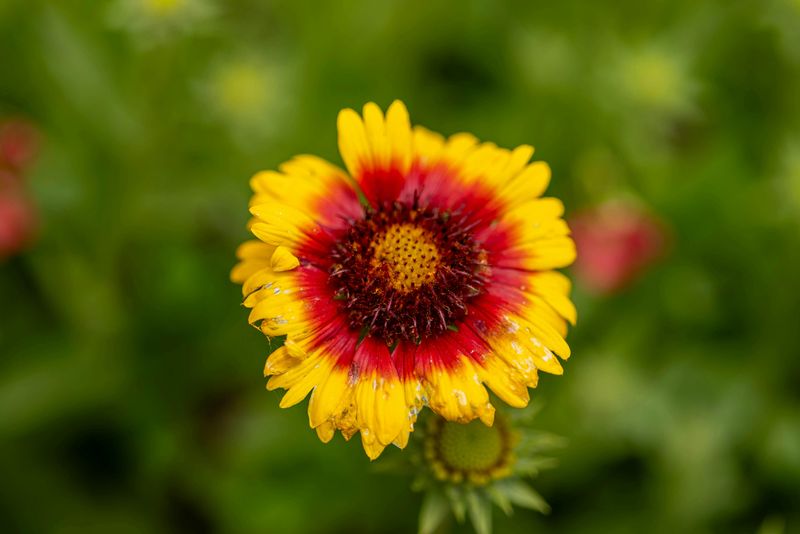
Some of Florida’s most beautiful flowering plants happen to be incredibly drought-tolerant once their roots establish.
Plumbago, lantana, blanket flower, and African iris deliver constant color without demanding daily watering, making them perfect choices for homeowners who want vibrant landscapes that survive dry spells.
These tough ornamentals evolved in harsh climates where rainfall comes in unpredictable bursts, so they naturally store moisture and shut down growth during droughts to conserve resources.
Your landscape can stay colorful year-round when you select ornamentals that match Florida’s natural wet and dry cycles. In North Florida, salvia and coreopsis bloom reliably through spring and fall dry periods, while South Florida gardeners rely on firespike and porterweed for non-stop color with minimal irrigation.
These plants often perform better with occasional deep watering than with frequent shallow irrigation, which encourages lazy surface roots instead of drought-resistant deep systems.
Homeowners who fill their beds with drought-tolerant ornamentals typically spend far less time managing irrigation schedules and troubleshooting struggling plants.
These species also tend to resist Florida’s common pests and diseases better than high-maintenance exotics, which means less chemical intervention and lower overall maintenance costs.
The Florida Friendly Landscaping Program publishes updated lists of proven drought-tolerant ornamentals for each region, helping you choose plants that will thrive in your specific climate zone.
10. Create Rain Gardens
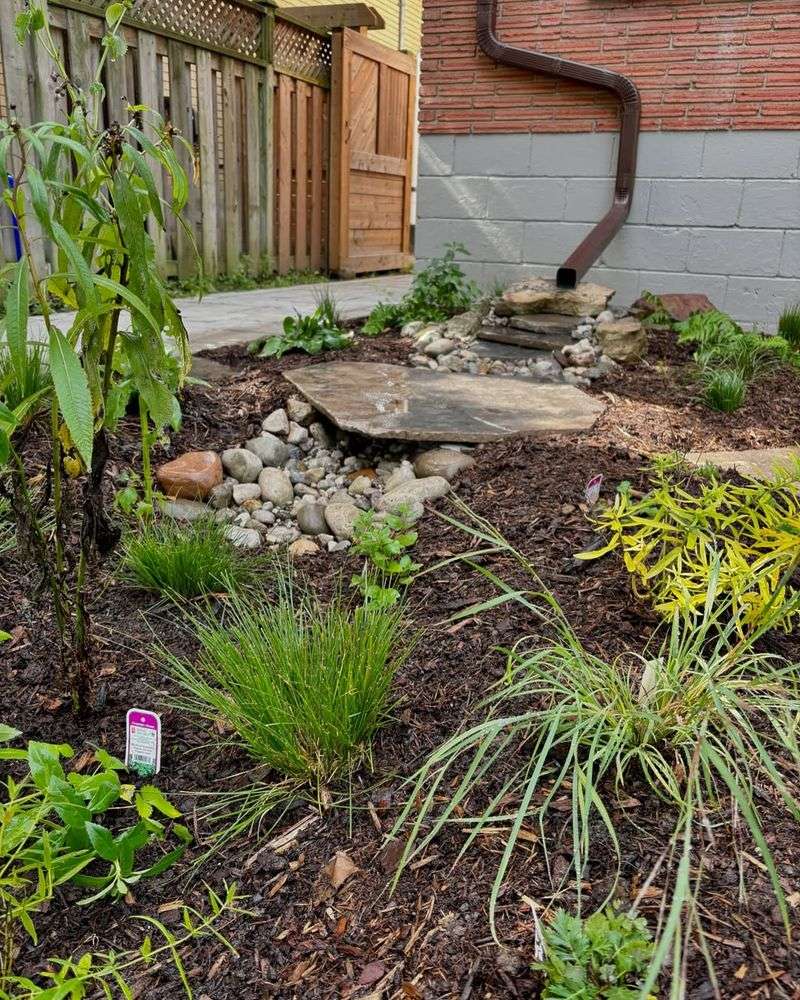
Every time it rains, your roof, driveway, and sidewalks send hundreds of gallons rushing into storm drains instead of soaking into your landscape. Rain gardens capture that runoff in shallow depressions planted with water-loving native species, allowing it to slowly infiltrate the soil and recharge groundwater supplies.
These features look like regular garden beds most of the time, but during storms they temporarily pond water that would otherwise be lost to your landscape.
Florida’s intense summer thunderstorms deliver massive amounts of water in short periods, and rain gardens help you capture and use that free irrigation instead of watching it flow away.
Your rain garden plants, like swamp sunflower, blue flag iris, and sand cordgrass, thrive in both wet and dry conditions, requiring no supplemental watering once established.
In Central Florida’s sandy soils, rain gardens typically drain within 24 hours, preventing mosquito breeding while maximizing water infiltration.
Homeowners who install rain gardens often notice their irrigation needs drop significantly because stored groundwater keeps nearby plants hydrated longer between rain events. These features also reduce erosion, filter pollutants from runoff, and create habitat for butterflies and birds.
The University of Florida provides specific design guidelines for rain gardens in different soil types, ensuring your garden drains properly while maximizing water capture and storage benefits for your entire landscape.
11. Reduce Lawn Size
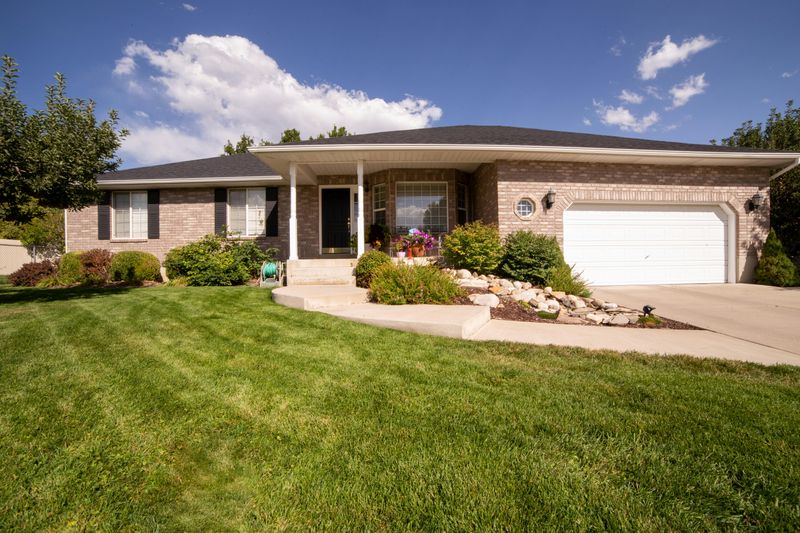
Grass lawns often account for more than half of residential outdoor water use in Florida, yet most homeowners admit they rarely use more than a small fraction of their turf areas. Shrinking your lawn to only the space you actually need for recreation or aesthetics frees up water for more interesting landscape features while dramatically cutting irrigation costs.
You might discover that a third of your current lawn serves no real purpose beyond looking like what you think a yard should look like.
In South Florida’s extended dry seasons, smaller lawns mean shorter irrigation cycles and lower water bills, with some homeowners reporting substantial water savings after converting unused turf to mulched beds or hardscape.
Your remaining grass stays healthier when it receives the water and attention previously spread across a much larger area.
North Florida gardeners often replace back lawn sections with native woodland gardens that require almost no watering once established.
Homeowners who reduce lawn size typically expand planting beds, add entertainment areas like patios or fire pits, or create functional spaces like vegetable gardens that deliver more value than grass ever could.
The transition takes planning and some initial work, but the long-term water savings and reduced mowing time make it one of the most impactful changes you can make.
The Florida Water Management Districts actively encourage lawn reduction as a primary strategy for meeting regional water conservation goals.
12. Install Rain Barrels
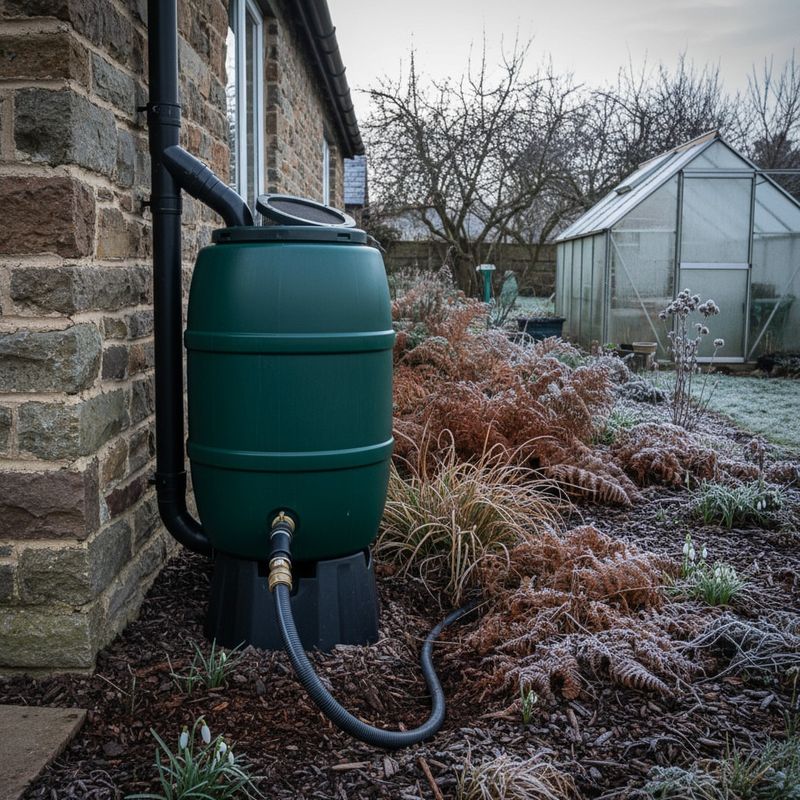
A single inch of rain falling on a 1,500-square-foot roof generates about 900 gallons of runoff, and most of that water races through downspouts into storm drains without benefiting your landscape. Rain barrels capture this free resource, storing it for use during dry periods when your plants need supplemental watering.
You’ll have chemical-free irrigation water available exactly when rainfall disappears, reducing your dependence on municipal water or well pumps.
Florida’s wet season delivers abundant rain that often overwhelms landscapes, while the dry season leaves gardens parched for months. Rain barrels help balance this cycle by banking water from wet periods for use when it’s needed most.
Your barrel might fill multiple times during a single summer thunderstorm, providing enough stored water to help irrigate containers, vegetable gardens, or newly planted areas for extended periods afterward.
In North Florida, homeowners often link multiple barrels together to increase storage capacity.
Most Florida gardeners position rain barrels near high-use garden areas so stored water is convenient when needed.
The barrels require minimal maintenance beyond occasional cleaning and mosquito screening, and many homeowners recover their cost over time through reduced water bills.
The University of Florida recommends rain barrels as an easy first step toward water-wise landscaping because they require no special skills to install and deliver immediate, measurable water savings for any homeowner willing to use collected rainwater for irrigation.
13. Use Windbreak Plants Or Hedges
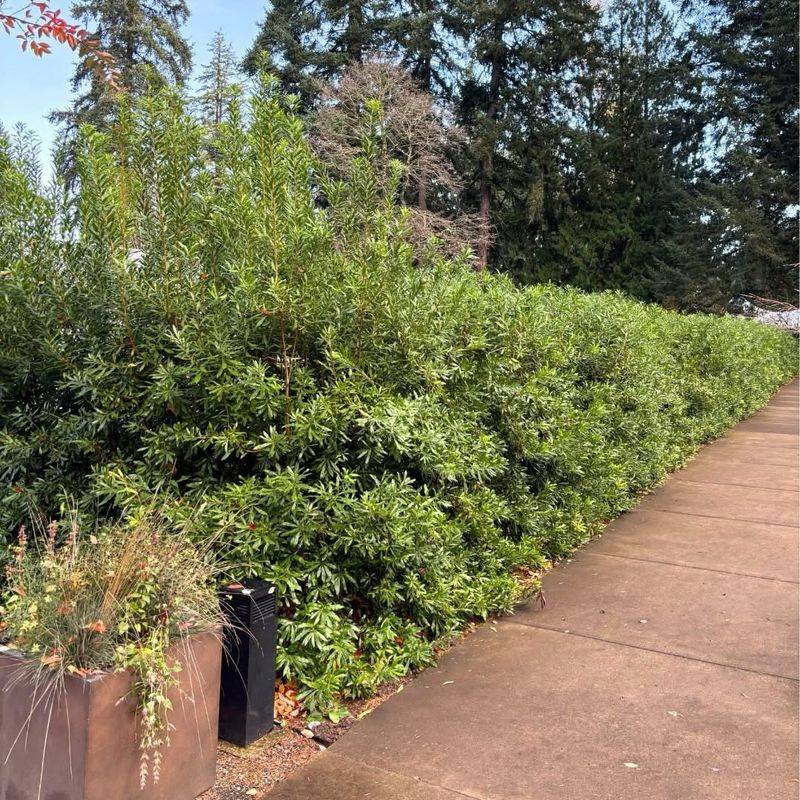
Wind strips moisture from plant leaves and soil surfaces faster than almost any other environmental factor, and Florida’s coastal areas and flat inland terrain offer little natural wind protection.
Strategic hedges and windbreak plantings create sheltered microclimates where plants lose water more slowly, helping reduce irrigation needs in protected zones.
Your landscape stays greener and healthier when wind can’t constantly pull moisture away from leaves and soil.
Native shrubs like wax myrtle, cocoplum, and Simpson’s stopper form dense screens that block wind without requiring extensive watering themselves once established.
In South Florida, homeowners often plant windbreaks on the east and south sides of properties where prevailing winds hit hardest, while Central Florida gardeners focus on protecting vegetable gardens and tender ornamentals from drying winter winds.
The plants behind your windbreak benefit from calmer air and reduced evaporation rates, staying hydrated longer between watering cycles.
Homeowners who install windbreak hedges often notice benefits as plants fill in over the next couple of seasons. Protected plants may develop stronger, healthier growth with less supplemental irrigation.
These plantings also provide privacy, reduce noise, and create habitat for beneficial wildlife while serving their primary water-conservation function.
The Florida Friendly Landscaping Program recommends windbreaks as an often-overlooked strategy that delivers significant water savings with minimal ongoing maintenance once plants mature and fill in completely.
14. Design With Raised Beds And Berms
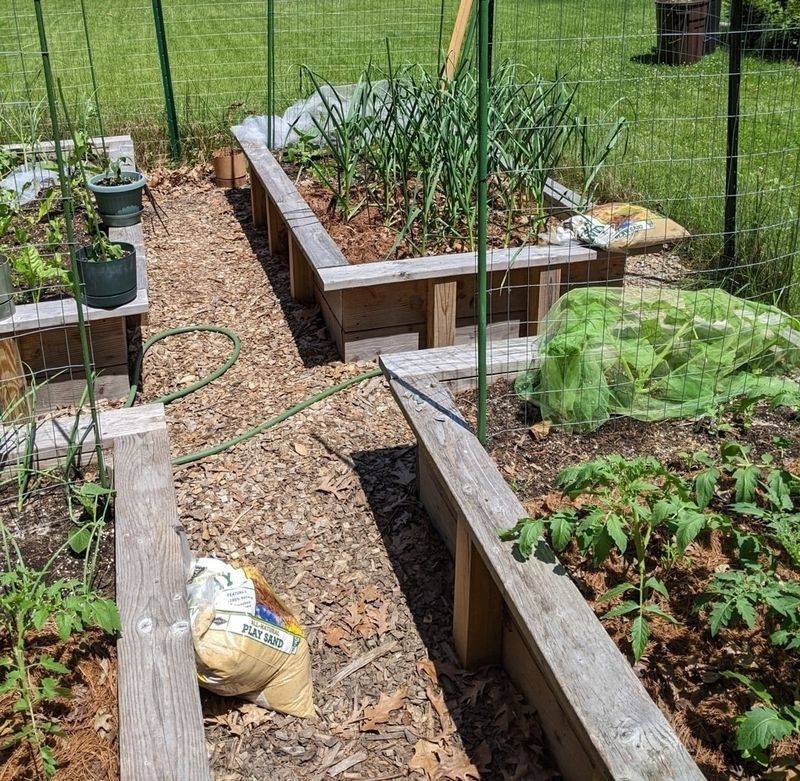
Flat Florida landscapes drain so quickly that water often rushes past plant roots before they can absorb moisture, especially in sandy soils. Raised beds and berms create elevated planting areas with improved soil that holds water longer and allows deeper root development.
Your plants grow more vigorously in these structured environments because they have consistent access to moisture and nutrients instead of competing with poor native soil.
Building berms and raised beds lets you control soil composition entirely, mixing in compost and organic matter that transforms fast-draining sand into moisture-retentive growing medium.
In Central Florida, homeowners often construct raised beds for vegetables and herbs that need consistent moisture, while ornamental berms add visual interest and improve drainage around plant root zones.
These elevated areas warm up faster in spring and drain better during rainy periods, giving you more control over growing conditions year-round.
Homeowners who garden in raised beds typically use less water overall because improved soil holds moisture efficiently and plants develop robust root systems that access water more effectively.
The initial construction requires some effort and materials, but the long-term benefits include better plant health, reduced irrigation needs, and easier maintenance since you’re working at a more comfortable height.
The University of Florida recommends raised beds especially for areas with poor native soil or where drainage problems make traditional in-ground planting challenging and water-wasteful.