Florida Gardeners, These 8 Fruit Trees Can Thrive In Pots On Your Balcony
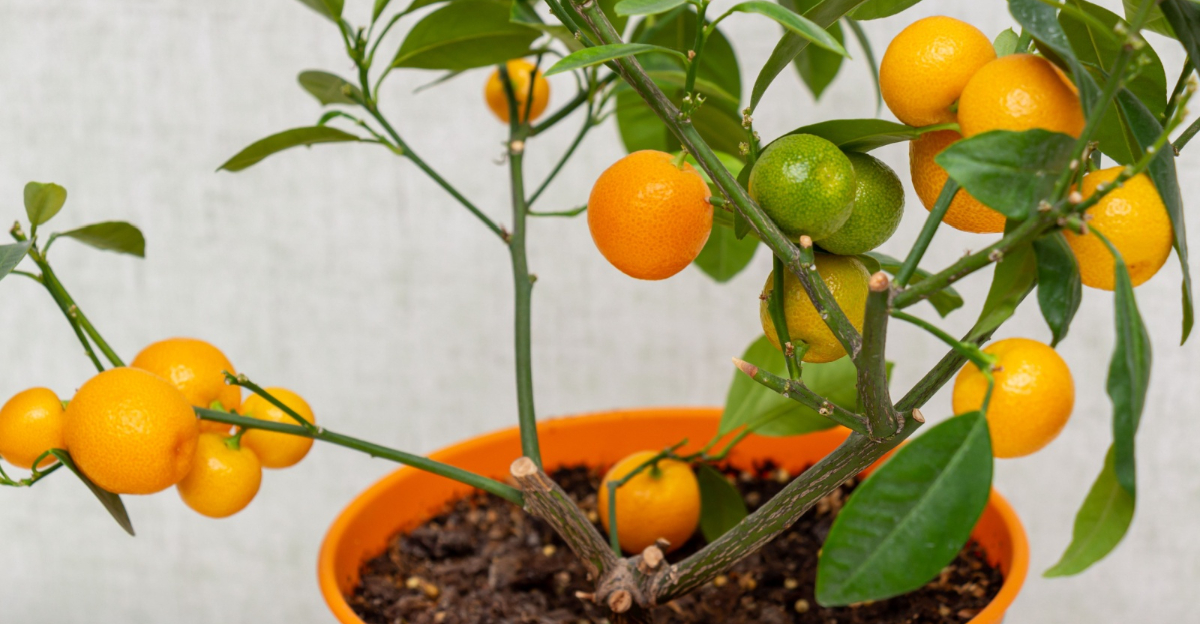
Sunshine, warm breezes, and the scent of citrus drifting through the air. Florida makes it almost impossible not to dream about picking fresh fruit at home.
A sprawling backyard sounds ideal, yet it is far from necessary. A bright balcony can become a surprisingly productive mini orchard with the right trees and a little planning.
Containers offer flexibility and control, which matters in Florida’s heat and humidity. Citrus trees soak up the sun, figs adapt beautifully to life in pots, and even peaches can flourish above ground level.
Quality soil, proper drainage, and consistent care set the stage for strong roots and steady growth. A handful of well placed trees can turn an ordinary balcony into a lush retreat filled with color, fragrance, and flavor.
Fresh fruit just steps from your door feels less like a dream and more like your new everyday routine.
1. Citrus Trees Fill Your Balcony With Sweet, Zesty Fruit
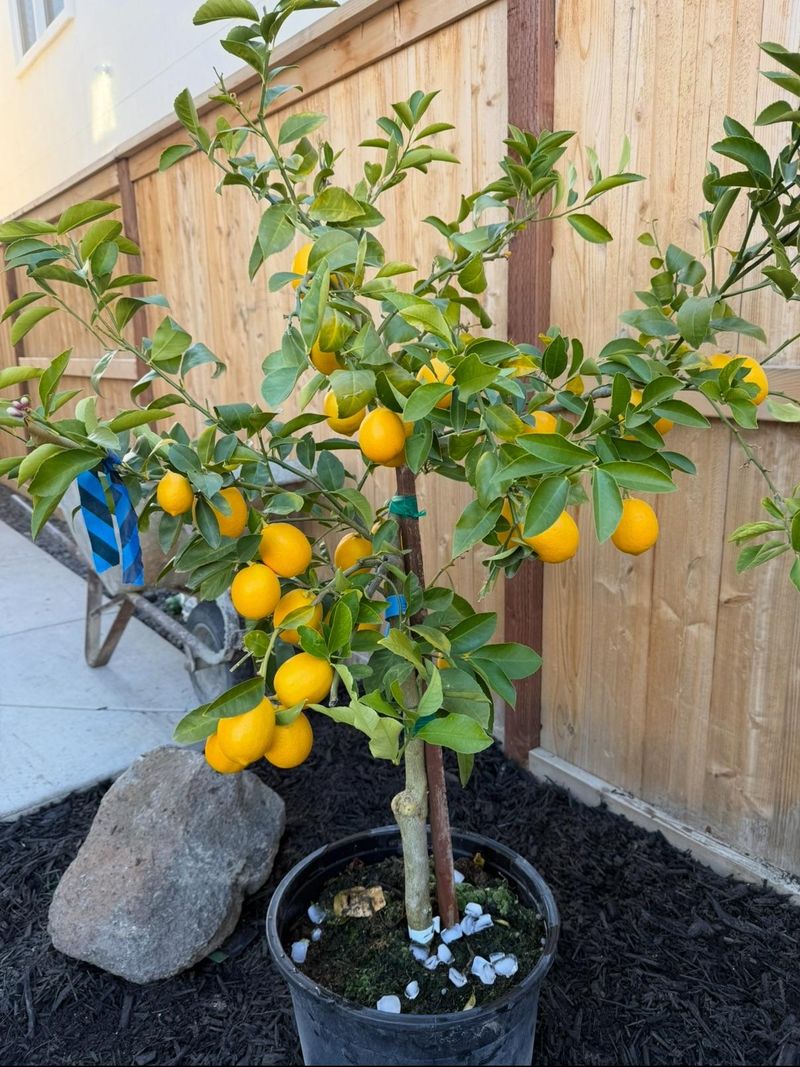
Citrus trees are a Florida favorite, and growing them in pots allows you to enjoy fresh fruit all year long. Dwarf varieties like Meyer lemon, Key lime, and Calamondin orange thrive in containers and bring a burst of bright, fragrant fruit to your balcony.
Citrus trees are hardy and perfect for Florida’s warm climate, making them a great choice for balcony gardeners who want both beauty and practicality.
Citrus trees love sunshine, needing at least six to eight hours of direct sunlight daily. They do best in containers between 15 and 20 gallons, filled with well-draining potting mix.
These trees also need consistent watering, but it’s important to ensure the pot has good drainage to prevent waterlogging the roots, which could cause issues.
Fertilize with a citrus-specific feed every six to eight weeks during the growing season to keep the tree healthy and productive.
With just a little attention, you can harvest juicy fruit from your potted citrus tree throughout the year, depending on the variety. Meyer lemons, for instance, produce fruit nearly year-round in Florida’s warm climate.
In the right conditions, your citrus tree can provide enough fruit to use in a variety of dishes, from refreshing lemonades to zesty salad dressings.
2. Fig Trees Offer Rich Flavor And Easy Care In Containers
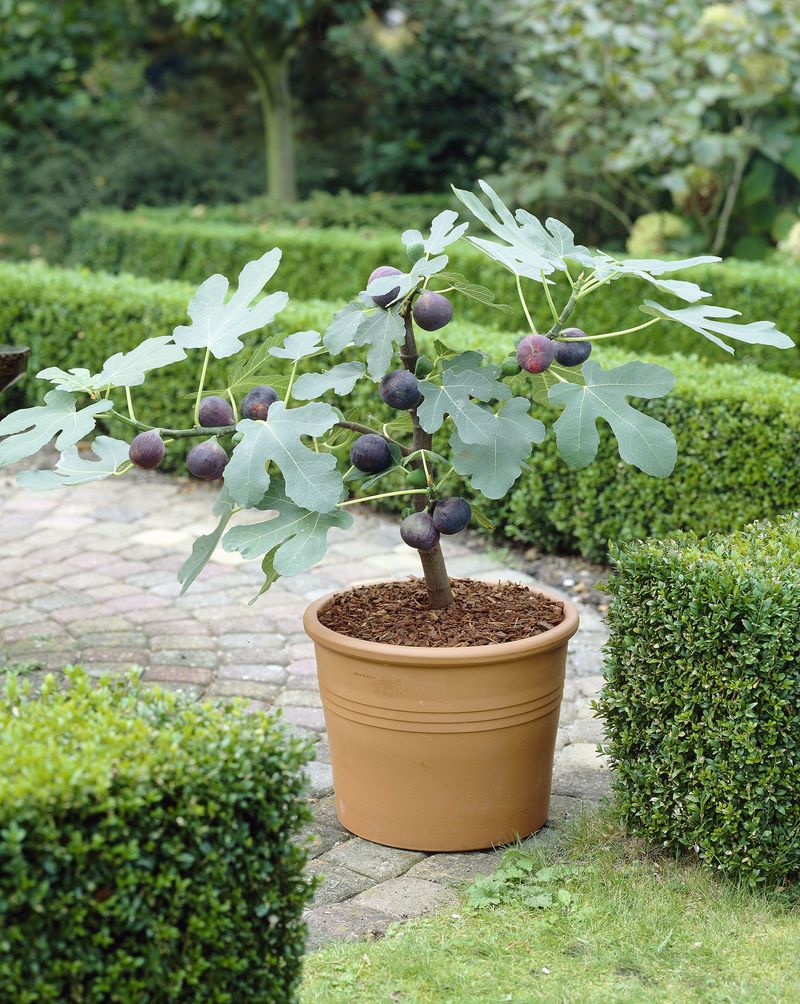
Figs are an excellent choice for Florida’s warm climate, thriving in containers and offering a rich, sweet flavor that is perfect for snacking or baking.
Varieties like Brown Turkey and Celeste stay compact in size, making them ideal for smaller spaces like balconies, while still producing a generous harvest.
Fig trees do not require much space and are highly adaptable, making them a top choice for container gardening in Florida.
Fig trees prefer full sun, ideally six or more hours a day, and a well-draining potting mix that does not remain soggy. Containers between 15 and 25 gallons give the roots enough room to grow while maintaining a compact size.
Water them regularly, especially during the growing season, but ease off slightly in winter when the tree enters its dormant period since it requires less moisture during this time.
One of the best things about growing figs in pots is their low-maintenance nature.
Figs do not require a second tree for pollination, and they respond well to light pruning to maintain a manageable size, perfect for growing in containers.
In Florida, you can enjoy two harvests a year, one in early summer and another in late summer or fall, giving you a bountiful supply of delicious fruit from a single tree.
3. Strawberry Trees Bring Red, Juicy Berries To Your Balcony Garden
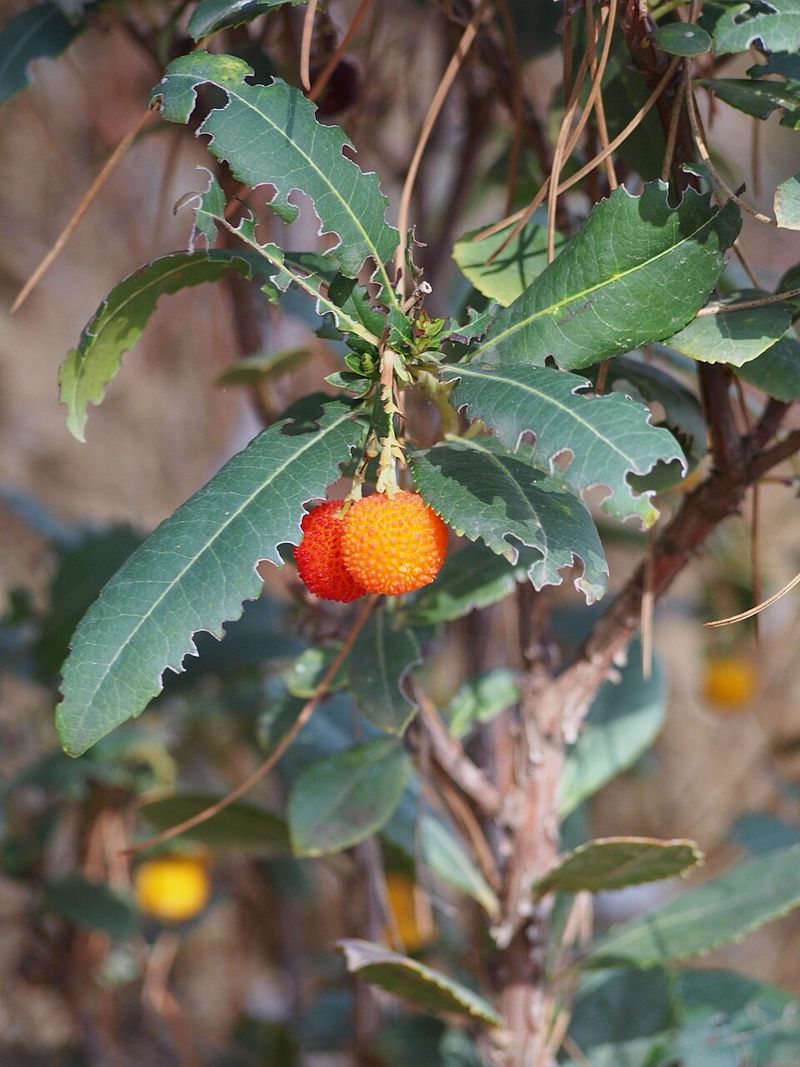
Strawberry trees (Arbutus unedo) are a fun and unique addition to any balcony garden. Their round, red-orange fruits resemble strawberries but have a milder, sweeter taste.
While they are not as well-known as other fruit trees, they quickly become favorites due to their ornamental value and interesting fruit, making them a standout choice for Florida container gardens.
Strawberry trees grow naturally compact, reaching about four to six feet in pots, making them a great option for small balcony spaces.
They need at least five to six hours of direct sunlight daily and thrive in a slightly acidic, well-draining potting mix that mimics their natural soil preferences.
These trees are particularly suited for Central and North Florida, where they can withstand the heat and humidity.
What makes strawberry trees truly special is their ability to bloom and bear fruit at the same time. In late fall and winter, they fill your balcony with both bell-shaped white flowers and colorful, edible berries.
These berries can be eaten fresh, made into jams, or added to smoothies for a unique addition to your garden’s harvest, offering a surprising yet delightful fruit right at your fingertips.
4. Pineapple Thrives In Pots, Adding Tropical Flair And Tasty Fruit
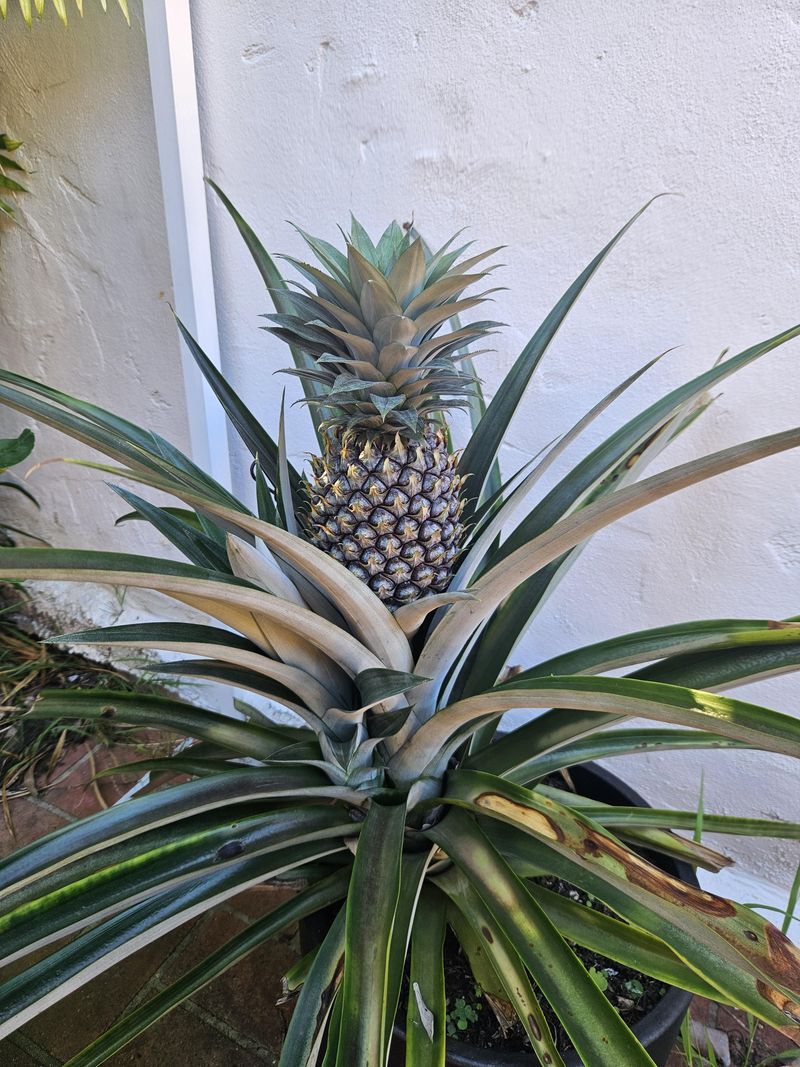
Pineapple, though technically a bromeliad, is a perfect fruit for container gardening on Florida balconies. Its tropical feel and ability to thrive in Florida’s subtropical climate make it an excellent addition to your garden.
Pineapples also bring a sense of vacation vibes to your balcony while rewarding you with sweet, juicy fruit in return for a little patience and care.
Pineapple plants stay relatively compact, typically growing to about two to four feet tall and wide, which makes them ideal for small spaces.
Full sun, at least six hours per day, and a light, well-draining potting mix are essential for healthy growth.
Since pineapples are somewhat drought-tolerant, they require less water than many other fruit trees, making them a great option for low-maintenance gardeners.
To grow a pineapple, simply twist the crown off a store-bought fruit, let it dry for a day or two, and plant it. It may take 18 to 24 months for the plant to produce fruit, but the satisfaction of growing your own tropical fruit is well worth the wait.
Be sure to fertilize every two months during the growing season to encourage fruiting, and enjoy the process of watching your plant thrive as it reaches its full potential.
5. Guava Trees Deliver Sweet, Fragrant Fruit In A Compact Size
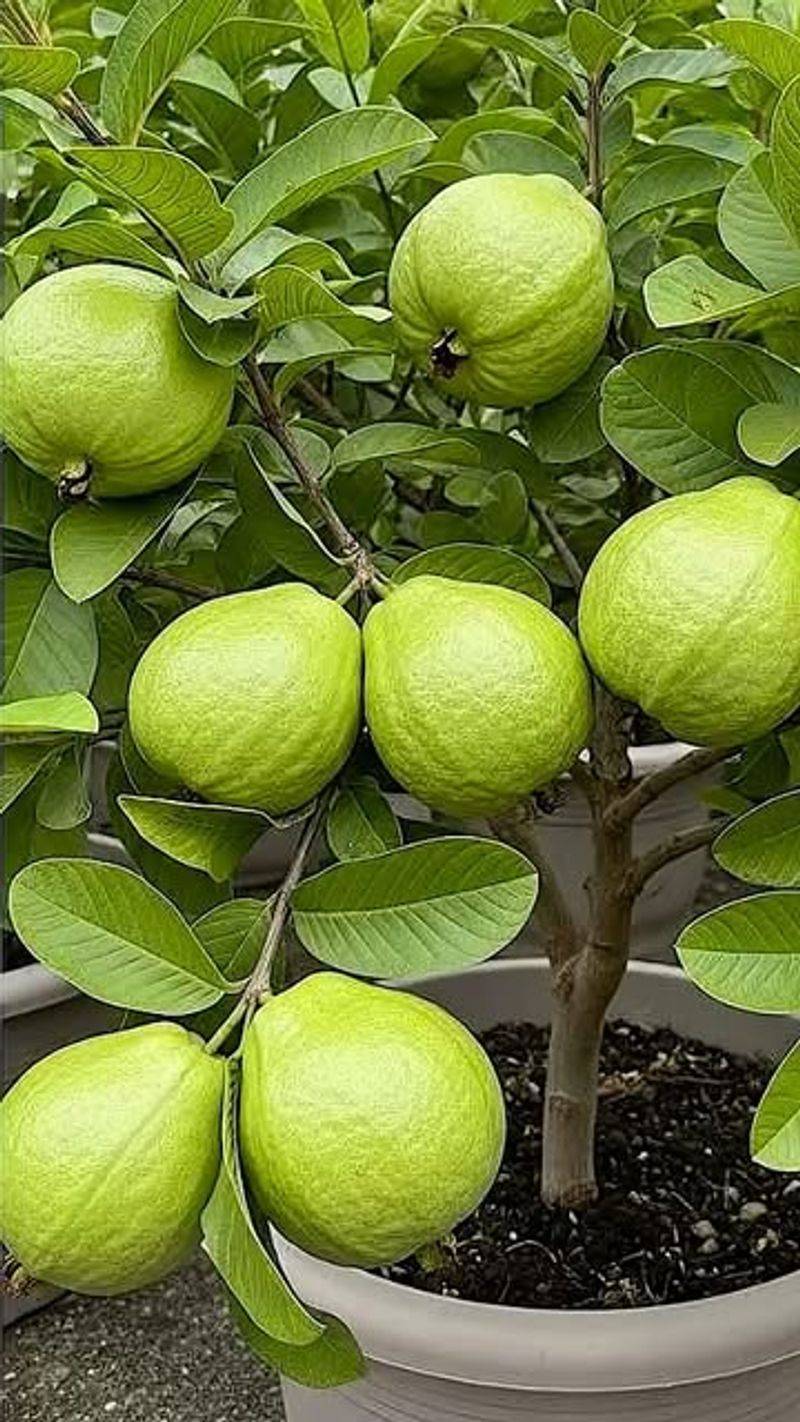
Guava trees are an excellent choice for Florida’s warm climate, offering sweet, fragrant fruit in a compact size perfect for containers.
Varieties like Nana and Red Malaysian are great for smaller spaces and can produce fruit in as little as one to two years.
Their tropical aroma and delicious flavor make them a standout addition to any balcony garden.
Guava trees prefer full sun and well-draining potting mix, and they are tolerant of Florida’s sandy soil when the right container mix is used. Regular watering during dry spells is important, but slightly reduce watering during cooler months to prevent overwatering.
Guavas typically ripen in late summer and early fall, offering a delightful harvest right outside your door.
Growing guava in a container also has the added benefit of flexibility. If a rare cold snap hits North Florida, you can move the potted tree indoors or to a sheltered area to protect it from frost.
Guava trees are also relatively low-maintenance compared to other fruit trees, requiring only minimal care and occasional feeding to keep them healthy.
6. Dwarf Apple Trees Provide Fresh Apples And Scenic Beauty On Your Balcony
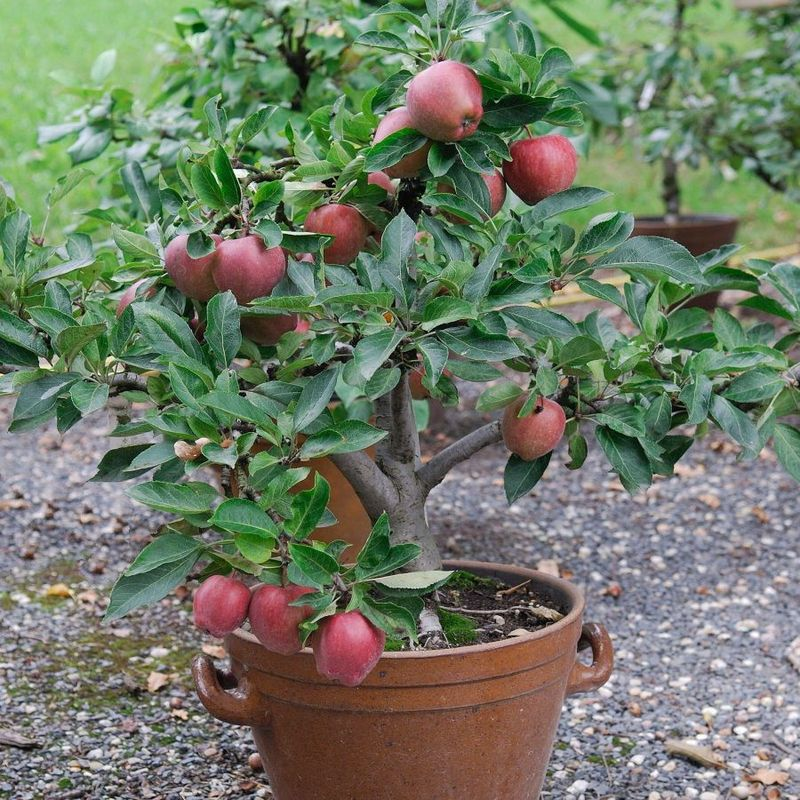
Apple trees are often associated with cooler climates, but Florida gardeners can still enjoy them with low-chill varieties like Anna, Dorsett Golden, and TropicSweet.
These apple varieties are bred specifically for warmer climates and need fewer chill hours to produce fruit.
Dwarf apple trees fit perfectly in containers, making them an ideal choice for small-space gardeners.
To grow a dwarf apple tree in a container, use a pot that holds 15 to 20 gallons of soil with good drainage. These trees need full sun and at least six to eight hours of direct sunlight per day to produce healthy fruit.
Consistent watering, especially during the dry spring months when the apples are developing, will keep your tree happy and productive.
Dwarf apple trees also bring beauty to your balcony, with pink and white blossoms in late winter and early spring. To ensure a successful fruit crop, plant two different varieties to encourage cross-pollination and increase fruit production.
Fertilize the trees in early spring and midsummer to support steady growth and fruit development.
7. Dwarf Peach Trees Offer Juicy, Summer Fruit In A Pot-Friendly Size
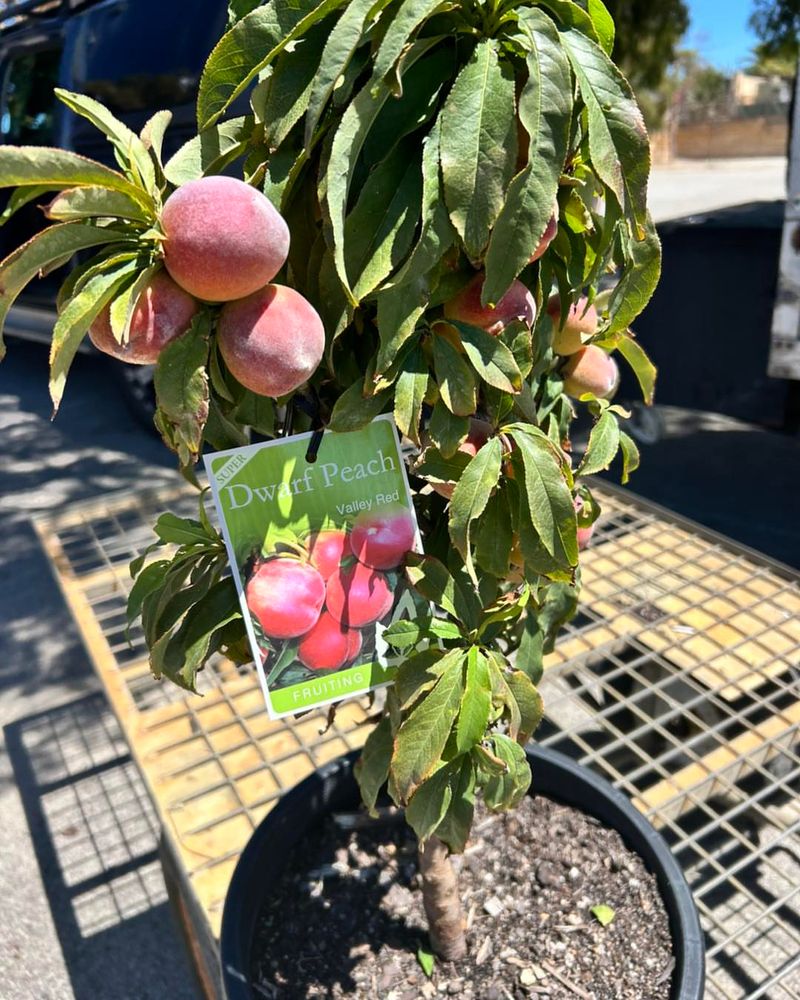
For those who crave fresh peaches, Florida gardeners can enjoy this treat with low-chill peach varieties like Tropic Beauty, Flordaprince, and UFSun.
These varieties are specifically developed to thrive in Florida’s warm winters, where traditional peach trees would not get enough chill hours to produce fruit reliably.
Dwarf peach trees are perfect for container gardening, offering juicy fruit and a compact size.
Dwarf peach trees grow well in 15 to 25-gallon containers filled with a loose, well-draining potting mix. Full sun is a must, with at least six to eight hours of direct sunlight every day to ensure healthy fruit production.
Regular watering during the spring fruiting season is essential, but be careful not to overwater, as peaches are prone to root rot in soggy soil.
In Florida, peaches typically bloom in late winter and produce fruit by late spring or early summer. The fruits ripen earlier than those in cooler climates, giving Florida gardeners a head start on peach season.
Light pruning after harvest helps maintain the tree’s compact shape, and fertilizing in early spring and midsummer promotes healthy fruiting.
8. Pomegranate Brings Bright Red Blooms And Antioxidant-Rich Fruit
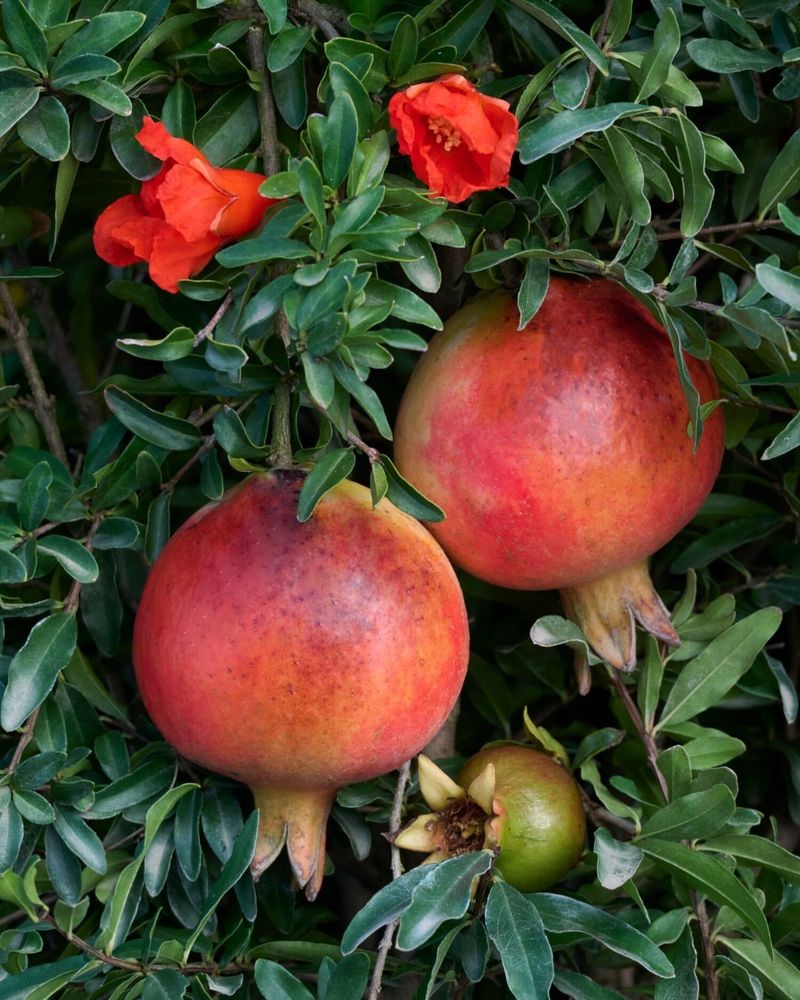
Pomegranate trees are known for their vibrant orange-red flowers that bloom in spring and summer, followed by jewel-like fruit packed with antioxidants.
Dwarf varieties like Nana are ideal for container gardening, staying under three feet tall and wide, making them a perfect fit for balcony gardens.
Pomegranates thrive in Florida’s heat and are highly drought-tolerant once established, which makes them a great option for low-maintenance gardeners.
They prefer full sun and well-draining soil, and their ability to handle occasional missed waterings makes them an easy plant to care for.
Best of all, pomegranates are self-fertile, so you only need one tree to produce fruit.
Pomegranates typically fruit from late summer to early fall in Florida, and light pruning in late winter helps maintain their shape while encouraging fresh, productive growth.
A balanced fertilizer in spring and early summer supports flowering and fruit development, ensuring you get the best harvest possible.