Florida Gardeners, Think Twice Before Replacing Grass With Groundcover
A thinning lawn often sparks a tempting idea for Florida homeowners: remove the grass and install groundcover instead. The appeal feels obvious.
Less mowing, lower water bills, and a landscape that looks modern and low effort. Nursery displays make it seem like a simple upgrade.
Florida conditions tell a different story. Sandy soil, heavy rain cycles, intense sun, and constant humidity challenge many groundcovers beyond what labels suggest.
Some spread aggressively and creep into neighboring beds. Others fail under foot traffic or develop patchy gaps that invite weeds.
Maintenance rarely disappears; it shifts. There is another layer many homeowners overlook.
HOA rules often restrict large scale lawn replacements or require specific turf coverage percentages. Violations can trigger notices, fines, or mandatory reinstallation.
Replacing grass affects drainage, curb appeal standards, and neighborhood compliance. A smart decision requires more than aesthetics.
1. Not All HOAs See Groundcover The Same Way
Your neighbor three streets over just installed perennial peanut across their entire front yard, and it looks fantastic. You figure your homeowners association must be fine with groundcover replacements.
That assumption could lead to a costly mistake.
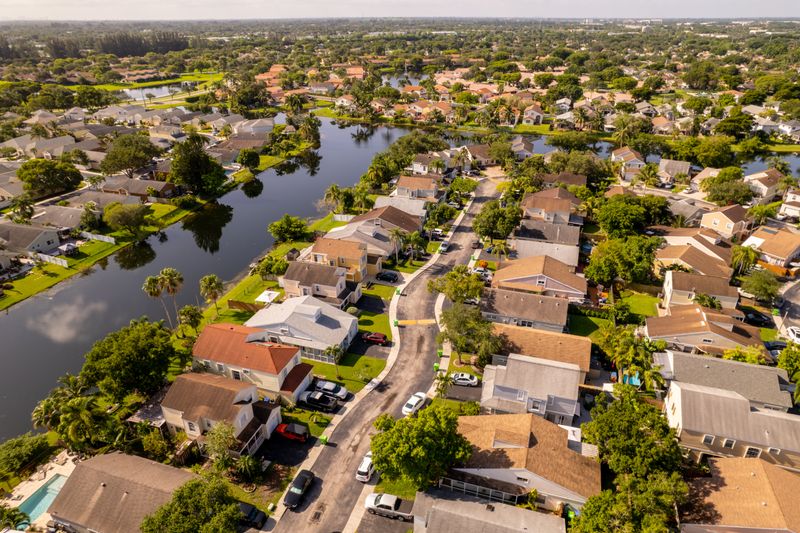
Florida communities vary dramatically in how they approach landscaping standards. Some HOAs actively encourage Florida-Friendly alternatives and have updated their guidelines to welcome groundcovers.
Others maintain strict turfgrass requirements or limit groundcover to small accent areas.
The architectural review committee in one neighborhood might approve asiatic jasmine without hesitation, while the board two miles away could require a formal hearing and landscape plan. Approval processes differ too.
Some associations need only a simple form submission, while others demand detailed drawings, plant lists, and neighbor notifications.
What works in one Florida community does not automatically transfer to another, even within the same county. Older deed restrictions may contain specific language about lawn maintenance that predates modern groundcover options.
Newer developments sometimes have more flexible guidelines that reference Florida-Friendly principles.
The safest approach involves treating your HOA guidelines as unique to your specific community rather than assuming what others have done will apply to your situation.
2. Check Your Community Guidelines First
Before you spend a single dollar on plants or removal, locate your community’s governing documents. These papers contain the actual rules that apply to your property, and they are often more detailed than you might expect.
Most Florida HOAs provide covenants, conditions, and restrictions through their management company or community website. If you cannot find yours, the county clerk’s office keeps recorded copies.
Read through the landscaping section carefully, looking for specific mentions of groundcover, turf requirements, or approval processes.
Pay attention to words like “maintained lawn,” “turfgrass,” or “manicured appearance” because these phrases might limit your options even if groundcover is not explicitly prohibited. Some documents define acceptable plant heights, coverage percentages, or maintenance standards that could affect your plans.
Many communities require submitting a landscape modification request before making changes. This process protects you from having to reverse expensive work if the board denies your plans.
The request typically includes a site plan, plant species list, and sometimes photographs or drawings.
Reading guidelines feels tedious, but it takes far less time than replanting an entire yard because you skipped this step. Understanding your community’s specific requirements before starting saves money, frustration, and potential conflicts with neighbors or board members.
3. Florida Law Protects Some Landscaping Choices
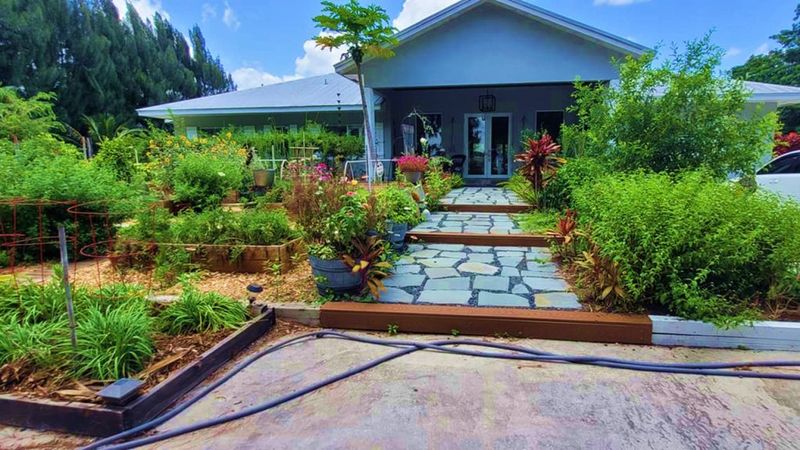
Florida Statute 720.3075 provides certain protections for homeowners who want to implement Florida-Friendly Landscaping principles. This law prevents HOAs from prohibiting drought-tolerant plants and other environmentally sustainable landscape practices in many situations.
The statute recognizes nine Florida-Friendly Landscaping principles developed by the University of Florida IFAS Extension program. These principles include right plant right place, efficient watering, appropriate fertilization, and other science-based practices.
Groundcovers can fall under these protections when properly implemented as part of a Florida-Friendly landscape design.
However, the law contains important limitations. HOAs can still enforce reasonable rules about installation methods, maintenance standards, and overall appearance.
They can require that landscapes remain neat, managed, and consistent with community aesthetics even when using protected plants or practices.
This means you cannot simply claim Florida-Friendly status and ignore all community guidelines. The protection applies to the types of plants and practices you use, not necessarily to every aspect of how you use them.
For specific situations, consulting official University of Florida IFAS resources provides accurate guidance.
Understanding these protections helps you make informed decisions, but interpreting how they apply to your exact circumstances requires reviewing both state resources and your community documents carefully.
4. Groundcover Does Not Always Mean Less Maintenance
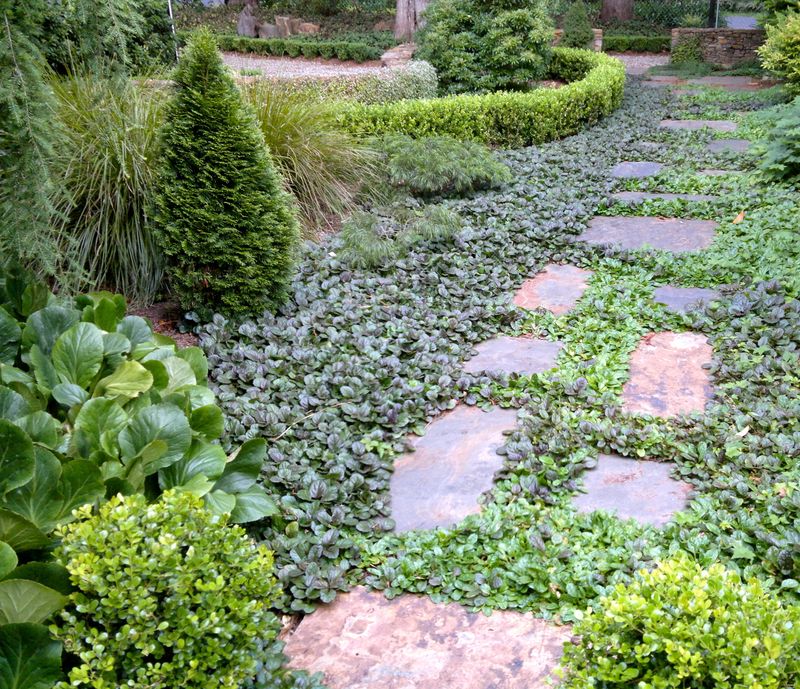
Walk through any garden center in Florida and you will hear groundcover marketed as the low-maintenance alternative to grass. While some species truly require less work than St. Augustine or Bahia, others demand surprisingly regular attention to look their best.
Perennial peanut needs mowing three to four times per year to maintain a uniform appearance and prevent it from becoming too thick and matted. Asiatic jasmine requires edge trimming every few weeks to keep it from invading adjacent beds or hardscapes.
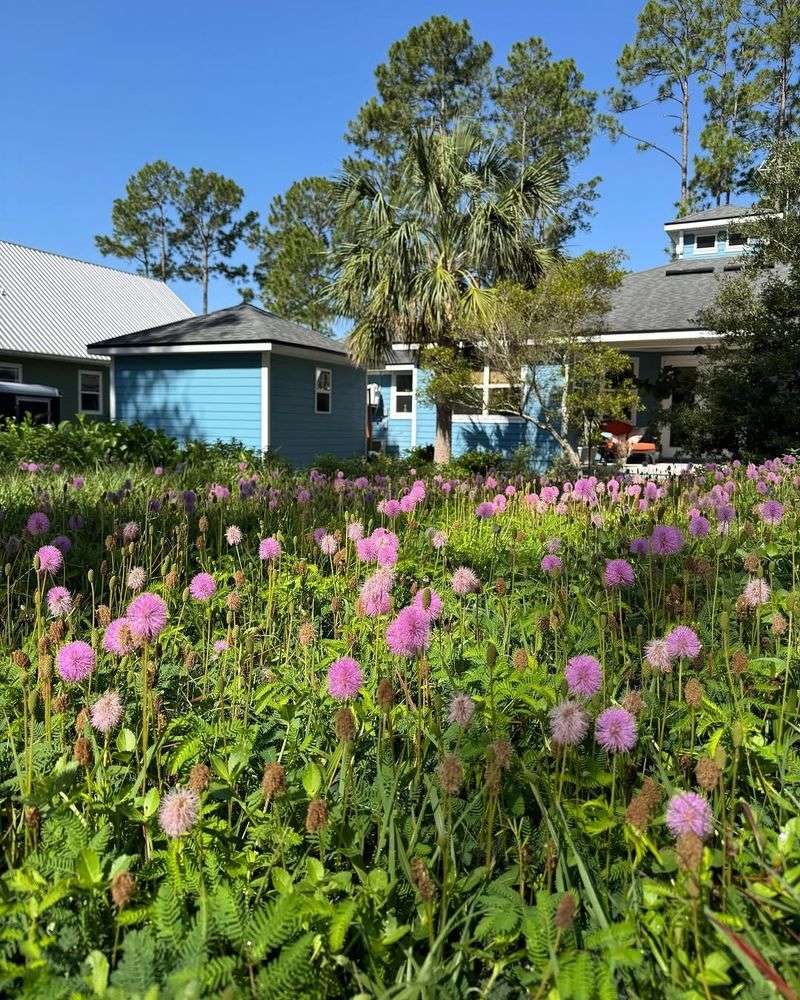
Sunshine mimosa grows quickly and needs regular pruning to control its spread and height.
Many Florida groundcovers need more frequent weeding during establishment than mature turfgrass, especially in the first year. Hand-pulling weeds from dense groundcover proves more time-consuming than spot-treating a lawn.
Some species require periodic thinning to prevent disease issues in Florida’s humid climate.
Irrigation needs vary too. While established perennial peanut tolerates drought well, frogfruit needs consistent moisture to stay green during dry periods.
Fertilization requirements differ by species, with some needing regular feeding and others thriving on neglect.
The maintenance trade-off is real but not always in the direction you expect. You might eliminate weekly mowing only to add monthly trimming, regular weeding, and seasonal thinning to your schedule instead.
5. Drainage Can Change Everything
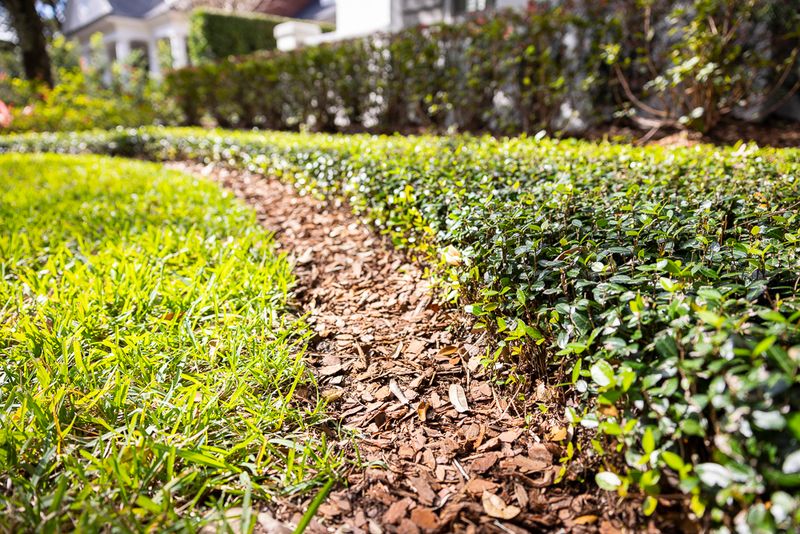
Florida’s combination of sandy soil and intense summer thunderstorms creates drainage conditions that behave differently under groundcover than under turfgrass. This difference catches many homeowners by surprise after they complete their conversion.
Turfgrass roots create channels in the soil that help water penetrate and drain effectively. When you remove established turf, you eliminate this root structure.
Some groundcovers develop similar drainage benefits over time, but others create a dense mat that sheds water rather than absorbing it.
Heavy rainfall in Florida can overwhelm groundcover that has not fully established. Water sheets across the surface instead of soaking in, potentially pooling against your foundation or flooding onto sidewalks and driveways.
This problem intensifies on slopes where groundcover has not yet developed enough root mass to stabilize the soil.
Certain species handle wet conditions better than others. Frogfruit tolerates periodic flooding well, while sunshine mimosa prefers better-drained areas.
Asiatic jasmine adapts to various moisture levels but may thin out in spots that stay soggy.
Before replacing turf, observe how water moves across your property during summer storms. Areas that drain slowly might need amended soil, additional drainage solutions, or careful groundcover selection to avoid creating new problems while solving old ones.
6. Weeds Love Bare Spaces
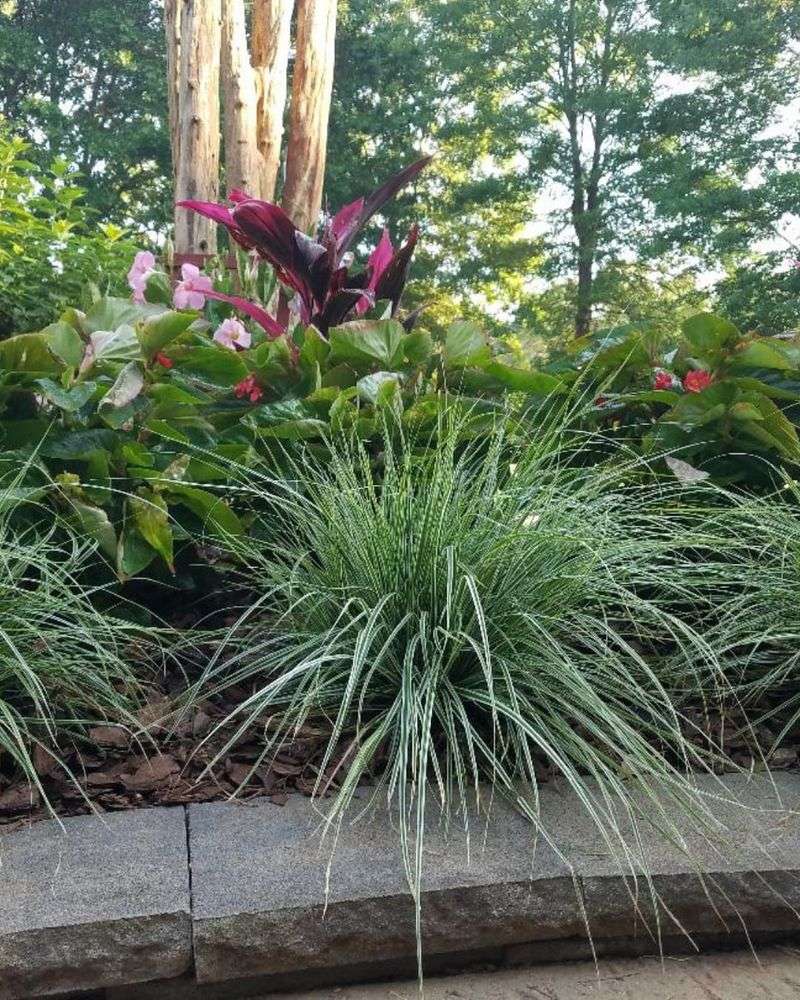
One of the biggest surprises after removing turfgrass comes from the explosion of weeds that suddenly appear. The bare soil between young groundcover plants provides perfect conditions for every weed seed in your neighborhood to germinate and thrive.
Established turf creates competition that suppresses many weeds naturally. When you pull out that turf, you open up resources like sunlight, water, and nutrients that weeds quickly claim.
Florida’s warm climate means weeds grow year-round, not just in spring and summer like northern states.
Dollarweed, spurge, chamberbitter, and various grasses seem to materialize overnight in newly planted groundcover. These aggressive weeds often grow faster than your chosen groundcover during the establishment period.
Hand-pulling becomes a weekly or even twice-weekly task for several months.
Pre-emergent herbicides help but require careful selection because some products harm groundcover plants. Post-emergent options are even trickier since many groundcovers share characteristics with common weeds, making selective control difficult.
Mulching between plants reduces weed pressure but adds cost and labor.
Most groundcovers need six months to a year to fill in enough to outcompete weeds effectively. During this establishment period, expect significantly more weed management than your old lawn required.
This reality contradicts the low-maintenance promise that attracts many homeowners to groundcover in the first place.
7. Some Groundcovers Spread Faster Than Expected
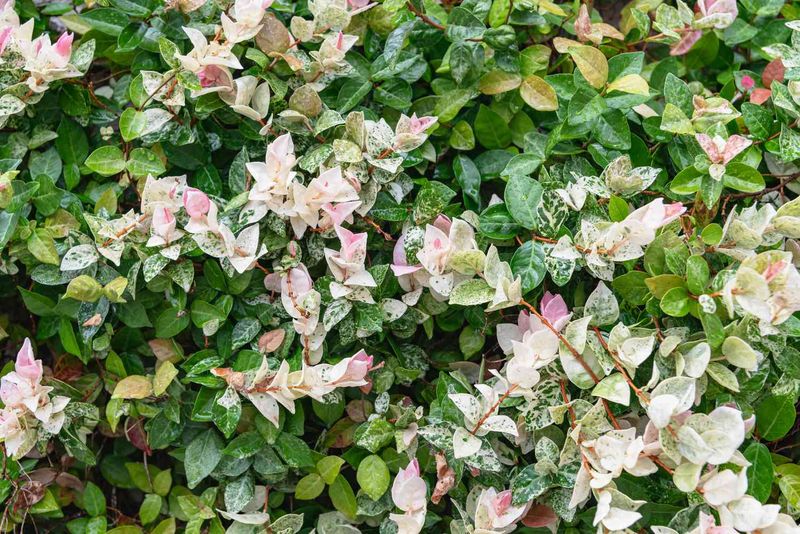
That charming groundcover that fills in quickly sounds perfect until you realize it does not stop at the boundaries you planned. Several popular Florida groundcovers possess aggressive spreading habits that require constant vigilance to control.
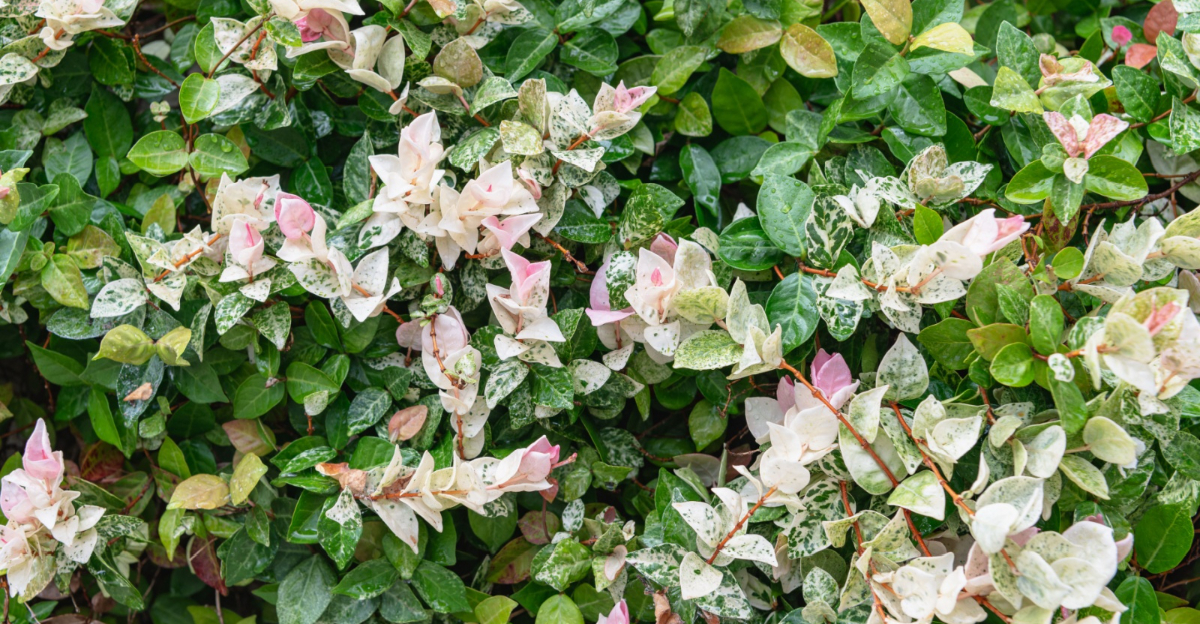
Asiatic jasmine sends out runners that root wherever they touch soil, creeping into flower beds, under fences, and across walkways. Perennial peanut spreads through rhizomes underground, popping up several feet away from where you planted it.
Wedelia grows so aggressively that some Florida counties list it as invasive and discourage its use.
This spreading tendency means regular edging becomes a permanent part of your maintenance routine. You will need to trim back growth from driveways, sidewalks, and adjacent planting areas monthly or more often during the growing season.
Without this attention, groundcover can quickly overtake other landscape features.
Some species also spread vertically, climbing up tree trunks, fence posts, or even the sides of your house if given the opportunity. This growth habit changes the character of your landscape in ways you might not anticipate when viewing a small nursery pot.
Before choosing a vigorous spreader, consider whether you have the time and energy for ongoing containment. Fast coverage comes with the price of perpetual management to keep that coverage where you actually want it.
8. Neighbors Notice Landscaping Changes
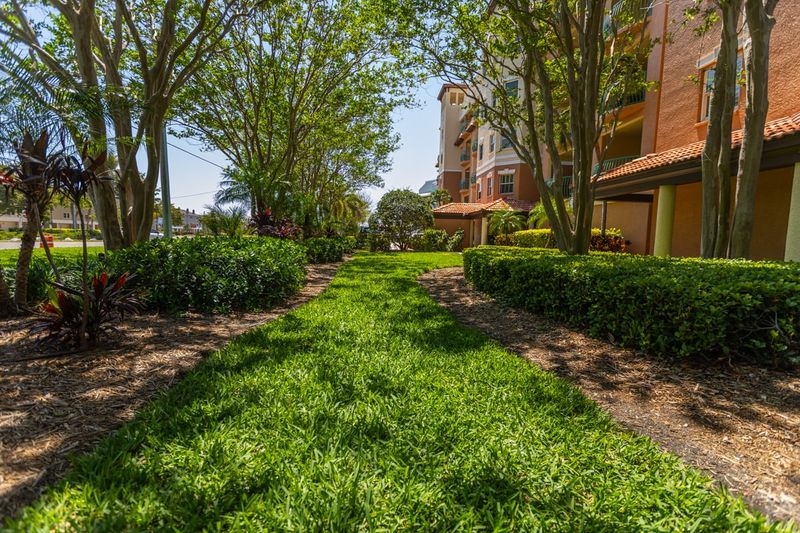
Your landscape exists in a neighborhood context whether you like it or not. When your yard looks significantly different from surrounding properties, people notice and sometimes have opinions about those differences.
Traditional Florida neighborhoods often feature uniform green lawns that create a cohesive streetscape. Replacing your turf with groundcover breaks this pattern, making your property stand out.
Some neighbors appreciate the environmentally friendly choice and may even ask about your experience. Others prefer the conventional look and might view your change as diminishing neighborhood appeal.
During the establishment phase, your yard may look sparse, weedy, or unkempt compared to maintained turfgrass next door. This temporary appearance can generate concern from neighbors or HOA board members even if your final result will be attractive.
Managing expectations through communication helps smooth this transition period.
Curb appeal affects property values throughout the neighborhood, not just at your address. Real estate agents and potential buyers often prefer familiar landscaping, and unconventional choices can influence market perception.
This reality does not mean you should never make changes, but understanding the broader impact helps you make informed decisions.
Consider starting with a smaller area or backyard conversion to test results before tackling highly visible front yard spaces. This approach lets you learn the maintenance reality while minimizing neighborhood attention during the adjustment period.
9. Think Long Term Before You Rip Out Turf
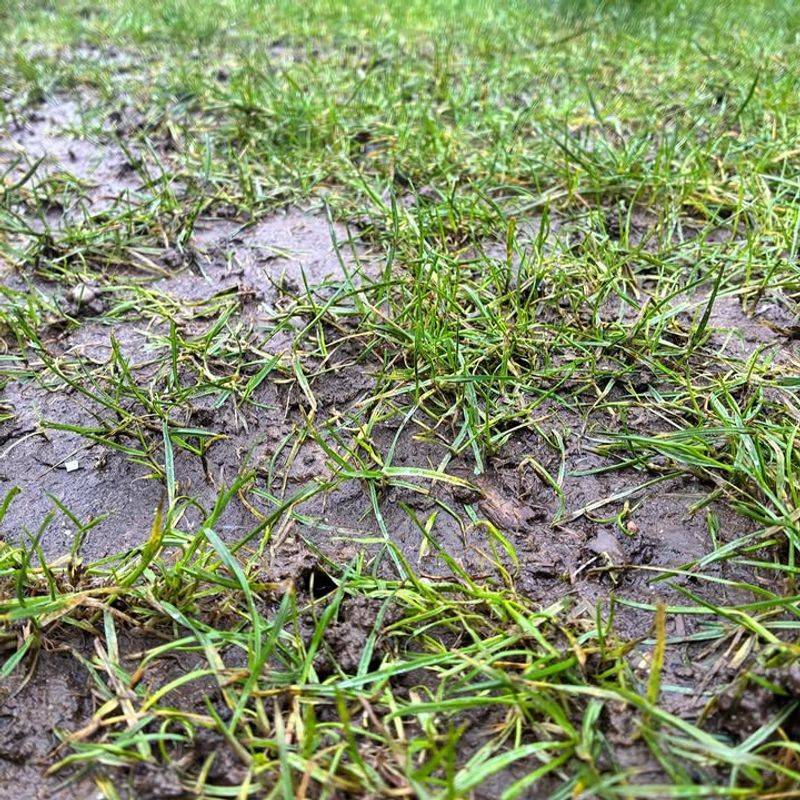
Removing established turfgrass is not easily reversible. Once you commit to groundcover, going back to lawn means starting from scratch with all the expense and labor that entails.
Taking time to plan carefully now prevents regret later.
Consider your long-term maintenance capacity honestly. Your current enthusiasm for a new project might not match your available time in five years.
Groundcover maintenance differs from lawn care but is not necessarily less demanding. Will you still want to edge monthly and hand-pull weeds when the novelty wears off?
Think about how your landscape needs might change. Young children who need play space grow into teenagers who might not use the yard the same way.
Aging homeowners might find groundcover maintenance more challenging than hiring a lawn service. Future buyers might prefer traditional turf, affecting resale considerations.
Florida’s climate means you can test groundcover in small areas before committing to full replacement. Plant a trial section in your backyard or a side yard to learn how the species performs in your specific soil, sun, and moisture conditions.
Live with it through a full year of seasons, observing maintenance requirements, appearance, and how it handles summer storms and dry periods.
This measured approach provides real-world experience that helps you make a fully informed decision about whether groundcover truly suits your needs, goals, and circumstances better than the lawn you already have.