10 Florida HOA-Friendly Landscaping Plants That Actually Get Approved
If you live in a Florida HOA, you already know the struggle. You want a yard that looks great, survives the heat, and doesn’t turn into a weekend maintenance project… without getting flagged by the architectural committee.
Good news: many Florida natives and well-behaved ornamentals are commonly accepted by HOA review boards when they meet size, spacing, and maintenance guidelines.
Approval rules vary by community, so always check your HOA’s plant list before planting.
These selections are popular across Florida neighborhoods because they stay polished, manageable, and Florida-friendly.
1. Dwarf Yaupon Holly (Ilex vomitoria ‘Nana’ / ‘Schilling’s Dwarf’)
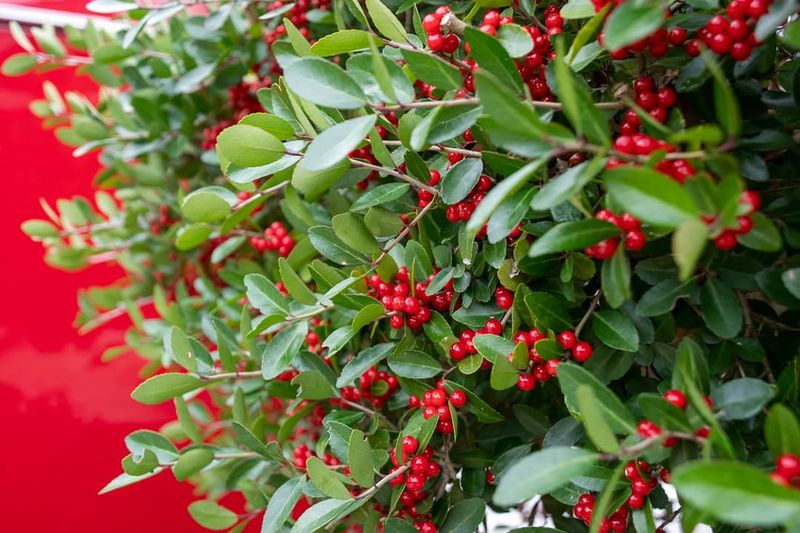
Walk through any upscale HOA neighborhood in Central or South Florida, and you will see this plant lining front walkways and foundation beds.
Dwarf yaupon holly creates those tight, rounded shapes that architectural review boards love because the plant naturally stays compact and responds beautifully to shaping.
Your HOA approves this shrub because it maintains a clean, uniform appearance year-round with minimal effort. The dense evergreen foliage keeps beds looking full without ever getting leggy or sparse.
Growth stays predictable, topping out around two to three feet, which helps reduce the risk of blocking windows or sight lines at intersections when properly spaced.
Maintenance involves light trimming once or twice yearly to keep the rounded form crisp. This holly performs well in most parts of Florida, including North, Central, and South Florida landscapes, handling full sun and part shade equally well.
Homeowners notice how the plant tolerates drought once established and rarely drops leaves or creates debris that might draw complaints.
You can use dwarf yaupon holly as a low hedge, foundation planting, or accent near mailboxes and entryways where tidy appearance matters most.
2. Simpson’s Stopper (Myrcianthes fragrans)
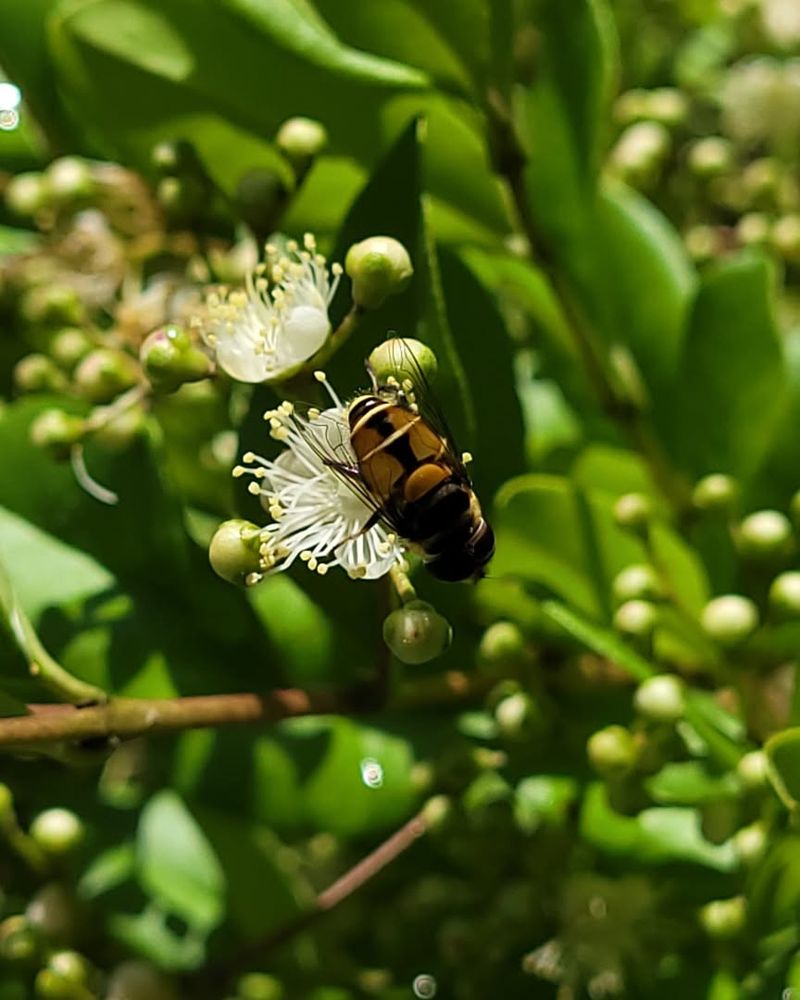
Model homes in South Florida communities often feature this native shrub near front entries because it delivers polished curb appeal without demanding constant attention.
Simpson’s stopper grows with a naturally tidy habit that keeps your beds looking intentional rather than wild.
The glossy green leaves catch light beautifully, and the plant produces small white flowers that add subtle interest without creating litter.
HOAs favor this selection because it stays manageable, typically maintained at four to six feet with regular pruning, and responds well to shaping. The growth pattern remains dense and controlled, which means fewer gaps in your landscape and a more uniform streetscape appearance.
This shrub tolerates salt spray in coastal areas, making it ideal for communities near the ocean.
Maintenance stays minimal once the root system establishes, requiring only occasional trimming to maintain your desired height. Simpson’s stopper performs best in Central and South Florida, thriving in full sun to partial shade.
Homeowners appreciate how the plant supports pollinators while resisting many common pests and diseases.
3. Walter’s Viburnum (Viburnum obovatum)
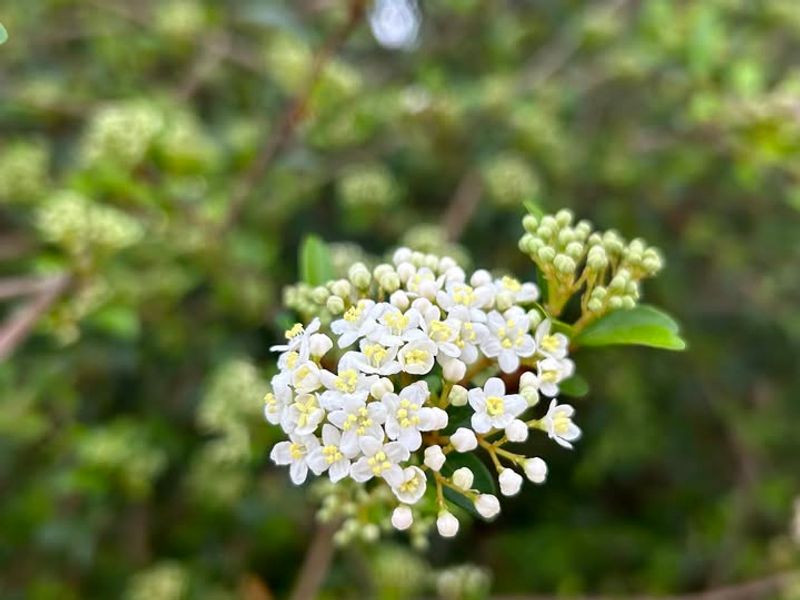
Drive through any established North or Central Florida subdivision, and you will likely spot this versatile native forming neat hedges or standalone specimens. Walter’s viburnum earns approval from HOAs because it offers flexibility in size while maintaining that controlled, manicured look boards expect.
The small, dark green leaves create dense coverage, and springtime brings clusters of white blooms that add seasonal interest without overwhelming your landscape.
Architectural review committees appreciate how this plant adapts to formal shaping or can grow as a natural hedge, depending on your community’s aesthetic standards. Growth reaches six to twelve feet if left unpruned, but responds beautifully to regular trimming for shorter foundation plantings.
The plant tolerates Florida’s summer heat and occasional winter cold snaps in northern regions.
Maintenance involves trimming two or three times yearly to keep your desired shape and height. Walter’s viburnum thrives in full sun to part shade and handles wet or dry conditions once established.
Homeowners notice how the plant provides year-round structure and attracts native wildlife without creating heavy seed drop or excessive seasonal leaf litter that might trigger HOA complaints.
4. Podocarpus (Podocarpus macrophyllus)
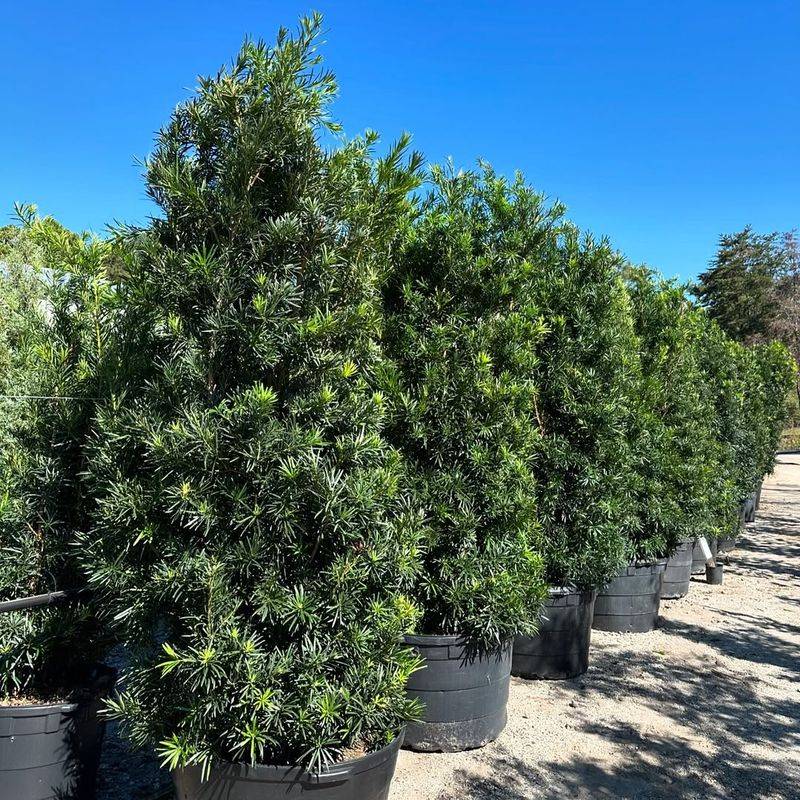
Stand at the entrance of almost any gated Florida community, and you will see podocarpus lining driveways and property lines in perfectly uniform rows.
This evergreen shrub has become the gold standard for HOA-approved hedges because it delivers that classic, formal appearance boards expect while tolerating Florida’s heat, humidity, and typical seasonal weather patterns.
The upright growth habit and soft, needle-like foliage create visual continuity that makes entire neighborhoods look cohesive.
Your HOA loves podocarpus because it responds predictably to pruning and maintains consistent color year-round. Growth reaches eight to twelve feet naturally, but regular trimming keeps it at any height you need, from low foundation plantings to tall privacy screens.
The plant handles full sun and shade, making it adaptable to various landscape situations.
Maintenance often involves trimming every six to eight weeks during the growing season for formal hedge styles. Podocarpus thrives throughout Florida, from the Panhandle to the Keys, though it appreciates supplemental irrigation during extended dry periods.
Homeowners find that once established, this shrub resists most pests and diseases while providing the reliable, polished backdrop that keeps your property looking sharp and compliant.
5. Coontie (Zamia integrifolia)
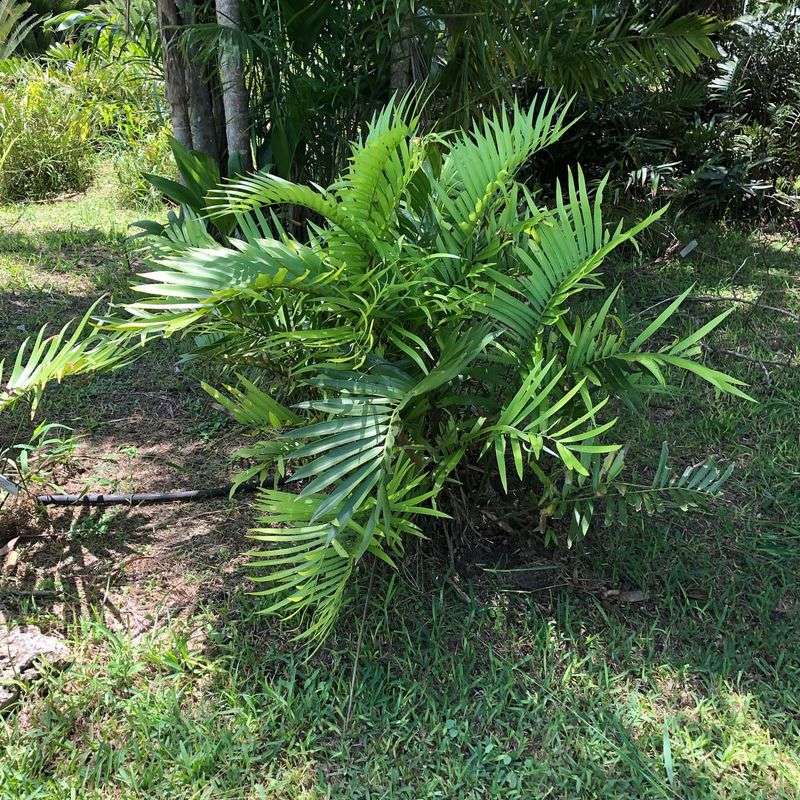
Look at the low plantings around mailbox clusters and entry monuments in Florida HOA communities, and you will often find coontie anchoring the design. This Florida native cycad brings texture and structure to your landscape while staying compact and easy to manage.
The stiff, feather-like fronds emerge in a symmetrical rosette that creates visual interest without ever getting unruly or sprawling beyond its designated space.
HOAs approve coontie because it stays low, typically reaching two to three feet in height and spread, which helps reduce the risk of obstructing views or encroaching on sidewalks when properly placed.
The plant requires virtually no pruning, and the slow growth rate means your landscape maintains its intended design for years without constant adjustment.
Coontie tolerates poor soil, drought, and full sun to partial shade, making it one of the most adaptable plants for Florida landscapes.
Maintenance involves removing old fronds occasionally and keeping the crown clear of mulch. This cycad performs well across most Florida regions and serves as the host plant for the atala butterfly, adding ecological value.
Homeowners appreciate how coontie provides year-round structure with minimal effort, making it perfect for busy families who want attractive, compliant landscaping without weekend maintenance marathons.
6. Firebush (Hamelia patens) (Use Compact/Dwarf Forms For HOAs)
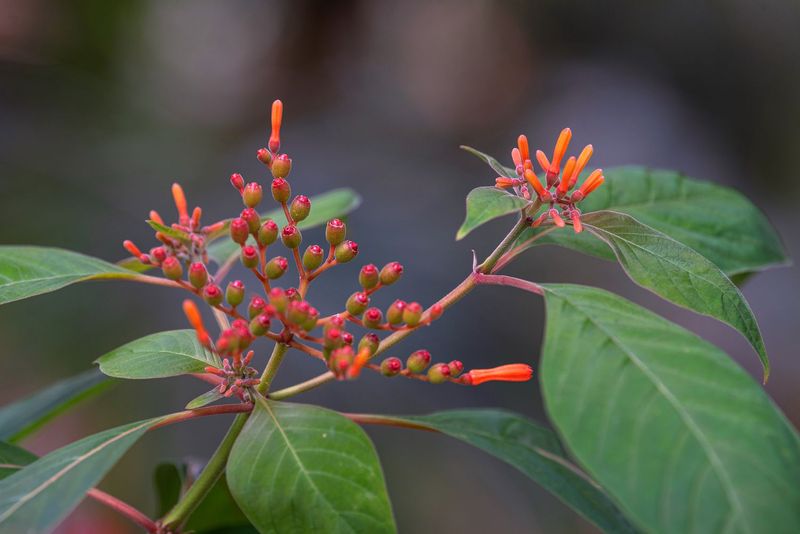
Stroll through newer South and Central Florida developments, and you will notice compact firebush adding pops of color to otherwise green foundation beds. The dwarf cultivars of this Florida native deliver vibrant tubular red-orange flowers that attract hummingbirds and other pollinators while maintaining the controlled size HOAs demand.
The plant blooms for extended periods in warmer regions, providing consistent visual interest that elevates your curb appeal without looking overgrown or wild.
Architectural review boards approve compact firebush because it stays manageable, typically reaching three to five feet with regular trimming, and the upright growth habit keeps beds looking intentional. The colorful blooms add personality to your landscape without creating excessive litter or maintenance headaches.
This shrub tolerates heat, humidity, and occasional drought, making it reliable even during Florida’s toughest summer months.
Maintenance involves light pruning to shape the plant and remove spent flower clusters, keeping the appearance fresh. Firebush performs best in Central and South Florida, thriving in full sun to partial shade.
Homeowners love how the plant brings life and movement to their yards with visiting pollinators while staying within the tidy, controlled aesthetic their HOA expects for front-facing landscapes.
7. Wax Myrtle (Morella cerifera) (Dwarf Cultivars For Tighter Beds)
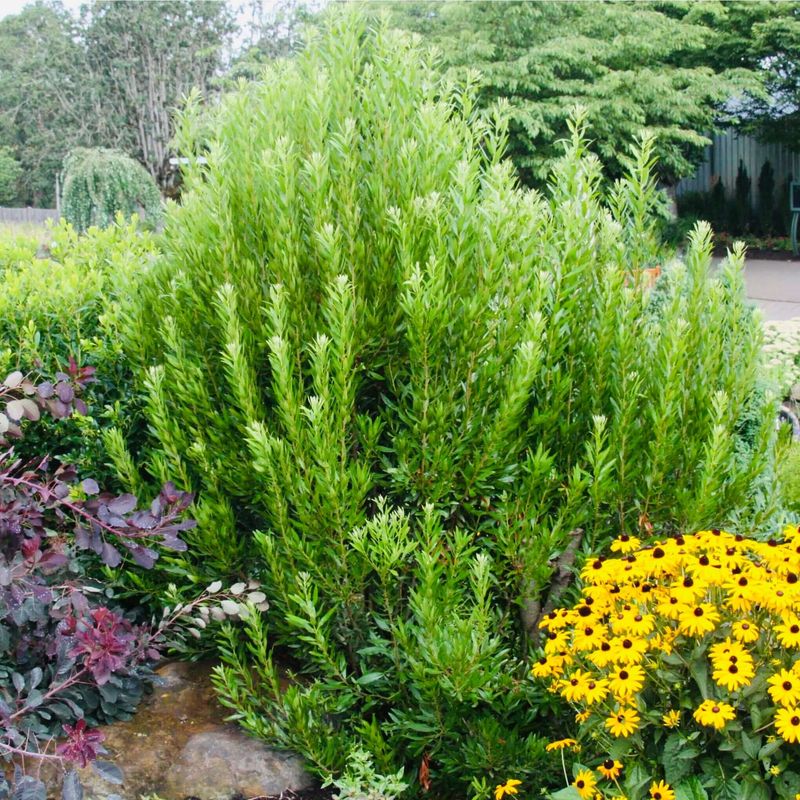
Watch the common areas in established Florida HOA neighborhoods, and you will see dwarf wax myrtle creating natural-looking privacy screens and buffer plantings. This native shrub offers the informal, Florida-friendly aesthetic many communities now favor while still maintaining the neat, controlled appearance architectural boards require.
The aromatic evergreen foliage stays dense year-round, and the plant can be maintained in a rounded, compact form with light pruning that rarely looks messy or unkempt.
HOAs approve dwarf wax myrtle cultivars because they stay manageable, typically reaching four to six feet, unlike the full-size species that can tower over fifteen feet.
The plant tolerates a wide range of soil conditions, from dry sandy spots to occasionally wet areas, making it versatile for various landscape situations.
Birds love the waxy berries, adding wildlife value without creating noticeable litter.
Maintenance stays minimal, requiring only occasional shaping to maintain your preferred size and form. Wax myrtle thrives throughout Florida, from the Panhandle to South Florida, and handles full sun to part shade with ease.
Homeowners appreciate how this native adapts well to Florida’s heat, humidity, and seasonal weather patterns while providing the soft, naturalistic texture that balances out more formal plantings in mixed landscape designs.
8. Saw Palmetto (Serenoa repens) (Green Or Silver Forms)
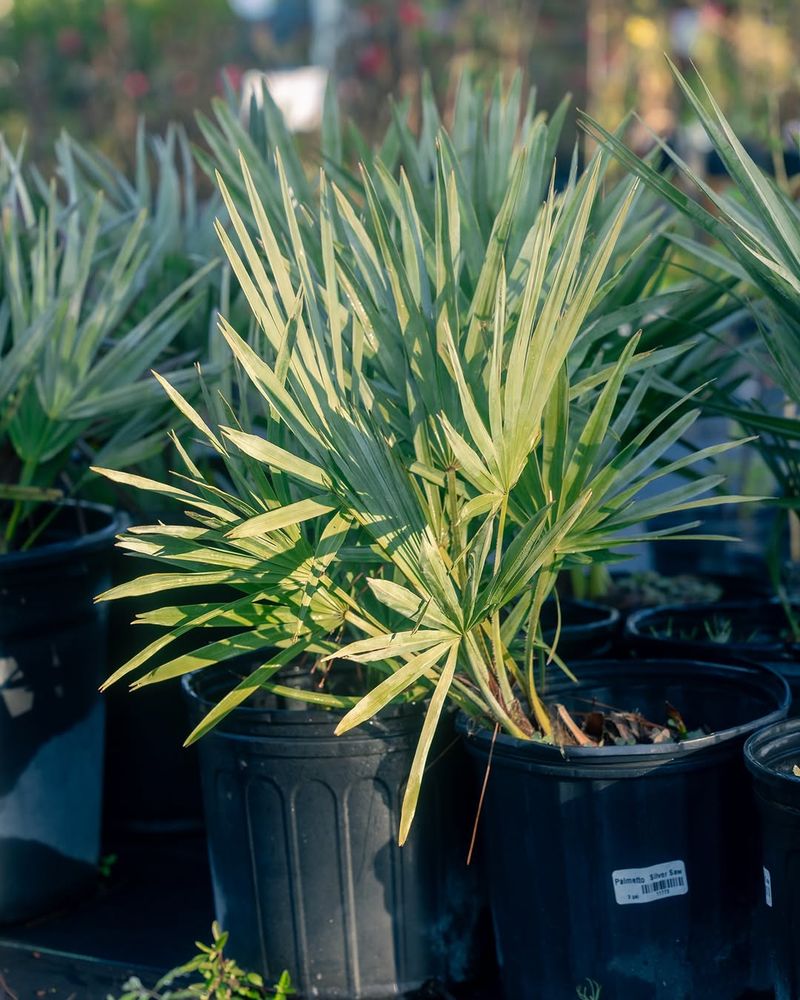
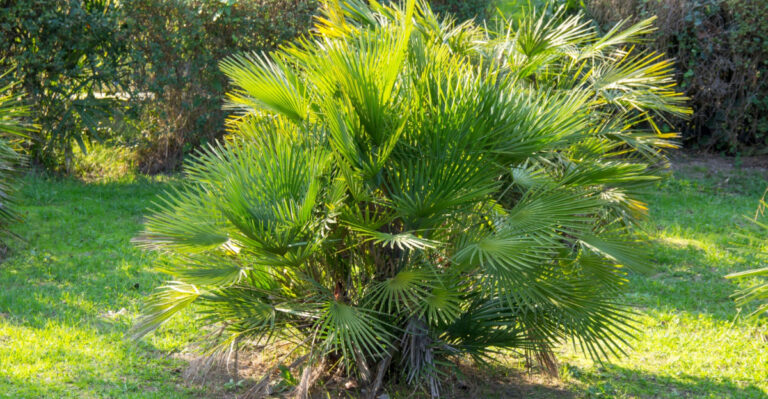
Visit coastal and inland Florida communities embracing native landscapes, and you will find saw palmetto anchoring beds with bold, architectural presence. This iconic Florida native brings texture and character to your landscape while staying low and spreading gradually over time, which keeps the plant from overwhelming your design.
The fan-shaped fronds in green or striking silver-blue create visual drama that elevates your curb appeal beyond typical foundation shrubs.
Architectural review committees increasingly approve saw palmetto because it aligns with Florida-Friendly Landscaping principles while maintaining a tidy, intentional appearance.
The plant stays low, typically two to five feet tall, and spreads gradually, which means it fills space without requiring constant pruning or containment.
Saw palmetto tolerates drought, salt spray, and poor soil, making it one of the toughest, most reliable plants for Florida landscapes.
Maintenance involves removing old fronds annually to keep the plant looking fresh and reducing buildup of dry material during dry seasons. This palm performs well across most Florida regions and provides critical habitat and food for native wildlife.
Homeowners discover that saw palmetto delivers year-round structure and color with minimal input, making it ideal for sustainable, low-maintenance landscapes that still meet HOA aesthetic standards.
9. Muhly Grass (Muhlenbergia capillaris)
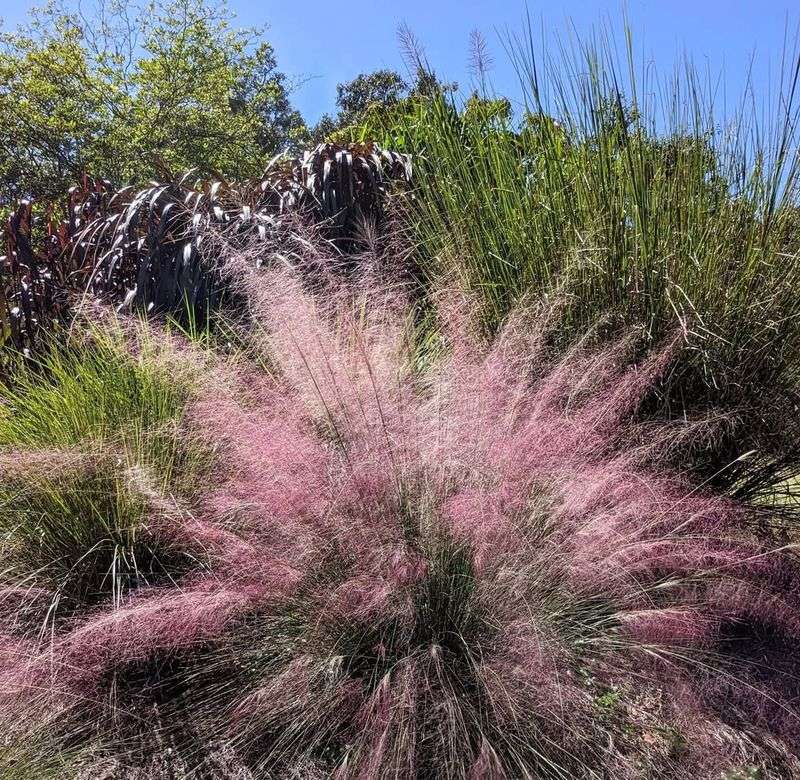
Glance at modern Florida landscapes in progressive HOA communities, and you will see muhly grass adding movement and seasonal drama to foundation beds and borders. This clumping native grass forms neat, rounded tufts of fine-textured foliage that stay contained without spreading aggressively.
In fall, the plant sends up airy pink to purple plumes that create a stunning display, transforming your landscape into something special without requiring any extra effort on your part.
HOAs approve muhly grass because it grows in predictable clumps, typically two to three feet tall and wide, which means it does not aggressively spread into adjacent beds or behave invasively.
The ornamental seed heads add seasonal interest without creating maintenance issues, and the plant requires no deadheading or cleanup beyond an annual trim.
Muhly grass tolerates drought, heat, and poor soil, thriving in full sun across all Florida regions.
Maintenance involves cutting the clump back to six inches in late winter before new growth emerges, which takes just minutes per plant. This grass performs beautifully from North Florida to South Florida and supports pollinators and beneficial insects during its bloom period.
Homeowners love how muhly grass provides texture, color, and movement that makes their landscape feel dynamic and alive while staying completely within HOA guidelines for tidy, controlled plantings.
10. Florida Privet (Forestiera segregata)
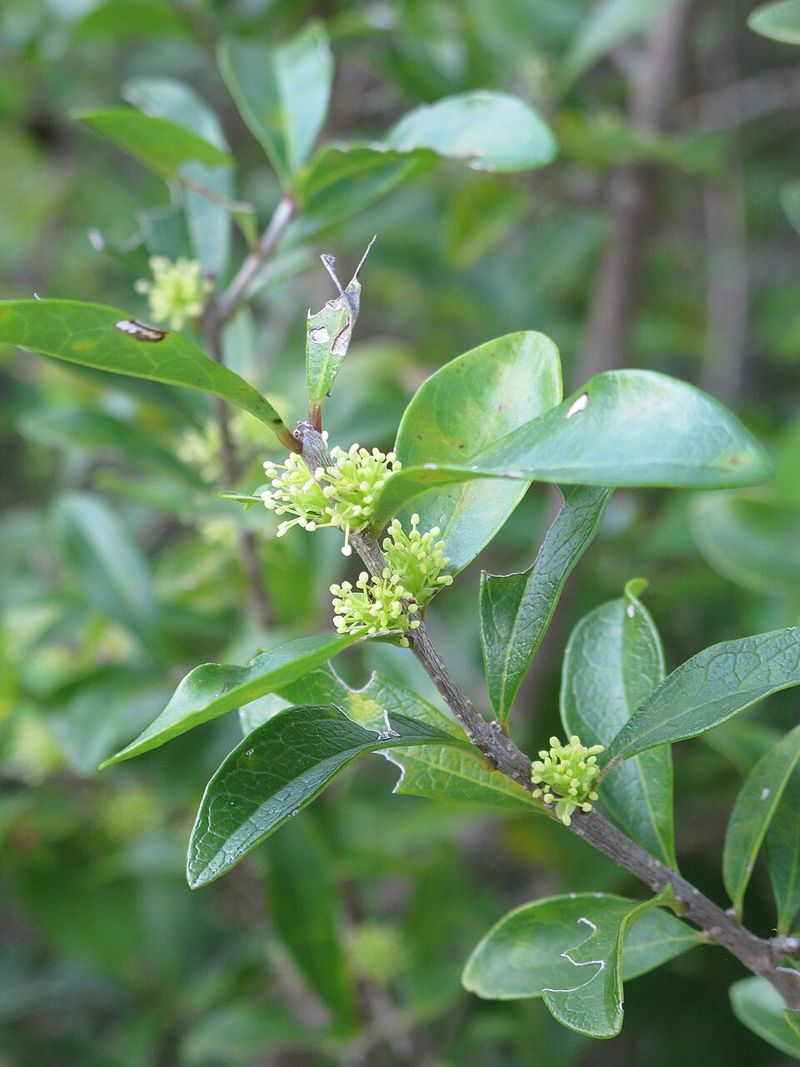
Explore naturalistic landscapes in forward-thinking Florida HOA communities, and you will discover Florida privet creating informal hedges and wildlife-friendly screens. This tough native shrub offers the relaxed, sustainable aesthetic that modern landscape designers favor while still maintaining the clean lines architectural boards expect.
The small, bright green leaves create dense coverage, and the plant produces tiny flowers followed by dark berries that birds devour without creating noticeable mess in your beds.
Many architectural review committees approve Florida privet because it adapts to formal shaping or natural form, depending on your community’s standards.
Growth reaches ten to fifteen feet if left unpruned, but the plant responds beautifully to regular trimming for shorter foundation plantings or mid-height hedges.
This shrub tolerates salt spray, drought, and flooding, making it incredibly versatile for challenging landscape situations across Florida.
Maintenance involves trimming two or three times yearly to maintain your desired shape and size. Florida privet thrives throughout the state, from coastal to inland locations, and handles full sun to partial shade.
Homeowners appreciate how this native provides year-round structure, supports local wildlife, and requires minimal care while delivering the polished, intentional appearance that keeps HOA boards happy and your landscape looking sharp.
Always verify plant selections with your HOA’s architectural guidelines before purchasing. While these plants are widely used in Florida-friendly HOA landscapes, approval standards vary by community and location.