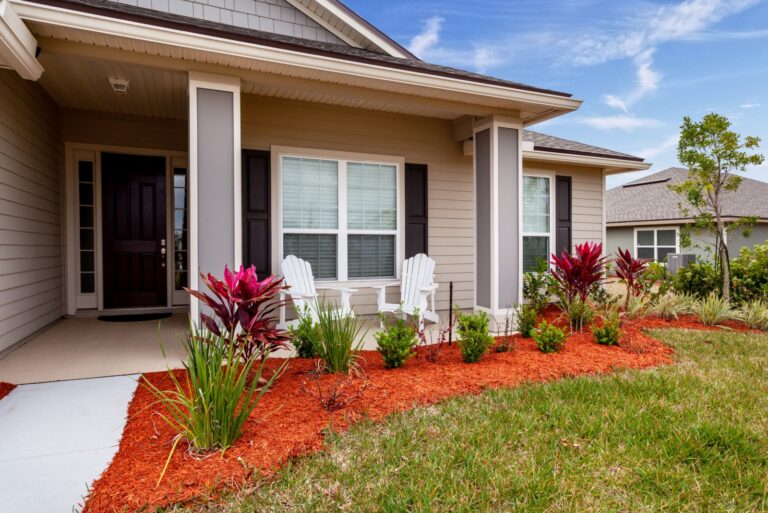
Florida HOA Rules That Homeowners Often Have The Right To Challenge

That HOA letter shows up and suddenly your good mood is gone. Fines, warnings, “violations” over grass height, paint shades, parking, or something you didn’t even know was a rule.
Sound familiar? In Florida, many homeowners assume HOA decisions are final and there’s nothing they can do but pay up or comply.
That’s not always true. Some rules get enforced unfairly, selectively, or in ways that don’t actually hold up when you dig into the details.
All information in this article is based on Florida law as it stands in early 2026. Laws and regulations can change over time, so homeowners should always verify current statutes and requirements before taking action.
Knowing where your rights begin and where HOA power ends can save you money, protect your property, and spare you weeks of stress. Some of these rules aren’t as untouchable as they seem, and once you know which ones, everything changes.
1. Flags And Displays Your HOA Can’t Easily Ban
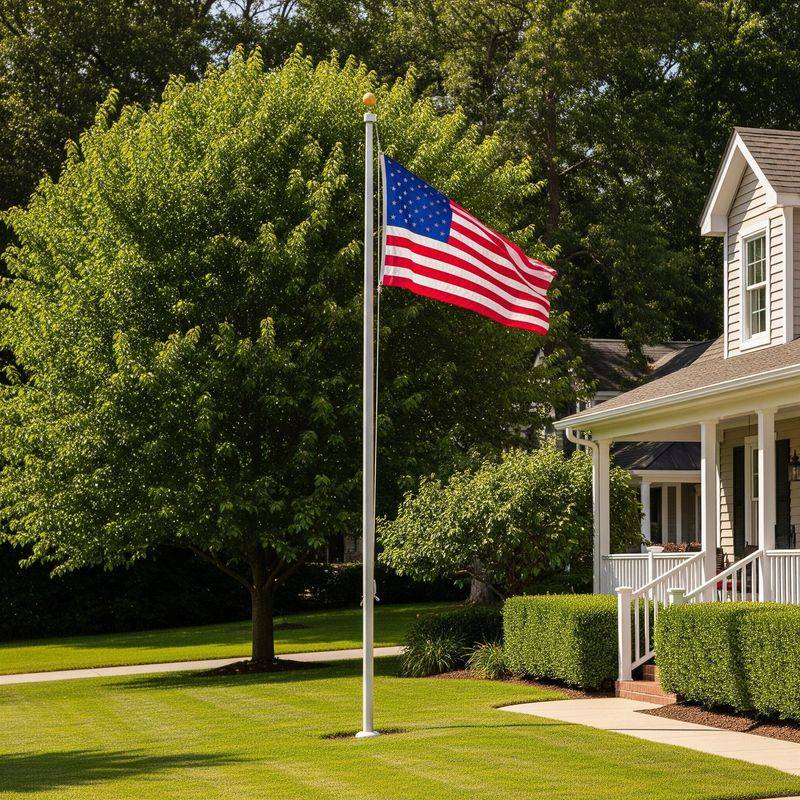
A homeowner in the community receives a letter demanding that an American flag be removed from the front yard. The board cites aesthetic guidelines.
She panics, thinking she has no choice but to comply with the demand.
Florida Statute 720.304 allows homeowners to display up to two protected flags, including the United States flag, even if HOA rules say otherwise. HOAs cannot ban these flags outright, but the law limits size to 4.5 feet by 6 feet for portable flags and allows one freestanding flagpole up to 20 feet tall under certain conditions.
HOAs may enforce reasonable placement rules tied to safety codes and setbacks, but they cannot impose blanket bans on the protected flags listed in the statute.
Many homeowners assume that because the HOA has rules about exterior decorations, flags fall under the same restrictions. That assumption costs people their rights.
The law specifically carves out protection for the flag, and most boards back down once homeowners cite the statute.
Florida law also protects certain other items, such as solar energy devices and clotheslines, under separate statutes and specific conditions. The key is knowing that blanket prohibitions often exceed legal authority.
When you receive a violation notice about your flag, respond in writing with a reference to Florida Statute 720.304. Keep copies of all correspondence.
Most associations will withdraw the violation rather than face a legal challenge they’re likely to lose, and your flag stays exactly where you want it.
2. Solar Panels And Energy Upgrades You’re Allowed To Have
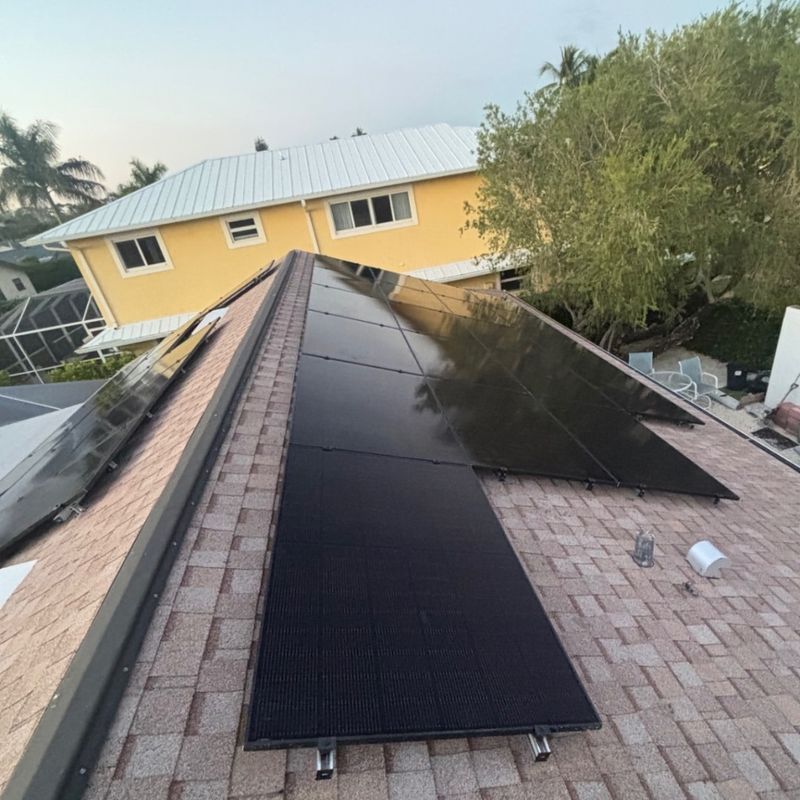
You decide to install solar panels to lower your electric bill. The HOA architectural committee denies your application, claiming the panels will hurt property values and violate community aesthetics.
You wonder if you just wasted money on a consultation.
Florida Statute 163.04 protects your right to install solar collectors, and your HOA cannot prohibit them outright. The law recognizes that energy efficiency benefits the entire state.
Your association may only require a different roof placement if it does not impair the effective operation of the system, and placement must still fall within the law’s allowed south-facing orientation range.
This surprises most homeowners who assume their HOA has final say over anything visible from the street. Associations often try to steer you toward less efficient placement or demand expensive screening that defeats the purpose.
You do not have to accept placement requirements that reduce the system’s effective operation, which is the legal standard in Florida law.
When your application gets denied, respond with a written request for specific reasons tied to the statute’s allowable restrictions. Document everything, including written explanations showing how their demands affect system performance or required placement.
Many boards retreat when they realize homeowners understand the law. If they continue to block reasonable installation, consult an attorney experienced in Florida HOA disputes.
Your right to solar energy is backed by state law, and enforcement actions against compliant installations rarely survive legal scrutiny.
3. Landscaping Rules That Often Surprise Homeowners

An HOA sends a violation notice after part of a front lawn is replaced with native plants and mulch. The letter demands you restore the grass within thirty days or face fines.
The homeowner believed the changes would reduce water use and support environmental conservation.
Florida law has shifted to support water conservation and sustainable landscaping practices. While your HOA can enforce reasonable landscaping standards, they face limits when those standards conflict with state water policy and environmental goals.
Florida Statute 373.185 states that HOA covenants may not be enforced to prohibit homeowners from installing Florida-friendly landscaping, including drought-tolerant plants and water-efficient designs.
Older HOA documents often require lush green lawns that consume enormous amounts of water, especially during Florida’s dry season. Those requirements made sense decades ago but clash with current environmental priorities.
Your association may still enforce reasonable appearance and maintenance standards, but it cannot require landscaping rules that effectively prohibit Florida-friendly alternatives.
What qualifies as reasonable varies by community, but native plants, mulch beds, and efficient irrigation generally receive protection. When you get a landscaping violation, review your governing documents alongside the relevant statutes.
Respond in writing explaining how your landscaping meets conservation goals while maintaining curb appeal. Offer to meet with the board and provide examples of similar approved landscapes.
Most associations would rather work with you than defend outdated rules in court. Keep photos showing your yard is well maintained, just different from the grass-only standard some boards still expect.
4. Things Your HOA Usually Can’t Control If They’re Out Of Sight
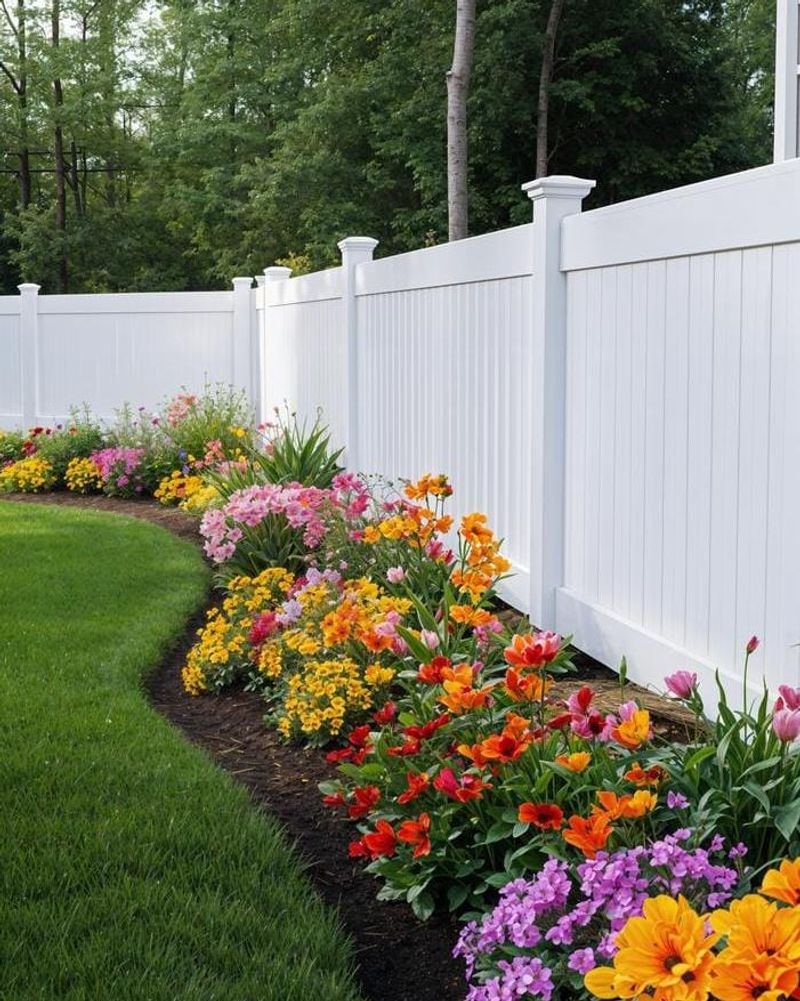
You install a small storage shed in your fenced backyard. It’s completely hidden from the street and neighboring properties.
The HOA demands you remove it, citing a rule that all structures require architectural approval regardless of visibility.
If your backyard is fully fenced and the shed cannot be seen from anywhere outside your property, enforcement becomes much harder to justify. When an item cannot be seen from legally defined viewpoints, Florida law limits how far an HOA can go in restricting it.
Florida Statute 720.3045 limits HOA authority over items stored or installed on a homeowner’s property when those items are not visible from the parcel frontage, adjacent parcels, adjacent common areas, or community golf courses (unless prohibited by local ordinance or general law). Many HOA boards overreach by treating every square inch of your property as subject to the same restrictions that apply to front yards and visible areas.
That approach often does not hold up when state law limits enforcement authority. Governing documents may claim broad control, but statutes place boundaries on how far HOAs can regulate private property.
When you receive a violation for something hidden behind a fence, photograph the sight lines from streets, sidewalks, and neighboring yards. If the item truly isn’t visible, document that fact thoroughly.
Respond to the HOA in writing, noting the lack of visibility and asking how the violation affects community aesthetics or property values. Many associations back down when they realize enforcement would require proving harm that doesn’t exist.
If they escalate anyway, consult an attorney before complying with demands that exceed reasonable authority over genuinely private spaces.
5. Why Some HOA Rules Don’t Actually Hold Up
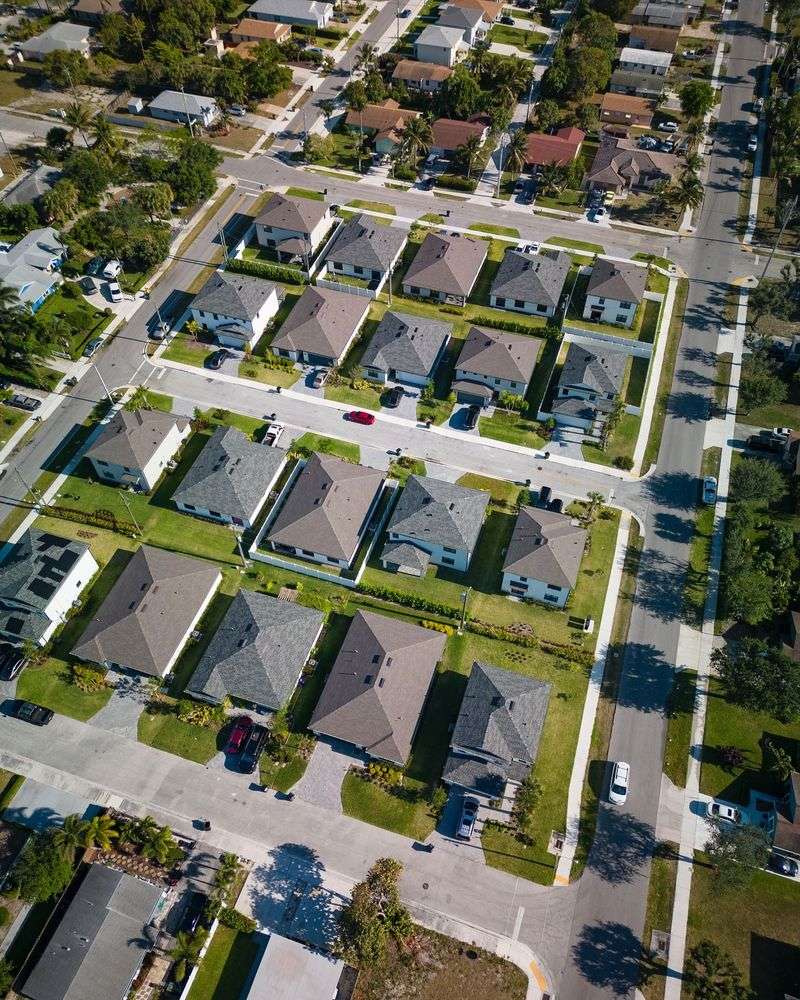
While reviewing HOA governing documents, a homeowner notices rules that appear to conflict with Florida law. One rule prohibits any vehicles in driveways overnight.
This leaves many homeowners confused about which rules actually matter.
HOA rules must comply with Florida statutes, and when governing documents conflict with state law, the statute wins. Your association cannot enforce rules that violate your statutory rights, even if those rules appear in properly recorded declarations or bylaws.
This legal hierarchy protects homeowners from overreach.
Common examples include HOA rules that conflict with state protections for flags and flagpoles, solar energy systems, Florida-friendly landscaping, and items stored on property that are not visible from public or neighboring viewpoints. Florida law specifically protects these activities within reasonable parameters.
Your HOA cannot simply override state statutes by writing stricter rules into their documents.
The challenge is that many boards either don’t know the law or hope homeowners won’t challenge enforcement. When you receive a violation based on a rule that seems to conflict with your statutory rights, research the relevant Florida statutes.
Chapter 720 covers most HOA operations, while specific statutes address flags, solar panels, landscaping protections, and other regulated homeowner rights. Respond in writing citing the specific statute that supersedes the HOA rule.
Request that the board withdraw the violation and update their enforcement practices. Most associations prefer to back down rather than defend unenforceable rules in court, especially when homeowners demonstrate clear knowledge of their legal protections.
6. What To Do If Your HOA Pushes Too Far

After responding to violation notices with written references to Florida law, a homeowner continues receiving enforcement threats, including fines and lien warnings. The situation creates uncertainty about whether to comply or push back, and the stress begins to affect daily life.
When your HOA exceeds its legal authority despite your good-faith efforts to resolve disputes, you have several options. Start by requesting a hearing before the board, which your governing documents typically require before fines can be imposed.
Attend that hearing prepared with documentation, statute citations, and photos supporting your position.
If the board rules against you anyway, consider private mediation services or consult a Florida HOA attorney. The state’s DBPR arbitration process primarily applies to condominiums, not homeowner associations, so HOA disputes usually require private mediation or legal action.
Many communities also have local mediation services that cost less than litigation.
Document everything throughout this process. Keep copies of all correspondence, violation notices, your responses, and any evidence supporting your case.
Use certified mail for important communications so you have proof of delivery. This documentation becomes critical if you eventually need legal representation.
Consult an attorney experienced in Florida HOA law before paying fines for violations you believe are unenforceable. Many attorneys offer initial consultations at reasonable rates and can quickly assess whether your HOA is overstepping.
Sometimes a single letter from an attorney is enough to resolve the dispute. Your rights under Florida law are real, and protecting them sometimes requires professional help.
Disclaimer: This article is for general informational purposes only and is not legal advice. HOA enforcement depends on governing documents, local ordinances, and specific circumstances.
Homeowners should consult a qualified Florida attorney for legal guidance.