Florida Homeowners Are Replacing These Popular Plants For A Reason
Walk through any Florida neighborhood and you can feel it. Something is changing in front yards across the state.
The loud, high-maintenance landscaping that once dominated driveways and entryways is quietly being replaced by simpler, smarter plant choices. It is not because homeowners suddenly stopped caring about curb appeal.
It is because many are tired of fighting the heat, paying higher water bills, dealing with cracked sidewalks from aggressive roots, and watching “easy” plants struggle every summer and winter.
What used to look beautiful on planting day often turns into constant trimming, watering, pest control, and disappointment.
After enough seasons of replacing wilted shrubs and cleaning up leaf drop, people start asking a different question. Why keep planting things that clearly do not thrive here?
Across Florida, homeowners are rethinking their landscaping and choosing plants that survive the climate instead of fighting it. The results are lower costs, less work, and yards that actually look better year-round.
1. Plants That Demand More Than They Give
Some plants arrive in your yard looking lush and full of promise. They grow well at first, and you feel confident about the choice.
Then summer arrives, or a dry spell settles in, and suddenly those plants need constant attention just to stay presentable.
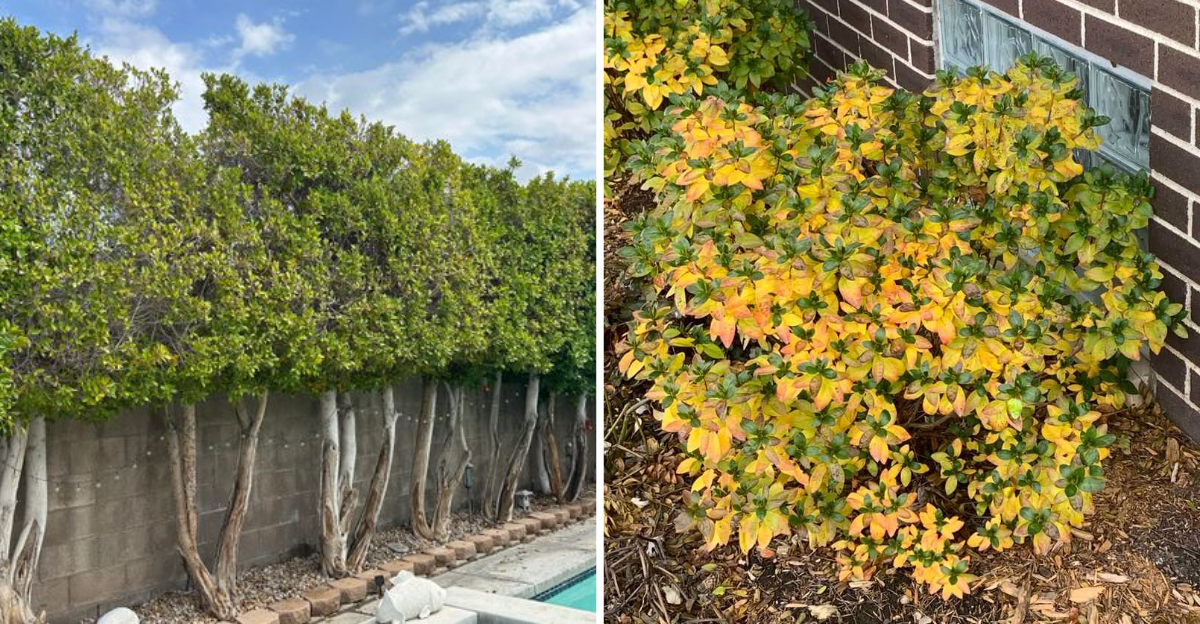
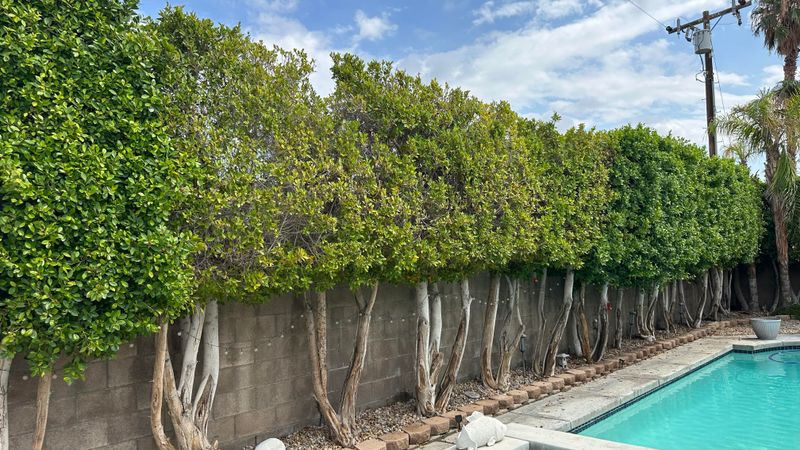
Ficus hedges are a perfect example. They create dense privacy quickly, but their roots invade sidewalks, driveways, and even plumbing lines.
You end up spending more on repairs than you ever saved on initial landscaping costs.
Crotons also fit this pattern. Their colorful leaves draw attention at garden centers, but they demand regular water, fertilizer, and protection from cold snaps.
If temperatures dip into the low 40s, the leaves turn brown and drop, leaving bare stems until warmer weather returns.
These plants were once seen as reliable choices, especially in new developments where fast coverage mattered. Over time, though, homeowners realize the ongoing costs—both financial and physical—outweigh the benefits.
You find yourself trimming, watering, and managing problems that never seem to end. Florida’s heat and humidity expose plants that need too much from you.
When you compare the effort required to the results delivered, it becomes clear why so many homeowners are moving toward alternatives that perform well without constant intervention.
2. Water-Hungry Favorites Falling Out Of Favor
Water restrictions are becoming more common across Florida, especially during dry seasons. Plants that once seemed like safe choices now feel like liabilities when your irrigation system runs constantly just to keep them from wilting.
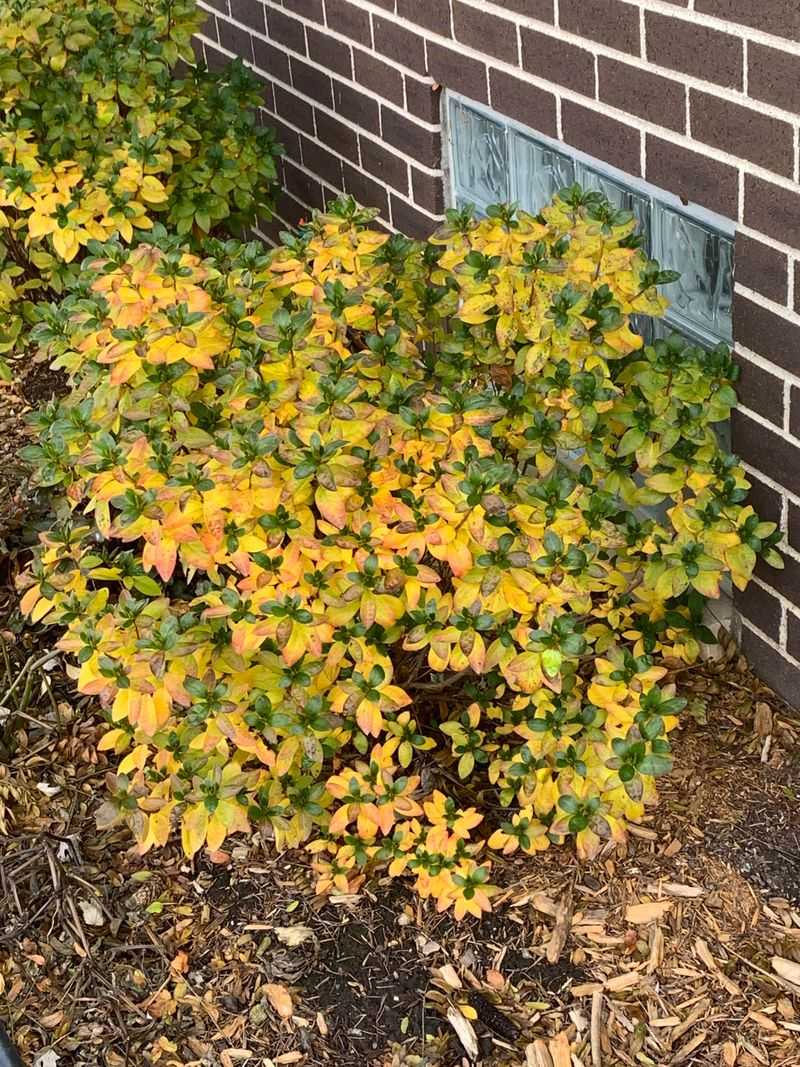
Azaleas are a prime example.
These flowering shrubs thrive in cooler, wetter climates, but Florida’s sandy soil and intense summer heat force them to drink heavily. They also prefer acidic soil, which requires ongoing amendments in many parts of the state.
Without consistent moisture and careful pH management, azaleas struggle to bloom and often develop yellowing leaves.
Impatiens face similar challenges. They were once the go-to choice for shady spots, offering bright color with minimal fuss.
Then downy mildew arrived in Florida, and impatiens began collapsing mid-season, leaving bare patches where flowers once bloomed. Even resistant varieties require more water than most homeowners want to provide during summer droughts.
Homeowners are noticing the pattern. When your water bill climbs and your plants still look stressed, it is time to reconsider.
Florida Friendly Landscaping principles emphasize choosing plants that match natural rainfall patterns, not ones that demand supplemental irrigation year-round.
Replacing water-hungry plants with species adapted to Florida’s wet and dry cycles reduces both cost and effort. Your yard stays healthier, and you stop worrying every time a watering restriction is announced.
3. Fast-Growing Plants That Create Long-Term Problems
Fast growth sounds appealing when you first move into a home with bare beds or need quick privacy from neighbors. Bamboo and certain varieties of ornamental grasses promise rapid results, and they deliver.
Then you realize speed comes with consequences you did not anticipate.
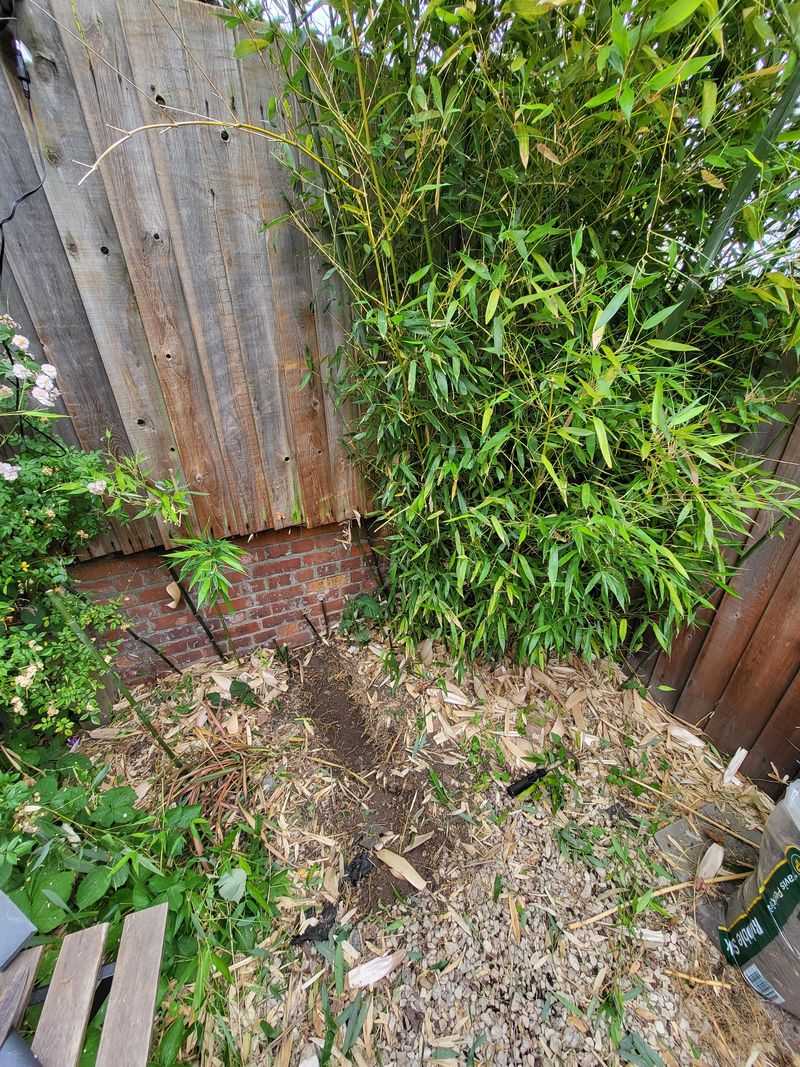
Running bamboo spreads aggressively through underground rhizomes, crossing property lines and popping up in places you never planted it. Controlling it requires constant vigilance, root barriers, or even professional removal.
What started as a privacy screen becomes a neighborhood problem.
Arboricola, also called schefflera, grows quickly and tolerates shade, which made it a popular foundation plant for decades. But it grows so fast that it requires frequent pruning to stay in bounds.
Left unchecked, it reaches 10 to 15 feet tall and wide, blocking windows and crowding other plants. Its berries also attract birds that spread seeds, leading to volunteer plants throughout your yard.
Homeowners are learning that fast growth often means high maintenance. You trade one problem (slow establishment) for another (constant management).
Florida’s warm climate accelerates growth rates even further, so plants that might behave in cooler states become unruly here.
Choosing plants with moderate growth rates saves time and effort over the long term. Your yard stays balanced, and you spend less time fighting back overgrowth every few months.
4. Landscaping Choices That Do Not Age Well
Some plants look perfect for a few years, then decline in ways that leave your yard looking tired and unkempt. Sago palms are a classic example.
They were planted everywhere in the 1990s and early 2000s, valued for their tropical appearance and low water needs.
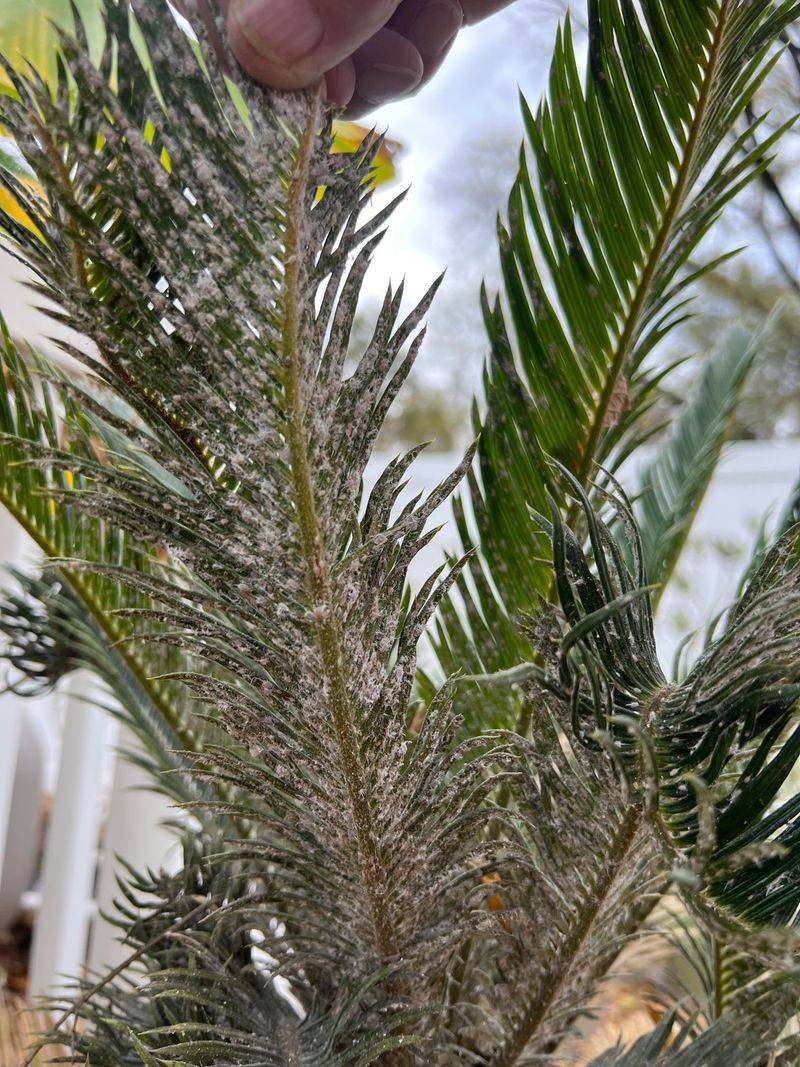
But sagos grow extremely slowly, and as they age, they develop thick trunks and heavy fronds that become difficult to manage. Their seeds are highly toxic to pets and children, which worries many homeowners.
Sagos also attract the cycad aulacaspis scale, a pest that covers fronds in white waxy coating and weakens the plant over time.
Ligustrum, or privet, was once a popular hedge choice. It grows quickly and tolerates pruning, but it also produces berries that birds spread widely, leading to invasive growth in natural areas.
Ligustrum also suffers from fungal diseases in Florida’s humid climate, leaving sections of hedges looking patchy and thin.
These plants were not bad choices when they were young, but they do not improve with age. Instead, they require more intervention, more pest control, and more cleanup.
Homeowners are replacing them with plants that stay attractive and manageable as they mature.
Florida’s climate reveals weaknesses over time. When a plant stops improving your yard and starts creating work, it is worth considering what else might fit the space better.
5. Plants That Offer Little To Wildlife
More homeowners are thinking about how their landscaping supports local wildlife. Plants that provide no nectar, no pollen, and no shelter do not contribute to the ecosystem.
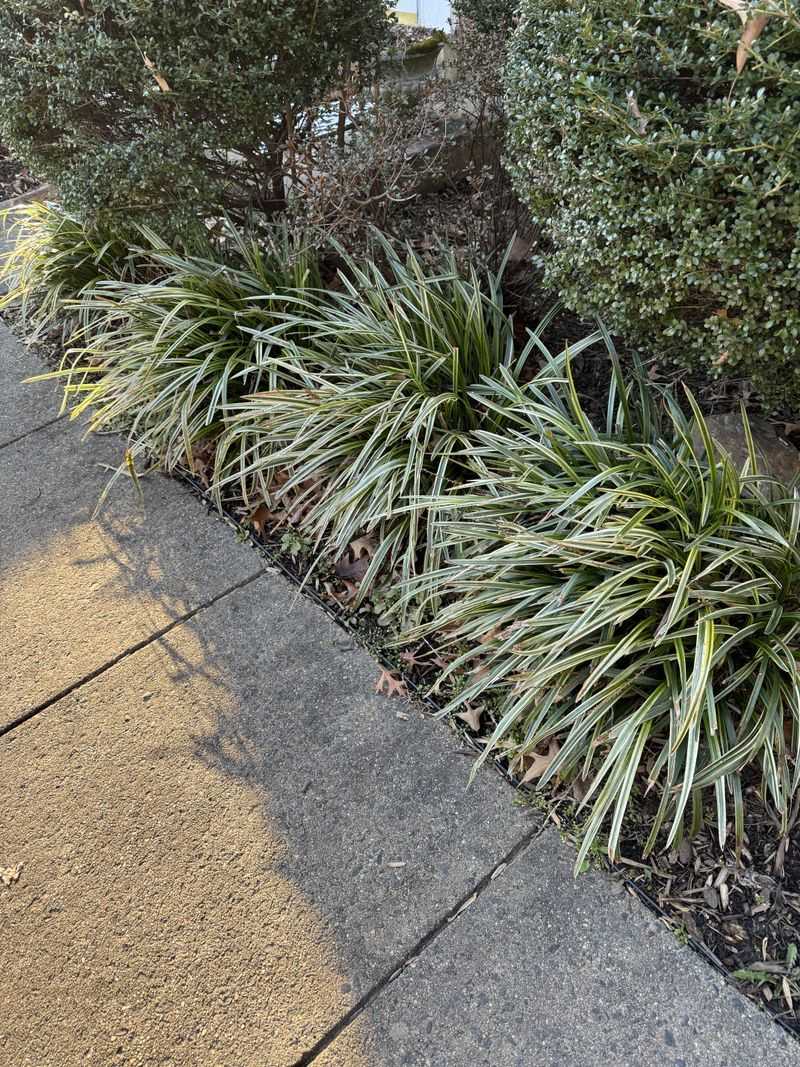
They just occupy space. Liriope, or monkey grass, is one of those plants.
Liriope grows in dense clumps and tolerates shade, which made it a popular edging plant for decades. But it offers almost nothing to butterflies, bees, or birds.
Its flowers are small and produce little nectar, and its foliage does not serve as a host plant for native insects.
Red tip photinia was another common hedge choice, valued for its red new growth and fast coverage. But it suffers from fungal leaf spot in Florida’s humidity, and it provides minimal value to pollinators or wildlife.
The flowers are not particularly attractive to beneficial insects, and the plant does not support native food webs.
Homeowners are realizing that every plant in their yard can either support local wildlife or simply take up space. Florida Friendly Landscaping encourages choosing native or well-adapted plants that provide food and habitat for pollinators, butterflies, and birds.
Replacing ornamental-only plants with species that serve a purpose benefits your yard and the broader environment. You still get attractive landscaping, but now it also supports the creatures that make Florida’s natural beauty possible.
6. What Florida Homeowners Are Choosing Instead
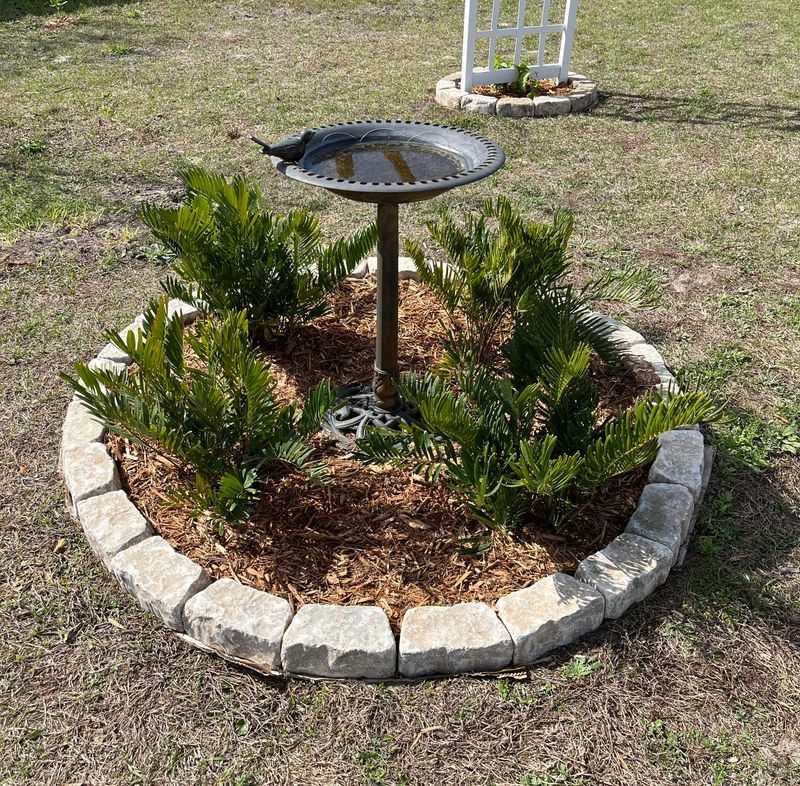
The shift away from high-maintenance, water-hungry, or invasive plants is not about abandoning landscaping. It is about choosing plants that work with Florida’s climate instead of fighting it.
Native species and well-adapted alternatives are becoming the new standard.
Coontie, a native cycad, is replacing sagos in many yards. It grows slowly, tolerates drought once established, and serves as the host plant for the atala butterfly.
Firebush is another popular choice, offering bright tubular flowers that attract hummingbirds and butterflies while tolerating heat and occasional dry spells.
Simpson’s stopper and Walter’s viburnum are replacing ligustrum and ficus hedges. Both are native, require less water once established, and provide berries that feed birds.
They also tolerate pruning well, so you can shape them into formal hedges or let them grow naturally.
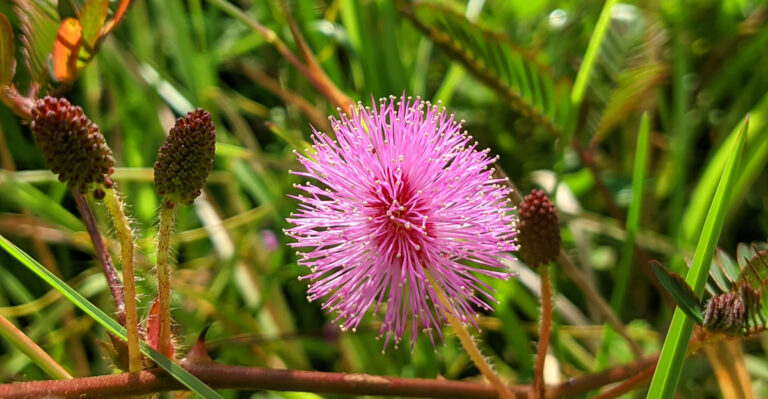
For groundcovers, sunshine mimosa and beach sunflower are replacing liriope. Both spread naturally, tolerate heat and salt, and produce flowers that support pollinators.
They also require far less irrigation and fertilizer than traditional ornamental groundcovers.
These plants were not always easy to find at big box stores, but demand is changing availability. More nurseries now stock native and Florida Friendly options, and homeowners are noticing the difference in performance.
Your yard looks better, costs less to maintain, and supports the environment at the same time.
7. Understanding Florida’s Unique Growing Conditions
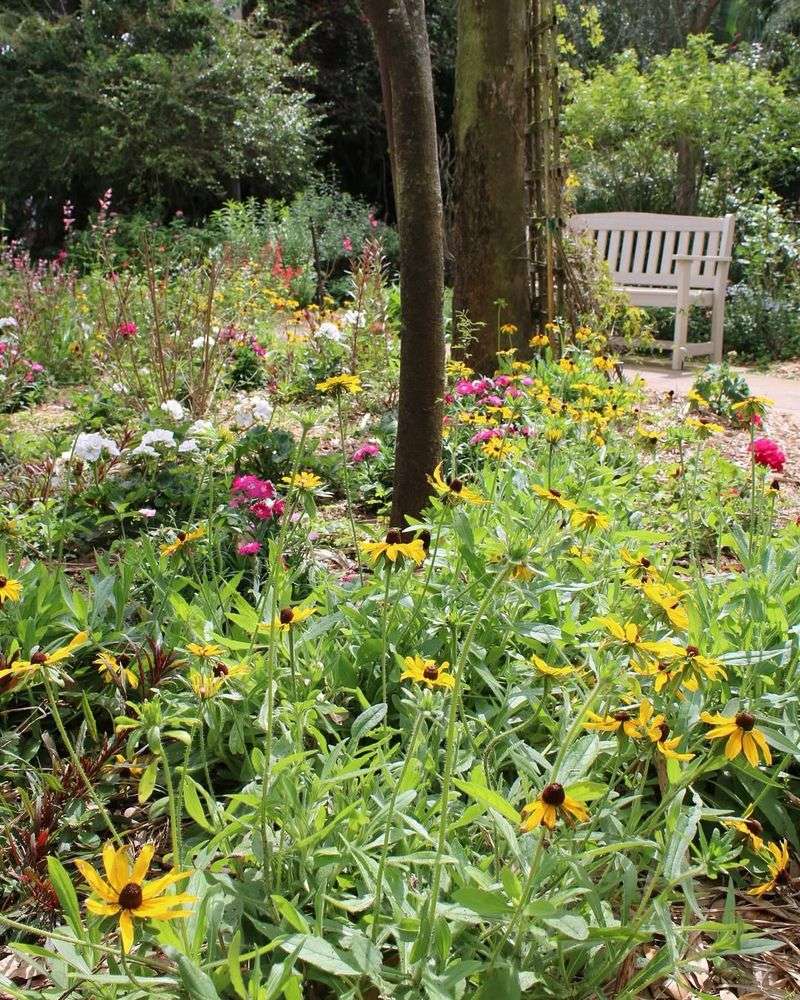
Florida is not like other states. Your yard experiences intense summer heat, sudden afternoon thunderstorms, and occasional winter cold snaps that can surprise plants adapted to consistent warmth.
Sandy soil drains quickly, which means nutrients leach away and plants need frequent watering unless they are adapted to these conditions.
Humidity creates ideal conditions for fungal diseases, so plants that thrive in drier climates often struggle here. You also deal with salt spray near the coast, which limits plant choices even further.
Understanding these conditions helps explain why certain plants fail despite your best efforts.
The University of Florida IFAS Extension provides research-based guidance on plant selection, helping homeowners choose species that match their specific zone and soil type. Florida is divided into zones 8 through 11, and what works in Pensacola may not work in Miami.
Checking your zone before planting saves time and money.
Homeowners are also learning about Florida Friendly Landscaping principles, which emphasize right plant, right place. This means choosing plants that naturally tolerate your yard’s light, soil, and water conditions without constant amendments or intervention.
It is not about lowering expectations—it is about raising performance.
When you work with Florida’s climate instead of against it, your yard becomes easier to manage and more resilient during droughts, storms, and temperature swings. You stop fighting nature and start benefiting from it.
8. Making The Transition Without Starting Over
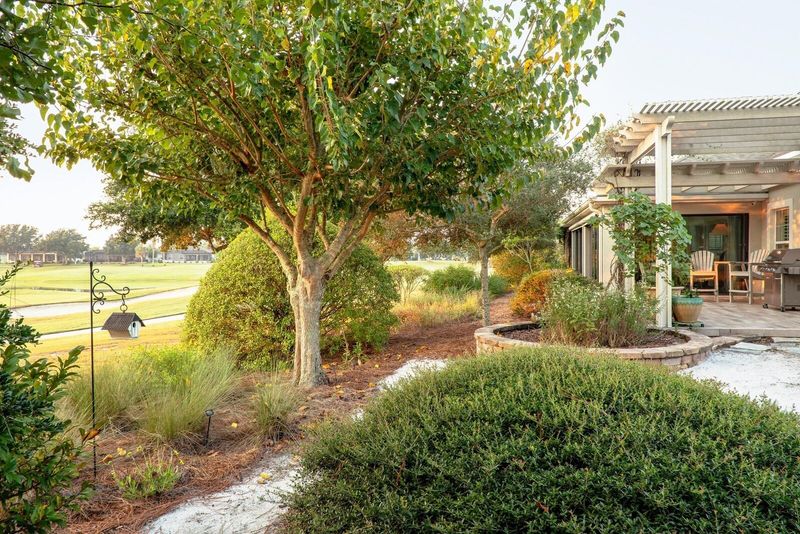
Replacing problem plants does not mean tearing out your entire yard at once. Most homeowners make changes gradually, removing one or two struggling plants each season and replacing them with better-suited alternatives.
This approach spreads out costs and allows you to test new plants before committing to large-scale changes.
Start by identifying which plants cause the most trouble. If you are constantly trimming, watering, or treating pests on a particular plant, that is your first candidate for replacement.
Remove it during the cooler months when planting conditions are ideal, and choose a native or well-adapted alternative that fits the same space.
Mulching around new plants helps retain moisture and suppress weeds while they establish. Use 2 to 3 inches of mulch, keeping it away from plant stems to prevent rot.
Water new plants regularly for the first few months, then gradually reduce irrigation as roots grow deeper.
Many homeowners also take advantage of plant sales at native plant nurseries or county extension events. These sales offer affordable options and expert advice on what works best in your area.
You can also connect with local gardening groups that share cuttings and seeds of well-adapted plants.
The transition takes time, but each change makes your yard easier to maintain. You stop fighting problems and start enjoying a landscape that works with you instead of against you.